

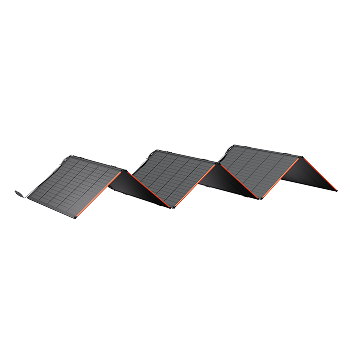
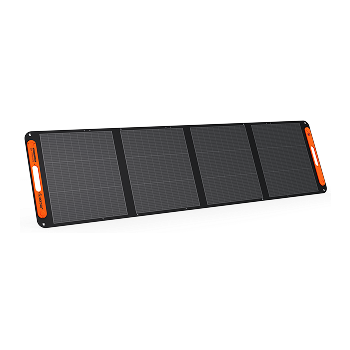











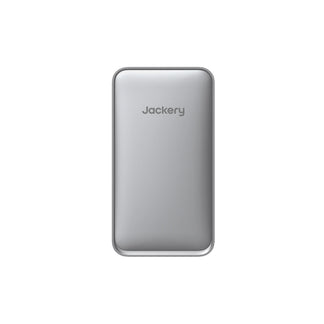
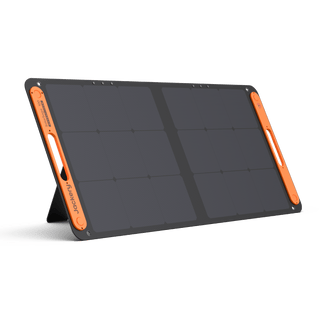
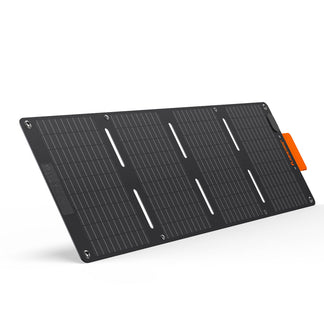
![[Add-on] Jackery SolarSaga 500 X - Jackery](http://www.jackery.com/cdn/shop/files/add-on-jackery-solarsaga-500-x-1493607.webp?v=1786503068&width=324)
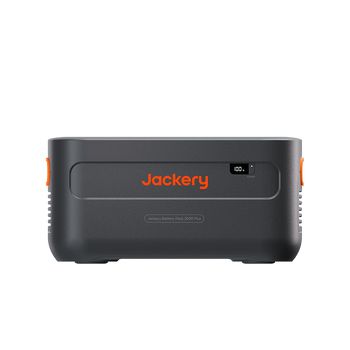
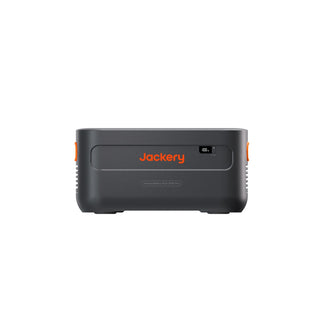
![[Add-on] Jackery Battery Pack 5000 Plus - Jackery](http://www.jackery.com/cdn/shop/files/add-on-jackery-battery-pack-5000-plus-6713401.webp?v=1786503068&width=324)
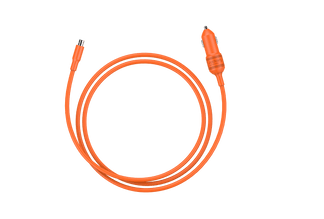
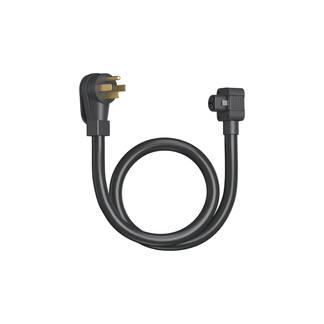
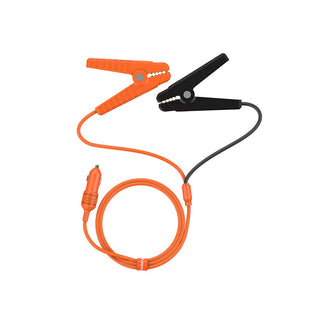








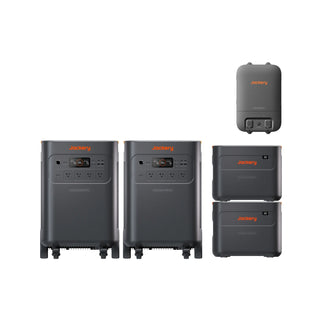
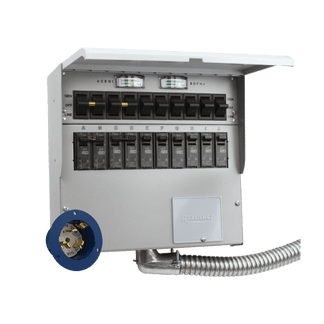


Quick Answer: A 30 amp generator at 240V delivers 7,200W peak and 5,760W continuous safe load — powers refrigerator, furnace blower, sump pump, lights, and home office equipment during an outage. It cannot run central air conditioning or electric heat simultaneously — these high-draw appliances exceed the generator's capacity. Safe connection to your home's circuits requires a transfer switch or interlock installed by a licensed electrician, and the generator must sit at least 20 feet from the home to prevent carbon monoxide poisoning.
Key Takeaways
- Central AC is the top pain point — a 3-ton unit typically needs 6,000–9,000W starting surge (spikes to 15,000W), far exceeding a 30-amp system's 7,200W peak.
- Safe continuous load is 5,760W — exceeding this limit for long periods risks overheating the breaker or damaging the generator.
- Electric heat is impossible — electric furnaces or heat strips draw approximately 10,000W, immediately surpassing a 30-amp system.
- Battery-based solar generators eliminate fuel storage and CO risk — they provide the same 30-amp output for essential loads with zero emissions and silent operation.
What Can a 30 Amp Generator Power During an Outage?
A 30 amp generator at 240V can power a refrigerator, furnace blower, sump pump, LED lights, and home office equipment — its 7,200 peak watts and 5,760 continuous watts handle essential loads comfortably. That's enough for the essentials most households need during a 24-hour outage. It won't run everything — but it keeps the critical systems alive.
Essential Appliances That Run Comfortably
The essential appliances that run comfortably on a 30 amp generator include refrigerator, furnace blower, sump pump, LED lights, and home office equipment, with total continuous load staying under 5,760W. Here's what fits:
- Refrigerator: 600–800W running, with a 1,200–2,000W startup surge. Modern Energy Star units pull closer to 600W — older models push toward 800W.
- Gas furnace blower: 500–800W. This is the single most important winter backup load. Without it, your gas furnace produces heat that never reaches your vents.
- Sump pump: 600–1,000W. Surge can spike to 1,500W on startup, so test it with other large loads off.
- LED lights: 10–60W each. Ten lights running simultaneously draw under 600W.
- Wi-Fi router and modem: 10–20W. Nearly invisible on the load calculation.
- Home office equipment: A laptop (60W), monitor (30W), and printer (50W idling) total under 150W.
Add these up: refrigerator (700W) + furnace blower (600W) + sump pump (800W) + 10 LED lights (500W) + router (15W) = 2,615W. That's less than half the continuous rating — comfortable headroom.
High-Draw Items Require Load Management
Microwave, space heater, and hair dryer can run individually on a 30 amp generator, but require careful load management to avoid overload when combined with other essentials.
- Microwave: 1,000–1,500W
- Space heater: 1,500W steady
- Hair dryer: 1,200–1,800W
Any one of these fits within 5,760W. Running a microwave while the refrigerator compressor cycles and the sump pump kicks on? That's when breakers trip.
The solution is temporary load shedding: turn off the space heater before microwaving dinner, then switch back.
What Doesn't Work on a 30 Amp Circuit
Central air conditioning, electric heat, and electric water heaters typically exceed the capacity of a 30 amp generator. Well pumps are borderline.
- Central air conditioning. A 3-ton unit needs 6,000–9,000W for starting surge, with spikes reaching 10,000–15,000W. Even the generator's 7,200W peak can't handle that inrush current. A soft starter can reduce surge by 60–70%, potentially bringing a 3-ton unit within range — but without one, central AC is off the table.
- Electric heat. Electric furnaces and heat strips draw 10,000–20,000W. That's double to quadruple the generator's continuous capacity. No workaround exists here.
- Electric water heaters. A standard 4,500W element alone consumes 78% of the continuous rating. Running it alongside a refrigerator and furnace leaves zero margin — and that's before factoring in the water heater's own startup surge.
- Well pumps. A ½ HP pump may surge to 1,500W on startup. Test it with other motor loads off. Deeper wells with 1 HP or larger pumps can surge past 2,500W, eating significant headroom.
When planning your backup strategy, the distinction between securing power for specific appliances versus attempting whole-home coverage determines whether your outage is inconvenient or unmanageable.
How Is a 30 Amp Generator Safely Connected — and a Simpler Alternative
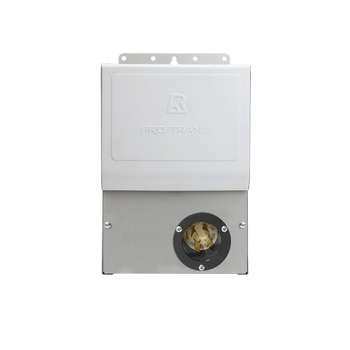
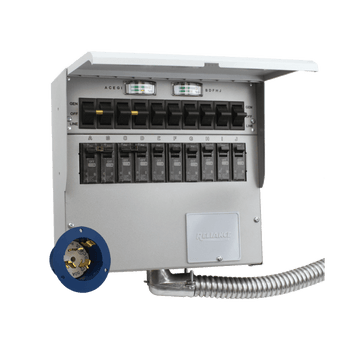
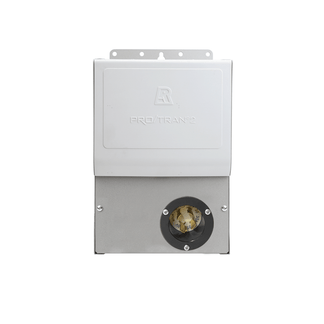
Connecting a generator to your home's circuits requires a transfer switch or interlock installed by a licensed electrician. This is not a DIY job. The switch physically isolates your home from the utility grid, preventing backfeed — a deadly hazard that can energize utility lines and electrocute line workers. [1]
Never plug a generator into a wall outlet to backfeed the house. Even with the main breaker off, the risks of improper isolation, overloaded wiring, and fire make this approach dangerous. Only a professionally installed transfer switch meets electrical code.
If you skip the transfer switch entirely and power devices directly from the generator, use only heavy-duty, outdoor-rated extension cords sized for the load. A 12-gauge cord handles up to 1,875W at 15 amps over 50 feet; for 30-amp output, you need a 10-gauge cord rated for the full circuit capacity.
Placement rules are non-negotiable.
- The generator must sit at least 20 feet from doors, windows, and air intakes.
- Carbon monoxide from engine exhaust can enter the home through any opening — garages, basements, and porches are not safe operating locations even with doors open. [1]
A battery-based solar generator eliminates this entire complexity. No inlet box, no transfer switch, no extension cords snaking through doorways. You plug appliances directly into the unit — the same way you'd plug into a wall outlet. This plug-and-play approach is the fundamental design difference between a power station and a conventional generator, and it's why many households choose battery backup for essential home backup power.
How Does a 30 Amp Solar Generator Compare to a Fuel Generator?
Solar generators provide zero-emission, silent power with no fuel storage, while fuel generators offer indefinite runtime with refueling but require CO safety measures — the core difference is how each technology shapes your outage experience.
Feature |
Solar Generator (Battery-Based) |
Fuel Generator |
|---|---|---|
Emissions & Placement |
Zero emissions during operation; can be placed indoors, next to appliances, without risk. No setback or wind-direction concerns. |
Produces CO continuously; requires 20-foot setback from doors/windows/air intakes, wind consideration, and risk of CO seeping through any opening. Cannot be operated in garages, basements, or porches even with doors open. |
Maintenance & Logistics |
No engine, no fuel storage. Runtime determined by battery capacity; recharge via solar panels or AC wall power. No carburetor cleaning, oil changes, or fuel stabilization needed. |
Ongoing attention: fuel stabilization for storage, carburetor cleaning, oil changes every 50–100 hours, cooldown before refueling. Multi-day outages require fuel supply chains — finding open gas stations, transporting flammable liquid, storing safely. |
Runtime & Recharging |
A 5–10 kWh unit runs a refrigerator for 8–16 hours. Solar panels provide indefinite recharge: a 1,000W solar input can refill a 5 kWh battery in roughly five hours of good sun. |
Runs as long as the gas tank holds fuel and you keep refilling. A 5-gallon tank at 50% load (roughly 0.5 gallons per hour) gives about 10 hours of runtime — then you need more gasoline. |
Power Quality |
Inverter-based solar generators produce clean sine wave power by default; safe for laptops, routers, TVs, and sensitive electronics. |
Most modern fuel generators include inverter technology, but budget models may produce modified sine wave output that can damage electronics. |
Cost |
Upfront $2,000–$5,000 for 30‑amp, 5 kWh capacity; zero operating cost per hour. Total cost shifts toward battery with frequent outages (see home backup power systems — generator vs battery). |
Upfront $500–$1,500; operating costs accumulate with fuel purchases. The total cost equation increasingly favors battery systems the more often outages occur. |
To understand precisely how a solar generator functions and why it's a practical home backup solution, the battery-inverter-solar input architecture mirrors the same principles as residential solar-plus-storage — just packaged for portability.
Limitations / What to Know Before
- A 30-Amp Generator Cannot Power an Entire Home — This is the single most common miscalculation. A 30 amp generator provides essential home backup — not whole-home backup. Central AC, electric water heaters, electric ranges, EV chargers, and electric dryers all exceed the 5,760W continuous limit individually. If your home uses any of these during normal operation, a 30-amp system covers a subset of your circuits, not the full panel.
- Multiple Motor Loads Can Trip Simultaneous Start — Refrigerator compressor cycles, furnace blower startup, and sump pump activation don't coordinate with each other. If all three surge simultaneously, the combined inrush can exceed 7,200W peak and shut down the generator. The worst-case scenario: a winter outage where the furnace blower cycles on just as the refrigerator compressor starts and the sump pump activates — tripping the breaker on all three. Managing this requires either staggering loads manually or accepting that occasional trips will happen. A transfer switch with individual circuit control makes load management easier — you can leave non-critical circuits off until needed.
- Battery Generators Have Finite Runtime Without Recharge — Unlike a fuel generator that runs indefinitely with refueling, a 5 kWh battery powers a 700W refrigerator for roughly 7 hours before needing recharge. For multi-day outages, solar panels are not optional — they're the recharge mechanism that makes extended operation possible. A 400W solar array adds roughly 2 kWh per day in good sun, extending refrigerator runtime by about 3 hours daily.
- Soft Starters Can Make Central AC Feasible — A Micro-Air EasyStart or similar device reduces compressor startup surge by 60–70%. A 3-ton AC unit that normally surges to 9,000W might start at 3,600W with a soft starter installed — well within the 7,200W peak capacity. This is the only realistic path to running central AC on a 30-amp system, and it requires professional HVAC installation.
- Parallel Inverter Generators Offer Redundancy — Two smaller inverter generators linked in parallel can provide the same 30-amp output while being individually lighter to lift and offering redundancy if one unit fails. This approach costs more than a single unit but appeals to users who prioritize easier handling and backup contingency.
Product Recommendation: Essential Home Backup with Clean Power
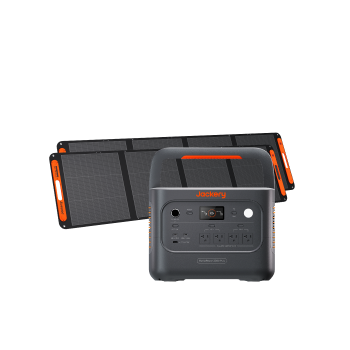
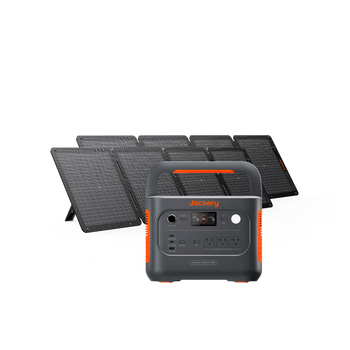
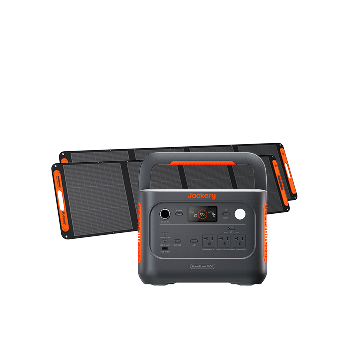
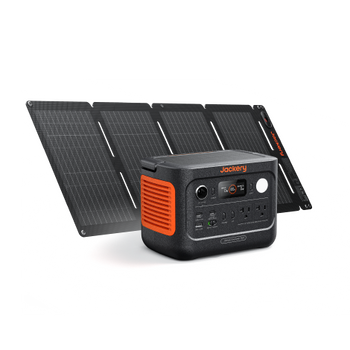
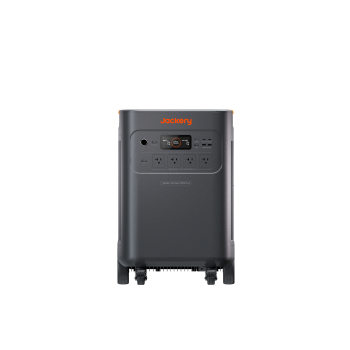
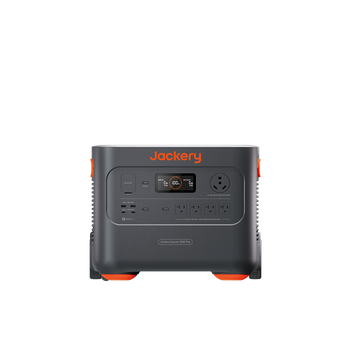
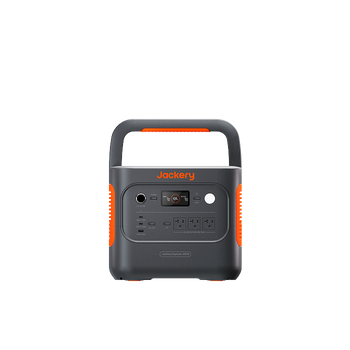
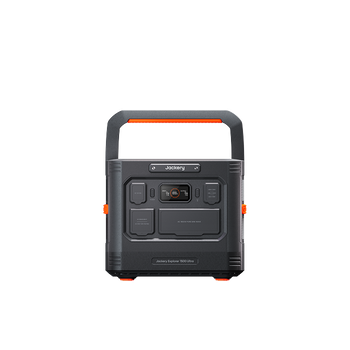
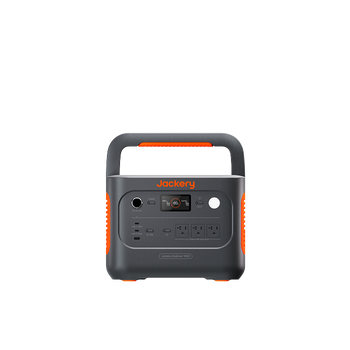
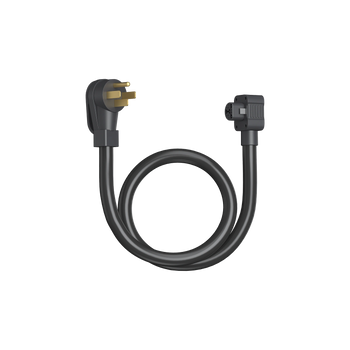
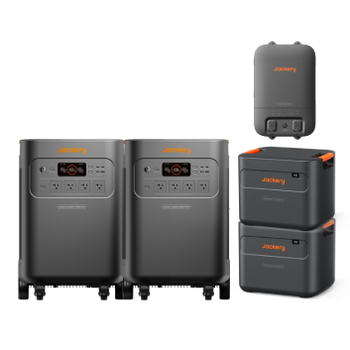
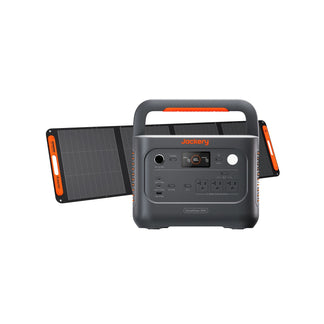
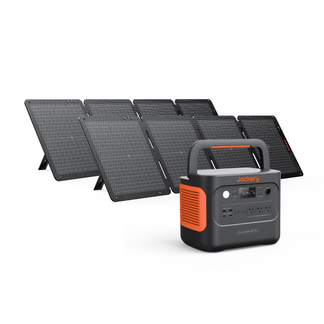
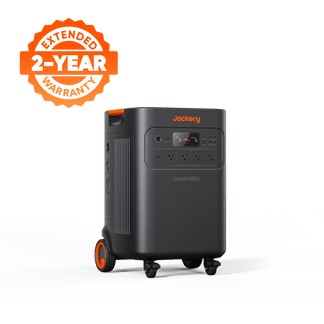
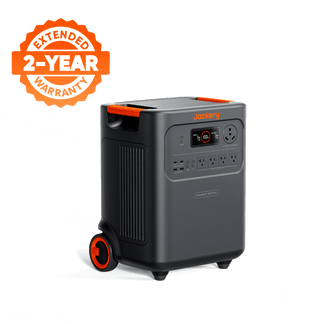
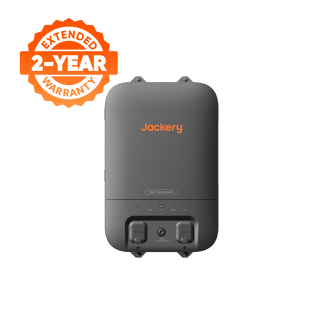
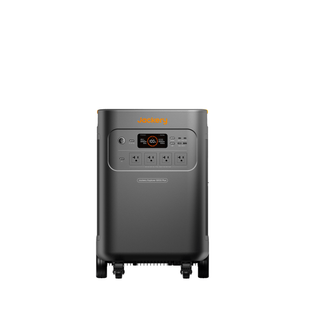
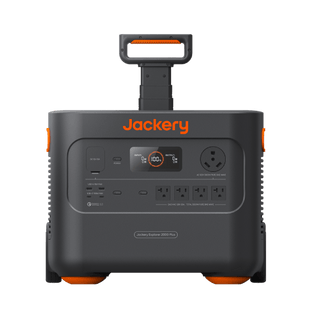
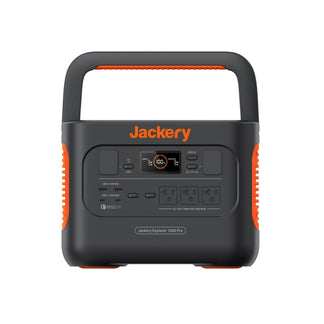
For households seeking 30-amp output without fuel, noise, or CO risk, three Jackery configurations span different budget and runtime needs. Each provides pure sine wave power and plug-and-play operation — no transfer switch required for direct device connection.
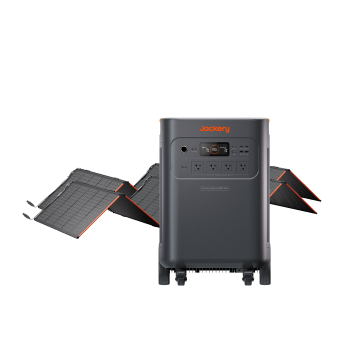
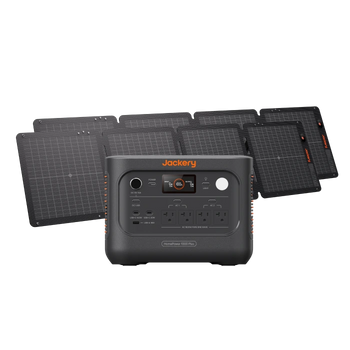
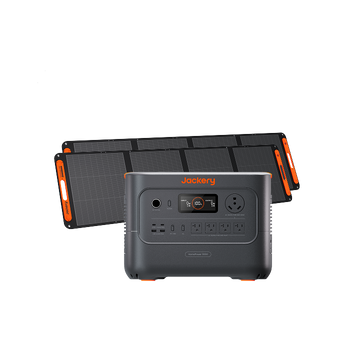
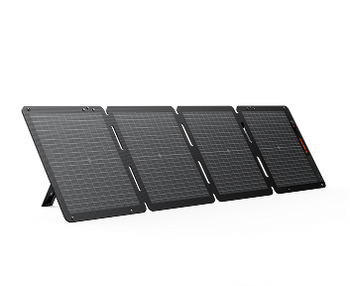
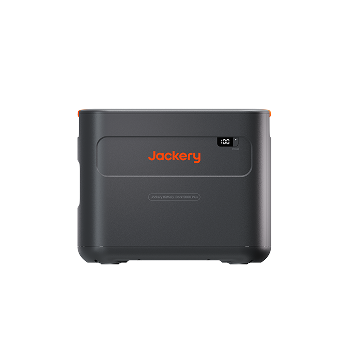
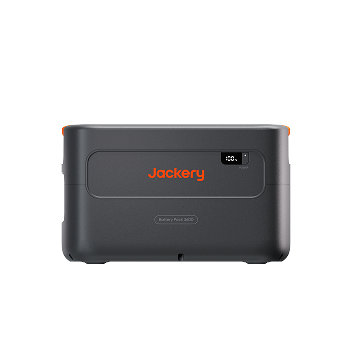
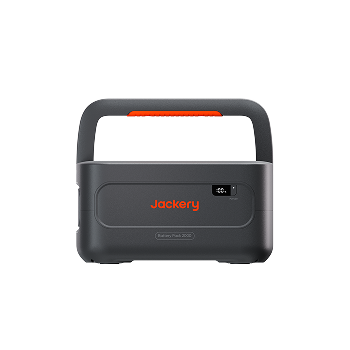
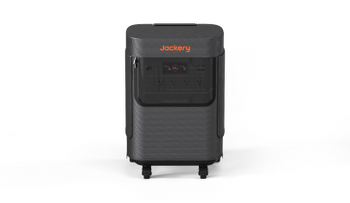
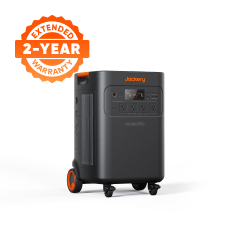
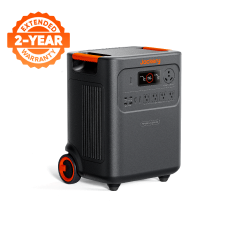
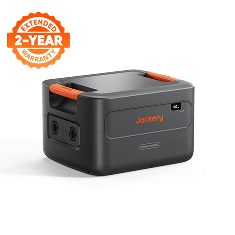
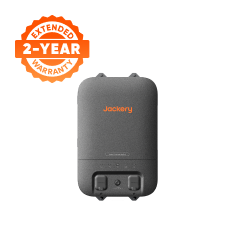
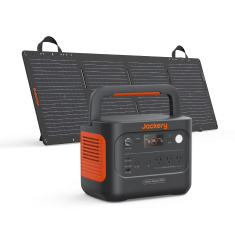
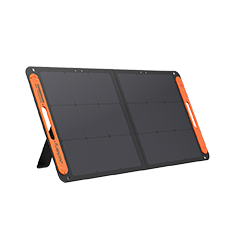
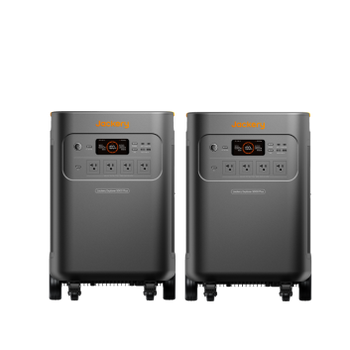
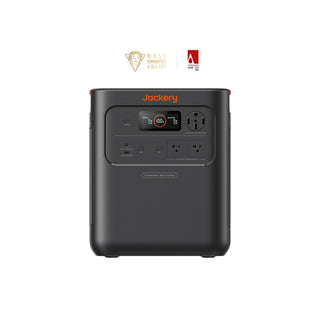
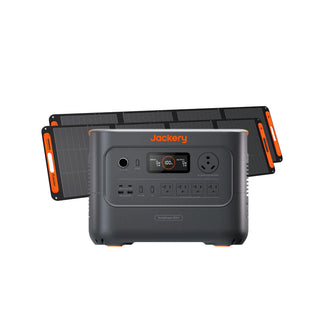
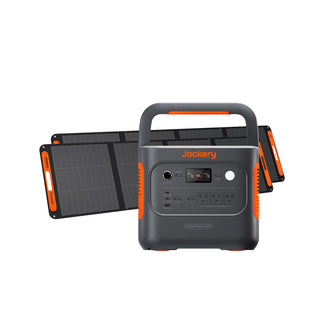
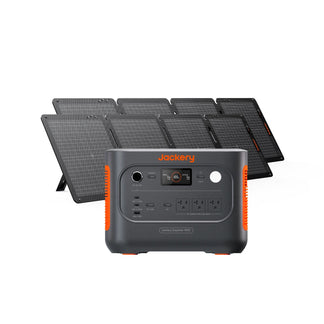
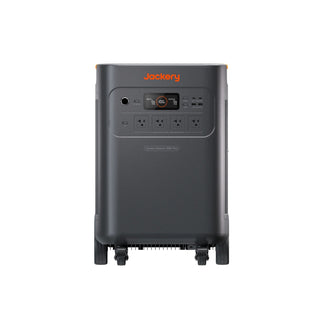
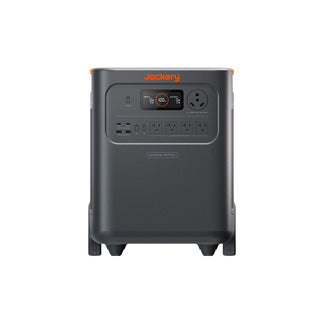
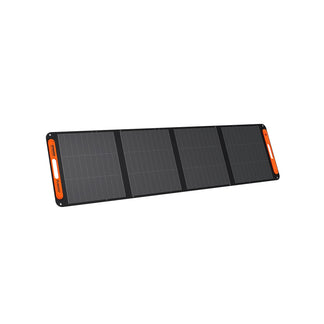
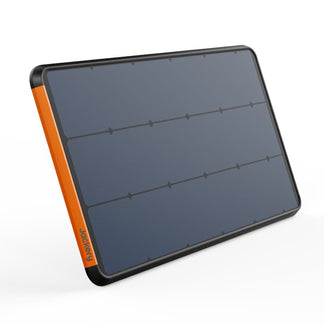
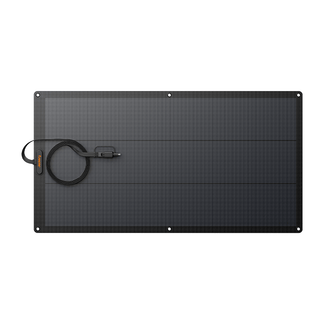
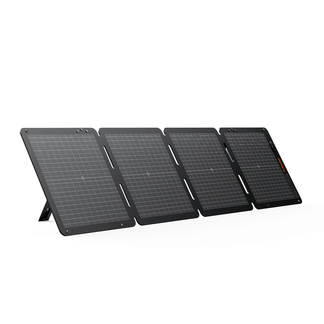
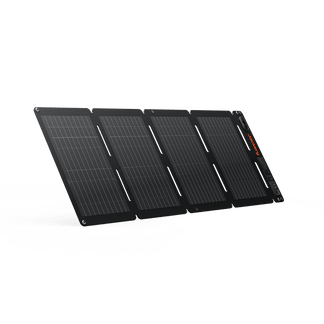
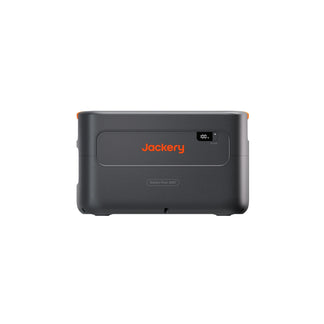
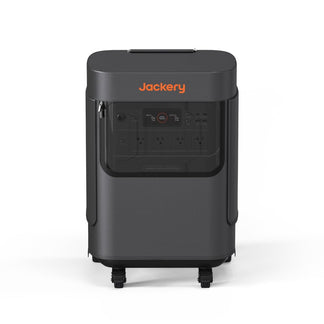
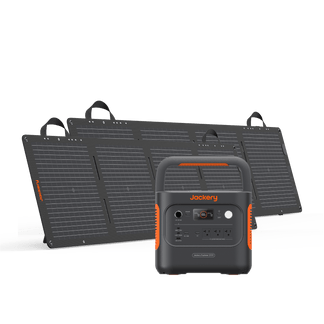
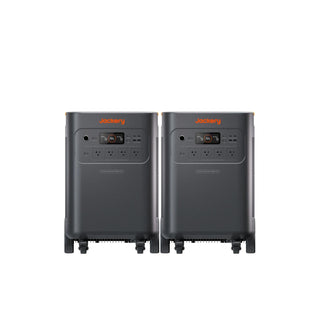
Jackery Solar Generator 5000 Plus + 2x SolarSaga 500X
Feature |
Specification |
Key Benefit |
|---|---|---|
Output |
7,200W continuous / 14,400W surge |
Exceeds 30A circuit's 5,760W safe continuous load |
Capacity |
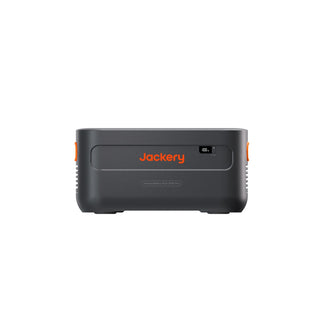
5,040Wh base, expandable to 60kWh |
Days of essential backup with zero fuel dependency |
Solar Input |
Up to 4,000W max (1,000W via included panels) |
Silent recharge during extended outages |
Placement |
Indoor-safe, zero emissions |
No 20-foot setback rule, no CO monitoring |
This system powers refrigerator, furnace blower, sump pump, lights, and home office equipment simultaneously with substantial headroom. The expandable battery architecture means you can add capacity over time rather than overbuying upfront.
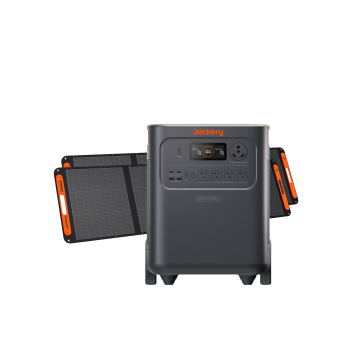
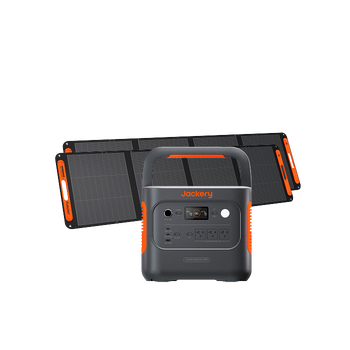
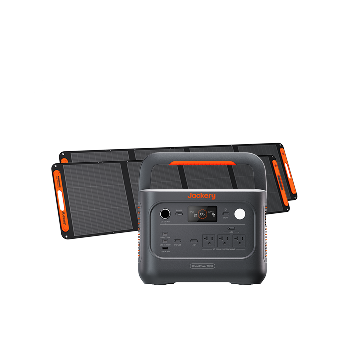
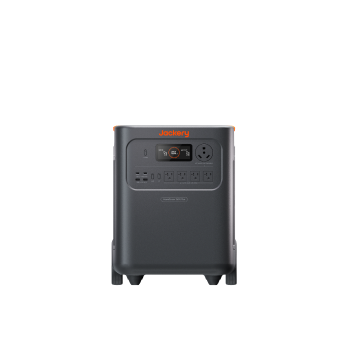
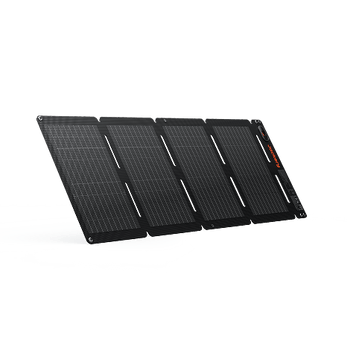
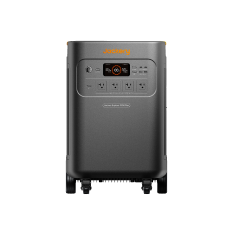
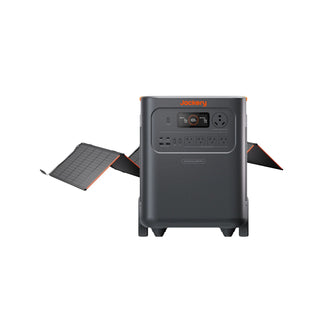
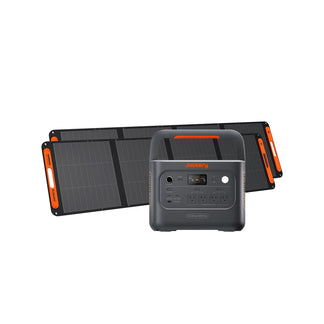
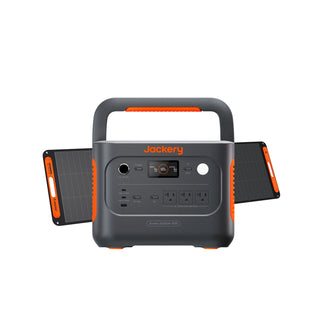
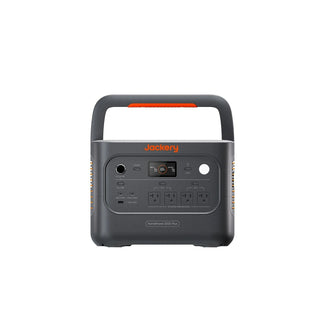
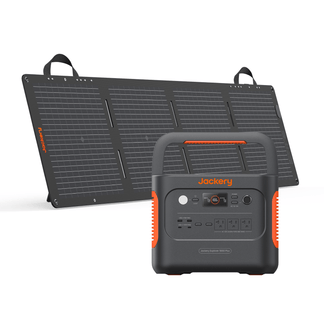
Jackery Solar Generator HomePower 3600 Plus + SolarSaga 500X
Feature |
Specification |
Key Benefit |
|---|---|---|
Output |
3,600W continuous / 7,200W surge |
Runs fridge, furnace, well pump, and office equipment with load management |
Capacity |
3,584Wh base, expandable to 21.48kWh |
8–16 hours of essential backup per charge |
Inverter |
Pure sine wave |
Safe for TVs, laptops, and sensitive electronics |
Recharge |
Solar or AC wall power |
Extended outage capability with solar input |
The 7,200W surge rating handles motor startups within the 30-amp peak envelope. For homes with moderate essential loads and interest in solar recharge, this strikes the capacity-versus-cost balance.
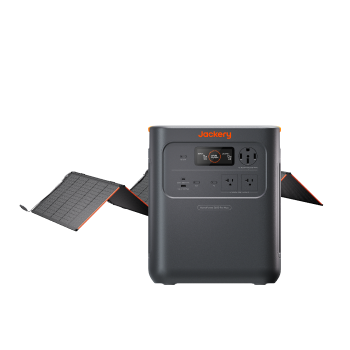
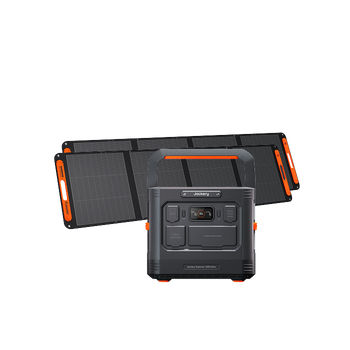
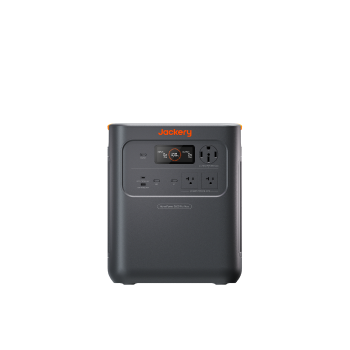
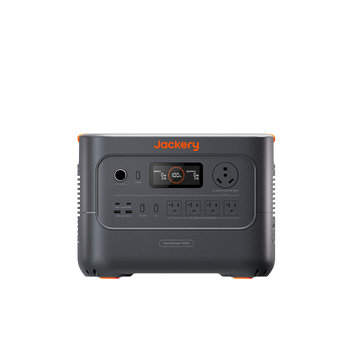
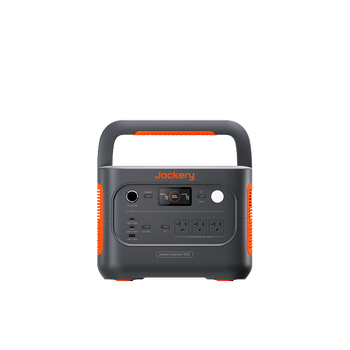
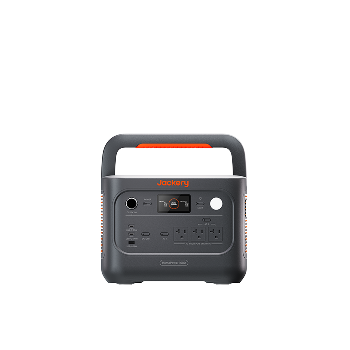
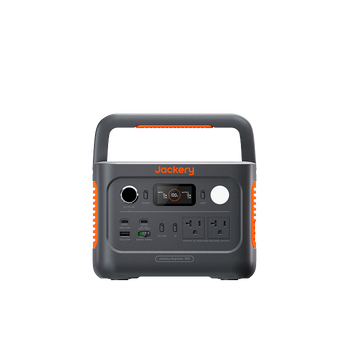
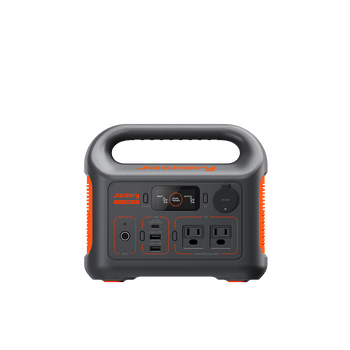
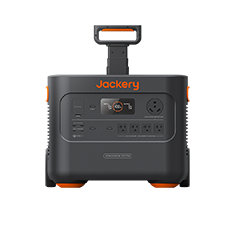
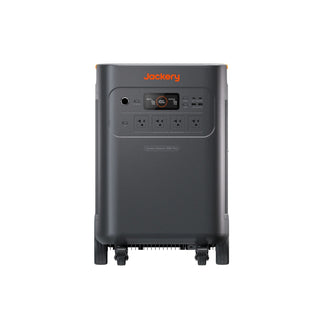
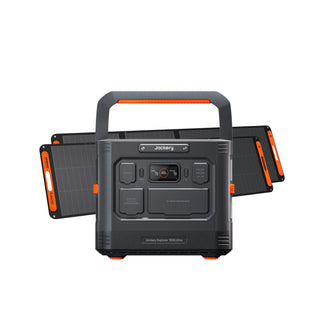
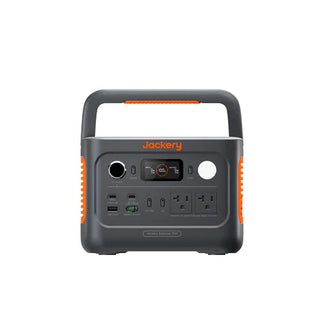
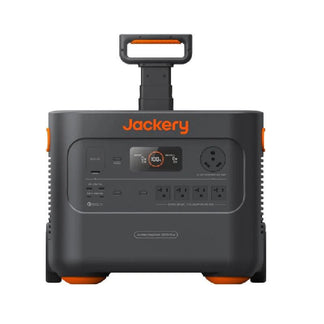
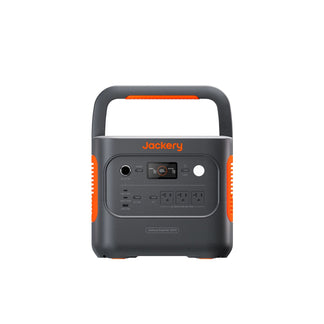
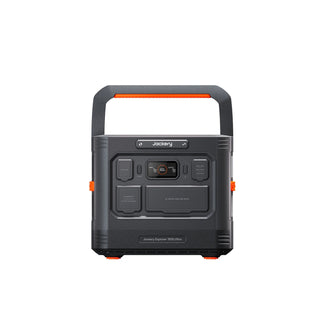
Jackery Explorer 2000 v2
Feature |
Specification |
Key Benefit |
|---|---|---|
Output |
2,200W continuous |
Runs refrigerator for 3.2 hours plus lights and Wi-Fi |
Capacity |
2,042Wh |
Short-outage coverage for a single critical appliance |
Weight |
39.5 lbs |
Portable — moves between rooms or to a campsite |
Solar Input |
Up to 400W (with additional panels) |
Multi-day outage extension with four 100W panels |
At under 40 pounds, this unit fills a different role: brief outages and portable power. It's not a 30-amp whole-panel solution, but for keeping a refrigerator cold during a 4–6 hour blackout, it's more practical than hauling out a 100-pound fuel generator.
Frequently Asked Questions
How much fuel does a 30 amp generator use per hour?
A typical 30 amp gasoline generator consumes 0.5 to 1 gallon per hour at half load, depending on engine efficiency and fuel type.
What is the typical noise level of a 30 amp generator?
Most conventional 30 amp generators produce 60–75 decibels at 23 feet, comparable to a vacuum cleaner or lawn mower.
Can I run a 30 amp generator in wet weather?
Never operate a generator in rain or snow unless it is specifically rated for wet use and placed under a canopy that does not block airflow.
How do I calculate the total wattage of my home appliances?
Add the running watts of all devices you plan to power simultaneously, then add the highest starting surge wattage among motor-driven appliances.
Can a 30 amp generator charge an electric vehicle?
Yes, it can charge an EV at Level 1 (120V, 12A) or Level 2 (240V, 16A) if the generator provides clean sine wave power and the charger does not exceed 3,840W continuous.
Sources & References
[1] U.S. Consumer Product Safety Commission, "Portable Generator Hazards — https://www.cpsc.gov/s3fs-public/5123_SafetyAlert_PortableGenerators_102021.pdf?VersionId=3D.6KZkXcpeiyriLmSswrdnVQI4JERoN (accessed June 25, 2026).


