






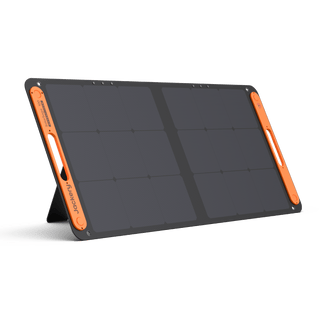
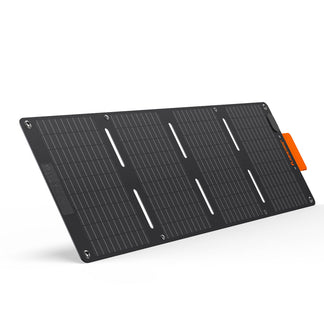
![[Add-on] Jackery SolarSaga 500 X - Jackery](http://www.jackery.com/cdn/shop/files/add-on-jackery-solarsaga-500-x-1493607.webp?v=1786503068&width=324)
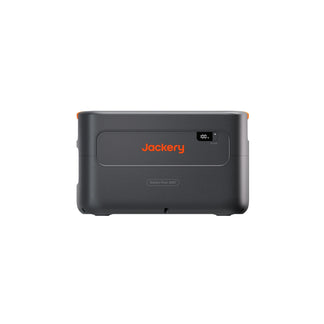
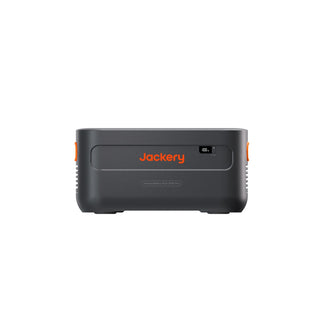
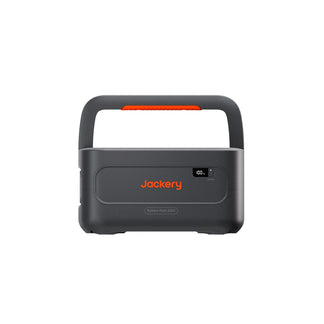
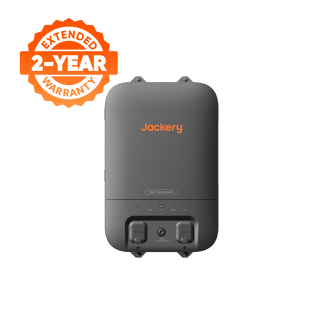
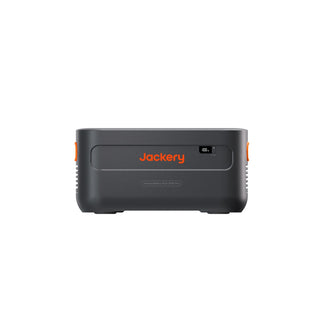
![[Add-on] Jackery Battery Pack 5000 Plus - Jackery](http://www.jackery.com/cdn/shop/files/add-on-jackery-battery-pack-5000-plus-6713401.webp?v=1786503068&width=324)








Quick Answer:
A 4000-watt generator delivers 3,000–3,500 running watts and up to 5,000 starting watts to power essentials like a refrigerator, lights, sump pump, and window AC. Central AC and electric water heaters exceed its capacity, so load prioritization is critical to avoid overloading the generator. Managing motor-driven surges is the key challenge — stagger appliance startups to stay within the generator’s peak watt limit.
Key Takeaways:
- Running vs. starting watts is critical; a refrigerator needs 600–800W to run but 1,200–2,000W to start, catching new owners off guard.
- Essential home backup with a 4000W generator can power a refrigerator, sump pump, lights, and a window AC if startup surges are staggered.
- High-draw appliances like central AC (3,500–5,000W running) and electric water heaters (3,000–4,500W) simply exceed the generator’s capacity.
- Inverter technology delivers clean power for sensitive electronics and reduces fuel use up to 40% by adjusting engine speed to load.
- The 75% load rule keeps continuous load under 3,000W to protect the generator and ensure reliable surge capacity for motor starts.
Understanding Running Watts vs. Starting Watts
Running watts are the continuous power an appliance needs to operate. Starting watts are the extra surge required to overcome motor inertia — that brief, high spike when a compressor or pump kicks on. Motor-driven devices like refrigerators, sump pumps, and air conditioners can draw 2–3 times their running watts for a few seconds during startup.
A 4000-watt generator typically provides 3,000–3,500 running watts and up to 4,000–5,000 surge watts. Peak power is the real bottleneck. You calculate total load by adding the running watts of all devices you’ll run simultaneously, plus the single highest starting surge.
Total Load = Sum of Running Watts + Highest Starting Surge
Example: You want to run a refrigerator (700W running, 1,800W surge), a sump pump (1,000W running, 2,200W surge), and a few lights (200W running). The running total is 700 + 1,000 + 200 = 1,900W. The highest surge is the sump pump’s 2,200W. Total load = 1,900 + 2,200 = 4,100W. That’s above the generator’s surge limit — you’d need to start the sump pump first, then add the refrigerator and lights.
Inverter generators handle surges more smoothly and produce clean power for electronics, which is why many 4000W inverter units are popular for tailgating and RV use. Conventional open-frame models are cheaper but louder and deliver dirtier power.
What Appliances Can a 4000W Generator Power?
A 4000-watt generator can power the following appliances, provided you manage surge startup and total load carefully:
Appliance |
Can a 4000W Generator Run It? |
Running / Starting Watts |
Key Consideration |
|---|---|---|---|
Refrigerator |
Yes |
600–800W / 1,200–2,000W |
Start it first before other heavy loads; the surge is the main hurdle. |
Window AC (10,000 BTU) |
Yes, with precautions |
900–1,200W / 1,800–2,500W |
Start the AC before adding other loads; a soft starter is wise for borderline units. |
Sump pump (1/2 HP) |
Yes |
800–1,200W / 1,500–2,500W |
Essential for flood prevention; stagger its start away from the fridge or AC. |
Microwave |
Yes |
1,000–1,200W (resistive) |
Avoid starting it while the AC compressor kicks on. |
TV + router |
Yes |
100–300W |
Negligible load — won’t challenge the generator. |
RV AC (13,500 BTU) |
Yes, with careful sequencing |
1,200–1,500W / 2,500–3,500W |
Use a soft starter; minimize all other loads during AC runtime. |
Can a 4000W Generator Run My Air Conditioner?
The feasibility depends on the AC type and its power requirements:
AC Type |
Running Watts |
Starting Watts |
Feasibility |
Key Consideration |
|---|---|---|---|---|
Window AC (8,000–12,000 BTU) |
800–1,200W |
1,500–2,500W |
Feasible |
Manage startup surge; soft starter optional |
Window AC (15,000 BTU) |
1,200–1,500W |
2,500–3,500W |
Borderline |
Typically requires a soft starter to avoid tripping the generator |
Central AC |
3,500–5,000W |
up to 10,000W |
Not feasible |
Exceeds generator capacity even with soft starter |
RV AC (13,500 BTU) |
1,200–1,500W |
2,500–3,500W |
Yes, with careful sequencing |
Use a soft starter; minimize other loads during AC runtime. RV units on 30-amp service need sufficient surge reserve |
A soft starter can lower surge current by 30–50%, making a borderline window or RV AC installation possible. Start the AC first before adding other loads to ensure the full surge capability is available when the compressor kicks on. For a deeper dive into powering air conditioners with battery-based alternatives, see how a portable power station handles AC loads.
What a 4000W Generator Cannot Power
A 4000-watt generator cannot power:
- Central air conditioning (3,500–5,000W running, 6,000–10,000W surge) — exceeds capacity even with a soft starter
- Electric water heater (3,000–4,500W running) — alone can max out the generator, leaving no power for other circuits
- Electric clothes dryer (2,000–5,000W) — too power-hungry for simultaneous use
- Electric oven/range (2,000–5,000W) — too power-hungry for simultaneous use
- Well pump (1,500–3,000W surge) — may start if surge headroom permits, but often needs a soft starter or dedicated circuit
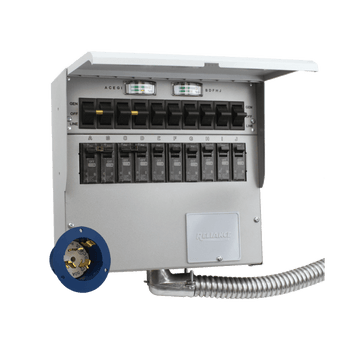
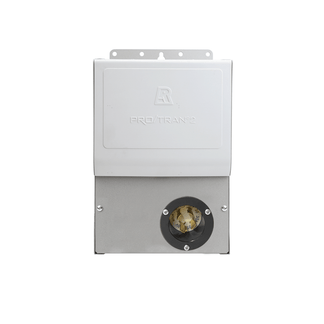
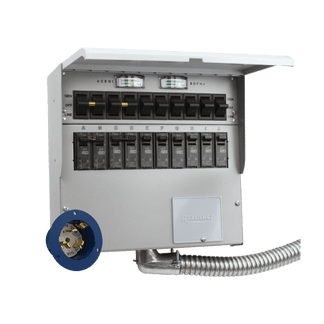
- Whole-house backup — impossible; a 4000W generator can only power a few essential circuits through a transfer switch. It’s essential home backup, not whole-home coverage.
How to Manage Power Load and Avoid Overloading
Follow these steps to avoid overloading your 4000-watt generator:
- Prioritize essential loads: Start with the refrigerator, sump pump, lights, and critical devices before adding comfort items.
- Stagger motor startups: Start the refrigerator, then the AC, then the microwave — never two high-surge devices simultaneously.
- Install a soft starter: On window or RV AC units, a soft starter cuts surge current by 30–50%, freeing capacity for other appliances.
- Monitor load: Use a plug-in watt meter or the generator’s display to stay under 80% of rated running watts.
- Connect safely: Use 12 AWG or thicker extension cords (under 100 feet) or a manual transfer switch for hardwired circuits.
- Never backfeed: Backfeeding through a wall outlet is dangerous and illegal — always use a transfer switch or dedicated cord setup.
How to Calculate Your Total Generator Load
- List all essential items and note their running and starting watts from nameplate labels or manuals.
- Sum the running watts of all devices you’ll run at once — this total must stay under 3,000–3,500W.
- Add the single largest starting surge (e.g., 2,000W for a refrigerator) to the total running load for worst‑case startup.
- Apply the 75% rule: keep continuous load around 3,000W to leave safe headroom for motor starts.
Use an online generator load calculator to double‑check your math and avoid common sizing mistakes.
Runtime, Fuel, and a Cleaner Alternative
At about 50% load, a gasoline 4000W generator runs roughly 6–12 hours per tank — but you must store fuel safely and refuel during the outage. Inverter generators adjust engine speed to load, boosting fuel efficiency 20–40% at light loads versus conventional units. Fuel generators also need regular maintenance — oil changes, air-filter cleaning, and fuel stabilizer.
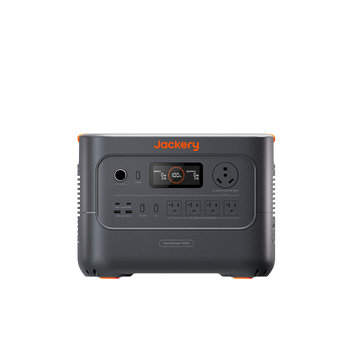
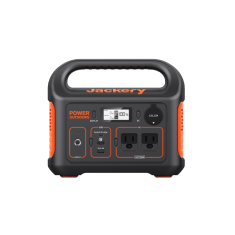
A battery-based solar generator delivers similar essential-load capacity with no fuel to store, no fumes, and safe indoor operation. Because a battery unit produces no exhaust, it can run indoors and overnight without the carbon-monoxide risk of a fuel generator. For a detailed look at how long a battery system can sustain an air conditioner, check out this runtime breakdown.
Limitations / What to Know Before
- Surge capacity is the real limiter — a 4,000W generator may trip on a 3,000W surge even if running watts are under budget.
- Voltage drop can damage motors; keep cords under 100 feet and use 12 AWG or thicker for high‑draw appliances.
- Noise and exhaust make gas generators unsuitable for quiet neighborhoods — always operate outdoors at least 20 feet from windows. [1]
- New owners often expect whole‑house backup, but a 4000W unit only supports a handful of essential circuits.
- Central HVAC disappointment is common — many discover too late that a 4000W generator cannot power their central air even briefly.
If you’re considering a solar generator for AC loads, this guide explains what to expect.
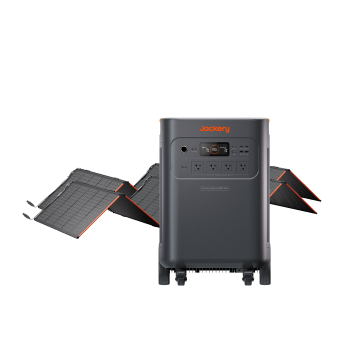
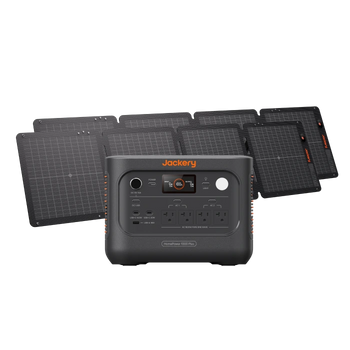
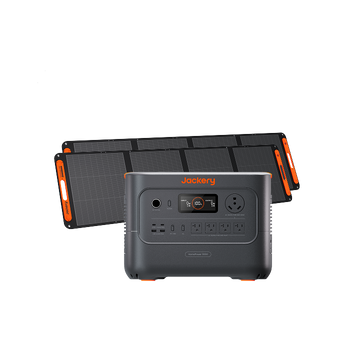
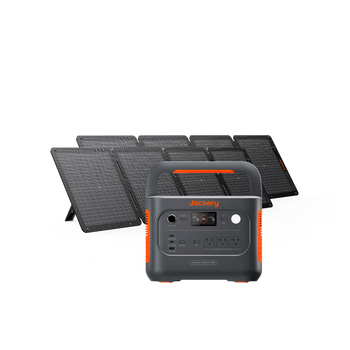
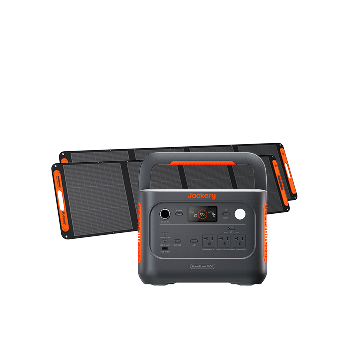
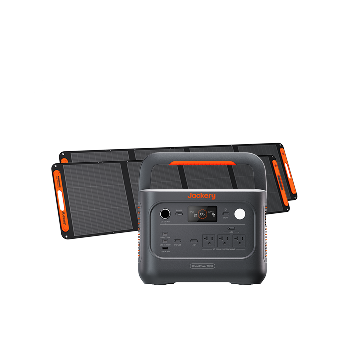
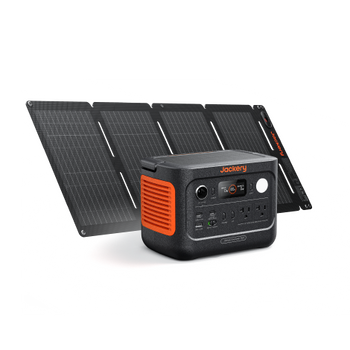
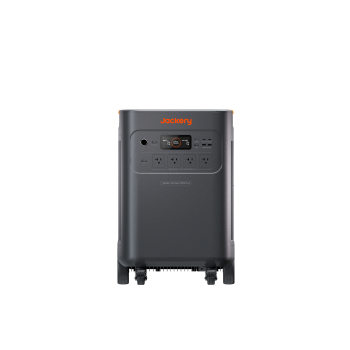
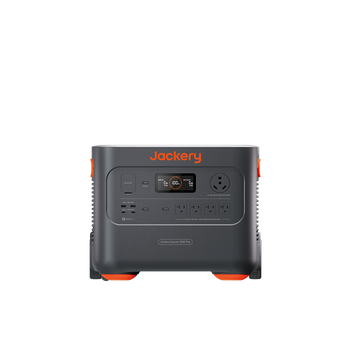
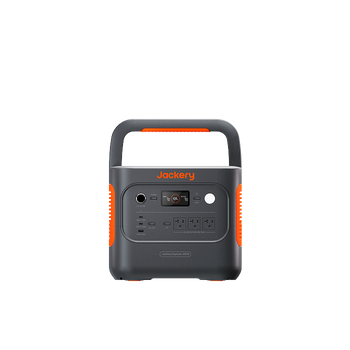
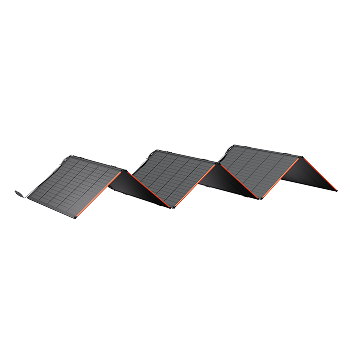
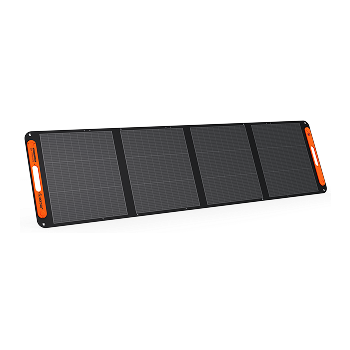
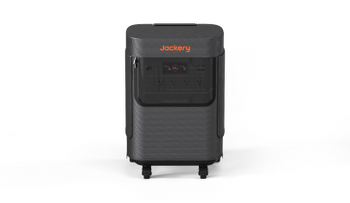
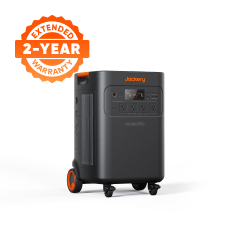
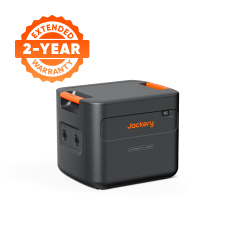
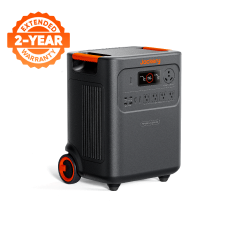
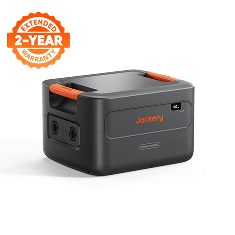
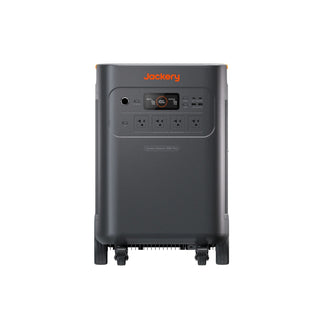
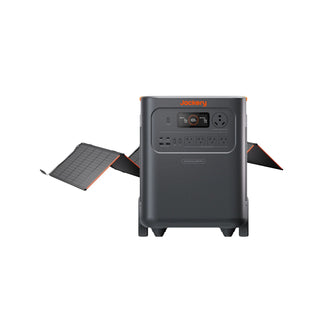
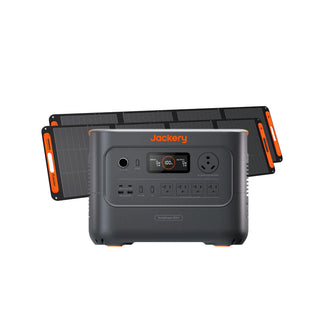
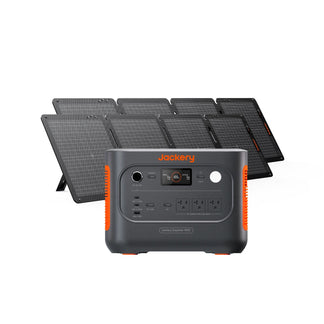
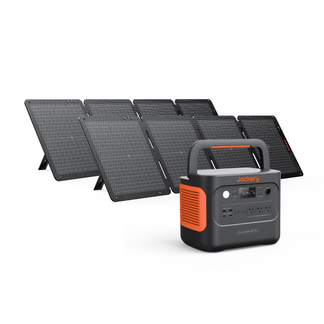
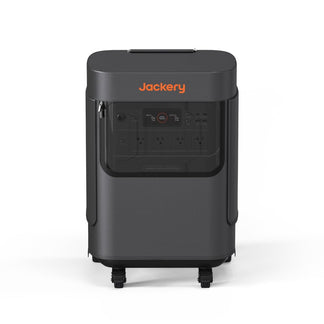
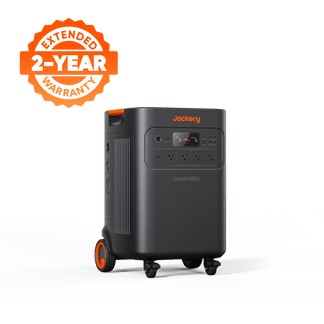
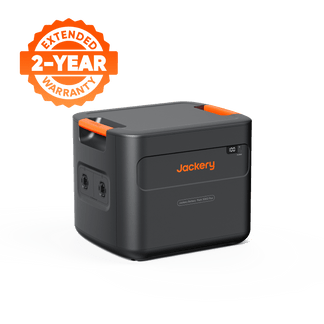
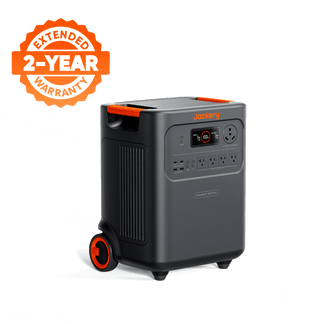
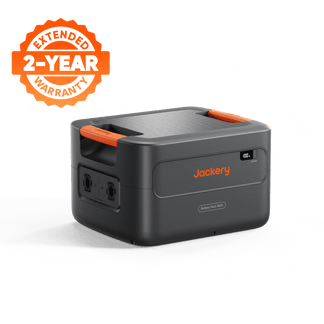
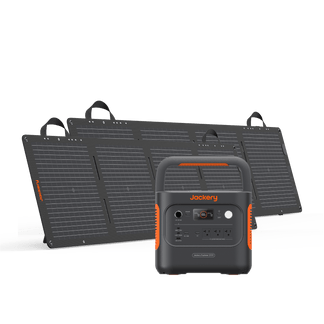
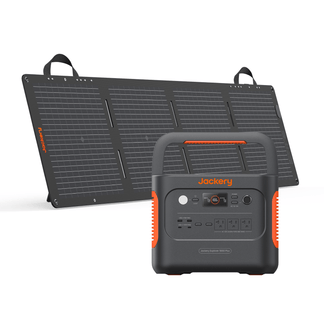
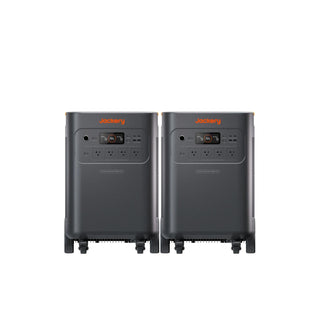
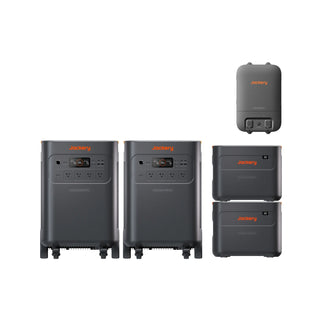
Product Recommendation: Jackery Solar Generator 5000 Plus + 2x SolarSaga 500X
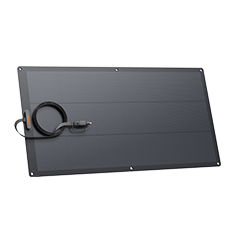
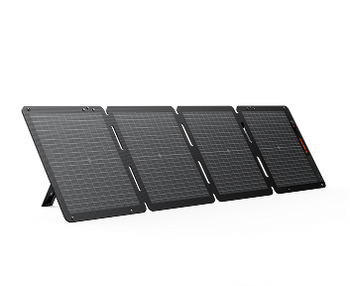
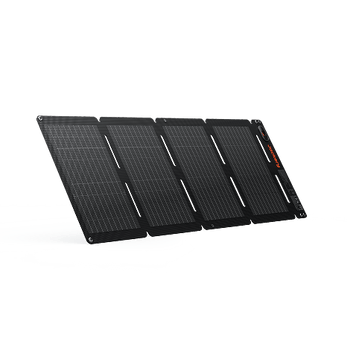
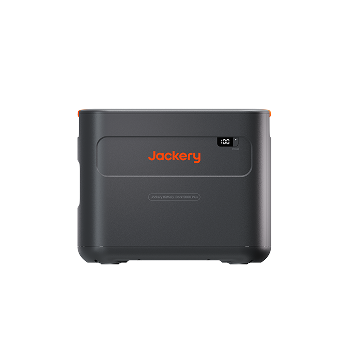
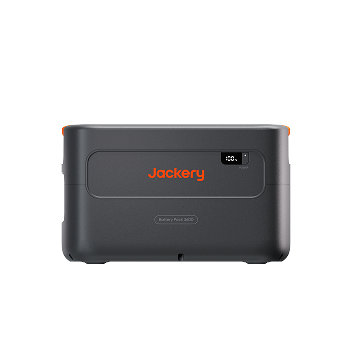
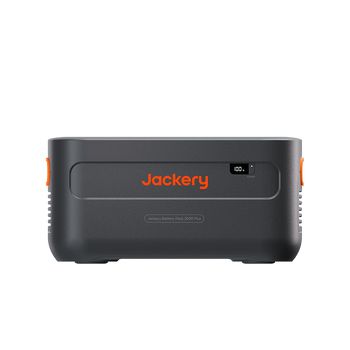
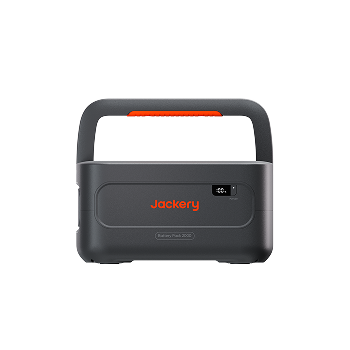
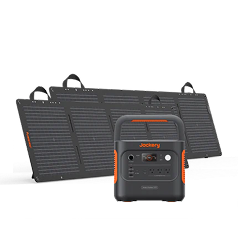
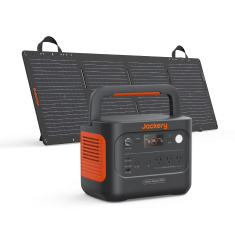
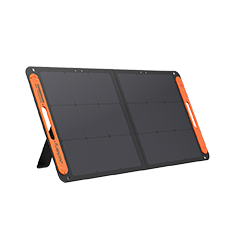
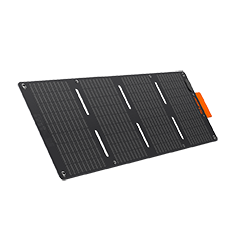
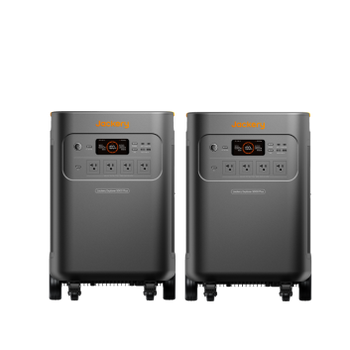
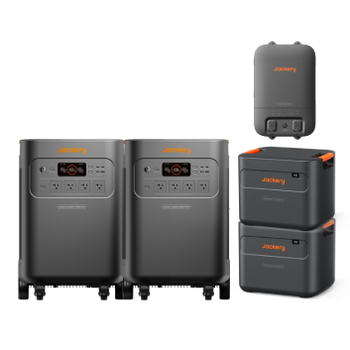
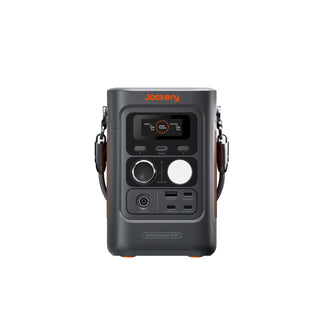
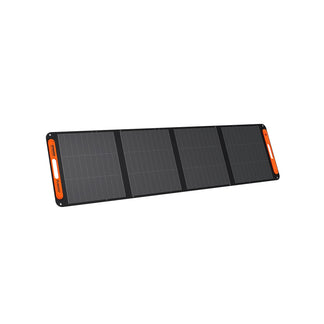
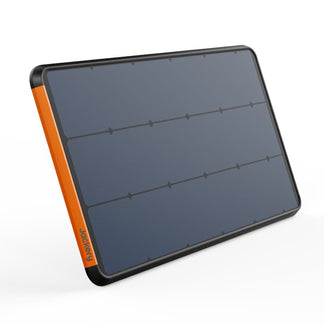
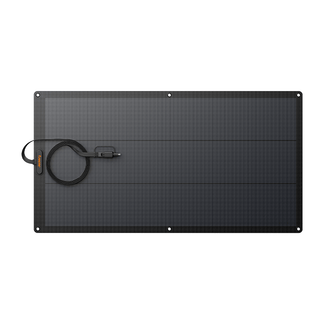
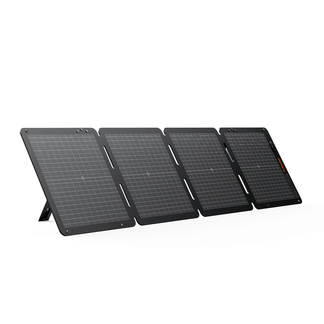
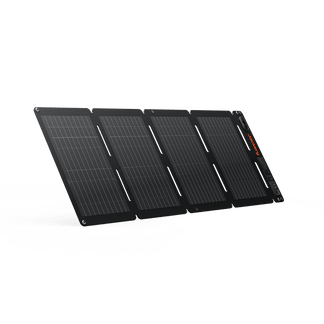
For a cleaner alternative that exceeds typical 4000W generator capacity, the Jackery Solar Generator 5000 Plus + 2x SolarSaga 500X delivers 7,200W continuous output (14,400W surge) — enough to power a refrigerator, window AC, sump pump, and more simultaneously. Unlike fuel generators, this battery system requires no fuel, produces no exhaust, and can be used indoors (see the cleaner alternative section above). See all the appliances this system can handle.
Feature |
Specification |
Key Benefit |
|---|---|---|
Continuous Output |
7,200W (14,400W surge) |
Runs multiple heavy loads simultaneously — surpasses a 4000W generator |
Battery Capacity |
5,040Wh LiFePO4 |
10 hours of fridge runtime, 4.5 hours of window AC |
Solar Input |
Up to 1,000W (two SolarSaga 500X) |
Recharges via sunlight; no fuel needed |
Cycle Life |
4,000 cycles to 70%+ |
10+ years of daily use |
Frequently Asked Questions (FAQ)
Can a 4000W generator run a furnace blower?
Yes, a 4000W generator can easily run a standard furnace blower (400–800W) as long as it is not paired with an electric heat pump or central AC.
How many refrigerators can a 4000W generator run?
You can usually run two standard refrigerators if you stagger their startup surges and keep the total running load under 3,000W.
Is it safe to plug a generator into a wall outlet?
No, backfeeding through a wall outlet is extremely dangerous and illegal because it can electrocute utility workers and damage your home’s wiring. [1]
Can a 4000W generator run a 15000 BTU AC?
A 15,000 BTU window AC is borderline (1,200–1,500W running, 2,500–3,500W surge) and typically requires a soft starter to avoid tripping the generator.
What happens if I overload my generator?
Overloading can trip the generator’s circuit breaker, damage the alternator or connected appliances, and may cause the engine to stall or run poorly.
Sources & References
[1] U.S. Consumer Product Safety Commission, “Portable Generator Hazard” — cpsc.gov (accessed June 25, 2026).


