
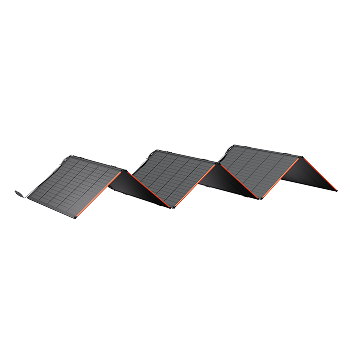
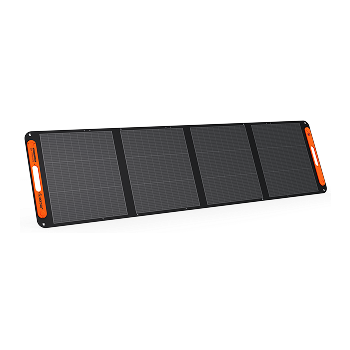


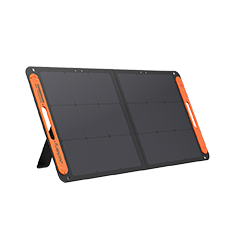
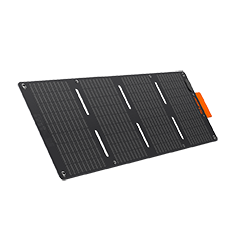



![[Add-on] Jackery SolarSaga 500 X - Jackery](http://www.jackery.com/cdn/shop/files/add-on-jackery-solarsaga-500-x-1493607.webp?v=1786503068&width=324)
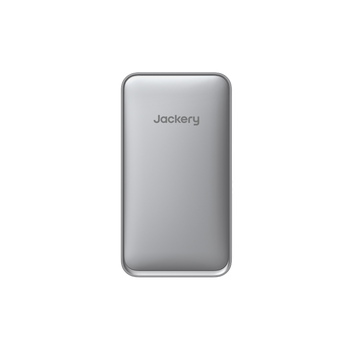
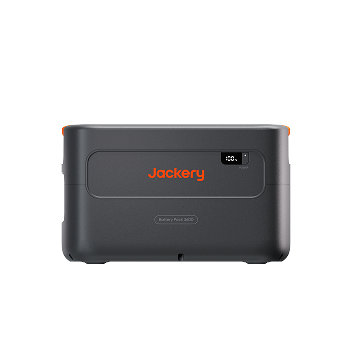
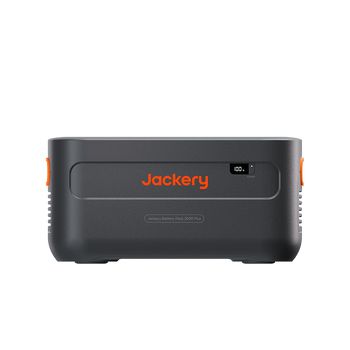
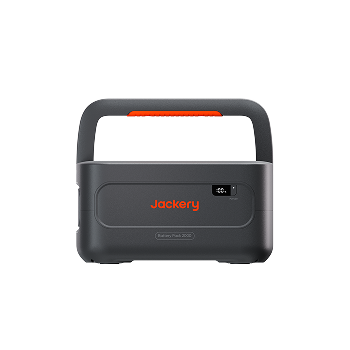
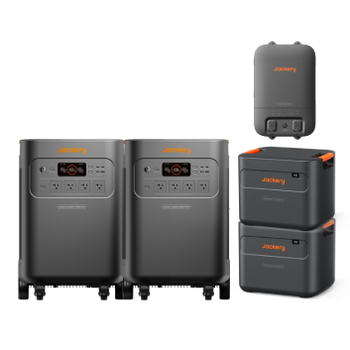
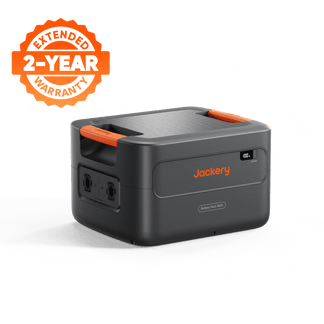
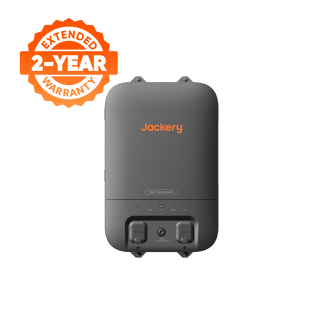
![[Add-on] Jackery Battery Pack 5000 Plus - Jackery](http://www.jackery.com/cdn/shop/files/add-on-jackery-battery-pack-5000-plus-6713401.webp?v=1786503068&width=324)




Quick Answer:
Most generator and battery failures happen because people size their backup power for the running wattage of their portable AC, not the startup surge. A 12,000 BTU unit draws 1,000–1,400 running watts but can spike to 2,400–3,000 watts for 1–3 seconds every time the compressor kicks on. You need a power source with surge capacity at least 2–3 times the running wattage, a dedicated circuit, and enough battery capacity to cover real-world cycling — otherwise the system trips, the AC stalls, or the battery dies in under an hour.
Key Takeaways
- Startup surge, not running watts, determines whether your generator or battery will work — size for 2–3× the running wattage.
- A 12,000 BTU portable AC needs a power station with at least 3,000W surge capacity; an 8,000 BTU unit needs 2,200W+ surge.
- Inverter-equipped portable ACs eliminate surge entirely, drawing a steady 500–700W, making them far more viable for battery backup.
- Battery capacity alone isn’t enough: a 2,000Wh power station running a 1,200W AC delivers only 1–1.5 hours of runtime due to cycling.
- Solar recharging can extend runtime, but you need 400–600W of panels to meaningfully offset consumption on sunny days.
What are the 7 mistakes when using Backup Power for your Portable AC?
Mistake 1: Underestimating the Startup Surge
Underestimating startup surge is the #1 reason backup fails. The EnergyGuide label’s running wattage hides a 2–3× inrush (2,400–3,000W for a 1,200W unit) that:
- Lasts 1–3 seconds
- Occurs 3–6 times per hour
If your inverter or generator can’t deliver that surge, it trips. The AC shuts down. You don’t get cooling.
Mistake 2: Ignoring LRA and Surge Multipliers
Ignoring Locked Rotor Amps (LRA) on the nameplate is a critical mistake — the running wattage alone hides a wide range of startup surges, and LRA tells you the absolute worst-case inrush. Key facts:
- A 12,000 BTU unit can draw anywhere from 1,000W to 1,400W running
- Its startup surge can range from 1.8× to 2.5× running wattage
- LRA is often 4–10× the running current; use that number, not the running watts, to size your inverter
A safer field rule: multiply running watts by 2.5. For a 1,200W unit, that’s 3,000W of surge capacity. Ignore LRA and you risk buying a power station that can’t start the compressor at all.
However, you can lower the load significantly:
- Dual-hose design: Uses 10–15% fewer watts than single-hose models because they don’t pull conditioned indoor air to cool the condenser.
- Inverter-equipped ACs: Variable-speed compressors eliminate the startup surge entirely — an 8,000 BTU inverter unit draws a steady 500–700W, no spike. Inverter units are a game changer for battery backup.
- Higher CEER: A higher Combined Energy Efficiency Ratio means fewer watts for the same cooling; two 12,000 BTU units can differ by 200–400W just based on efficiency.
Mistake 3: Using Extension Cords or Overloading Circuits
Using extension cords or power strips creates voltage drop that overheats cords, stalls the compressor, and increases current draw. The electrical realities:
- A 12,000 BTU portable AC running at 115V pulls 8–13 amps continuously
- During startup, it can spike to 20–25 amps — enough to trip a standard 15A bedroom breaker, especially if anything else is on the same circuit
- A dedicated 20A circuit with 12 AWG wiring is the minimum safe setup for any portable AC of 10,000 BTU or more
If you’re in an older home with only 15A circuits, the math doesn’t lie — you’ll likely need to upgrade or use a smaller AC. GFCI outlets can also nuisance-trip from motor electrical noise during startup; if that happens, a non-GFCI dedicated outlet (installed by an electrician) may solve it.
Before you buy a generator, take these steps:
- Measure your specific unit’s startup surge with a clamp meter that has a peak-hold function
- Confirm your generator or battery outputs pure sine wave — modified sine wave inverters can overheat compressor motors and fail under high inrush
Mistake 4: Miscalculating Daily kWh Consumption
A 1,200W portable AC doesn’t pull 1,200W for eight hours straight. The compressor cycles on and off, so actual consumption is 20–30% lower than the nameplate would suggest. If you run it for 8 hours, the real energy use might be 6.7–7.7 kWh, not 9.6 kWh. At the US average residential rate of 12–16¢/kWh, that’s $0.80–$1.23 per day — not huge, but it adds up.
Here’s the formula you need for battery sizing:
(Running Watts × Hours Used) ÷ 1,000 = Daily kWh
Example: 1,200W × 8h ÷ 1,000 = 9.6 kWh theoretical, but with 25% cycling reduction, closer to 7.2 kWh.
Efficiency comparisons to keep in mind:
- Inverter-equipped ACs cut consumption by another 35–50% versus fixed-speed compressors. An 8,000 BTU inverter unit averaging 500W over 8 hours uses just 4 kWh — well within reach of a mid-sized battery.
- Single-hose portable ACs use 20–30% more power than window units of similar BTU because they pull hot outdoor air into the room, increasing the duty cycle.
Mistake 5: Not Leaving Enough Surge Headroom
The generator or battery must deliver the startup surge, not just the running watts. Minimum requirements:
- 8,000 BTU non-inverter AC (700–900W running, 1,400–1,800W surge): a power station with 2,200W surge capacity is the bare minimum
- 12,000 BTU unit (2,400–3,000W surge): needs at least 3,000W surge, ideally 3,600W — a 20–30% safety margin prevents the inverter from working at its limit every cycle, which degrades components over time
Battery capacity is the next hurdle. A 2,000Wh power station running a 1,200W AC with normal compressor cycling delivers only 1–1.5 hours of runtime.
That’s not enough for overnight cooling. Lithium iron phosphate (LiFePO₄) batteries, now standard in home backup, offer 3,000–5,000 cycles and a 10–15 year lifespan — vastly better than older NMC chemistries — but you still need enough watt-hours. Choosing a solar generator for outages means matching both surge and capacity to your specific AC.
To extend runtime and make off-grid cooling practical, consider these strategies:
- Solar recharging: A 400–600W solar array can refill a 2,000Wh battery in 4–6 sun hours, enabling daily off-grid AC use.
- Inverter-style ACs: With soft-start capability, they run on smaller 1,500–2,000W surge power stations where standard compressors would fail.
- Soft-start kits: Aftermarket kits can reduce startup surge on existing non-inverter ACs, but add cost and installation steps.
Mistake 6: Using the Wrong Generator Type or Ignoring Environmental Factors
An inverter generator rated for exactly the running wattage of your AC will stall every time the compressor restarts. You need surge headroom, period. Many standard inverters trip on overload even when the continuous wattage looks sufficient — check LRA compatibility, not just the running watts label.
Beyond that, watch out for these environmental factors:
- High heat: LiFePO₄ batteries above 95°F can self-limit to 80% of rated capacity, cutting runtime by up to 20%.
- Cloudy weather: Solar-only charging on partly cloudy days may deliver only 30–50% of rated panel output, stretching recharge time from 5 hours to 10 or more.
- Passthrough limits: Many portable power stations can’t pass through enough power to keep up; if your AC draws 1,200W and solar input is only 200W, the battery drains faster than it recharges.
Portable AC exhaust hoses create negative pressure in the room, pulling in hot outdoor air and increasing the duty cycle by 15–25%. Sealing the room and using a dual-hose unit mitigates this, but it’s an often-overlooked drain on battery runtime.
Mistake 7: Failing to Match System Capacity to Your Specific AC
The table below shows minimum battery and surge requirements for common portable AC sizes. Expandable battery packs can double runtime.
AC Size (BTU) |
Running Watts |
Surge Watts |
Minimum Battery (Usable Wh) |
Minimum Surge Rating |
Approximate Runtime |
|---|---|---|---|---|---|
8,000 (non-inverter) |
700–900 |
1,400–1,800 |
2,000 Wh |
2,400W |
2–3 hours |
12,000 (non-inverter) |
1,000–1,400 |
2,400–3,000 |
3,000 Wh |
3,600W |
2–2.5 hours |
8,000 (inverter) |
500–700 |
None (soft start) |
2,000 Wh |
1,500W |
3–4 hours |
Solar pairing is realistic only with large arrays. Running a 1,200W AC for 6 hours consumes 7.2 kWh — you’d need at least 1,200W of solar under optimal sun to replenish that daily.
For continuous 24-hour operation of a 12,000 BTU non-inverter AC, you’re looking at 12–16 kWh of battery storage plus 2,000+W of solar. That’s a major investment, but it’s achievable with the right components. Building a secure power backup for home appliances means sizing for the worst-case surge and runtime, not just the average.
Choosing a Scalable Power System for Your Portable AC
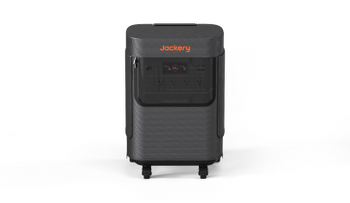
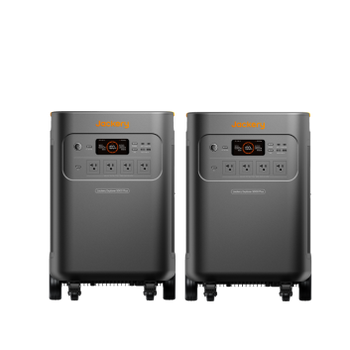
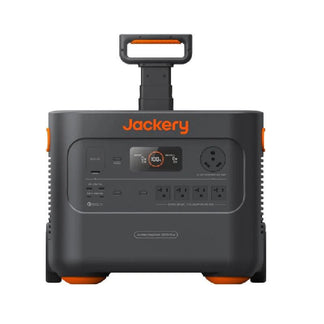
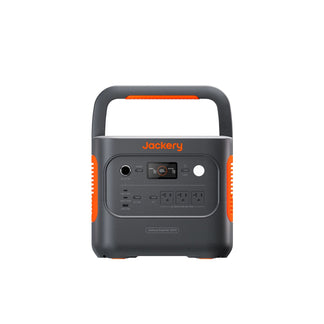
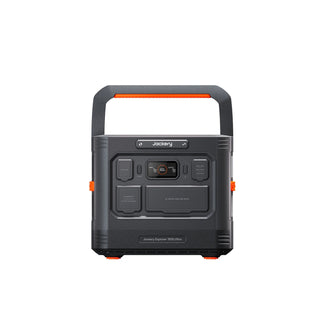
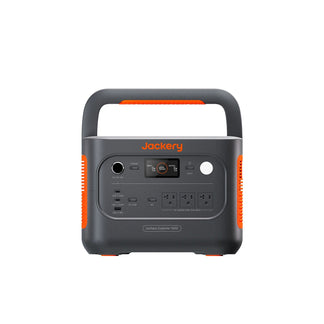
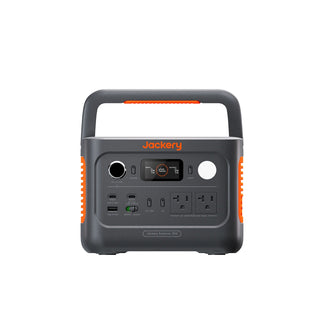
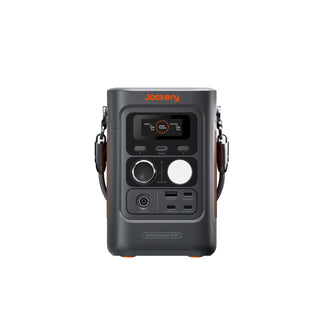
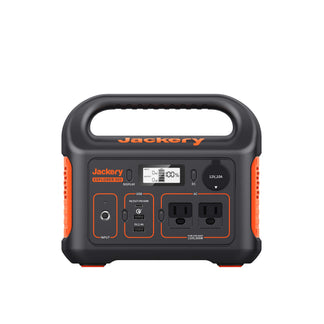
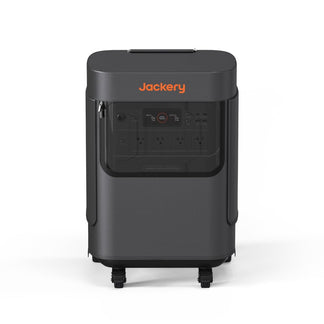
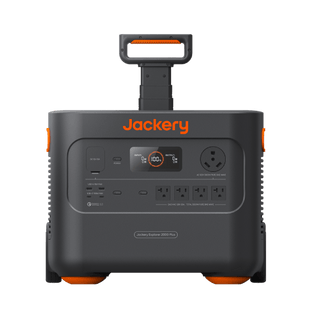
Portable power stations from Jackery use LiFePO₄ cells (providing thousands of cycles and a 10-year lifespan) and pure sine wave output, suitable for sensitive compressor motors. The right model depends on your AC’s surge demand and how long you need cooling.
Model |
Continuous / Surge |
Capacity (Wh) |
Key Runtime Examples |
Solar Recharge |
Best For / Notes |
|---|---|---|---|---|---|
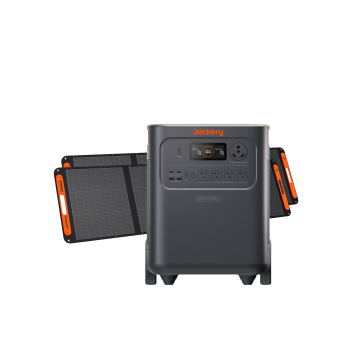
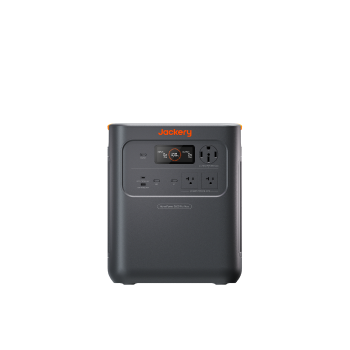
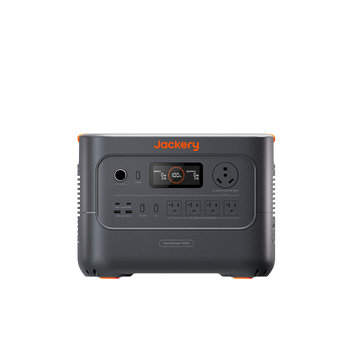
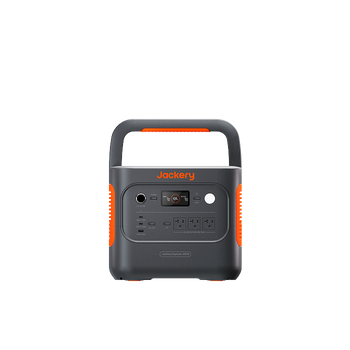
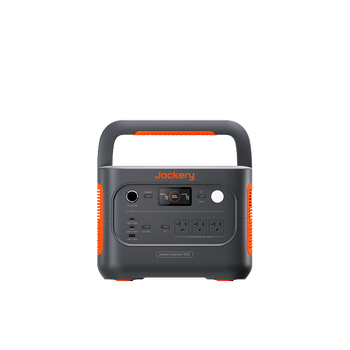
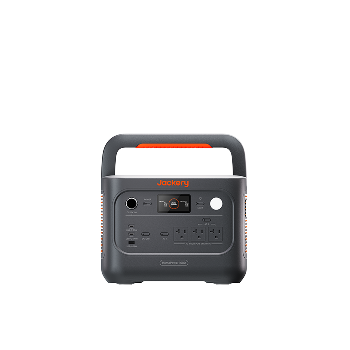
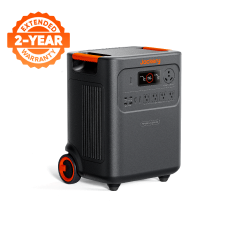
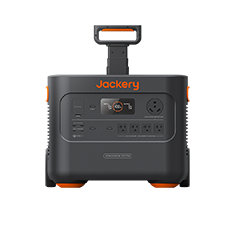
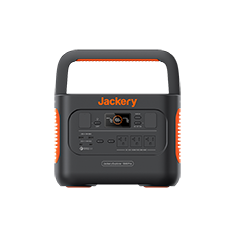
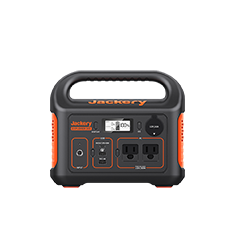
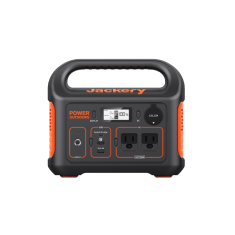
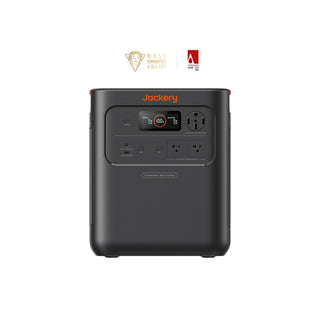
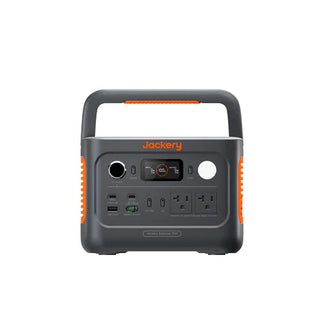
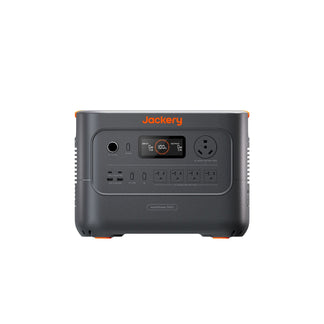
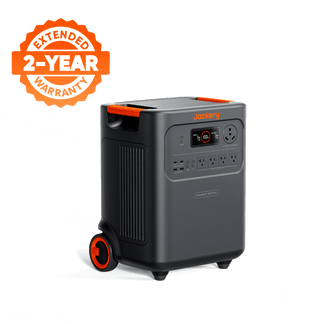
Explorer 2000 v2 (E2000v2) |
2,200W / 4,400W |
2,042 |
Runs a 900W AC for ~2 hours, or a refrigerator for 3.2 hours |
— |
Starts most 8,000–10,000 BTU portable ACs; compact, portable; ideal for essential home backup during short outages |
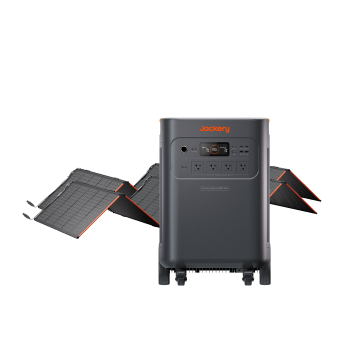
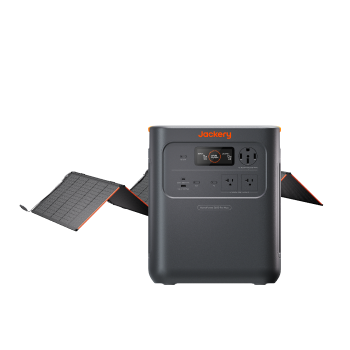
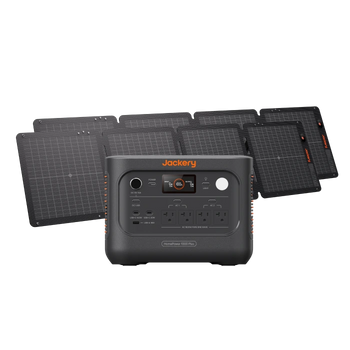
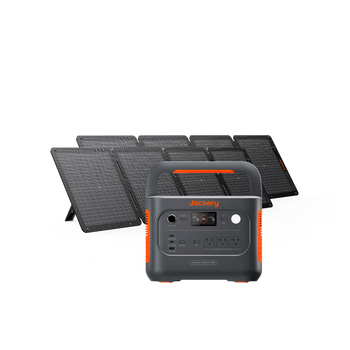
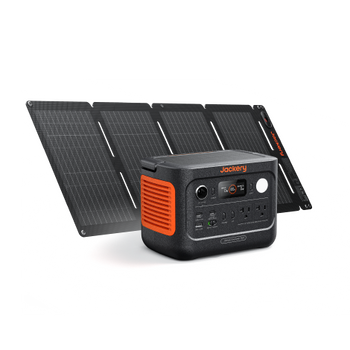
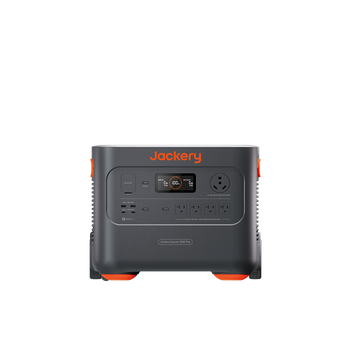
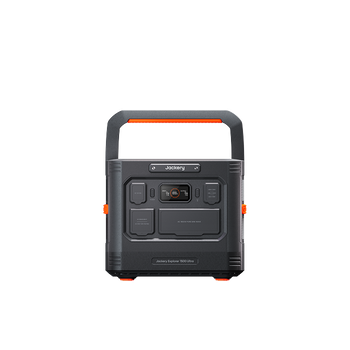
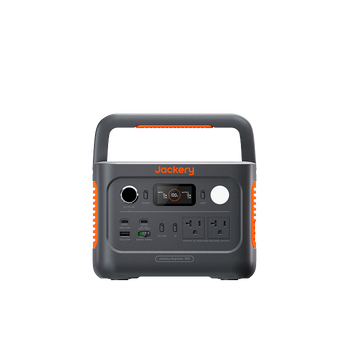
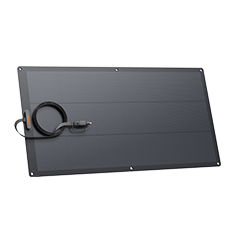
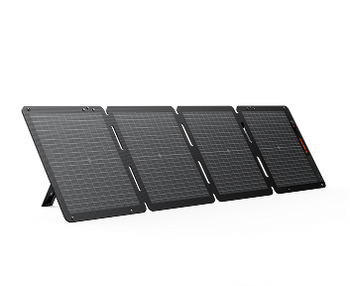
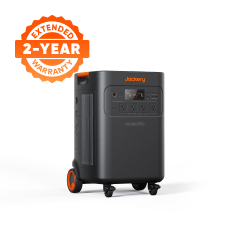
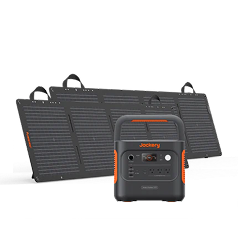
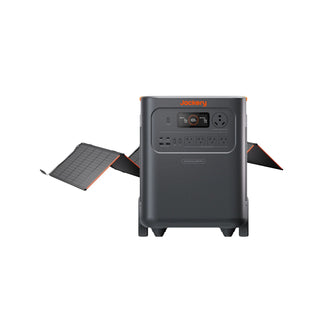
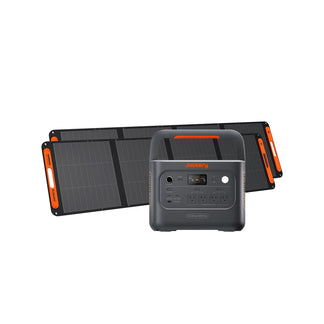
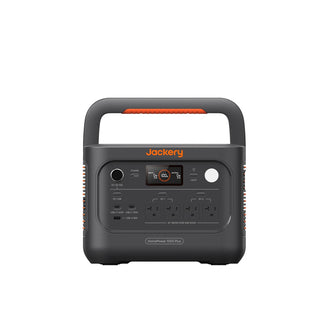
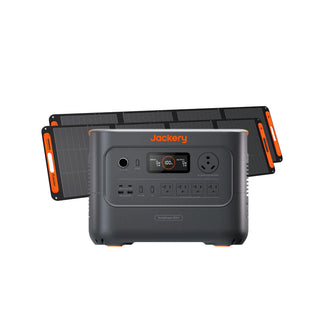
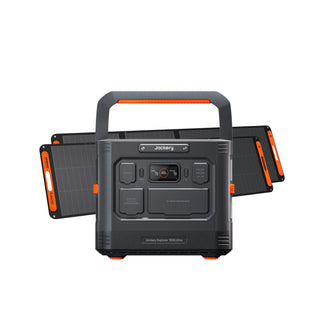
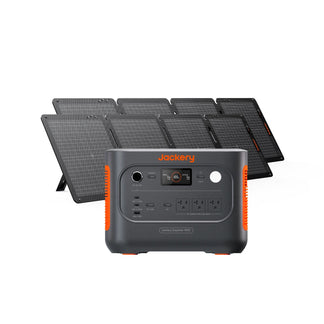
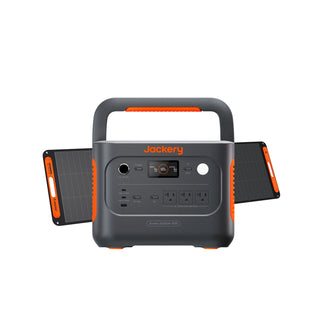
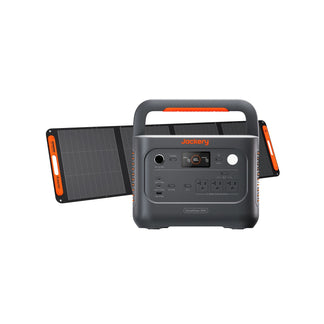
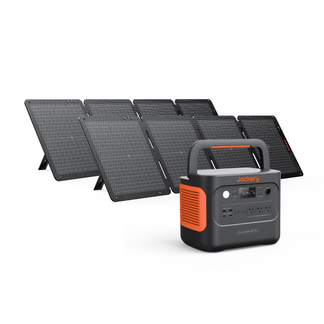
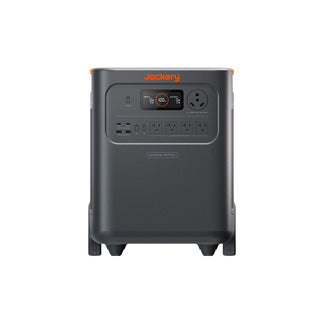
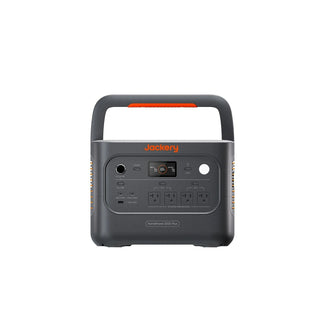
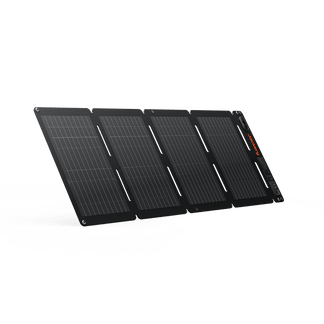
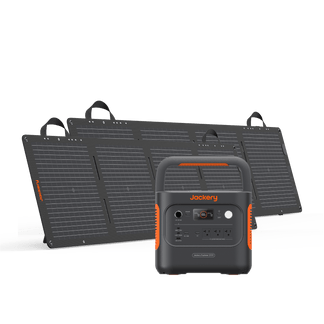
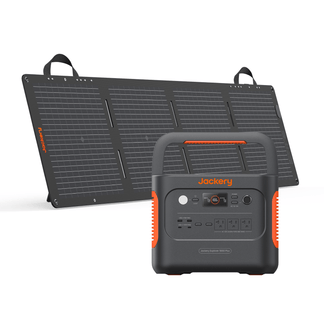
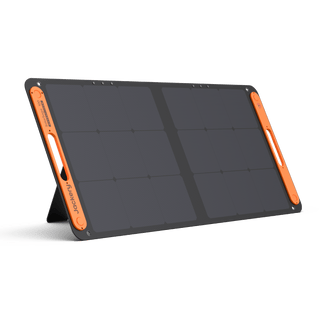
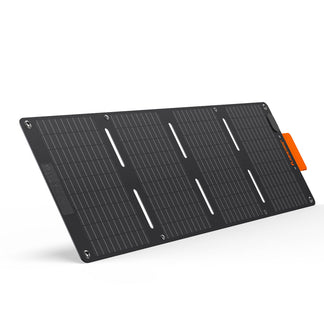
Jackery Solar Generator HomePower 3600 Plus + SolarSaga 500X |
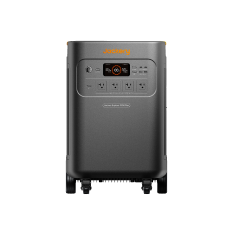
3,600W / 7,200W |
3,584 |
Runs a 1,000W AC for up to 3 hours (cycling‑ and temperature‑dependent) |
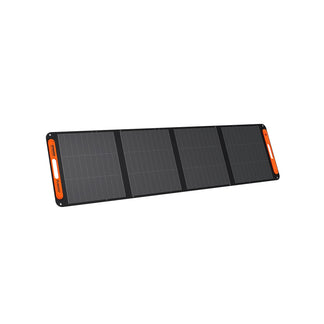
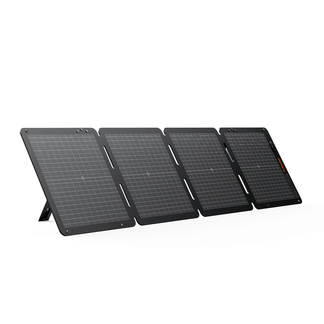
Included 500W bifacial panel recharges in ~16 sun hours; expandable for longer runtime |
Handles 12,000 BTU AC startup with room to spare |
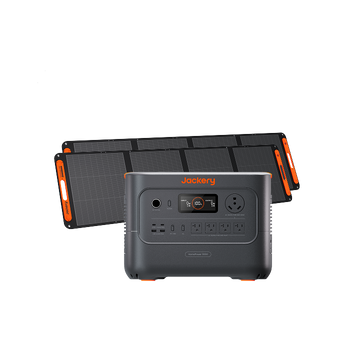
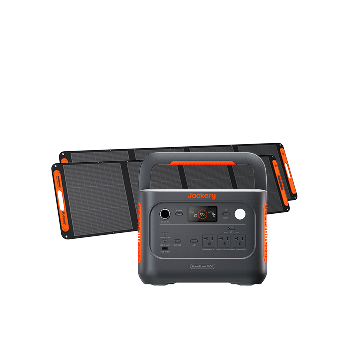
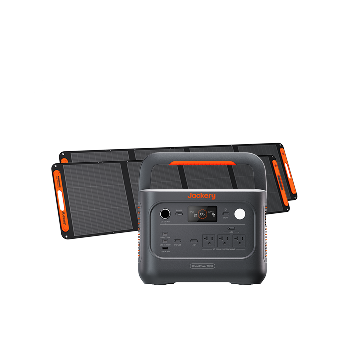
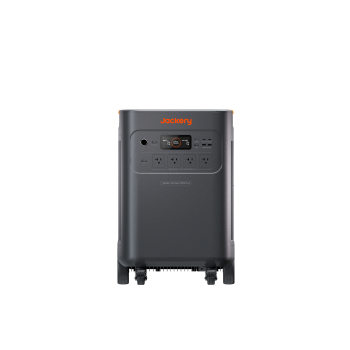
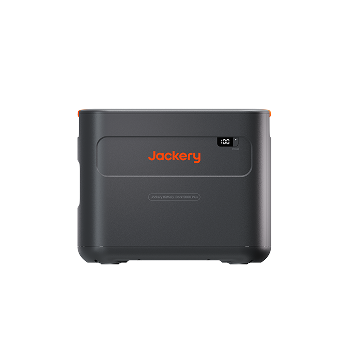
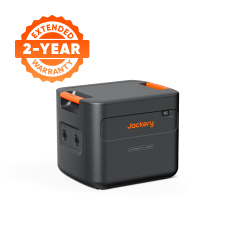
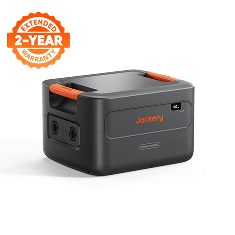
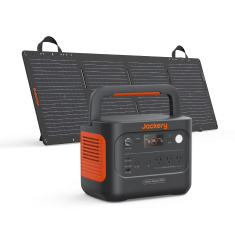
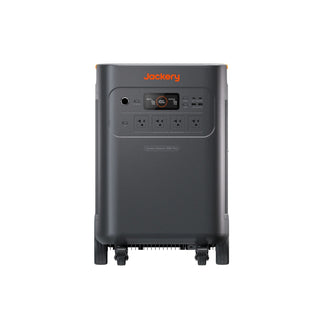
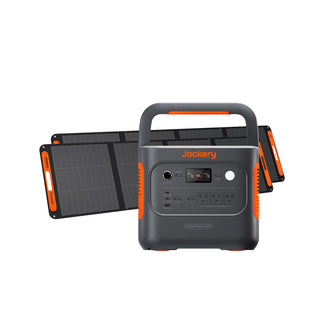
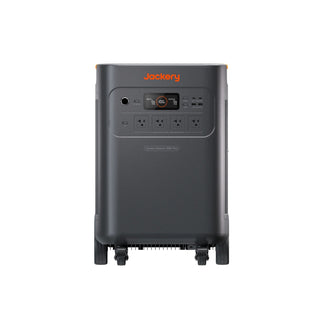
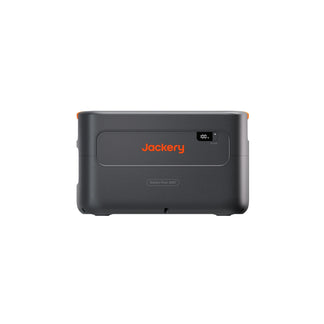
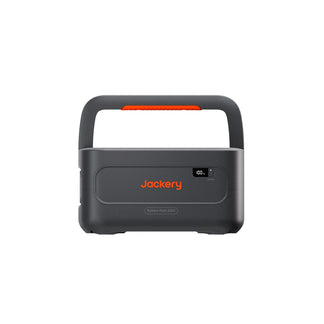
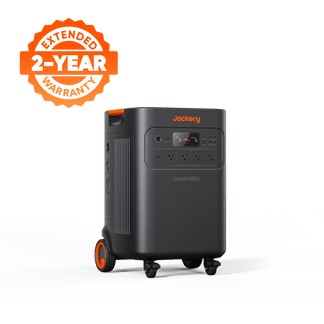
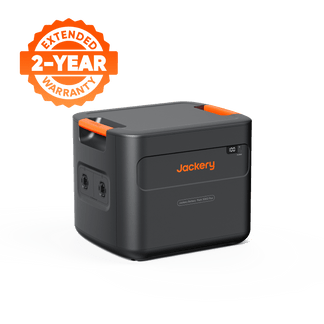
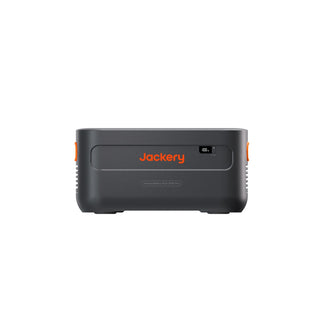
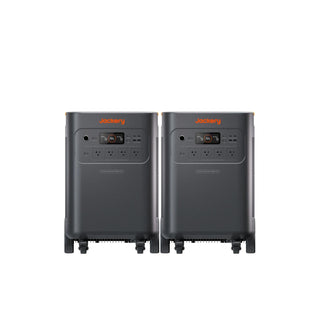
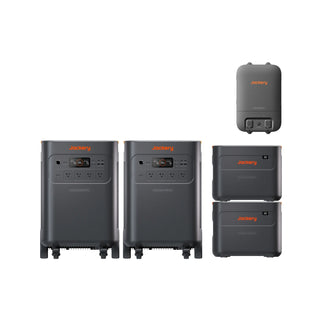
Jackery Solar Generator 5000 Plus + 2× SolarSaga 500X |
7,200W / 14,400W |
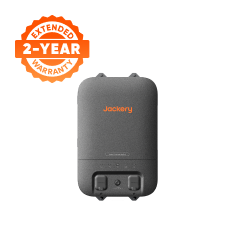
5,040 (expandable to 60kWh with extra packs) |
Runs a 900W AC for ~4.5 hours under typical cycling; simultaneously powers a 12,000 BTU AC, fridge, lights, and router |
Dual 500W panels recharge in 6.5 sun hours; enables daily off‑grid AC use |
Whole‑room cooling plus essentials, multi‑day backup; suitable for sizing a generator for essential circuits |
Frequently Asked Questions (FAQ)
How can I monitor the real-time power draw of my AC?
Plug a watt meter between the AC and the outlet to see real-time watts and cumulative kilowatt-hours. This gives you exact numbers for sizing your battery.
What happens if my generator or battery trips during operation?
The AC shuts off immediately. If the compressor tries to restart against high head pressure too soon, it can stall or damage the motor over time.
Can I run a portable AC on a generator with other appliances?
Yes, but only if the generator’s surge capacity covers the combined startup surge of all devices — add the LRA of the AC to the running watts of everything else.
Is it safe to run a portable AC on battery backup overnight?
Yes, provided the battery has enough usable capacity to cover the full runtime and a low-voltage cutoff prevents deep discharge, which can damage LiFePO₄ cells.
Do I need to modify my home’s wiring for a portable AC on backup power?
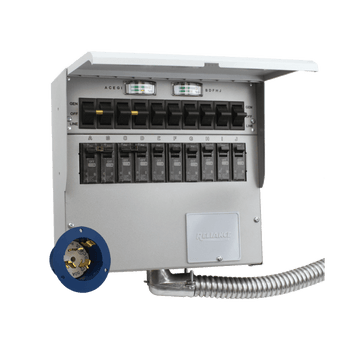
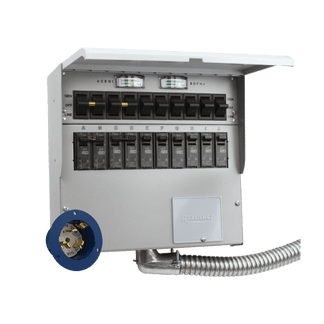
Portable power stations are plug-and-play; no wiring changes needed. If using a generator connected to your home’s circuits, a licensed electrician must install a transfer switch to prevent backfeeding.


