





![[Add-on] Jackery SolarSaga 500 X - Jackery](http://www.jackery.com/cdn/shop/files/add-on-jackery-solarsaga-500-x-1493607.webp?v=1786503068&width=324)
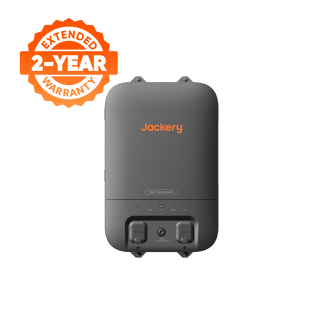
![[Add-on] Jackery Battery Pack 5000 Plus - Jackery](http://www.jackery.com/cdn/shop/files/add-on-jackery-battery-pack-5000-plus-6713401.webp?v=1786503068&width=324)





Quick Answer: Most backup power systems fail to start an air conditioner because they’re sized for running watts, not the 2.5–3× startup surge. A 12,000 BTU portable AC pulling 1,200W running may demand 3,000W momentarily. To keep your AC running during an outage, size the backup inverter for starting watts — LRA × voltage × 0.92 — and add 25–30% headroom. Battery capacity (kWh) then determines runtime: a 1,200W AC running 8 hours needs at least 10.5 kWh usable after inverter losses.
Key Takeaways
- The #1 sizing mistake is ignoring startup surge: compressors draw 2.5–3× their running wattage for 2–3 seconds, and a backup that can’t deliver that surge will stall or overload.
- Find the outdoor condenser’s nameplate: Locked Rotor Amps (LRA) and voltage calculate true starting watts; Rated Load Amps (RLA) give running watts.
- A soft-start kit can slash startup surge by 50–70%, enabling a smaller backup system to handle a central AC, while a hard-start capacitor reduces surge 30–50%.
- Battery capacity governs runtime: multiply AC running watts by hours of use, add 10–15% for inverter losses, then match to a power station’s usable kWh.
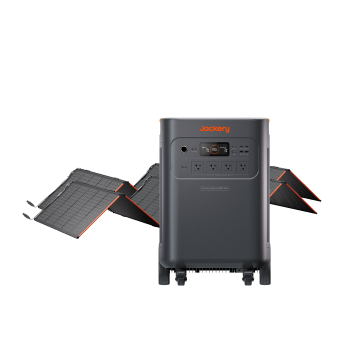
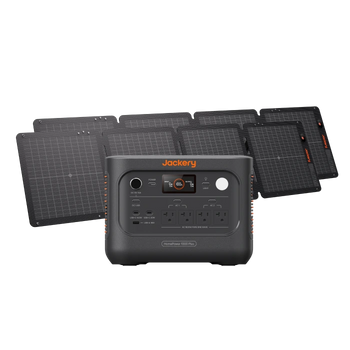
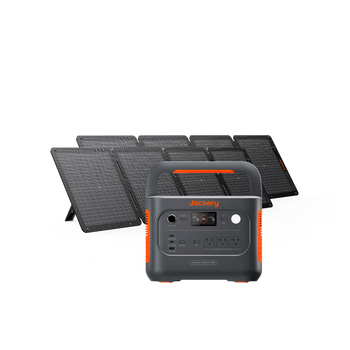
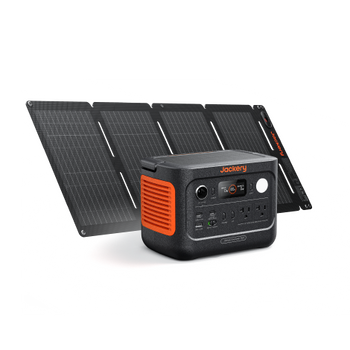
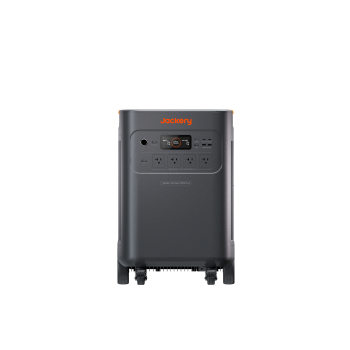
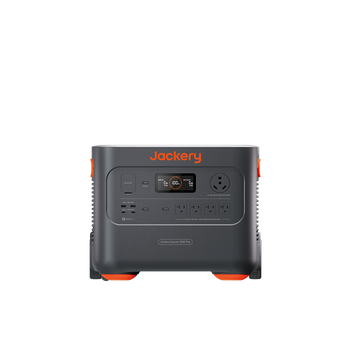
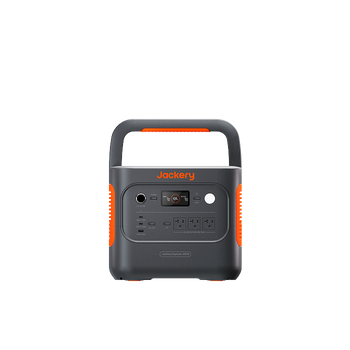
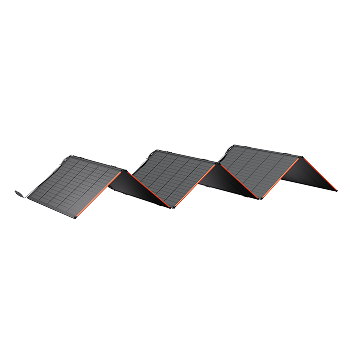
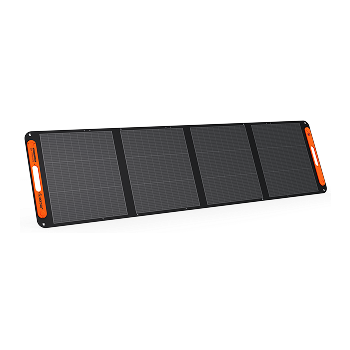
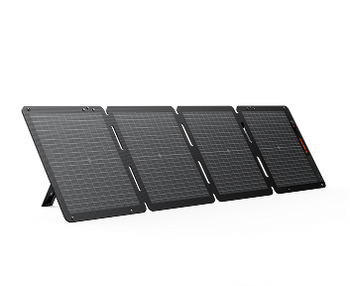
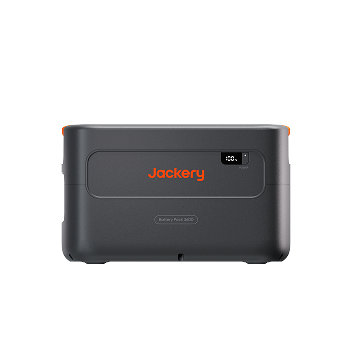
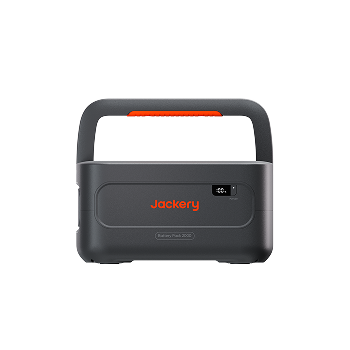
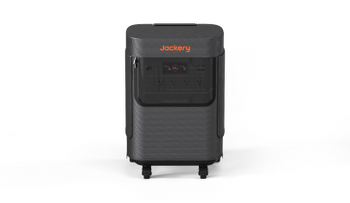
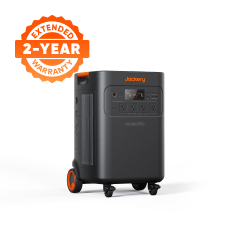
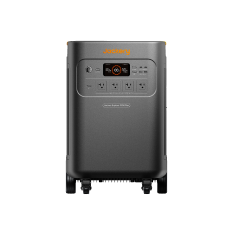
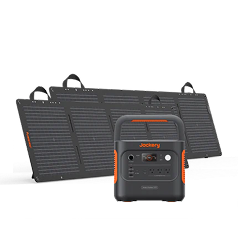
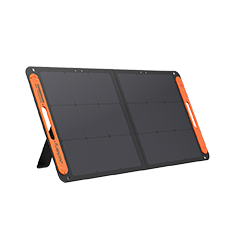
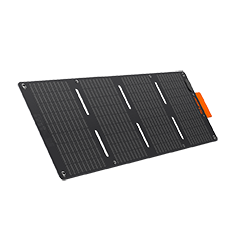
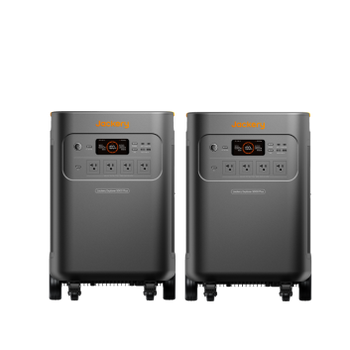
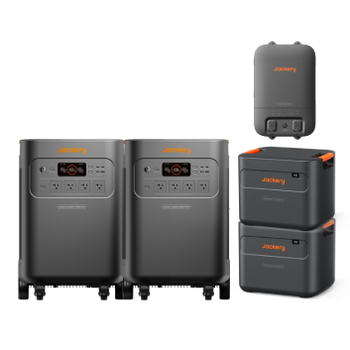
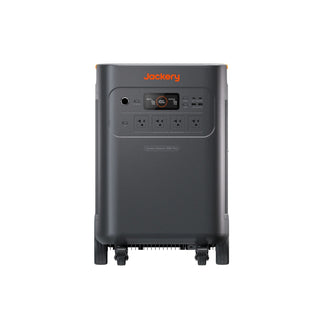
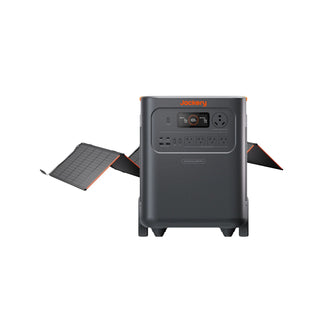
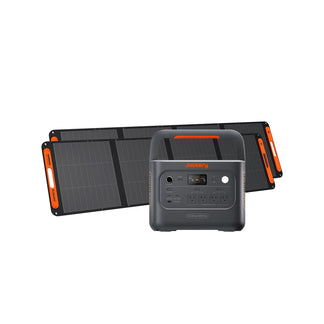
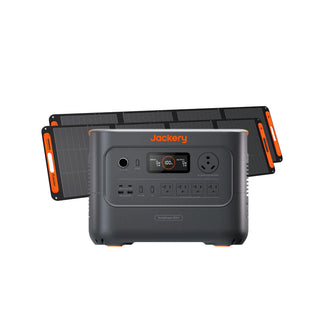
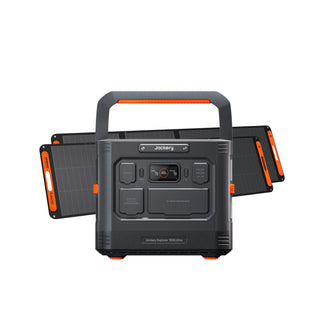
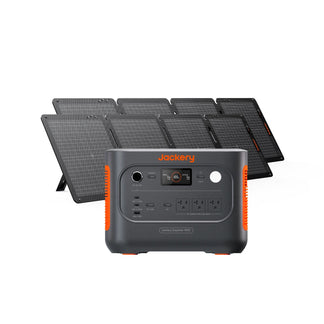
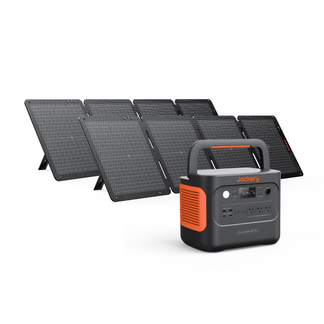
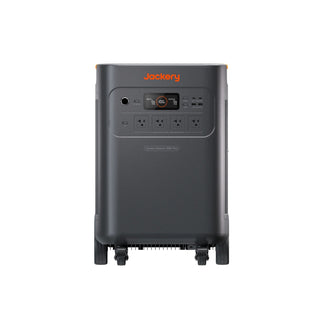
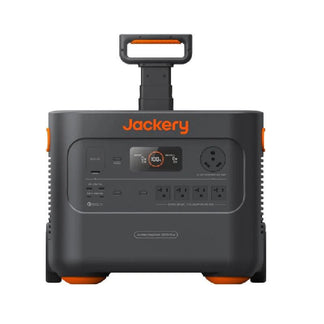
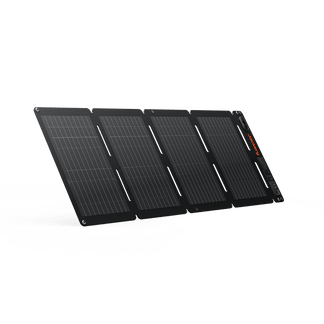
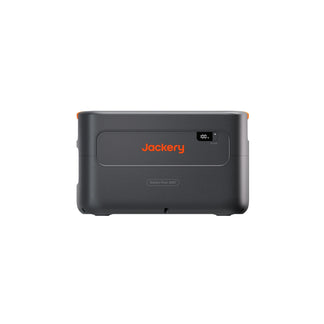
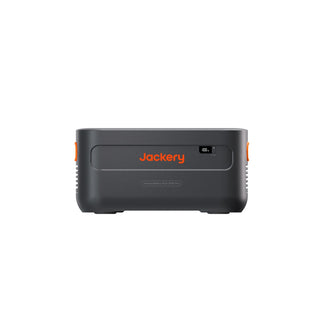
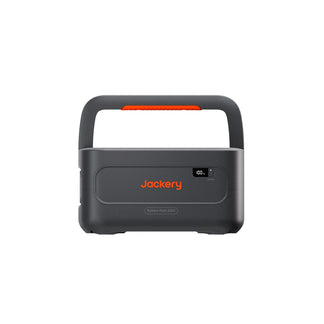
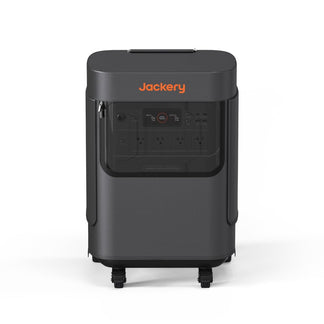
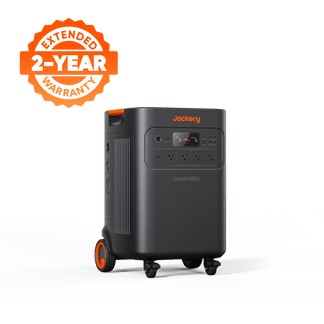
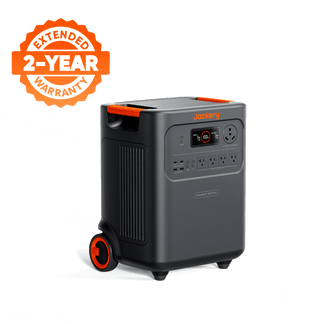
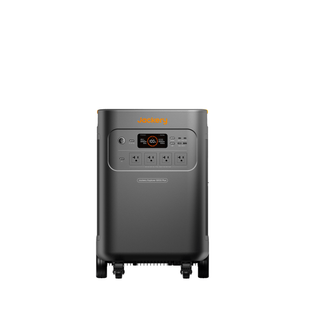
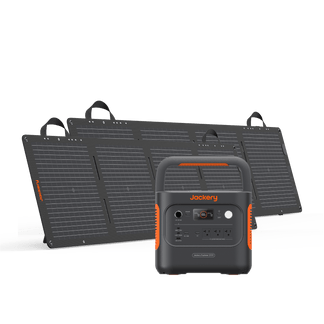
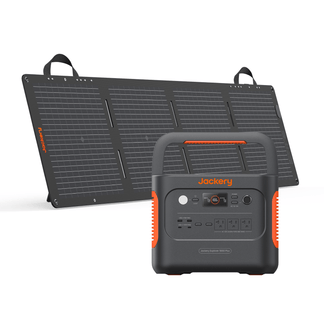
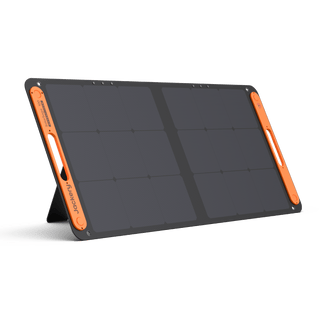
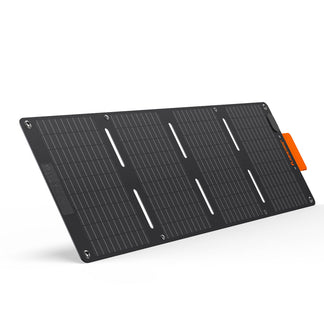
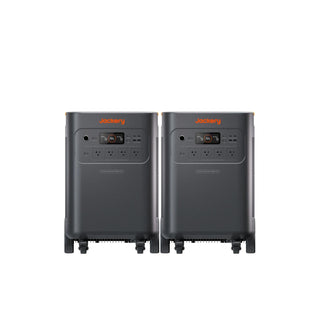
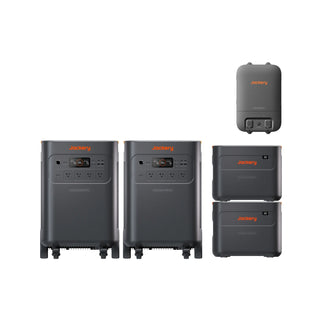
- Jackery power stations with pure-sine-wave inverters handle surge reliably: the Jackery Solar Generator 5000 Plus + 2x SolarSaga 500X delivers 7,200W continuous and 14,400W surge, enough for a 5-ton unit with a soft-start.
The #1 Mistake: Sizing Backup for Running Watts Instead of Startup Surge
The “Running Watts” trap causes generator failure. Compressors demand 2.5–3× running watts for startup, not just steady-state draw. Locked Rotor Amps (LRA) dictate real surge — ignoring LRA overloads inverters, causes brownouts, and damages compressor windings.
Social media is full of examples of 10kW generators stalling on 3‑ton ACs because peak surge exceeds rated capacity. Battery‑backed solar systems drain instantly when the inverter cannot supply the 2–3 second compressor kick — capacity sized only for running watts is useless.
Golden rule from experienced installers: size the backup for Starting Watts, not Running Watts, and add 25–30% headroom above that surge.
Startup Surge: The Real Enemy of Backup Power Sizing
Startup surge (LRA) spikes 2.5–3× running watts for 2–3 seconds — a 12,000 BTU portable AC pulling 1,200W running may demand 3,000W momentarily.
Find the outdoor condenser’s nameplate for LRA and RLA, then calculate:
(Starting Watts) = LRA × Voltage × 0.92
Example: LRA 30A × 240V × 0.92 = 6,624W surge.
RLA (Rated Load Amps) gives running watts:
(Running Watts) = RLA × 240V × 0.92 for central AC; use 115V for window units.
Several factors determine actual running wattage:
- SEER rating: A 14 SEER unit uses 20–30% less power than a 10 SEER unit of equal BTU capacity.
- BTU size: BTU size determines base wattage — an 8,000 BTU window unit averages 800W, while a 14,000 BTU portable can hit 1,500W running.
- Spec plate voltage & amperage: Voltage and amperage on the spec plate (e.g., 115V × 12A = 1,380W) give the most accurate running wattage — always verify there.
Why Backup Power Systems Fail Without Surge, Soft‑Start, or Battery Buffer
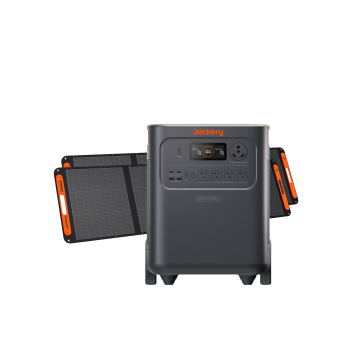
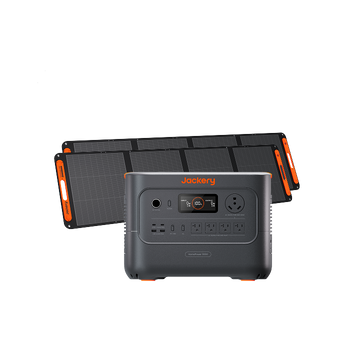
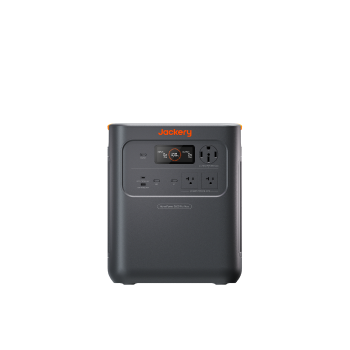
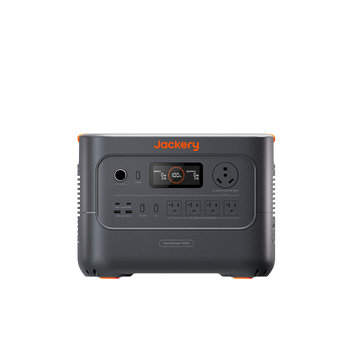
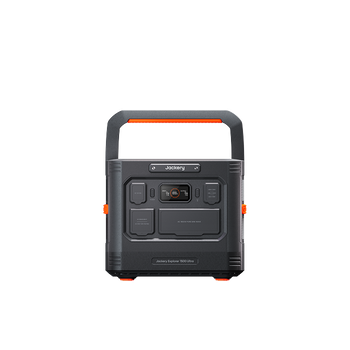
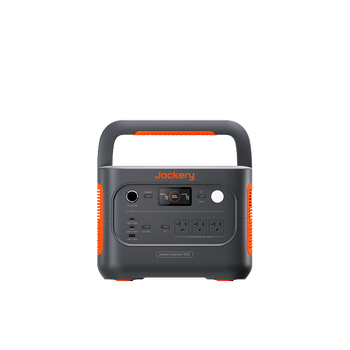
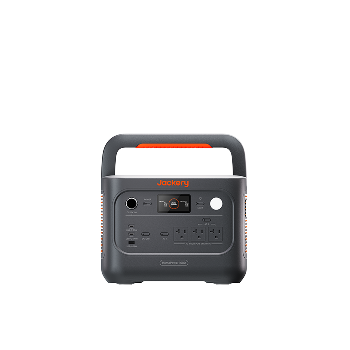
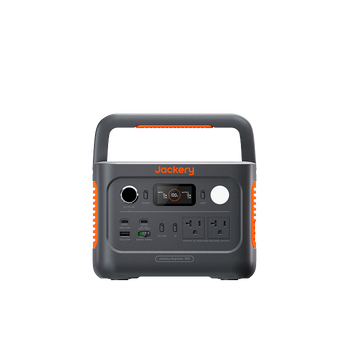
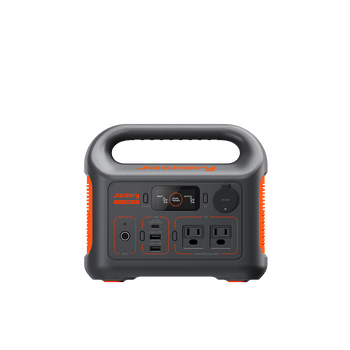
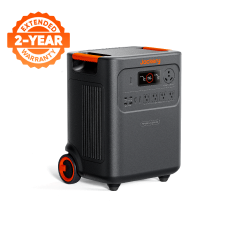
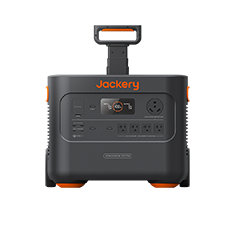
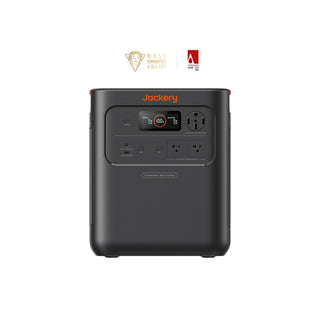
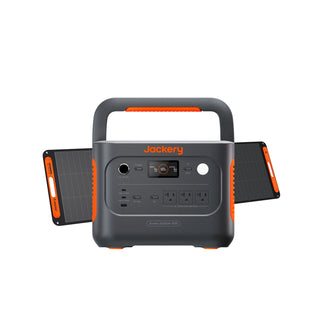
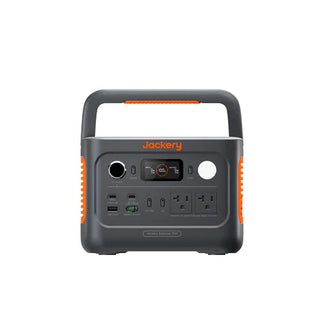
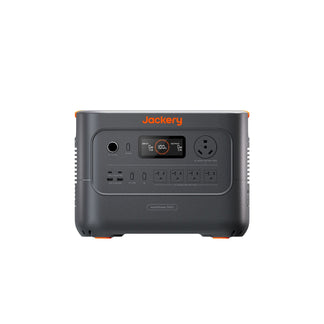
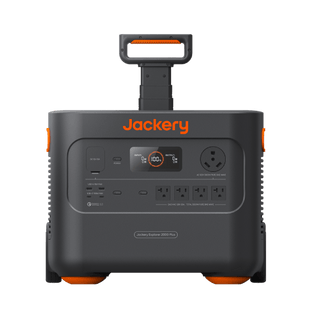
Inverter generators list “rated” and “peak” watts, but peak often lasts milliseconds — not the 2–3 seconds a compressor demands. Portable power stations with pure‑sine‑wave inverters can hold surge for up to 10 seconds, making them more reliable for AC startup than many gas generators. For example, a Jackery Explorer 2000 Plus delivers 3,000W continuous and 6,000W surge — enough for most window and portable ACs.
- Soft-start kits: slash startup surge 50–70% — adding one to a 3‑ton unit can drop a 7,200W surge to ~2,500W, enabling smaller backup systems.
- Hard-start capacitor kits ($30–$60): reduce surge 30–50% — a $50 investment can lower the generator requirement from 10kW to 8kW.
- Variable-speed (inverter-driven) compressors: ramp up gradually, needing only 1.2–1.5× running watts — the future‑proof choice for battery systems.
Real example: a 12,000 BTU window AC with 1,200W running and 3,000W surge requires a backup rated at least 3,000W continuous, not 1,500W.
Battery capacity (kWh) rules runtime: 1,200W AC × 8 hours = 9.6 kWh usable, plus ~10% inverter loss — minimum 10.5 kWh for one night.
Calculate Your AC’s Energy Draw, Backup Runtime, and Cost
Daily kWh is calculated as:
(Running Watts × Hours Used) ÷ 1,000 = Daily kWh
Example: 1,400W AC × 6 hours ÷ 1,000 = 8.4 kWh, costing ~$1.26 at US average 15¢/kWh.
Summer AC usage spikes household consumption by 20% — from 29 kWh average to 35 kWh in many US homes.
Battery backup runtime:
(Usable kWh ÷ AC Running Watts) = Runtime in Hours
Example: 10 kWh usable ÷ 1,400W = 7.14 hours (after 10% inverter loss, ~6.4 hours actual).
Daytime solar recharging can extend runtime indefinitely: a 2,000W array in peak sun (5 hours) generates 10 kWh, matching one night’s AC draw.
State electricity rates vary widely — California’s ~33¢/kWh makes AC backup savings far more impactful than in 10¢/kWh states.
- Duct leakage: 20–30% loss
- Dirty filters: 5–15% extra power draw
- High ambient temps: 2–3% per °F above 95°F
Match Backup Power System Size to Your AC Type and Home
AC Type (BTU) |
Running Watts |
Surge Watts |
Recommended Backup Continuous |
Example Jackery Model |
|---|---|---|---|---|
Portable (8,000–14,000) |
900–1,500W |
2,400–4,000W |
2,200W |
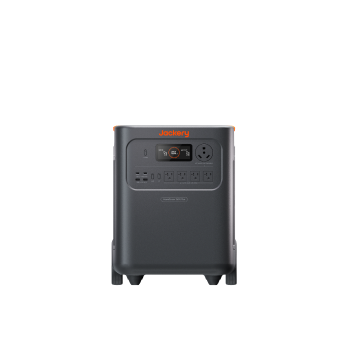
Jackery Explorer 2000 v2 (2,200W) |
Window (5,000–12,000) |
500–1,500W |
1,500–3,500W |
1,500–3,500W |
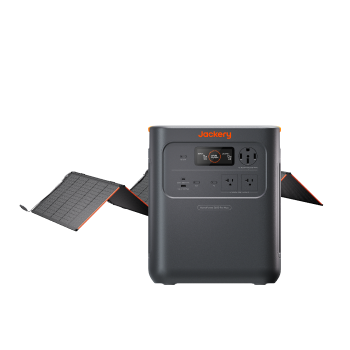
Jackery Solar Generator HomePower 3600 Plus + SolarSaga 500X (3,600W) |
Mini‑split (9,000–24,000) |
800–2,500W |
1,200–5,000W |
2,000–5,000W |
Jackery Solar Generator HomePower 3600 Plus + SolarSaga 500X or Jackery Solar Generator 5000 Plus + 2x SolarSaga 500X with soft-start |
Central (3–5 tons) |
3,000–5,000W |
7,000–15,000W |
7,000–15,000W |
Jackery Solar Generator 5000 Plus + 2x SolarSaga 500X + soft-start (7,200W cont.) |
Essential‑load‑only approach powers just the AC plus a few lights and router — a 5,000W system with 5 kWh battery runs a 1,200W AC for ~3.5 hours.
Duty cycle reality: a 3‑ton unit draws 2,500W at full load but cycles to 1,000W as the room cools — the startup surge remains the same every restart.
Limitations: When Portable Backup Isn’t the Right Fit for AC
Consider these limitations:
- Central AC demand: Central AC systems (3–5 tons) often demand 7,000–15,000W surge. Even a high-capacity portable station like the Jackery Solar Generator 5000 Plus + 2x SolarSaga 500X needs a soft-start kit to handle a 5-ton unit.
- Battery runtime: Most portable units offer 2–5 kWh of battery — enough for 1–3 hours of large AC runtime, not an overnight solution without expansion.
- Whole-home needs: For whole-home backup with central air, a stationary home battery system (10–40 kWh) is the more practical path.
- Best for smaller ACs: Portable stations excel at single-room cooling and are ideal for window, portable, or mini-split ACs in essential rooms.
Avoid These 6 Sizing Mistakes When Backing Up an Air Conditioner
Mistake 1: Ignoring Startup Surge
Size the inverter for peak watts, not just running watts. A 1,500W running AC can spike to 4,500W — your backup must deliver that.
Mistake 2: Underestimating Battery Capacity for Overnight Use
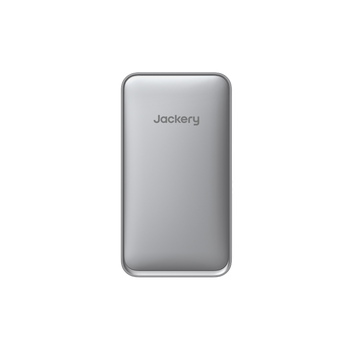
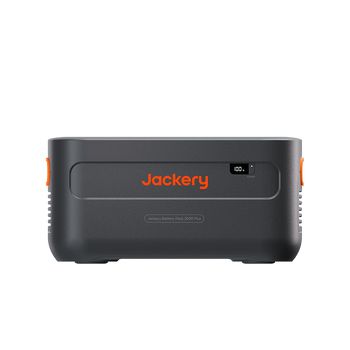
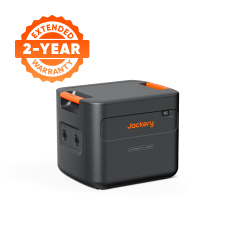
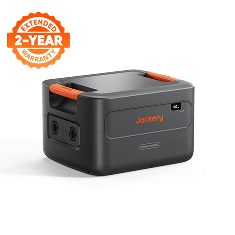
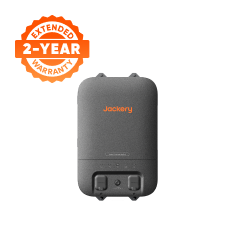
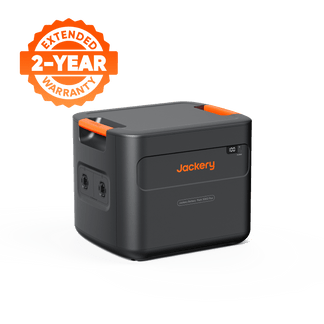
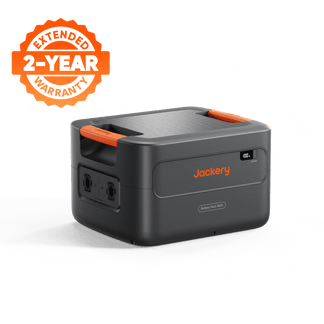
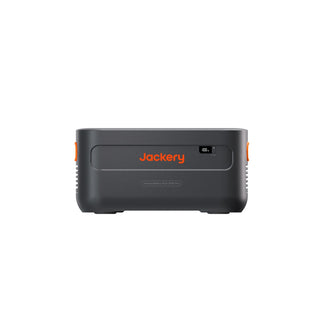
A 1,500W AC running 8 hours needs 12 kWh usable, but many portable stations offer only 2–5 kWh. Expandable systems like the Jackery Solar Generator 5000 Plus + 2x SolarSaga 500X can reach 60 kWh with add-on batteries.
Mistake 3: Forgetting Inverter Efficiency Loss
10–15% of battery energy is lost in DC‑to‑AC conversion. Multiply AC watt‑hours by 1.15 for actual draw. A 10 kWh battery yields about 8.7 kWh usable.
Mistake 4: Assuming Solar Panels Alone Can Run AC Without Battery
AC units need stable 120V/240V; solar fluctuates. A battery buffer is essential to handle startup surge and maintain voltage.
Mistake 5: Overlooking the 20‑Degree Rule
Setting the thermostat more than 20°F below outdoor temp forces constant run, doubling power use and halving backup runtime.
Mistake 6: Confusing BTU Cooling Capacity with Electrical Input
A 24,000 BTU unit does not draw 24,000W; check the nameplate for actual specs. A 24,000 BTU mini-split typically runs at 2,000–2,500W.
Frequently Asked Questions (FAQ)
Can I run an AC directly off solar panels during the day?
No, a battery buffer is essential. Solar power fluctuates, and ACs require stable voltage plus a high startup surge that panels alone can’t deliver.
What happens if my generator can’t handle the startup surge?
The generator stalls or the inverter overloads, causing a brownout that can damage your AC’s compressor motor windings.
Is a hard-start capacitor the same as a soft-start kit?
No. A hard-start capacitor reduces surge by 30–50%, while a soft-start kit is more advanced, slashing surge by 50–70% for smaller backups.
Can you damage a modern inverter AC with a square wave inverter?
Yes. Modern ACs require a pure sine wave; modified or square wave inverters cause erratic operation, overheating, or compressor drive damage.


