

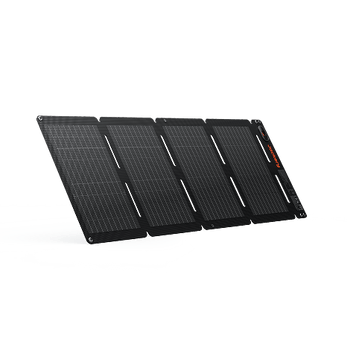
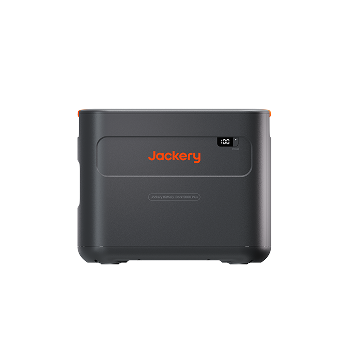




















![[Add-on] Jackery SolarSaga 500 X - Jackery](http://www.jackery.com/cdn/shop/files/add-on-jackery-solarsaga-500-x-1493607.webp?v=1786503068&width=324)

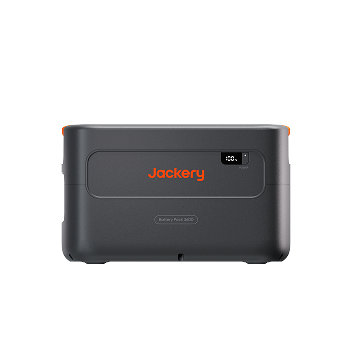
![[Add-on] Jackery Battery Pack 5000 Plus - Jackery](http://www.jackery.com/cdn/shop/files/add-on-jackery-battery-pack-5000-plus-6713401.webp?v=1786503068&width=324)











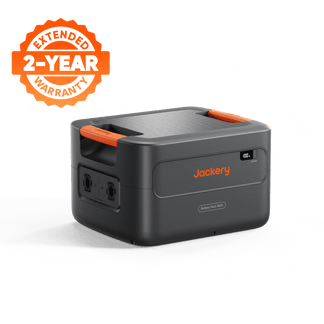

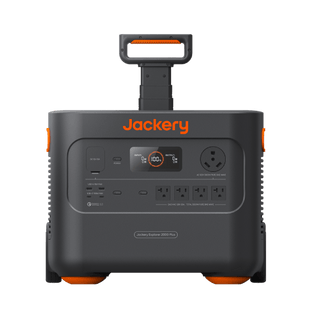
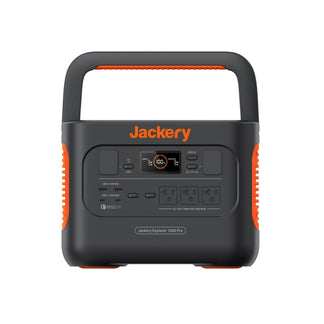
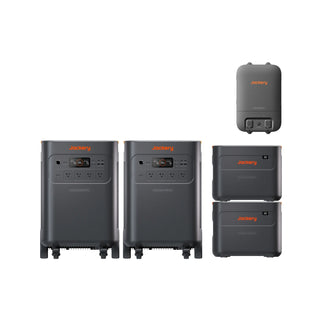
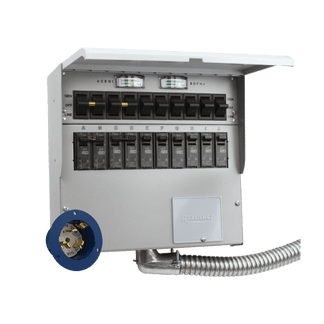


A newer LiFePO4 battery may be added to an older bank, but only if the existing bank is healthy and the complete proposed configuration is documented as compatible. If you want to expand a LiFePO4 battery bank, matching the chemistry and nominal voltage is not enough. When the battery models, BMS behavior, bank architecture, charging equipment, protection, or installation requirements are unknown, do not connect the new battery as a test. Replacing the bank or getting a qualified evaluation may be the better option.
Should You Expand the Older LiFePO4 Bank or Replace It?
Choose expansion only when you can identify both batteries, confirm that the older bank is operating normally, and verify that the manufacturer allows the intended configuration. This review covers the entire system: batteries, BMS, charger, inverter, solar controller, wiring, fuses, disconnects, busbars, and enclosure. That is the practical starting point for deciding whether to expand a LiFePO4 battery bank.
Expansion may be reasonable when the older bank has no unexplained faults or physical problems, its specifications and service history are available, and the proposed battery is approved for use with that bank in the intended series or parallel arrangement. The resulting bank must also stay within the documented limits of the charging and power equipment.

Replacement or a qualified evaluation may be the better option when the bank is imbalanced, degraded, damaged, repeatedly faulting, showing abnormal charging or runtime, or missing the documentation needed to establish compatibility. Buying another battery with the same chemistry will not resolve those issues. Missing information is a stop signal, not a reason to improvise a connection.
Verify Compatibility Before You Expand a LiFePO4 Battery Bank
Before adding capacity to a LiFePO4 battery bank, compare the batteries and the complete power system with the exact manuals and approved wiring diagrams. Use this table as a verification framework, not as a set of universal electrical limits. For background on how battery chemistries differ, see our LiFePO4 battery comparison.
| Check | Why it matters | Stop-and-confirm signal |
|---|---|---|
| Chemistry and nominal voltage | Confirm that both batteries use the intended chemistry and that the proposed bank matches the system voltage required by the inverter, charger, and other equipment. | The chemistry, nominal voltage, or resulting system voltage is unclear or differs from the documented design. |
| Capacity and charge/discharge limits | Compare the documented capacity and allowable current so you can assess the batteries and connected equipment within their specified operating ranges. | The capacities, current limits, or resulting bank limits cannot be reconciled with the applicable documentation. |
| Series or parallel approval | Treat series and parallel arrangements as different designs. Each intended arrangement needs approval for the exact batteries and system. | The manuals do not approve the exact batteries and arrangement, or the wiring is being improvised. |
| BMS behavior or communications | Determine whether the BMS requires specific communication, firmware, balancing, or coordination for the proposed configuration. | BMS interaction, communications, firmware requirements, or protection behavior is undocumented. |
| Charger, inverter, and solar-controller settings | Confirm that the charging and load equipment suit the resulting bank and its documented operating limits. | Settings, compatibility, or temperature-related operating requirements cannot be confirmed for the expanded bank. |
| Wiring, protection, and physical installation | Compare the proposed cables, busbars, fuses, disconnects, terminals, spacing, and enclosure with the approved installation requirements. | The wiring diagram, protection requirements, physical fit, or installation conditions are unknown or unsuitable. |
These checks prevent a label-level comparison from standing in for a system review. The decision rule is straightforward: if any row cannot be resolved using the exact product and system documentation, treat the proposed combination as unverified. Get confirmation from the manufacturer or a qualified installer before buying or connecting anything.

Understand the Risks of Mixing Older and Newer Batteries
Mixing old and new batteries does not have one universal outcome, but differences in condition can change how the bank behaves. An older unit may have different usable capacity or internal behavior than a new one, even when the labels appear similar. That difference can contribute to uneven current sharing, reduced usable capacity, nuisance BMS shutdowns, accelerated wear, or additional wiring and protection concerns.
Compare Age, Condition, and Real-World Behavior
Battery aging mismatch is not governed by a universal age or cycle-count cutoff. Use the bank’s actual records and behavior as inspection inputs: runtime changes, charging behavior, voltage under load, alarms, temperature observations, service history, and visible condition. These observations do not by themselves approve a mixed bank, but they can show when expansion should no longer be the next step.
Reduced runtime, recurring shutdowns, unusual charging differences, heat, odor, swelling, leakage, or damaged cables should stop the expansion decision. Isolate the system safely, following its equipment instructions, and arrange a qualified evaluation rather than diagnosing the battery or attempting a repair. Do not add a new battery to mask an existing imbalance.
Account for Series Versus Parallel Architecture
Series and parallel arrangements distribute electrical stress differently, so the approved expansion method must match the actual architecture. They are not interchangeable, and a wiring layout that looks physically convenient does not prove that the batteries, BMS, charger, inverter, or protection equipment can operate together.
A documented modular design is different from combining unrelated batteries in a DIY bank. If the manufacturer does not document the proposed combination, treat it as unverified. Compare the cost and practicality of replacing the bank or moving to a documented modular alternative instead of connecting the new battery to see what happens. Never bypass a BMS, change charging limits without the applicable documentation, or improvise wiring.
Before You Buy, Follow This Expand-or-Replace Sequence
Use this four-step sequence before ordering another battery. It is a conservative decision aid, not a substitute for the exact battery and system manuals or qualified technical service.
- Identify the equipment. Record the exact model numbers and serial information for the existing and proposed batteries. Add the chemistry, nominal voltage, capacity, age or service history, bank architecture, BMS details, charger, inverter, solar controller, fuses, disconnects, cables, and other protection equipment to the same record.
- Inspect the existing bank. Note runtime changes, alarms, repeated shutdowns, charging differences, voltage behavior under load, temperature observations, and any odor, swelling, leakage, physical damage, or damaged cables. Do not treat age alone as a pass-or-fail threshold, but do not ignore abnormal behavior.
- Verify documented compatibility. Compare the proposed combination with the battery manuals, complete system manual, wiring diagram, BMS requirements, charging settings, protection requirements, and approved series or parallel configurations. Ask the battery manufacturer or a qualified installer when any interaction or limit is unclear.
- Choose expansion or replacement. Expand only when every required condition is confirmed and the existing bank is healthy. Otherwise, replace the bank or obtain a qualified evaluation. Do not connect an unverified battery merely to test compatibility.
Gather the exact model documentation and a record of the current bank’s behavior before deciding whether to order another battery. If that record cannot establish a documented, healthy configuration, choose evaluation or replacement instead of adding capacity by guesswork.
Frequently Asked Questions
The answers below address common situations that do not fit every bank’s documentation in the same way.
Can I Add a Different Brand of LiFePO4 Battery to My Existing Bank?
Possibly, but the same chemistry and nominal voltage are not enough. Compare capacity, charge and discharge limits, BMS behavior or communications, approved series or parallel use, charging equipment, protection, and manufacturer guidance. If any required interaction is undocumented, do not connect the batteries.
Is It Safe to Mix Old and New LiFePO4 Batteries in Series?
Only the exact battery and BMS documentation can establish whether that series arrangement is approved. Differences in age, model, firmware, wiring, or configuration limits can change the decision. If those details are not documented, stop rather than testing the connection.
What Should I Check Before Buying Another LiFePO4 Battery?
Record the exact model numbers, chemistry, nominal voltage, capacity, age or service history, bank architecture, BMS details, charger, inverter, solar-controller information, alarms, runtime changes, and visible abnormalities. Use that record to request confirmation from the manufacturer or a qualified installer before ordering.
When Should I Replace My Entire LiFePO4 Battery Bank?
Replacement may be the stronger option when the bank is imbalanced, damaged, repeatedly faulting, showing abnormal heat or other physical symptoms, has unknown specifications, or lacks documented expansion approval. The final choice still depends on the complete system, so get a qualified evaluation when the cause or configuration is unclear.


