

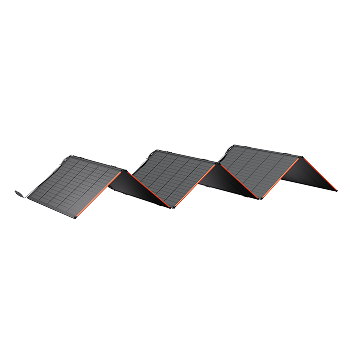
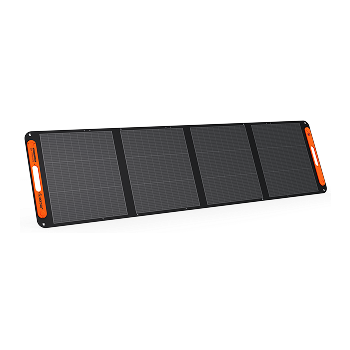














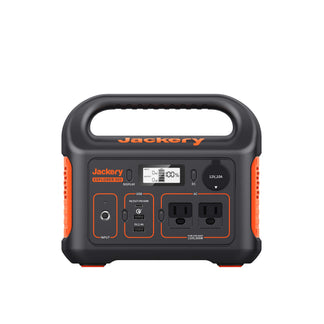

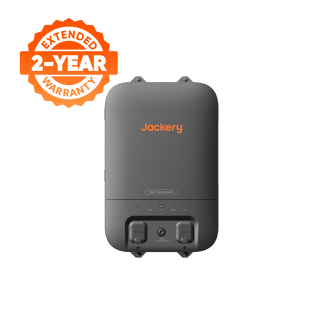
![[Add-on] Jackery SolarSaga 500 X - Jackery](http://www.jackery.com/cdn/shop/files/add-on-jackery-solarsaga-500-x-1493607.webp?v=1786503068&width=324)
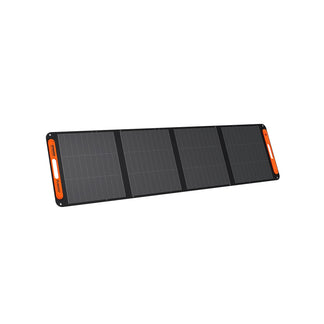

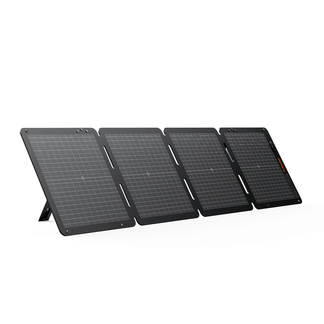

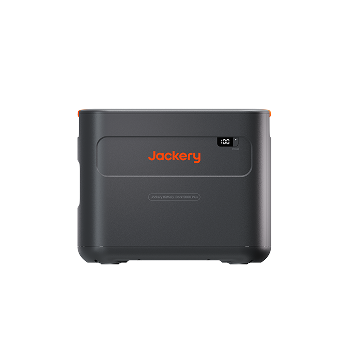
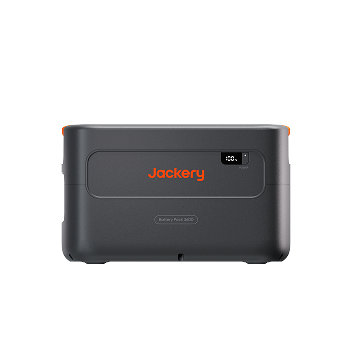
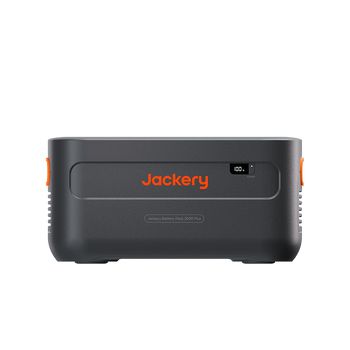
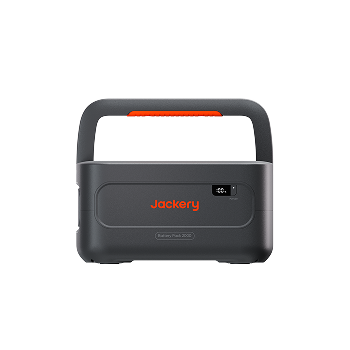
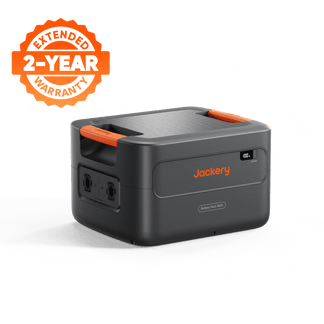
![[Add-on] Jackery Battery Pack 5000 Plus - Jackery](http://www.jackery.com/cdn/shop/files/add-on-jackery-battery-pack-5000-plus-6713401.webp?v=1786503068&width=324)












Quick Answer: Watt-hours (Wh) measure total energy capacity by factoring in voltage, making them the universal metric for comparing batteries of different voltages. Amp-hours (Ah) measure only charge and can mislead when voltages differ — a 12V 100Ah battery stores 1,200 Wh, while a 24V 50Ah battery also stores 1,200 Wh. For sizing a power station to run appliances, always use Wh.
Key Takeaways:
- Wh is the definitive comparison metric — it accounts for voltage, while Ah alone hides large differences in stored energy.
- Convert between them with Wh = Ah × Voltage; always check the system voltage before comparing.
- Wh tells you runtime: a 1,200 Wh battery runs a 100W refrigerator for 12 hours. Ah matters for charge/discharge rates and system matching.
- Ah misleads when voltages differ: a 48V 100Ah stores 4,800 Wh; a 12V 100Ah stores 1,200 Wh, yet both are labeled 100Ah.
- Engineers prefer Ah for battery health tests because amp-hours remain stable under load, while Wh fluctuates with voltage sag.
What Are Amp-Hours (Ah) and Watt-Hours (Wh)?
Amp-hours (Ah) measure electric charge, analogous to fuel tank size. A 100Ah battery can supply 100 amps for one hour, or 10 amps for 10 hours.
Watt-hours (Wh) measure total energy: power (watts) × time (hours). A 100W device running one hour uses 100 Wh. Wh directly translates to runtime.
The critical difference: Ah ignores voltage; Wh includes it. Voltage converts charge to energy. A 12V 100Ah battery holds 1,200 Wh; a 24V 100Ah battery holds 2,400 Wh — same Ah, double the energy. For portable power stations, Wh is the standard rating because it directly indicates runtime.
Why Watt-Hours Matter More for Comparing Batteries
Wh eliminates voltage confusion. Two batteries with identical Ah can store vastly different energy when voltages differ. A 48V 50Ah battery stores 2,400 Wh; a 24V 50Ah battery stores only 1,200 Wh — invisible from Ah alone.
When shopping for backup power, always compare Wh. It’s the apples‑to‑apples metric across systems, from 3.7V lithium cells to 48V home storage stacks. Airlines enforce carry-on limits in Wh (typically 100 Wh max) because Wh reflects actual energy regardless of internal voltage.
For home backup, a 2,000+ Wh station runs a refrigerator for 10–15 hours. A 1,000 Wh unit covers about half that. Runtimes are invisible from Ah alone.
How to Convert Between Ah and Wh (and Vice Versa)
The math is straightforward:
Wh = Ah × Voltage
Ah = Wh ÷ Voltage
Multiply the amp-hour rating by the battery’s nominal voltage to get watt-hours. Divide watt-hours by voltage to get amp-hours.
Example: A 12V 100Ah battery = 100 Ah × 12V = 1,200 Wh. A 3.7V 10,000 mAh (10 Ah) power bank = 10 Ah × 3.7V = 37 Wh.
Common system voltages to watch for:
System Type |
Typical Nominal Voltage |
RV / automotive |
12V |
Mid-size solar & some portable power stations |
24V |
Home energy storage |
48V |
Lithium-ion cells (inside most power stations) |
3.6V or 3.7V |
Always confirm the voltage before comparing. A quick conversion to Wh removes guesswork.
When Amp-Hours Still Matter: C-Rates and System Matching
Wh isn’t everything. Amp-hours play a crucial role in charge/discharge limits and system design:
- C-rate: describes safe charge/discharge rate relative to Ah. A 100Ah battery at 0.5C can deliver 50A without damage.
- High-draw tools: A higher Ah battery sustains more power because parallel cells reduce voltage droop — a 4.0 Ah tool battery outperforms a 2.0 Ah one at the same voltage.
- Fixed-voltage systems: In 12V RV setups, Ah is the practical sizing unit. Wire gauge and fuses depend on amperage, so Ah helps choose conductors.
- Depth of discharge: Reduces usable Ah — a 100Ah lead-acid battery safely delivers ~50Ah; LiFePO4 gives 80–100Ah.
- Solar matching: Ah helps calculate charge current, but Wh remains the primary metric for total energy storage.
Both ratings have their place.
Practical Battery Sizing for Home Backup and Portable Power
Sizing a power station to keep essentials running during an outage comes down to watt-hours.
Step 1: List the wattage of critical devices. A refrigerator draws about 150W (compressor running), LED lights add ~30W, a router ~10W. Estimate daily run hours for each.
Step 2: Sum the daily watt-hours needed. For example, 150W × 10h = 1,500 Wh for the fridge, plus 200 Wh for lights and router = 1,700 Wh total.
Step 3: Add a buffer for inverter losses and depth-of-discharge limits. Factor in 20-30% overhead, so target around 2,200–2,500 Wh of rated capacity.
Step 4: Convert to Ah if you’re working with a fixed voltage system (e.g., 2,500 Wh ÷ 48V = 52 Ah, or ÷ 12V = 208 Ah).
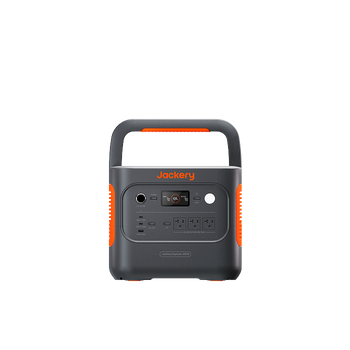
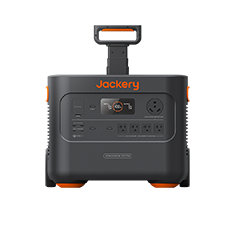
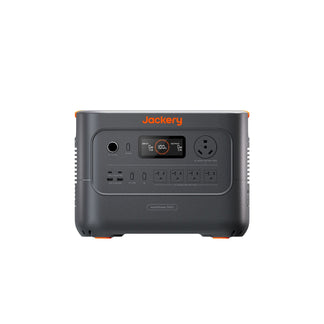
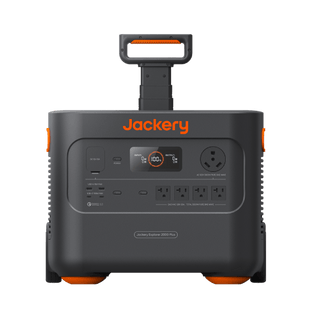
Step 5: Choose a portable power station with at least that Wh rating. A 2,000+ Wh unit covers a day of essentials. For example, the Jackery Explorer 2000 v2 (2,042 Wh) handles that load. See our guide to the best battery backup generators and the Jackery 2000 Plus usage guide for deeper coverage.
Limitations / What to Know Before
- Voltage mismatch: Comparing Ah alone across voltages (e.g., 12V car vs. 48V home) gives a false sense of capacity — always convert to Wh.
- Usable vs. rated Wh: Rated Wh isn’t usable; depth of discharge, temperature, and inverter efficiency reduce output by 10–30%. A 1,000 Wh station may only deliver 850 Wh to a heavy AC load.
- Inverter limits: For high-power appliances (microwave, heater), inverter continuous watts matter more than total Wh. A 1,000W heater can’t run on a 500W inverter regardless of battery size.
- Peukert effect: Wh drops at high discharge rates. A battery rated 1,000 Wh at 0.2C may yield only 800 Wh at 1C due to internal losses.
- Diagnostics stability: Ah is more stable than Wh for diagnostics. It directly reflects chemical capacity; Wh is path-dependent because voltage sag skews the measurement. Battery health tests track Ah, not Wh.
Product Recommendation: Essential Home Backup Power Stations
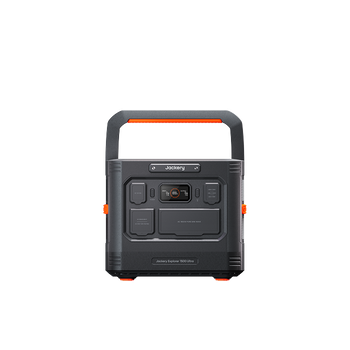
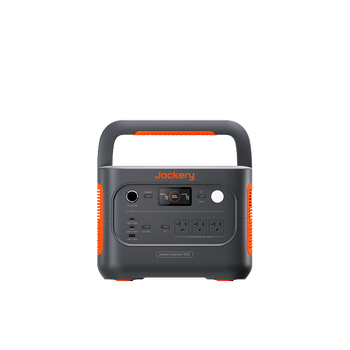
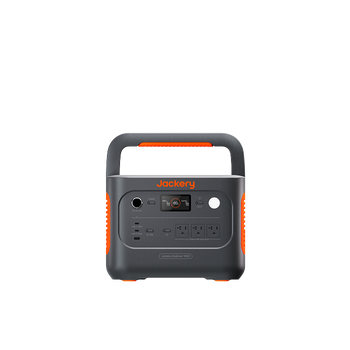
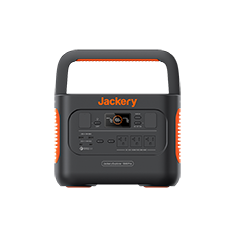
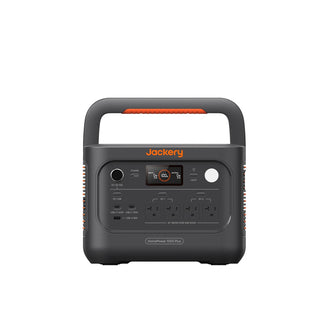
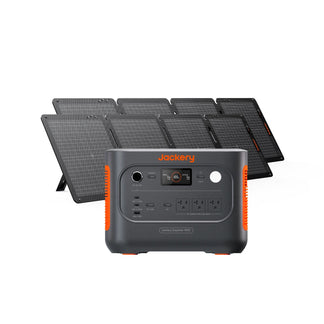
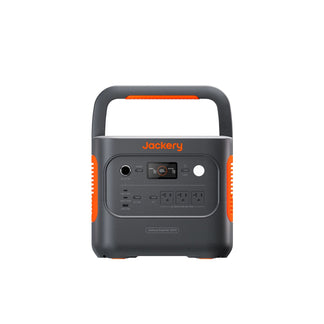
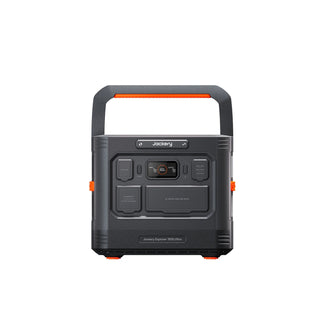
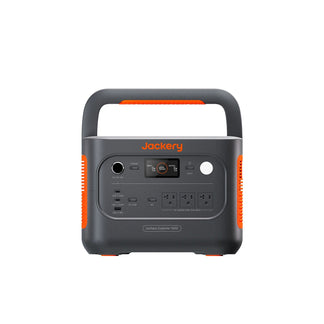
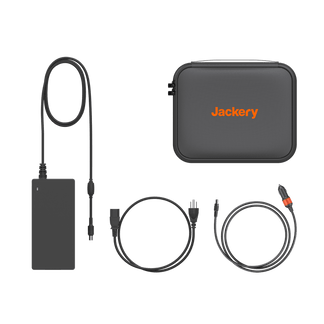
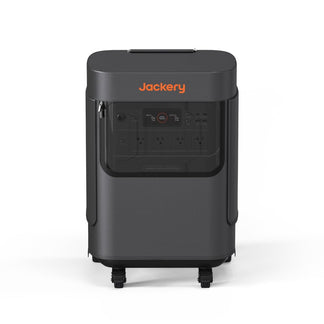
Jackery’s portable power stations are rated in watt-hours for precise sizing. What a Jackery is used for spans essential home, camping, and work. Here are three configurations for different outage durations.
Model (Bundle) |
Capacity (Wh) |
Continuous Output (W) |
Best for / Key Features |
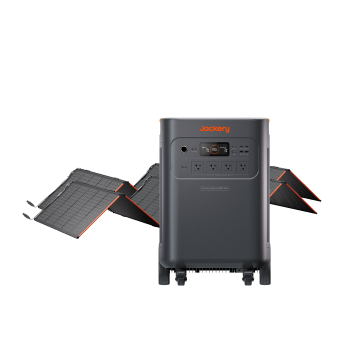
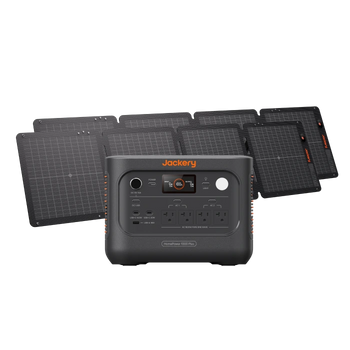
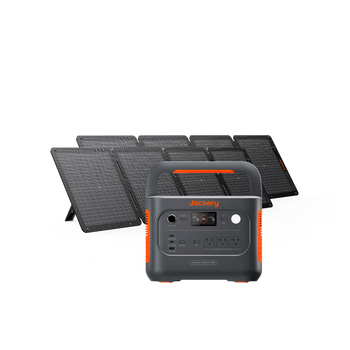
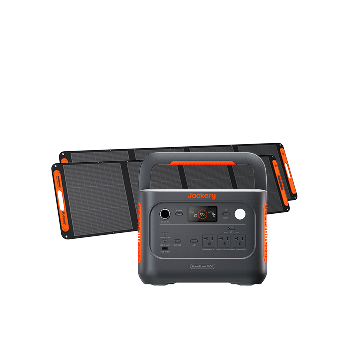
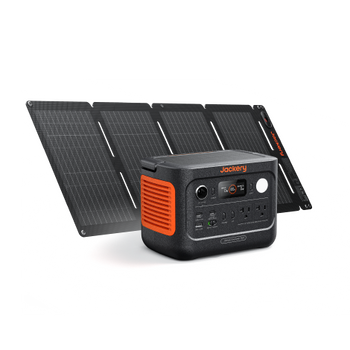
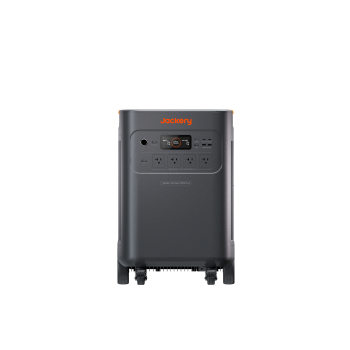
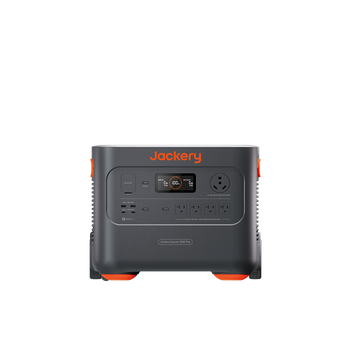
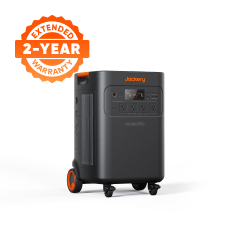
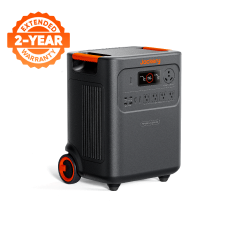
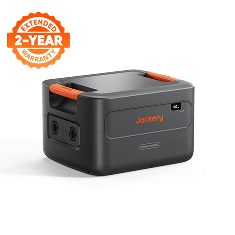
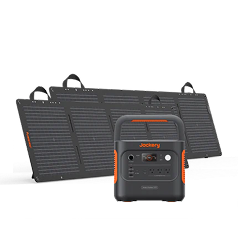
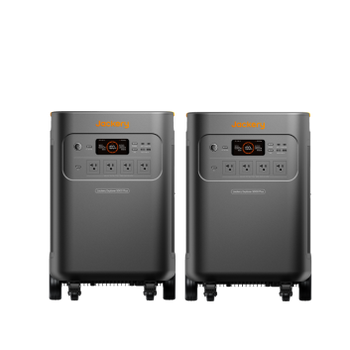
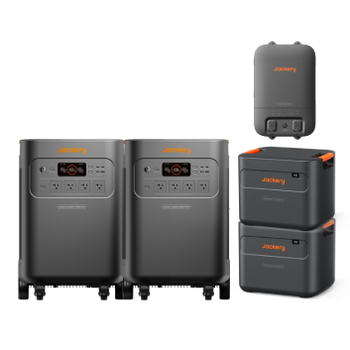
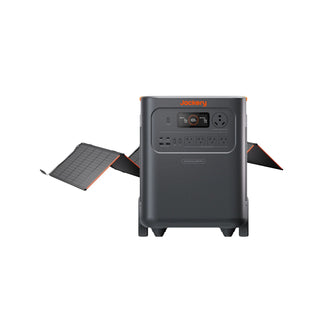
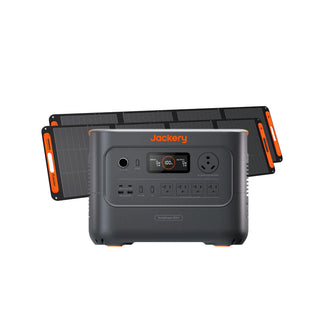
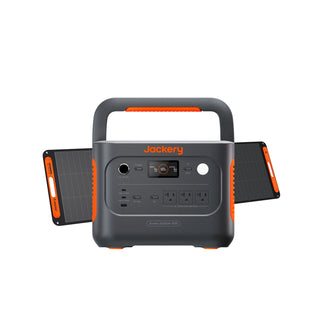
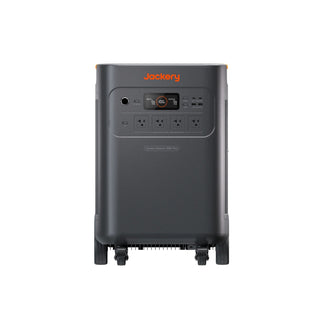
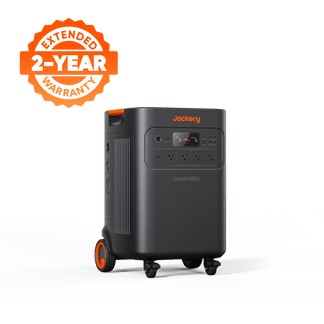
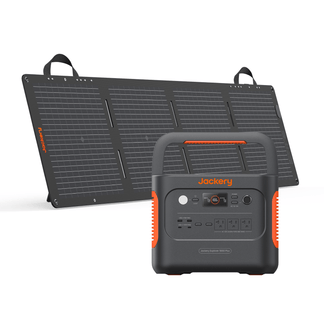
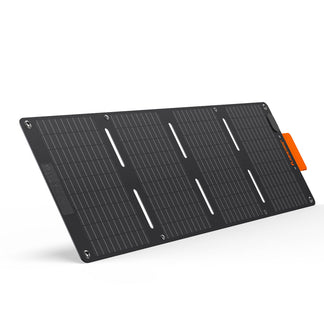
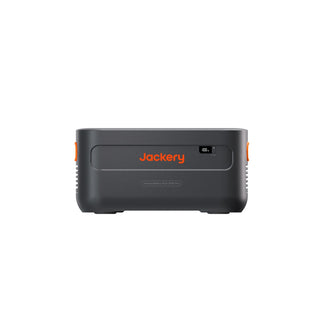
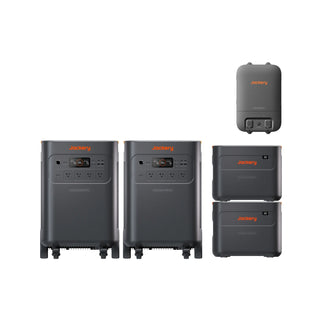
Jackery Solar Generator 5000 Plus + 2x SolarSaga 500X |
5,040 Wh |
7,200 W |
Extended essential home backup; runs refrigerator, lights, router, portable AC over 12 hours. Dual solar panels for 1,000W solar input and 0ms UPS switchover. |
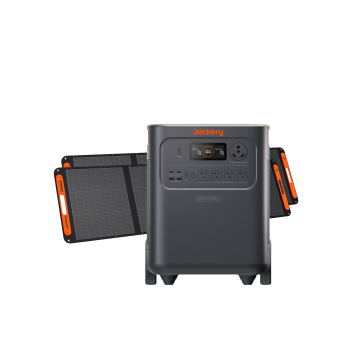
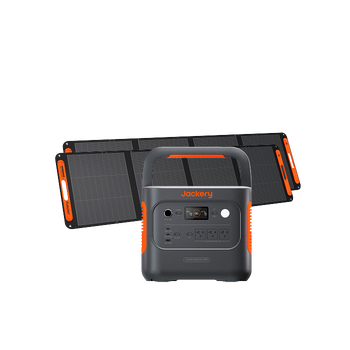
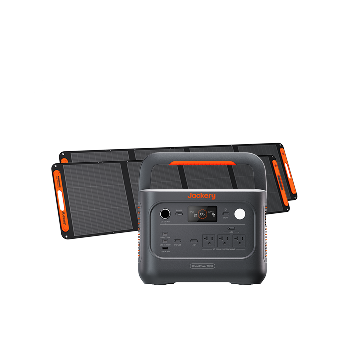
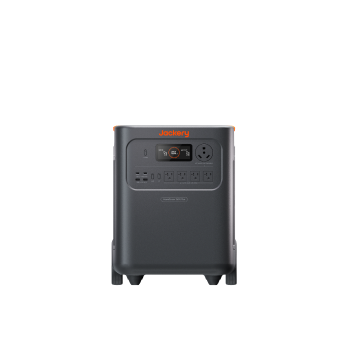
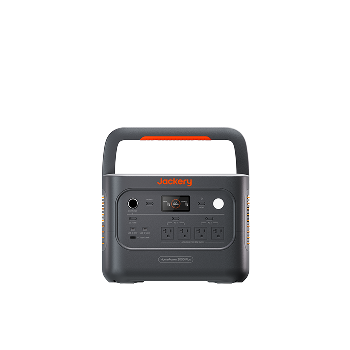
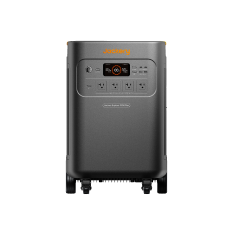
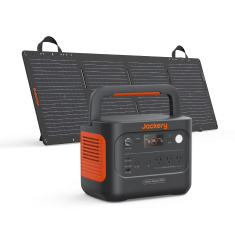
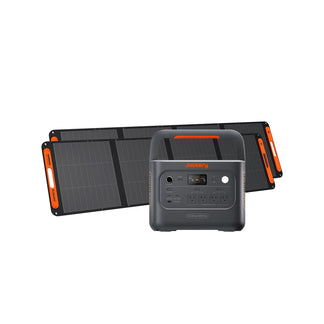
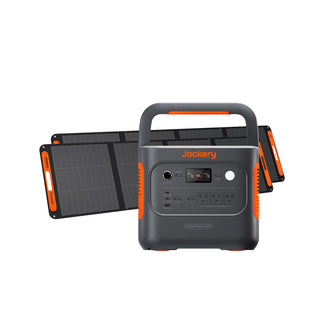
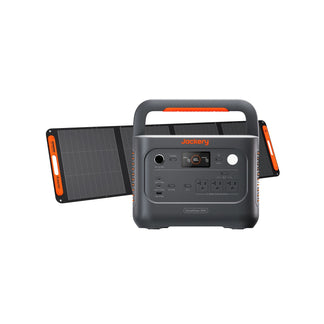
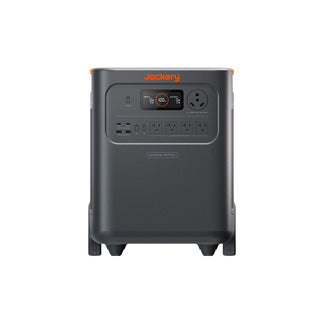
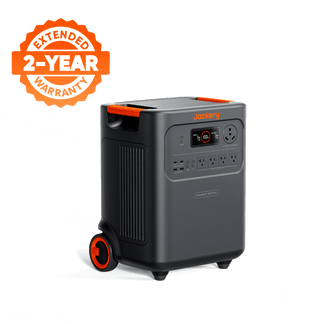
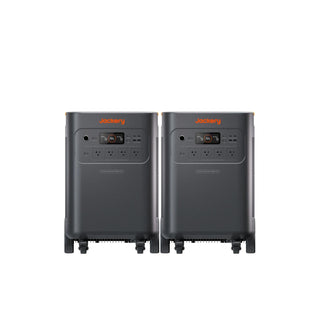
Jackery Solar Generator HomePower 3600 Plus + SolarSaga 500X |
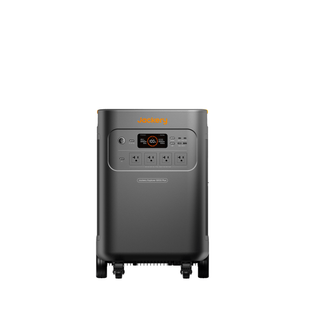
3,584 Wh |
3,600 W |
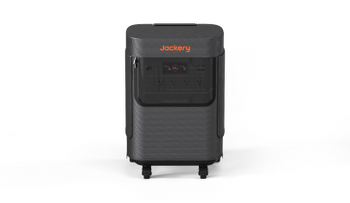
Medium-duration outages; powers fridge, well pump, home office 8-15 hours (surge 7,200 W). Compact trolley design with plug-and-play setup and <20ms UPS backup. More on using the HomePower 3600 Plus. |
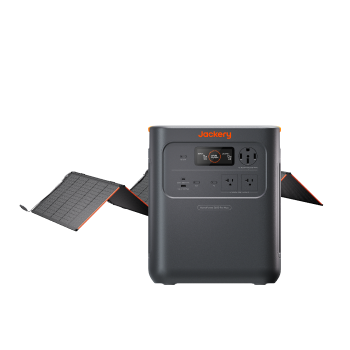
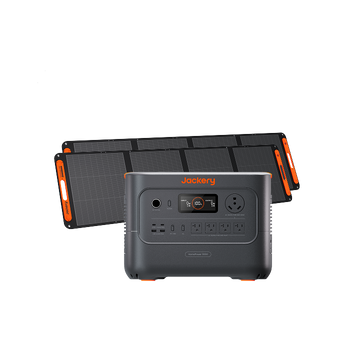
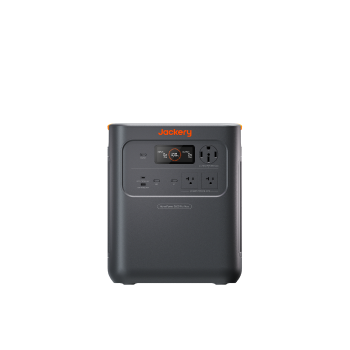
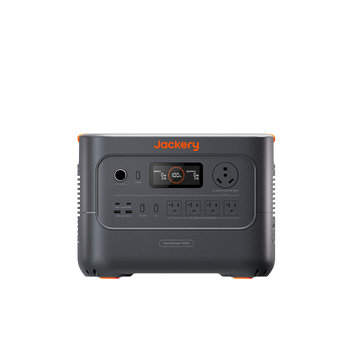
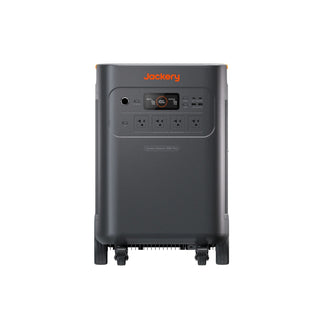
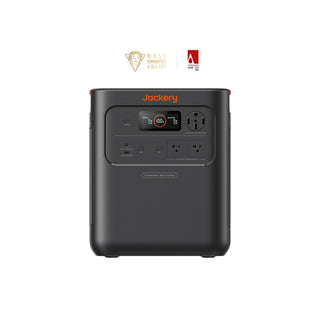
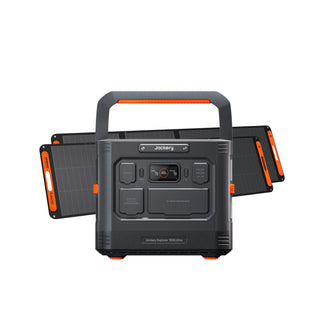
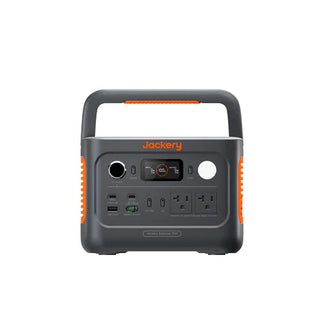
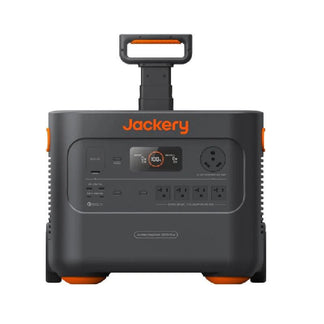
Jackery Explorer 2000 v2 Portable Power Station |
2,042 Wh |
2,200 W |
As described in sizing, covers a full day of essentials. 39.5 lbs, LiFePO4 for 4,000+ cycles, and 0-100% fast charge in 1.7 hours via wall outlet. |
All models use LiFePO4 batteries with 4,000–6,000+ cycle life.
Frequently Asked Questions
What is the difference between nominal and actual battery voltage?
Nominal voltage is the average during discharge; actual voltage reads higher when fully charged and drops under load. Wh conversion uses nominal voltage for a reliable estimate.
How does temperature affect battery Ah and Wh ratings?
Cold increases resistance, temporarily reducing usable capacity. Extreme heat causes permanent degradation, lowering both Ah and Wh over time.
Can I mix batteries with different Ah ratings in a system?
Mixing different Ah capacities in series/parallel causes uneven charge/discharge, risking over-discharge or overcharge of the smaller unit and shortening lifespan of all batteries.
What is the difference between battery capacity and inverter output?
Battery capacity (Wh) sets runtime; inverter output (W) sets which devices can run simultaneously — a 2,000 Wh battery with a 300W inverter can’t power a 1,000W microwave.
How do I interpret the C-rate for my specific device?
Multiply the battery’s Ah rating by the C-rate to find the maximum safe continuous current. A 100Ah battery at 0.5C can deliver 50A; drawing more risks overheating and permanent damage.


