

























![[Add - on] Jackery Manual Transfer Switch for Explorer 5000 Plus - Jackery](http://www.jackery.com/cdn/shop/files/add-on-jackery-manual-transfer-switch-for-explorer-5000-plus-9017324.png?v=1754016782&width=350)


















![[Add - on] Jackery Manual Transfer Switch for Explorer 5000 Plus - Jackery](http://www.jackery.com/cdn/shop/files/add-on-jackery-manual-transfer-switch-for-explorer-5000-plus-9017324.png?v=1754016782&width=324)


![What Is The Average Electric Bill in Connecticut [2026 Updated] - Jackery](http://www.jackery.com/cdn/shop/articles/what-is-the-average-electric-bill-in-connecticut-2026-updated-5516774.jpg?v=1774384173&width=800)
As of December 2025, the average residential electricity bill in Connecticut is approximately $171.53 per month. Connecticut's electricity rate is 25.30 cents per kWh, which is significantly higher than the national average of 17.24 cents per kWh.
With a monthly consumption of 678 kWh and a residential electric rate of 25.30 ¢/kWh, the ongoing average electric bill in CT is $171.53 per month. In December 2024, the residential electric rates were 28.13 ¢/kWh, which shows a significant change in the residential rates compared to the current rates. However, with the rise in electrical consumption, the average household in Connecticut pays $16.55 more than the national average of $154.98 per month.
If your household has also been affected by the sudden price hike in electricity and is looking for economical ways to reduce it, you should check out Jackery Solar Generators. These solar generators come with high-power battery capacities that can power up most of your core household appliances, such as your central air conditioner, space heater, refrigerator, microwave oven, and more. This helps you lower your reliance on the grid and save on monthly bills.
Takeaways
- In December 2025, Connecticut residents faced some of the highest electricity bills in the US, averaging about $171.53 per month, which is higher than the rate in low-cost states like New Mexico or Utah.
- As of December 2025, the average residential electricity rate in Connecticut stands at approximately 25.30 cents per kWh, which is higher than the national average of 17.24 cents per kWh.
- The average household in Connecticut consumes around 678 kWh per month, placing the state near the national average in usage but still resulting in high bills due to elevated rates.
- How much does it cost to live in Connecticut.
- How solar helps to save on electricity bills in Connecticut.
What Is The Average Electric Bill in Connecticut?
As of December 2025, the residential electricity rate in Connecticut stands at 25.30 ¢/kWh, which comes to an average monthly bill of $171.53 based on an average consumption of 678 kWh. This marks a decrease from the 28.12 ¢/kWh rate in December 2024, reflecting a 2.82 ¢ decrease in residential rates over the past year. Connecticut's electric bills, both residential and commercial, are higher than the national averages.
Connecticut residents pay more than the national average. The typical residential electricity rate in the US stands at 17.24 ¢/kWh, and the average monthly bill is $154.98, accounting for the average consumption of 899 kWh.
Similar to residential properties, commercial and industrial areas also pay a significantly higher price than the nationwide average. For commercial properties, the average electric rate in CT is 22.21 cents per kWh, which is higher than the national average of 13.63 cents per kWh. The industrial sector sees even more significant differences, with Connecticut's average industrial electric rate being 19.13 cents per kWh, far exceeding the national average of 8.53 cents per kWh.

What Are The Electric Rates in Connecticut?
The electricity rates in Connecticut range from 16.94 cents to 35.55 cents per kWh, with the average rate standing at 25.30 cents per kWh.
The electric rate is the total price the customers pay to the government or the utility companies for the electricity they consume. Typically, the electric rates are measured in cents per kilowatt-hour (¢/kWh), and it covers the overall cost of generating, transmitting, and distributing electricity to residential buildings and businesses.
For instance, the residential electric rate in Connecticut is 25.30 ¢/kWh, the commercial rate is 22.21 ¢/kWh, and the industrial rate is 19.13 ¢/kWh. All of these charges reflect the costs associated with delivering electricity to consumers in this state.
Time of Use
Time of Use (TOU) rates are variable rates implied by utility providers, where customers are charged based on the time of day electricity is used. For instance, Eversource has multiple TOU plans, where they charge 15.246 ¢/kWh during the peak hours (noon—8 PM weekdays) and a reduced charge of 11.746 ¢/kWh during the off-peak hours (8 PM—noon, including weekends).
Electricity Providers in Connecticut
To determine the best electricity provider in your area in CT, you must understand different electricity providers, their rates, and how they differ.
For instance, Constellation Energy's rate stands at 15.49 ¢/kWh. Direct Energy has a rate of 14.79 ¢/kWh. Here are the rates offered by different electricity providers in Connecticut:
|
Provider |
Rate (¢/kWh) |
|
Energy Plus |
9.25 |
|
Town Square Energy |
14.34 |
|
Direct Energy |
14.79 |
|
Constellation Energy |
15.49 |
|
Wallingford Electric |
17.20 |
|
Groton Utilities |
18.01 |
|
Major Energy Electric Services |
19.05 |
|
South Norwalk Electric and Water |
20.28 |
|
Bozrah Light and Power |
22.40 |
|
Norwalk Third Taxing District |
22.44 |
|
Jewett City Electric |
23.11 |
|
North American Power |
27.49 |
|
Norwich Public Utilities |
28.71 |
|
Eversource Energy |
29.76 |
|
United Illuminating |
36.00 |
Note: These electric rates per kWh are subject to change. Consider checking the official website of the electricity provider to know the latest rate.
Find the Best Rate in Connecticut
If you are planning to move to CT or even to switch to a different service provider, reviewing offers from different providers is recommended before making a long-term commitment. There are a couple of quick ways that help in determining the best rates that meet your electricity needs, like:
-
Check Rates:Visit the electricity providers' official websites to learn their latest rates. For instance, based on the contract length, the electric rates per kWh can differ.
- Contract Length:While reviewing and comparing the rates, look for the contract length. Some service providers offer a shorter contract but charge an early termination fee.
- Provider's Review:Before signing a long-term contract, check the online reviews from registered users to understand the after-sales support.
- Discounts & Offers:Most service providers provide a flat $100 cashback when you switch to their services. Similarly, look for ongoing discounts and offers that you can avail from different electricity providers in your area.
How Much Does It Cost to Live in Connecticut?
The cost of living in Connecticut is 14% to 48% less than in Boston or New York. In fact, the CT housing prices can be 50% lower than in New York City. Connecticut is affordable in terms of housing costs in the Northeastern US region.
Some of the most common utilities in CT are electricity, natural gas, water charges, Internet & cable TV, and sewer rates. All of these utilities contribute to Connecticut's cost of living index of 121.6.
Electricity Charges
According to the EIA, the residential electricity rate in CT is 25.30 ¢/kWh, which results in an average monthly bill of $171.53.
Water Charges
In CT, water costs vary by provider and area. For instance, Connecticut Water charges a flat quarterly rate of $119.8. Residents are charged around $5.374 - $13.374 per 1,000 gallons.
Natural Gas Charges
According to the December 2025 data from EIA, the average residential rate for natural gas in Connecticut is 16.18 dollars per thousand cubic feet. Depending on your average usage for cooking and heating, the gas charges may vary between $40 and $80 per month.
Internet Charges
There are several notable Internet and cable TV providers in Connecticut. Some of the broadband plans range from $25 per month to $50 per month for a 100Mbps plan. Similarly, those interested in fiber connections can avail of special plans from providers at $25 per month for the first year with speeds up to 500Mbps.
Sewer Rates
Sewer charges depend on water usage and family dwellings. For instance, if your usage is of 20 CCF or less, then you will need to pay a sewer bill of $134.30. The Greater New Haven Water Pollution charges around $26.50 for 5 CCF or less of water usage, plus the administration fee of $18.00.
|
Utility |
Average Monthly Cost |
|
Electricity |
$171.53 |
|
Water |
$43 - $65 |
|
Natural Gas |
$40 - 80 |
|
Internet |
$25 - $50 |
|
Sewer Rates |
$25 - $50 |
As you can see from the above table, different utility costs contribute to overall living expenses in Connecticut. Here are a few handy tips for lowering utility costs:
- Use water stripping or caulk to seal gaps around windows and doors.
- Start using programmable thermostats to adjust the energy when you are not at home.
- Try using ceiling fans instead of air conditioners that can help circulate air.
- Move towards solar energy, where you can use Jackery Solar Generators to charge and power household appliances.
- Try installing low-flow showerheads and faucets to conserve water.
Why Is My Electric Bill So High in Connecticut?
Electric bills in Connecticut are notably higher than in many other states. For instance, Oklahoma's monthly average electric bill is $130.95, and Virginia's bill is $151.63. Even with the high electricity rate of 27.39 ¢/kWh, the average electric bill in New York is around $155.02 per month. The high electricity rates are driven by different factors, including high energy procurement costs, regulatory policies, etc.
Some of the prominent reasons behind the high electricity bills in CT are:
High Energy Rates
In the United States, Connecticut ranks among the 10 states with the highest share of electricity generated via nuclear power. In 2022, natural gas fueled 56% of its net electricity generation. Even though solar power provides 3% of net generation, Connecticut has some of the highest electricity rates in the country.
Connecticut already has some of the highest electricity rates in the country, and March 2026 hasn't brought any relief. A big part of the problem comes down to fuel prices. Natural gas still powers a large chunk of the regional grid, and when those costs stay high for an extended period, Eversource customers end up carrying that weight on their monthly bills.
For a state where the cost of living is already high, that electricity bill has become one more expense that feels increasingly hard to justify and a growing number of Connecticut residents are starting to look seriously at alternative ways to reduce their bills.
Government Mandates
Residents in Connecticut have seen rates increase due to several government mandates, most importantly the Millstone Purchase Agreement. Under this agreement, the utilities had to buy power at a higher price, directly influencing the electric rates and subsequent charges.
Geographical Location
Connecticut does not have any natural gas reserves or production. Most of its natural gas comes from the Appalachian region, Canada, the U.S. Gulf Coast, and the U.S. Mid-Continent region. The transportation cost of natural gas also influences the utility charges borne by the end customers.
Tips to Lower Electricity Bill in Connecticut
You should focus on reducing your overall energy consumption by adjusting your thermostat, using energy-efficient appliances, unplugging electronics when not in use, and optimizing your water heater and lighting usage. If your household is also suffering from the sudden hike in the electricity bills and is looking for easy ways to reduce the same, then check out the following tips that will help you lower the bills without sacrificing your monthly electricity consumption:
Use of Energy-Efficient Appliances
You can check out the highest electricity-consuming appliance at your home, and if it is an old model, try upgrading it to an energy-efficient one that uses less electricity or water. Once you start seeing some positive results, you can move on to upgrading all the other household appliances to more energy-efficient ones, typically the ones that come with an Energy Star label.
Upgrading to LED Lighting
If you are still using old incandescent light bulbs, it is highly recommended that you replace them with LED lights. Newer LED light bulb models can be operated using a mobile application, so you can turn them off remotely or monitor their daily usage.
Use of Solar Energy
Consider installing solar panels to harness renewable energy and reduce dependence on grid electricity. Once you have installed the full-fledged solar system at home, you can significantly lower your electricity bills over time. If you do not wish to spend over $20,000 on solar panel installation, you can always go ahead with Jackery Solar Generators, which can power core household appliances for long hours. With these solar generators, you can reduce your dependency on a power supply, which substantially reduces your overall electric bill.
Jackery Solar Generators For Lowering Your Electric Bills
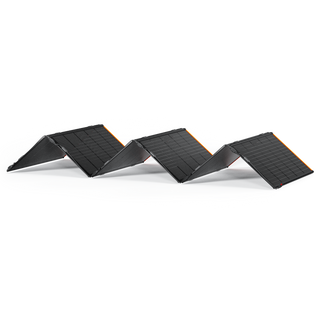
Jackery is a global leading brand that manufactures highly efficient, portable, and powerful solar generators, solar panels, and portable power stations. Jackery Solar Generators technically refer to the combination of Jackery Portable Power Stations and Jackery SolarSaga Solar Panels that work in tandem to collect, convert, and supply electricity to household or outdoor appliances.
Jackery Solar Generators are powerful charging solutions that can power small to heavy-duty appliances and reduce high electricity bills. You can charge air conditioners, refrigerators, or other large home appliances with solar generators and reduce the reliance on the electricity grid. Here are powerful Jackery Solar Generators that are ideal for various usage scenarios.
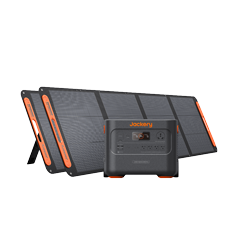
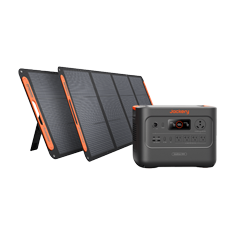
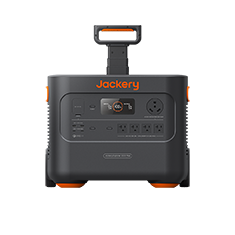
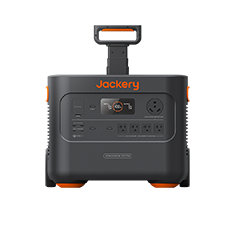
Jackery Solar Generator 2000 Plus
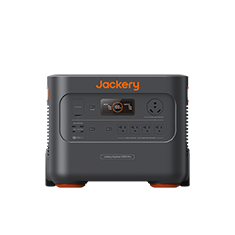
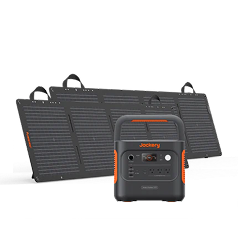
The Jackery Solar Generator 2000 Plus is a versatile home and outdoor power solution, ideal for covering essential appliances without the hassle of noise, fumes, or fuel costs. By integrating solar charging into your daily routine, you can reduce dependency on Connecticut’s expensive grid power and maintain electricity access during outages or rate hikes. It is a compact home battery backup system that fits well into homes with moderate energy needs and can be expanded when the power needs increase.
Appliances Running Time
- Air Conditioner (1500W) = 1.1H
- Furnace (1500W) = 1.1H
- Microwave (1000W) = 1.6H
- Refrigerator (300W) = 5.3H
- TV (150W) = 10.0H
Who Should Buy This
The Jackery Solar Generator 2000 Plus is ideal for homeowners or apartment dwellers who want a compact home battery backup that can be easily expanded up to 24kWh with add-on battery packs.

Customer Review
Operated various appliances, including a mid-sized electric heater. Performed as expected. Purchased for emergency situations, and I believe it will do the job.
-- Julie Botsko.
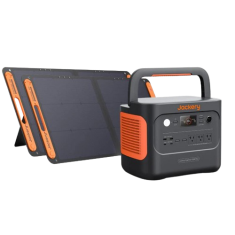
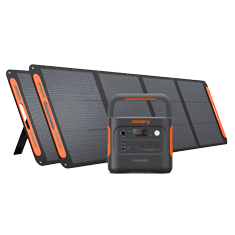
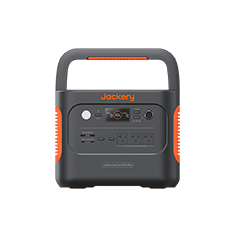
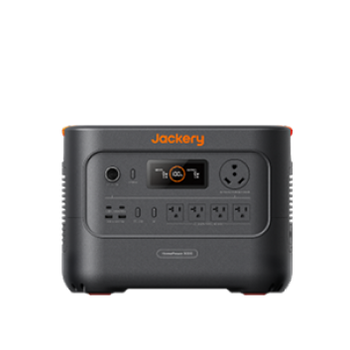
Jackery Solar Generator HomePower 3000
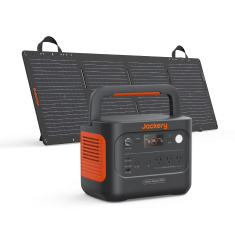
The Jackery Solar Generator HomePower 3000 offers higher capacity and output, making it an ideal choice for households that want to keep multiple appliances running during grid downtime. Its larger storage enables you to capture and use more solar energy, directly cutting back on grid usage and shielding your budget from Connecticut’s steep per-kWh costs. Despite the large capacity, it is the lightest and smallest 3kWh LFP solar generator that ensures easy transportation wherever you go.
Appliances Running Time
- Air Conditioner (1500W) = 1.7H
- Furnace (1500W) = 1.7H
- Microwave (1000W) = 2.6H
- Refrigerator (300W) = 8.1H
- TV (150W) = 15.2H
Who Should Buy This
The Jackery Solar Generator HomePower 3000 is suitable for families seeking reliable multi-appliance coverage during outages and the ability to offset a significant portion of monthly consumption through solar power.

Customer Review
Great home power system. We are using it as an all-in-one inverter/battery/solar system. For the price, it's unbeatable and high quality, and performance in each aspect!
— Bryan.
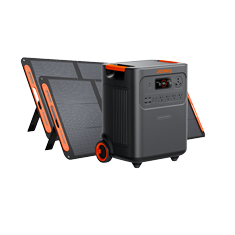
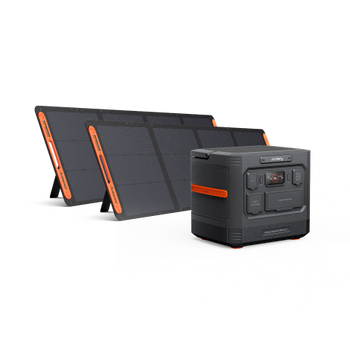
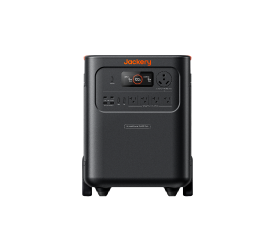
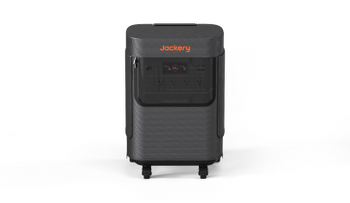
Jackery Solar Generator HomePower 3600 Plus
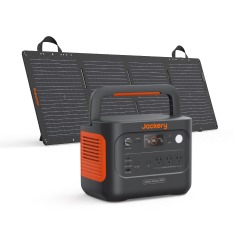
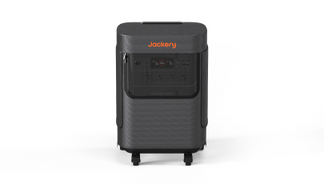
The Jackery Solar Generator HomePower 3600 Plus is an essential home backup option for Connecticut households facing some of the highest electric rates in the country. It has a large battery capacity with expansion potential up to 21kWh, so you can run essential appliances during costly peak hours and depend less on the utility. That helps keep the refrigerator, heaters, ACs, TVs, and everyday devices running without watching the monthly bill climb. And because it comes with a pull handle and wheels, you can move it easily around the house and use backup power wherever it’s needed.
Appliances Running Time
- Air Conditioner (1500W) = 2.0H
- Furnace (1500W) = 2.0H
- Microwave (1000W) = 3.0H
- Refrigerator (300W) = 9.5H
- TV (150W) = 17.7H
Who Should Buy This
The Jackery Solar Generator HomePower 3600 Plus is a reliable battery backup for homes that can run most essential household appliances whenever the grid fails or during peak electricity hours.

Customer Review
I purchased Jackery Solar Generator HomePower 3600 Plus as an off grid power supply for my bus as well as for a home back up via the transfer switch. It works great for supplying power to my diesel heater block for 2 hours with a little juice left to run some lights.
- Miranda T.
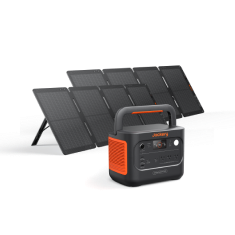
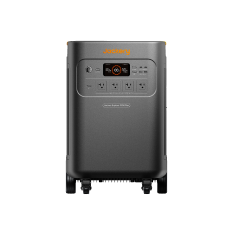
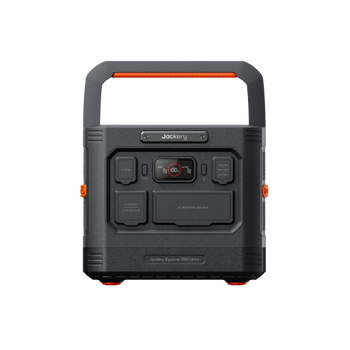
Jackery Solar Generator 5000 Plus
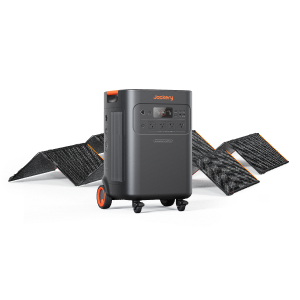
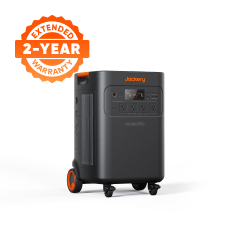
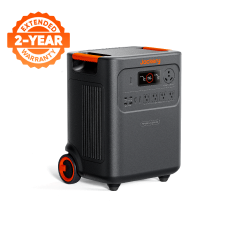
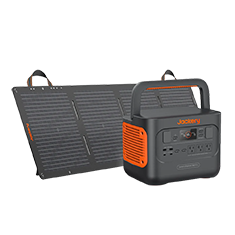
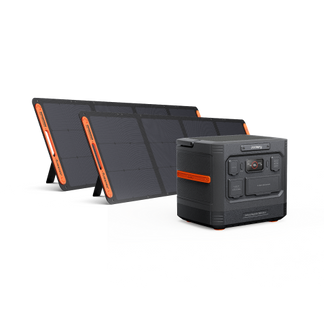
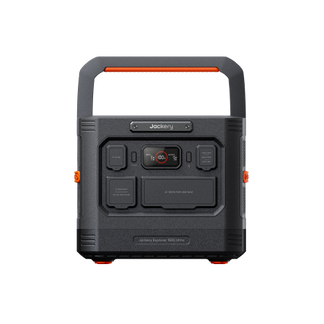
The Jackery Solar Generator 5000 Plus is the most powerful essential home backup solution designed for those who want to run energy-hungry appliances without relying on the grid. Its expandability makes it future-proof, allowing you to scale up as your energy needs or cost-saving goals grow. For Connecticut’s high-rate environment, it maximizes solar harvesting and minimizes your utility bills over time.
Appliances Running Time
- Air Conditioner (1500W) = 2.8H
- Furnace (1500W) = 2.8H
- Microwave (1000W) = 4.1H
- Refrigerator (300W) = 12.2H
- TV (150W) = 21.4H
Who Should Buy This
The Jackery Solar Generator 5000 Plus is suitable for homeowners who want a long-term, high-capacity home battery backup system capable of handling large loads, extended outages, and high bill reduction.

Customer Review
Exactly what we needed to power our home. Especially nice to have a 240-volt option to run the well pump. Also nice to be able to "accessorize" as finances allow.
— Richard Wamsley.
How Solar Helps to Save Electric Bills
Switching to solar energy offers numerous benefits for reducing electric bills. By harnessing sunlight to generate electricity, solar panels significantly decrease dependence on grid power, which leads to substantial savings.
There are several other benefits of using solar energy at home or in your commercial buildings, like:
Significant Cost Savings
Installing solar panels can drastically reduce or permanently eliminate monthly electricity bills. When one generates their own energy, they save on utility bills and ensure they can easily combat rising electricity prices.
Energy Independence
Solar energy allows you to produce your own power, which reduces your overall reliance on the electric grid. So, even if there are fluctuations in the electricity rates in the market, your average cost of living will not be affected. With a solar power system in place, you gain proper control over your energy costs.
Increased Property Value
Several property brokers report that homes equipped with solar panel systems see an increase in property value. Prospective buyers often pay a premium for a property with solar panels mounted on the roof or grounds. This makes solar panels a smart investment for those who plan to sell their property after a few years.
In Connecticut, the annual electricity consumption comes to around 11,316 kWh, so one needs at least an 8.6 kW solar panel system that can offset 100% of this consumption. Before-tax rebates or any federal incentive, a typical solar system costs around $27,000. By considering a 5.5% annual increase in electricity prices, you can save around $3,200 in the first year. But in the fifth year, you will be saving close to $17,900, and $41,200 in only ten years. If you stay at the same property for twenty years, you will save a staggering $111,600.

If you do not wish to spend a lump sum of $27,000 against a solar system and still wish to benefit from all the savings, then you can go ahead with Jackery Solar Generators. Other than being economical and sturdy, these solar generators have another major benefit over traditional solar systems -- you can not only use them to reduce your average electric bill in CT but can also carry them to outdoor locations and power your appliances when there is no grid power in sight.
Connecticut Average Electric Bill FAQs
What size of solar generator do I need for my house in Connecticut?
You can choose different solar generators per your budget and home appliances. However, the exact size of a solar generator depends on the duration for which you intend to use such a power source. For instance, if you are using Jackery Solar Generator 5000 Plus to power an air conditioner (1000W) and a CPAP machine (60W) concurrently, then the total working hours can be calculated using the Running Time Calculator available on the product page. Go to the product page and locate the calculator. Enter the total appliance wattage to get an estimated runtime. In this example, the Jackery Solar Generator 5000 Plus can run these appliances (1060W) for 3.9 hours.
What is the current Eversource rate in CT?
The current Eversource rate in Connecticut is 15.62 ¢/kWh from February 1, 2026, to July 31, 2026. Eversource also provides time-of-use rates-- during the on-peak hours, electricity is charged at 17.32 ¢/kWh, and during the off-peak hours, customers can pay a reduced rate of 13.82 ¢/kWh.
What runs your electric bill up the most?
In most houses, high electricity consumption comes from heating and cooling systems, like air conditioners and space heaters. Some high-wattage appliances like vacuum cleaners or electric geysers also drive up the electric bill.
Who is the lowest energy supplier in CT?
The charges from the electricity provider vary as per the government policies. However, Energy Plus is among those service providers that offer the lowest energy rate in Connecticut, costing only 9.25 ¢/kWh.
Is electric heat expensive in CT?
Yes, electric heat can be expensive in Connecticut due to high electricity rates. If you use space heaters or electric blankets during the colder months, your utility bills can rise significantly.
Conclusion
With the booming economy and government policies, the average electric bill in CT has increased in the last decade. The electricity rate and monthly consumption will surely increase in the coming years. If you aim to reduce your average electric bill in Connecticut while maintaining a good lifestyle, you can always go ahead with Jackery Solar Generators. These portable units come with a compact design, which makes them ideal to carry around to outdoor locations and with high-capacity batteries, you can use these solar generators to power high-wattage appliances.