










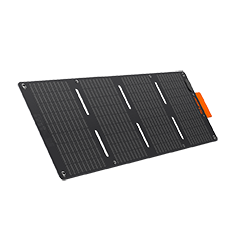



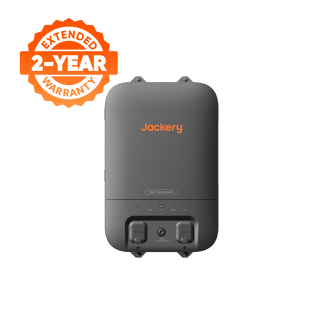
![[Add-on] Jackery SolarSaga 500 X - Jackery](http://www.jackery.com/cdn/shop/files/add-on-jackery-solarsaga-500-x-1493607.webp?v=1786503068&width=324)
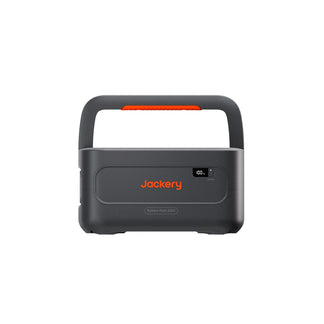
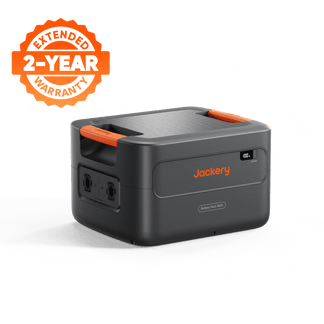
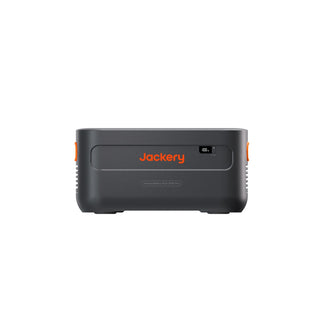
![[Add-on] Jackery Battery Pack 5000 Plus - Jackery](http://www.jackery.com/cdn/shop/files/add-on-jackery-battery-pack-5000-plus-6713401.webp?v=1786503068&width=324)












![What Is The Average Electric Bill in Illinois [2026 Updated] - Jackery](http://www.jackery.com/cdn/shop/articles/what-is-the-average-electric-bill-in-illinois-2026-updated-9073637.jpg?v=1774384167&width=800)
The average monthly electricity bill in Illinois during December 2025 was $124.09, with an average energy rate of 17.07 ¢/kWh and electricity consumption of 727 kWh. This is based on EIA data from December 2025.
Illinois's big cities, bright lights, and endless waving seas of agricultural fields make it a great place to live. It's home to over 12.5 million people. However, the average electric bill is one reason behind the higher cost of living in the state. In December 2025, the average electric rate in Illinois was 17.07 cents per kWh, with an average monthly consumption of 727 kWh.
The average monthly electric bill in Illinois stands at $124.09 in December 2025. Jackery Solar Generators are reliable and efficient home battery backup solutions for households. These essential home backup solutions help you power core household appliances, such as ACs, space heaters, LED lights, etc. Thus, powering appliances with solar generators will help reduce high electricity bills.
Takeaways
- According to EIA data updated December 2025, the average Illinois household spends about $124.09 per month on electricity, which amounts to $1,489.08 annually.
- Illinois households averaged $124.09 per month with an average usage of 727 kWh and a rate of 17.07 ¢/kWh.
- Illinois electricity rates range from 10.12 cents per kWh to 23.38 cents per kWh or even more, depending on the electricity provider and the plan you choose.
- How to lower your electricity bills in Illinois.
- How much does it cost to live in Illinois.
What Is The Average Electric Bill in Illinois?
According to the latest December 2025 report from the Energy Information Administration (EIA), the average monthly electricity bill in Illinois is $124.09, with an average rate of 17.07 cents per kWh and a monthly consumption of 727 kWh.
Compared to Illinois, the average electric rate in the US is 17.24 cents per kWh, with a monthly consumption of 899 kWh and an average electric bill of $154.98 per month. Here's a table where we will compare the average rate and average bill of Illinois with the electricity bills of other US states.
|
State |
Avg. Bill |
Avg. Rate |
Monthly Usage |
|
Michigan |
$122.84 |
19.53 ¢/kWh |
629 kWh |
|
Utah |
$98.59 |
12.99 ¢/kWh |
759 kWh |
|
Colorado |
$106.71 |
16.12 ¢/kWh |
662 kWh |
|
Hawaii |
$209.34 |
41.62 ¢/kWh |
503 kWh |
|
Florida |
$166.27 |
15.02 ¢/kWh |
1107 kWh |
|
Georgia |
$141.48 |
13.67 ¢/kWh |
1035 kWh |
|
Indiana |
$139.37 |
15.91 ¢/kWh |
876 kWh |
|
Massachusetts |
$172.61 |
30.88 ¢/kWh |
559 kWh |
|
New York |
$155.02 |
27.39 ¢/kWh |
566 kWh |
Source: EIA
What Are The Electricity Rates in Illinois?
As of December 2025, the electricity rate in Illinois is 17.07 cents per kWh. The electricity rate in Illinois refers to the cost that customers pay for the electricity they use in cents per kWh. However, the exact rate will depend on multiple factors, such as the type of plan, utility company, and any applicable fees or taxes. Illinois residents have a legal right to choose their electricity supplier.
The top electric providers in Illinois include ComEd, Ameren, and potentially others like Homefield Energy and Dynegy Energy Services. The rate per kWh and contract length will depend on the electric provider you choose. Here's a table where we will compare the contract length and average rate per kWh of different electrical providers:
|
Provider |
Rate (¢/kWh) |
|
Homefield Energy |
5.99 |
|
Dynegy Energy Services |
6.91 |
|
AEP Energy |
6.99 |
|
ResCom Energy |
8.07 |
|
MC Squared Energy Services |
8.34 |
|
CleanSky Energy |
8.68 |
|
First Energy |
9.06 |
|
Eligo Energy |
9.87 |
|
Realgy Energy Services |
10.12 |
|
MidAmerican Energy |
10.13 |
Note: The prices are subject to change. You must check the official website of the electric provider to get the latest information on the rate per kWh and contract length.
What Are The Types of Electric Plans in Illinois?
In Illinois, the main types of electricity plans offered are fixed-rate, variable-rate, and renewable energy plans. The average electric bill in Illinois will depend on the electric plan you choose and your electricity provider. When selecting the best electricity provider in Illinois, it is essential to understand the different types of plans available:
Fixed-Rate Plan: It's the most prevalent type of electricity rate in Illinois. Your electric rate will be locked in for a specific period of around 12-36 months. One benefit of a fixed rate plan is that it helps you prepare the budget more accurately since the rates won't fluctuate with market prices.
Variable-Rate Plan: As the name suggests, the rate will vary based on the market conditions. Although these plans may offer low rates at certain times, they come with the risk of higher electricity prices when the demand is high.
100% Green Energy Plan: If you care about the environment and do not mind paying extra, you may choose a 100% Green Energy Plan. You can offset energy usage by purchasing Renewable Energy Credits (RECs) that reflect the generation of renewable energy sources like wind or solar. When you choose the green plans, it ensures that energy consumption supports renewable energy projects.
Before you choose the best energy supplier in Illinois, you'll need to consider a few essential factors:
Price: The first step is to compare different electric rates and plans from each supplier and choose the one that best aligns with your needs and budget.
Company Size: Next, consider the total number of customers a company has. This is an indication of its size and stability. If the company has a larger customer base, it means they have more resources to meet the electricity demands.
Company History: The best way to understand reliability is to check the company's history. If the company has a long history of reliable service, it's a positive sign.
Read the Contract: Before choosing the electricity provider, you must read the agreement. Additionally, look for any hidden fees, contract length, cancellation clauses, or penalties.
Read Customer Reviews: Many customers often post reviews about the company. This is one of the great ways to get an idea of the reliability of each company and its customer service.
If you want to switch electricity providers in Illinois, all you need to do is compare offers from the leading energy providers and then choose the one that helps you save the most on your electricity bills.
Illinois residents are dealing with higher electricity bills in March 2026, and fuel prices are playing a big role in that. ComEd, which serves the Chicago area and much of northern Illinois, pulls power from a regional grid that still depends on natural gas for a notable share of its supply, and when fuel costs stay high, that pressure eventually shows up on monthly statements.
During Illinois winters,heating demand through the colder months keeps electricity usage elevated at exactly the time when rates are already feeling stretched. By the time spring arrives, many households are left tallying up a season's worth of inflated bills and looking for ways to get ahead of it before next winter rolls around.
How to Lower Your Electric Bill in Illinois?
If you want to lower your electric bill in Illinois, you should focus on reducing energy consumption and maximizing efficiency by using energy-efficient appliances, adjusting your thermostat, unplugging unused electronics, and optimizing your lighting. With the cost of electricity bills going up because of weather fluctuations, Illinois residents are looking for different ways to lower their monthly electricity bills. Here are some of the best ways to save money:
Using Energy-Efficient Appliances
Household appliances that are Energy Star-rated draw less energy from the utility grid. Thus, they help you lower your monthly consumption and save money. You can invest in a programmable thermostat that automatically adjusts the temperature to prevent extra consumption of the appliances.
Upgrade Lighting
You can also invest in efficient LED lighting, which emits less heat and can save up to 75% of electricity. Upgrading home lighting is one way to lower total electricity consumption.
Transfer to Solar Energy
Solar panel systems can generally reduce or eliminate electricity bills in Illinois. The solar solution can help with long-term budgeting and improved savings. An average Illinois resident will pay around $124.09 per month on electricity bills, which adds up to $1,489.08 per year. If you use solar generators to power your household appliances, you can save $1,489.08 per year.
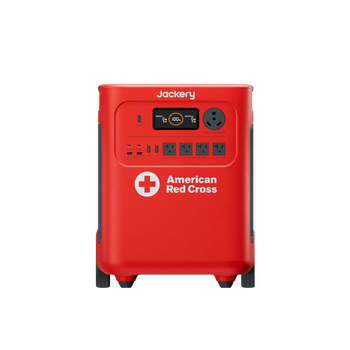
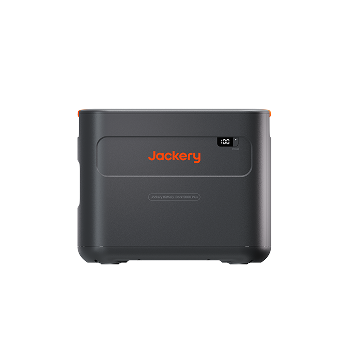
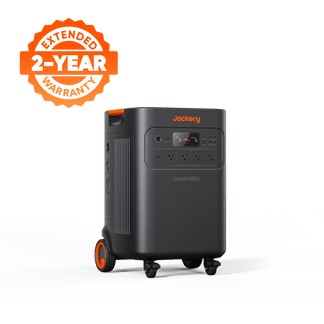
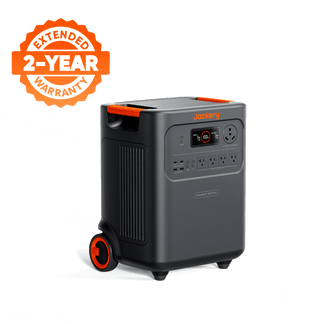
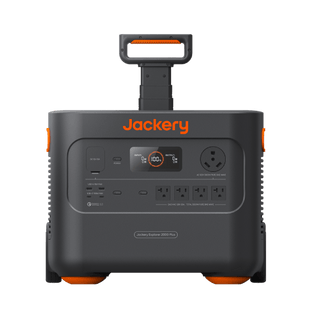
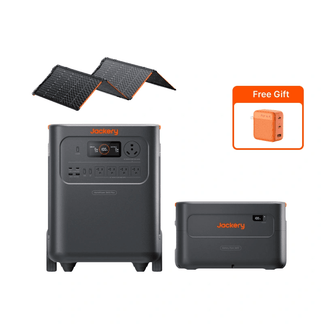
Jackery Solar Generators are reliable home battery backup solutions that can power most household appliances. Unlike solar panel systems for home, the portable Jackery Solar Generators do not require any complex installation. The Jackery Solar Generator 5000 Plus, for example, can power almost all core household appliances to help you lower your reliance on the utility grid.
Jackery Solar Generators for Lowering Your Electric Bills
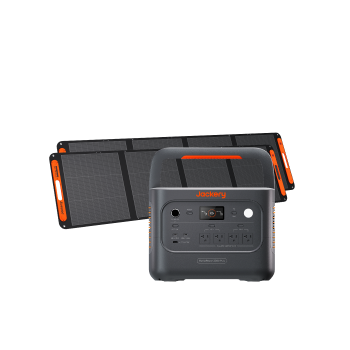
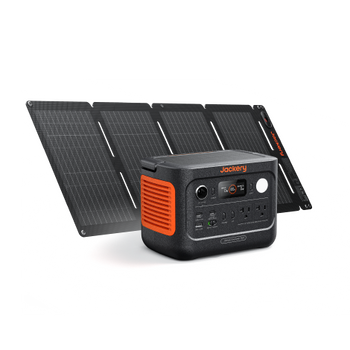
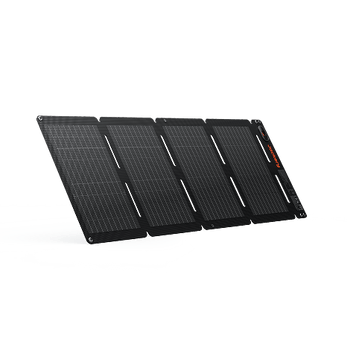
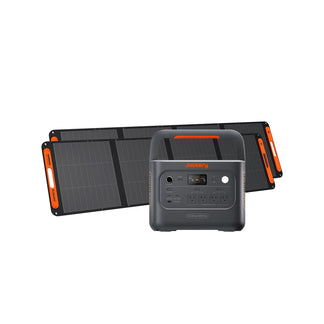
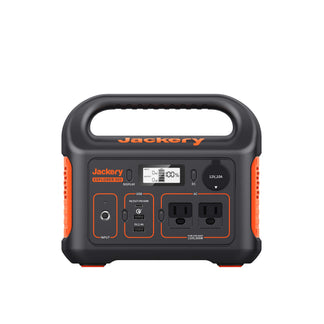
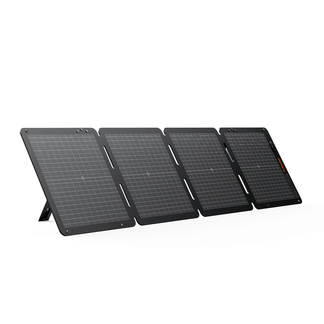
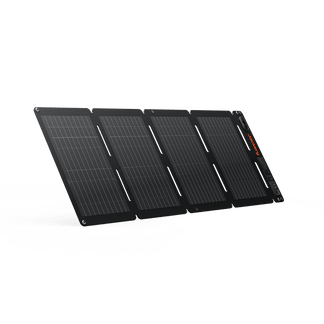
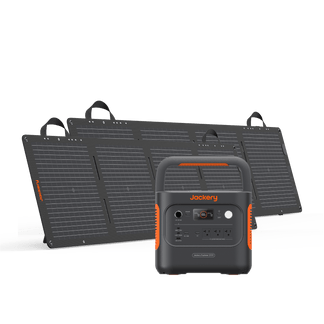
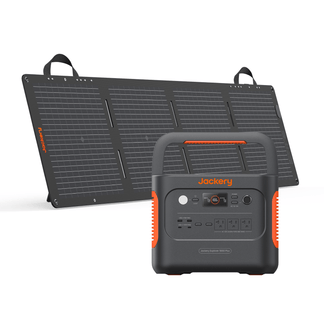
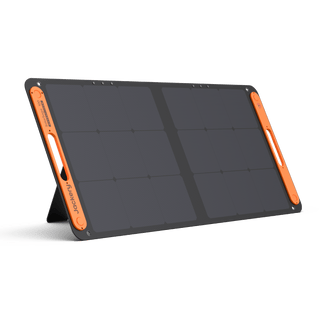
Jackery is a reliable brand that manufactures portable solar generators, solar panels, and power stations. The Jackery Solar Generators combine Jackery Portable Power Stations and foldable Jackery SolarSaga Solar Panels to collect, convert, and supply power to appliances.
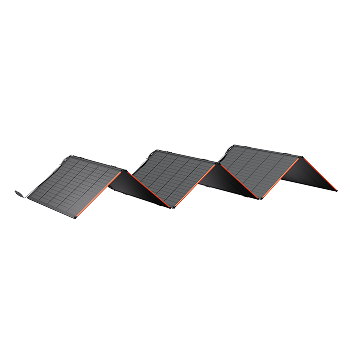
Sunlight falls on the monocrystalline silicon solar cells of the Jackery SolarSaga Solar Panels and is converted to DC electricity. The DC current is passed to the Jackery Explorer Portable Power Stations, where the pure sine wave inverter converts it into AC electricity to charge most electrical appliances.
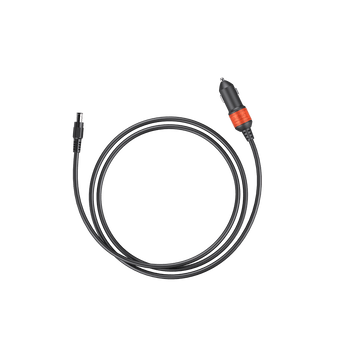
The Jackery Solar Generators feature stable and safe LiFePO4 and NMC batteries to charge small and large household appliances. They are easy to set up. All you need to do is connect the appliances to the Jackery Explorer Portable Power Stations and start charging them anytime, anywhere. These home battery backups can be charged with an AC outlet, car charger, and Jackery SolarSaga Solar Panels.
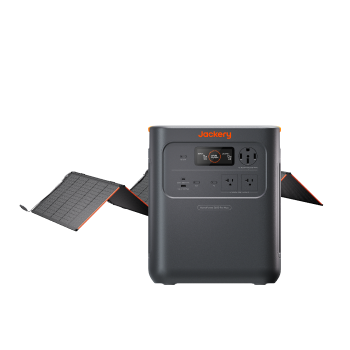
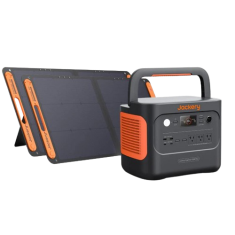
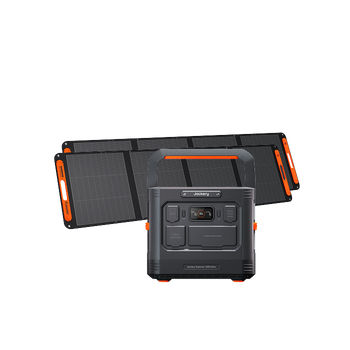
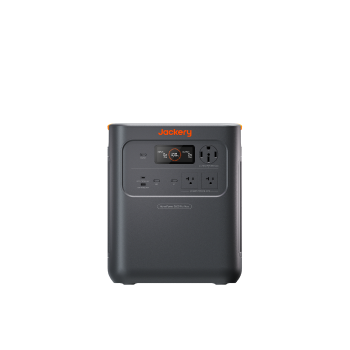
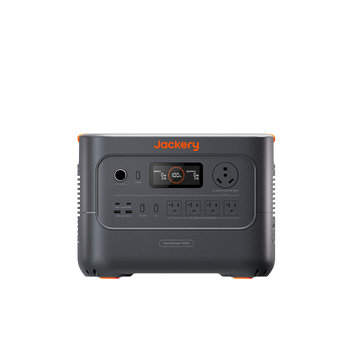
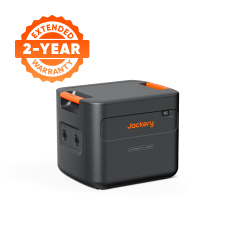
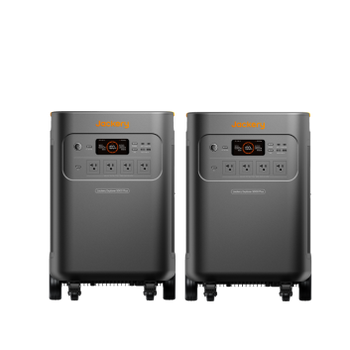
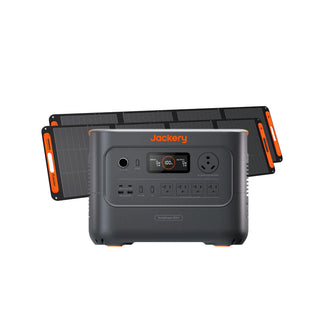
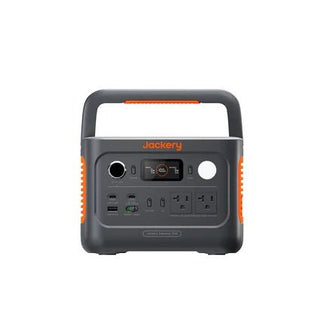
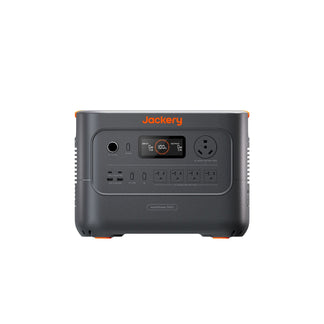
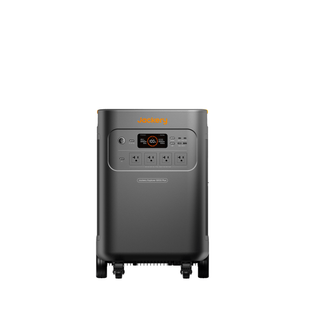
Jackery Solar Generator 2000 Plus
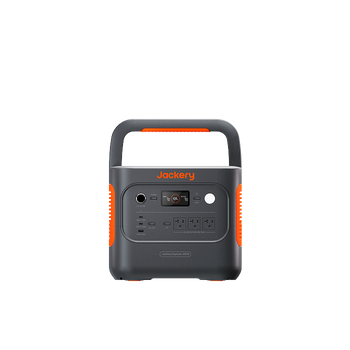
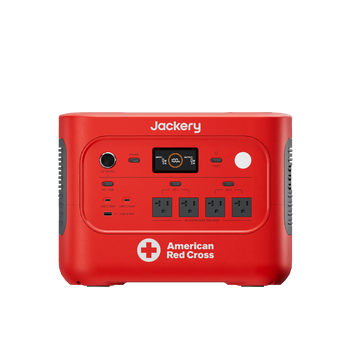
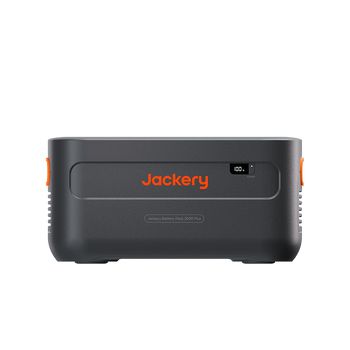
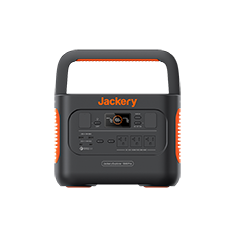
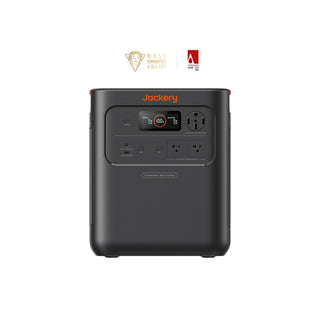
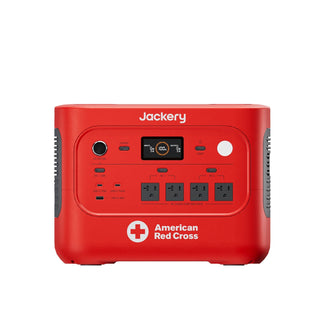
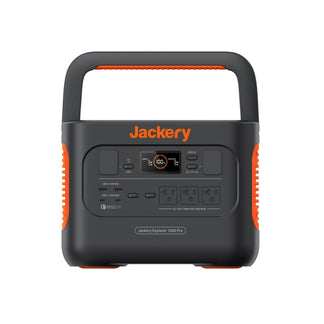
The Jackery Solar Generator 2000 Plus is an expandable home battery backup solution that can power your desk setup, modem, TV, fans, and the fridge for the priciest evening hours. You are trimming daily grid use without any installation. It is quiet, indoor-safe, and doubles as a weekend power companion so you can easily turn otherwise idle sunshine into electricity bill relief in Illinois.
Appliances Working Hours
- Freezer (200W) = 7.6H
- TV (100W) = 14.2H
- AC/Heater (1000W) = 1.6H
- Microwave (800W) = 2.0H
- Water Heater (1500W) = 1.1H
Who Should Buy This
You can choose the Jackery Solar Generator 2000 Plus if you want a compact, plug-and-play home battery backup solution to cut peak-hour costs in an apartment or small home.

Customer Review
My second purchase with jackery so far. We added an additional 2000 series battery to our inventory, along with two additional solar panels. It truly does provide peace of mind during these uncertain times of brownouts and system failures.
— Eric Butler.
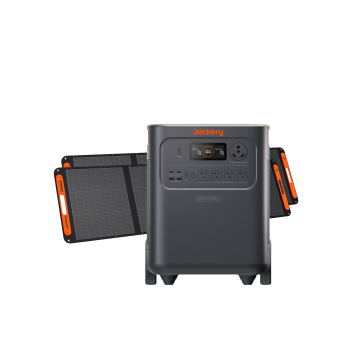
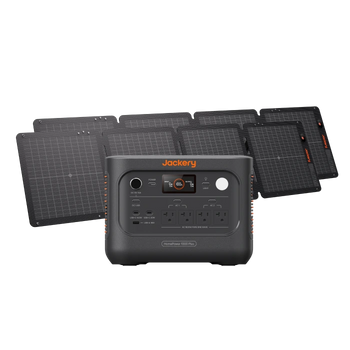
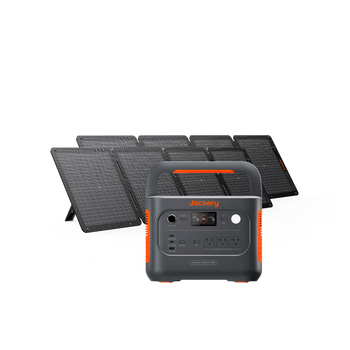
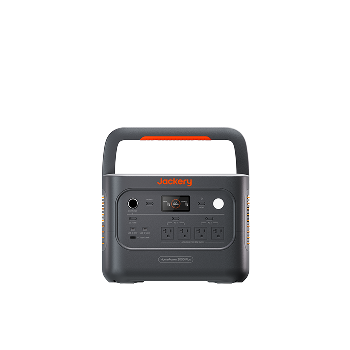
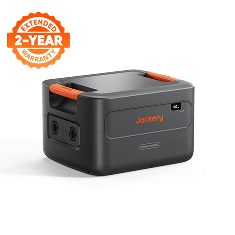
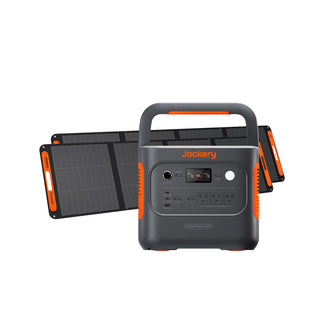
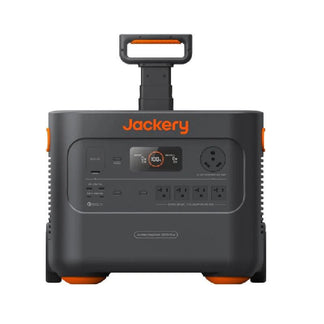
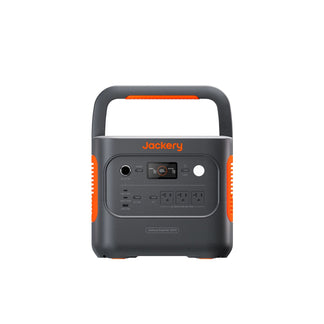
Jackery Solar Generator HomePower 3000
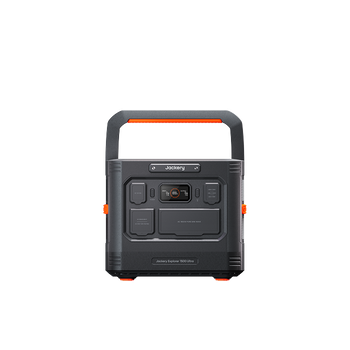
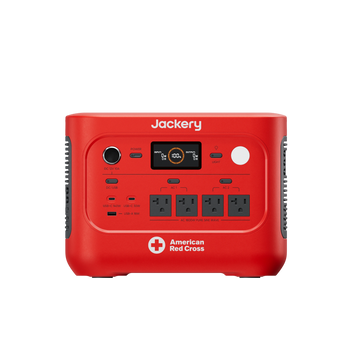
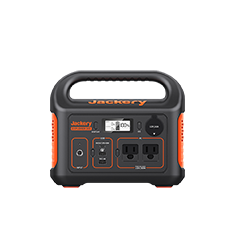
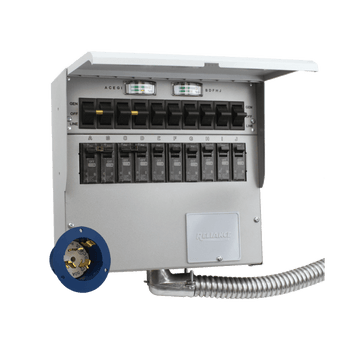
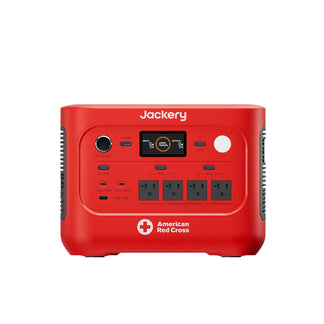
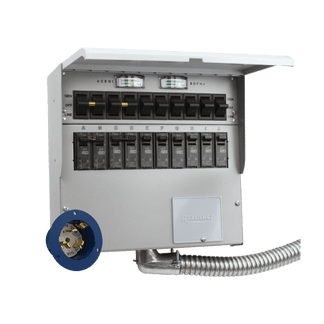
The Jackery Solar Generator HomePower 3000 is an easy home backup solution that can cover your kitchen and living room essentials in the evening when electricity rates increase. You can pair the solar generator with a manual transfer switch to back up essential circuits and keep sump pumps, routers, lights, and medical devices running through Midwest storms. As the lightest and smallest 3kWh LFP solar generator, it's easy to carry from one place to another with its dual handles.
Appliances Working Hours
- Freezer (200W) = 11.8H
- TV (100W) = 21.4H
- AC/Heater (1000W) = 2.6H
- Microwave (800W) = 3.2H
- Water Heater (1500W) = 1.7H
Who Should Buy This
You can consider choosing the Jackery Solar Generator HomePower 3000 if you are a homeowner who wants an essential home backup and daily savings on time-of-use or hourly pricing.

Customer Review
Great home power system. We are using it as an all-in-one inverter/battery/solar system. For the price, it's unbeatable and high quality and performance in each aspect!
— Bryan.
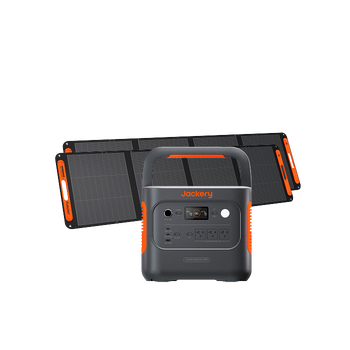
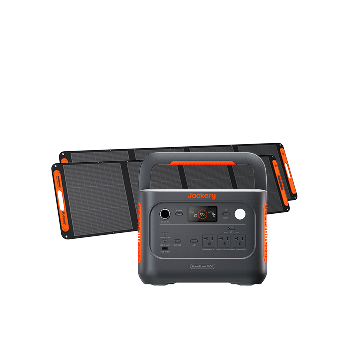
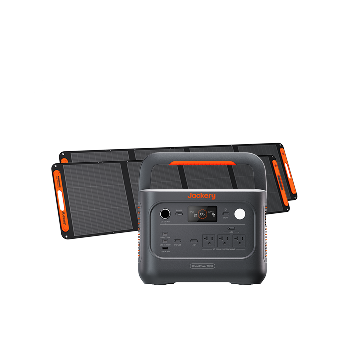
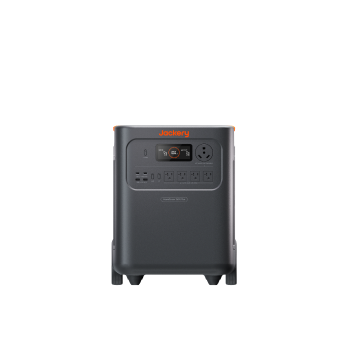
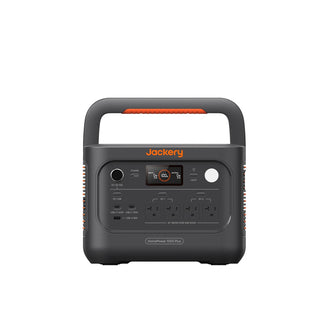
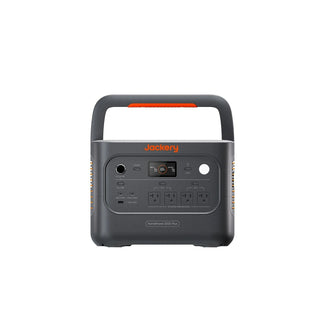
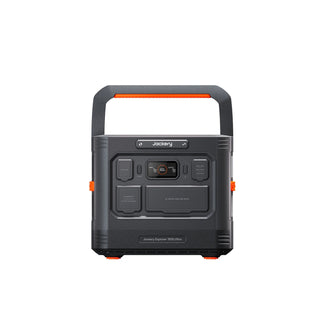
Jackery Solar Generator HomePower 3600 Plus
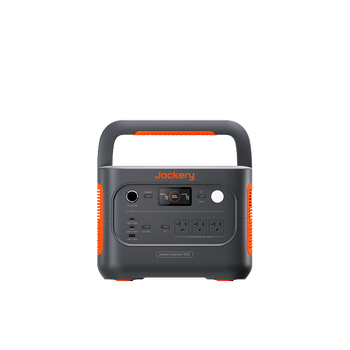
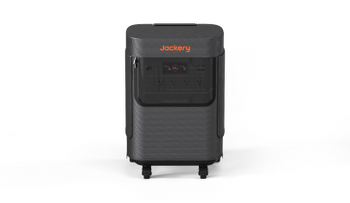
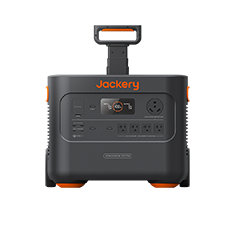
The Jackery Solar Generator HomePower 3600 Plus is another home battery backup option with higher electricity rates and occasional grid interruptions. It holds plenty of stored power and can be expanded up to 21kWh, so you can run important appliances during expensive peak hours and rely less on the utility. That helps keep everyday essentials going, like the refrigerator, WiFi, lights, and HVAC systems, without increasing the electricity bills. It's the world's smallest and lightest 3.6kWh LFP solar generator with a pull handle and double wheels. You can move it wherever backup power is needed, instead of fixing it in one spot.
Appliances Working Hours
- Freezer (200W) = 13.7H
- TV (100W) = 25.0H
- AC/Heater (1000W) = 3.0H
- Microwave (800W) = 3.7H
- Water Heater (1500W) = 2.0H
Who Should Buy This
If you want an expandable battery backup solution for home that can run essential appliances during outages and during peak electricity hours, you can consider going ahead with the Jackery Solar Generator HomePower 3600 Plus.

Customer Review
This turned out to be a timely purchase. We immediately charged it to 100%. Very easy to set up. A week after this unit arrived, we had several power failures. We were able to run lights and a small space heater overnight with outside temps below freezing and high winds. We were quite happy with the purchase and recommended Jackery to a neighbor.
— Anonymous
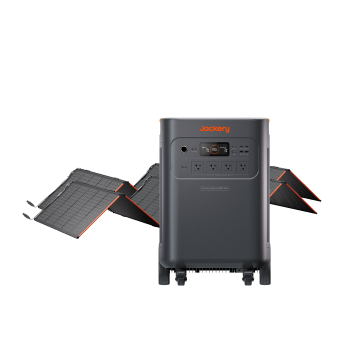
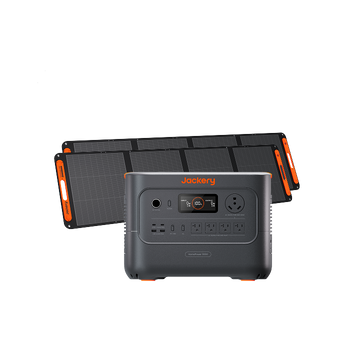
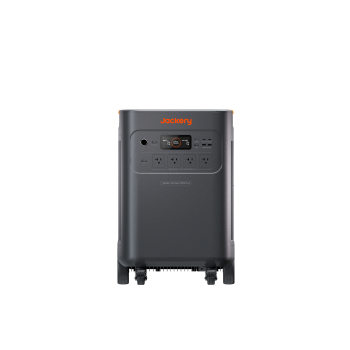
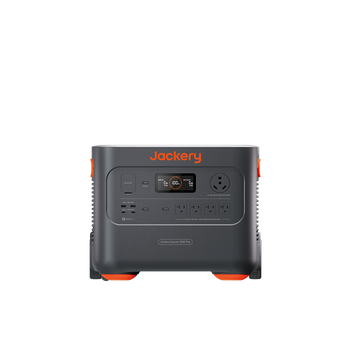
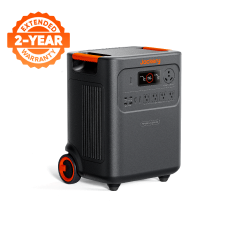
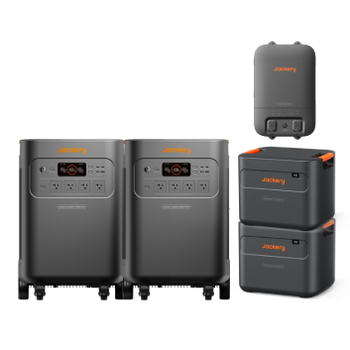
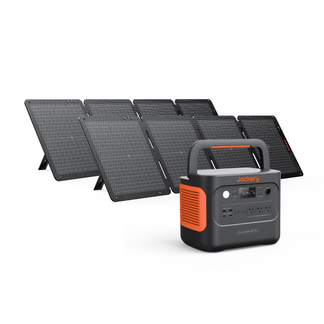
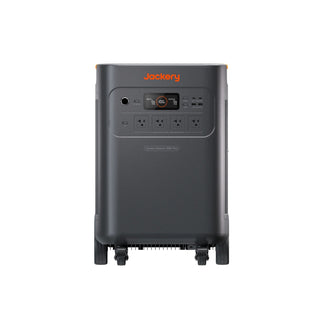
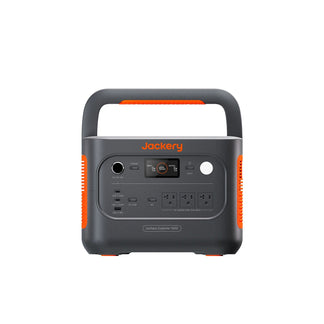
Jackery Solar Generator 5000 Plus
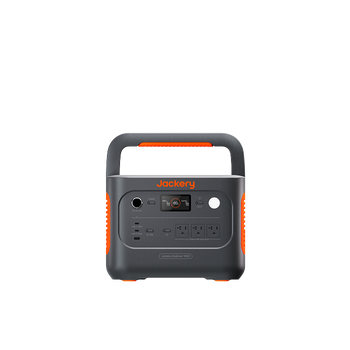
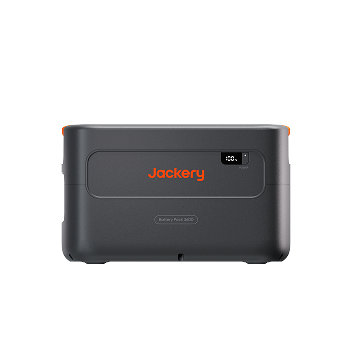
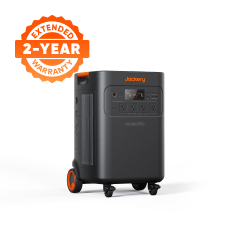
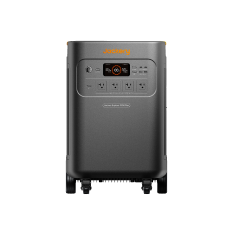
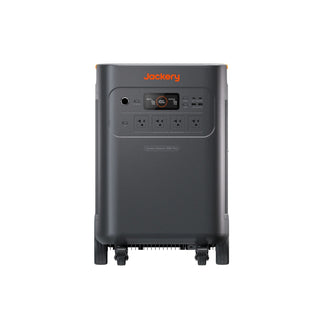
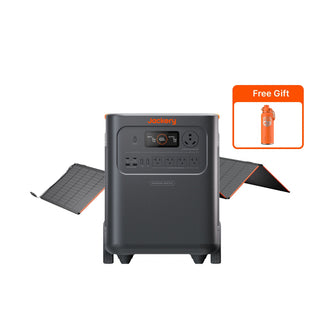
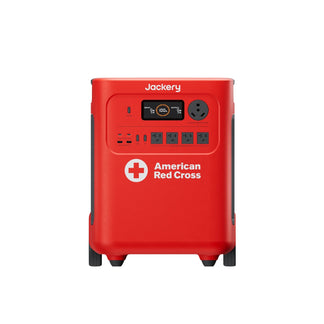
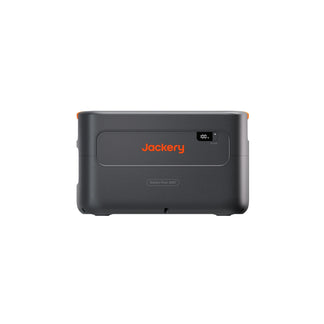
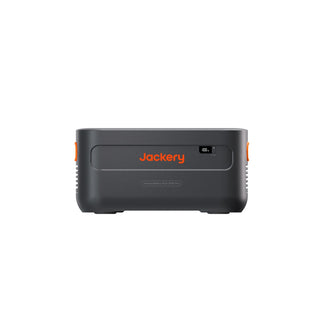
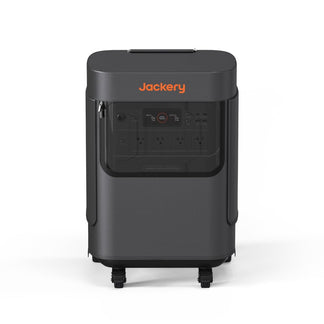
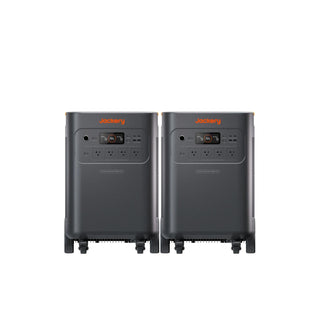
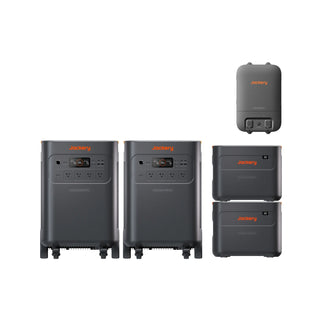
If you are a homeowner looking for the biggest savings and longest resilience, then the Jackery Solar Generator 5000 Plus is an ideal solution. With ample storage and battery capacity, you can cover multiple high-draw essentials in the evening and meaningfully reduce monthly grid dependence. This powerful essential home backup solution can cover almost all core household appliances during outages or peak electricity hours. You can also expand the capacity from 5kWh to 60kWh with add-on battery packs.
Appliances Working Hours
- Freezer (200W) = 17.1H
- TV (100W) = 28.6H
- AC/Heater (1000W) = 4.1H
- Microwave (800W) = 5.0H
- Water Heater (1500W) = 2.8H
Who Should Buy This
You can pick the Jackery Solar Generator 5000 Plus if you want maximum solar self-reliance for a larger home or a critical home office.

Customer Review
Exactly what we needed to power our home. Especially nice to have a 240-volt option to run the well pump. Also nice to be able to "accessorize" as finances allow.
— Richard Wamsley.
How Much Does It Cost to Live in Illinois?
According to 2025 data from the Missouri Economic Research and Information Center (MERIC), Illinois's average cost of living ranks 24th among the lowest to highest states. On average, Illinois residents spend around $49,588 per year on living expenses.
Here are the common utilities on which Illinois residents spend their monthly income:
Groceries and Food: Illinois residents spend an average of $5529 per year or $438 per month on food and groceries.
Transportation: This includes vehicle maintenance and gas prices, which impact the overall cost of transportation. A single adult with no children might pay around $5300, though the prices might fluctuate over time.
Healthcare: The specific healthcare in Illinois will vary depending on certain factors, such as individual circumstances and insurance coverage. It is important to research healthcare providers and insurance companies to estimate monthly costs accurately.
Tax: Illinois's flat income tax rate is 4.95%. The state tax rate combines a state sales tax and additional local sales taxes imposed by municipalities and counties. It is around 6.25%, with local sales tax rates ranging between 0.25% and $4.75%.
Illinois residents use different amounts of each service and pay different utility costs. Here's a table revealing some averages to help you estimate your monthly utility spending in Illinois.
|
Utility |
Average Illinois Bill Per Month |
|
Electricity |
$124.09 |
|
Gas |
$97 |
|
Cable & Internet |
$111 |
|
Water |
$26 |
Note: The monthly spending on each utility will vary depending on the lifestyle of the residents and how much service they use.
Illinois Average Electric Bill FAQs
What size of solar generator do I need for my house in Illinois?
The size of a solar generator for an Illinois home will depend on the number of electrical appliances you are charging, their wattage consumption, and the time for which you want to charge them. Here, we will calculate the working hours of the Jackery Solar Generator 5000 Plus when powering AC (1000W), TV (150W), and a lamp (100W) at the same time. On the product page, scroll to find the Running Time Calculator and add the total appliance wattage (1250W). In this example, the Jackery Solar Generator 5000 Plus will run these appliances for 3.3 hours.
Why are electric bills so high in Illinois?
Electricity providers are increasing their rates to improve the infrastructure and ensure reliable and safe power service. They have also increased rates to cover the operational and maintenance costs rising due to inflation and other factors.
How much has electricity gone up in Illinois?
According to the data revealed by the EIA, the Illinois electricity rate increased from 15.96 cents per kWh (in December 2024) to 17.07 cents per kWh (in December 2025), which affected the electricity bills of Illinois residents.
What is the best electric rate in Illinois?
The best current electric rate in Illinois is offered by Homefield Energy at 5.99 ¢/kWh. Several other providers also offer competitive rates, including Dynegy Energy Services at 6.91 ¢/kWh and AEP Energy at 6.99 ¢/kWh. Residents can compare top energy suppliers in Illinois and choose the one that offers the cheapest cost and best plan.
What state has the most expensive electric bills?
Hawaii has the highest average electricity bills, with an average electric rate of 41.62 cents per kWh based on the EIA data from December 2025.
Final Thoughts
Electricity bills are increasing for Illinois residents, meaning it's time for everyone to look for alternative ways to power household appliances. Solar generators and power stations are becoming an increasingly popular choice for most homeowners to reduce their average electric bill in Illinois.
Jackery Solar Generators are portable and robust charging solutions for those looking to invest in renewable energy sources. The Jackery Solar Generator 5000 Plus is the most powerful home battery backup capable of powering core household appliances. On the other hand, the Jackery Solar Generator 2000 Plus is a compact home backup solution capable of powering critical household appliances, including refrigerators, ACs, space heaters, TVs, and more.


![What Is The Average Electric Bill In Indiana [2026 Updated]](http://www.jackery.com/cdn/shop/files/what-is-the-average-electric-bill-in-indiana-2026-updated-6900460.jpg?v=1786014351&width=90)
![What Is The Average Electric Bill in Chicago [2026 Updated]](http://www.jackery.com/cdn/shop/files/what-is-the-average-electric-bill-in-chicago-2026-updated-5056298.jpg?v=1786015303&width=90)
![What Is The Average Electric Bill in Arizona [2026 Updated]](http://www.jackery.com/cdn/shop/files/what-is-the-average-electric-bill-in-arizona-2026-updated-1578238.jpg?v=1786015303&width=90)

![What Is The Average Electric Bill in New Jersey [2026]](http://www.jackery.com/cdn/shop/files/what-is-the-average-electric-bill-in-new-jersey-2026-2603181.jpg?v=1786014351&width=90)

