




















































![[Add - on] Jackery Manual Transfer Switch for Explorer 5000 Plus - Jackery](http://www.jackery.com/cdn/shop/files/add-on-jackery-manual-transfer-switch-for-explorer-5000-plus-9017324.png?v=1754016782&width=350)











![[Add - on] Jackery Manual Transfer Switch for Explorer 5000 Plus - Jackery](http://www.jackery.com/cdn/shop/files/add-on-jackery-manual-transfer-switch-for-explorer-5000-plus-9017324.png?v=1754016782&width=324)


![What Is The Average Electric Bill in Minnesota [2026 Updated] - Jackery](http://www.jackery.com/cdn/shop/articles/what-is-the-average-electric-bill-in-minnesota-2026-updated-2037635.jpg?v=1774466667&width=800)
The average electric bill in Minnesota is $112.49 as of December 2025. The monthly average is calculated based on an average electricity rate of 14.96 ¢/kWh, with an average monthly consumption of around 752 kWh. With this electricity rate, the average electric bill adds up to $1,349.88 per year.
With the rise in electrical appliance usage, if you are also looking to lower your average electric bill in Minnesota, then you should start looking for eco-friendly solar generators. The Jackery Solar Generator helps you reduce your monthly electric charges and allows you to carry it with you during your extended outdoor adventures.
Takeaways
- The electric rate in Minnesota is approximately 14.96 ¢/kWh, which is lower than the US average of 17.24 ¢/kWh.
- EIA (December 2025) estimates the average electric bill in Minnesota is $112.49/month, based on a rate of 14.96 ¢/kWh and 752 kWh/month usage.
- According to the Minnesota Employment and Economic Development, the yearly cost of living for a 1 full-time worker is $55,908.
- How to calculate your electric bill in Minnesota.
- Why is my electric bill so high in Minnesota.
What Is The Average Electric Bill in Minnesota?
The average electric bill in Minnesota is $112.49 per month. This is based on the EIA's data from December 2025, which reveals the electric rate is 14.96 cents per kWh and an estimated monthly consumption of 752 kWh. The high electricity bill is due to energy efficiency practices, types of heating systems, household sizes, and more.
As per the Minnesota Employment and Economic Development, the state's monthly electric bills for commercial and industrial users are comparatively lower than the national average. For instance, the average monthly electric bill in MN for commercial property is $1,640. Similarly, Minnesota's average monthly industrial electric bill is $43,093.
Minnesota state has various programs and incentives that aim to promote energy efficiency and the use of renewable energy sources, such as solar and wind energy. This results in a reduction in overall energy consumption.
The residential electric rates in the US range from 6 ¢/kWh to 71 ¢/kWh, depending upon demographics and different state laws. With an average monthly consumption of 899kWh and an average electricity rate of 17.24 ¢/kWh, the average electric bill in the United States is $154.98 per month.

The average electric bill in MN also depends on the house size, the number of appliances, their respective wattage, and whether energy-efficient appliances are used. Moreover, a typical American household pays 38% of its home's total energy on HVAC systems and 30% on water heating.
Your apartment's size, location, and number of residents directly influence your monthly electric bill. For instance, the average electric bill for a one-bedroom apartment in MN is around $120 per month if there is only one occupant. However, if more occupants use different appliances for longer periods, the average monthly bill would increase accordingly.
How Much Does It Cost to Live in Minnesota?
The cost of living in Minnesota for a single person is around $63,048 yearly. A couple with one full-time worker spends around $55,908 yearly. However, the exact cost of living will vary depending on several factors, like the location you are living in, personal expenses, etc.
In order to understand the cost of living in Minnesota, you will need to break down the common utilities. For instance, the common utilities that add up to the monthly expense are:
Electricity
The average electricity consumption is 752 kWh per month. With an average rate of 14.96 ¢/kW, the monthly bill adds up to $112.49.
Natural Gas
In Minnesota, temperatures can drop as low as −60 °F or −51.1 °C. Natural gas is primarily used here to combat this extreme cold. The cost of the monthly average consumption of natural gas varies based on household size and energy efficiency, but on average, it comes to around $80 - 100 per month.
March 2026 is proving to be an expensive month for Minnesota households, and the electricity bill is a big part of that conversation. Minnesota winters are among the harshest in the country, and heating systems have been running at full tilt for months, so by the time March arrives, the cumulative cost of a long, cold season is staring back at residents from their monthly statements.
Xcel Energy, which serves a large share of the state, relies on natural gas for a meaningful portion of its generation, and with fuel prices staying elevated well into the new year, those higher costs have been flowing straight through to customers. For many Minnesota families, this March 2026 bill isn't just high but also the end result of an entire winter's worth of elevated rates catching up all at once.
Water and Sewer
The cost of water is generally included in the cost of housing. But if calculated separately, the cost of water and sewer comes to around $70. This average cost also depends on the location and water usage habits in cities like Minneapolis and St. Paul.
Garbage/Trash Removal
Garbage and trash removal add another $30 - $40 per month to the cost of living in Minnesota. This cost also varies depending on the service provider and the frequency of pickup.
Internet and Cable TV
The internal and cable costs roughly $60 - $100 per month. This cost includes high-speed internet and a basic cable TV package. The monthly cost can vary depending on your cable services and provider.
According to MN Employment and Economic Development, the yearly cost of living for a family with two full-time workers and one children in Minnesota is roughly $79,116 annually, which includes a monthly expenditure of $964 on food, $556 on health care, $1,446 on housing, $150 on electricity, $1,028 on transport, and $1,508 on miscellaneous and taxes.
|
Utility |
Average Monthly Cost |
|
Electricity |
$112.49 |
|
Natural Gas |
$80 - $100 |
|
Water and Sewer |
$70 |
|
Garbage/Trash Removal |
$30 - $40 |
|
Internet and Cable TV |
$60 - $100 |
|
Mobile Phone |
$75 |
Tips for Lowering Utility Cost
If you want to reduce utility costs in Minnesota, focus on improving energy efficiency through simple actions like using LED bulbs, unplugging electronics, and adjusting your thermostat.
The average yearly cost of living in Minnesota is $34,000, which is 48.08% lower than that of Massachusetts, where the cost of living is $61,944. That said, there is always some scope to lower the average living cost. Here are some tips that would help you in the long run:
Upgrade to Energy-Efficient Appliances
If your budget allows, start investing in appliances with an ENERGY STAR rating that helps reduce your electricity consumption. These upgraded appliances use less power and can significantly lower your electric bill over time.
Use Programmable Thermostats
You can also install a programmable thermostat in your apartment or building. These thermostats adjust the temperature when you are not home, helping reduce heating and cooling costs without compromising your comfort.
Optimize Lighting
Most houses still use incandescent bulbs, which consume a lot of energy. Try replacing them with LED bulbs to reduce your electric bill. For instance, an incandescent bulb consumes around 60W, whereas the LED consumes 10W. With an average rate of 16 ¢/kW in Minnesota, one can save $8.76 annually with a single LED bulb.
Use Solar Energy
Solar energy can always reduce your monthly electric cost. It further contributes to a more sustainable and environmentally friendly energy solution. For instance, if you get a Jackery Solar Generator, you can power core household appliances and reduce the need for an on-grid power supply when working in outdoor locations or living in RVs.
How to Calculate My Electric Bill?
If you want to calculate your electricity bill in Minnesota, you will need to know your electricity usage (kilowatt-hours or kWh) and your electricity provider's rate per kWh. First, determine your kWh usage, then multiply that by the electric rate. Then, you can add any additional charges or taxes to get your total electric bill.
If your monthly average bill has suddenly increased, then you must have seen a spike in your monthly utility cost as well. Calculating the electric bill will help you understand various components and explore different methods to manage and reduce consumption. By breaking down these elements, you can get a clearer picture of energy costs and easy ways to minimize them.
Understanding Your Electric Bill
In order to understand the electric bill, one should first get acquainted with different energy generation sources. The United States currently employs various sources to generate electricity, like natural gas, coal, hydroelectric, nuclear, and renewable sources like solar and wind. If you wish to reduce your electric bill, it is recommended to go ahead with a mix of these sources.
Reading Electric Bill
Each bill typically includes detailed sections such as energy generation, transmission, and distribution costs. Some of the most common charges that you can find on your electric bill are:
Customer Charge
Customer charges are a fixed monthly fee that covers the cost of maintaining the electrical grid and an individual account. The customer charges are mostly fixed and constitute a minimum amount that one has to pay regardless of how much electricity they use.
Generation Charge
Generation charges are the overall cost of producing the electricity that one uses. They are calculated per kilowatt-hour (kWh) and reflect the expenses related to generating electricity from various sources.
Transmission Charge
Transmission charges cover the cost of moving electricity from power plants to local substations and are also calculated per kWh.
Distribution Charge
Distribution charges are the overall cost of delivering electricity from local substations to your home, commercial, or industrial building. Similarly to generation and transmission charges, the distribution charges are also calculated per kWh.
Estimating Electricity Usage & Tips
Estimating electricity usage involves the overall understanding of how much energy household appliances or outdoor appliances and systems consume. This can help you manage and reduce your electric bills effectively. Here is how to estimate electricity usage:
Meter Reading
Ensure that you regularly check your electricity meter to analyze your electricity consumption. The best way to understand consumption is to subtract the previous reading from the current reading. This will allow you to determine the usage for the given period.
Usage History
Review your past electric bills to identify patterns in your electricity consumption. Check the usage history and see at which hour the energy consumption is highest and lowest. This can help you estimate future usage based on the changes in your household's behavior.
Energy Monitors
If your monthly electric charges have suddenly spiked, you can plan to invest in energy monitoring devices to get real-time data on your overall consumption. These devices can even help you pinpoint which appliances or activities use the most energy. Accordingly, you can make changes to the energy consumption behavior.
Appliance Wattage
In order to correctly estimate the electricity usage of an appliance, multiply its wattage by the number of hours it is used per day and then multiply by 30 to get the monthly usage. For instance, if you are using an air conditioner that takes 1500W for 5 hours per day, then:
Daily Consumption = Wattage x Time = 1500W x 5H = 7500Wh
Monthly consumption = Daily Consumption x 30 = 7500 x 30 = 225,000Wh or 225kWh per month.
How to Calculate Electric Bill
Once you have all the information related to electric bill readings and different charges, you can easily calculate the electric bill in Minnesota. Here is a step-by-step guide using the average rate and usage data:
Step 1: Determine Monthly Usage
Always start by determining how many kilowatt-hours one can use in a month. In Minnesota, the average household consumption is about 918kWh per month.
Step 2: Identify Cost Per kWh
As of December 2025, the average electricity cost in MN is 14.96 ¢/kWh. You can further check official government websites or your electric bill in order to determine the correct average cost.
Step 3: Calculate Generation Charges
Now you can multiply your monthly charges by the cost per kWh to get the generation charges:
Generation Charges = Monthly Usage x cost per kWh
=773kWh x $0.1496 per kWh = $115.64
Step 4: Add Fixed Charges
Most utilities often include fixed charges such as customer and distribution charges. For this example, let's assume the fixed monthly charge that comes in Minnesota is $10.
Step 5: Sum All Charges
Add the generation charge to the fixed charges to get the total monthly bill.
Total Monthly Bill = Generation Charges + Total Fixed Charges
= $115.64 + $10 = $125.64
This means that if you use 773 kWh in a month at an average electricity rate of 14.96 ¢/kWh and a fixed charge of $10, your total monthly electric bill in Minnesota would be $125.64.
Why Is My Electric Bill So High In Minnesota?
Minnesota's average electric bill depends on various factors, each constituting the higher electric rates. Some of the most common reasons and causes behind the spike in electric bills are:
Harsh Winters
Minnesota is one of those states that experiences long, cold winters, which increases heating demands. Appliances like room and electric water heaters can significantly raise electricity usage during the extended months.
Energy-Intensive Appliances
There are several household appliances that consume large amounts of electricity. If you are using appliances like electric heaters, water heaters, and electric stoves during the on-peak hours, then it will spike the electricity bill.
Old Appliances
Most households are still using old and inefficient appliances that tend to be less energy-efficient. For example, an old refrigerator may consume 800W, while a new and efficient refrigerator might consume around 500W. Excessive use of old appliances will lead to higher consumption.
Poor Insulation
If your house has poor insulation, then understand that such structures would require more energy to heat and cool. The poor insulated homes would result in higher electric bills.
Similarly, there are several appliances that use the most electricity. Some of the common household appliances that add up to your electricity bill are:
Heating and Cooling Systems
HVAC systems are the biggest energy consumers, especially during extreme weather conditions. For instance, if you have a central air conditioner that consumes 3500W and runs for 6 hours per day, then with an average rate of 14.98 ¢/kWh (January 2026 data) in Minnesota, it will add $94.37 to your monthly bill.
Water Heater
During winters or sudden changes in weather conditions, most Minnesotans run electric water heaters frequently to maintain a hot water supply. This directly contributes to a sudden spike in electricity bills. For instance, if your electric water heater consumes 4500W and runs 3 hours per day, it will add 405kWh to your monthly consumption, adding $60.66 to your monthly bill.
Refrigerator and Freezers
Refrigerators and freezers are among those appliances that have to run continuously to keep food items cold or frozen, consuming a lot of electricity over time. A typical modern refrigerator with 500W running for 8 hours for a month will add 360kWh to your consumption, resulting in another $17.97 to your monthly bill.
Clothes Dryers
Even though most households use clothes dryers for a very short duration, they tend to use a substantial amount of energy to generate heat for drying clothes. A typical electric dryer has 3000W, and if it is being used every day for an hour, then it will add $13.48 to your monthly bill.
Lighting
If your house or apartment still uses incandescent bulbs, you will surely see higher electricity usage than those with energy-efficient LED bulbs. If you have 10 incandescent bulbs, each with 60W, and running for 6 hours per day for a month, then it will add another $16.17 to your monthly electricity bills.
How to Lower My Electric Bill in Minnesota?
If you want to lower your electricity bill in Minnesota, you should focus on reducing your overall energy consumption and optimizing your HVAC system. You can adjust your thermostat, use energy-efficient appliances, and seal drafts around windows and doors. There are several other ways to manage and reduce your electric bill in Minnesota. These effective strategies ensure that you cut costs without compromising your overall comfort. These methods range from using energy-efficient appliances to harnessing renewable energy sources like solar power.
Here are some detailed tips to help you lower your electricity costs:
Upgrade to Energy-Efficient Appliances
If you are using old appliances, they are likely consuming more power. Invest in appliances with an ENERGY STAR rating, which uses significantly less electricity than older models.
For instance, you can replace an old refrigerator with an ENERGY STAR model that can help you save up to $50 annually on your electric bill. Similarly, you can also invest in acquiring washing machines and dishwashers that consume less water and electricity.
Implement Smart Thermostats
There are several smart thermostats in the market that help adjust the temperature based on schedule and preferences. This way, you can optimize energy usage according to your needs and availability.
For instance, you can set your smart thermostat to lower the temperature when you are asleep or away, and you can save 10 to 20% a year on your HVAC costs.
Improve Home Insulation
If you have the budget and can make changes in your household's architecture, then you can go ahead with proper insulation. Good insulation in your attic, walls, and floors can prevent heat loss during winter and also keep your home cooler during the extreme summers.
As per Energy Star, adding insulation to your house can save up to 10% on heating and cooling costs. At the same time, sealing leaks around the windows with weatherstripping can also reduce energy waste.
Use Energy-Efficient Lighting
If you want to reduce your average electric bill in MN, switching to LED or CFL bulbs is highly recommended. These bulbs use less energy and last longer than incandescent bulbs.
If you can only replace five of your most frequently used incandescent bulbs with LED, then you can save up to $50 - $80 annually on your bills.
Use Solar Power
Going forward with solar power is helpful for you and the environment. By installing solar panels, one can reduce the reliance on grid electricity by generating your own power.
There are several important benefits of using solar power, like:
Cost Savings
A typical American household can save approximately $1000 annually after installing solar panels. Over 20 years, this translates to savings of $20,000, depending on the local electricity rates and solar power system size.
Environmental Benefits
Solar power is a clean, renewable energy source that does not produce greenhouse gasses. By conserving natural resources, it contributes to long-term environmental health.
Increase in Property Value
Homes equipped with solar power systems tend to sell at a premium compared to those without. As per the US Department of Energy, installing solar panels can increase a home's value by about $15,000.
The amount you can save with a solar power system depends on several factors, like the installed system's size, location, and the average household's energy consumption. On average, a solar power system can save homeowners thousands of dollars over its lifetime. For instance:
A typical residential solar system has a 5kW size, and depending on your local electricity rates, it can save up to $600 to $1200 per year. Over 25 years, this can amount to savings of $15,000 to $30,000.
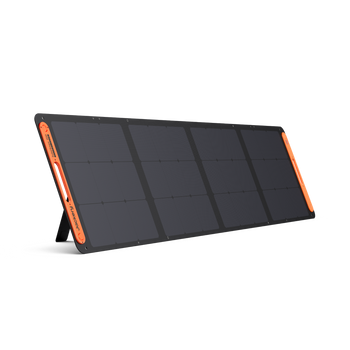
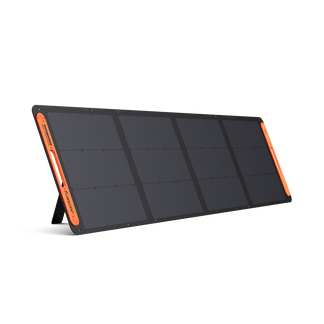
Solar panel installation costs around $15000 to $25000, depending on the brand, location, and number of panels. If you are looking for an economical, reliable, and effective alternative to full-fledged solar panel installation, you can check out Jackery Solar Generators. Apart from having a compact design, these solar generators have high-capacity batteries, allowing you to power most of your appliances.
Jackery Solar Generators For Lowering Your Electric Bills
While Minnesota’s electricity rates are slightly below the national average, monthly bills can still climb because of higher household energy usage, particularly during the long winters when heating and appliances work overtime. One way to manage these costs is by using solar generators that combine portable power stations and solar panels. By storing renewable energy for everyday needs and backup situations, Jackery Solar Generators help reduce reliance on the grid, cut monthly expenses, and provide peace of mind during outages.
Here’s how these options fit different household needs in Minnesota
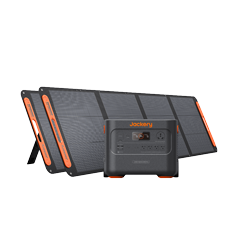
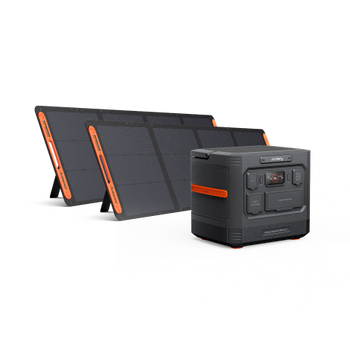
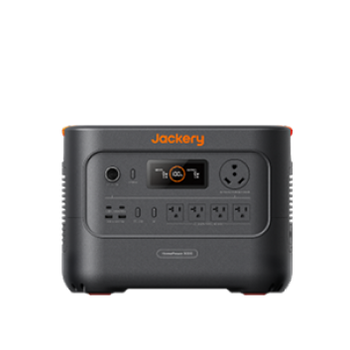
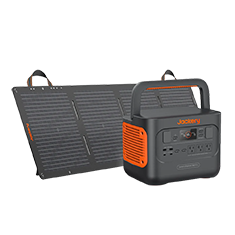
Jackery Solar Generator 2000 Plus
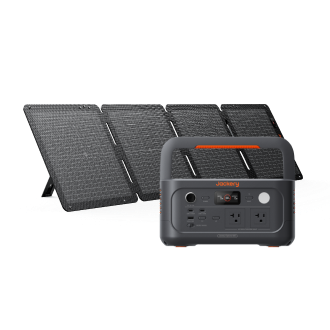
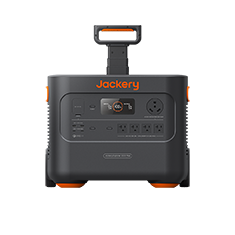
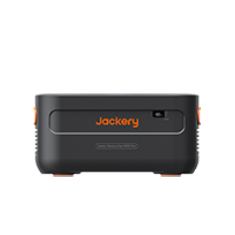
If you are looking for a solar generator that lets you expand its battery and is ideal for off-grid living and powering your core house appliances during extended blackouts, or when you intend to save your monthly expense on electricity, then Jackery Solar Generator 2000 Plus has your back. This solar generator's sturdy and compact design is ideal for large apartments where one needs to move from one room to the other.
Appliance Running Time
- Portable Heater (1500W): 1.1H
- Refrigerator (300W): 5.3H
- Microwave (1000W): 1.6H
- TV (150W): 10.0H
- Small Water Heater (1500W): 1.1H
Who Should Buy This
If you are looking to lower your monthly bills in Minnesota while also having a reliable backup for shorter outages, the Jackery Solar Generator 2000 Plus is a solid choice.

Customer Review
Everything about the purchase was great! You can tell the company has extraordinary attention to detail!! From packaging to the product itself.
- Ted Grossi
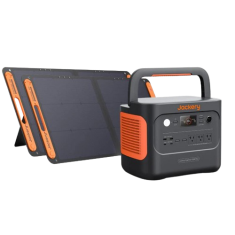
Jackery Solar Generator HomePower 3000
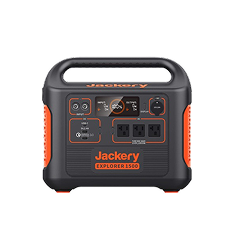
The Jackery Solar Generator HomePower 3000 is built for comfort and convenience. This advanced essential home battery backup solution can keep your household appliances running smoothly during outages. It can run essentials like fridge, internet, lights, and fans. In Minnesota, this is especially helpful for trimming electricity bills while ensuring your home stays functional through stormy weather or unexpected grid disruptions.
Appliances Running Time
- Portable Heater (1500W): 1.7H
- Refrigerator (300W): 8.1H
- Microwave (1000W): 2.6H
- TV (150W): 15.2H
- Small Water Heater (1500W): 1.7H
Who Should Buy This
If you're looking for the lightest and smallest 3kWh LFP solar generator to quietly cut costs while ensuring your home appliances stay powered during outages, the Jackery Solar Generator HomePower 3000 is a reliable fit.

Customer Review
I'm very impressed with my new HomePower 3000 Solar Generator....it's been doing everything I've put on it load-wise and more!!
— David Mantei.
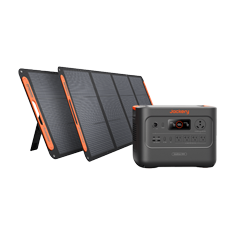
Jackery Solar Generator HomePower 3600 Plus
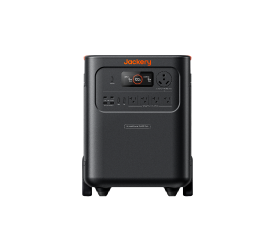
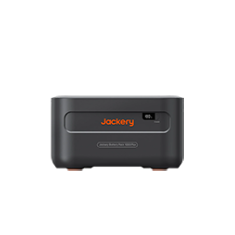
The Jackery Solar Generator HomePower 3600 Plus is another home battery backup solution for Minnesota residents who want to run essential appliances during long winters while reducing electricity costs. It stores a large amount of power with expansion options up to 21kWh, so you can run essential appliances during peak-rate hours and cut back on what you pull from the grid. That means the fridge, WiFi, lights, and everyday devices stay powered without depending entirely on expensive utility rates. And with its pull handle and wheels, you can roll it anywhere in the house, making backup power easy to use.
Appliances Running Time
- Portable Heater (1500W): 2.0H
- Refrigerator (300W): 9.5H
- Microwave (1000W): 3.0H
- TV (150W): 17.7H
- Small Water Heater (1500W): 2.0H
Who Should Buy This
The Jackery Solar Generator HomePower 3600 Plus is the world's smallest and lightest 3.6kWh LFP power station that can run most critical appliances at home while lowering the reliance on the grid.

Customer Review
Size and design are nice. LOVE the wheels because it is heavy for me. I’m a petite 5'3" and over 50. We have brutal winters with subzero temps. I feel more secure having a backup for my furnace.
— Antwinnette
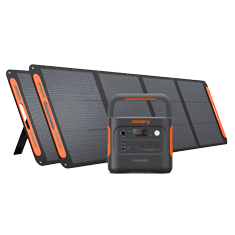
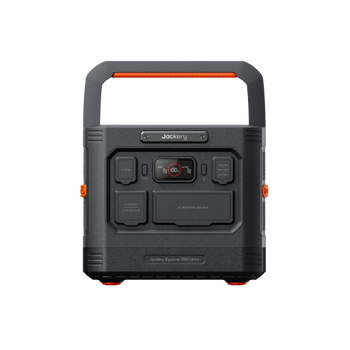
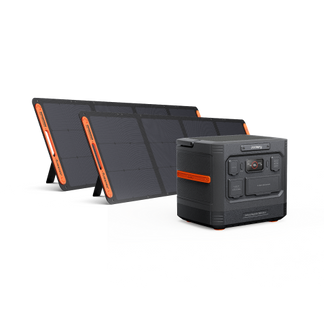
Jackery Solar Generator 5000 Plus
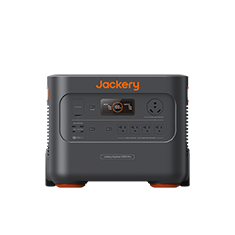
The Jackery Solar Generator 5000 Plus is a powerful and essential home backup solution that gives homeowners in Minnesota a reliable way to cut reliance on grid electricity. It can handle almost all core household essentials during longer outages. Its smart charging capabilities let you recharge the power station during off-peak hours and run appliances when the rates increase.
Appliances Running Time
- Portable Heater (1500W): 2.8H
- Refrigerator (300W): 12.2H
- Microwave (1000W): 4.1H
- TV (150W): 21.4H
- Small Water Heater (1500W): 2.8H
Who Should Buy This
If you are looking for a solution that supports your home appliances during extended outages and helps reduce monthly grid costs with peak shaving, the Jackery Solar Generator 5000 Plus is the go-to choice.

Customer Review
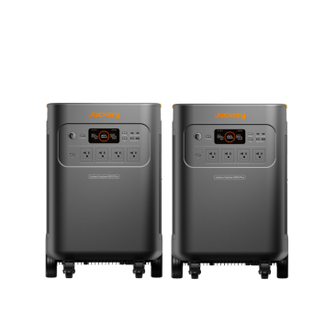
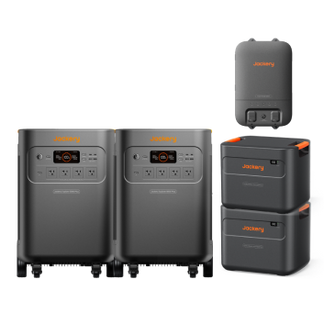
I recently purchased a Jakery 5000 plus with an extra battery and a manual transfer switch. They all work well. I am currently peak shaving higher summer electric rates and am comforted that I will have power in an outage.
— James Anglewicz.
Minnesota Average Electric Bills FAQs
What size of solar generator do I need for my house in Minnesota?
The size of the solar generator you need for your house in Minnesota depends on multiple factors, including the number of appliances you aim to use, their respective wattage, and how many of these appliances you will run simultaneously.
For instance, if you are using Jackery Solar Generator 5000 Plus to power a television (150W), refrigerator (300W), or CPAP machine (50W), then the total working hours that you will get can be calculated by the Running Time Calculator available on the product page. Go to the product page and locate the calculator. Add the total wattages of the appliances to get an estimated runtime. In this case, the Jackery Solar Generator 5000 Plus can run appliances (500W) for 7.8 hours.
How much are utilities per month for a house in MN?
The monthly utility bill for a Minnesota house is about $250 to $400. The charges depend on the electricity, natural gas, water, sewer, internet, and other charges.
What is the average Internet bill in Minnesota?
Depending on your preferred provider and data speed, the average internet bill in Minnesota is about $60 to $80 per month. The charges may vary if you are taking a bundled service with cable TV.
What is the average electric bill for one person in Minnesota?
The average electric bill for a single person living in a one-bedroom apartment in Minnesota is approximately $100 to $150 monthly.
What is the average water bill in Minnesota?
An average Minnesota household that uses around 5000 gallons of water per month will pay approximately $66 to $80 per month.
Reduce Electric Bill With Solar Energy
If you love lakes and rivers and are looking for a place with strong job options and friendly communities, then Minnesota is the place to be. Compared to the other states in the US, the average electric bill in MN ranges from $90 to $150, which is comparatively lower than the other states, like Hawaii, New York, Massachusetts, etc.
If you are looking for more economical options and off-grid solutions that also help you during extended power cuts, check out Jackery Solar Generators. These solar generators can significantly reduce your average electric bill in MN, and due to their portable nature, you can carry them around from your house to outdoor locations to power up and charge your daily-use appliances.