



















































![[Add - on] Jackery Manual Transfer Switch for Explorer 5000 Plus - Jackery](http://www.jackery.com/cdn/shop/files/add-on-jackery-manual-transfer-switch-for-explorer-5000-plus-9017324.png?v=1754016782&width=350)









![[Add - on] Jackery Manual Transfer Switch for Explorer 5000 Plus - Jackery](http://www.jackery.com/cdn/shop/files/add-on-jackery-manual-transfer-switch-for-explorer-5000-plus-9017324.png?v=1754016782&width=324)


![What Is The Average Electric Bill in North Carolina [2026 Updated]](http://www.jackery.com/cdn/shop/articles/what-is-the-average-electric-bill-in-north-carolina-2026-updated-7071113.jpg?v=1774134742)
The average monthly electricity bill in North Carolina for December 2025 is $133.21, with an average energy rate of 13.47 ¢/kWh and a consumption of 989 kWh.
North Carolina might seem like an affordable place to live in unless you look at the bigger picture. As of December 2025, the average electric bill in NC is around $133.21 per month, which is less than in major cities, but a gradual increase, especially from last year or so, can be concerning. And you’re bound to get a shock if you don’t know what you’re doing.
Well, one of the best ways to cut off your worries and electricity bills at the same time is by investing in solar generators. Jackery Solar Generators are powerful home battery backup solutions that can run air conditioners, refrigerators, and other appliances to cut down your reliance on the utility grid.
Takeaways
- On average, North Carolina residents spend about $133.21 per month on electricity, which totals roughly $1,598.52 annually.
- The average household in North Carolina consumes approximately 989 kWh per month, or about 11,868 kWh annually.
- The average residential electricity rate in North Carolina is around 13.47 cents per kWh, which is less than the national average.
- How much does it cost to live in North Carolina.
- Why is the electricity bill so high in North Carolina.
What Is The Average Electric Bill in North Carolina?
The average electric bill in North Carolina is around $133.21 per month, as per the latest U.S. Energy Information Administration (EIA) report released in December 2025, and the average energy consumption of 989 kWh. As of December 2025, the electric rate in North Carolina is 13.47 cents per kWh.
Compared to the nation’s average utility bill ($154.98 per month), it is still less but ranks in the top half of the state rankings in this respect. The numbers further spike in extreme weather conditions, when most households use electricity for home heating and air conditioning.

Here’s a table of comparison between North Carolina and other major US states, alongside monthly energy consumption, and average electric rates.
|
State |
Avg. Bill |
Avg. Rate |
Monthly Usage |
|
North Carolina |
$133.21 |
13.47 ¢/kWh |
989 kWh |
|
Michigan |
$122.84 |
19.53 ¢/kWh |
629 kWh |
|
Utah |
$98.59 |
12.99 ¢/kWh |
759 kWh |
|
Texas |
$181.87 |
15.87 ¢/kWh |
1146 kWh |
|
Colorado |
$106.71 |
16.12 ¢/kWh |
662 kWh |
Source: EIA
Despite charging one of the lowest prices, the average electric bill in NC is the second highest. Why? The state ranks in the top 10 states in electricity consumption and in the top 5 for residential sector electricity use. The residential sector accounts for around half of the electricity produced in NC, while the commercial and industrial sector makes up one-third and one-fifth of the total portion, respectively.
As of December 2025, the average electricity rate in North Carolina for residential usage is around 13.47 cents per kWh, compared to 10.74 cents per kWh and 7.91 cents per kWh for commercial and industrial usage. With increasing demands in the future, you must prepare to pay a chunk of your earnings on electric bills.
North Carolina electricity bills are higher in 2026, and fuel prices are a key reason why. Duke Energy, which powers most of the state, still leans on natural gas for a large share of its generation, and sustained fuel cost pressure doesn't stay contained at the power plant.
For a state where summers are long and humid and winters can turn sharp, households run their systems hard across both seasons, giving those elevated rates plenty of opportunity to add up. Many residents are starting to ask whether there's a smarter way to manage their energy costs than simply waiting for fuel markets to settle down.
What Is The Average Electric Bill in Charlotte, NC?
The average electric bill in Charlotte, North Carolina, is approximately $200.20 per month. This is based on the electric rate of 14 cents per kWh and an energy consumption of 1,430 kWh.
Charlotte is one of the largest cities in North Carolina, with its population growing quickly. To accommodate the rising energy needs of people, major providers like Duke Energy and others spend billions on upgrading the infrastructure and electric grids to cause fewer outages and enable faster power restoration. These spending are passed into their bills, resulting in an increase in the average monthly bill in Charlotte, NC, from $130 to $140 in 2023, around 12% more than the state average.
Charlotte’s average residential energy rate is, however, 9% less than the state average, around 10.54 cents per kWh. However, the average energy consumption in Charlotte is 1430 kWh compared to the state average of 1072 kWh, the reason underlying its higher bills.
Similarly, the average commercial and industrial electricity rates in Charlotte currently stand at 7.96 cents per kWh and 6.05 cents per kWh. That’s around 13% and 16% less than the state average. In short, energy savings are an important factor in determining your monthly electric bill. Especially when the living costs in the city are just above the state average.
How Much Does It Cost to Live in North Carolina?
The average cost to live in North Carolina is about $8,100 per month or approximately $97,500 annually for a family of two parents and two children. This includes expenses for housing, food, childcare, health care, transportation, taxes, and savings. However, the number varies by family type and by county within North Carolina.
North Carolina is generally more affordable than many US states. Compared to major states like Hawaii, New Jersey, Milwaukee, and others, it’s much cheaper.
An average Carolina resident spends the major portion of his rest on necessities like transportation and food and the remaining on other miscellaneous items.

According to the U.S. Bureau of Labor Statistics data, the average price of milk per gallon is $4.026 per gallon in February 2026, whereas the fresh chicken is around $2.049. The same report reveals that the average price of eggs in North Carolina is around $2.50
Similar to food prices, you’ll have plenty of options for public transport. There are public bus systems that cost between $2-3 mostly, while the CityLYNX gold line is free. You can access its bike-share program, where a 24-hour pass costs $100.
Why Is My Electric Bill So High in North Carolina?
Most households in North Carolina see a higher electricity bill in hot summer months when air conditioners run for hours. But that might not be the sole reason why you received a high bill. These can be as follows:
Old Appliances In the Household
Electric appliances degrade and lose efficiency over time. Older ones didn’t meet the required standards as the modern ones with an Energy Star rating and consume more energy even in their prime. It can be a prime reason your pocket empties over electric bills every month.
Inefficient Use of the Appliances
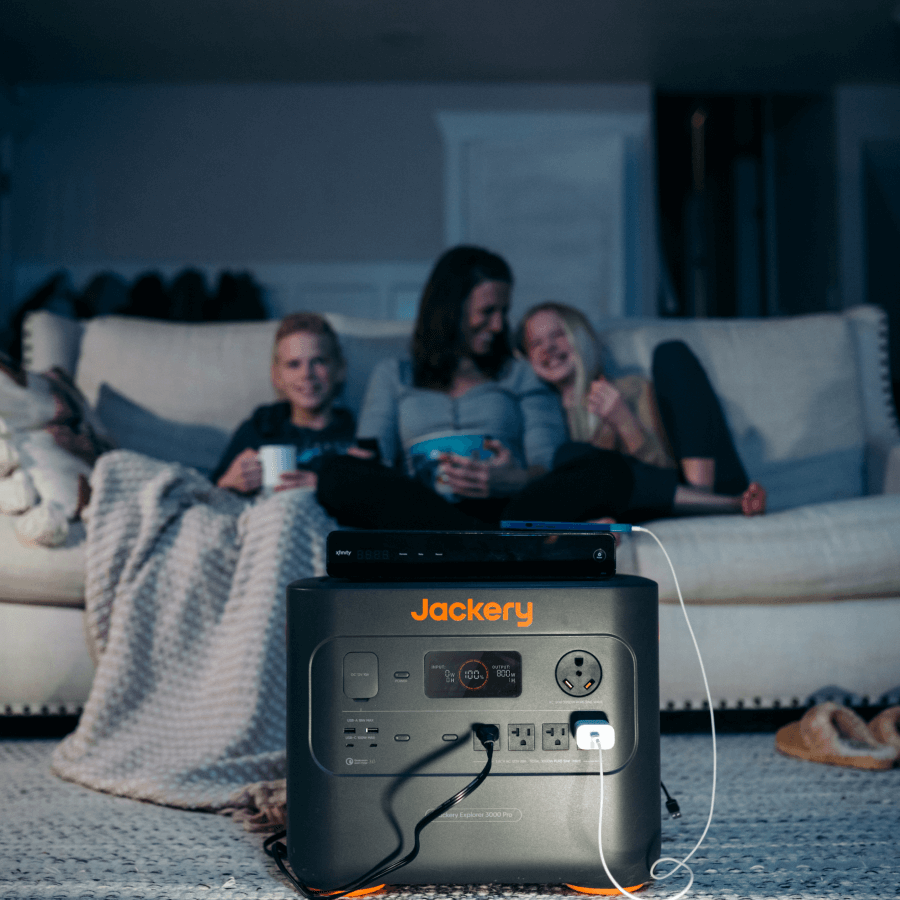
Many homeowners, despite using modern appliances and not using them frequently, have complained about high electric bills. Seems unrealistic? But no. Some appliances continue to draw power even when they’re on standby. In a conventional household, it includes garage door openers, DVR systems, and smart devices like Amazon Echo, microwaves, or chargers.
The electricity consumption in standby mode might not be very high, but it slowly adds up to a high electric bill. You’ll notice that when you’re away from home but get a decent electric bill.
Enrolled On a Time-of-use Rate Structure
If your utility provider lured you into tweaking your plan by claiming that you’ll potentially save a lot but, rather, increased costs are showing up, then you’re probably on a Time-of-use or TOU rate. So, what is it? Utilities, major or minor, like Duke Energy, under this rate structure, charge different rates depending on when you’re consuming energy.
For example, during “peak hours,” or when an average population consumes more energy, Duke charges 27.65 cents per kWh, almost triple the standard rate. While in “off-peak hours,” you can get discounted rates of up to 6.8 cents per kWh. So if you’re using more power during peak hours, expect three times the electric bill this month.
Increasing Utility Rates
Electricity rates, throughout the year, fluctuate, and the residential sector typically has a higher curve. In North Carolina, the increasing population and, in turn, increasing energy demands have made Duke Energy upgrade its electricity grids, which cost it millions. And the only way to compensate for that is by charging more per kWh, which means you have to pay more for the same amount of energy you consume.
The best way out here is to go solar. Installing solar panels might seem like paying a lot upfront, but it has the potential of you saving almost double in the next decade. Besides, state and national governments have many initiatives and programs in place where you can apply to get discounts and rebates over the price. In this way, you’re not only saving more but also preserving the environment.
You can try investing in home battery backup solutions out there: Jackery Solar Generators. It can power up plenty of your household appliances for hours. These are portable and suitable for your off-grid living and don’t require any heavy installation.
Jackery Solar Generators for Lowering Your Electric Bills
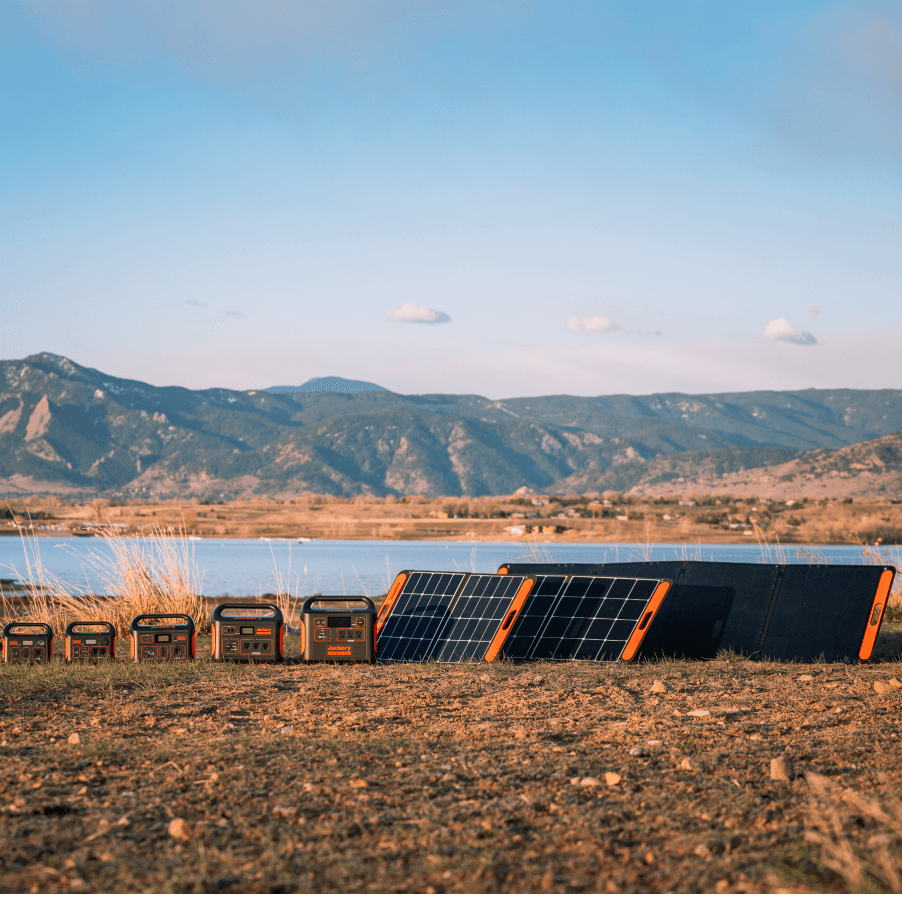
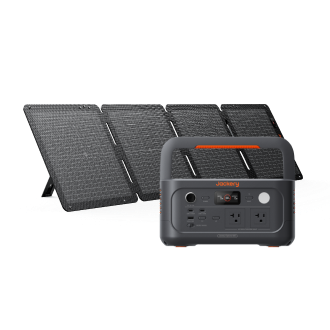
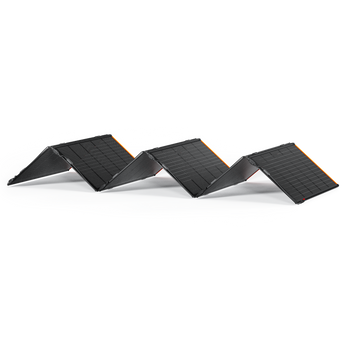
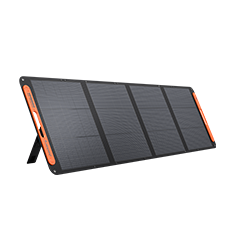
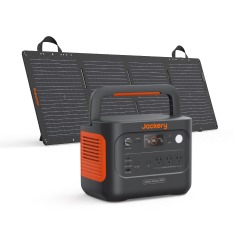
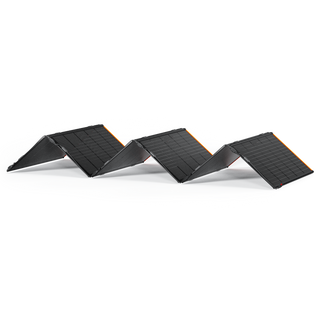
Jackery is one of the most renowned solar brands that manufactures solar panels, power stations, and solar generators. A Jackery Solar Generator combines foldable Jackery SolarSaga solar panels and Jackery Explorer Portable Power Stations to keep most household appliances running and cut down the bills.
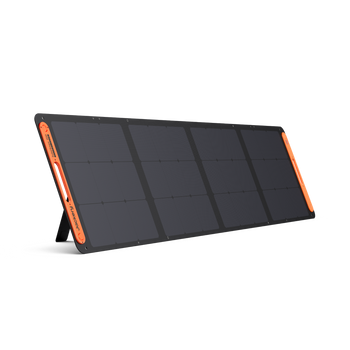
Now, when sun rays are incident on monocrystalline silicon cells encased inside Jackery SolarSaga Solar Panels, it converts sunlight into DC current. It is passed on to the pure sine wave inverter of the Jackery Explorer Portable Power Station, where DC converts into AC and powers up the household appliances.
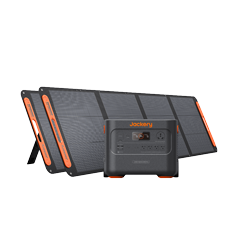
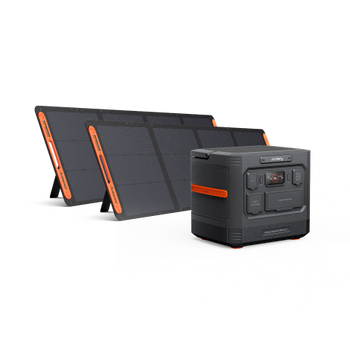
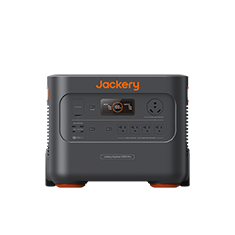
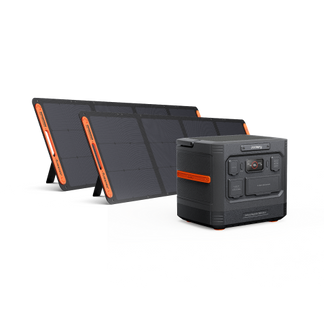
Jackery Solar Generator 2000 Plus
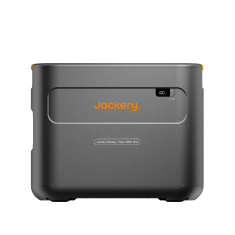
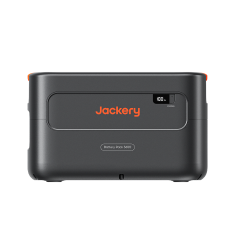
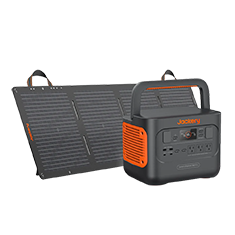
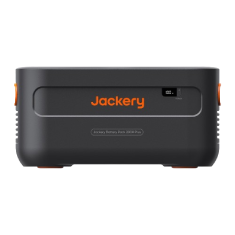
Jackery Solar Generator 2000 Plus encases a LiFePO4 battery, best known for its expandability to up to 24 kWh. Just add another battery pack to the power station, and run most of your household appliances (big or small) for a long time. It seems like a great option if you’re looking to offset your electric bill. And the wheels at the bottom make it easy to carry around.
Appliances Running Time
- Refrigerator (300W) = 5.3H
- Lamp (30W) = 34.9H
- Heater (1000W) = 1.6H
- TV (150W) = 10.0H
- Microwave (1000W) = 1.6H
Who Should Buy This
The Jackery Solar Generator 2000 Plus is ideal for individuals or small households seeking everyday bill savings by shifting their reliance from the utility grid to solar battery backup.

Customer Review
Very good quality, the battery lasts a very long time. Very easy to move around with the built-in tires. Love the upgradeability. The best solar generator I have ever had.
— Marc.
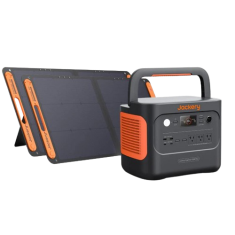
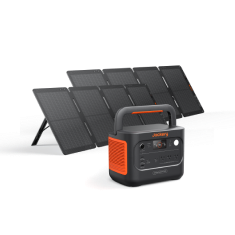
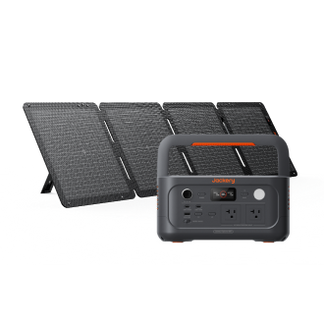
Jackery Solar Generator HomePower 3000
The lightest and smallest 3kWh LFP solar generator can be easily transported anywhere you need power. It keeps key appliances like your refrigerators, WiFi routers, and lights running smoothly during outages or peak electricity hours. It can also supply power to kitchen appliances for up to 2 days, ensuring your food and medications remain safe in the fridge.
Appliances Running Time
- Refrigerator (300W) = 8.1H
- Lamp (30W) = 50.2H
- Heater (1000W) = 2.6H
- TV (150W) = 15.2H
- Microwave (1000W) = 2.6H
Who Should Buy This
The Jackery Solar Generator HomePower 3000 is ideal for families or remote workers needing reliable daytime and emergency coverage, especially those aiming to ease cooling or electronics costs without a bulky system.

Customer Review
Great home power system. We are using it as an all-in-one inverter/battery/solar system. For the price, it's unbeatable and high quality, and performance in each aspect!
— Bryan.
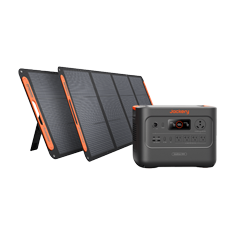
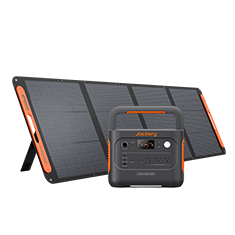
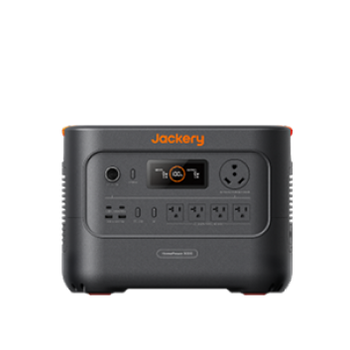
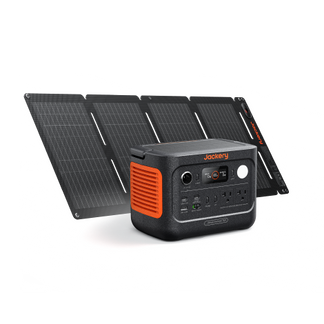
Jackery Solar Generator HomePower 3600 Plus
The Jackery Solar Generator HomePower 3600 Plus is an essential battery backup option for North Carolina homes dealing with storms, outages, and rising power costs. When the grid drops during hurricane season or summer thunderstorms, it keeps the basics running, such as fridge, WiFi, lights, fans, and chargers without noise or fuel. You can recharge the battery from the wall outlet or with solar panels if you want independence from the grid. It rolls easily from room to room, so you can keep power where it matters.
Appliances Running Time
- Refrigerator (300W) = 9.5H
- Lamp (30W) = 58.6H
- Heater (1000W) = 3.0H
- TV (150W) = 17.7H
- Microwave (1000W) = 3.0H
Who Should Buy This
If you need a reliable home battery backup solution that offers more power in a compact design and ensures critical appliances remain powered, you can consider going ahead with the Jackery Solar Generator HomePower 3600 Plus.

Customer Review
I purchased the Jackery Solar Generator HomePower 3600 Plus as an off-grid power supply for my bus, as well as for a home backup via the transfer switch. It works great for supplying power to my diesel heater block for 2h with a little juice left to run some lights.
Miranda T.
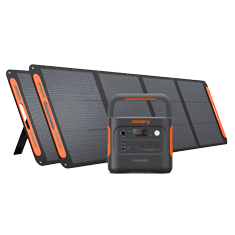
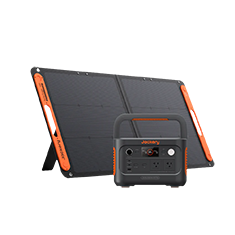
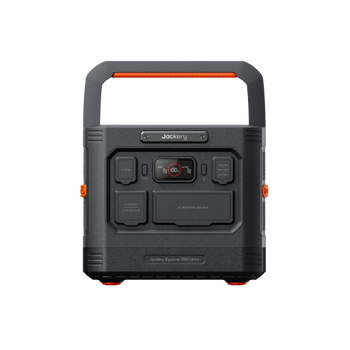
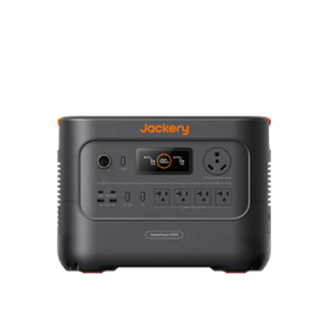
Jackery Solar Generator 5000 Plus
The Jackery Solar Generator 5000 Plus is the most powerful home backup solution. By charging during off-peak or sunny periods and using that stored energy when rates increase, you could potentially lower your monthly electric bill in North Carolina. In fact, shifting just half of your electricity use to the solar generator during peak periods could save on electricity bills. It also keeps essentials powered during outages and works quietly in the background.
Appliances Running Time
- Refrigerator (300W) = 12.2H
- Lamp (30W) = 53.5H
- Heater (1000W) = 4.1H
- TV (150W) = 21.4H
- Microwave (1000W) = 4.1H
Who Should Buy This
The Jackery Solar Generator 5000 Plus is suitable for larger households that want an essential home backup solution, helping them hedge against rising rates and power disruptions.

Customer Review
Exactly what we needed to power our home. Especially nice to have a 240-volt option to run the well pump. Also nice to be able to "accessorize" as finances allow.
— Richard Wamsley.
How to Lower My Electric Bill in North Carolina?
If you want to lower your electric bill in North Carolina, focus on reducing energy consumption. You can consider sealing air leaks, adjusting your thermostat, switching to LED bulbs, and fixing leaky faucets. Here are some easy ways to reduce high electricity bills in North Carolina.
Upgrade The Appliances
Check your houses for old appliances that are energy hoggers and upgrade them to ones with Energy Star ratings. This holds true for dryers, air conditioners, refrigerators, and dishwashers that hog most of your energy. You should notice the savings in the very first month of the upgrade.
Use the Appliances Efficiently
Clean the appliances, especially air conditioners, dishwashers, refrigerators, etc. With more debris or dust on your appliances, they tend to be less efficient. You can also attach smart power strips to these appliances. What they do is completely power off the system, thereby minimizing energy consumption.
Consume Energy Smartly
If you can’t opt out of the TOU plan, try consuming energy smartly. If you don’t work much during off-peak hours, take some time to think if you can adjust or change your habits. Start small by scheduling the runtime for appliances like dryers and dishwashers. You can also charge EV vehicles during these hours. In this way, you can save a few dollars every month.
Use Jackery Solar Generators
As mentioned, investing in solar energy is beneficial, not only financially but also environmentally. And not many are better alternatives to solar generators to keep your household devices up and running.
Jackery Solar Generators, with their massive capacities, can cut down on over-reliance on the electrical grid to run your appliances. The bigger ones, like Jackery Solar Generator 2000 Plus and Jackery Solar Generator 5000 Plus, can power your core household appliances during a power outage and save a chunk of your money.
North Carolina Average Electric Bill FAQs
What size of solar generator do I need for my house in North Carolina?
The appropriate size of a solar generator in your house in North Carolina depends on the number of appliances, the hours they run, and, in turn, total wattage consumption.
Let’s understand it with an example:
Consider you have an air conditioner (1000W), a TV (150W), and a mini-refrigerator (400W) running simultaneously on Jackery Solar Generator 5000 Plus. The number of hours these appliances can run is calculated using the Running Time Calculator available on the product page. On the page of the product you are interested in, scroll to find the calculator and then add the total wattage of the appliances you are powering simultaneously (1550W). In this example, the Jackery Solar Generator 5000 Plus will run the appliances for 2.7 hours.
What is the average utility bill in NC?
The average utility bill in NC, as per EIA, is $133.21 per month and $1,598.52 per year.
|
Utility |
Avg. Bill |
|
Energy Bill |
$133.21 |
|
Gas Bill |
$103 |
|
Water Bill |
$20 |
|
Internet Bill |
$35 |
How much is an electric bill in Charlotte, NC?
The average electric bill in Charlotte, NC is nearly $200.20 per month at an electric rate of 14 cents per kWh and energy consumption of 1,430 kWh.
What state has the highest average electric bill?
Hawaii, with an average electric rate of 41.62 cents per kWh, has the highest average electric bill in the country, at around $209.34 per month.
What uses the most electricity in a home?
In an average home, heating and cooling (HVAC) systems are the biggest consumers of electricity. Other appliances that consume the most electricity include water heaters, refrigerators, washers, dryers, and ovens. Lighting and electronics also contribute to overall electricity usage, but typically to a lesser extent than the major appliances.
Final Thoughts
Electricity bills in North Carolina are on the rise for various reasons, and merely upgrading or maintaining appliances won’t make much difference. It’s time to take a big step and invest in solar power.
Jackery Solar Generators use sunlight to generate AC current to run most of your appliances and save more on average electric bills in NC in the long run. These power stations store the excessive power generated by the solar panels so you can run appliances while traveling or when there’s a power outage.