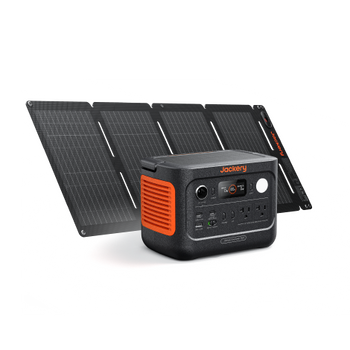











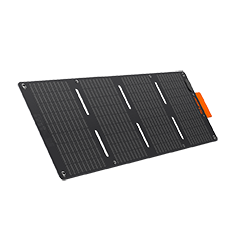



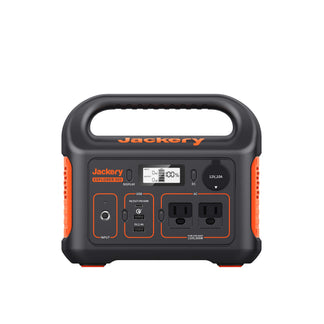

![[Add-on] Jackery SolarSaga 500 X - Jackery](http://www.jackery.com/cdn/shop/files/add-on-jackery-solarsaga-500-x-1493607.webp?v=1786503068&width=324)

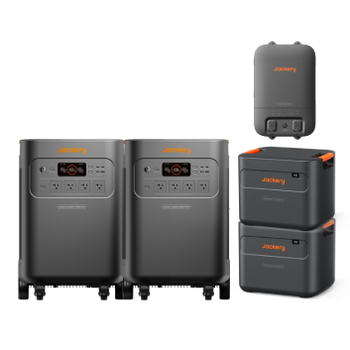
![[Add-on] Jackery Battery Pack 5000 Plus - Jackery](http://www.jackery.com/cdn/shop/files/add-on-jackery-battery-pack-5000-plus-6713401.webp?v=1786503068&width=324)








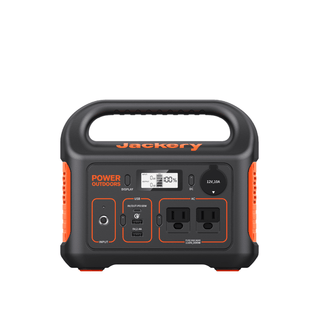
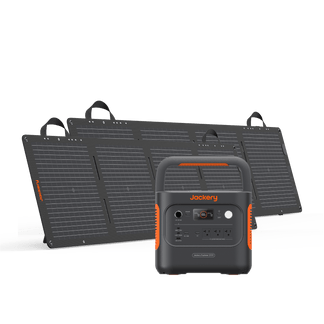
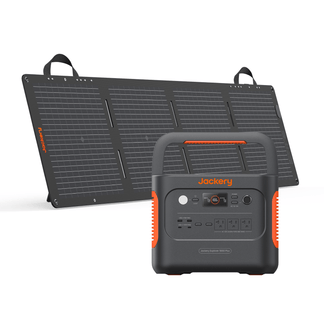

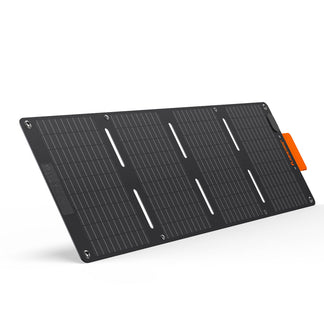


Fast enough isn’t one universal millisecond number. The right backup battery transfer time depends on what your exact device does when utility power briefly disappears: if it keeps running, EPS-style backup may work; if it resets, shuts down, or loses an active session, choose verified UPS-style behavior for the intended output and load. Before checkout, look for explicit transfer-time or UPS/EPS wording in the product documentation—not just capacity or wattage.
Test Your Device’s Tolerance for Backup Battery Transfer Time
Start with the device, not the battery specification. Transfer time is the interval between the start of a power disturbance and the point at which UPS output returns to or remains within its specified limits, as explained in the UPS transfer-time definition. In practical terms, it’s the output gap a connected device may experience while backup power takes over.
The useful test is simple: identify what happens to the exact device during a brief interruption. If it continues operating, a gap-tolerant setup may work with EPS-style behavior when the product documentation confirms that mode. If it resets, shuts down, or loses an active session, treat verified UPS-style continuity as the safer buying requirement. This is a practical fit rule, not a guarantee that one test predicts every outage condition.

When feasible, test the device with the same type of interruption it will face, or document the consequence from a prior outage. Record three details: the device, what the gap causes, and which output must remain powered. For example, “home router, connection drops and reboots, AC output required” is more useful than “needs a fast battery.” If you can’t test the device, don’t assume a short gap is harmless. Use the exact product manual or manufacturer support documentation to determine whether UPS-style operation applies.
Keep continuity separate from runtime and load sizing. Capacity helps describe how much energy a battery stores, and output wattage helps describe the load it can support. Neither proves that the output will remain continuous during a switchover. A battery can have enough watt-hours and watts for a device yet still allow a gap that causes the device to reset. That’s why backup battery transfer time is both a compatibility question and a specification question.
EPS vs. UPS: Match the Backup Mode to the Interruption Risk
Choose EPS-style behavior when the exact device tolerates a brief switchover gap and the documentation confirms that the intended output supports that behavior. Choose verified UPS-style behavior when any gap can reset or shut down the device. The label alone isn’t enough: the applicable output, mode, load, and operating conditions determine the result.
| Documented power behavior | When a brief gap is tolerable | Buying decision |
|---|---|---|
| EPS-style backup with a documented switchover | The exact device continues operating through the gap | Consider EPS-style backup after confirming the relevant output and conditions |
| UPS-style backup with documented transfer behavior | The exact device may reset, shut down, or lose an active session | Prefer verified UPS-style behavior, then confirm that the stated mode applies to the intended output and load |
EPS-style backup is a functional description here, not a universal timing class. It indicates that the backup arrangement permits a switchover gap, but products and implementations can differ. If the device’s response is unknown, the safer next step is documentation or a controlled device test rather than assuming EPS is sufficient.

UPS doesn’t automatically mean zero interruption. For an implementation-specific example, Vertiv describes a 4–6 millisecond transfer break in the described line-interactive UPS design. That figure illustrates why architecture and model documentation matter; it isn’t a universal pass/fail threshold for every device or emergency battery. A product page that says UPS still needs to identify the supported mode and conditions.
If the device is gap-tolerant and EPS behavior is documented for the intended setup, EPS-style backup may be sufficient. If the device is gap-sensitive, shortlist verified UPS-style products. If either the device response or product conditions are unclear, the manual or manufacturer support page is the deciding source.
Verify Transfer Behavior Before You Buy
Before placing an order, verify the transfer behavior for the exact device and output you plan to use. Broad phrases such as “emergency backup” describe the use case, but they don’t by themselves prove that a device will avoid a reset.
- Identify the consequence of the gap. Note whether the device keeps operating, reboots, shuts down, or loses an active session when power briefly disappears.
- Find explicit transfer or UPS/EPS wording. Look for a stated transfer behavior, named operating mode, or clear explanation of how backup output takes over. Don’t substitute capacity, wattage, or a generic backup label.
- Confirm the applicable conditions. Check which output supports the mode, whether the mode must be enabled, and whether the documentation gives load or other operating conditions that affect the claim.
- Resolve missing details before checkout. If the product page is vague, open the exact manual or manufacturer support information. If the documentation still doesn’t identify the relevant output and conditions, treat continuity as unverified.
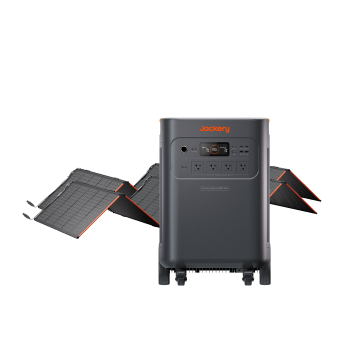
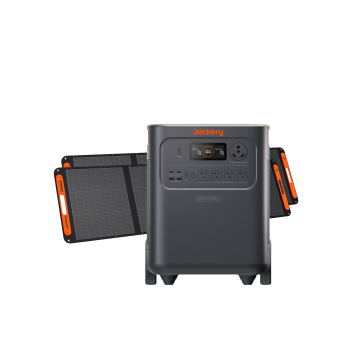
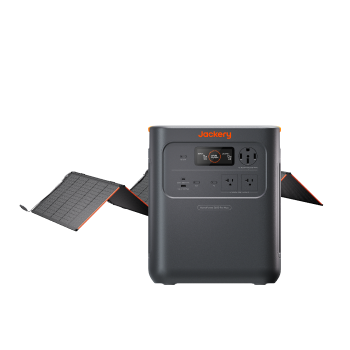
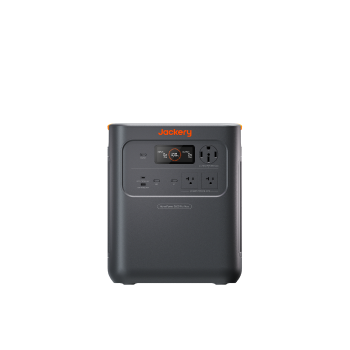
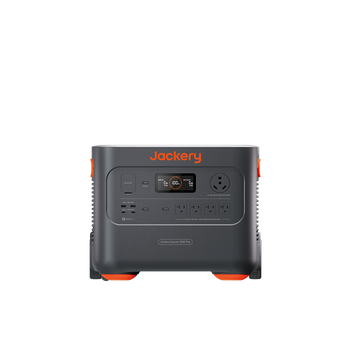
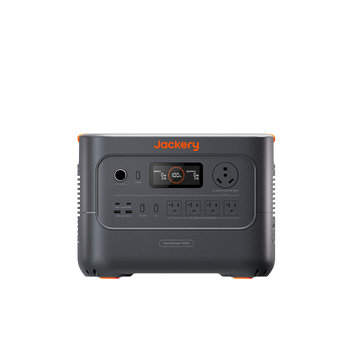
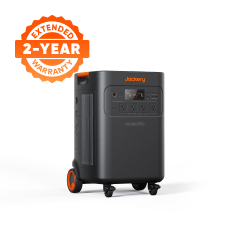
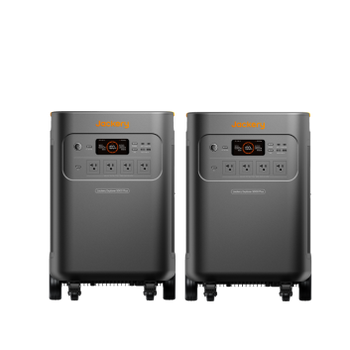
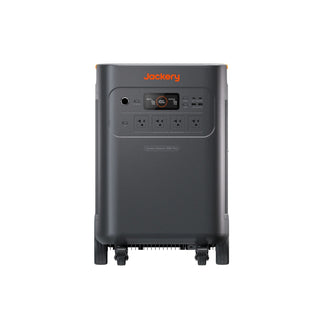
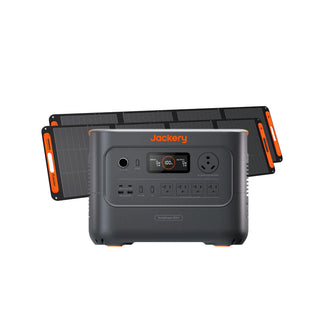
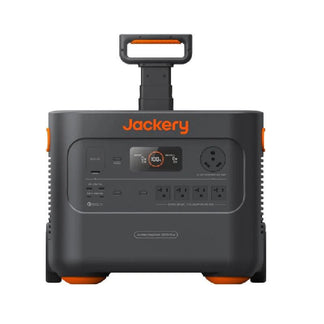
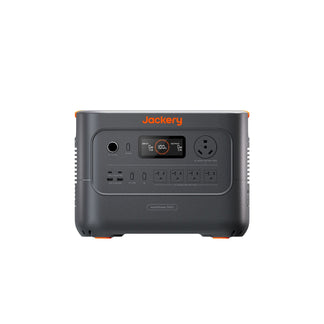
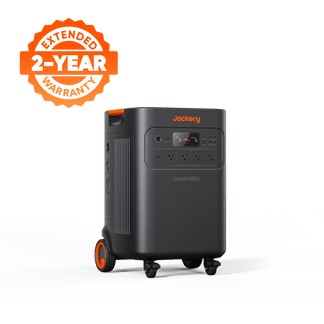
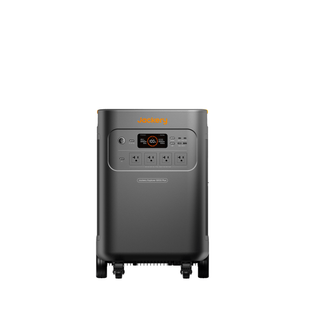
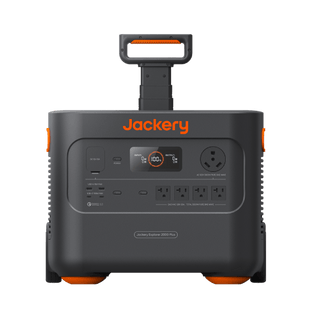
As a contextual example, Jackery describes the instant UPS backup for the Solar Generator 2000 v2. The listed product facts include 2,200 watts of output and 2,042 Wh of capacity, but those figures don’t establish transfer continuity. Verify the exact output, enabled mode, load conditions, and manual guidance before relying on the product for a device that must stay on.
The purchase condition is straightforward: if a brief gap causes your device to reset or shut down, buy only after the product documentation verifies UPS-style behavior for the output and conditions you’ll use. If the device tolerates the gap, documented EPS-style behavior may be enough.
Frequently Asked Questions
These answers address the specific checks that determine whether a backup battery fits a device-continuity need.
What Does Transfer Time Mean on a Backup Battery?
Transfer time is the interval between a power disturbance and compliant backup output. For shopping purposes, compare that output gap with the exact device’s response rather than treating transfer time as a standalone measure of capacity or runtime.
Is EPS Backup Fast Enough for My Device?
EPS backup may be sufficient only when the exact device continues operating through the switchover gap and the product documentation confirms the relevant EPS-style mode. If the device’s response is unknown, test it when feasible or choose a product with documented UPS-style behavior instead of assuming the gap is acceptable.
When Should I Choose a UPS Instead of EPS Backup?
Choose verified UPS-style behavior when a brief interruption can reset, shut down, or disrupt an active session on the device. Before buying, confirm that the UPS mode applies to the output and load conditions you intend to use; the UPS label alone doesn’t establish universal continuity.
What Should I Check in a Backup Battery’s Transfer-Time Specifications?
Look for explicit transfer-time or UPS/EPS wording, then confirm the supported output, enabled mode, load conditions, and applicable manual instructions. If the product page gives only broad backup language or an isolated number, treat the continuity claim as unverified until the manufacturer documentation fills in those details.


