



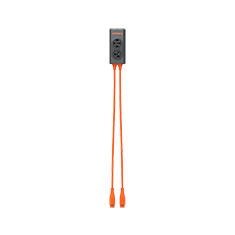







![[Add - on] Jackery Manual Transfer Switch for Explorer 5000 Plus - Jackery](http://www.jackery.com/cdn/shop/files/add-on-jackery-manual-transfer-switch-for-explorer-5000-plus-9017324.png?v=1754016782&width=350)



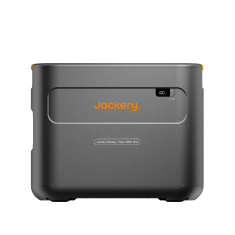
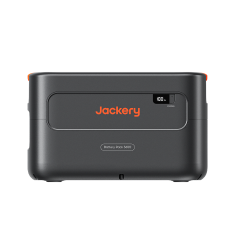
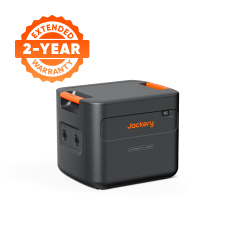
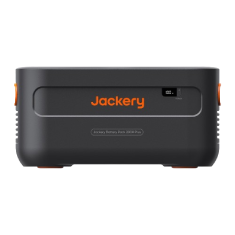
![[Add - on] Jackery Battery Pack 5000 Plus - Jackery](http://www.jackery.com/cdn/shop/files/add-on-jackery-battery-pack-5000-plus-6078351.png?v=1754016791&width=324)
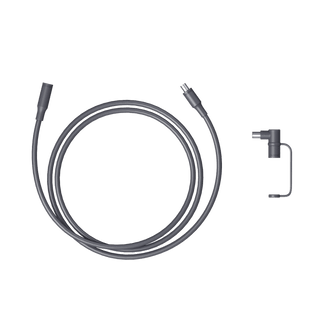

![[Add - on] Jackery Car Charging Cable - Jackery](http://www.jackery.com/cdn/shop/files/add-on-jackery-car-charging-cable-3882421.png?v=1754016863&width=324)
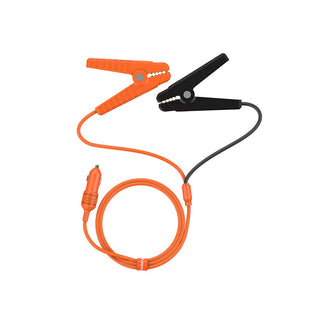
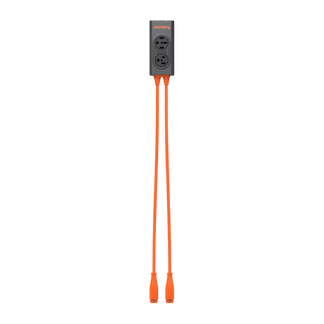





![[Add - on] Jackery Smart Transfer Switch - Jackery](http://www.jackery.com/cdn/shop/files/add-on-jackery-smart-transfer-switch-5842915.png?v=1754016784&width=324)
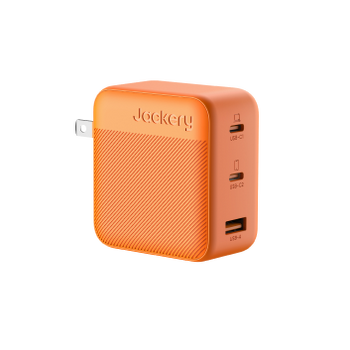
![[Add - on]Jackery 102W GaN 3 - Port Fast Charger - Jackery](http://www.jackery.com/cdn/shop/files/add-onjackery-102w-gan-3-port-fast-charger-6377742.png?v=1754016790&width=324)


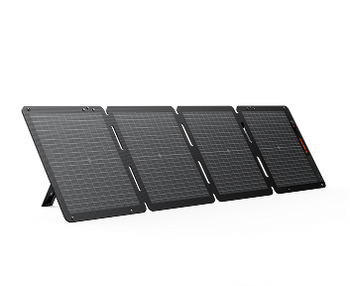
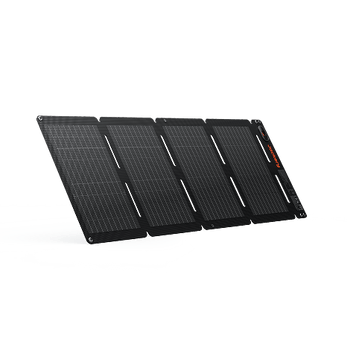
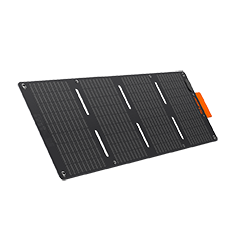
![[Add - on] SolarSaga 200W - Jackery](http://www.jackery.com/cdn/shop/files/add-on-solarsaga-200w-4834329.png?v=1754016915&width=324)
![[Add - on] Jackery Manual Transfer Switch for Explorer 5000 Plus - Jackery](http://www.jackery.com/cdn/shop/files/add-on-jackery-manual-transfer-switch-for-explorer-5000-plus-9017324.png?v=1754016782&width=324)


Driven by extreme weather and aging infrastructure, power blackouts are no longer rare anomalies. For homeowners facing this growing grid volatility, a battery backup for the home without solar provides a strategic, immediate safety net.
This setup allows you to bypass the massive upfront costs of a full rooftop solar array while still securing seamless outage resilience. When a crisis hits, the transition is entirely automated: your home shifts to battery power the second the grid drops and reconnects without a flicker when utility lines are restored. It offers reliable, hands-off security without the noisy maintenance of a gas generator or the heavy financial burden of a complete solar installation.
Why Skip Solar? Overcoming Common Installation Barriers
The high upfront costs of full solar-plus-storage systems deter millions of homeowners from achieving energy independence. Installing a standalone battery provides an immediate resilience bridge—securing your home today while retaining the flexibility to add solar later. Here is why skipping solar is often the smarter immediate choice:
- Bypass prohibitive capital costs: When roof modifications, permits, panels, and inverters are tallied, the capital required for a full solar array is often out of reach. A battery alone secures immediate outage resilience for a fraction of the price.
- Navigate strict fire codes: Regulations like the 33% fire code rule restrict panels to a fraction of available roof space, preventing smaller roofs from generating enough power to justify the cost. Mandatory 36-inch ridge setbacks (for firefighter access) further complicate permitting, reduce your total solar yield, and inflate installation costs.
- Ignore the weather entirely: A standalone battery ignores the forecast and relies entirely on your existing grid connection, making it the perfect solution for homes where solar generation is physically or financially unviable.
Common Geographic & Structural Solar Constraints:
|
Barrier |
How It Impacts Solar Viability |
The Standalone Battery Advantage |
|
Heavy Tree Shading |
Blocks direct sunlight from reaching the roof. |
Charges from the grid; requires zero sunlight. |
|
Poor Roof Orientation |
Roof faces away from optimal southern sun exposure. |
Installs in your garage or basement; roof direction is irrelevant. |
|
Low Solar Irradiance |
Frequent overcast weather severely limits power generation. |
Pulls consistent power directly from the utility company regardless of weather. |
Understanding the Mechanics of Standalone Home Battery Systems
A standalone home battery system provides seamless backup power without a single solar panel. Here is how these systems capture, manage, and deploy electricity during an outage:
- Charge directly from the grid: Instead of capturing sunlight, the system draws power straight from your wall outlets or main electrical panel. It continuously stores standard utility electricity, so it is ready the moment you actually need it.
- Rely on an Automatic Transfer Switch (ATS): Acting as the brain of the operation, the ATS constantly monitors incoming utility voltage. The moment the grid fails, it instantly switches your home to battery power and physically disconnects from the utility line to prevent dangerous backfeeding that could harm repair crews.
- Maximize energy with smart load shedding: You can program the system to automatically drop heavy, non-essential loads—like an electric oven or pool pump—while keeping critical circuits active. This targeted power distribution prevents you from draining your reserves in the first hour of a blackout.
- Utilize safe LFP battery technology: Modern systems use Lithium Iron Phosphate (LFP) batteries, completely eliminating the thermal runaway and fire risks associated with older lithium-ion models. This provides enhanced structural safety and a lifespan exceeding 10 years of daily use.
- Manage power via mobile apps: Intuitive smartphone apps remove the guesswork from energy management. You can visualize real-time power flow, check incoming grid charges, and see exactly how many hours of backup capacity you have left, drastically reducing outage anxiety.
Financial Strategy: Maximizing Your Energy Investment
While a standalone battery provides critical emergency backup, it can also function as an active financial tool. Here is how to maximize your return on investment and offset the upfront costs:
- Leverage Time-Based Control (TBC): Smart algorithms learn your household's consumption patterns and automatically optimize your power usage against variable utility rates, turning your backup system into a daily money-saver.
- Utilize grid arbitrage for daily returns: Program your battery to charge from the grid during cheap, off-peak hours (usually overnight). When utility prices spike during peak afternoon and evening hours, your home runs entirely on that stored, cheap power, bypassing expensive daytime rates entirely.
- Allocate a dedicated emergency reserve: Maintain a strict 5% to 20% battery reserve dedicated solely to unexpected outages. The remaining capacity handles your daily peak-rate offset, ensuring the system performs dual duties: active daily savings and passive emergency readiness.
- Adjust your ROI expectations: With the expiration of the 30% federal tax credit for standalone storage at the end of 2025, financial modeling has shifted. Your return on investment now relies heavily on aggressive grid arbitrage—and the unquantifiable value of keeping your family secure, your lights on, and your food cold during a blackout.
System Cost & Value Comparison:
|
System Type |
Estimated Upfront Cost* |
Primary Financial Benefit |
Emergency Value |
|
Standalone Battery Backup |
$6,000 – $18,000 |
Grid arbitrage (buying low, using high) |
Immediate outage resilience |
|
Solar-Plus-Storage |
$30,000 – $50,000 |
Total grid independence & net metering |
Long-term, off-grid sustainability |
*Estimated costs include hardware, transfer switches, and professional labor.
This layout clearly highlights the massive price difference between the two systems while explaining exactly how homeowners can recoup their standalone battery investment through daily grid arbitrage.
Energy Security: Ensuring Resilience During Grid Failures
A standalone battery backup delivers silent, fume-free emergency electricity the moment the grid fails. To maximize this security, homeowners must manage their stored power strategically:
- Prioritize critical-load backup: Wiring an entire house to a mid-sized battery guarantees rapid depletion. Instead, isolate specific, high-priority circuits—such as your refrigerator, medical equipment, well pump, and Wi-Fi router.
- Maximize your runtime: Restricting your consumption to these essential emergency loads extends a standard battery's runtime to anywhere from 18 to 72 hours.
- Real-world performance: During a recent winter storm, a homeowner isolated their heating system, telecom equipment, and kitchen fridge on a standalone unit. The battery powered these essentials seamlessly through an 11-hour blackout, with 30% capacity still remaining when utility power returned.
- Understand the primary limitation: Standalone systems have one hard limit: they cannot recharge during multi-day blackouts without the grid. If an outage stretches beyond your stored capacity, the system will shut down until utility lines are repaired.
Evaluating Top Equipment for Standalone Storage
The best battery backup for a home without solar delivers high capacity, fast grid-charging capabilities, and future-proof expandability. You need hardware that can handle demanding household appliances while remaining adaptable to your changing living situation.
When evaluating elite standalone backup systems, prioritize these core features:
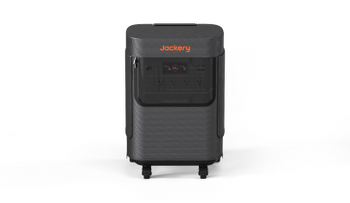
- Ultra-safe battery chemistry: Both top-tier Jackery models utilize LiFePO4 (Lithium Iron Phosphate) batteries engineered for a 10-year lifespan, ensuring maximum structural safety and long-term reliability.
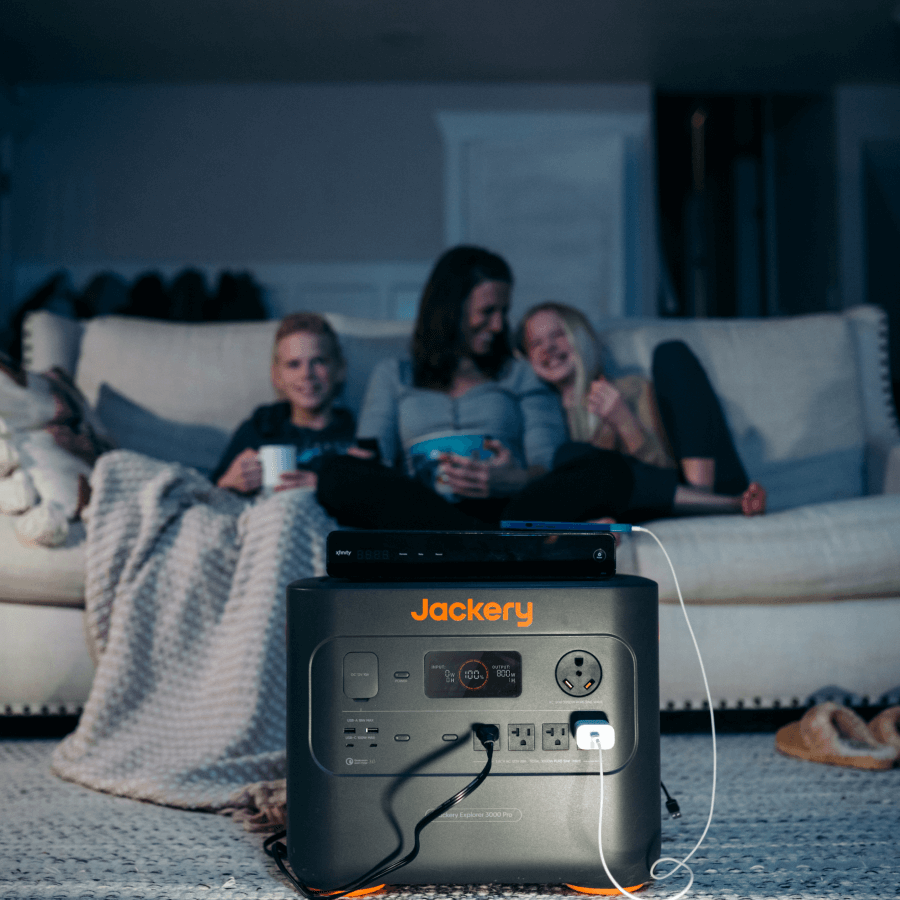
- Whisper-quiet indoor operation: Unlike loud gas generators, these power stations operate at a whisper-quiet 30dB, making them perfectly suitable to run safely inside your home without disrupting your household.
- Instantaneous power transition: Sudden grid failures can shut down sensitive electronics like desktop computers or medical devices. To prevent this, look for units with ultra-fast Emergency Power Supply (EPS) or Uninterruptible Power Supply (UPS) capabilities.
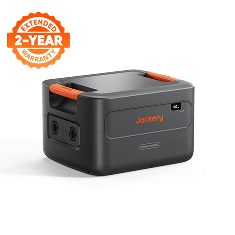
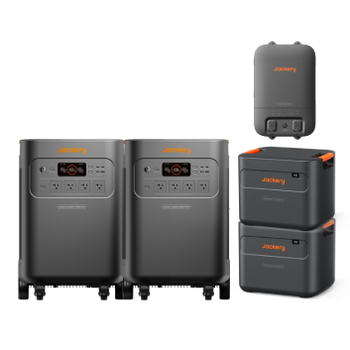
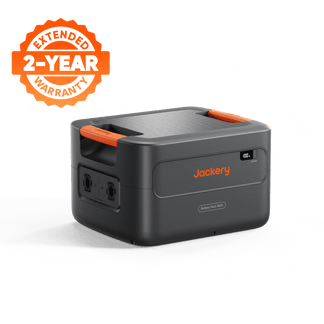
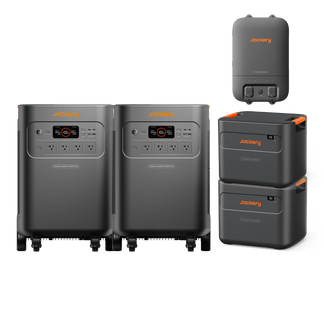
- Future-proof expandability: Ensure your base model can support extra battery packs so you can scale your system if your family's energy demands grow over time. Homeowners upgrading house battery backup in the basement and garage will find these modular systems offer the exact specifications required.
Top Jackery Standalone Models Compared:
|
Model |
Capacity & Output |
Switchover Time |
Ideal Household Use Case |
|
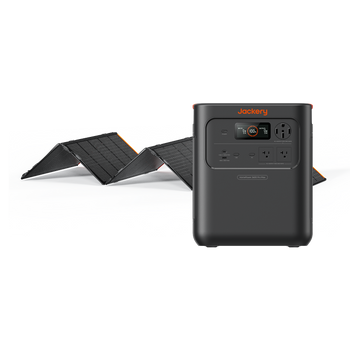
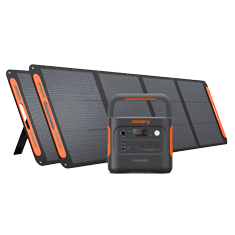
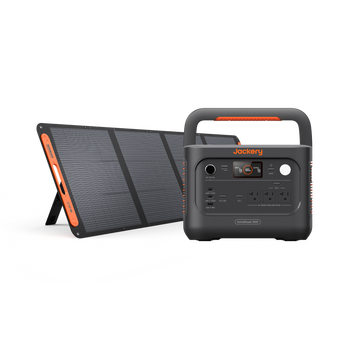
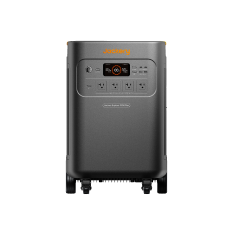
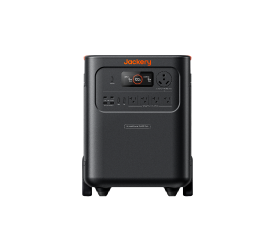
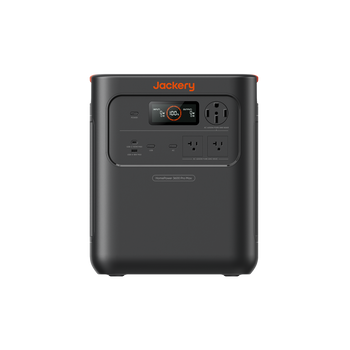
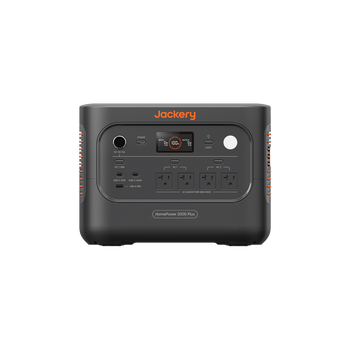
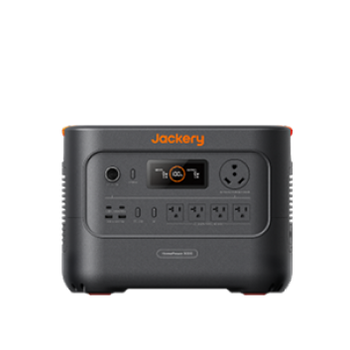
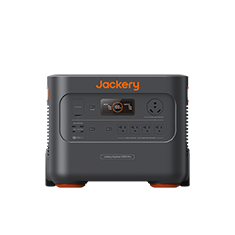
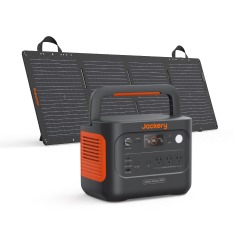
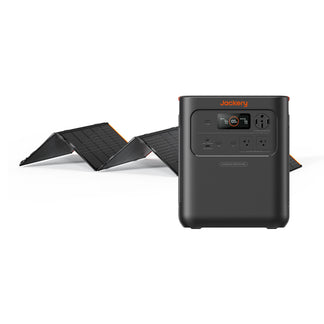
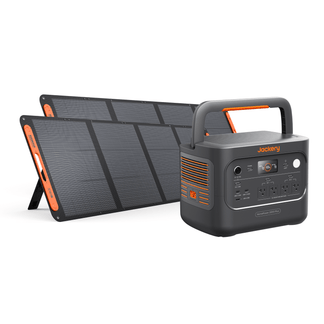
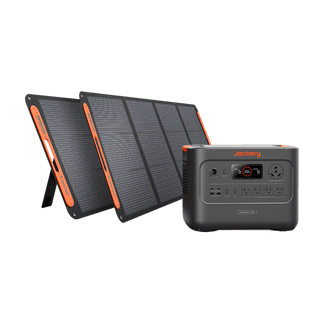
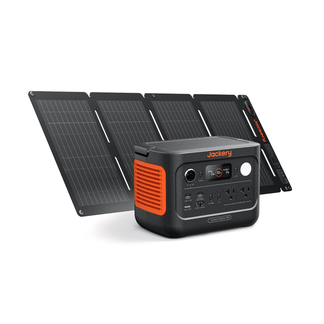
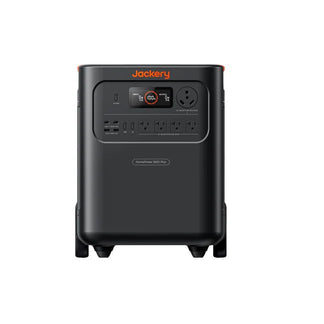
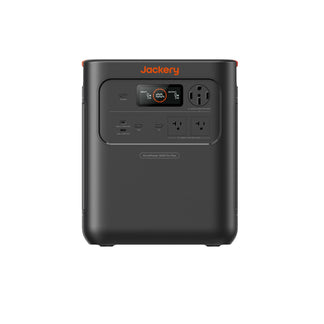
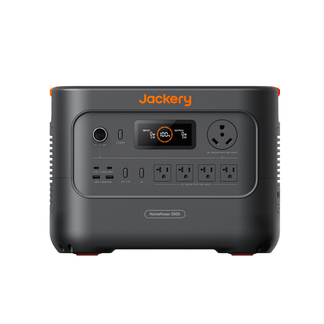
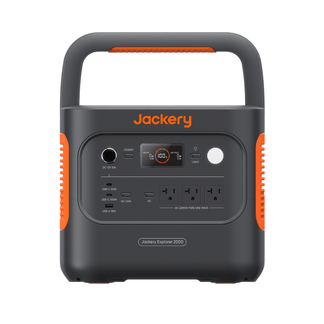
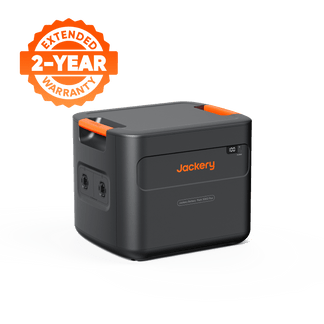
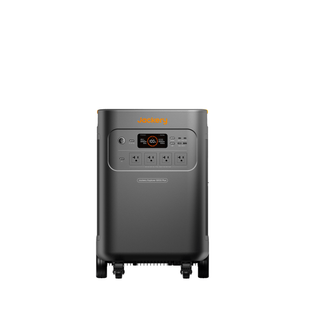
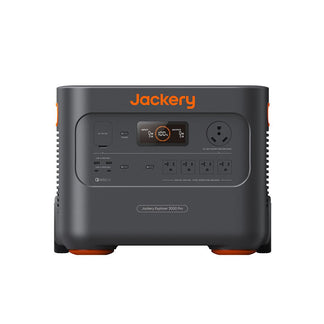
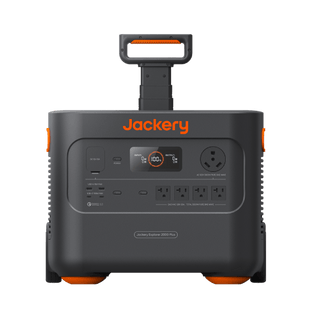
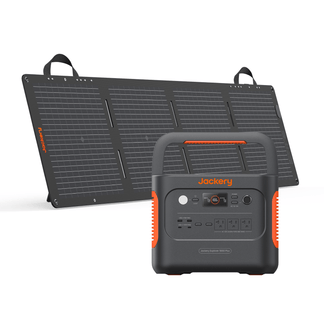
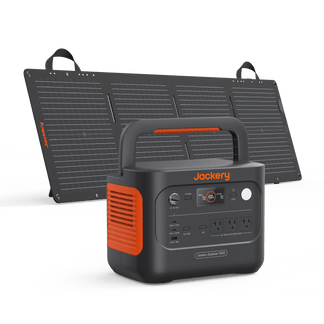
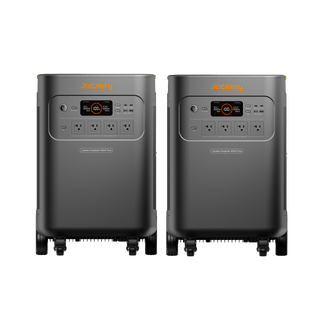
Jackery Solar Generator HomePower 3600 Plus |
3,584Wh 3,600W Output |
< 20ms (EPS) |
Essential critical-load backup. Provides enough surge power to easily start heavy motor-driven appliances like refrigerators, window AC units, and sump pumps. |
|
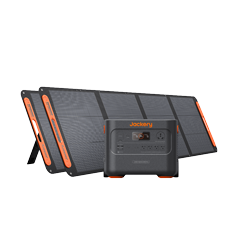
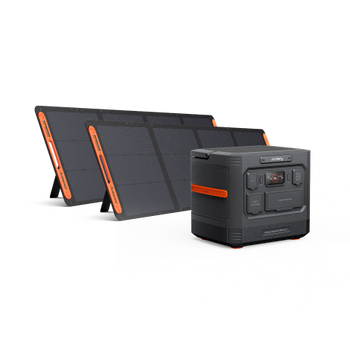
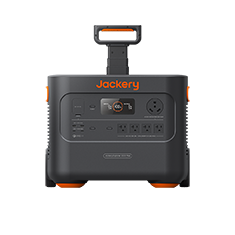
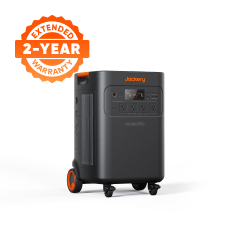
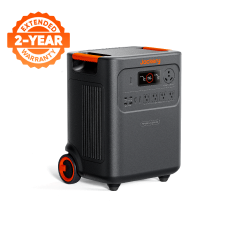
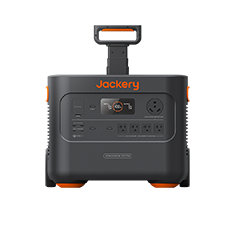
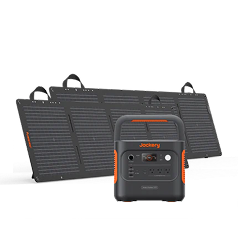
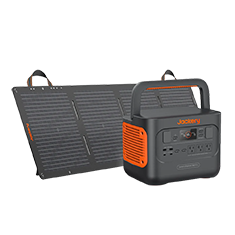
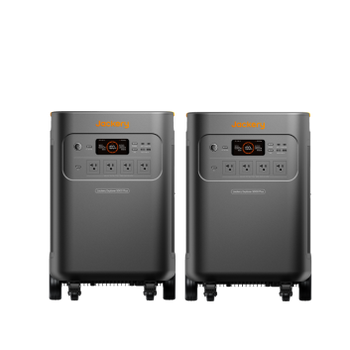
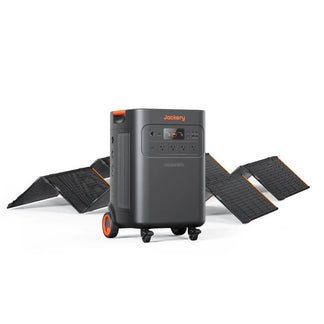
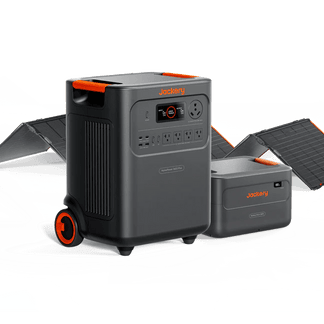
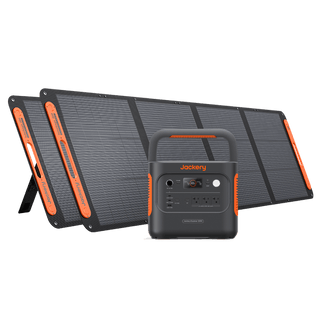
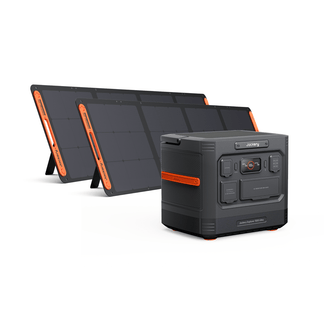
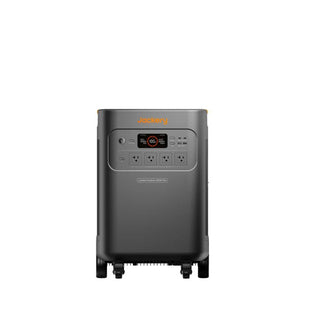
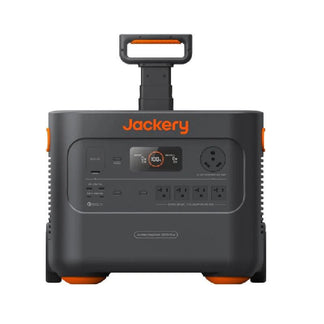
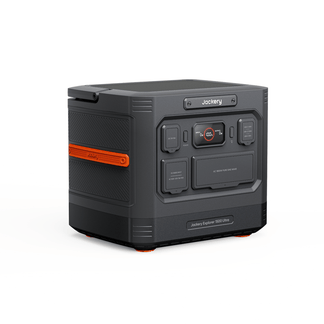
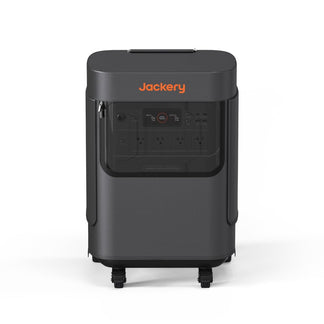
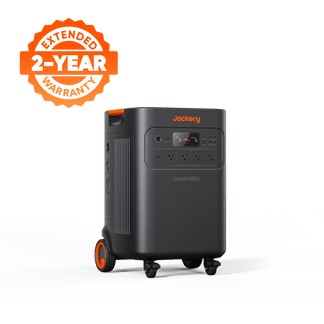
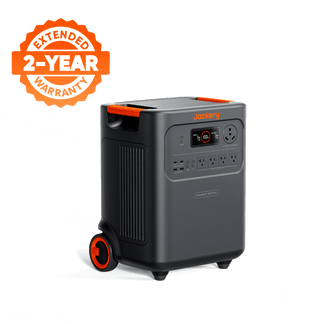
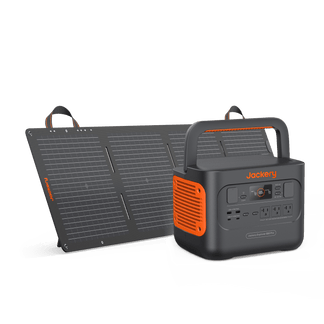
Jackery Solar Generator 5000 Plus |
5,040Wh 7,200W Output |
0ms (UPS) |
Larger properties and essential home potential. Capable of seamlessly running demanding 240V appliances like well pumps or electric dryers during a blackout. |

Conclusion: Assessing the Value of Standalone Battery Storage
Standalone batteries are highly valuable for homeowners facing frequent short-term outages and steep Time-of-Use rates. The financial mechanics of grid arbitrage combined with the security of automated backup make standalone battery systems a pragmatic, high-yield investment.
Standalone battery storage provides a significantly lower barrier to entry for energy resilience compared to full solar-plus-storage installations. You bypass several major hurdles:
- Complex permitting: Avoiding lengthy municipal approval processes.
- Structural roof modifications: Eliminating the need for expensive carpentry or reinforcements.
- Heavy upfront capital requirements: Reducing your initial financial outlay by tens of thousands of dollars.
You gain immediate protection against market volatility and extreme weather while retaining complete flexibility. If your budget expands or your energy needs change, you can easily add solar panels later. Start with the best backup battery for home to match your specific household load requirements, secure your power, and build your energy independence at your own pace.
Frequently Asked Questions
Do I need a permit to install a home battery?
Yes, installing grid-tied electrical equipment like transfer switches and large battery units requires local permitting. Your certified installer will typically handle the necessary building permits and schedule the mandatory municipal inspections to ensure fire code compliance.
Will a home battery affect my homeowners insurance?
You must contact your insurance provider before installation. Adding a high-value energy system may require a policy coverage update to protect the hardware, though some insurers offer safety discounts for properties equipped with automatic backup power.
Can I take my home battery system if I move?
Hardwired, wall-mounted units typically remain with the property as permanent fixtures. Portable power stations and modular battery systems, however, can be easily disconnected and relocated to your new residence, making them ideal for those exploring how to DIY home battery backup.
How long does it take to charge from the grid?
Charging timeframes depend entirely on the battery's total capacity and your home's electrical panel amperage. A 5kWh battery like the Jackery Solar Generator 5000 Plus connected to a dedicated 240V circuit can charge from 0 to 100% in 1.7 hours.
Do standalone home battery systems require regular maintenance?
Modern lithium-based batteries require minimal physical upkeep. You only need to keep the cooling vents clear of dust and ensure the system remains connected to Wi-Fi for occasional firmware and software updates.