
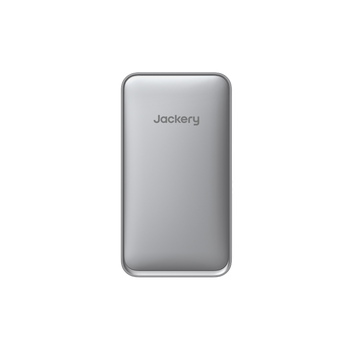




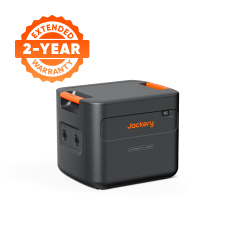




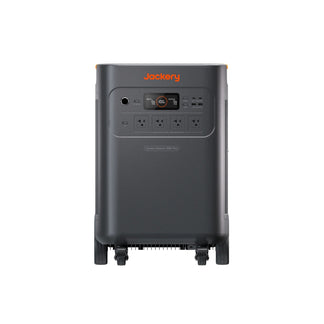
![[Add-on] Jackery Battery Pack 5000 Plus - Jackery](http://www.jackery.com/cdn/shop/files/add-on-jackery-battery-pack-5000-plus-6713401.webp?v=1786503068&width=324)











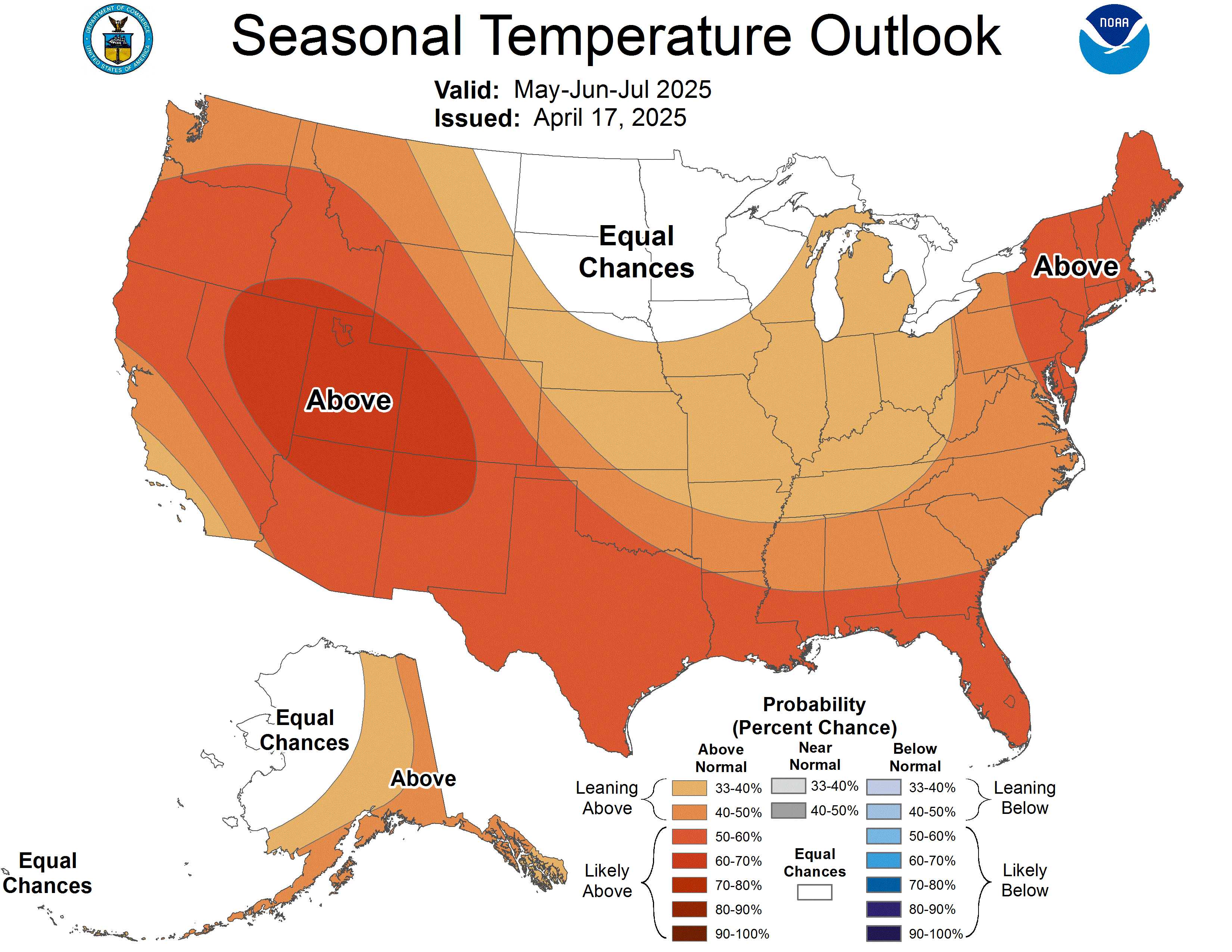
California is heading into one of its most closely watched summers in recent memory. NOAA's Climate Prediction Center released its official Summer 2026 outlook on May 21, projecting above-normal temperatures across the entire western contiguous US, with California sitting squarely in the zone of enhanced heat probability, at greater than 40% above-normal confidence. AccuWeather independently flags California alongside Nevada, Oregon, Utah, and Washington as among the most at-risk states for intense heat waves, drought conditions, and elevated wildfire danger throughout the season.
When temperatures climb and stay elevated for days at a time, California's power grid feels it first. Air conditioning demand spikes, infrastructure gets stretched thin, and rolling outages become a real possibility, exactly when you need power the most. Jackery Solar Generators are built for moments like these: portable, reliable, and capable of keeping your home's essentials running whether you are managing a multi-day outage, working from home through a heat emergency, or keeping a family cool when the grid goes down. These essential home backup solutions can run most household appliances, such as ACs, refrigerators, fans, etc., to maintain comfort during heatwave outages.
Takeaways
- NOAA's Summer 2026 forecast places California in the above-normal temperature zone, with heat probabilities exceeding 40% for the entire western contiguous US.
- AccuWeather identifies California as one of the highest-risk states for heat waves, drought, and wildfire conditions this summer, alongside Nevada, Oregon, Utah, and Washington.
- In Southern California, above-normal precipitation is forecasted from July through November, driven by an active East Pacific hurricane season.
- El Niño is expected to emerge by May-June-July 2026 with an 82% probability and strengthen through winter, meaning the heat pattern is likely to persist well beyond summer.
- Extended heat waves put direct pressure on California's power grid, making a reliable backup power source one of the most practical investments you can make before peak season arrives.
California Heat Wave Facts
What is a Heat Dome?
A heat dome occurs when high solid pressure traps hot air in a region. It prevents cool air from traveling and results in high ground temperatures. This heat dome is a significant cause of heat waves in the area.
This recent heat dome caused high California heat wave temperatures, and heat waves in the country's eastern half started from the southwest.
What is a heat wave?
Heat Waves occur when scorching weather continues for more than two days. According to the National Weather Service, the recent California heat wave is one of the worst: "The duration of this heat wave is notable and potentially the longest experienced in decades for some locations."
Though heatwave and heat dome are commonly used alternatively, heatwave is a consequence of heat dome.

Impact Of California Heat Wave Temperatures
California has a largely arid climate, so these types of heat domes contribute significantly to long heat waves. Other global patterns, like drought conditions, also intensify heat waves. The high California heat wave temperatures can cause wildfires, pose threats to human and animal life, and damage infrastructure.
As the heatwaves become more frequent, air pollution has worsened, and the key infrastructure is weakening.
We can summarize the negative impact of California heat wave temperatures as follows;
- Low agriculture productivity
- Water sanitation is affected
- Wildlife death
- Labor productivity suffers
- Biodiversity
- Outdoor exercise and exposure are reduced
Current News About California Heat Wave Temperature
California's 2026 summer heat outlook is backed by some of the strongest forecast confidence seen in recent years. According to NOAA's Climate Prediction Center, the June-July-August temperature outlook places the entire western contiguous US, including California, under enhanced above-normal temperature probabilities exceeding 40%. This forecast is driven by a combination of dynamical climate models, soil moisture data, and the expected development of El Niño, which historically pushes western states into warmer-than-normal summer conditions.
The Pacific Northwest carries the single highest heat confidence on the map at above 60%, but California's forecast is firmly in the elevated risk category with no signal pointing toward relief. What makes this summer's outlook particularly significant is the climate pattern driving it. NOAA confirms that El Niño is likely to emerge by May-June-July 2026, with an 82% probability, and is forecast to reach a strong El Niño threshold, defined as +1.5 degrees Celsius in the Niño 3.4 region, by September-October-November. With a 96% probability of El Niño continuing through December 2026 to February 2027, and a near 2-in-3 chance of it reaching strong status by late fall, California is not looking at a one-season heat event.
The warming pattern is expected to carry weight well into the fall and through next winter, with above-normal temperature probabilities exceeding 50% across the northern tier of the country during that period. Southern California's forecast adds another layer of complexity. While the heat outlook aligns with the rest of the state, NOAA's full seasonal discussion notes that above-normal precipitation probabilities are forecast for southern California starting in July-August-September and continuing through September-October-November, which is a direct result of an expected active East Pacific hurricane season influencing regional precipitation patterns.
This means southern California residents may face a combination of intense early-summer heat followed by heavier-than-normal rainfall later in the season, creating a challenging back-half of the year for infrastructure, emergency preparedness, and home energy management.
California Heat Wave Contacts & Resources
The long heat waves with little nighttime cooling are dangerous for health, especially for the elderly, children, and pregnant women. Therefore, heat safety must be followed. Government agencies have issued special warnings, watches, advisories, resources, and guidelines for the heatwave.
Resources For California Heat Wave Temperatures
- How to stay safe in extreme heat(California Governor's Office Of Emergency Services)
- Find a cooling center near you (California Governor's Office Of Emergency Services.
- Heat Advisory(California Department of Public Health)
- Preventing heat-related Illness(Centers for Disease Control)
- Monitor the weather forecast in your area by zip code(weather.gov)
- Signs of dehydration(Center for Disease Control)
- Subscribe to Flex Alerts for news on power on in California (California ISO)
- If you cannot afford it, contact the Low Income Home Energy Assistance Program (LIHEAP) for your cooling costs, weatherization, or energy-related home repairs.
- Additional heat wave resources for older adults and people with disabilities (CDA)
Elderly Services:
- Aging and Adult Information Line–Local information and assistance for aging and disability services 1 (800) 510-2020
- Friendship Line California–Helping older adults stay connected, call 1 (888) 670-1360
- CRISISline– Report elderly abuse and neglect. Call, 1 (800) 231-4024
- Adult Protective Services– For reporting mistreatment of elders and dependent individuals, call 1 (833) 401-0832

California Heat Wave Safety Tips
How To Prepare For Heat Wave
- Fans create airflow but do not reduce the body temperature and you are still at risk of heat related illness. Therefore, a fan should be one of many cooling devices.
- Use California Governor's Office Of Emergency Services’s service to find a cooling center near you. Also, you can identify places like libraries or malls with air conditioning.
-
Weather-strip doors and windows with drapes or shades. Also, window reflectors can be used to reflect heat.
-
A powered attic ventilator or attic fan can reduce heat levels in the building by clearing out hot air.
-
Insulate around when using air conditioners.
How To Keep Safe During Outdoors
The primary advice is to avoid going outside during California heat wave temperatures; however, if you need to go out, follow these guidelines to remain safe.
- When the California heat wave temperatures go high, and you must go outside, consistent fluid intake is critical for your well-being. R
- When you sweat in hot weather, you lose water and electrolytes. So, adding electrolytes is also important.
- Extreme heat also converts existing elements in the air into ozone and lowers air quality. So, using a HEPA [high-efficiency particulate air] filter is very effective.
- Double-layer broad-spectrum sunscreen, sunglasses, and a wide-brimmed hat are necessary for skin and eye protection.
- Be cautious if you have any illnesses that can be triggered by excessive heat. Asthma, migraine, rosacea, chronic kidney disease, cardiovascular disease, hypertension, and migraines are some examples of such diseases. Talking to your healthcare adviser will help.
How To Keep Your Home Cool
- Air conditioning substantially lowers the temperature at home. However, surging utility bills and unexpected power outages during heat waves can make air conditioners unaffordable or unavailable. Using an air conditioner a few degrees above can help to save on power bills. You can also choose to spend the hottest days in cooling centers.
- Close the curtains during the day to keep your home safe from heating.
- It is also beneficial to position battery-operated fans strategically to draw cool air. If it's cooler outside, you can place your fan on a windowsill.
How To Stay Cool And Hydrated
- Wear light and loose-fitting clothes.
- Avoid outdoors in the peak sun hours. If you have to go anyway, use shade or shelter.
- Limit physical activity, and if you have necessary chores, try to shift them to early morning.
- Limit the use of stoves and ovens.
- To lower body temperature, use a spray bottle or a damp cloth on your skin. Also, apply cool packs to your neck and shoulders.
- Take showers or baths frequently.
- When the outside air cools down after the sunset, open your windows and doors to drive warm air out and help cool down the house.
- Drink plenty of water, but avoid alcoholic or sugar drinks.
- Carry water with you when going outside.
Tips For Infants, Children, And Pregnant Women
Pregnant moms:
- Better to stay inside during peak sun hours, i.e., from 10 a.m. to 4 p.m.
- Shift your chores or other physical activity to early morning or evening.
- Drink lots of fluid, i.e., aim for at least 8 to 12 glasses of water every day, even if you are not feeling thirsty. You may also need fluids with electrolytes.
- Wear loose-fitting, lightweight, and natural fiber clothing.
- If your body temperature goes high, consult your doctor.
- Look for signs of heatstroke, i.e.
- Fatigue
- Headaches
- Muscle cramps
- Rapid breathing
- Dizziness or fainting
- Confusion
Newborns and infants:
- Keep newborns and infants out of direct sunlight, especially between 10 a.m. and 4 p.m.
- Babies can overheat quickly as their sweating ability is limited. So choose their clothing wisely and opt for only one layer, and that too of lightweight, natural fiber, and light-colored clothes.
- Offer more breast milk to prevent dehydration.
- Leaving infants inside cars can have potentially fatal consequences.
- Babies 6 months and older should also use sunscreen.
- Do not put babies directly next to the air conditioner to avoid babies getting too cold.
-
The warning signs of heat stroke or dehydration in babies are;
- Cracked lips
- Dry mouth and tongue
- Fever over 100.4 F
- Rapid breathing
- Restlessness
- Sunburn or heat rash
- Less number of wet diapers
If you notice such signs, talk to your pediatrician, take your baby to a cool area, and sponge with a wet cloth.
| Dos | Do Nots | |
| Infants & Children | 1. Avoid outdoors.2. Keep hydrated. For infants, offer more breastmilk.3. Use sunscreen for infants over six months of age.4. Use one layer of clothing.5. Opt for lightweight, light-colored, natural fabric.6. Look for the signs of heat stroke or dehydration. | 1. Do not leave infants inside cars ever.2. Avoid sugary drinks.3. Do not place babies next to the air conditioner. |
| Pregnant Women | 1. Stay hydrated.2. Avoid outdoors.3. Use natural fiber, lightweight, and loose-fitting clothes.4. Talk to your doctor if you see signs of dehydration or sunstroke.5. If your body temperature goes high, talk to your doctor.6. Take frequent showers. | 1. Avoid alcoholic or sugary drinks.2. Avoid outdoors. |
Heat-Related Illness and Tips
The human body can withstand rising temperatures only up to a point. Sweating is the natural cooling process of the body to prevent overheating. However, sweating also loses salts and electrolytes. This can lead to exhaustion and cramps. This is the first stage of heat exhaustion. If the conditions persist, blood pressure may drop, and the patient can experience headaches, nausea, and vomiting.
If you don't get to cool down within 30 minutes, organs can shut down, and cardiac arrest can also be a consequence. This stage is swift and deadly. Heat strokes are also particularly dangerous as they can quickly progress within 30 minutes.
Therefore, it is critical to look for the signs of overheating and heat stroke and cool down the body. Find a cool area to lower your body's internal temperature. Wetting your skin with a towel soaked in cool water or taking a bath or shower is also effective.
Safeguard Against Possible Power Outages
As the California heat wave temperatures rise, power outages can become frequent because of faults and system overloading. In hot weather, the demand for power becomes higher as everyone is using air conditioning and other appliances more frequently. So, you have to prepare for power outages as well. Follow these steps to reduce the load on the grid and also manage the power outage when it occurs.
- Close the blinds to keep direct sunlight out of your house. This will reduce the power needed to cool your house.
- Though fans do not reduce the room temperature, they help the human body regulate it. A ceiling fan can make you feel 6 to 7 degrees cooler than the room temperature.
-
Running large appliances after peak hours, like at night, when energy demand is less, can also save money, as the power rate is generally lower during off-peak hours.
-
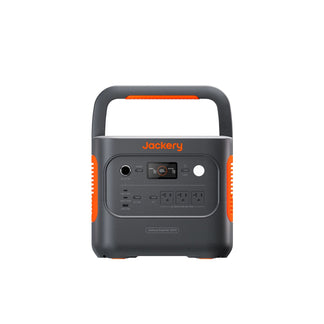
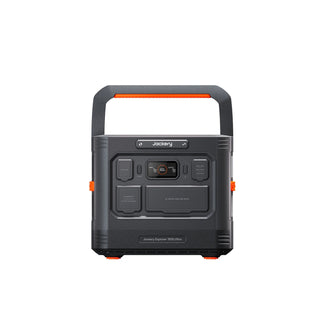
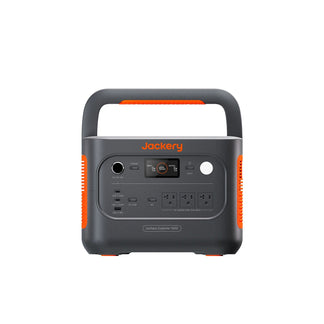
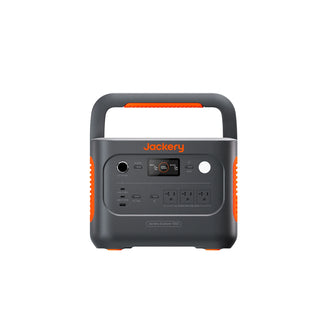
Invest in alternative power sources like Jackery Solar Generators to power your home in case of an outage. These generators are noise-free, toxic emissions-free, and environmentally friendly. They work on solar energy; hence, there is no fuel cost.
Franki Kalogianis knows hurricane season in Florida is weeks of dread, preparation, and hoping for the best. When Hurricane Milton knocked out power for days, she was left with no AC in 90-degree heat, a refrigerator full of food she'd just stocked, and the kind of helpless anxiety that Florida residents know all too well. A neighbor's recommendation led her to the Jackery Solar Generator 5000 Plus with Smart Transfer Switch, and the difference was immediate. When the technician cut the main power during setup, her lights, TV, and microwave kept running without a flicker. Read more such Jackery Stories to see how people choose reliable backup power for emergencies and outdoor life.
Jackery Solar Generators for Emergencies
When California heat waves put pressure on the power grid, having the right backup power at home is what separates a manageable situation from a stressful one. Whether you need essential home coverage or reliable protection for your basics, these solar generators sound like a reliable solution.
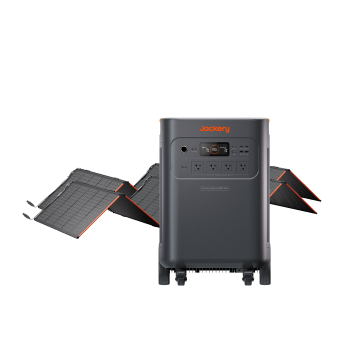
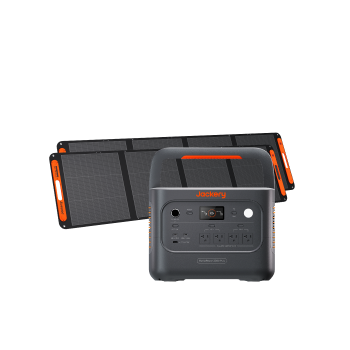
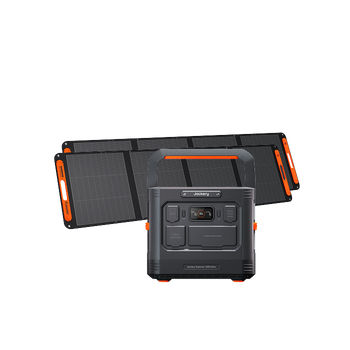
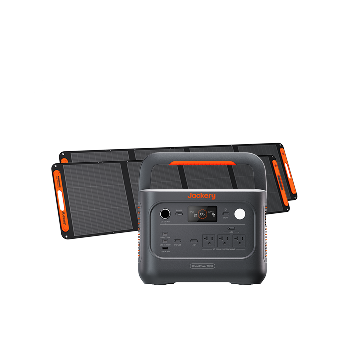
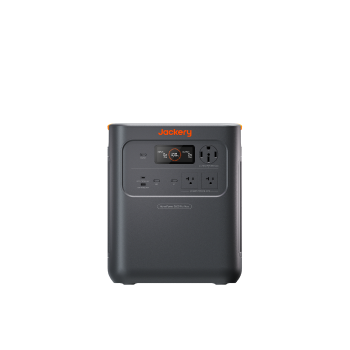
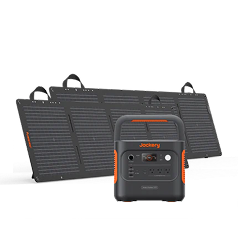
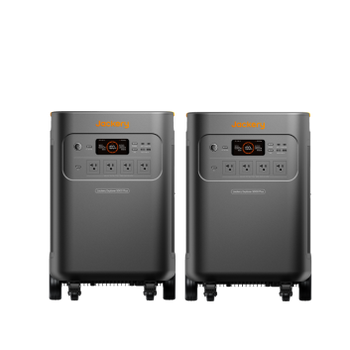
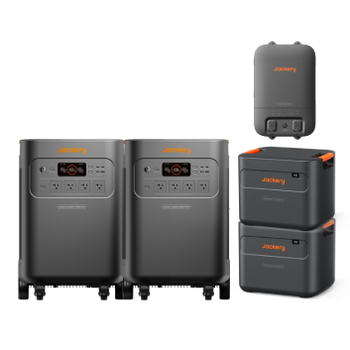
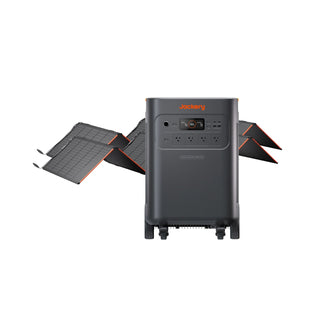
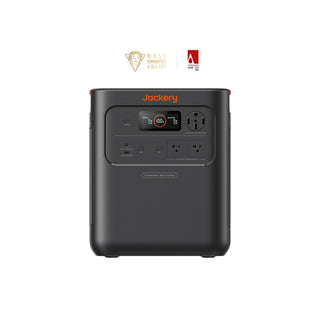
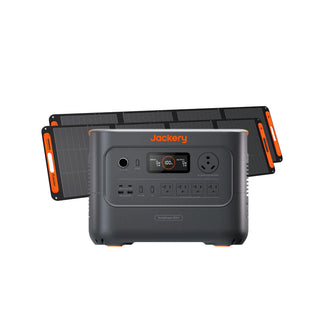
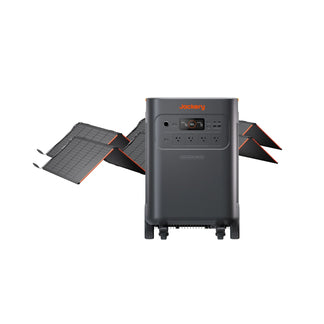
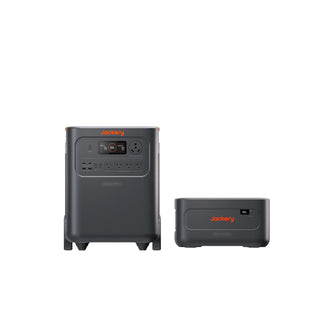
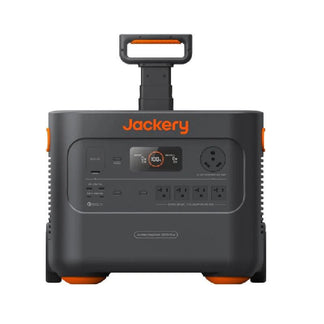
Jackery Explorer 5000 Plus + SolarSaga 500X ×2
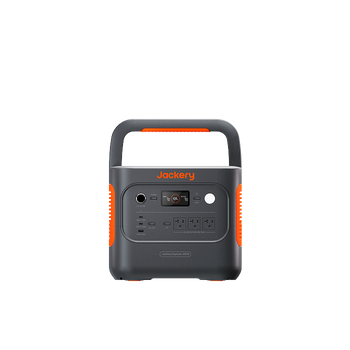
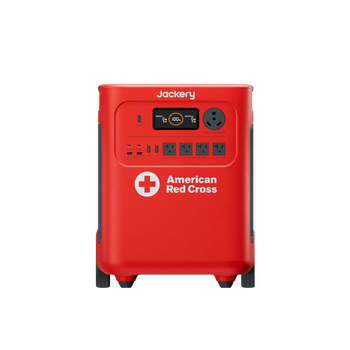
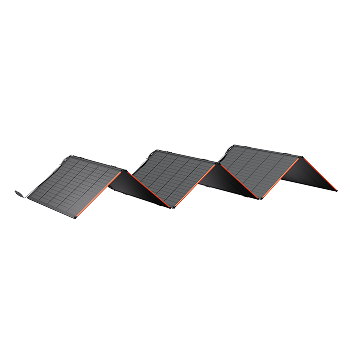
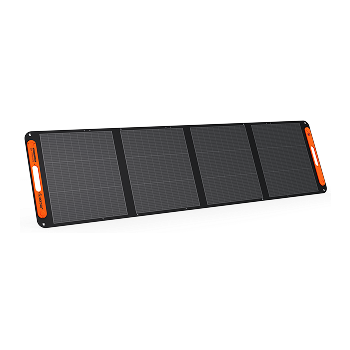
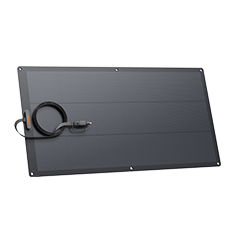
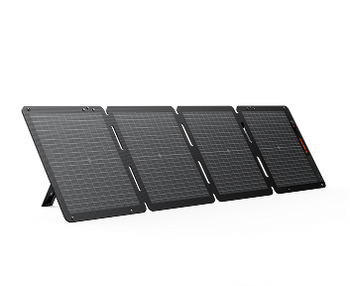
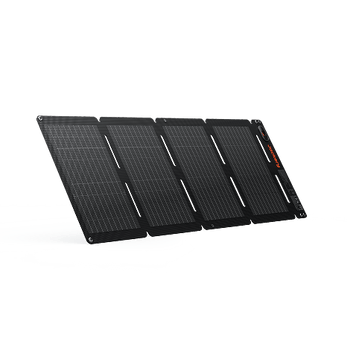
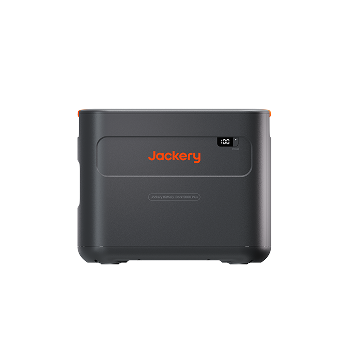
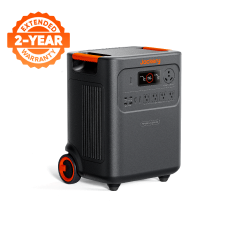
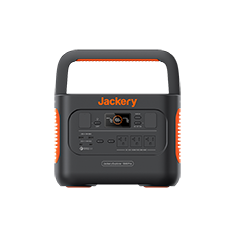
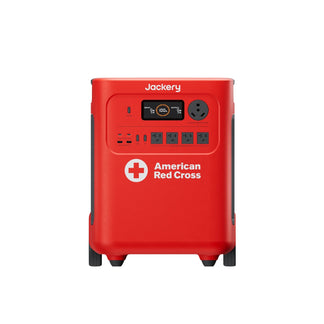
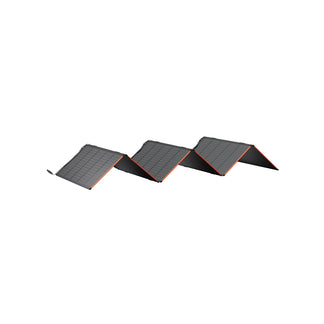
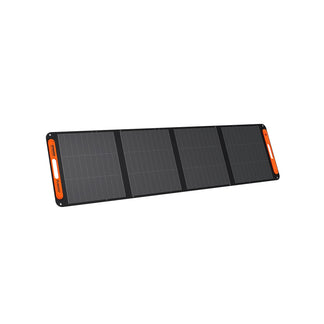
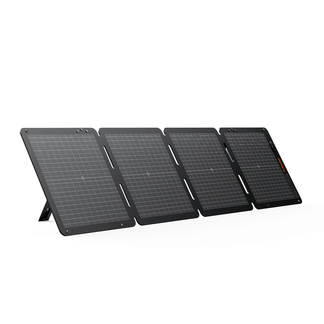
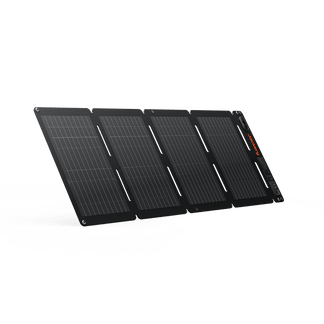
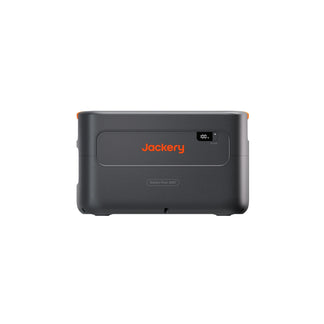
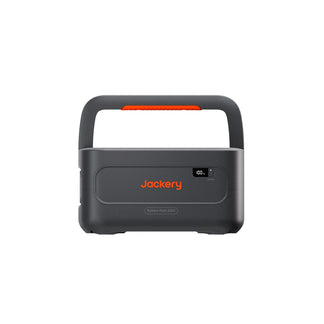
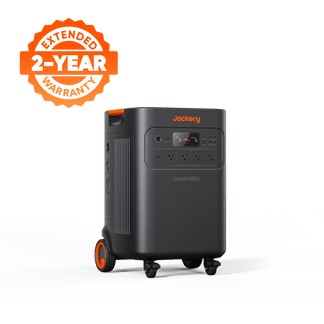
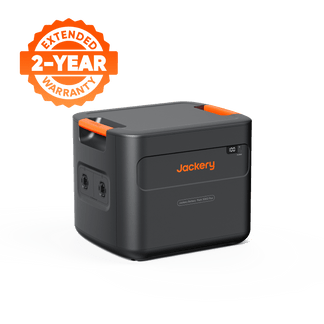
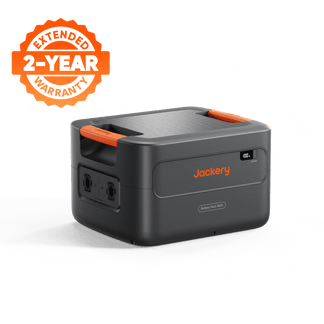
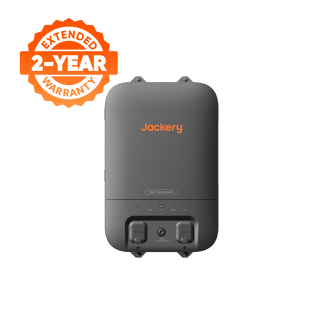
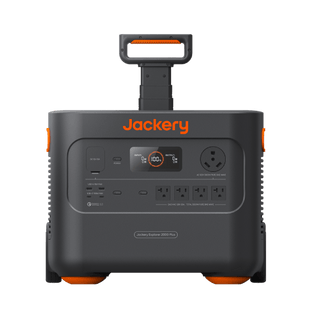
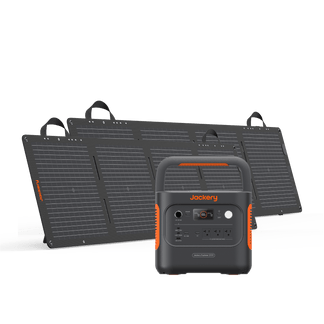
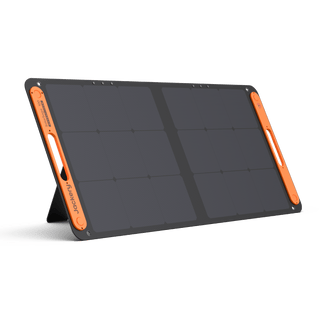
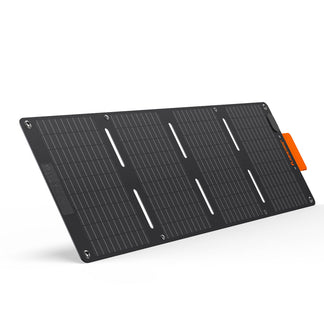
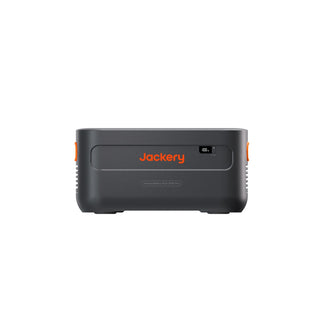
For California households that can't afford to lose power during an extended heat wave, the Jackery Solar Generator 5000 Plus paired with two Jackery SolarSaga 500X Solar Panels is the most comprehensive backup solution in the lineup. It starts with 5kWh of capacity but can scale all the way up to 60kWh, meaning it can keep a home running for days when the grid goes down. It handles both 120V everyday appliances and 240V heavy-duty equipment like air conditioners and water heaters without breaking a sweat, and the 0ms UPS switchover means your refrigerator, and WiFi stay on the moment power cuts out without interruption. The two solar panels give it fast solar recharging, so you're not dependent on the grid to refuel.
Appliances Running Time
- Refrigerator (300W) = 12.2H
- AC (1000W) = 4.1H
- Portable Fan (50W) = 42.8H
- TV (150W) = 21.4H
- Air Cooler (150W) = 21.4H
Who Should Buy This
If you own a mid-to-large California home and want an essential home battery backup system that can handle a multi-day outage without noise, fumes, or fuel runs, the Jackery Explorer 5000 Plus and SolarSaga 500X ×2 is the setup built for you.

Customer Review
I live in the mountains in a forest-urban ecotone. We have been having many power outages due to heavy snows, fires, failing infrastructure, high winds, etc. I needed a simple solution to power a small number of electrical devices during an outage, including my well pump. The 5000 plus fit the bill well. Easy to set up, easy to use, portable, with lots of reserve power. Well done!
— Anonymous.
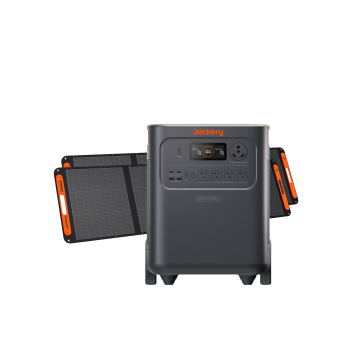
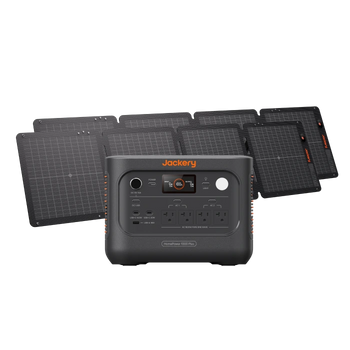
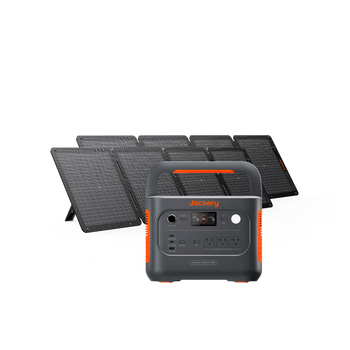
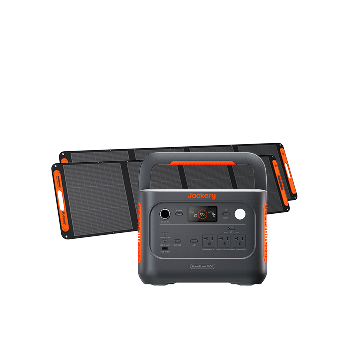
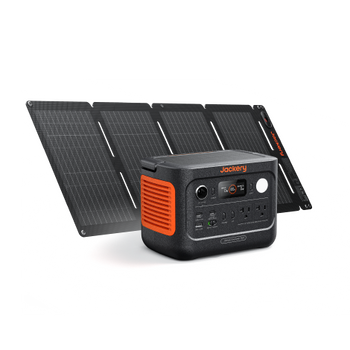
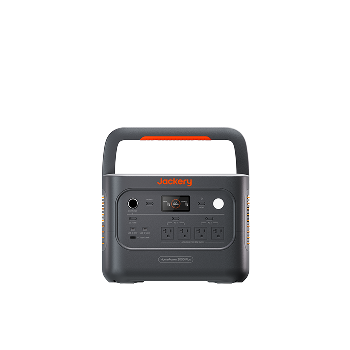
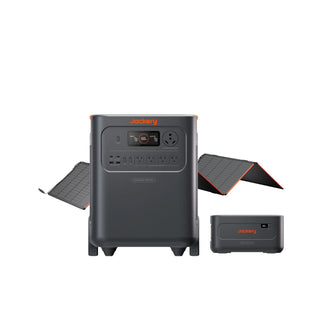
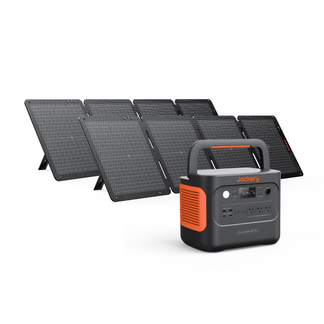
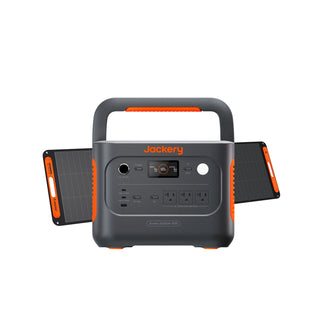
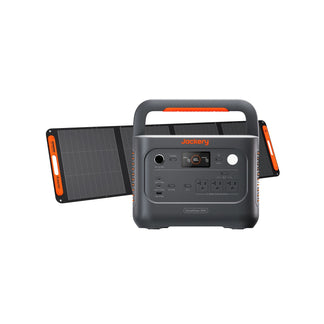
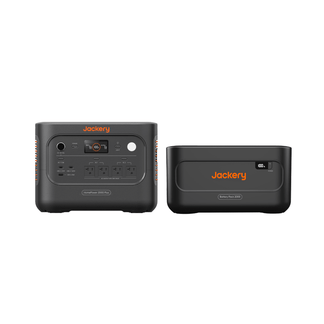
Jackery HomePower 3600 Plus + SolarSaga 500X * 1
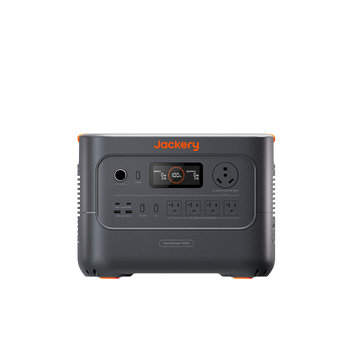
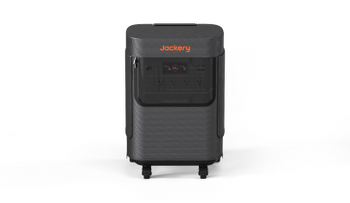
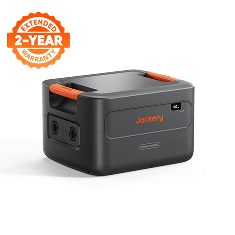
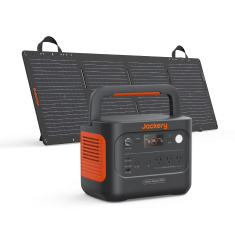
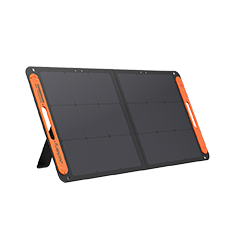
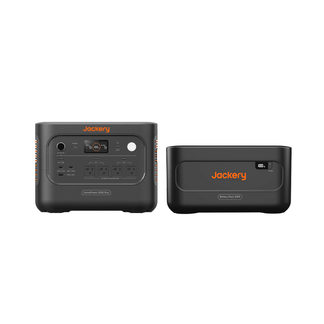
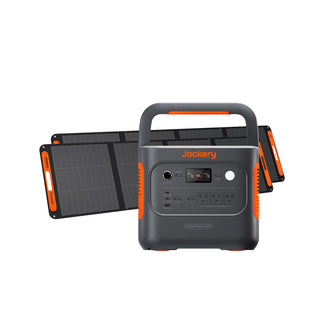
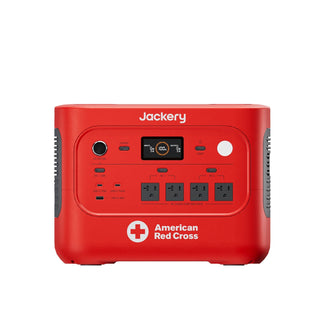
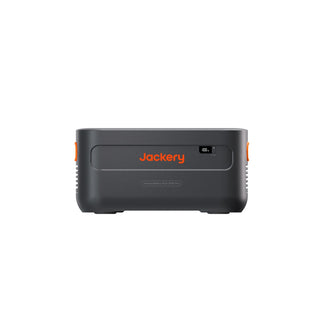
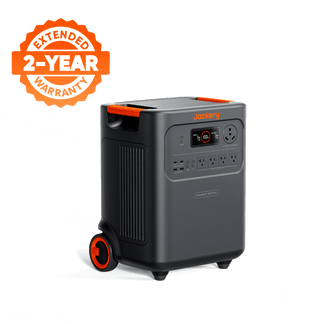
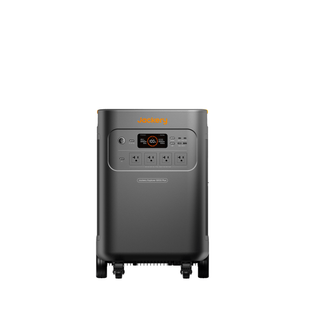
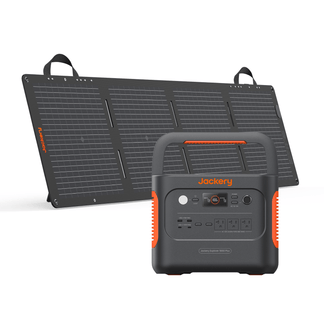
The Jackery Solar Generator HomePower 3600 Plus is ideal for California homeowners who want serious backup power without the complexity of an essential home installation. It offers enough power and output to run a refrigerator, microwave, fans, lights, and a home office simultaneously, and recharges in a few hours through the high-efficiency Jackery SolarSaga 500X Solar Panel. The less-than-10ms UPS protection kicks in automatically the moment the grid goes down, keeping your home devices, security cameras, and home office running without you having to do anything. It's expandable up to 21kWh as your needs grow, operates at library-quiet noise levels, and rolls into place with a luggage-style handle without the need for installation.
Appliances Running Time
- Refrigerator (300W) = 9.5H
- AC (1000W) = 3.0H
- Portable Fan (50W) = 42.3H
- TV (150W) = 17.7H
- Air Cooler (150W) = 17.7H
Who Should Buy This
If you are a California homeowner looking for a reliable, affordable middle ground between a basic power bank and a full whole-home system, one that covers your most important circuits and recharges itself from the sun, this Jackery HomePower 3600 Plus and SolarSaga 500X * 1 gives you exactly that.

Customer Review
I installed a 6-circuit manual transfer switch for the main things I need to run during a power outage, plugged in the 3600, and ran it for five hours and still had 50 % charge left. That is awesome!
— Arthur W.
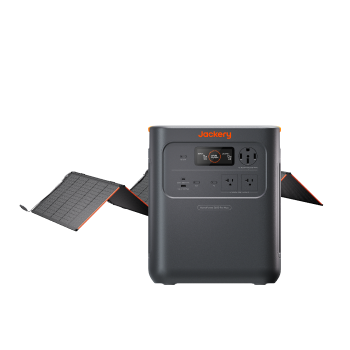
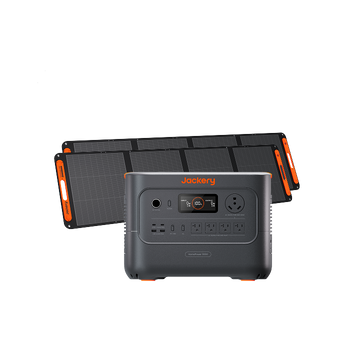
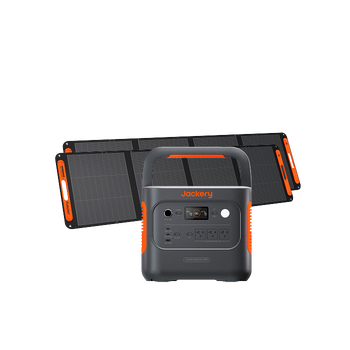
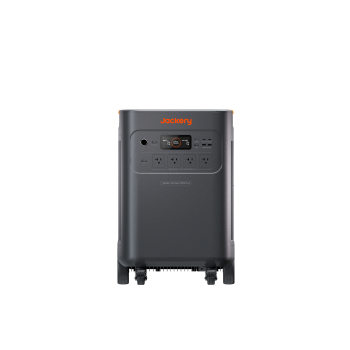
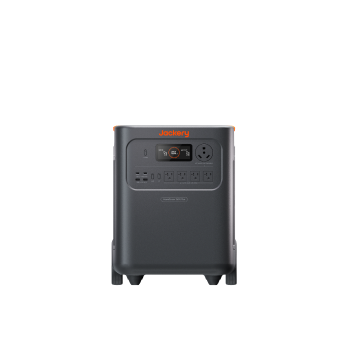
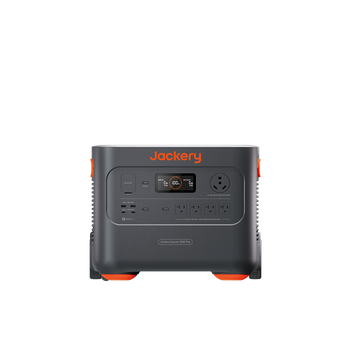
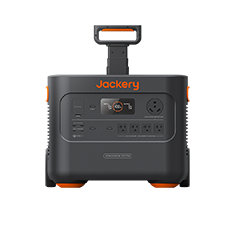
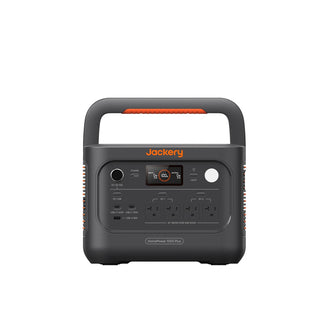
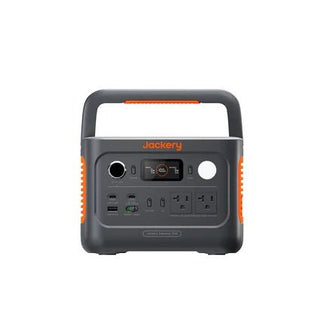
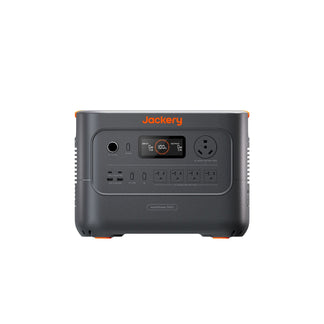
Jackery HomePower 3600 Plus
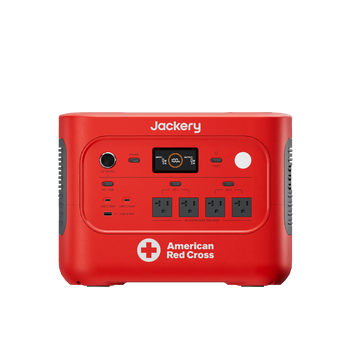
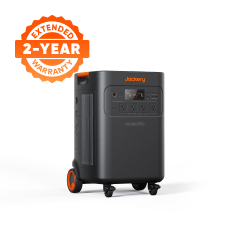
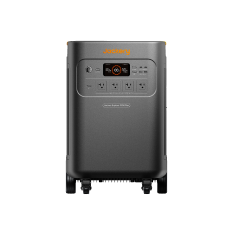
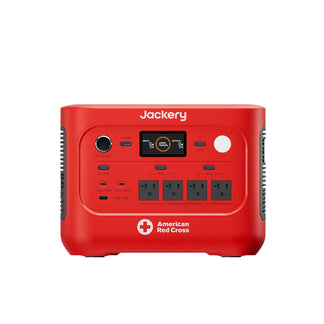
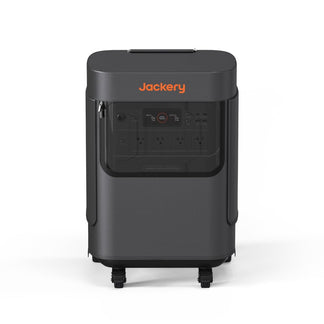
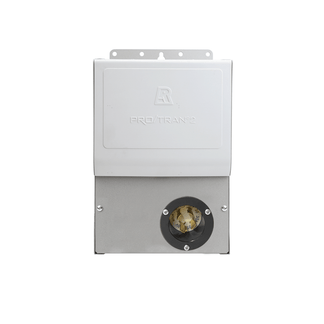
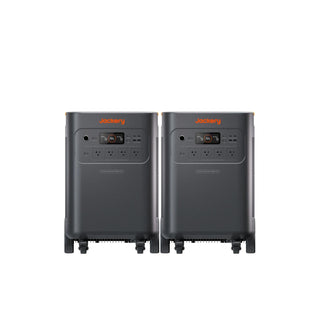
The Jackery HomePower 3600 Plus is an essential home backup solution ideal for California families who want dependable backup power ready to go at a moment's notice. It can keep a refrigerator, WiFi router, fans, lights, and essential devices running through a heatwave outage without requiring any setup beyond plugging it in. When paired with the Manual Transfer Switch, it can power up to six key circuits across your kitchen, living room, and home office, giving you targeted coverage of the rooms that matter most. The luggage-style rollable design means you can move this portable power station wherever it's needed most inside the house.
Appliances Running Time
- Refrigerator (300W) = 9.5H
- AC (1000W) = 3.0H
- Portable Fan (50W) = 42.3H
- TV (150W) = 17.7H
- Air Cooler (150W) = 17.7H
Who Should Buy This
If you want a plug-and-play home backup solution that works right out of the box and gives your family reliable coverage through California's peak heat season, the Jackery HomePower 3600 Plus is the most practical starting point.

Customer Review
I enjoy using my solar generator. We had lost power for a few hours, and I was able to get lights and watch TV. So, I would recommend this product to anyone looking to invest in solar generators.
— Rhonda F.
California Heat Wave FAQs
What size of solar generator do I need for an emergency?
The size of the solar generator you need for an emergency power outage depends on the number of appliances you want to run and their power wattages. So, the first number you need to know is how much your total wattage requirement is.
For this, list all the appliances you want to run during the power outage and write the running wattage and starting wattage of each appliance next to it. Next, add all running wattage and the highest starting wattage to this sum. The final sum is your total wattage.
To check the running time of the Jackery Solar Generator, you can use the Running Time Calculator available on the Jackery Buying Guide page. Simply enter the total wattage consumption of the appliances, choose the Jackery model, and then click Enter to get an estimated runtime.
What is causing the heat dome?
Heat domes like the one causing the recent California heat wave temperatures are caused by many meteorological elements working together. Climate change, global warming, and the damaged ozone layer are essential factors.
Why is there excessive heat in California?
California’s geographical properties are the reason for California's heat wave temperatures. This state is located near the equator at a low latitude (location near the equator). Secondly, a large portion of the state has dry desert-like conditions.
What is the hottest temperature a human can survive?
A human can survive high temperatures between 104°F and 122°F (40°C and 50°C).
Final Thoughts
California's 2026 summer is shaping up to be one that demands preparation. NOAA's data is clear: above-normal temperatures are forecast across the state, El Niño is strengthening, and the heat pattern is expected to extend well beyond summer into fall and winter. For southern California, the added forecast of above-normal precipitation later in the season means the weather challenges don't end when the heat does. Whether you are managing a home through a multi-day heat wave, protecting your family during a grid outage, or simply planning ahead for a season of unpredictable conditions, having reliable backup power on hand is no longer optional. Jackery Solar Generators give California households the independence to stay powered, stay cool, and stay ahead of whatever this season brings.


![Heat Wave Power Outage Guide [Latest News 2026]](http://www.jackery.com/cdn/shop/files/heat-wave-power-outage-guide-latest-news-2026-6449647.jpg?v=1786014169&width=90)

![When Will The Heat Wave End [Latest News May 2026]](http://www.jackery.com/cdn/shop/files/when-will-the-heat-wave-end-latest-news-may-2026-2773831.jpg?v=1786014262&width=90)