

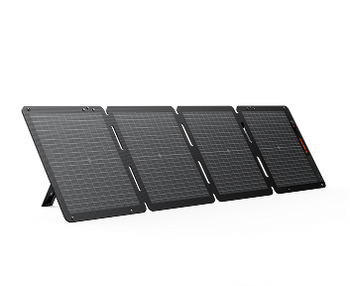






![[Add-on] Jackery SolarSaga 500 X - Jackery](http://www.jackery.com/cdn/shop/files/add-on-jackery-solarsaga-500-x-1493607.webp?v=1786503068&width=324)
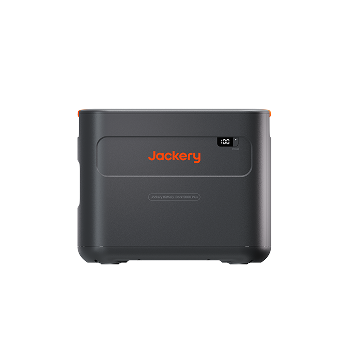
![[Add-on] Jackery Battery Pack 5000 Plus - Jackery](http://www.jackery.com/cdn/shop/files/add-on-jackery-battery-pack-5000-plus-6713401.webp?v=1786503068&width=324)




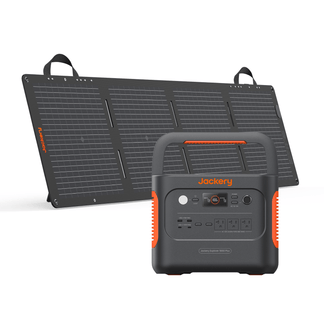
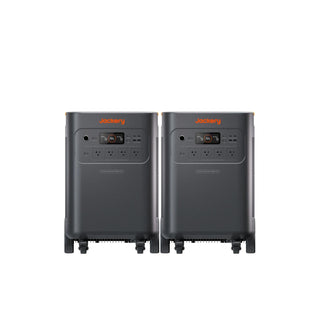
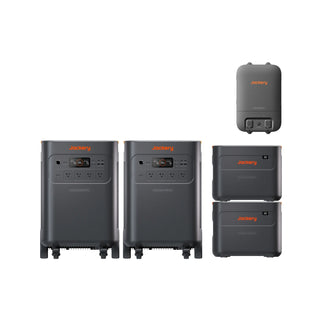
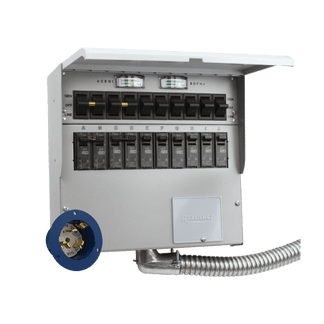


The charge-to-load ratio is a practical daily energy-balance screen:
usable daily solar energy delivered to the backup system ÷ daily energy used by selected outage loads
A result is only likely workable when that balance holds under realistic solar conditions, preserves the planned battery reserve, and passes a separate inverter power check. There is no universal numeric ratio that guarantees backup power for a multi-day outage. Start with the calculation, then test the longest realistic low-sun period before choosing equipment.
Calculate Your Charge-to-Load Ratio and Classify the Plan
Use the ratio to compare energy coming into the backup system with energy leaving it during the same outage scenario. Use delivered or usable energy in matching units, such as watt-hours per day, rather than comparing panel watts with battery nameplate capacity.
For example, if your selected outage loads use 4,000 watt-hours per day and your conservative estimate of usable solar delivered to the system is 4,400 watt-hours per day, the article-defined ratio is:

4,400 Wh/day ÷ 4,000 Wh/day = 1.1
That result is a planning signal, not a guarantee. It still needs weather, conversion losses, reserve, timing, and outage-duration checks. The DOE guidance on configured inverter and storage for outage operation also supports keeping system operation and daily energy balance as separate questions.
| Qualitative condition | Daily energy-balance meaning | Next decision |
|---|---|---|
| Workable | Expected usable solar generally covers the selected daily load under realistic assumptions, with reserve remaining after overnight or low-sun demand. | Stress-test consecutive low-sun days and verify inverter continuous and startup capability. |
| Borderline | The balance holds only with favorable production, conservation behavior, limited reserve, or favorable daytime load timing. | Treat the plan as unresolved until the less-favorable case still protects the intended reserve. |
| Undersized | Normal expected conditions create a continuing daily deficit, so stored energy trends downward across the outage. | Reduce the load, improve usable solar delivery, or address the diagnosed bottleneck before selecting equipment. |
A larger battery can delay depletion, but it does not make a continuing daily deficit disappear. Also, a favorable energy ratio does not prove that the inverter can serve the selected loads or handle startup demand. Energy endurance and instantaneous power capability require separate checks.
Build Comparable Daily Load and Solar Estimates
The ratio is meaningful only when both sides describe the same location, season, outage load, and operating assumptions. Build the load estimate first, then create a conservative usable-solar estimate for that same scenario.
Estimate the Daily Outage Load
Use an essential-load schedule instead of automatically using your normal utility consumption. A whole-home average can hide which devices actually run, when they run, and whether their startup demand exceeds the inverter's capability.
- List the intended outage devices. Include only loads you genuinely plan to operate, and separate essential loads from optional or comfort loads.
- Estimate daily energy for each device. Multiply its operating power by expected hours of use. For cycling or intermittent devices, use the expected duty pattern rather than assuming continuous operation.
- Create two behavior cases when useful. A normal-use case shows the expected routine; a conservation-use case shows what happens if you shorten run times or postpone flexible tasks.
- Record startup demand separately. Daily watt-hours measure energy, while startup or surge demand affects whether the inverter can start and run the device.
Sum the selected device estimates to produce daily outage-load energy. If the values are uncertain, label the result an assumption-based planning case rather than a promised household requirement. A solar-and-battery sizing calculation can serve as a related navigation resource, but it does not replace your outage-specific inputs.

Estimate Usable Daily Solar Energy
Do not use panel nameplate watts as though they were daily delivered energy. Start with a location- and system-based estimate. The PVWatts calculator provides an initial site-specific PV production estimate from specified system and location inputs, but its output is not a backup-duration guarantee.
- Set the site and system assumptions. Use the planned location and solar configuration rather than a generic production value.
- Build realistic and less-favorable cases. Consider the outage season, cloud cover, shading, placement, and the consecutive low-sun conditions that matter for your preparedness plan.
- Convert production into usable delivered energy. Account for charging, conversion, and other system losses instead of treating estimated PV output as energy that reaches the battery or loads without reduction.
- Separate timing. Direct daytime solar use may reduce battery demand, while evening, overnight, and cloudy-period loads require usable stored energy.
The numerator should therefore be a conservative estimate of usable daily solar energy delivered to the backup system. Keep inverter output and startup capability outside this energy calculation.
Stress-Test the Ratio Across the Planned Outage
A first-day balance can look acceptable while a longer outage exposes a reserve problem. Test cumulative energy balance across the planned outage, especially when wall charging may be unavailable and weather-dependent solar is the main replenishment source.
Use Storage as a Buffer for Timing and Shortfalls
Storage shifts solar energy into periods when sunlight is unavailable. The DOE explanation of storage shifting solar energy beyond sunlight hours supports treating the battery as a timing buffer rather than as an independent source of endless energy.
Compare usable battery energy with the reserve you intend to protect and with expected overnight, cloudy-period, or early-outage demand. Then track the balance across each assumed day:
starting usable reserve + usable solar inflow − outage-load energy = ending balance
The next day starts with that ending balance. If the result remains below the planned reserve in the low-sun case, the system is not yet demonstrated to be sustainable for that scenario. Persistent negative daily balances progressively deplete stored energy; adding storage alone only extends the time before that occurs.
Run the Low-Sun and Load-Timing Checks
Run these checks before treating the ratio as suitable for a longer outage:
- Narrow the load scope. Compare essential-load backup with any broader or whole-home scenario instead of combining them.
- Use the relevant weather case. Recalculate for the outage season and consecutive cloudy conditions that could materially reduce solar delivery.
- Compare timing, not just totals. Check whether daytime solar serves flexible loads directly or whether most consumption occurs after sunset and must come from the battery.
- Test reserve day by day. Confirm that the cumulative balance stays above the planned reserve throughout the assumed outage period.
- Check inverter power separately. Confirm continuous output and startup capability for the selected loads; a favorable daily ratio cannot correct inadequate instantaneous power.
This is why a ratio that appears adequate for a short, sunny interruption may be borderline for a longer low-sun event. The result depends on cumulative balance, not on the first day's runtime alone.
Choose the First Adjustment When the Ratio Is Too Low
Change the limiting factor first, then recalculate both the daily ratio and cumulative outage balance. Do not add battery capacity automatically: the right adjustment depends on whether the problem is consumption, solar delivery, timing, reserve, or inverter power.
- If daily load is too high, reduce it. Remove optional devices, shorten flexible run times, or use the conservation-use scenario. This lowers the denominator directly.
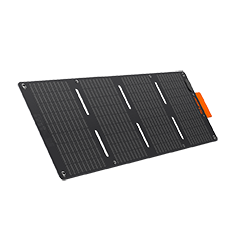
- If usable solar delivery is too low, improve the input. Revisit placement, shading, seasonal assumptions, and the amount of solar input, then rebuild the conservative production case.
- If total daily energy is adequate but timing is poor, shift flexible use. Run suitable daytime tasks when solar is available so less energy must pass through the battery overnight.
- If reserve is too thin for overnight or cloudy periods, evaluate storage. Additional usable storage addresses timing and temporary shortfalls, but not a continuing daily solar deficit.
- If the inverter is the bottleneck, resolve power capability separately. Recheck continuous and startup requirements rather than relying on watt-hours or battery capacity.
After each proposed change, rerun the ratio and the day-by-day balance. If you cannot identify whether load, solar input, reserve, or inverter power is limiting, do not select equipment yet. First document the missing input.
The most useful next action is to list the essential devices, estimate their daily energy, estimate conservative usable solar for the outage season, calculate the charge-to-load ratio, and test the longest realistic low-sun period. Once that case is workable and the inverter check passes, compare relevant home backup options against those measured requirements rather than shopping from nameplate capacity alone.
Frequently Asked Questions
How Do I Estimate My Daily Electricity Load for a Multi-Day Outage?
List only the devices you intend to run, estimate each device's watt-hours from power and operating time, and add the results for the selected scenario. Keep startup demand as a separate inverter check, and build a conservation case if operating behavior may change.
How Should I Estimate Daily Solar Production During an Outage?
Use a location- and system-based tool such as the PVWatts calculator for an initial production input. Then create realistic and less-favorable cases for season, shading, placement, cloudy weather, and delivery losses. Treat the result as an estimate for the ratio, not as a runtime promise.
What Should I Change If My Solar Backup Charge-to-Load Ratio Is Too Low?
Identify the bottleneck first. Reduce or shift loads when consumption or timing is the issue, improve usable solar input when replenishment is persistently low, add storage when reserve or timing is limiting, and address inverter power separately. Recalculate cumulative balance after the change.
Can a Larger Battery Make Up for a Low Charge-to-Load Ratio?
It can cover an overnight, cloudy-period, or early-outage gap, but it cannot indefinitely offset a continuing daily solar deficit. Compare the revised storage reserve with cumulative daily inflow and load before deciding that additional capacity solves the problem.


