
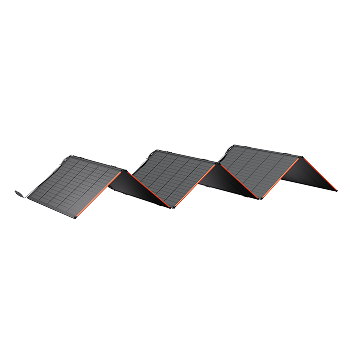
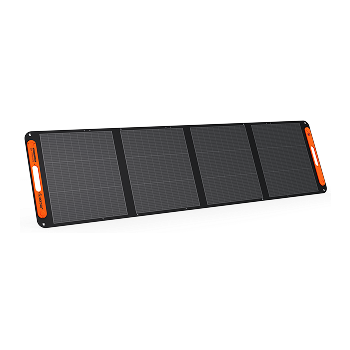





![[Add-on] Jackery SolarSaga 500 X - Jackery](http://www.jackery.com/cdn/shop/files/add-on-jackery-solarsaga-500-x-1493607.webp?v=1786503068&width=324)
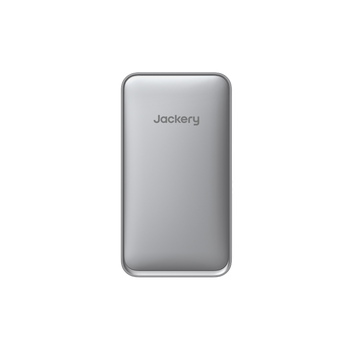
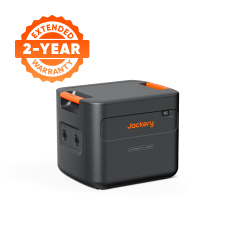
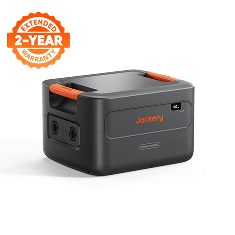
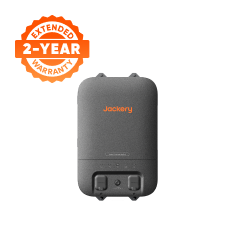
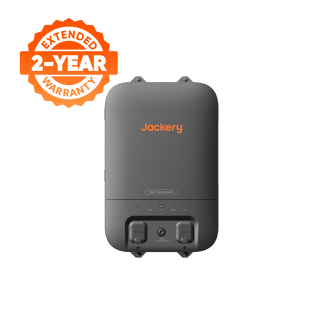
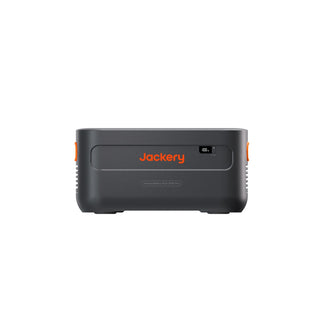
![[Add-on] Jackery Battery Pack 5000 Plus - Jackery](http://www.jackery.com/cdn/shop/files/add-on-jackery-battery-pack-5000-plus-6713401.webp?v=1786503068&width=324)





Quick Answer:
Yes, solar panels work on cloudy days. They produce 10–60% of their rated output using diffuse light. A 400 W panel might deliver 40–240 W under cloud cover — enough to trickle-charge a battery or run small loads. The real question isn’t “do they work,” but how well your system is sized and paired with storage to ride out multi-day overcast stretches.
Key Takeaways
- A panel rated at 400 W typically produces 40–240 W on a cloudy day, depending on cloud density.
- Oversizing your array by 20–50% above daily usage is the single most effective strategy for cloudy climates.
- A LiFePO4 battery with 10–13 kWh usable capacity can cover 1–2 days of essential loads when the sun disappears.
- MPPT charge controllers extract up to 30% more energy in low light compared to cheaper PWM controllers.
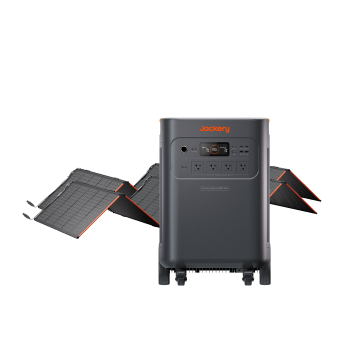
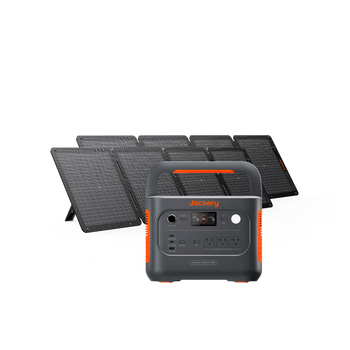
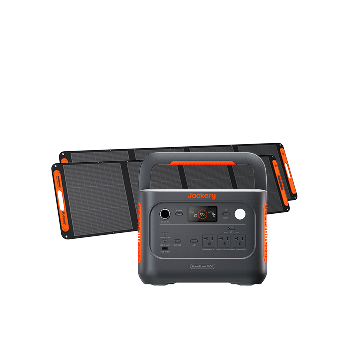
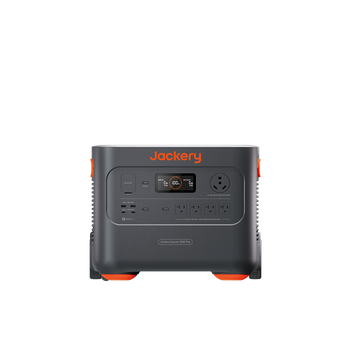
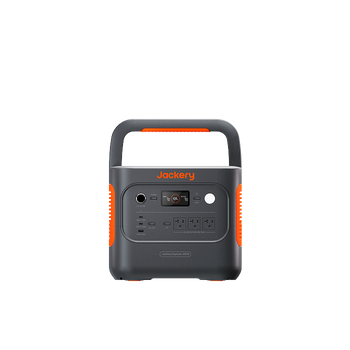
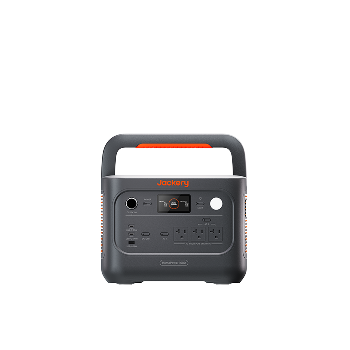
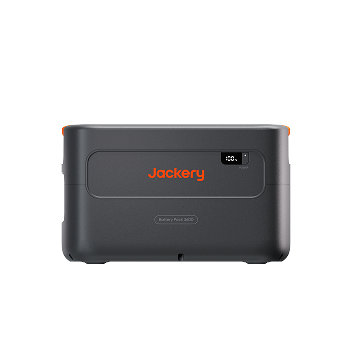
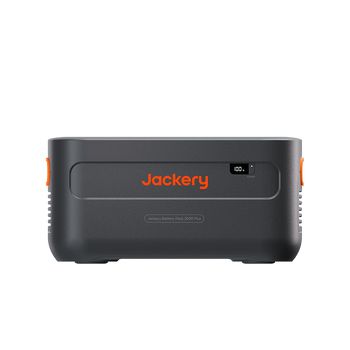
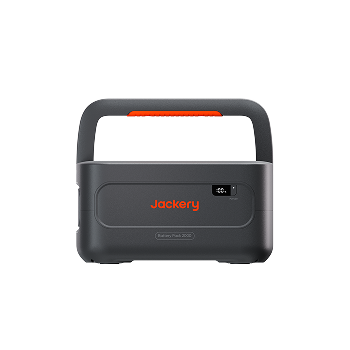
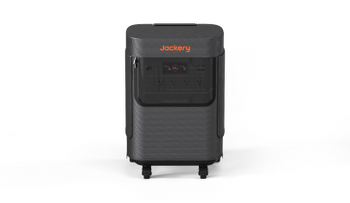
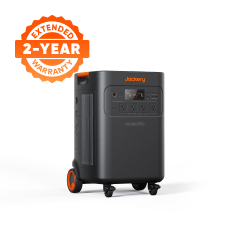
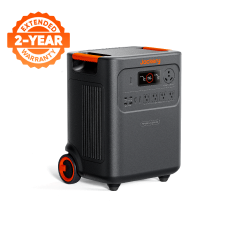
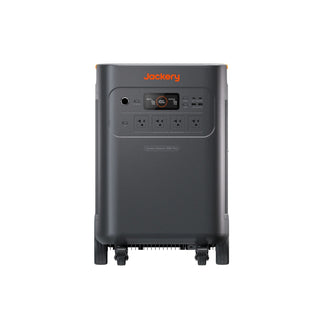
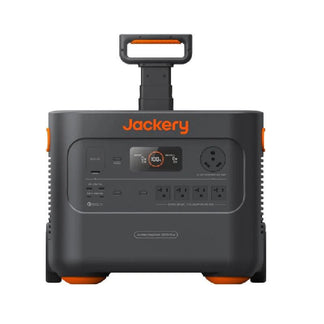
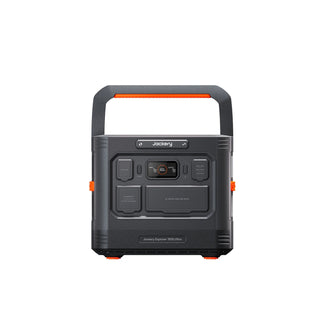
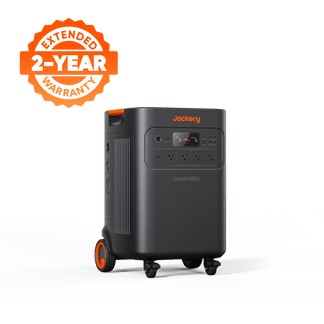
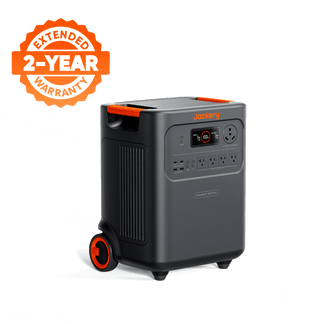
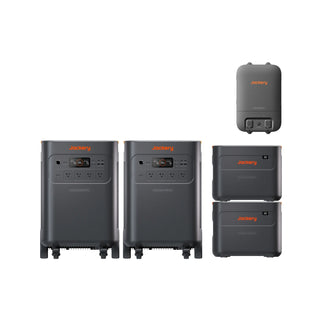
- Portable power stations like the Jackery Solar Generator 5000 Plus offer flexible, install-free backup for renters and partial-home setups.
The Cloudy Day Reality Check
Solar panels don’t stop on cloudy days — they simply throttle down, typically producing 10–60% of their rated output. The “zero output” myth causes unnecessary anxiety. On a bright overcast day, a 400 W panel might still push 120–200 W. That’s enough to charge a phone, run a fan, or keep a fridge compressor cycling.
Extreme variability confuses beginners. Measured irradiance can swing from 4% to 70% of standard test conditions within minutes. Without real-world data, planning for cloudy days feels like guesswork.
The “cloud lensing” paradox surprises users when partly cloudy skies briefly spike output above clear-sky levels. Sunlight refracting through cloud edges can deliver 1,200–1,400 W/m² — 20–40% above the standard 1,000 W/m² rating. These surges are short but valuable for charging batteries quickly.
Rain vs. heavy overcast creates distinct outcomes:
- Light rain often maintains 30–50% output because clouds are thin.
- Dense storm clouds drop production to near zero.
- Cleaning effect: rain washes dust and pollen off panels, restoring peak efficiency once skies clear.
Battery storage is the essential bridge for overnight and multi-day overcast stretches. Without it, you’re stuck buying grid power during every cloudy spell. With a battery, you store surplus sunny-day energy and draw on it when clouds roll in.
How Cloud Cover Impacts Solar Panel Output
Cloud cover reduces solar irradiance from 1,000 W/m² to 100–500 W/m², cutting output to roughly 10–60% of rated wattage. At 300 W/m², a 400 W panel produces about 120 W.
Light overcast — a bright grey sky — delivers 300–500 W/m². Panels produce 30–50% of their nameplate capacity. That’s meaningful: a 400 W panel gives 120–200 W, enough to run a laptop, LED lights, and a small fridge intermittently.
Heavy overcast — dark grey — drops irradiance to 100–250 W/m². Output falls to 10–25%. A 400 W panel might generate only 40–100 W. Still, that’s not zero, and multiple panels add up.
Rain and storms reduce output to 5–20%. But the cleaning effect is real. A dusty panel can lose 15–25% efficiency; a good rain restores it. The net loss over a week with a storm and then sun is often smaller than it appears.
The edge-of-cloud effect causes brief output surges. When the sun peeks out behind cumulus clouds, irradiance can spike to 1,200–1,400 W/m². A 400 W panel might momentarily hit 480–560 W. These bursts are gold for battery charging — use an MPPT controller to capture them.
Cooler temperatures on cloudy days improve panel efficiency slightly. For every 1°C drop in cell temperature, efficiency rises about 0.3–0.5%. That partially offsets the light loss compared to a hot, sunny day.
Monocrystalline and polycrystalline panels handle diffuse light differently:
Panel Type |
Diffuse Light Performance |
Shade Tolerance |
Efficiency |
Monocrystalline |
Higher baseline efficiency (up to 23%), better in diffuse light |
More sensitive to partial shading; a single leaf can knock out a large portion of a string |
Up to 23% |
Polycrystalline |
Less efficient overall |
More shade-tolerant |
Lower |
The “20% Rule”: Sizing Your Solar Array for Cloudy Days
The 20% rule is simple: build a system that generates 20% more than your average daily consumption. It’s a buffer against cloudy-day shortfalls without oversizing to the point of waste.
Apply the rule by multiplying your average daily kWh by 1.2, then dividing by local peak sun hours. For example, a home using 30 kWh/day in a region with 4 peak sun hours needs:
(30 × 1.2) ÷ 4 = 9 kW of solar capacity. Without the buffer, you’d need only 7.5 kW — and you’d run short on overcast weeks.
Cloudy climates demand a larger buffer. In the Pacific Northwest, where winter sun hours can drop to 2–3, a 30–50% oversize is practical, especially if you plan to add an EV or heat pump later. Off-grid users routinely oversize by 50% or more.
Net metering, where available, lets you bank excess sunny-day production as credits and use them during cloudy periods. Without it, you can’t “store” energy on the grid; you need a battery to capture midday surplus for evening and cloudy use. Policies vary dramatically by utility, so check your local rules before sizing.
Example:
- Daily usage: 25 kWh
- Peak sun hours: 4.5
- Base array size: 25 ÷ 4.5 = 5.6 kW
- With 20% buffer: 5.6 × 1.2 = 6.7 kW
- For a cloudy climate (30% buffer): 5.6 × 1.3 = 7.3 kW
Oversizing the array by 30–50% relative to sunny-day calculations is the primary advice from experienced off-grid users in cloudy regions. Panels are cheap relative to batteries; adding extra capacity is often the most cost-effective way to improve cloudy-day performance.
Battery Storage: Your Cloudy Day Energy Insurance
Solar battery storage captures surplus midday power for use after sunset or during multi-day overcast stretches. Without it, cloudy days force you to buy grid power at retail rates.
LiFePO4 batteries dominate home storage. They deliver 3,000–5,000 cycles to 80% capacity and last 10–15 years. A typical home battery with 10–13 kWh usable capacity costs $9,000–$18,000 installed (2026 estimates).
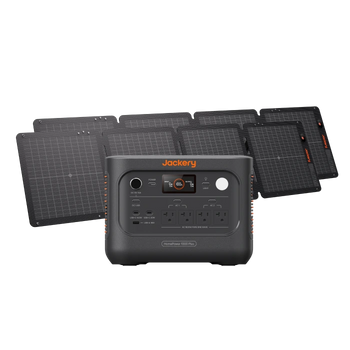
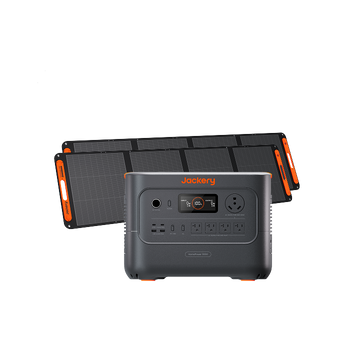
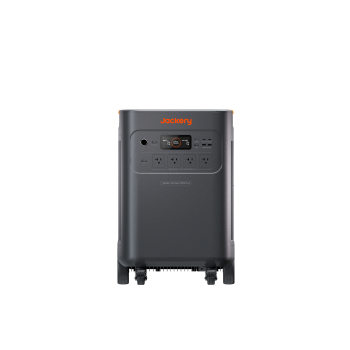
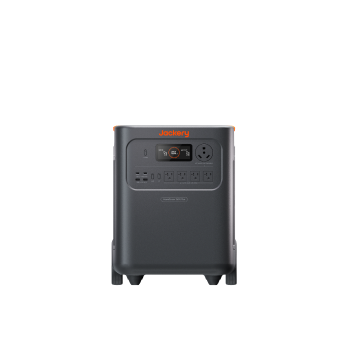
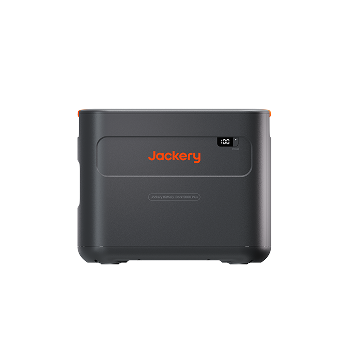
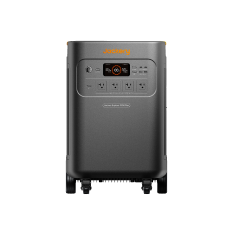
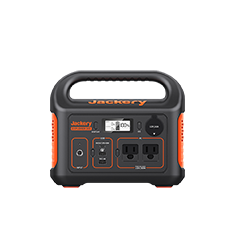
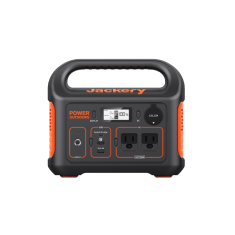
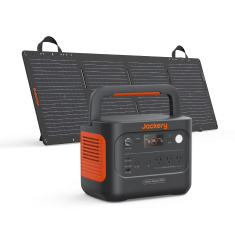
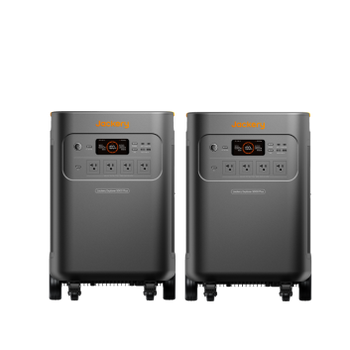
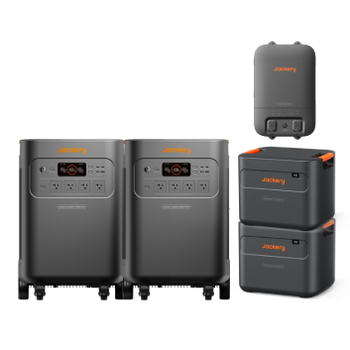
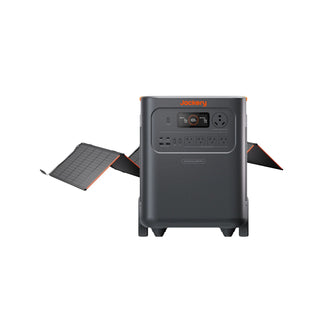
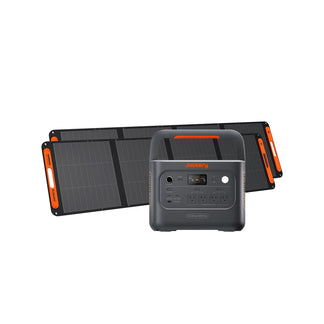
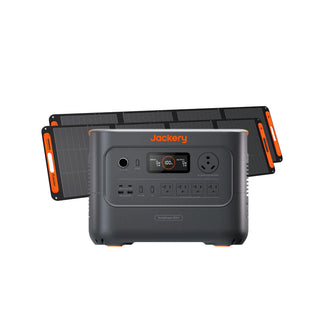
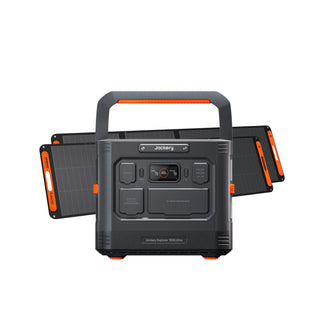
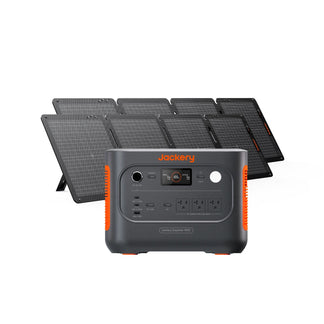
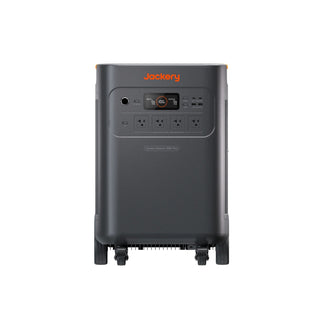
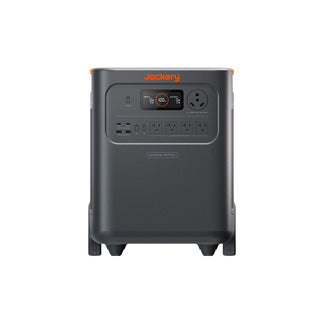
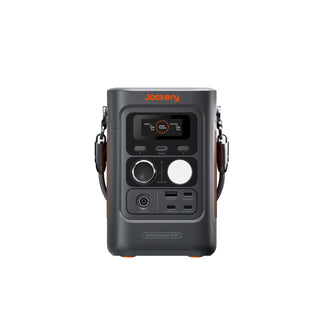
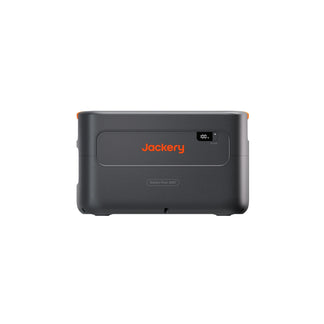
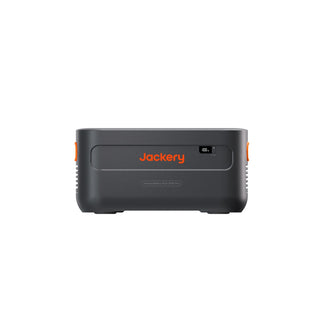
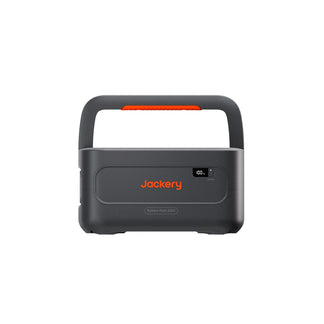
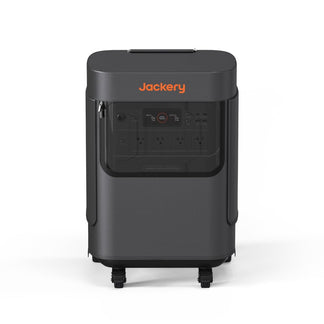
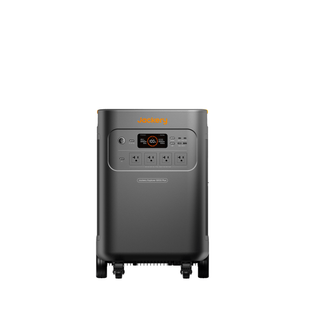
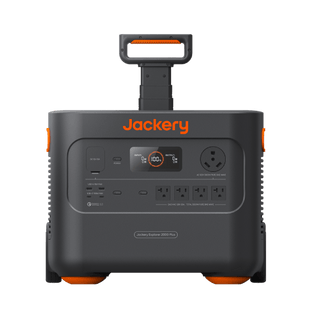
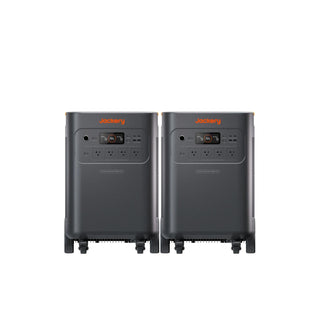
Portable power stations offer flexible backup without permanent installation. They’re ideal for renters or partial-home backup — you plug in essential loads directly. For example, a solar generator like the Jackery Solar Generator 5000 Plus provides 5 kWh of storage and can be recharged from solar panels or a wall outlet.
Batteries are a resilience tool, not a weather fix. In a grid-tied home, the grid covers the deficit, but batteries keep critical loads running during outages. For off-grid users, batteries are essential — they store the limited energy generated on cloudy days to power appliances through the night.
Follow the 20% rule for storage too. Add 20% capacity to account for inverter losses and cloudy-day margins. If your essential loads consume 10 kWh overnight, aim for at least 12 kWh of usable storage. For sizing guidance, see what size solar battery do I need.
Technologies That Boost Cloudy Day Performance
MPPT charge controllers extract up to 30% more power from low-light conditions compared to PWM controllers. They continuously track the panel’s shifting voltage-current sweet spot, capturing energy that a PWM controller would leave behind. On a cloudy day, that 30% difference can mean charging a battery vs. nothing.
Microinverters and DC optimizers isolate panel performance. Shade on one panel doesn’t drag down the whole string. On partly cloudy days, when one panel is shaded and another is in full sun, each operates at its own maximum. This is critical for maximizing total harvest.
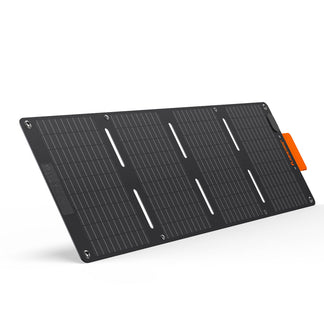
Bifacial panels capture reflected light from ground surfaces, adding 5–15% extra output on overcast days when diffuse light is abundant. Paired with a light-colored roof or ground cover, they squeeze more energy from grey skies.
Keep panels clean. Diffuse light scatters more off dirty surfaces than direct light. A dusty panel can lose 20% or more of its already-reduced output on a cloudy day. Cleaning twice a year — or quarterly in dusty areas — pays back quickly.
Adjust tilt angle for cloudy climates. A lower tilt (latitude minus 5–10°) captures more light from the entire sky dome rather than just the sun’s position. For portable panels, point them straight up at the brightest part of the sky on cloudy days, not toward the hidden sun.
Higher panel count compensates for reduced irradiance. If you need 5 kW under ideal sun, plan for 6–7 kW in a cloudy region. The panels themselves are relatively inexpensive; the extra capacity buys you energy security.
Common Cloudy Day Solar Myths Debunked
- Myth: Solar panels don’t work on cloudy days.
A photon is a photon, regardless of whether it comes straight from the sun or bounces off clouds.
- Myth: Solar is useless in rainy climates.
Fact: Germany, one of the cloudiest countries in Europe, has over 82 GW of installed solar and averages only 3 peak sun hours. It still generates significant annual energy.
- Myth: You need a south-facing roof.
Fact: East/west or even north-facing arrays capture diffuse light well in overcast regions. Total annual production may be 10–20% lower, but it’s far from useless.
- Myth: Cloudy day output isn’t worth it.
Fact: A 10% reduction on a cloudy day only cuts a small fraction of annual energy. Over a year, cumulative generation still pays off the system cost.
- Myth: Batteries are too expensive.
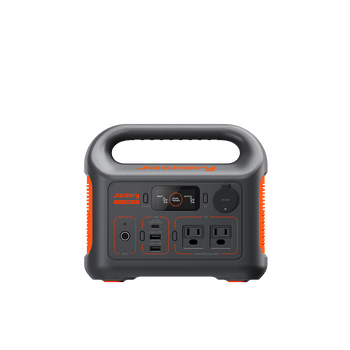
Fact: Portable power stations offer entry-level backup under $2,000, and storage costs have dropped 80% since 2010. A solar generator can keep a fridge and lights running during short outages without a full home battery installation.
- Myth: The efficiency rating changes on cloudy days.
Fact: The panel’s efficiency rating stays the same — it’s the available irradiance that drops. A 20% efficient panel is still 20% efficient; it just receives fewer watts per square meter.
Recommended Solutions for Cloudy Day Energy Resilience
The best cloudy-day backup depends on your living situation: a portable panel for repositioning, a mid-size power station for essential loads, or a large expandable system for whole-home resilience. Below is a decision-focused comparison of three Jackery solutions.
Your Situation |
Recommended Jackery Solution |
Key Specs |
Why It Fits |
Need maximum panel output; move to catch sun breaks |
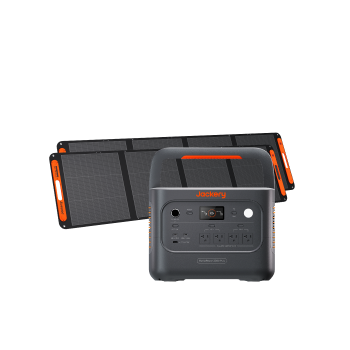
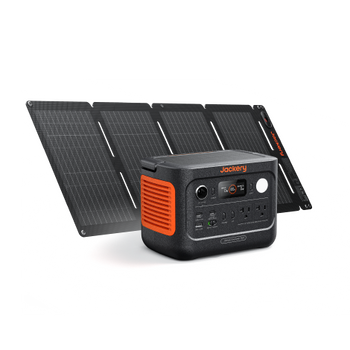
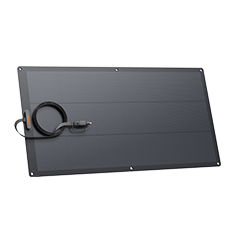
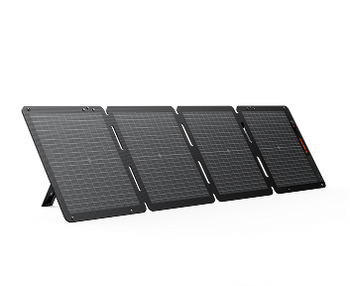
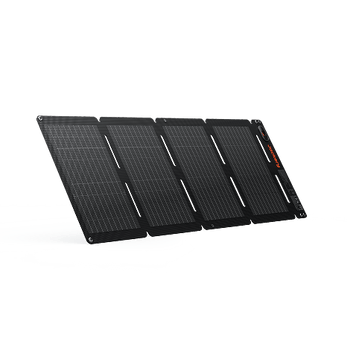
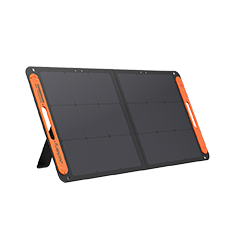
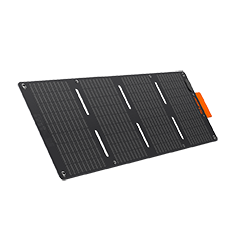
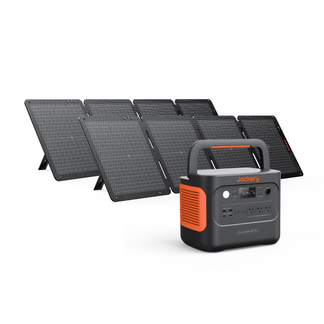
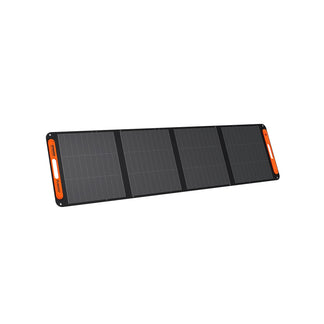
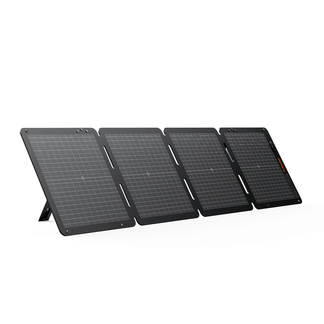
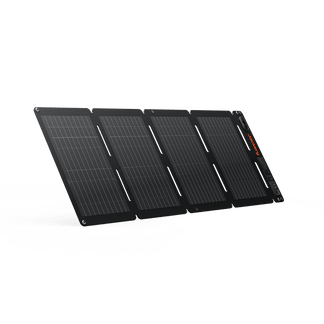
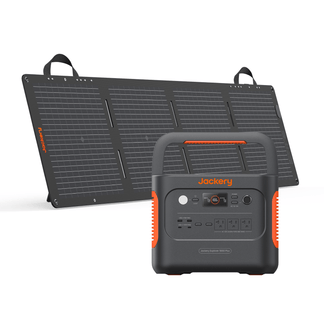
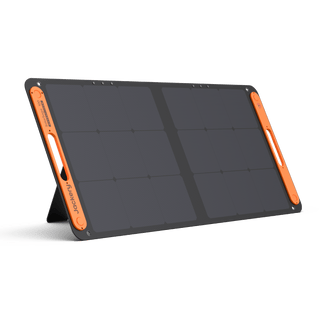
Jackery SolarSaga 500X Portable Solar Panel |
500 W peak, bifacial (25% efficiency), 22.05 lbs foldable |
Reposition to track edge-of-cloud surges; bifacial design (see Technologies section) boosts diffuse-light capture |
Renters or partial‑home backup; want large, install‑free storage |
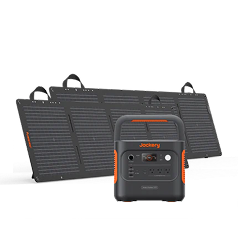
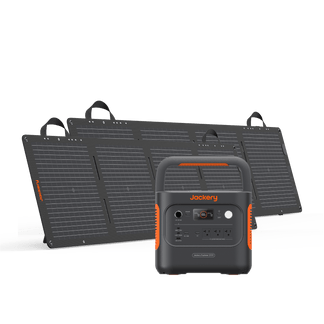
Jackery Solar Generator 5000 Plus + 2x SolarSaga 500X |
5,040 Wh LiFePO4, built‑in MPPT controller (see Technologies section), expandable solar input up to 4,000 W |
2–3 days of essentials during overcast spells; extra panels compensate for low‑light generation gaps |
Smaller backup for fridge, lights, and everyday outages; budget‑conscious |
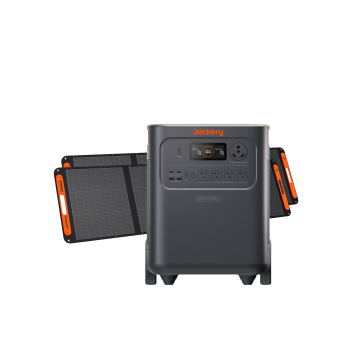
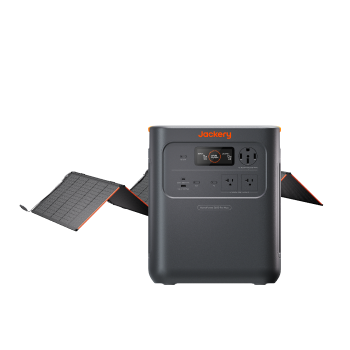
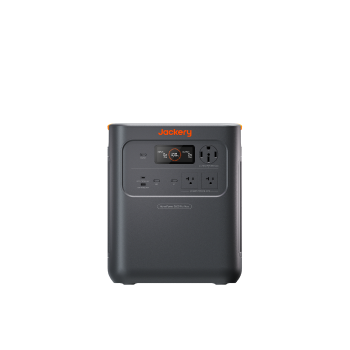
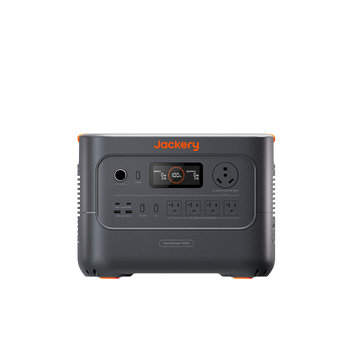
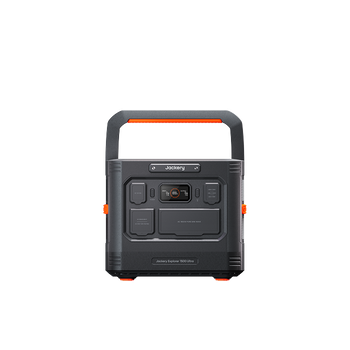
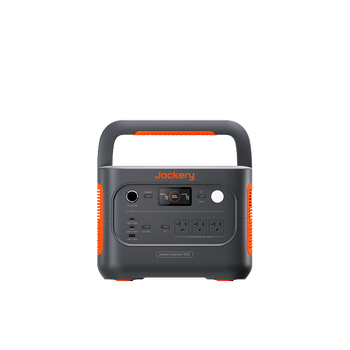
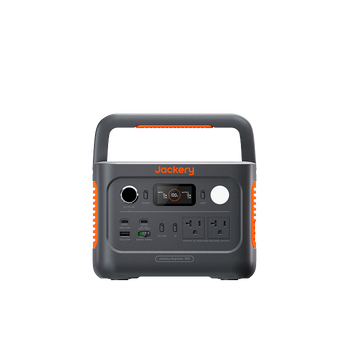
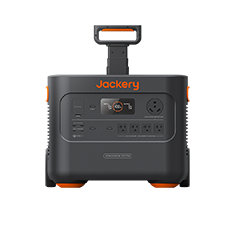
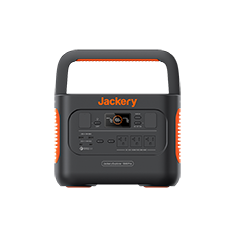
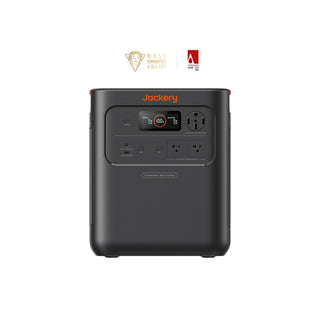
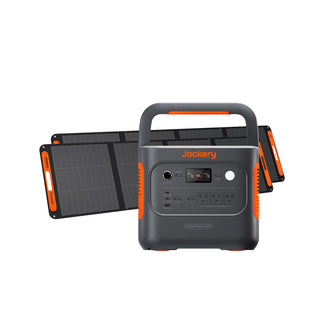
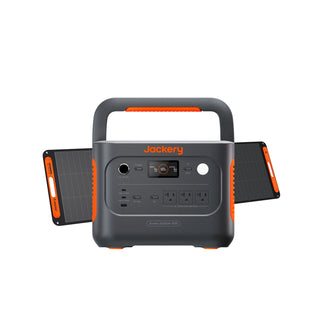
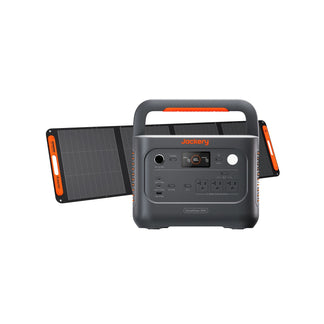
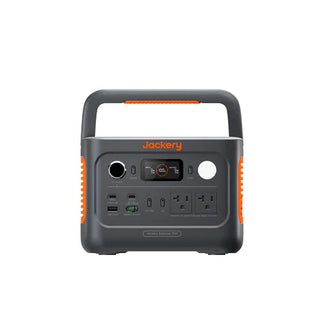
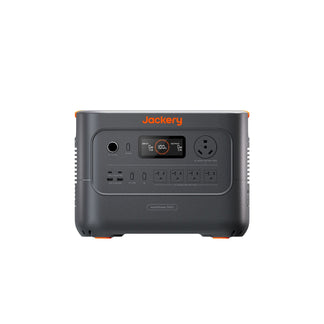
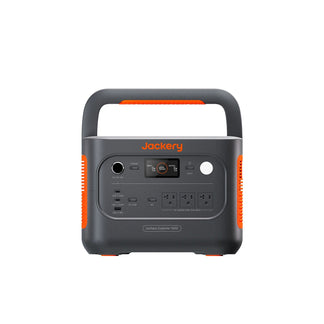
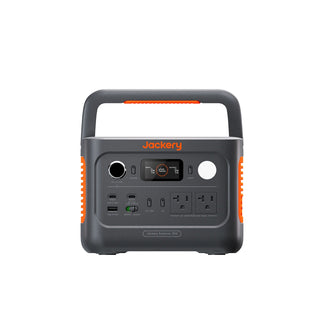
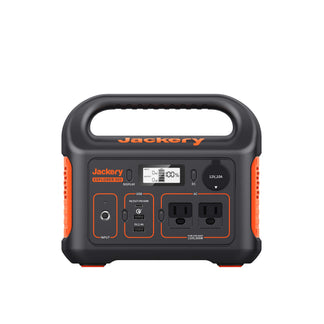
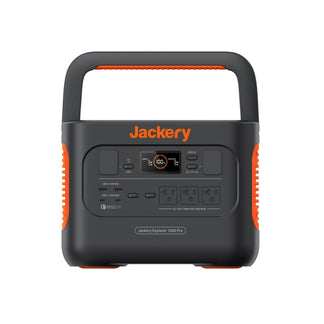
Jackery Explorer 2000 v2 Portable Power Station |
2,042 Wh LiFePO4, 10‑year lifespan, 400 W solar input |
Powers a refrigerator for 3.2 hours, lights for 155 hours; recharges even in partly cloudy conditions |
For a deeper look at how solar generators store energy, see solar energy storage: do solar panels store energy.
Frequently Asked Questions
How long do solar panels last in cloudy climates?
Most panels retain 80%+ of their rated output for 25–30 years, regardless of cloud cover. The degradation rate is driven by heat and UV exposure, not cloudiness.
Can I mix different wattage solar panels on one system?
Yes, but mismatched panels require microinverters or optimizers to prevent the lower-wattage panel from dragging down the entire string.
Will my electric bill go to zero with solar panels?
Only if your system generates more than you use and you have full net metering. In practice, most grid-tied homes still pay some delivery charges.
Do solar panels work during a power outage?
Grid-tied systems automatically shut off for safety. You need a battery backup or a hybrid inverter with islanding capability to keep power flowing during an outage.
How often should I clean my solar panels for best cloudy day performance?
Twice per year is sufficient in most climates. Dusty or pollen-heavy areas may need quarterly cleaning to maintain diffuse-light capture.


