








A new executive order aimed at securing the US power grid has raised two very reasonable questions for anyone paying an electricity bill: will this make the grid more or less reliable, and will it increase monthly electricity bills? The honest answer is that no authoritative source has confirmed either effect yet, but there is real, sourced context worth understanding about how equipment, grid reliability, and pricing actually connect. This guide walks through what is established and what remains unknown.
Key Takeaways
- Grid reliability depends on generation, transmission, and local distribution working together.
- On August 26, 2026, an executive order declared a national emergency over foreign-made bulk-power system equipment, citing security risks.
- There is no authoritative source that has confirmed the order will raise or lower household electricity bills.
- Equipment lead times and costs were already rising industry-wide before this order.
- The order excludes local distribution equipment, so it doesn't change what is installed in, or connected to, an individual home.
What is Grid Reliability, and Why Does It Matter to Households?
Grid reliability refers to the electric system's ability to consistently deliver electricity without interruption. It covers everything from power generation to high-voltage transmission to the local lines that reach a home. It matters to households because a grid reliability failure anywhere along that chain can eventually affect the electricity people depend on daily, even if the failure itself happens far from any individual house.
The organization responsible for developing and enforcing grid reliability standards across North America is the North American Electric Reliability Corporation (NERC), which operates under the oversight of the Federal Energy Regulatory Commission (FERC). Reliability is typically discussed in terms of generation adequacy (enough power being produced to meet demand), transmission capacity (the ability to move that power efficiently), and operational resilience (the system's ability to withstand and recover from disruptions).
How Do Generation, Transmission, and Substations Each Contribute to Reliability?
Generation has to produce enough electricity to meet demand at any given moment. Transmission has to move that power efficiently across long distances without excessive loss. Substations step voltage up for efficient long-distance travel and back down for safe local delivery. Reliability depends on all three working together. A weakness in any one area can ripple through the others, which is why reliability assessments look at the system holistically rather than at any single component in isolation.
What Happened With the 2026 Grid-Security Order?
On August 26, 2026, an executive order declared a national emergency concerning the foreign supply of equipment used in the US bulk power system, citing national security and reliability concerns, and gave the Department of Energy new authority over certain future and existing equipment. The order was published in the Federal Register on August 31, 2026, carrying the citation 91 FR 55995. It invokes the International Emergency Economic Powers Act and the National Emergencies Act.
How is this Different From the 2020 Executive Order on the Same Subject?
A similarly titled order from May 2020 (EO 13920) addressed related concerns but was suspended in 2021 and never substantively implemented. The 2026 order builds on that general subject while materially expanding it. It explicitly names batteries, inverters, and associated software, and attaches specific rulemaking deadlines the earlier order never reached. These are two distinct orders addressing the same general area.
What Does the Order Actually Say About Reliability and Security?
The order states that foreign-produced bulk power equipment may include features, such as remote-access capabilities, that pose risks to the security, integrity, and reliability of the bulk power system, and authorizes the Department of Energy to restrict or impose conditions on equipment found to meet specific risk criteria.
The order's stated concerns include sabotage, subversion, unauthorized access, and supply disruption. It does not itself declare that reliability has already been compromised but frames these as risks to guard against going forward.
Does the Order Automatically Require Removing Existing Equipment?
No. The Department of Energy may place conditions on already-installed foreign equipment, but the order directs DOE to weigh reliability, safety, and service-continuity considerations before requiring equipment to be isolated, disconnected, replaced, or removed, and compliance may be phased.
How Does the Bulk-Power System Relate to the Electricity That Reaches Homes?
The bulk-power system is the high-voltage transmission network (generally 69 kV and above) plus the generation needed to keep it reliable. Electricity moves through substations into the local distribution system before reaching a home. The order applies to the bulk-power layer only and explicitly excludes facilities used in local distribution of electric energy.
Layer | What it does | Covered by this order? |
Generation | Produces electricity at power plants | Yes, when tied to a Covered Foreign Entity |
Transmission (bulk-power system) | Moves electricity long distances at high voltage | Yes, when tied to a Covered Foreign Entity |
Substations | Step voltage up or down between layers | Yes, when tied to a Covered Foreign Entity |
Local distribution | Carries electricity the final stretch into homes | No; explicitly excluded |
Could the Order Affect Grid Reliability?
No, there is no authoritative source that has established that the order itself has changed grid reliability. What can be said is that any process involving identifying, replacing, or securing equipment interacts with existing supply-chain and equipment-availability conditions that independent energy analysts have already flagged as a factor in grid infrastructure projects generally.
What the order establishes | What is general industry context | What remains unknown |
DOE can restrict certain future transactions tied to Covered Foreign Entities, after making risk determinations | Transformer lead times and equipment costs have been rising industry-wide for reasons unrelated to this specific order | Whether this order will meaningfully add to, or have no effect on, existing supply-chain timelines |
DOE has ~120 days (to around Deceember 24, 2026) to publish implementing rules | Grid equipment lead times were already a known reliability concern before August 2026 | How DOE's specific rules will define "Covered Foreign Entity" and risk criteria in practice |
Existing equipment isn't automatically removed; DOE must weigh reliability and continuity | — | Whether any equipment transitions prompted by the order will be phased in a way that avoids reliability strain |
Could the Order Affect Electricity Prices or Costs?
No, there is no authoritative source that has stated that this order will raise or lower household electricity bills. Equipment-related costs, such as procurement or replacement at the utility level, are a different thing from a household's retail electricity rate, which is set through a separate, longer regulatory and market process.
According to the US Energy Information Administration (EIA), retail electricity prices reflect the cost to build, finance, maintain, and operate power plants and the grid, shaped by fuel costs, weather, demand, and utility regulation. These factors have nothing to do with any single executive order.
What's the Difference Between Equipment Costs and a Household Electricity Bill?
A household bill reflects generation, transmission, and distribution charges combined through a utility's approved rate structure. It is a process that unfolds through regulatory rate cases instead of an executive order directly.
Equipment procurement or replacement costs at the bulk-power level are one input among many, and no authoritative source has quantified any pass-through effect from this specific order into a household bill.
If utility costs do shift over time, that would move through the normal rate-setting process, which is a separate and much longer chain of events than "an order was signed."
Does the Order Mean Power Outages are More Likely?
No. The order is a forward-looking security and procurement measure and not a report or forecast of an outage event, and no authoritative source has stated that it increases the likelihood of household power outages.
The order does not reference or predict any current or upcoming outage anywhere in its text. Grid-security policy and an active reliability event are two different things, even though headlines sometimes blur them together.
How Can Households Prepare for Power Interruptions, Regardless of Policy Developments?
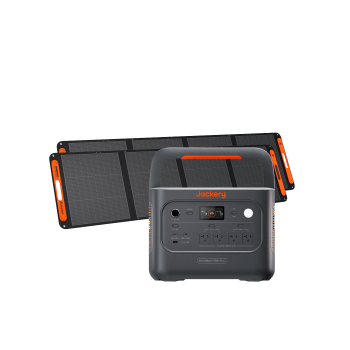
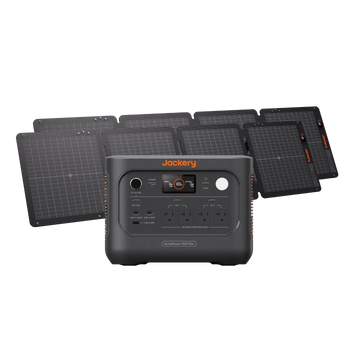
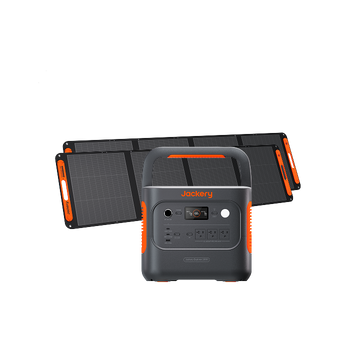
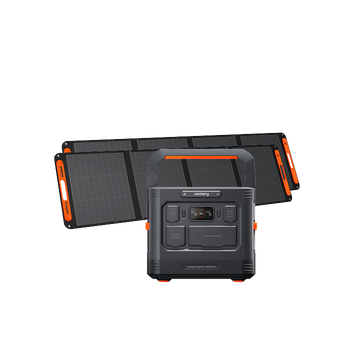
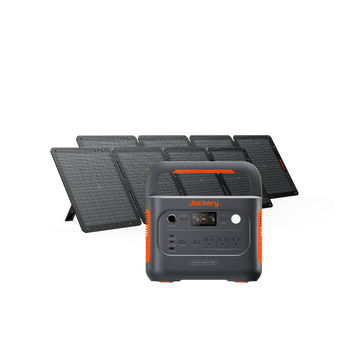
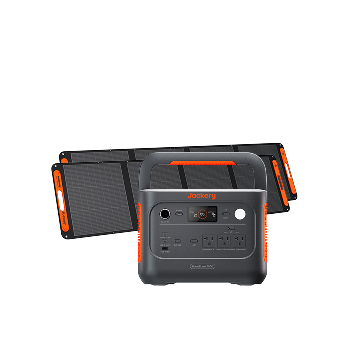
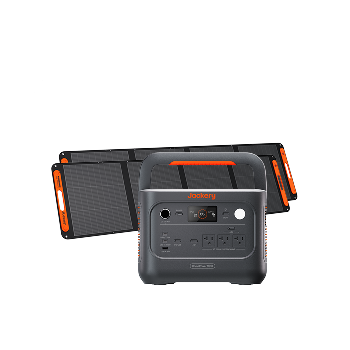
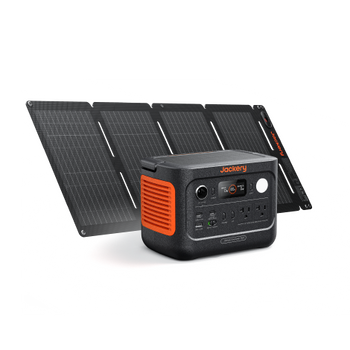
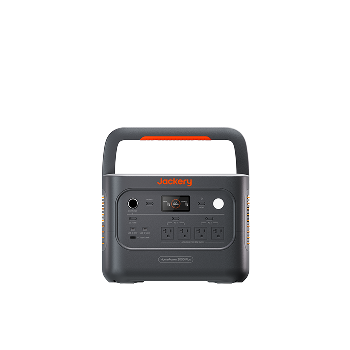
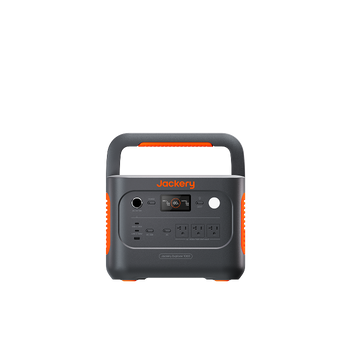
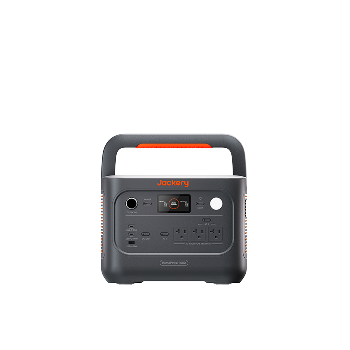
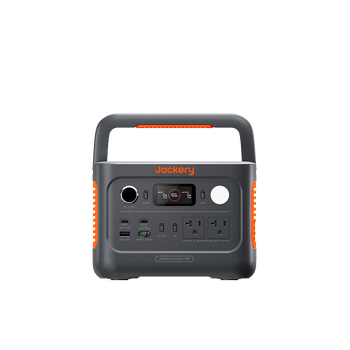
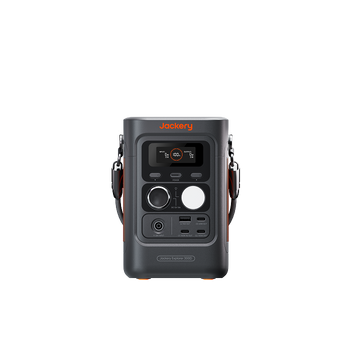
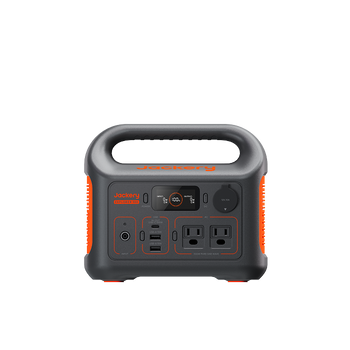
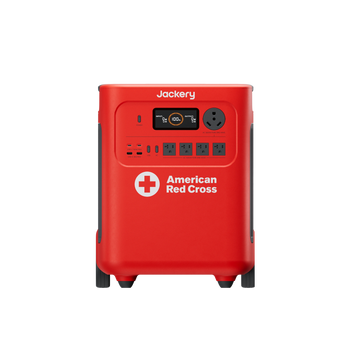
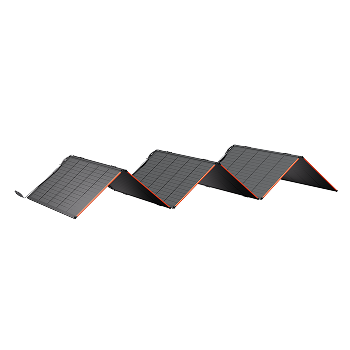
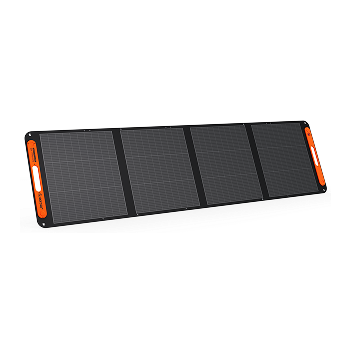
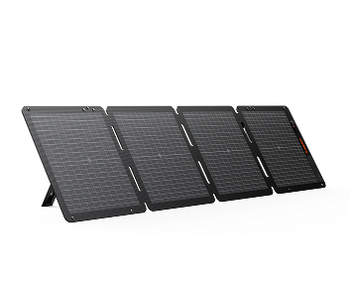
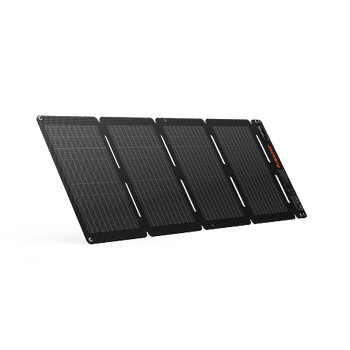
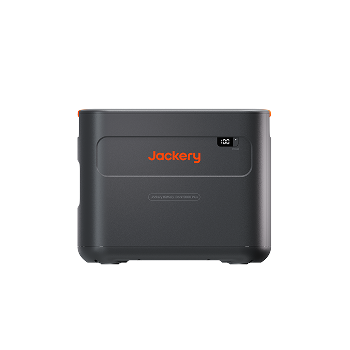
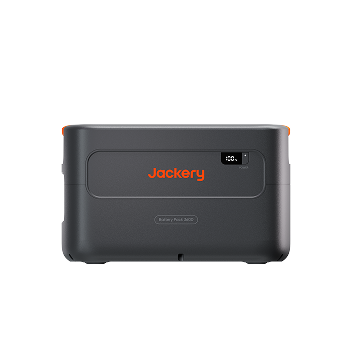
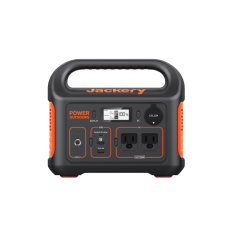
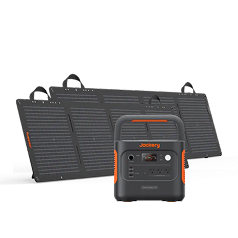
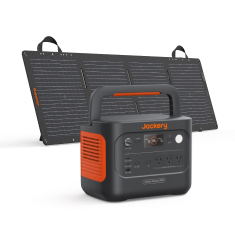
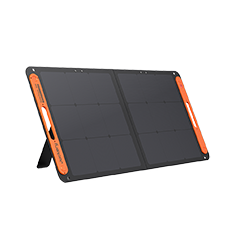
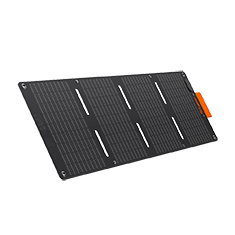
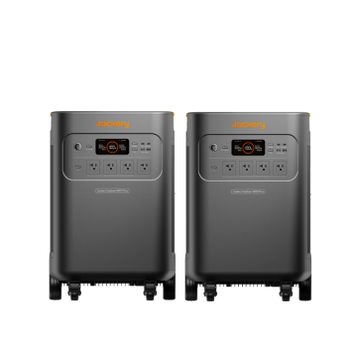
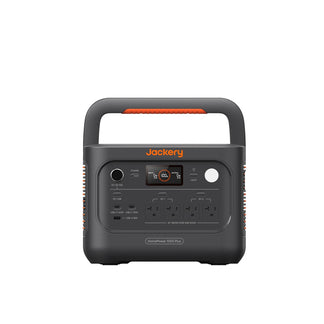
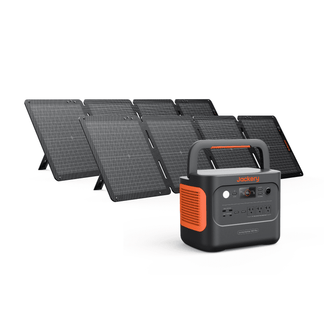
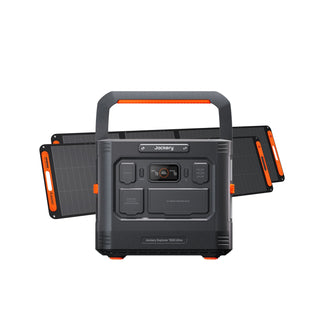
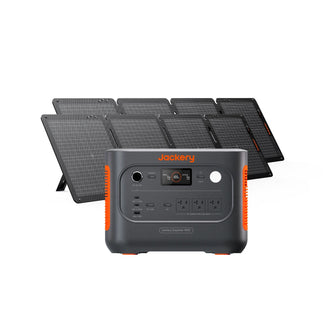
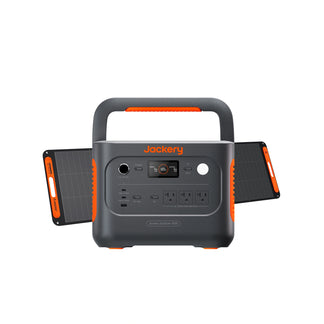
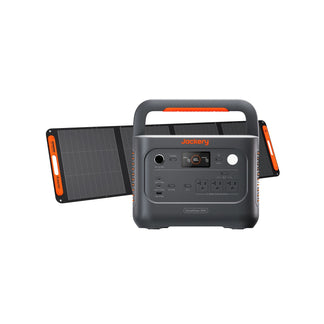
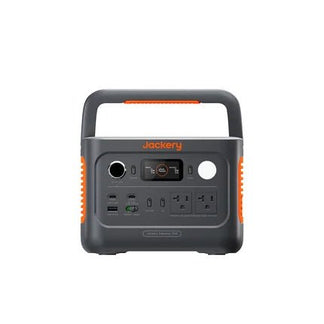
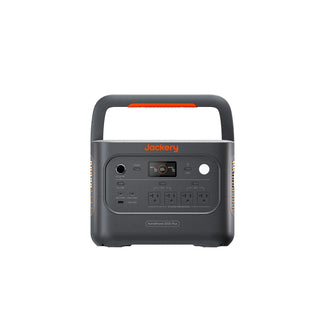
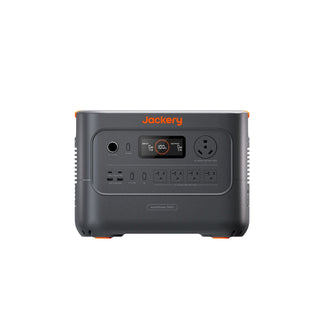
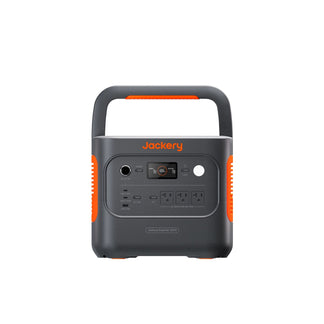
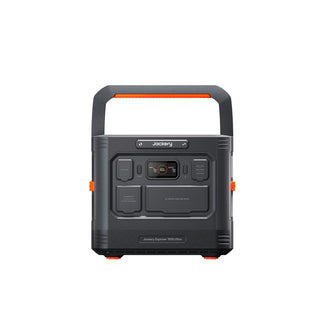
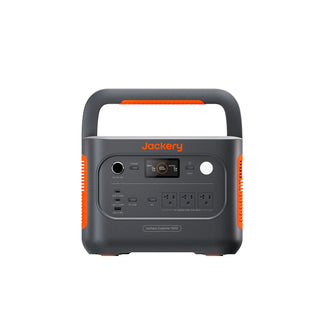
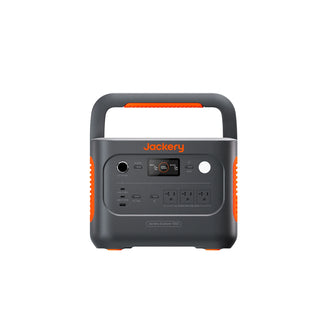
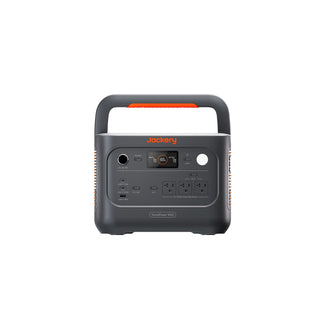
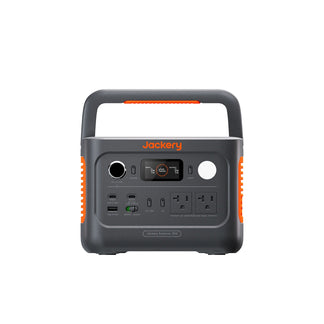
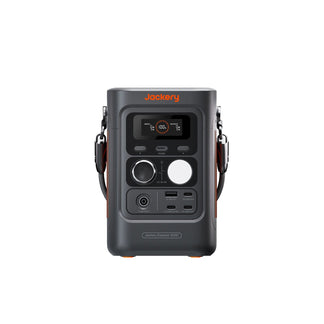
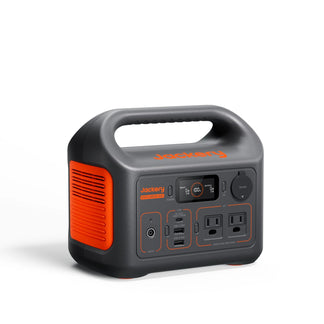
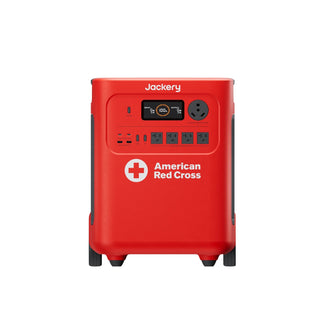
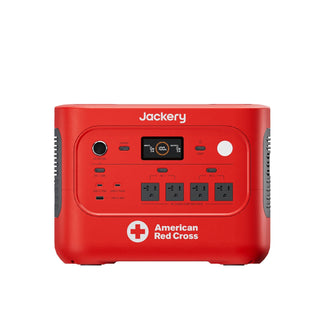
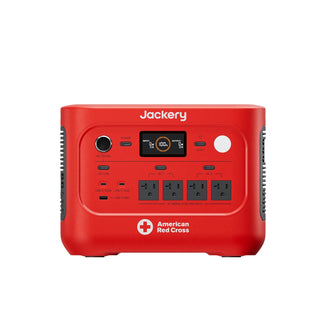
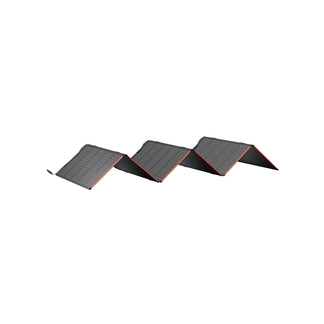
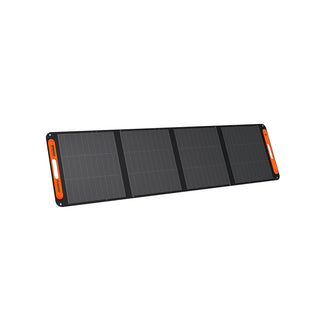
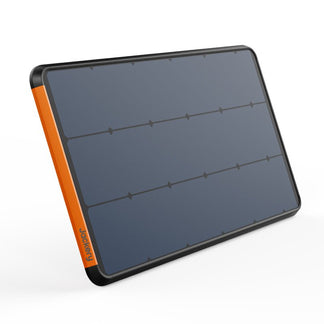
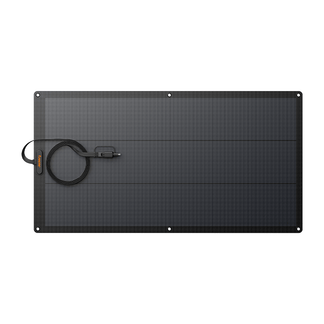
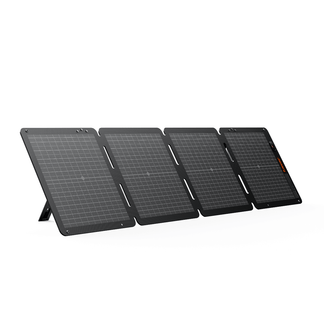
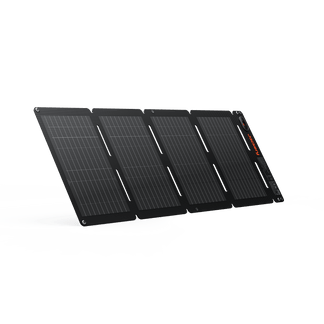
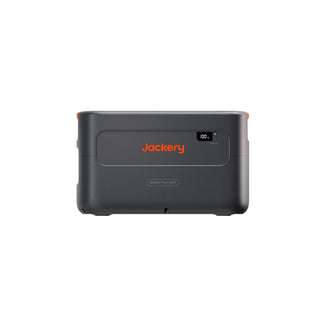
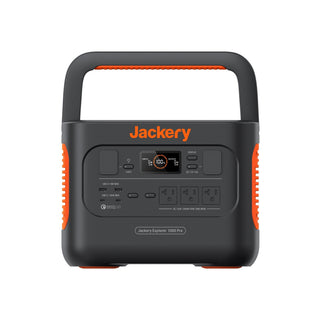
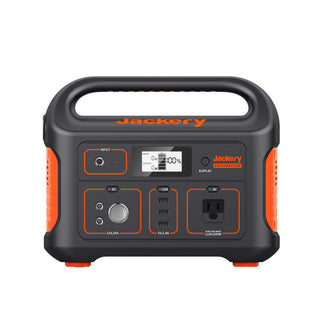
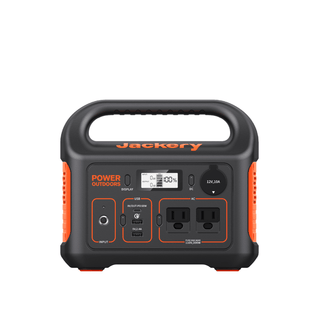
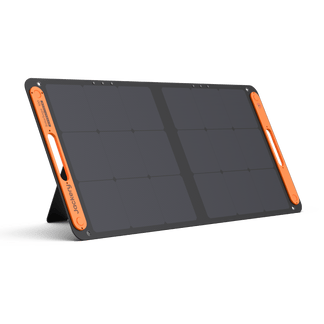
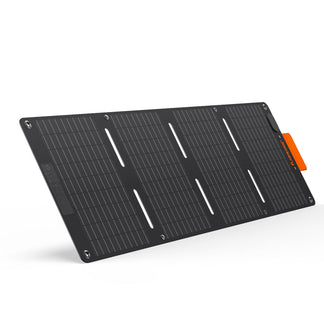
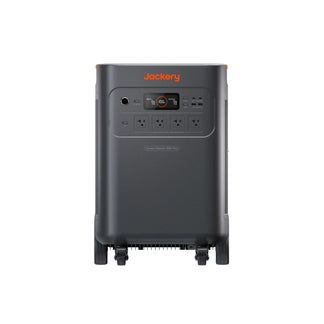
Regardless of how grid-security policy develops, households may choose to prepare for ordinary power interruptions caused by storms, equipment failures, or planned utility maintenance. Backup power is one general preparedness tool, and you should size the home battery backup according to your actual power needs. Jackery is a leading brand that manufactures high-quality solar generators, power stations, and solar panels. These essential home backup solutions can power most household appliances during power outages and blackouts, ensuring you don’t have to worry about darkness at unexpected hours.
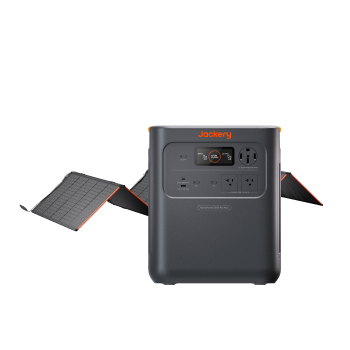
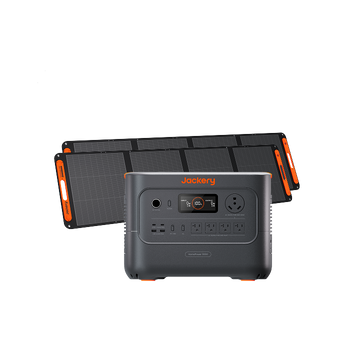
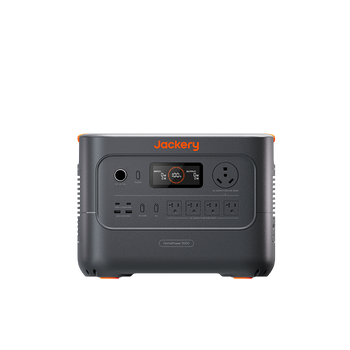
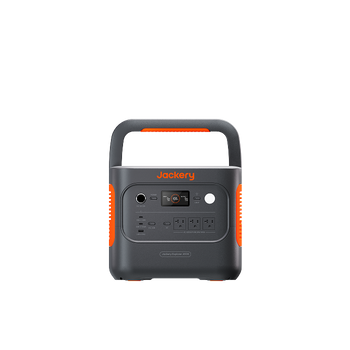
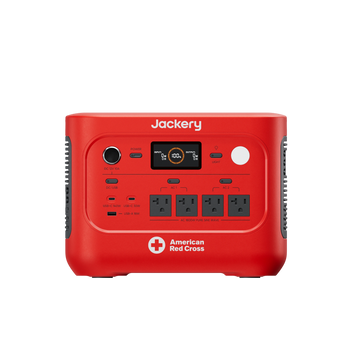
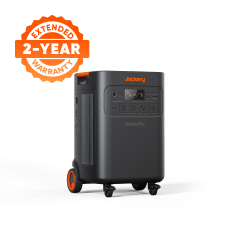
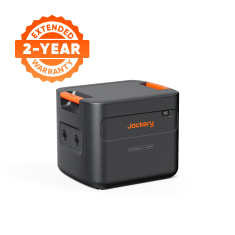
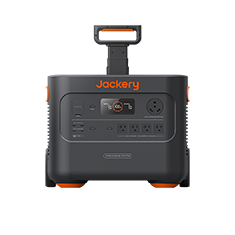
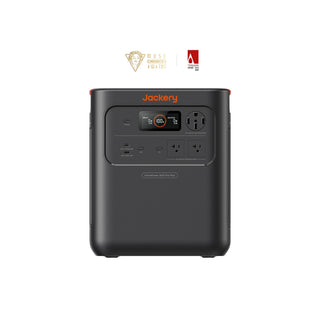
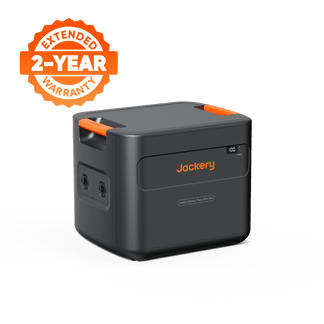
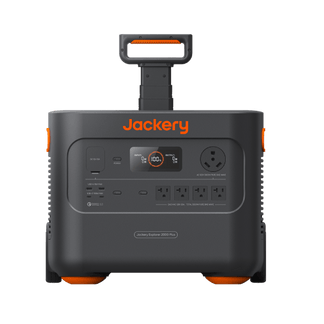
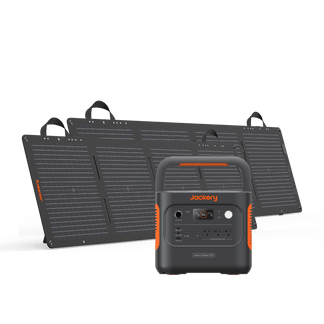
Jackery Solar Generator HomePower 2000 Plus v2
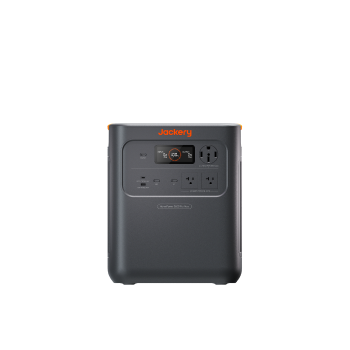
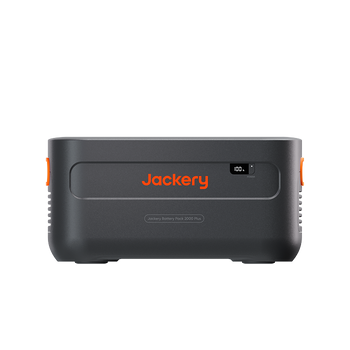
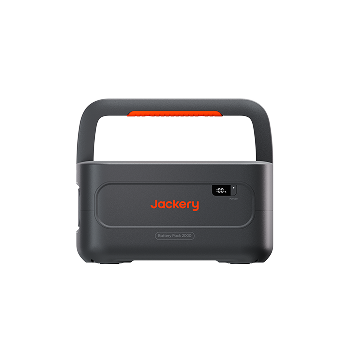
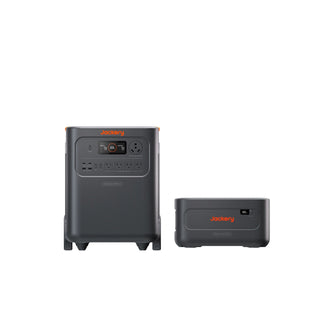
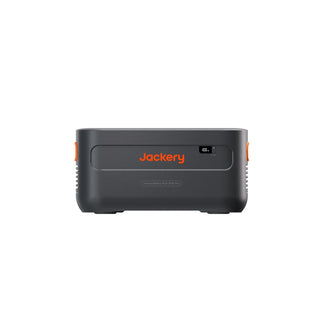
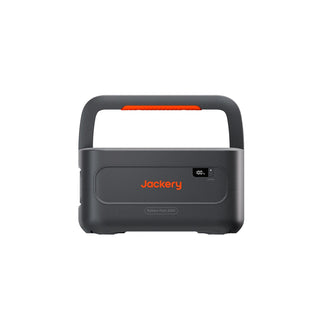
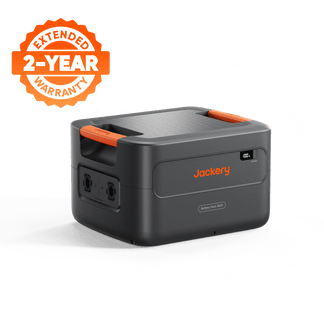
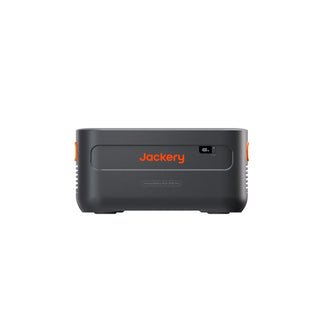
The Jackery Solar Generator HomePower 2000 Plus v2 is an essential home backup solution that can grow up to 12kWh by adding battery packs. That expandability matters if you are not sure yet how much backup you'll actually need. You can start smaller and scale up as your circumstances change. It can run a refrigerator, TV, router, and kitchen appliances through a several-hour outage. It also features Jackery Priority Routing™ that ensures your essentials run longer when there is a long outage. All you need to do is choose the essential appliances and a battery threshold. When the battery falls below the threshold, the power station automatically cuts non-essentials to keep core appliances running.
Appliances Running Time
- Fridge (300W) = 5.0H
- Juicer (600W) = 3.0H
- TV (100W) = 14.0H
- Portable AC (800W) = 2.0H
- Projector (100W) = 14.0H
Who Should Buy This
The Jackery Solar Generator HomePower 2000 Plus v2 is ideal for apartment or condo dwellers, renters, and smaller households who want home-scale backup without a large upfront commitment and who like the option to add capacity later rather than replacing the whole unit down the line.

Customer Review
I purchased this unit as additional support during hurricane season. I’ve not needed it yet this year, but I know that it will be useful in any power outage.
— Jean L.
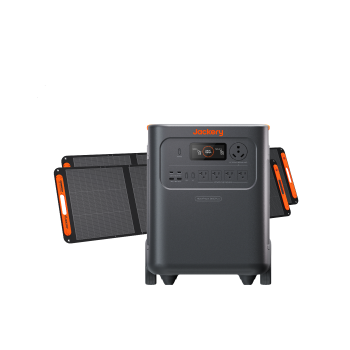
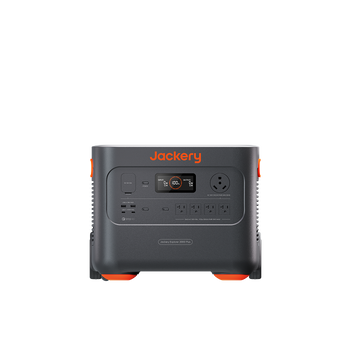
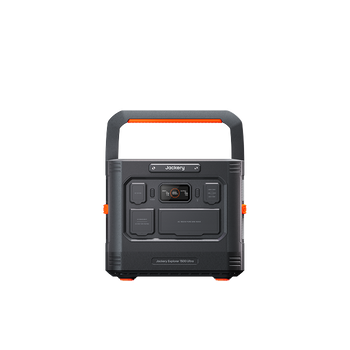
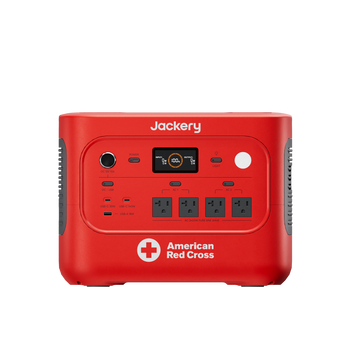
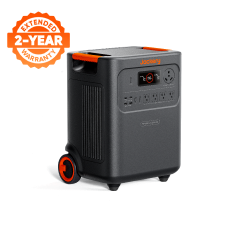
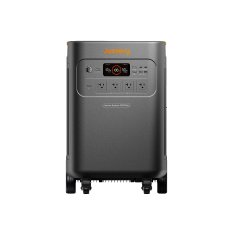
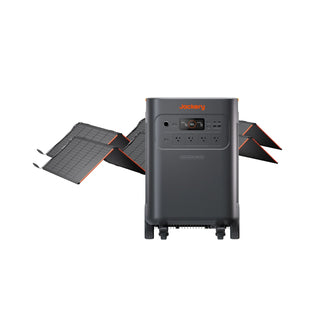
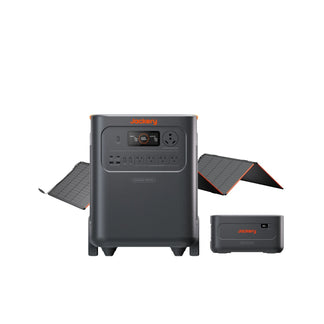
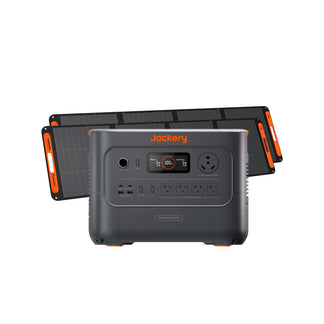
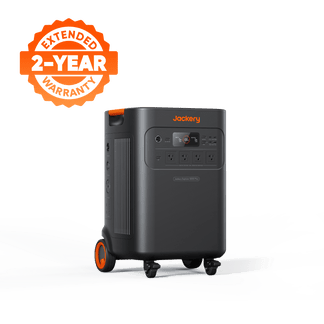
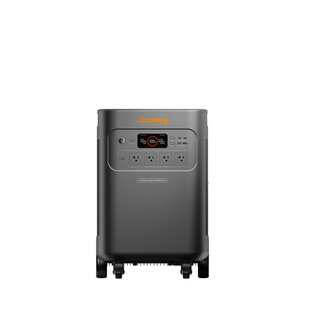
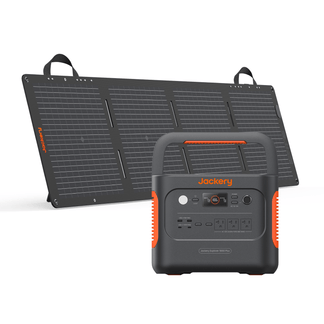
Jackery Solar Generator HomePower 3600 Plus
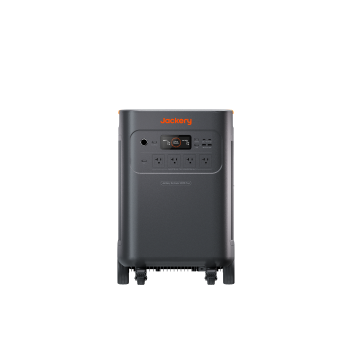
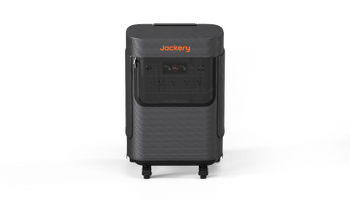
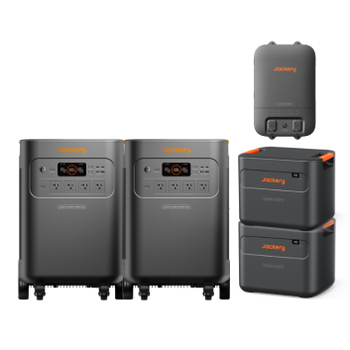
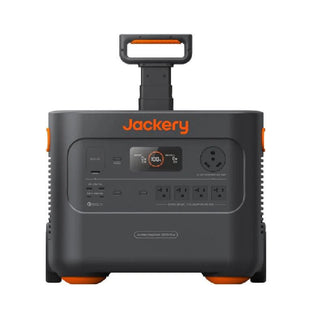
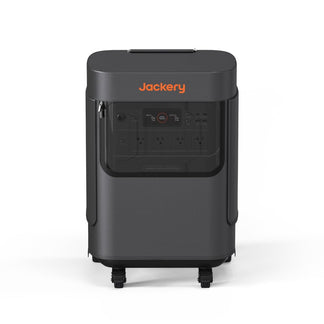
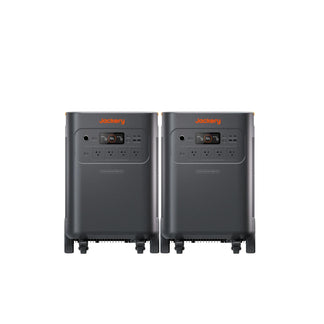
The Jackery Solar Generator HomePower 3600 Plus shares the same expandable design but can be expanded up to 21kWh or 43kWh with battery packs and another unit in parallel. It can also grow alongside a household's needs rather than requiring a full replacement later. It is ideal for anyone who's outgrown a smaller unit or who lives somewhere outages tend to run long. With its double wheels and a pull rod, you can easily move the solar generator anywhere from one room to another.
Appliances Running Time
- Fridge (300W) = 9.5H
- Juicer (600W) = 4.9H
- TV (100W) = 25.0H
- Portable AC (800W) = 3.7H
- Projector (100W) = 25.0H
Who Should Buy This
The Jackery Solar Generator HomePower 3600 Plus is an ideal home battery backup for those who have outgrown a smaller unit, want to run several household essentials at once, or live somewhere outages tend to stretch longer than a few hours.

Customer Review
We have already used it for our refrigerator twice for brief black outs but were so happy to have it. Kept fridge running perfectly and was also useful to charge my phone. I know it won't work for more than 2 days but hopefully that will be enough.
— Vanna A.
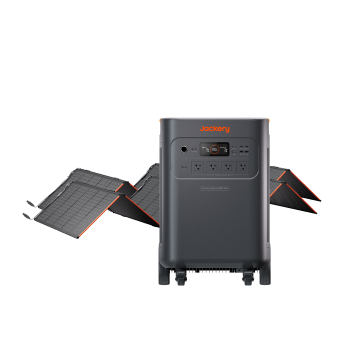
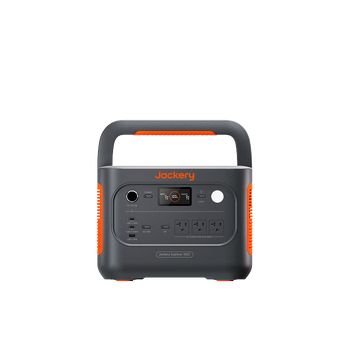
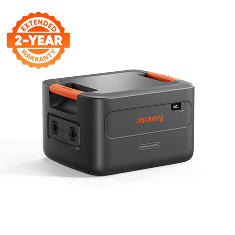
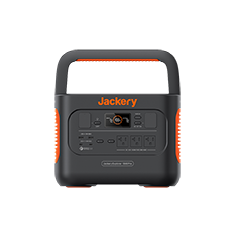
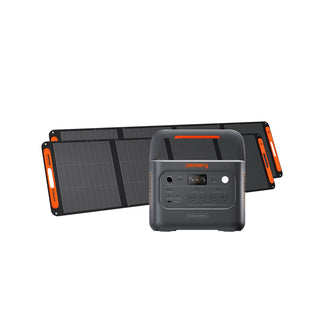
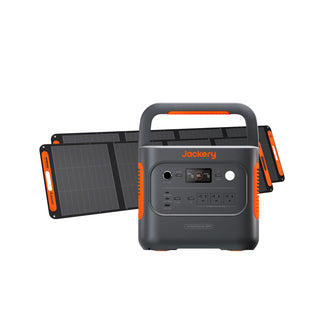
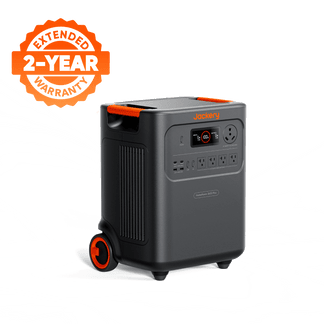
Jackery Solar Generator 5000 Plus
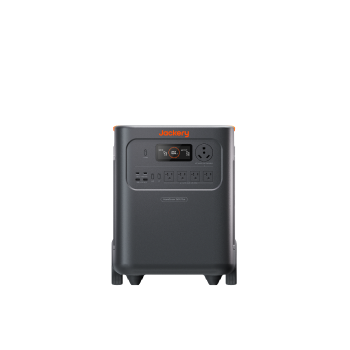
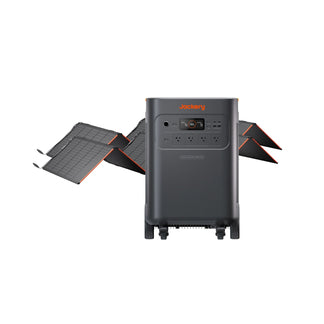
The Jackery Solar Generator 5000 Plus offers dual 120V/240V support and supports expansion up to 60kWh with battery packs attached and another unit in parallel. The dual-voltage support means it can run appliances that need 240V, like electric dryers or larger AC units, which the smaller models simply can't power. That makes it the more realistic option for anyone trying to keep a meaningful share of a home functioning, such as a fridge, lighting, a router, and a window unit together, through an outage that stretches into days rather than hours.
Appliances Running Time
- Fridge (300W) = 12.2H
- Juicer (600W) = 6.6H
- TV (100W) = 28.6H
- Portable AC (800W) = 5.0H
- Projector (100W) = 28.6H
Who Should Buy This
The Jackery Solar Generator 5000 Plus is ideal for homeowners wanting essential home coverage, anyone who needs 240V appliances like a dryer or a central-adjacent AC unit powered, or households in areas prone to frequent or multi-day outages.

Customer Review
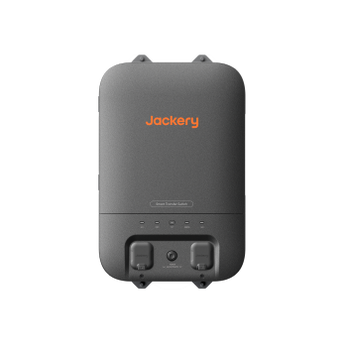
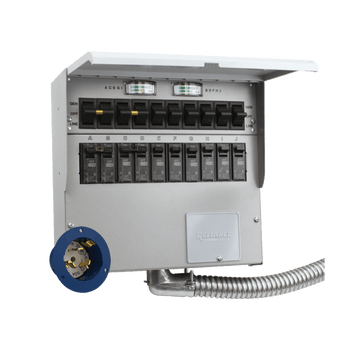
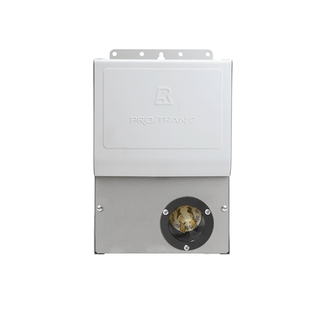
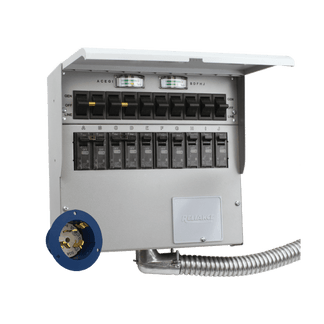
Love my jackery solar generator and smart transfer switch. I have already put it to use to offset reliance on the grid and stand ready for any outages.
— Gmeghoo.
Frequently Asked Questions
What is grid reliability?
The electric system's ability to consistently deliver electricity without interruption, covering generation, transmission, and local distribution working together.
Why is grid reliability important?
Grid reliability is important because a failure anywhere in the generation-to-home chain can eventually affect the electricity households depend on daily, even when the failure originates far from any individual home.
What is the 2026 grid-security order?
An executive order, signed on August 26, 2026, declared a national emergency regarding foreign-made equipment used in the US bulk power system and granted the Department of Energy new authority over certain existing and future equipment transactions.
Who decides whether my utility's electricity rate changes?
Your local State Public Utility Commission (PUC), often called a Public Service Commission (PSC) or State Corporation Commission, makes the final decision on whether your regulated utility's electricity rates change.
Conclusion
No authoritative agency has confirmed that the 2026 bulk-power security order will change grid reliability or household electricity costs in either direction. What is real is that grid equipment, transformers especially, was already facing longer lead times and higher prices before this order existed, for reasons that have nothing to do with it.
Whether this specific policy adds meaningfully to that picture is something only the Department of Energy's forthcoming rules, and time, will actually answer. Until then, the most useful thing any household can do is what's always been useful: understand where your electricity actually comes from, and keep reasonable preparedness in place for ordinary interruptions.
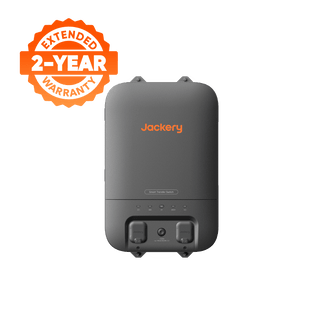
You can consider investing in Jackery Solar Generators as one of the power outage supplies you should have at home to keep essential appliances powered when the grid is unreliable.
Note: This article reflects the text of Executive Order as published in the Federal Register (91 FR 55995), publicly available data from NERC, FERC, and the EIA, and publicly available product information as of early September 2026. It is intended as general informational content and does not constitute legal, financial, or investment advice.


