


![[Add - on] Jackery Manual Transfer Switch for Explorer 5000 Plus - Jackery](http://www.jackery.com/cdn/shop/files/add-on-jackery-manual-transfer-switch-for-explorer-5000-plus-9017324.png?v=1754016782&width=350)


![[Add - on] Jackery Battery Pack 5000 Plus - Jackery](http://www.jackery.com/cdn/shop/files/add-on-jackery-battery-pack-5000-plus-6078351.png?v=1754016791&width=324)
![[Add - on] Jackery Car Charging Cable - Jackery](http://www.jackery.com/cdn/shop/files/add-on-jackery-car-charging-cable-3882421.png?v=1754016863&width=324)
![[Add - on] Jackery Smart Transfer Switch - Jackery](http://www.jackery.com/cdn/shop/files/add-on-jackery-smart-transfer-switch-5842915.png?v=1754016784&width=324)
![[Add - on]Jackery 102W GaN 3 - Port Fast Charger - Jackery](http://www.jackery.com/cdn/shop/files/add-onjackery-102w-gan-3-port-fast-charger-6377742.png?v=1754016790&width=324)


![[Add - on] SolarSaga 200W - Jackery](http://www.jackery.com/cdn/shop/files/add-on-solarsaga-200w-4834329.png?v=1754016915&width=324)
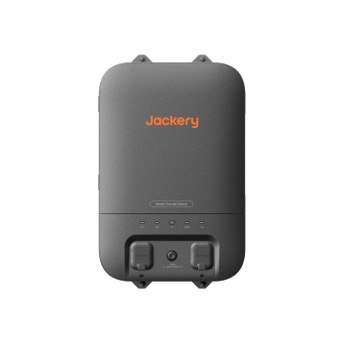
![[Add - on] Jackery Manual Transfer Switch for Explorer 5000 Plus - Jackery](http://www.jackery.com/cdn/shop/files/add-on-jackery-manual-transfer-switch-for-explorer-5000-plus-9017324.png?v=1754016782&width=324)


Most people buy a power station for what they need today, only to outgrow it within two years. This could be because of a new appliance, a longer outage, a growing family, or a home office that can't afford downtime. Energy needs change, and a fixed-capacity power station changes with them in exactly one way: it gets replaced. That replacement costs as much as the original purchase, and the cycle repeats. A modular battery system solves this problem at the architecture level.
Instead of buying a fixed unit, you buy a base power station with expansion ports and add battery packs as your needs grow. The capacity you start with covers today's load. The capacity you add later covers tomorrow's. You pay for what you need now, and scale when the time is right without replacing anything. The Jackery Plus series is built around exactly this principle: a base unit that delivers serious standalone performance, expandable to a full multi-day home backup system.
Key Takeaways
- A modular home battery system lets you add capacity over time instead of replacing the entire unit when your needs grow, making it a fundamentally more cost-effective architecture.
- Phased investment means you pay for what you need today and expand when your budget and situation allow.
- The same modular system that covers a solo renter's essentials today can scale to essential home backup for a family of four tomorrow.
- A modular battery system is the right architecture for buyers whose energy needs are likely to grow.
What Makes a Power Station Modular and Why Does the Distinction Matter?
A power station is truly modular when it's designed from the ground up to accept additional battery packs through dedicated expansion ports. The distinction matters because it determines what the system can actually become over time. A genuinely modular power station like the Jackery Plus series starts as a capable standalone unit and grows into a multi-day essential home backup system one battery pack at a time, without replacing any existing hardware.
On-demand capacity expansion means you are never stuck at your starting point. When a longer outage, a new appliance, or a new household member changes your power requirements, you can add a battery pack rather than buying a new power station. The base unit's inverter, ports, and display all continue working, and only the storage capacity increases.
Phased investment is the financial benefit that most buyers undervalue at the time of purchase. A modular battery system at the right base capacity might cost $200–$400 more than a comparable fixed unit. But when your needs outgrow the fixed unit, you replace it and spend the full purchase price again. When your needs outgrow the modular base, you add a battery pack at a fraction of the cost. Over a five-year ownership window, phased investment almost always wins financially.
Flexible deployment is the advantage that becomes clear when life circumstances change. The battery configuration that covers your apartment today can be reconfigured for your first house tomorrow. The system you use for home backup during hurricane season can be deployed to a job site, a camping trip, or an outdoor event during months when grid power is reliable.
How Do Real Household Scenarios Change as You Add More Battery Packs?
The best way to understand the value of a modular home battery system is to watch it grow alongside a household's actual needs. The scenarios below represent some common real-world expansion paths.
What Can You Power with the Base Unit Alone, and Who Is That Right For?
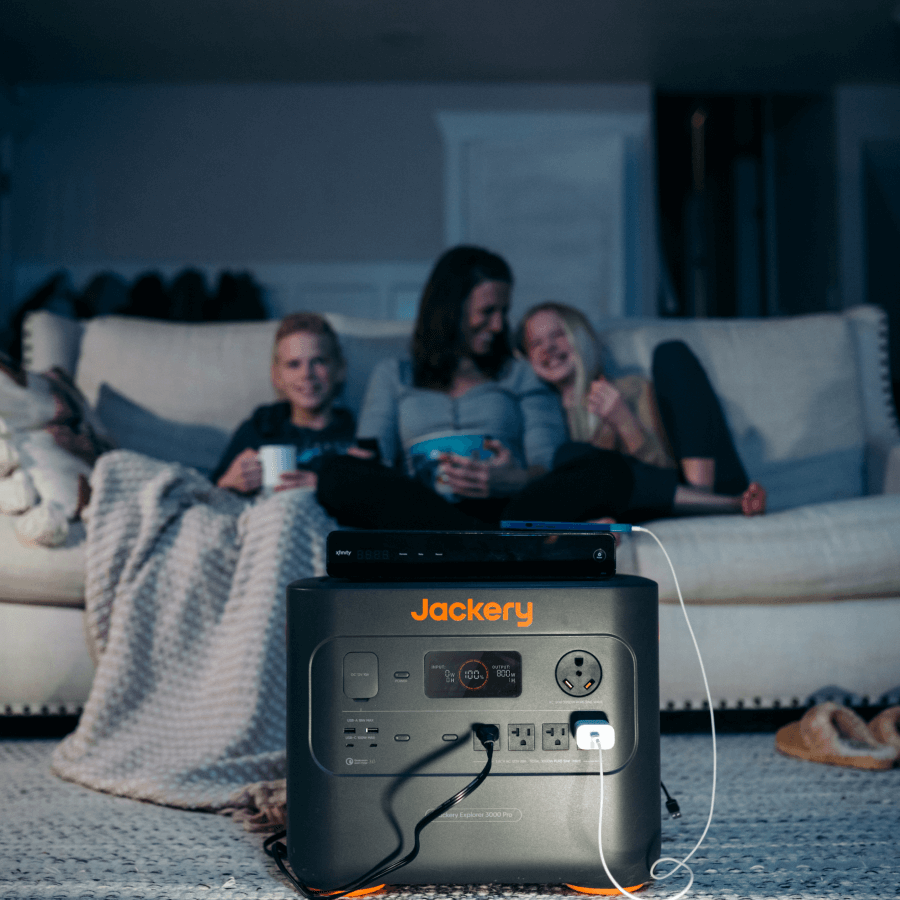
The base unit is the starting point, and for many buyers, it's enough on its own. A quality modular base unit in the 1,000–2,000Wh range covers the devices that matter most for a solo renter or couple during a short outage: a laptop, a router, phone charging, LED lighting, and a CPAP machine. At a combined draw of approximately 160W, that load runs comfortably for 6–9 hours on a base unit without touching an expansion battery.
Scenario: Solo Renter / Weekend Outage User
For an apartment dweller who loses power a few times a year during summer storms, the remote worker in a small home who needs devices and connectivity covered through a workday outage, or the person with a CPAP who simply cannot afford a dead machine overnight, the base power station handles it all without requiring any expansion.
Typical device load and runtime at base configuration:
- Laptop (60W)
- Router and modem (20W)
- Phone charging x2 (40W)
- LED lighting (20W)
- CPAP machine (40W)
Total draw: ~180W | Estimated runtime: 6–9 hours
Best fit: Solo users, renters, apartments, short outages under 12 hours, device-first priorities where appliance coverage isn't needed.
What Changes When You Add One Extended Battery Pack?
Adding a single expansion battery pack to the base power station roughly doubles available capacity, and with that doubling comes a qualitatively different level of coverage. The refrigerator, which draws too much for comfortable overnight coverage on the base unit alone, becomes a reliable priority at the one-battery configuration. A family home can now cover a fridge, router, lights, and device charging through a full overnight outage with capacity to spare.
Scenario: Family Home / Overnight Fridge Protection
The base unit with one expansion pack is ideal for a homeowner who's lost a full refrigerator to a summer storm outage and isn't doing it again. With one extended battery pack, the modular battery system prioritizes the fridge, followed by lighting, devices, and a small fan or space heater running intermittently. With a combined draw of approximately 440W, the one-battery configuration delivers 12–16 hours of comfortable runtime, which is enough to cover a full overnight outage with margin.
Typical device load and runtime at +1 battery:
- Refrigerator (150W)
- Router and modem (20W)
- Phone charging x2 (40W)
- LED lighting (30W)
- Fan or small space heater (200W intermittent)
Total draw: ~440W | Estimated runtime: 12–16 hours
Best fit: Families, homeowners, multi-device households, outages lasting up to 24 hours, where fridge protection is the primary concern.
What Does a Two-Battery Configuration Offer, and Is It Enough for Extended Outages?
Two expansion battery packs transform the system from single-outage backup to multi-day home battery backup. With this configuration, the combination of increased storage capacity and solar recharging during daylight hours means the system can sustain a full home office setup alongside household essentials through a 36-hour storm outage, and potentially longer if solar conditions are favorable. This is where the modular architecture's most compelling advantage begins to show: solar input during the day offsets daytime consumption, meaning the system recovers capacity while you use it.
Scenario: Remote Worker / 36-Hour Storm Outage
This is ideal for the homeowner with a dedicated home office whose income depends on staying online, or the household in a storm-prone region that's experienced one too many 36-hour outages. With two battery packs, the system handles a full office setup, a refrigerator, a router, lighting, and device charging simultaneously, with a combined draw of approximately 480W. With 200W of solar input over 5 daylight hours, roughly 1,000 Wh is recovered daily. In adequate sunlight, solar recovery extends runtime indefinitely, and the system recharges faster than it depletes during the day, leaving a full or near-full battery for overnight coverage.
Typical device load and runtime at +2 batteries:
- Home office setup with monitors, laptop, desk lamp (200W)
- Refrigerator (150W)
- Router and modem (20W)
- LED lighting (30W)
- Device charging (80W)
Total draw: ~480W | Estimated runtime: 20–28 hours without solar and near-indefinite with 200W+ solar input
Best fit: Remote workers, homeowners in storm-prone regions, households with medical devices or young children, anyone who's experienced a 24–36 hour outage and needs a system that goes the distance.
What Does Full Three-Battery Expansion Cover and When Does It Start to Approach Whole-Home Backup?
With three extended battery packs connected to the base power station, a modular solar battery system enters a capacity range that covers essential home load for multi-day outages. The refrigerator, freezer, lighting throughout the home, medical equipment, sump pump, device charging, entertainment, and even short bursts of window AC are manageable at this configuration.
Scenario: 72-Hour Rural Outage / Medical Household
This is ideal for the rural homeowner who knows power restoration after a major storm takes three to five days. It's suitable for households with an oxygen concentrator that cannot tolerate an unplanned interruption or families with a sump pump in a region where heavy rain and extended outages occur together. With three battery packs and regular solar recharging, the system covers essential loads.
Typical device load and configuration at maximum expansion:
- Refrigerator and chest freezer (300W combined)
- Medical equipment (100–300W, depending on device)
- Whole-home LED lighting (50W)
- Device charging and entertainment (100W)
- Sump pump (800W intermittent)
- Window AC (1,000W for short bursts)
One important thing to remember is that not all devices run simultaneously. A sump pump runs in short bursts, and the window AC unit runs for an hour to cool a room, then cycles off. A freezer compresses down once the temperature is maintained. Managing which devices are active at any given moment, prioritizing medical equipment and food preservation as always-on, and treating AC and high-draw cooking as intermittent extends a three-battery system from a 24-hour solution to a 48–72-hour one.
Best fit: Rural homeowners, households with medical dependency, off-grid setups, storm-prone regions with multi-day outage risk, and any household whose backup power failure would constitute a genuine emergency.
For Tifa Lynn’s story, backup power isn’t optional when work and safety depend on staying connected. As a cybersecurity specialist in Florida, where outages are frequent and unpredictable, she learned the hard way that gas generators don’t deliver real reliability. By switching to two Jackery Explorer 5000 Plus systems, she built a setup that keeps her internet, devices, and even cooling running without interruption. She treats power the same way she treats data, something that must always have a backup. Read more such real-life Jackery stories to see how people are rethinking power before the next outage forces them to.
Recommended Modular Jackery Solar Generators for Homeowners
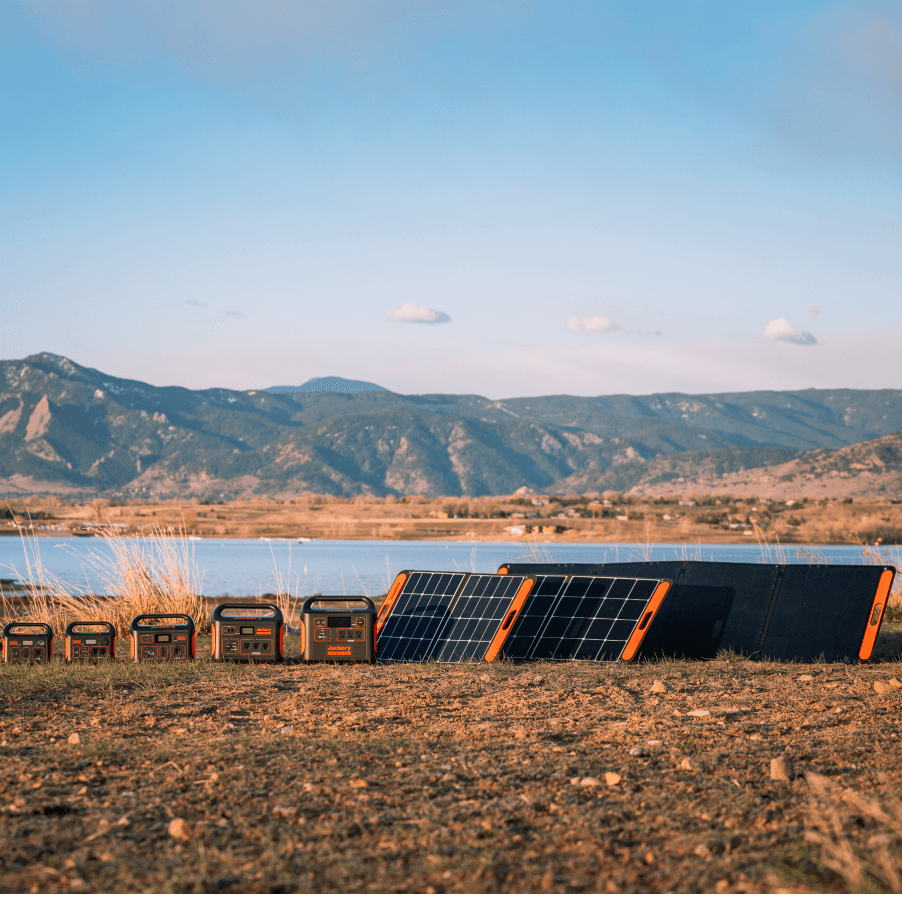
Jackery's Plus series is built specifically around the modular architecture, where each unit starts as a capable standalone system and expands through compatible battery packs without replacing the base unit. Here are the recommended modular Jackery Solar Generators for homeowners:
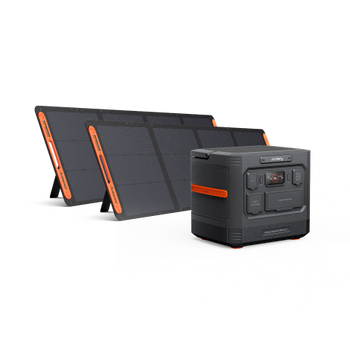
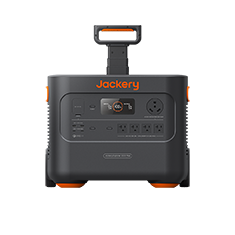
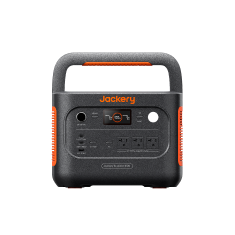
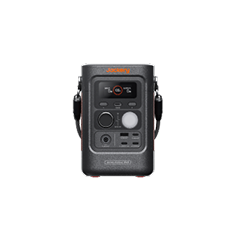
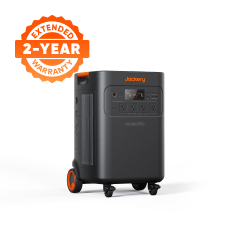
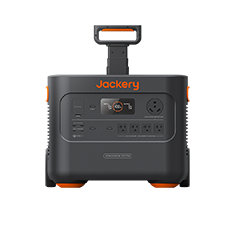
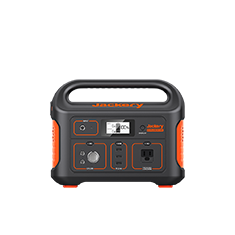
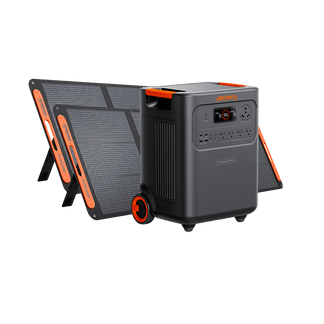
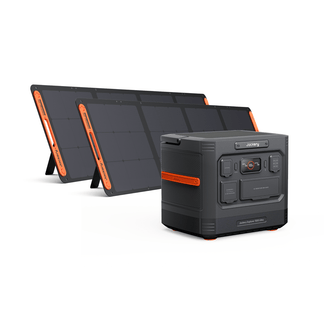
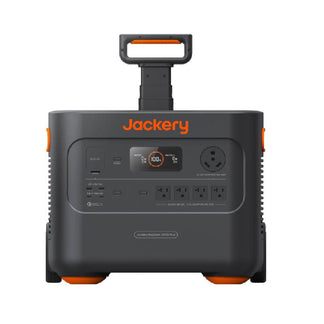
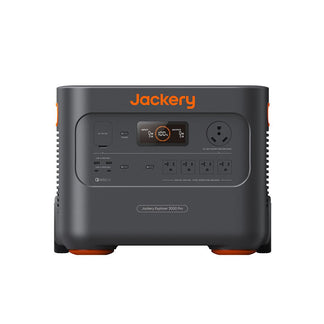
Jackery Explorer 5000 Plus
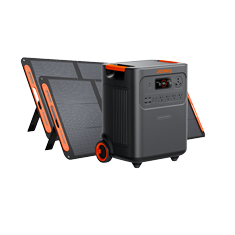
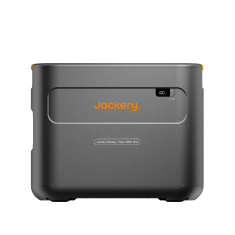
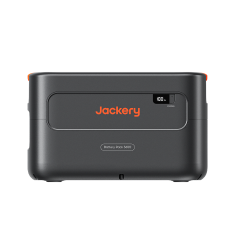
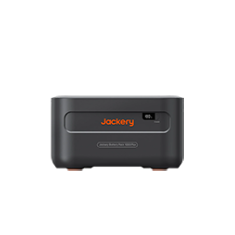
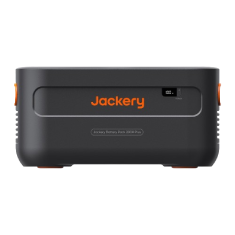
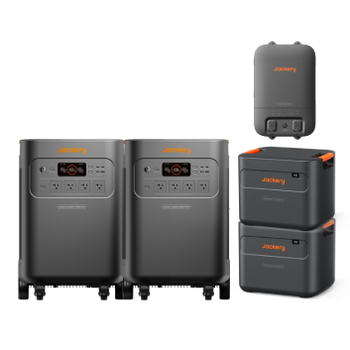
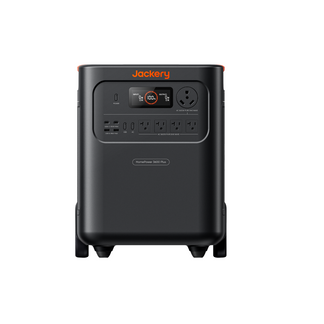
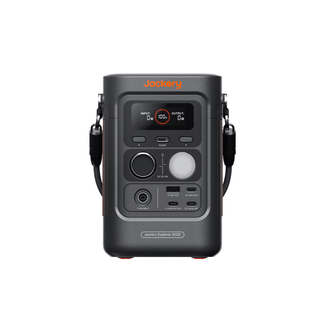
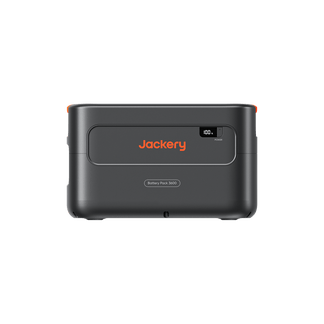
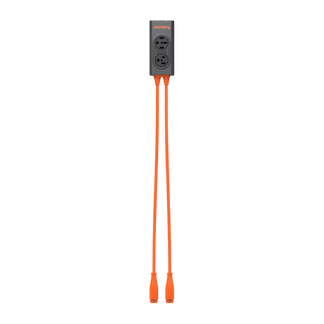
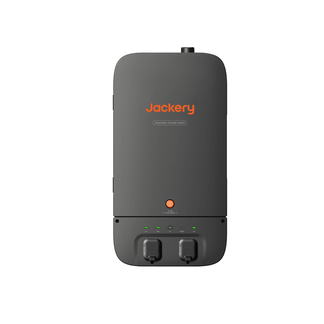
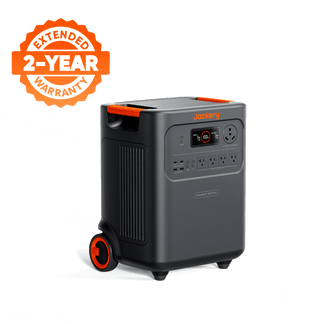
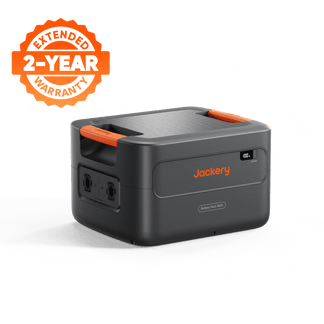
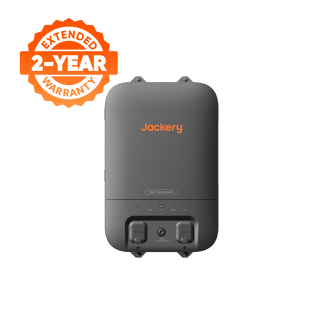
The Jackery Explorer 5000 Plus is the most powerful modular base unit and can be expanded up to 60kWh. At 5,040Wh base capacity, it delivers serious standalone performance for a standard household before a single expansion battery is added. When expanded to its maximum configuration with additional Jackery Battery Pack 5000 Plus, another power station, and paired with the Smart Transfer Switch, it becomes an automatic essential home backup system that handles 120V/240V loads, activates on grid failure, and sustains a full household through multi-day outages.
Appliances Running Time
- Refrigerator (300W) = 12.2H
- Sump Pump (800W) = 5.0H
- Window AC (1000W) = 4.1H
- Induction Cooktop (1000W) = 4.1H
- Coffee Maker (800W) = 5.0H
Who Should Buy This
If you need the highest-capacity modular base unit available that handles essential home loads at the base configuration and scales to full multi-day backup with expansion packs, the Jackery Explorer 5000 Plus is the right foundation for your system.

Customer Review
Today was my first opportunity to connect my Explorer 500 Plus and extra battery to the house, and I'm very happy with the performance. I was able to selectively turn on each of the 220 v appliances successfully, with the exception of my AC/heat pump in the backyard.
— MTS.
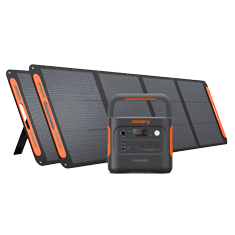
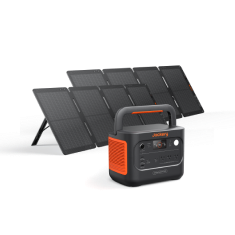
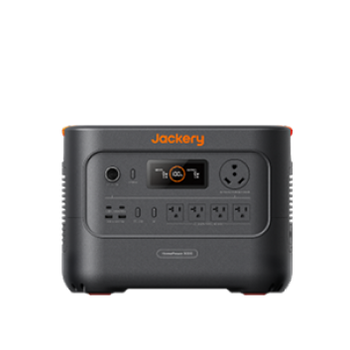
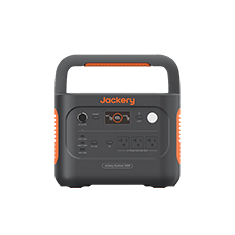
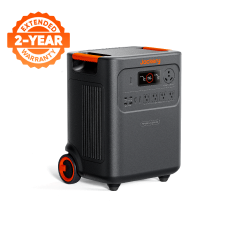
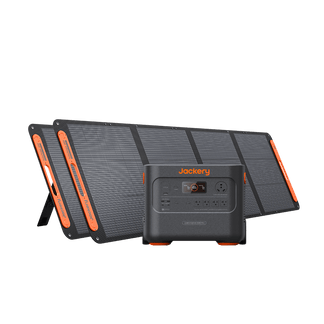
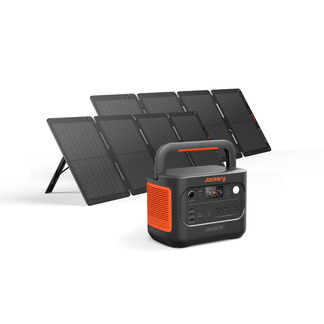
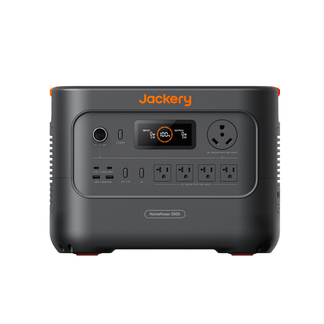
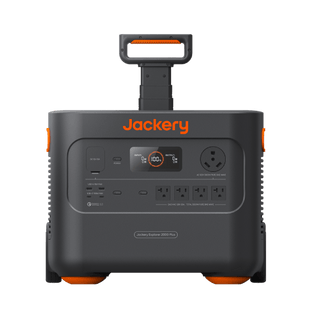
Jackery HomePower 3600 Plus
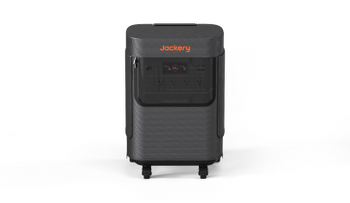
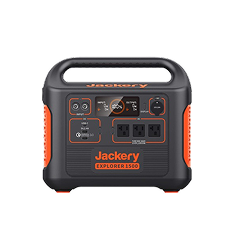
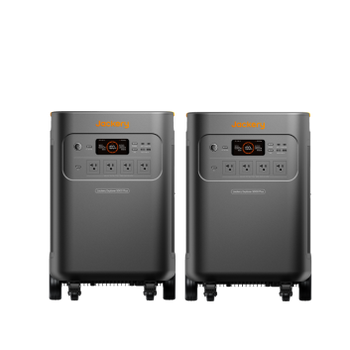
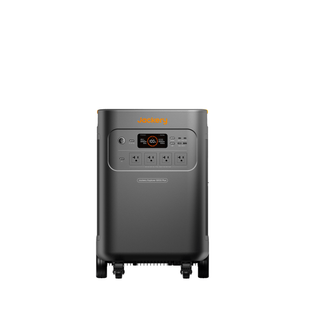
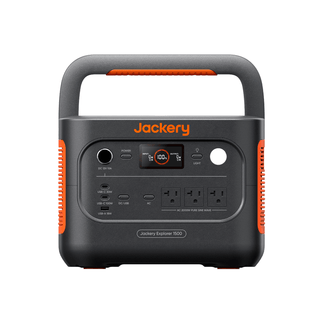
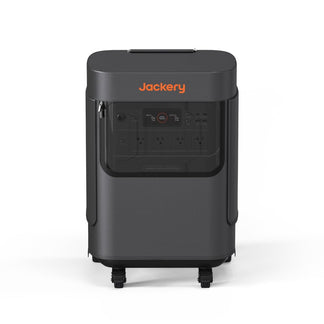
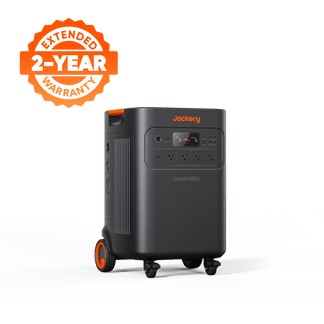
The Jackery HomePower 3600 Plus is the most versatile mid-range modular battery backup system, which is compact enough to roll between rooms on its luggage-style wheels, powerful enough to run the full daily load of a family home, and expandable enough to cover multi-day outages with added battery packs. The base unit can easily handle refrigeration, lighting, CPAP devices, and small appliances simultaneously from day one. When expanded to its full configuration (up to 43kWh of total capacity), it is enough to run a refrigerator for up to 14 days.
Appliances Running Time
- Refrigerator (300W) = 9.5H
- Sump Pump (800W) = 3.7H
- Window AC (1000W) = 3.0H
- Induction Cooktop (1000W) = 3.0H
- Coffee Maker (800W) = 3.7H
Who Should Buy This
If you want a modular battery system that covers a full family home's essential loads from the base unit and expands affordably toward multi-day backup as your needs grow, the Jackery HomePower 3600 Plus is the right fit.

Customer Review
I was hopeful when I purchased my Jackery 3600 Plus, but after a few weeks, I am very pleased. We had one short power outage of just a few minutes, and the unit worked seamlessly through it; the TV and internet were never lost. That was my test using it as a UPS, and it worked flawlessly. Very Pleased.
— Mtibbs.
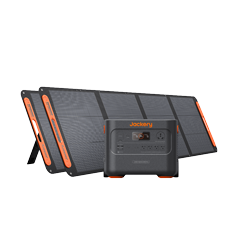
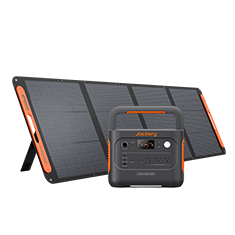
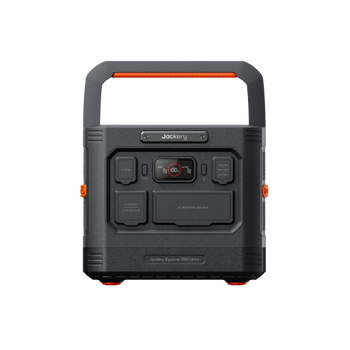
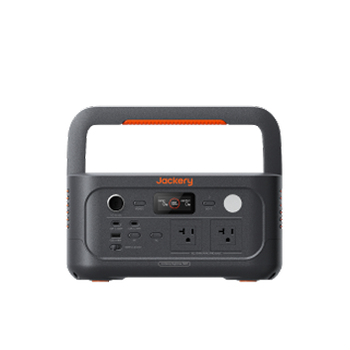
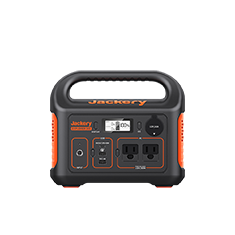
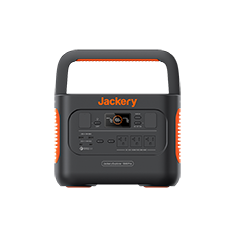
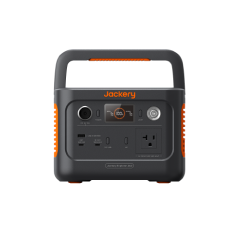
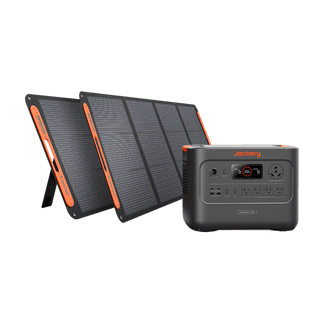
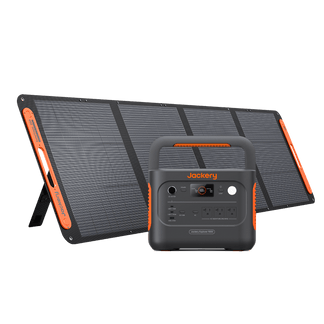
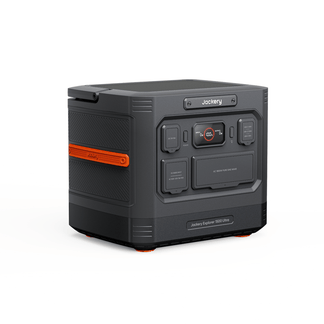
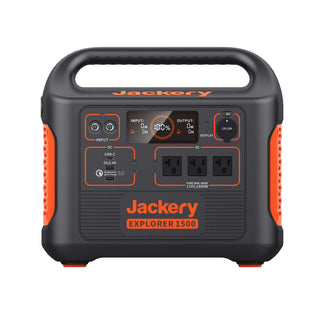
Jackery Explorer 2000 Plus
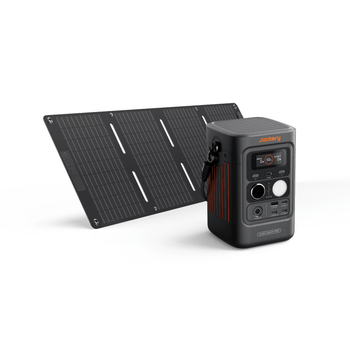
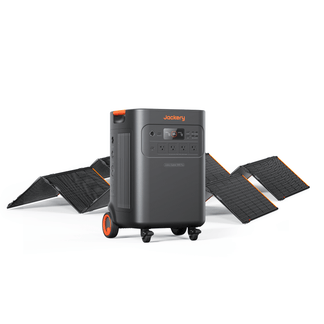
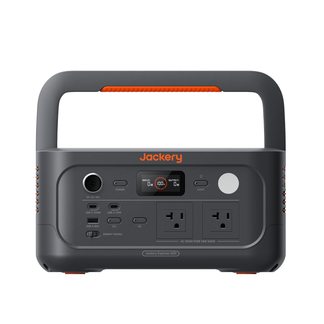
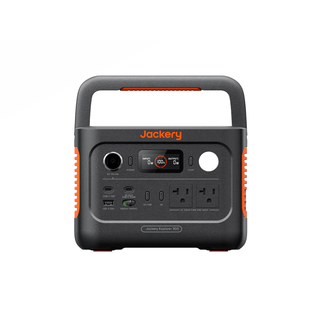
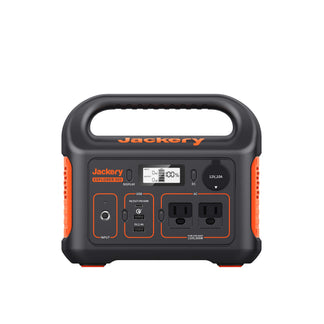
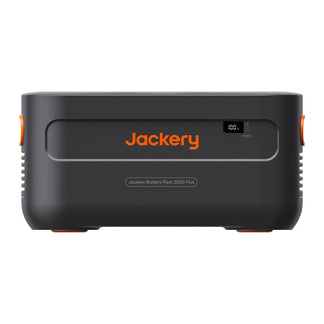
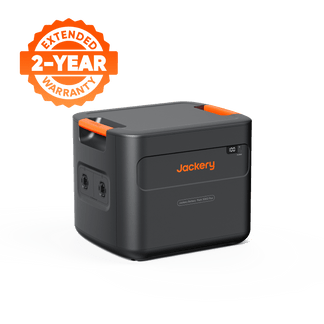
The Jackery Explorer 2000 Plus is the right starting point for home battery backup for households whose current needs are moderate but who are likely to see situations evolve. It covers a refrigerator, CPAP devices, and lighting through a standard overnight outage without expansion. You can expand the capacity up to 24kWh with battery packs and another unit to cover multi-day remote work scenarios and extended family outages. When paired with solar panels, it becomes a near-self-sustaining daily power source.
Appliances Running Time
- Refrigerator (300W) = 5.3H
- Sump Pump (800W) = 2.0H
- Window AC (1000W) = 1.6H
- Induction Cooktop (1000W) = 1.6H
- Coffee Maker (800W) = 2.0H
Who Should Buy This
If you are entering the modular battery system space for the first time and want a capable base unit with a clear expansion path as your needs grow, the Jackery Explorer 2000 Plus is the right place to start.

Customer Review
Fantastic - easy to use and runs our cabin like a pro! I was expecting the 2000 plus to work well, but the plug-and-play nature of the system, as well as the simple interface, exceeded my expectations!!!
— Robert C.
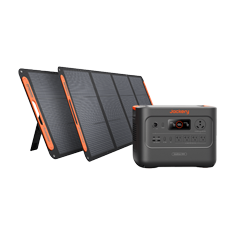
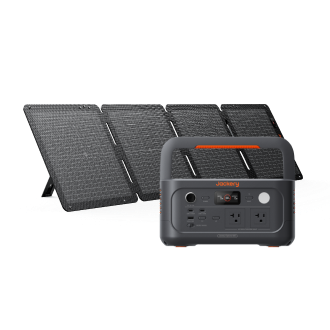
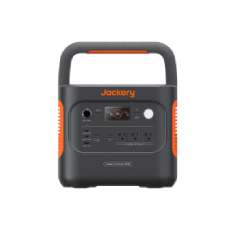
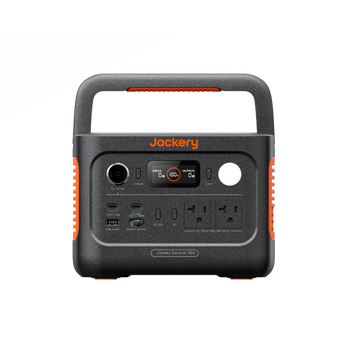
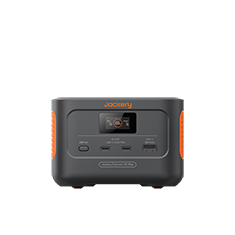
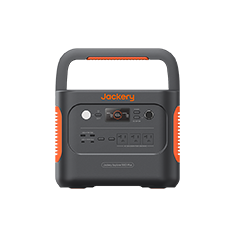
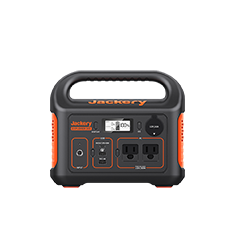
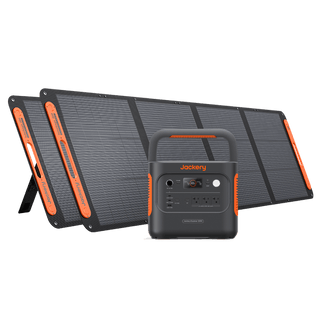
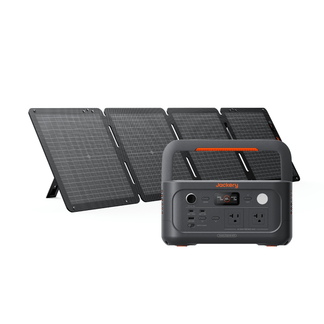
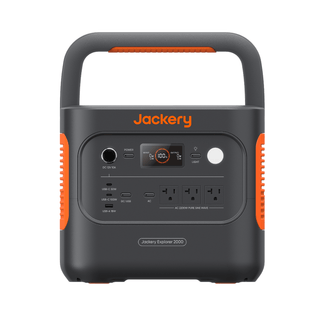
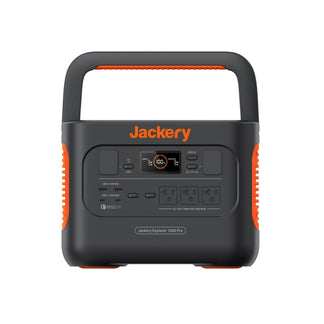
Jackery Explorer 1000 Plus
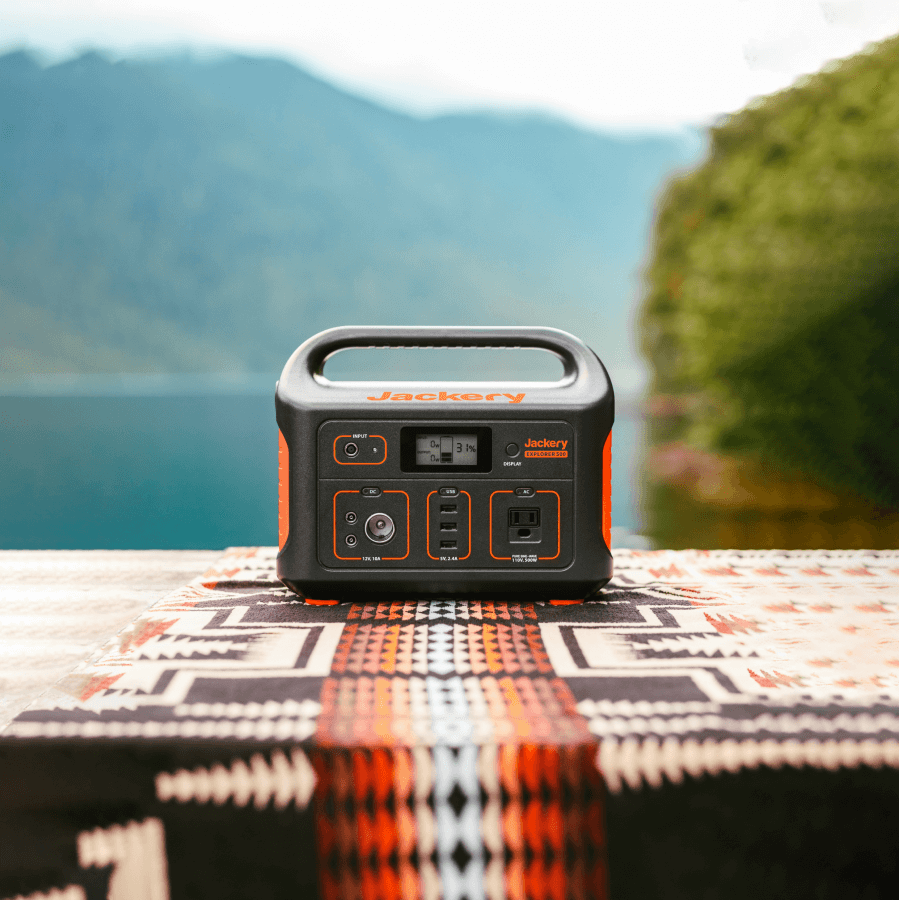
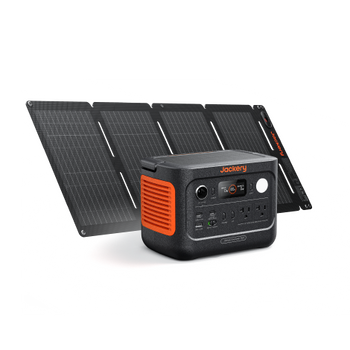
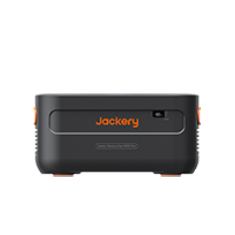
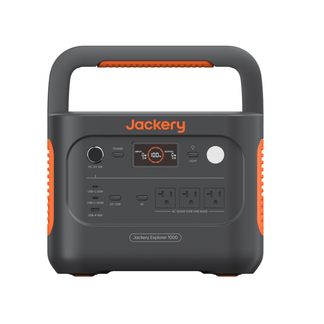
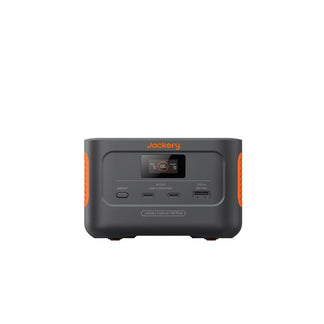
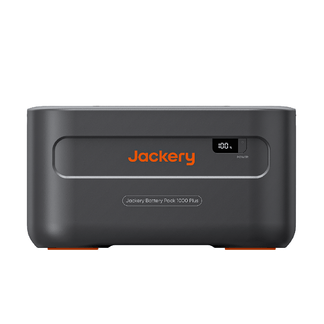
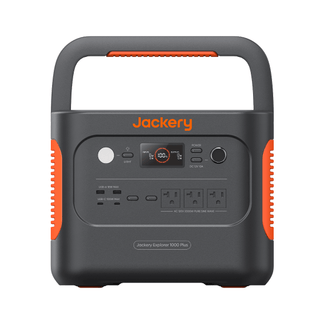
The Jackery Explorer 1000 Plus is the most accessible entry point into the modular ecosystem. It is an ideal unit for renters, solo users, and anyone whose current needs are focused on device charging, lighting, and basic appliance coverage. At 1,264Wh base capacity and 2,000W output, it handles a laptop, router, CPAP, phone charging, and LED lighting through a standard short outage. You can add up to three Jackery Battery Pack 1000 Plus to increase the capacity up to 5kWh, which is enough for a full overnight household outage with fridge coverage included.
Appliances Running Time
- Refrigerator (300W) = 3.3H
- Sump Pump (800W) = 1.3H
- Window AC (1000W) = 1.0H
- Induction Cooktop (1000W) = 1.0H
- Coffee Maker (800W) = 1.3H
Who Should Buy This
If you are a renter, solo user, or first-time buyer who wants the most affordable entry into a genuinely expandable modular battery system, the Jackery Explorer 1000 Plus gives you a capable starting point and a clear path to grow.

Customer Review
"It's worth its weight in gold!" It does everything that Jackery promises. It was delivered 1 week before we had a storm. The timing was impeccable.
— Stacey.
For more information on the expandability feature of the Jackery Plus series, you can check out the detailed guide: How Big Can Jackery Plus Get Expandable Power.
Is a Modular System the Right Choice for Every Home Backup Buyer?
Modular is the right choice if your energy needs are likely to grow, you want to phase your investment over time rather than commit to a high upfront cost, or your life circumstances are likely to change, such as a new home, a growing family, a new appliance, or a shift to remote work.
A modular battery system is also the right choice if you value flexibility: the ability to deploy capacity differently depending on the season, the situation, or the location. Buying modular from day one means every battery pack you add builds on the same investment rather than replacing the base unit.
A fixed high-capacity system is still better if you already know exactly how much capacity you need and that need is unlikely to change. A van built with a defined appliance load, a specific camping rig configuration, or a situation where the budget for a large fixed unit is available now, and expansion would never be needed. These are the scenarios where the modular premium isn't justified. Similarly, if your use case is purely outdoor and portable rather than home backup, a fixed battery backup may serve you better without the extra cost of expansion-ready architecture.
Conclusion
A modular battery system takes a fundamentally different approach to investing in home backup power. Instead of buying for a fixed moment in time and replacing it when that moment passes, you build a system that grows with you. The base unit covers today, and the expansion packs cover tomorrow. For most households, energy needs don't stay static. They grow with families, home offices, new appliances, and the increasingly unpredictable grid conditions that make backup power less of a luxury and more of a practical necessity. The Jackery Plus series is built around exactly this reality. It allows you to start where you are, scale when you are ready, and never pay for a replacement when an expansion pack can help you expand the capacity of the base unit.