

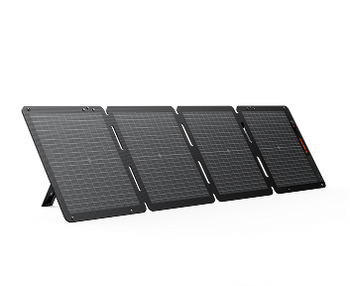
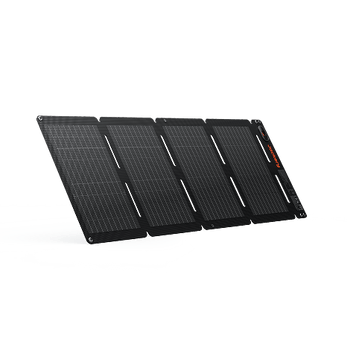














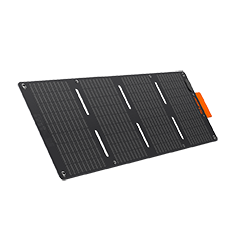



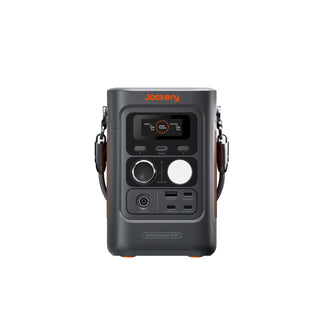
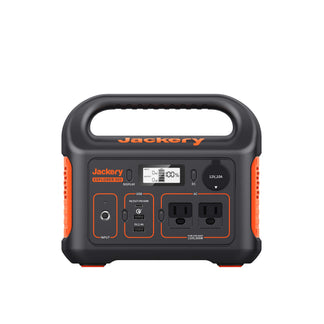
![[Add-on] Jackery SolarSaga 500 X - Jackery](http://www.jackery.com/cdn/shop/files/add-on-jackery-solarsaga-500-x-1493607.webp?v=1786503068&width=324)
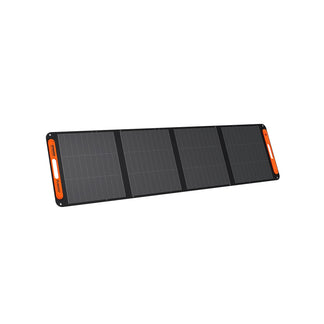
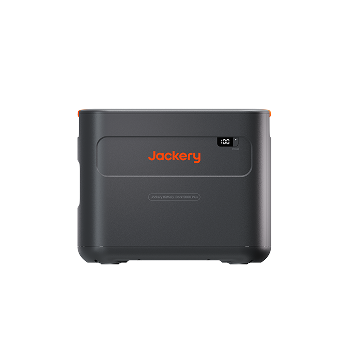
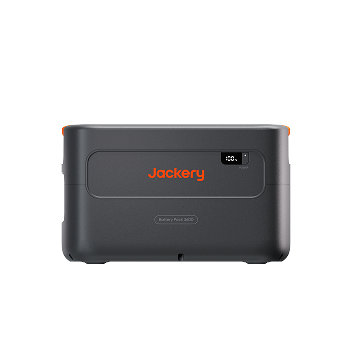
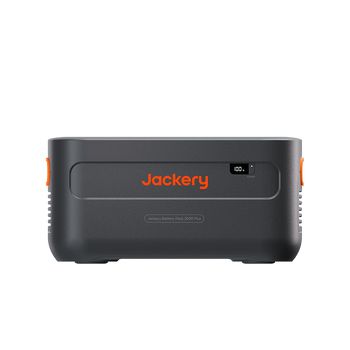
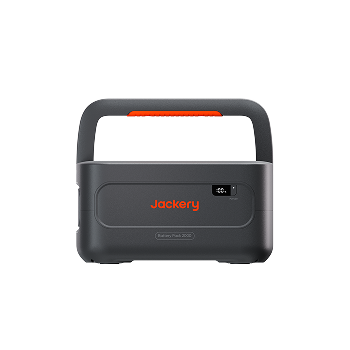
![[Add-on] Jackery Battery Pack 5000 Plus - Jackery](http://www.jackery.com/cdn/shop/files/add-on-jackery-battery-pack-5000-plus-6713401.webp?v=1786503068&width=324)




















Quick Answer:
U.S. homes average 29 kWh/day, but “normal” varies dramatically — two identical houses can differ by 50% or more due to hidden loads, aging appliances, and behavior. Compare your daily kWh against past months using your utility’s smart-meter portal to pinpoint waste. The fastest way to find hidden drains: look at midnight spikes, garage freezers, and pool pumps, because they often run for hours with zero benefit.
Key Takeaways
- The national residential average is 29 kWh/day, but household size, climate zone, and all-electric vs. gas appliances push real baselines anywhere from 8 kWh to 90+ kWh.
- HVAC age creates a 30–50% swing in cooling costs — a 15-year-old central A/C can pull double the kWh of a modern high‑SEER unit.
- Phantom loads (modems, cable boxes, old freezers) typically account for 5–10% of daily usage, often 1–3 kWh of pure waste.
- Electric water heaters are the stealthiest drain: 3–5 kWh/day, and a failed thermostat can run the element 24/7.
- An all-electric home with an EV easily passes 60 kWh/day; that’s not waste, it’s the new baseline — but comparing that to a gas-heated neighbor’s 25 kWh is apples-to-oranges.
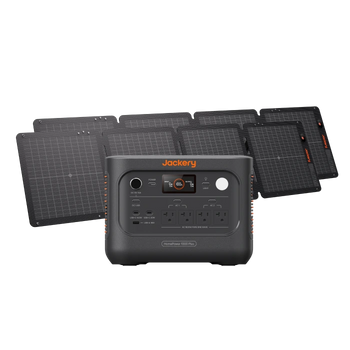
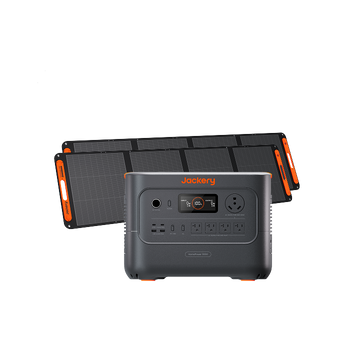
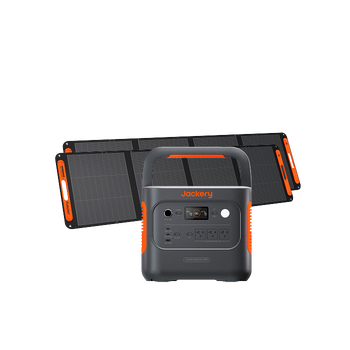
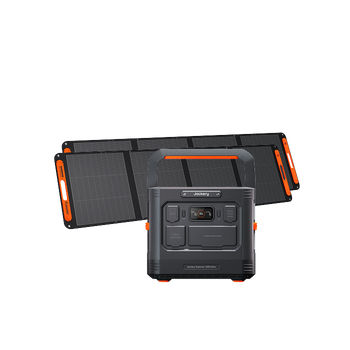
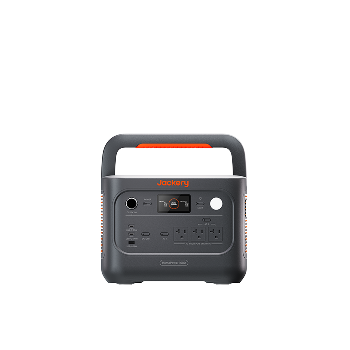
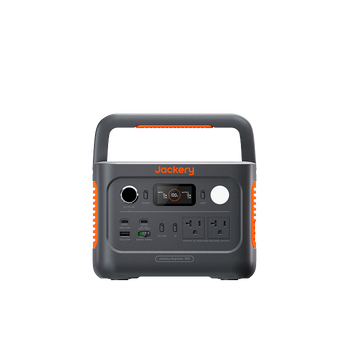
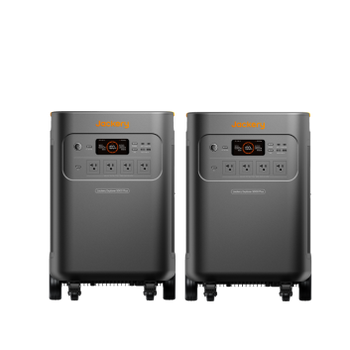
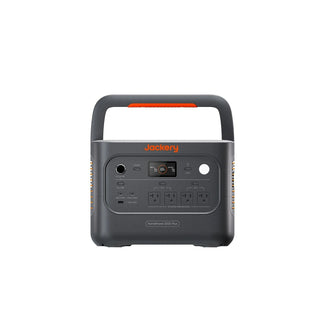
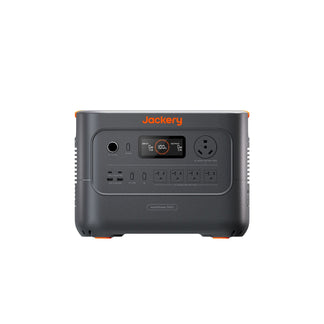
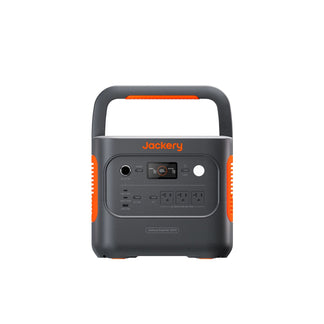
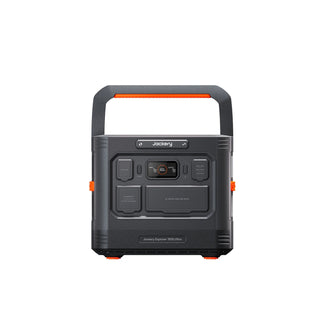
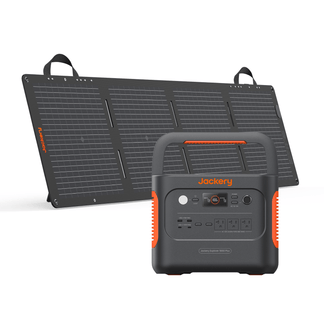
- Jackery’s expandable HomePower solar generators can cover essential circuits during outages without the $9,000–$18,000 installed cost of a permanent home battery.
Why Comparing to Neighbors Misleads You
Utility neighbor comparison reports often show a 50–70% variation in kWh consumption, but the split isn’t purely about efficiency.
Key drivers of the variation:
- A family of four with a WFH setup, an EV, and a second refrigerator naturally uses far more than a single retiree in the same floor plan.
- Appliance age matters more than square footage: a 15‑year‑old central A/C uses roughly twice the electricity of a modern 18+ SEER unit.
- Hidden loads like a water heater thermostat stuck at 80°C can silently add $25–$40/month, and a garage freezer with iced coils can pull 2–3 kWh/day.
- Even moderate daily usage can cost more where rates are high — 16–26 kWh/day in California at $0.30–$0.45/kWh may double the cost of 30 kWh/day in Texas.
- EVs and electric heat reset “normal” entirely: a Level 2 charger adds 10–15 kWh/day for a 40‑mile commute, and all‑electric homes with heat pumps and induction often cruise at 40–70 kWh/day without malfunction.
- Comparing that to a gas‑heated neighbor’s 25 kWh is apples-to-oranges.
Decoding the National Baseline: What “Normal” Means in 2026
The U.S. residential average is 29 kWh/day (U.S. Energy Information Administration), roughly 863–899 kWh/month for a typical single‑family home. Actual use varies widely.
Factor |
Typical kWh/day |
Household size |
|
1–2 people |
15–20 |
3–4 people |
25–30 |
5+ people |
35–50 |
Floor area |
|
<1,000 sq ft apartment |
8–18 |
>2,500 sq ft home |
40+ (60+ in hot climates with multiple A/C zones) |
Geography creates a 14 kWh/day swing: Southern states average 37 kWh/day due to heavy air conditioning, while the Northeast and West hover around 23 kWh/day. Texas, with large homes and a long cooling season, sees a 2,000 sq ft home consuming about 39 kWh/day (1,176 kWh/month). All‑electric homes can top 90+ kWh/day during a heat wave. The takeaway: using 35 kWh/day in a gas‑heated home is above average; 55 kWh/day in an all‑electric house with an EV is likely right on track.
Hidden Variables That Push Usage Above or Below the Norm
- HVAC age: A 15-year-old 10 SEER A/C uses roughly double the electricity of a modern 18+ SEER unit, adding 15–20 kWh on a hot day in a 2,000 sq ft home.
- Electric water heaters: 3–5 kWh/day standby; a stuck thermostat can push consumption to 8–10 kWh/day, over $30/month at $0.15/kWh. Heat-pump water heaters cut this in half.
- Phantom loads: Always-on electronics typically draw 1–3 kWh/day — modems (0.36 kWh), DVRs (0.96 kWh), and older garage freezers (2–3 kWh) combine silently.
- Pool/spa: A single-speed pool pump can use 8–16 kWh/day; an electric spa heater in winter may consume 10–30 kWh/day.
- Ductwork: Unsealed ducts in an unconditioned attic waste 20–30% of conditioned air.
- WFH and extra appliances: A second fridge adds 1.5–2.5 kWh/day; a home office with multiple monitors can add 2.4–4 kWh daily. Together, these can push a formerly 29 kWh/day home to 45–50 kWh/day.
How to Accurately Measure Your Own Daily and Monthly kWh
Step 1: Check your utility’s smart-meter portal for 15-minute interval data.
- Look for flat 2:00 AM consumption of 500 watts — likely a stuck pool pump or freezer.
- A 3:00 PM spike to 4 kW is central A/C; note runtime.
Step 2: Use a Kill‑A‑Watt meter on your refrigerator, freezer, and entertainment center for 24–48 hours. An older fridge might pull 2.3 kWh/day while its label claimed 1.6 kWh.
Step 3: Smooth seasonal noise by comparing three months of billing data:
daily kWh = monthly total ÷ days in billing period
Where to Look First: Top Energy Consumers in Your Home
Appliance / System |
Typical Daily kWh |
Why It’s a Prime Suspect |
Central A/C (3‑ton, 10 SEER) |
15–25 (hot day) |
Accounts for 46% of residential electricity; old units double the pull. |
Electric water heater |
3–5 (standby) |
Silent; a stuck thermostat can triple that. |
Refrigerator (2005 model) |
2–3 |
Garage fridges often consume 2× the kitchen unit. |
Clothes dryer (electric) |
3–5 per load |
Dense load; each cycle pulls roughly 4 kWh. |
Pool pump (single‑speed) |
8–16 (8 hours) |
The single biggest schedulable drain in many homes. |
Lighting & electronics |
2–5 total |
LED upgrades cut lighting kWh by 75%, but always‑on networks and DVRs persist. |
Heating and cooling together represent 46% of residential electricity. Here’s how specific appliances drive consumption:
- Central A/C: Pulling 3–5 kW for five hours adds 15–25 kWh.
- Electric water heater: A standard 4500‑watt element normally cycles, but a thermostat failure can run it continuously, delivering 108 kWh in a day — enough to spike a monthly bill by 3,200 kWh if undetected. Even without failure, standby loss is about 1.5 kWh/day.
- Garage fridge: Pulling over 2 kWh/day pays back replacement in 2–3 years.
- Clothes dryer: 3–5 kWh per load.
- Pool pump: 1–3 kW/hour — reducing run time from eight to six hours saves 2–6 kWh/day.
- Lighting & electronics: Switching to LEDs cuts lighting kWh by 75%, but always‑on entertainment centers (TV, soundbar, game console standby) can draw 40–60 watts, 1–1.5 kWh/day.
When Your Daily Usage Tops 50 kWh – High‑Consumption Profiles
If your daily total regularly crosses 50 kWh, you likely fit one of three profiles.
All‑electric home with EV: A Level 2 charger drawing 7.2 kW for 2 hours adds 14.4 kWh/day (40‑mile commute at 3 miles/kWh). On a 30 kWh/day baseline, that totals 44 kWh; heat pump water heater and induction cooking easily push past 60 kWh/day.
Heated pool or spa: An electric spa heater in winter can consume 10–30 kWh/day; combined with a single‑speed pool pump, the water feature alone accounts for 20–40 kWh/day.
Large home with multiple A/C units: Over 3,000 sq ft with 2–3 zones can pull 30–40 kWh/day during heat waves. In Phoenix at 110°F, two units running 18–20 hours drawing 2–3 kW each can spike to 100+ kWh/day for a 3,500 sq ft envelope held at 75°F against 45°C outside.
If you don’t match these profiles and still hit 50+ kWh, check for a hardware fault: a stuck water heater thermostat, failed A/C capacitor, or a well pump that never stops.
Practical Community Tips for Diagnosing Waste
- Cylinder test for water heaters: Turn off the water heater breaker for 1–2 hours. If your real‑time meter shows a flat drop of 3–5 kW the whole period, the thermostat was stuck on, revealing exact consumption.
- Utility portal timing: Examine weekday 15‑minute intervals; focus on midnight–5 AM. Any flat load above 200 watts is likely an always‑on dehumidifier, old freezer, or landscape lighting never shutting off.
- Check the garage first: A second fridge or chest freezer in a hot garage can cost $20–$30/month. Clean coils; if seals are shot or the unit is over 15 years old, replace it with a modern 1.5‑kWh/day model — payback within two years.
- Swap to heat‑pump appliances: Replacing a 15‑year‑old electric water heater with a heat‑pump model cuts that load from 3–5 to 1.5–2.5 kWh/day. Modern fridges use 1 kWh or less per day.
Matching Backup Power to Your Usage Profile – Cost‑Effective Framework
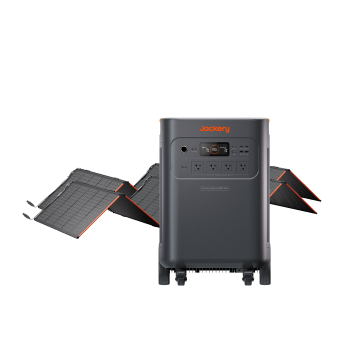
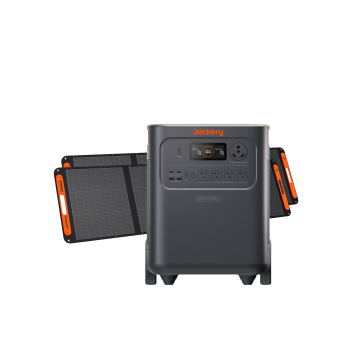
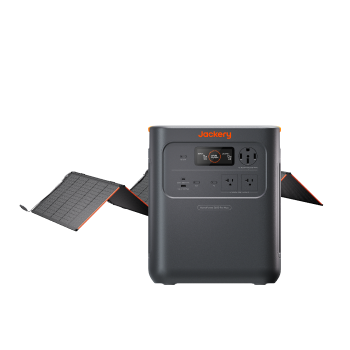
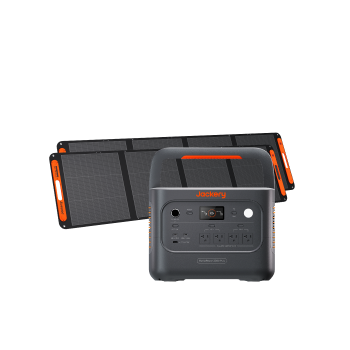
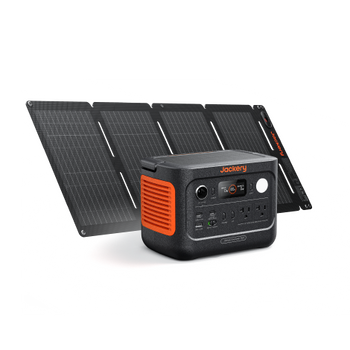
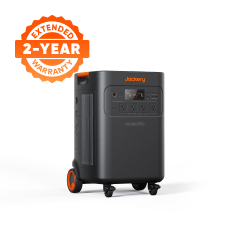
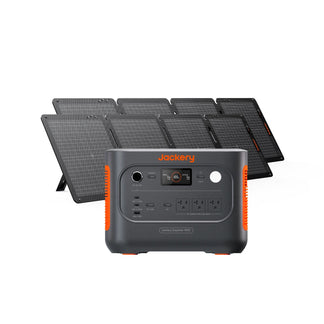
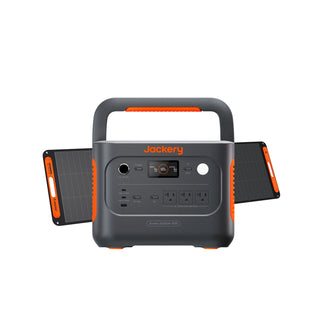
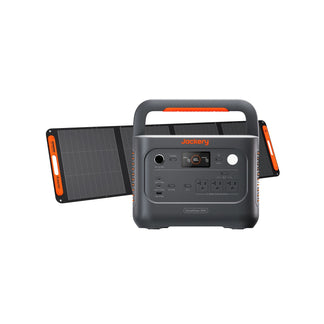
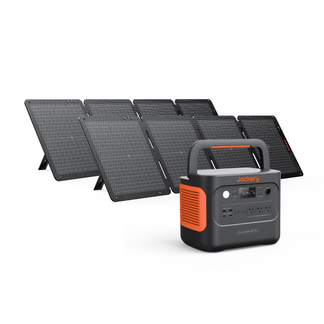
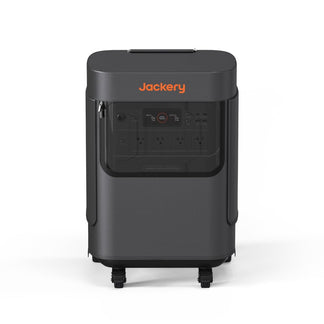
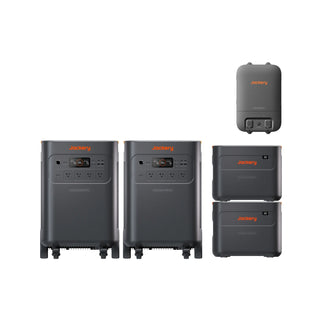
Once you’ve identified your top loads, sizing backup power is straightforward. Portable solar generators avoid the $9,000–$18,000 installed cost of a permanent home battery while covering essential circuits.
Product |
Base Capacity |
Expandable Capacity |
Output |
Key Runtimes |
Ideal For |
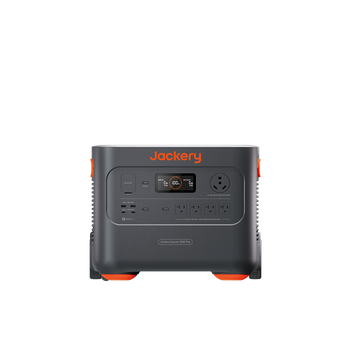
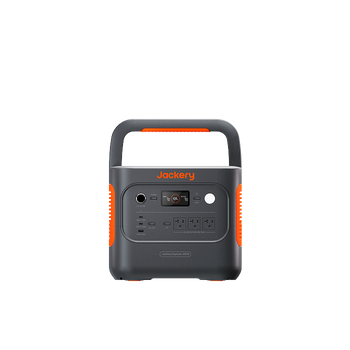
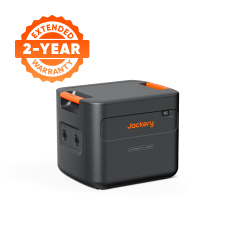
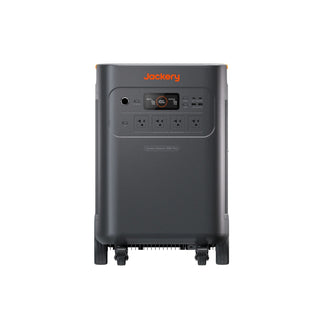
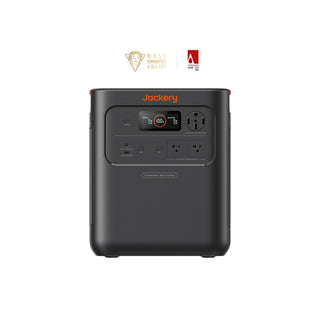
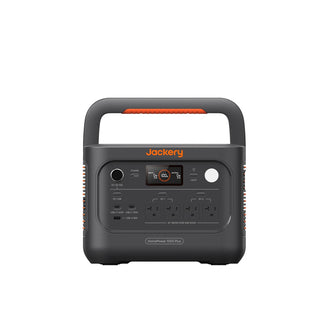
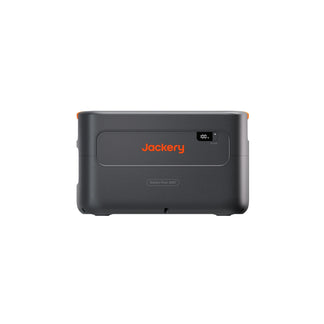
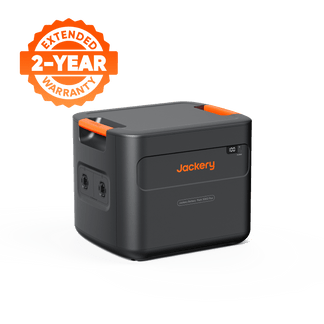
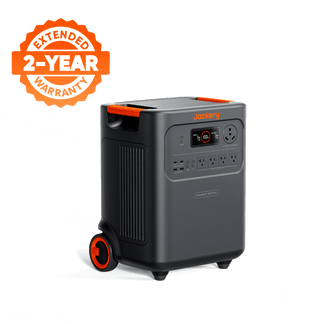
Jackery Solar Generator HomePower 3600 Plus |
3,584Wh |
Up to 21.48kWh |
3600W continuous / 7200W surge |
Full‑size refrigerator 38 hrs, Wi‑Fi router 300 hrs, portable fan days |
1–2 person household covering essentials through multi‑day outage |
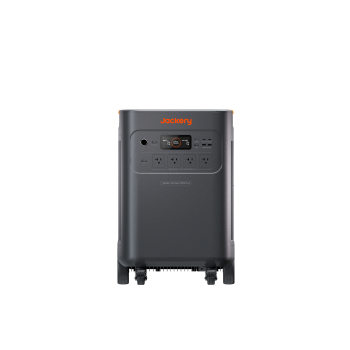
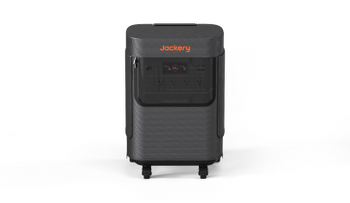
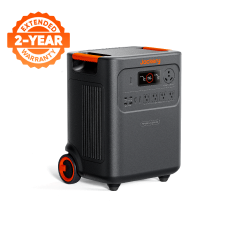
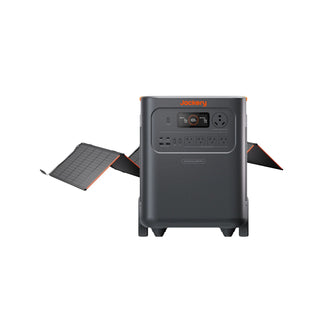
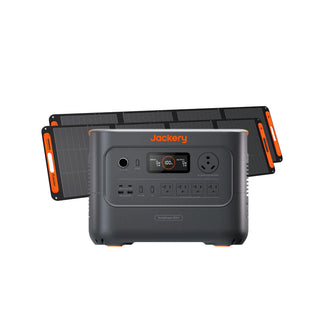
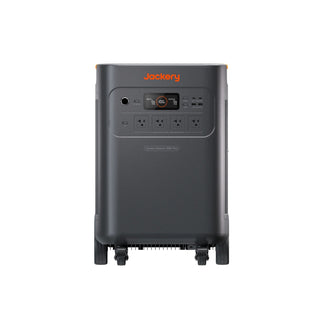
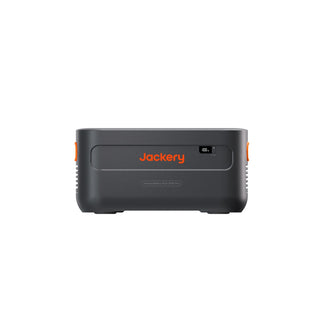
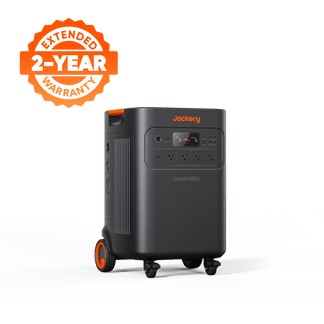
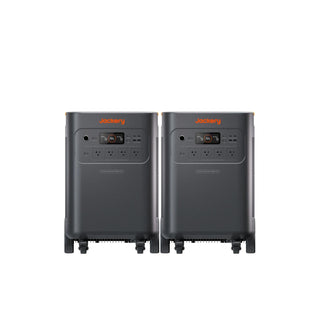
Jackery Solar Generator 5000 Plus |
5,040Wh |
Up to 60kWh |
7200W continuous / 14,400W surge |
Lights, full‑size fridge, window A/C, home office equipment for extended periods |
Households using 30–40 kWh/day needing multiple high‑power loads; core kit roughly $5,000 |
Daily Household Usage |
Key Loads to Back Up |
Jackery Recommendation |
Expandable Capacity |
Under 20 kWh/day |
Fridge, router, lights, phone, fan |
Jackery Solar Generator HomePower 3600 Plus |
Up to 21.48kWh |
20–35 kWh/day |
Above + window A/C, home office, security |
Jackery Solar Generator 5000 Plus |
Up to 60kWh |
35–50 kWh/day |
Multiple fridges, sump pump, well pump |
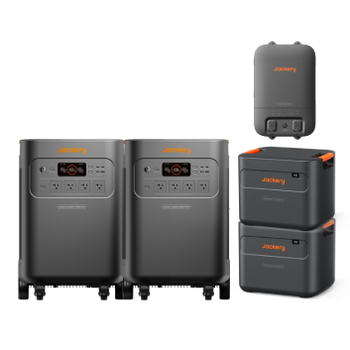
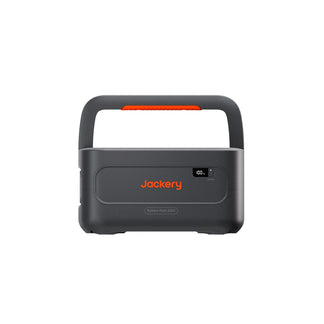
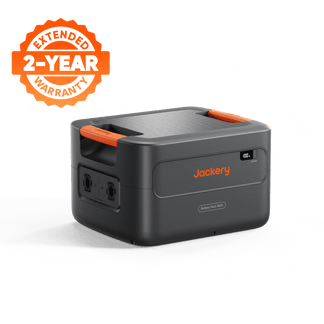
Jackery Solar Generator 5000 Plus with extra batteries |
Up to 60kWh |
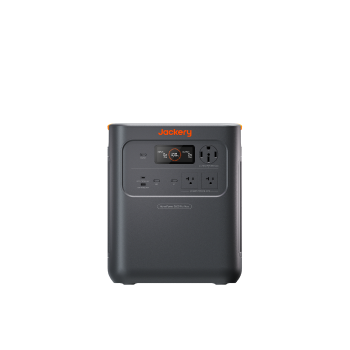
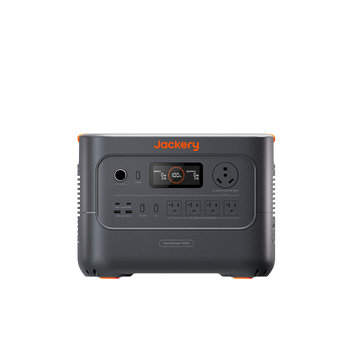
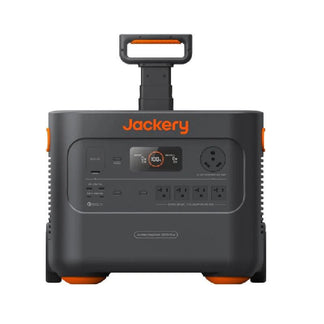
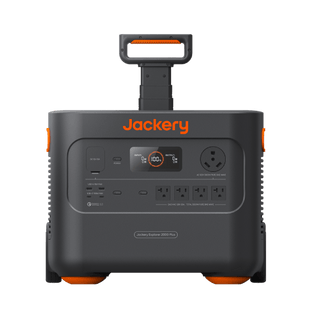
For more, read our guide on building a secure home backup, compare options in our best battery backup generators article, and see how the Jackery 2000 Plus covers fridge, electronics, and outdoor gear.
Frequently Asked Questions (FAQ)
What appliance should be unplugged every night?
Older cable boxes and desktop computers draw 10–30 watts continuously; unplugging them overnight can save up to 1–2 kWh daily, especially with multiple always‑on devices.
What is the cheapest time of day to use electricity?
Off‑peak hours, usually 9 PM to 7 AM on time‑of‑use plans, offer the lowest $/kWh. Shift dishwasher, dryer, and EV charging to these times to cut your bill.
Is 2000 kWh a lot for a month?
Yes — 2,000 kWh/month is double the national average, typically indicating a large all‑electric home with EV charging, a pool, or a hardware fault like a stuck water heater thermostat.
What common mistake can double your electric bill?
Setting an electric water heater thermostat above 120°F adds 3–5 kWh/day in standby heat loss, silently inflating your bill by $25–$40/month.
How much does it cost to run a 1500W heater for 24 hours?
(1500W × 24 hours) ÷ 1000 = 36 kWh per day
Costing roughly $4.50–$7.20 depending on your local rate. Using it in a single room can be cheaper than heating the whole house, but 24/7 operation adds up fast.


