











![[Add-on] Jackery SolarSaga 500 X - Jackery](http://www.jackery.com/cdn/shop/files/add-on-jackery-solarsaga-500-x-1493607.webp?v=1786503068&width=324)
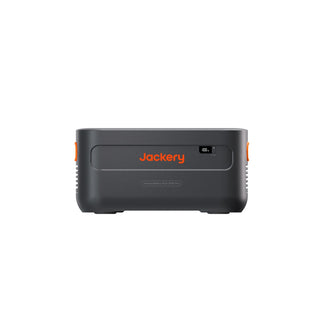
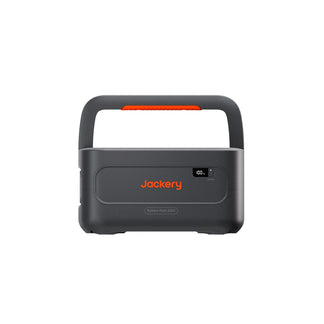
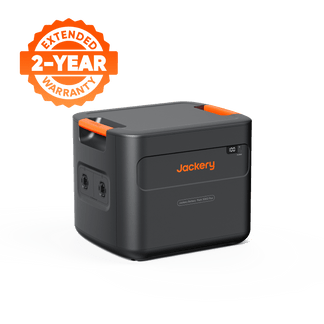
![[Add-on] Jackery Battery Pack 5000 Plus - Jackery](http://www.jackery.com/cdn/shop/files/add-on-jackery-battery-pack-5000-plus-6713401.webp?v=1786503068&width=324)









Quick Answer: Most modern LiFePO₄ solar batteries last 10–15 years or 3,000–5,000 cycles before capacity drops to 70–80% of original. Lead-acid batteries typically last only 3–5 years with shallower discharge cycles. Actual lifespan depends on depth of discharge, temperature, and usage frequency, with daily cycling wearing batteries significantly faster than occasional backup-only use. [1]
Key Takeaways:
- LiFePO₄ batteries offer 10–15 years of service with 3,000–5,000 cycles, making them the standard for residential solar storage.
- Depth of discharge (DoD) is the single largest controllable factor — regularly discharging below 80% DoD can cut lithium battery life by half.
- Expect to replace a solar battery at least once during the 25–30 year lifespan of your solar panels.
- Hot climates accelerate degradation by 15–20% for NMC chemistry, making LiFePO₄ preferred for warmer regions.
- Oversizing battery capacity to rarely discharge below 50–60% state of charge is the most effective strategy to extend lifespan beyond the warranty period.
How Does Battery Chemistry Affect Lifespan?
Battery chemistry is the primary determinant of lifespan:
- LiFePO₄: 10–15 years, 3,000–5,000 cycles at 80% DoD; dominates residential storage.
- Lead-acid: 3–5 years, 500–1,000 cycles; must limit to 50% DoD to avoid rapid capacity loss. [1]
Cycle life and calendar life both matter:
- Lithium batteries degrade with each charge-discharge cycle, but they also lose capacity over time — even an unused LiFePO₄ battery will show noticeable fade after 10–15 years.
- Manufacturers define end of life as the point where capacity falls to 70–80% of the original rating.
- LFP chemistry retains 80% capacity after 10 years under typical conditions and handles cold better than NMC, which is why it’s become the default for new installations.
Your Situation |
Recommended Chemistry |
Why |
|---|---|---|
Long-term, low-maintenance solar storage for a 25+ year system |
LiFePO₄ (LFP) |
10–15 years, 3,000–5,000 cycles at 80% DoD; only one replacement needed |
Budget-friendly with tolerance for frequent replacement |
Lead-Acid |
3–5 years, 500–1,000 cycles; must limit to 50% DoD; will need 5–8 replacements |
Hot climate residence |
LiFePO₄ (LFP) |
10–15 years; handles heat far better than NMC, which loses 15–20% more capacity per year |
Balanced option (less common today) |
NMC |
7–10 years, 2,000–3,000 cycles at 80% DoD; mostly replaced by LFP |
This table isn’t just a spec comparison — it’s a replacement planning tool. If your solar panels will produce for 25–30 years, you’ll replace a lead-acid bank five to eight times, but an LFP battery only once or twice.
What Key Factors Affect Battery Life?
Depth of Discharge (DoD)
Depth of discharge (DoD) is the single most controllable factor affecting battery life.
- Draining a LiFePO₄ battery below 80% DoD regularly accelerates capacity loss. Staying above 20% state of charge preserves cycles.
- For lead-acid, the damage threshold is even lower: 50% DoD is the absolute ceiling.
Operating Temperature
- Sustained exposure above 95°F (35°C) or below 32°F (0°C) degrades chemistry.
- NMC batteries lose 15–20% more capacity per year in hot climates compared to LFP.
- Climate-controlled installation — a garage or basement that stays between 60–80°F — is the simplest way to add years to any battery.
Cycle Frequency
- Daily cycling for load shifting wears a battery faster than backup-only use.
- A unit cycled once per day will hit its rated cycle count in about 8–14 years for LFP.
- A backup-only battery cycled a few times per month can last well beyond 15 years, though calendar aging still applies.
Charge and Discharge Rates
- High-power loads like well pumps and air conditioners stress cells.
- Matching the battery’s C-rate (its continuous discharge capability) to your surge loads reduces internal heat and wear.
- A battery management system (BMS) that enforces safe current limits is non-negotiable.
BMS Quality
- A robust BMS prevents overcharge, deep discharge, and thermal runaway. It directly extends usable life.
- Cheaper batteries often skimp here — a faulty BMS can kill a pack in under three years regardless of chemistry.
How Do You Know When Your Battery Needs Replacement?
- Reduced backup runtime: A battery that once powered a refrigerator for 8 hours now lasts only 4. Capacity has likely dropped below 70%.
- Longer charging time: Increased internal resistance means the battery takes noticeably longer to reach full charge, even under the same solar input.
- Frequent BMS error codes: Modern systems flag voltage imbalances or temperature warnings indicating cell failure.
- Visible swelling or leakage: Physical deformation in lithium cells is a safety hazard and requires immediate replacement.
- Warranty expiration: Most residential batteries carry 10-year warranties. After that, replacement is prudent even if the unit still works, because capacity fade accelerates.
These signs don’t appear overnight. Capacity loss is gradual, so tracking runtime against a known baseline helps you plan replacement before an outage exposes the weakness.
What Are Solar Battery Replacement Costs and Planning?
Residential battery storage costs $800–$1,300 per usable kWh installed in 2026, according to EnergySage marketplace averages. [2] A typical 10–15 kWh system runs $8,000–$19,500 installed, with labor adding 15–25%. That’s a significant line item, and it’s why chemistry choice matters so much — an LFP battery that lasts 12 years costs less per year than a lead-acid bank replaced every 4 years.
System Size (Usable kWh) |
Equipment Cost Range (2026) |
Approximate Installed Cost |
|---|---|---|
5 kWh |
$4,000–$6,500 |
$5,000–$8,000 |
10 kWh |
$8,000–$13,000 |
$9,500–$15,500 |
15 kWh |
$12,000–$19,500 |
$14,000–$23,000 |
- Replacement timing is straightforward: solar panels last 25–30 years, so you’ll replace a lithium battery once (or twice if you cycle aggressively) during panel life.
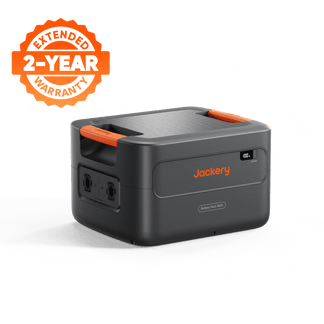
- Modular systems let you add capacity without replacing the entire stack, which reduces long-term cost if one unit fails early.
- When you’re upgrading your home power system, future-proofing with modular architecture is worth the premium.
Electricity rates and sun hours vary by location, so payback calculations should be based on your local utility costs, not incentives. A battery that shifts 10 kWh of solar energy from midday to evening can save $500–$1,000 per year in high-rate areas, but the exact number depends on your rate structure.
How to Maximize Your Solar Battery Lifespan
- Set charge limits and avoid deep discharge. Keep LiFePO₄ between 20% and 90% state of charge. Limiting DoD to 80% for LFP and 50% for lead-acid can double cycle life. Modern inverters let you program these thresholds easily.
- Install in conditioned space. A garage or basement with stable 60–80°F dramatically slows chemical degradation. Avoid outdoor installations in direct sun or uninsulated sheds.
- Stagger high-power loads. Running a well pump, air conditioner, and electric oven simultaneously from battery spikes current draw, heating cells and accelerating wear. Sequence loads or use a power management system.
- Update firmware and trust the BMS. Never override guardrails. Regular firmware updates optimize charging algorithms and temperature management, often adding months to effective lifespan.
- Use matched inverters. Pairing a battery with an inverter that supports its voltage and current limits prevents overdraw and undercharging. Mismatched components are a common cause of premature failure in DIY systems.
Limitations / What to Know Before
- Battery lifespan is not guaranteed. Warranties cover defects, not gradual capacity fade. Actual life depends on usage patterns, temperature, and maintenance.
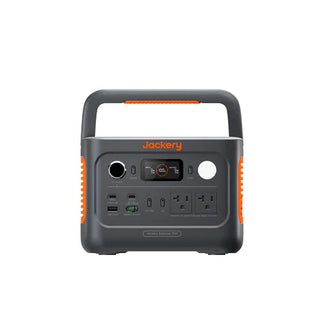
- Portable power stations have integrated batteries and inverters. Replacing just the battery is often not possible — the whole unit may need replacement when the cells degrade.
- Backup-only use extends calendar life but still degrades chemistry. Even a rarely used battery needs replacement after 10–15 years due to inherent lithium-ion aging.
- All lithium-ion batteries degrade from day one. Capacity loss is gradual and unavoidable, not a sign of a defective product.
- Throughput warranties matter. Beyond time, warranties often cover total energy cycled. Exceeding this limit voids coverage even if the time warranty hasn’t expired.
Jackery Essential Home Backup Solutions
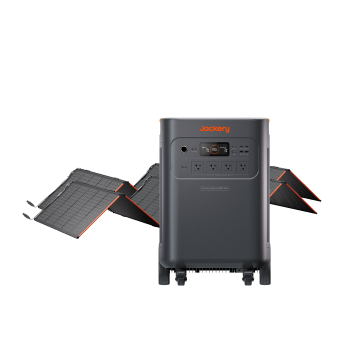
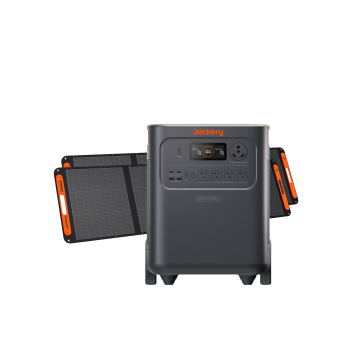
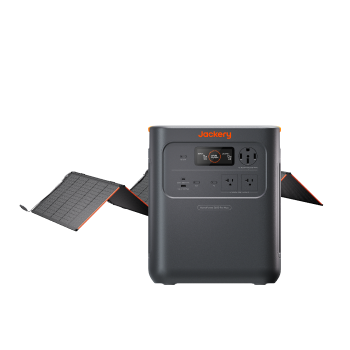
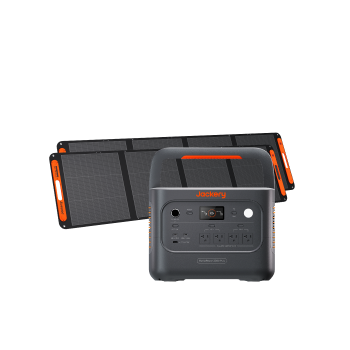
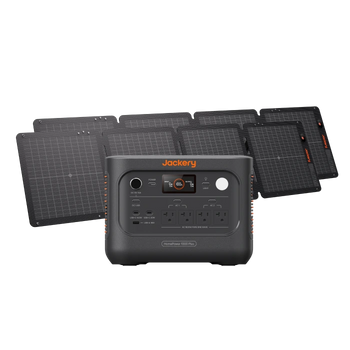
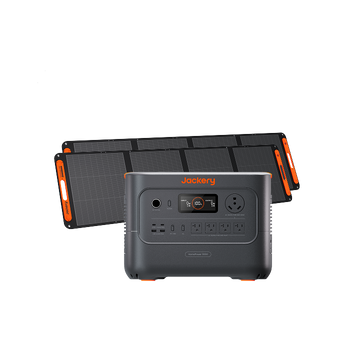
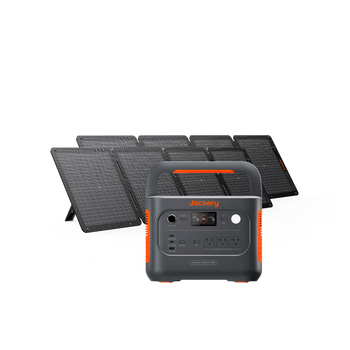
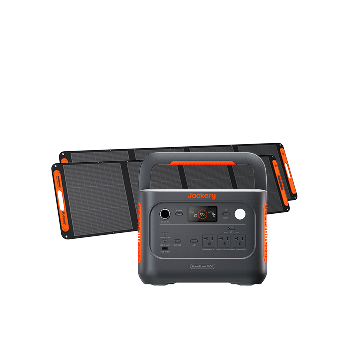
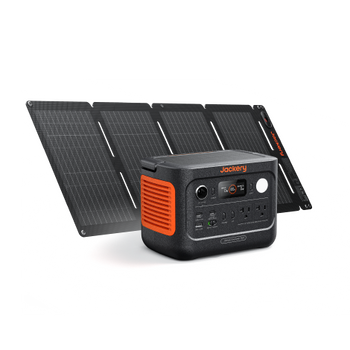
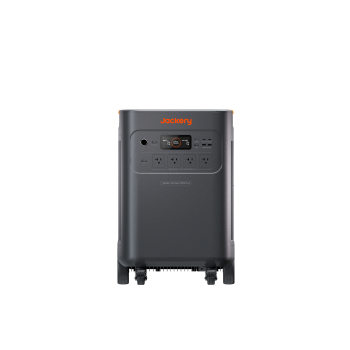
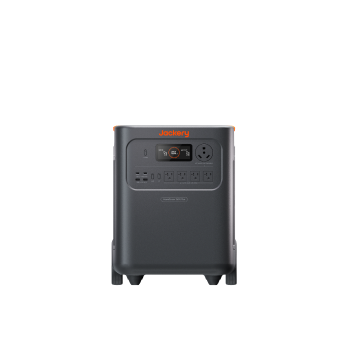
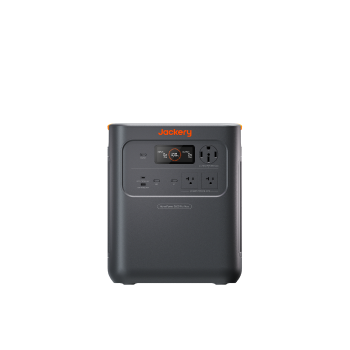
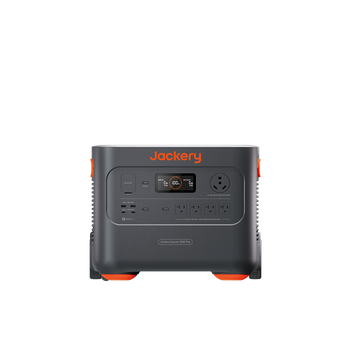
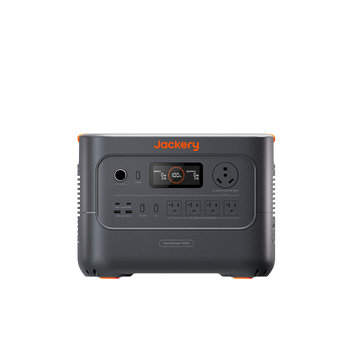
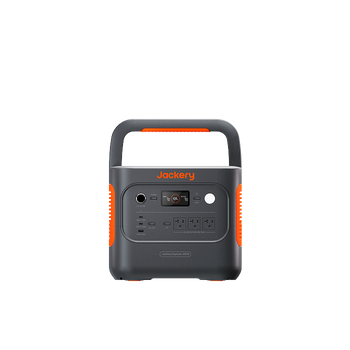
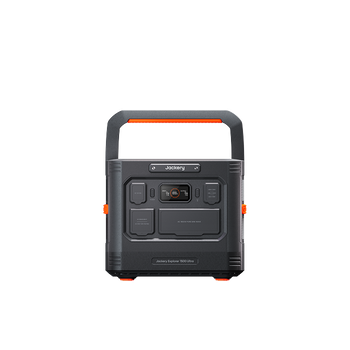
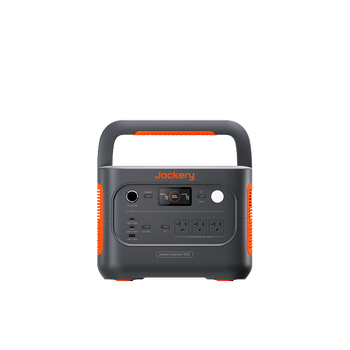
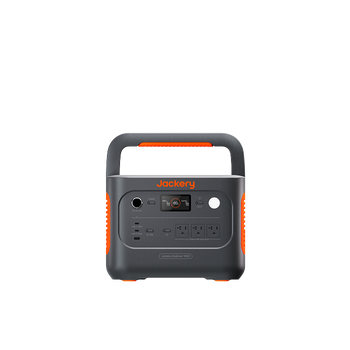
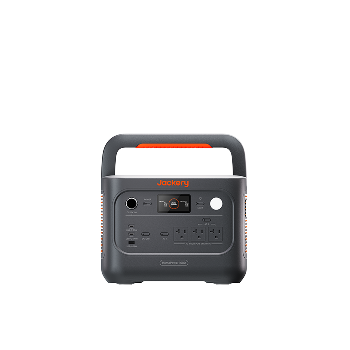
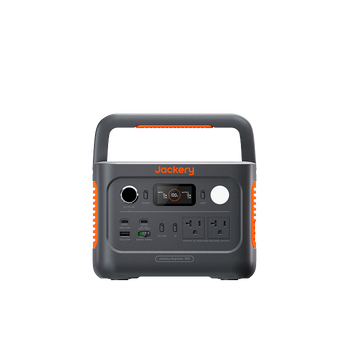
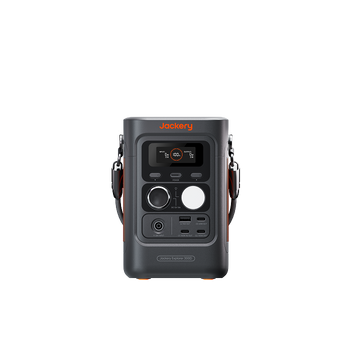
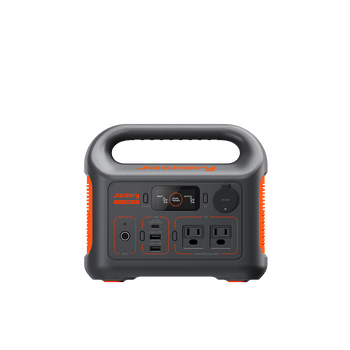
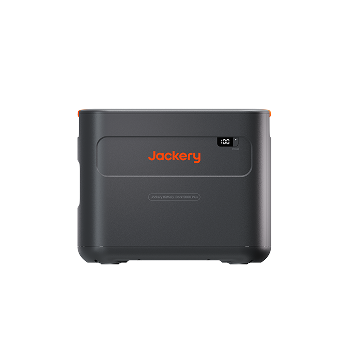
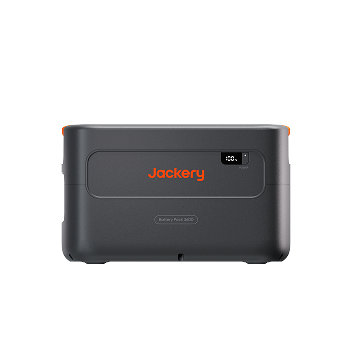
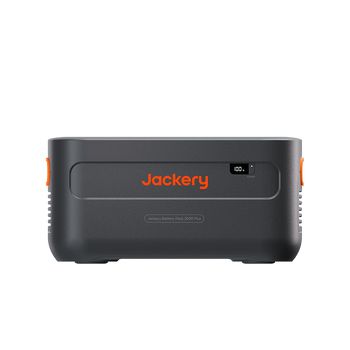
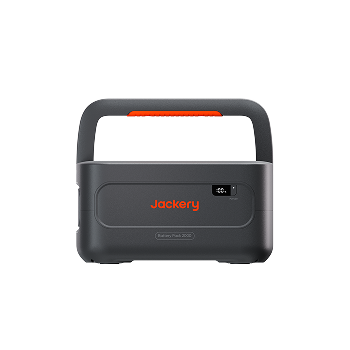
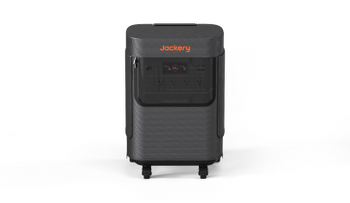
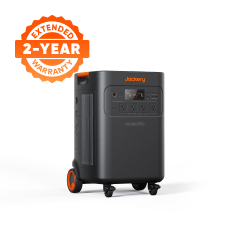
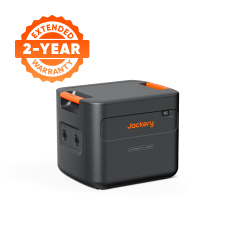
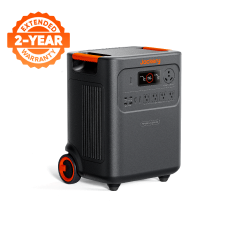
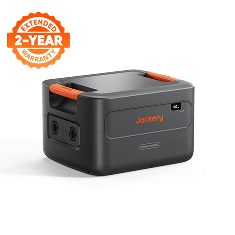
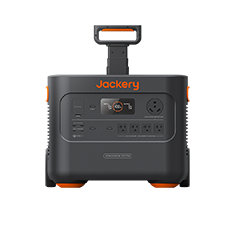
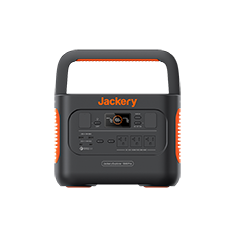
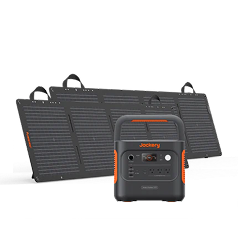
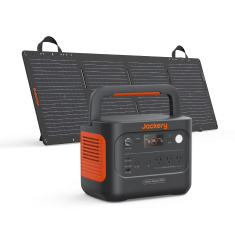
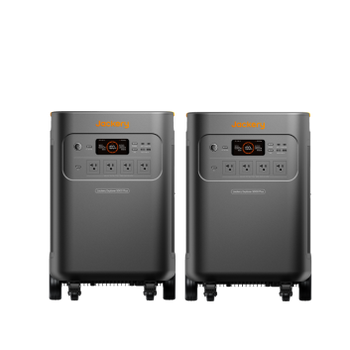
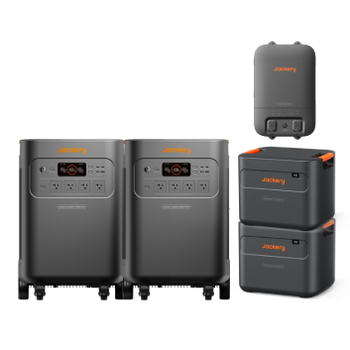
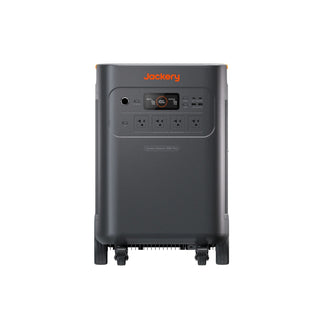
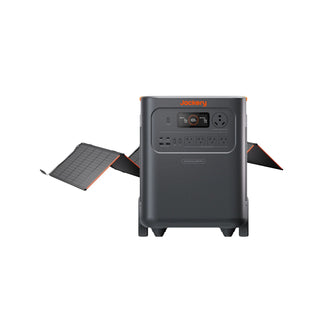
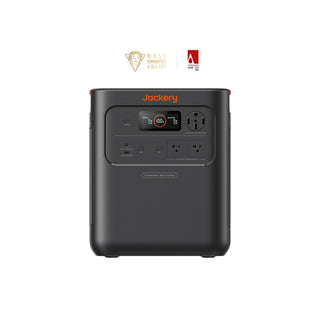
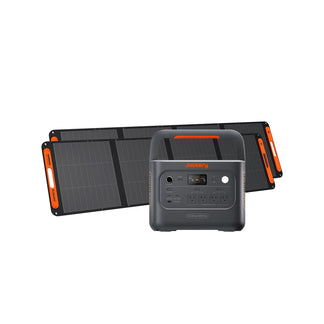
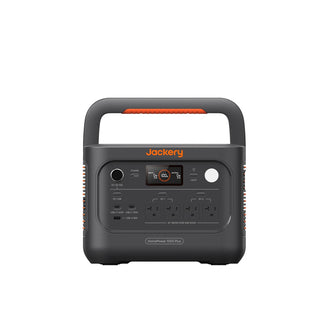
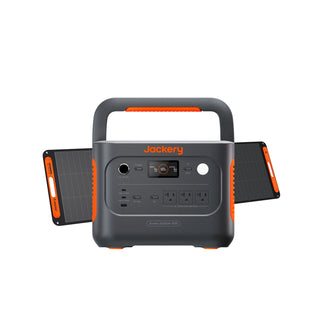
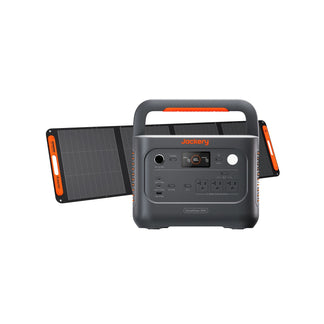
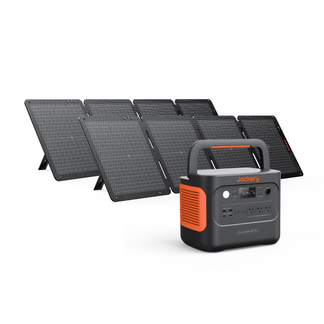
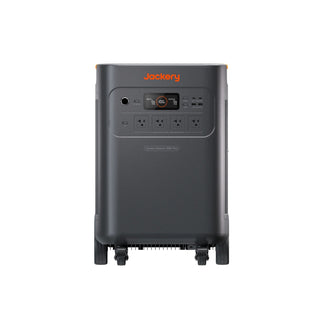
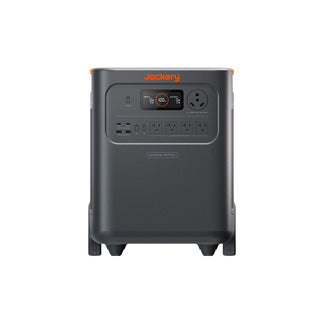
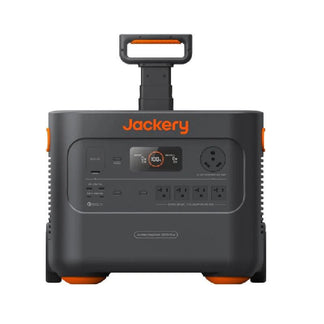
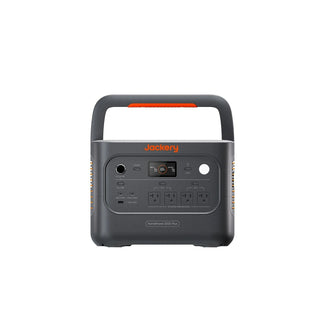
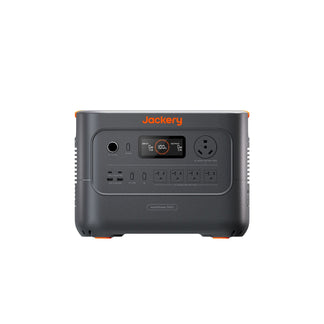
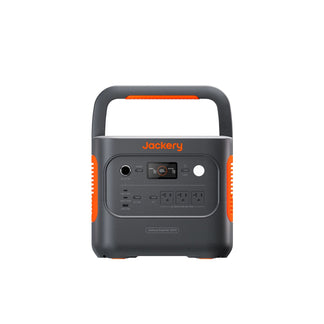
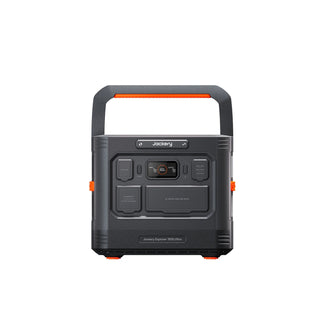
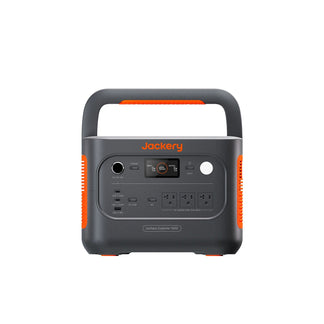
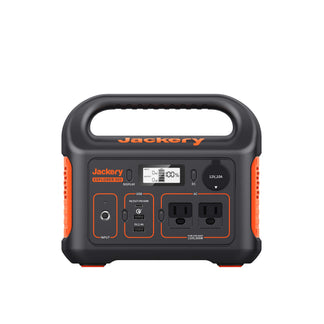
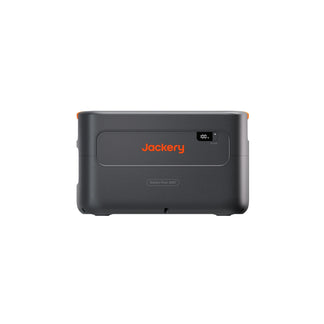
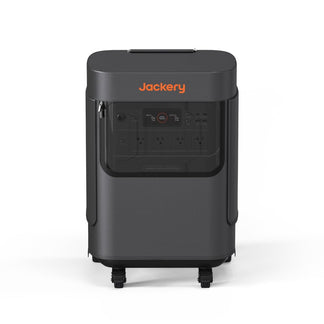
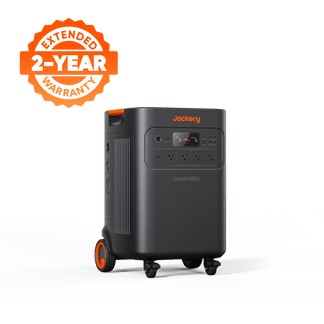
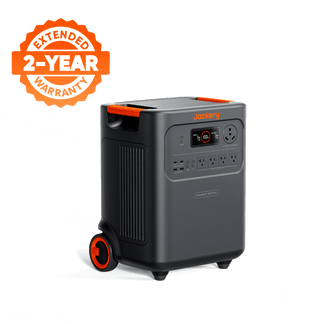
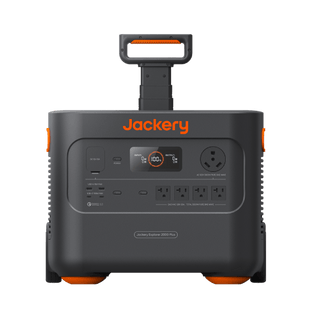
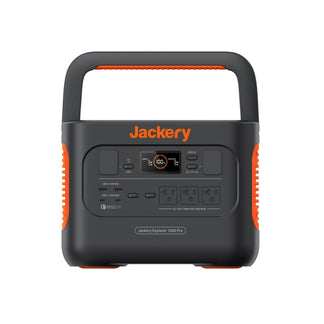
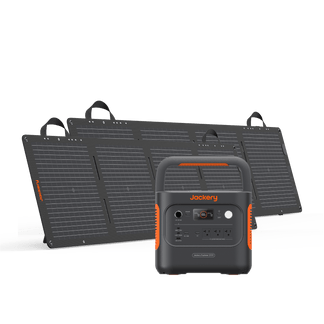
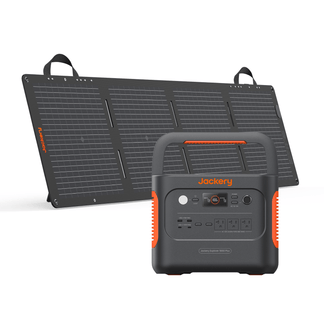
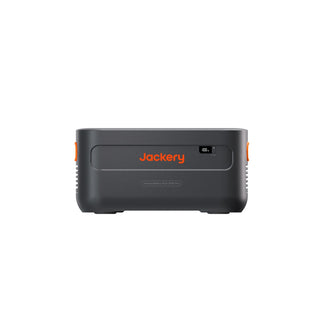
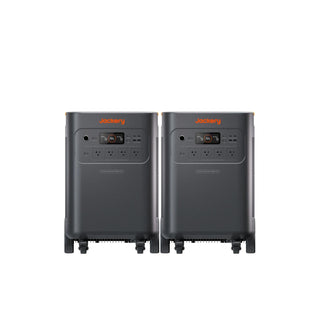
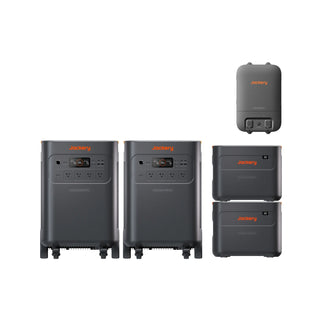
Jackery’s portable power stations use LiFePO₄ cells that match the 10–15 year lifespan benchmark, with the added benefit of modular expansion. For essential home backup — refrigerator, lights, Wi-Fi, and portable AC — these systems avoid the complexity of permanent installation while delivering the cycle life you’d expect from residential storage.
Feature |
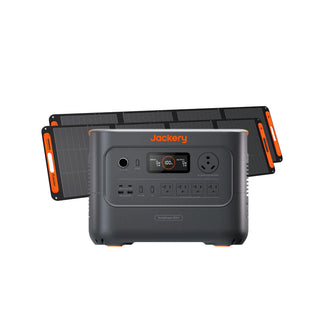
Jackery Solar Generator 5000 Plus + 2x SolarSaga 500X |
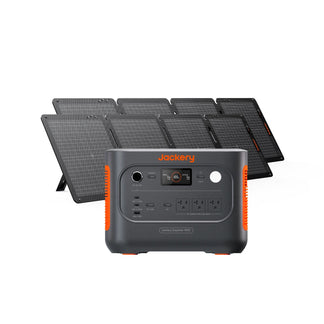
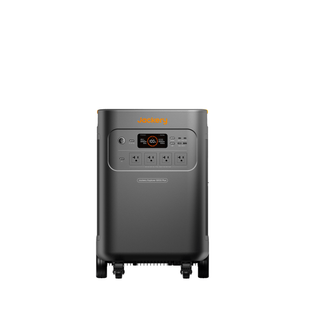
Jackery Solar Generator HomePower 3600 Plus + SolarSaga 500X |
|---|---|---|
Capacity / Output |
Expandable up to 60kWh; runs 520W fridge 10 hrs or 900W portable AC 4.5 hrs |
3,584Wh, 3,600W continuous (7,200W surge); runs 80W fridge 38 hrs |
Battery Chemistry |
LiFePO₄, 4,000+ cycles to 70% capacity |
LiFePO₄, 6,000+ cycles to 70% capacity |
Solar Recharge |
2x SolarSaga 500X panels for rapid recharge |
Single SolarSaga 500X recharges in 16 hrs; stack multiple for faster charging |
Portability |
Core unit portable, expandable with battery packs |
77 lb, portable design |
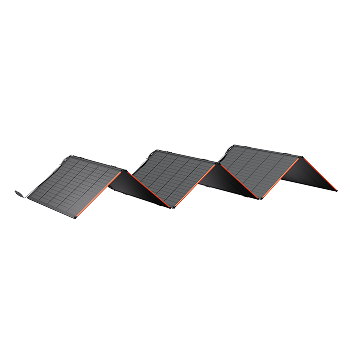
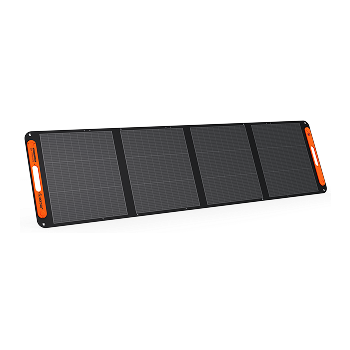
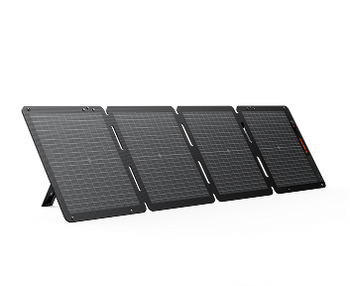
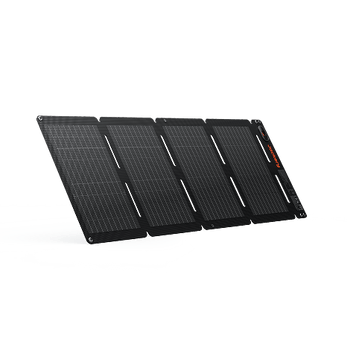
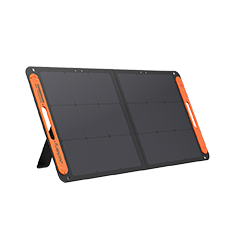
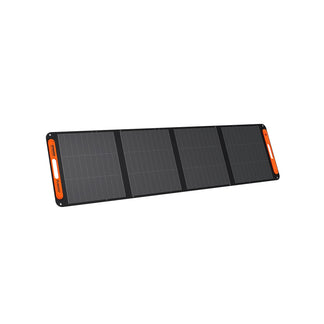
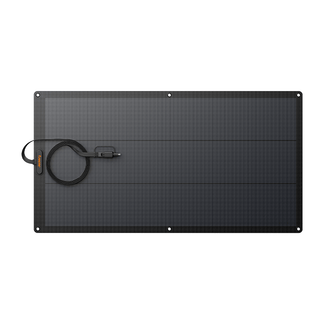
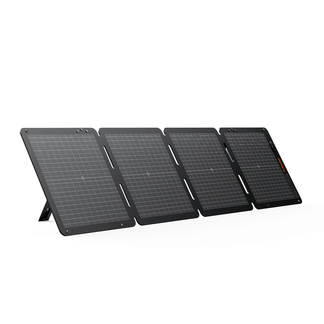
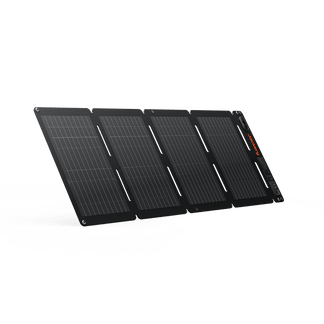
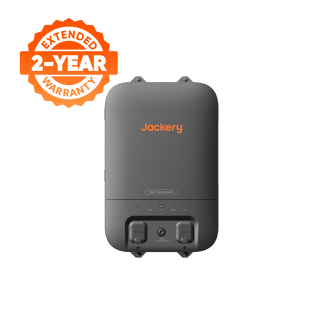
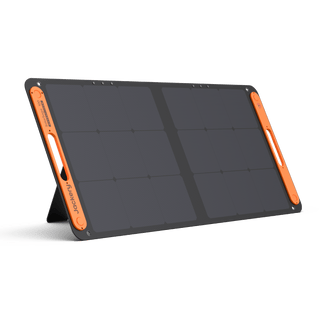
The SolarSaga 500X panel delivers:
- Power Output: 500W
- Efficiency: 25%
- Recharging: Recharges HomePower 3600 Plus in 16 hours; stackable for faster charging
- Warranty: 5 years
For a deeper look at building a resilient setup, see how to build a whole-home system with Jackery 5000 Plus and the best battery backup generators.
Frequently Asked Questions
How do I dispose of a dead solar battery?
Recycle through certified battery recyclers or return to the manufacturer; never throw lithium or lead-acid batteries in household trash due to fire and toxicity hazards.
Can a solar battery charge without solar panels?
Yes, many batteries can charge from the grid via a compatible inverter, allowing time-of-use savings or backup power without a solar array.
What happens if a lithium battery is fully drained to 0%?
Deep discharge below the BMS cutoff can cause irreversible capacity loss, cell voltage reversal, and increased risk of internal short circuits or fire.
How do I size a battery for my home’s essential loads?
List the wattage and runtime of critical appliances (fridge, lights, Wi-Fi), sum their daily energy use in kWh, then add a 20–30% buffer to avoid deep discharges.
Are building permits required for installing a solar battery?
Most jurisdictions require an electrical permit and inspection for permanent battery installations, especially grid-tied systems, to ensure safety and code compliance.
Sources & References
[1] “How Long Do Solar Batteries Last?” EnergySage, https://www.energysage.com/energy-storage/how-long-do-solar-batteries-last/ (accessed June 2026).
[2] “Energy Storage Cost & Pricing,” EnergySage, https://www.energysage.com/energy-storage/cost/ (accessed June 2026).


