






































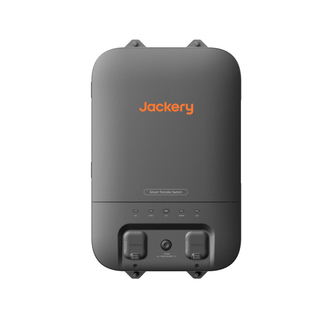










A standard household refrigerator typically draws 3 to 6 amps (running load), but requires a 15 to 20-amp circuit to accommodate the brief startup surge. In contrast, a commercial fridge or walk-in unit uses 6 to 17 amps due to heavier daily use, larger compressors, and frequent door openings.
Whenever someone wishes to move to a more sustainable source of power, they often wonder how many amps a refrigerator uses so they can make a well-informed decision. A standard household refrigerator uses between 3 to 6 amps, and a large commercial refrigerator can use up to 15 amps or more.
Understanding the energy consumption of a refrigerator, mini fridge, and large freezers is crucial if you are considering alternative power sources to save on your monthly electricity bills. Additionally, understanding and a thorough knowledge of how to calculate your refrigerator's energy use can help you save money in the long run.
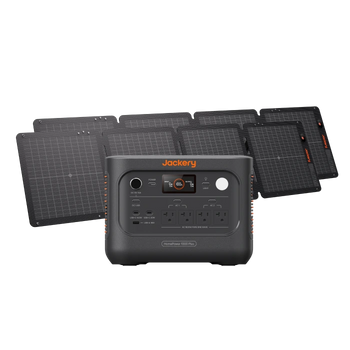
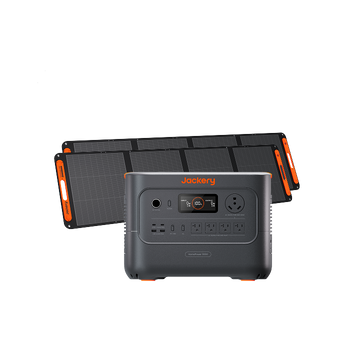
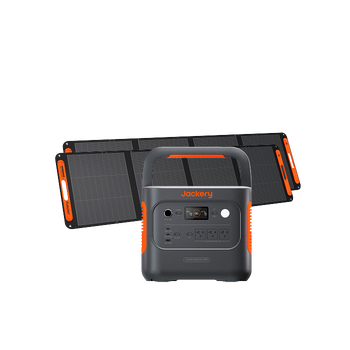
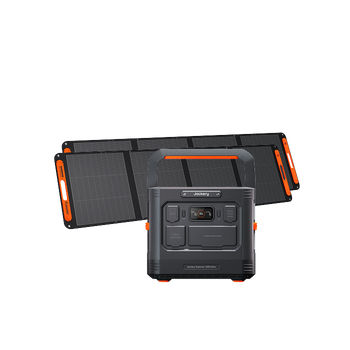
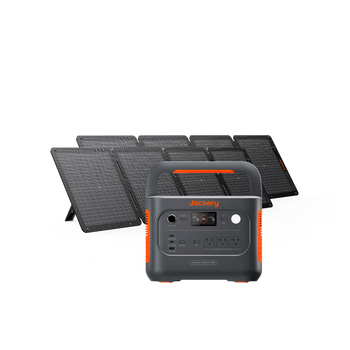
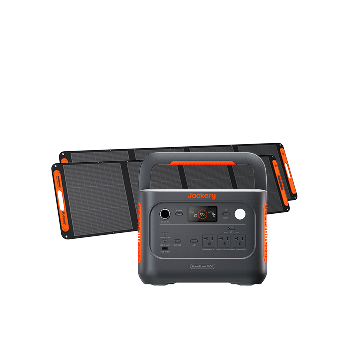
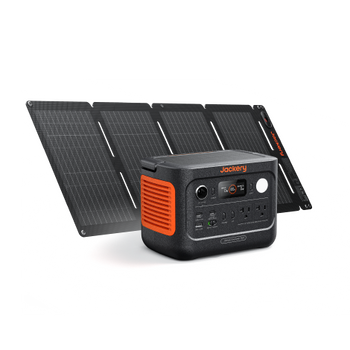
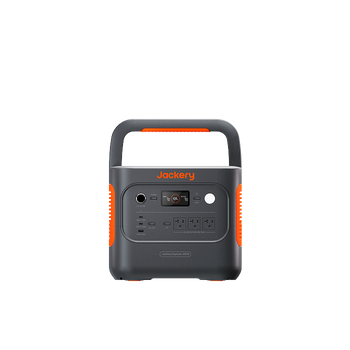
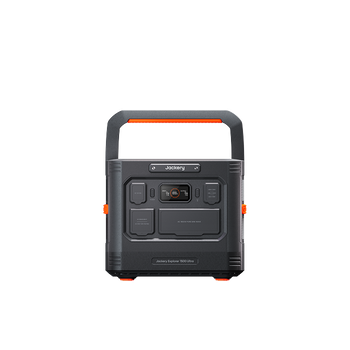
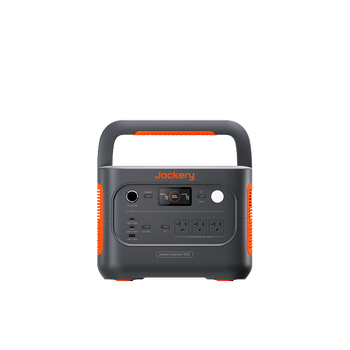
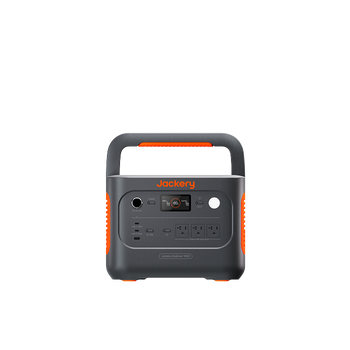
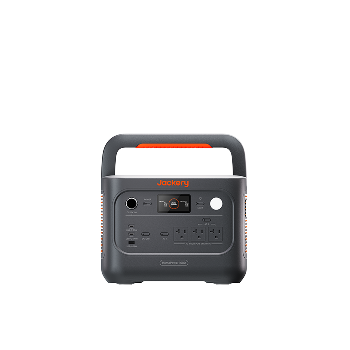
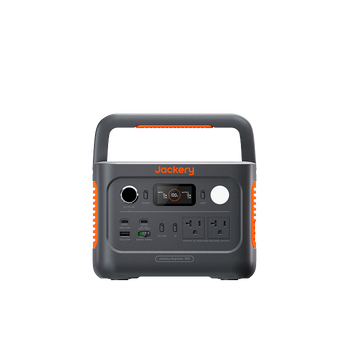
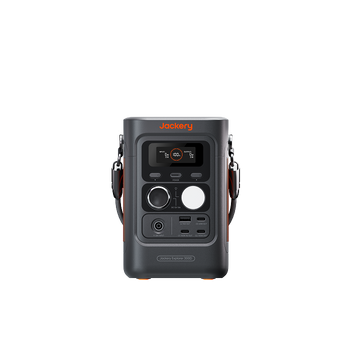
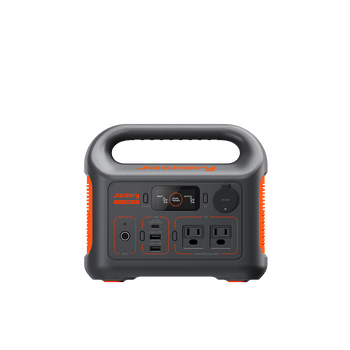
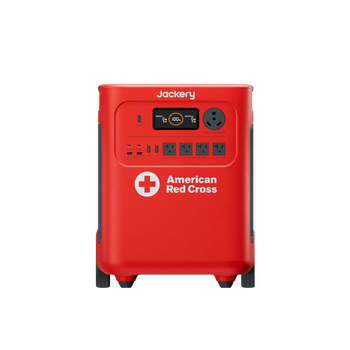
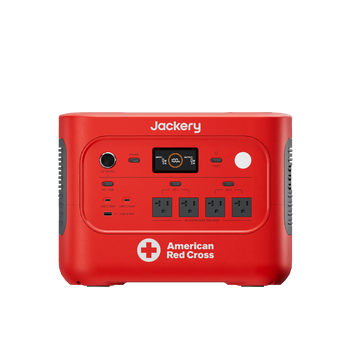
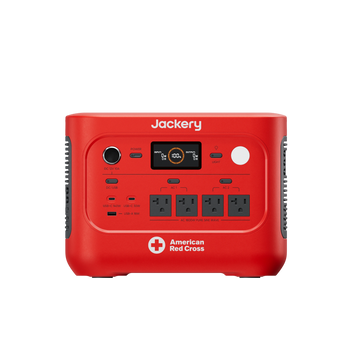
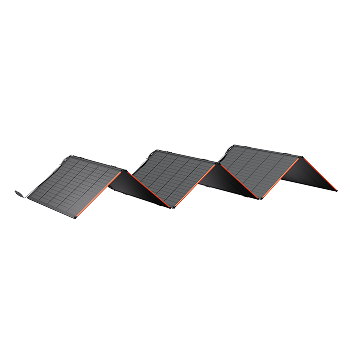
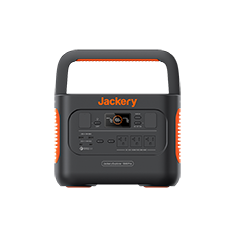
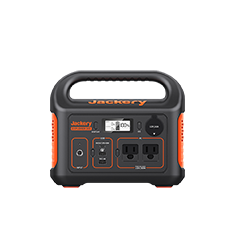
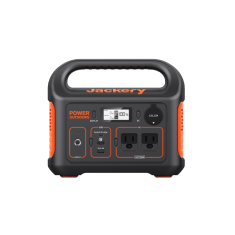
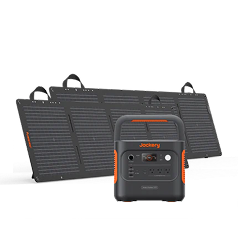
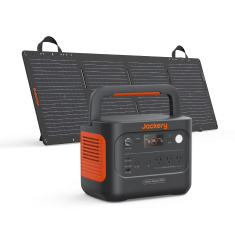
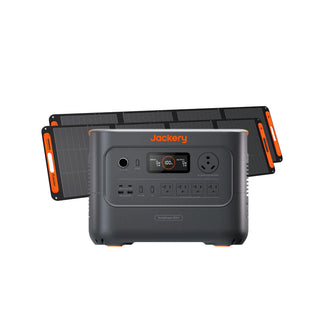
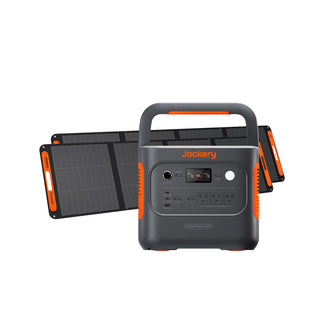
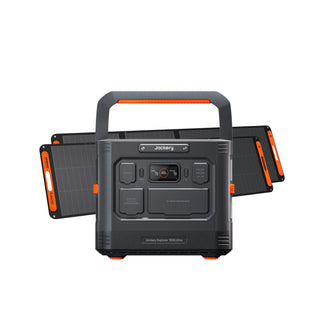
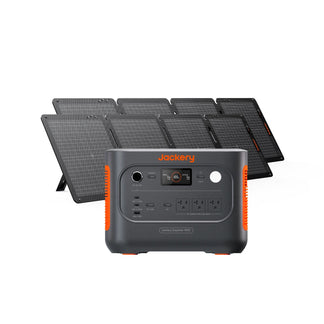
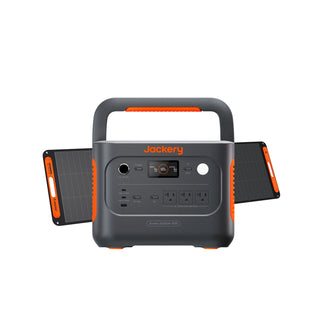
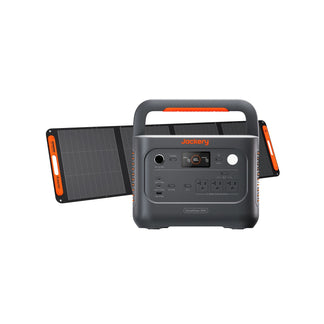
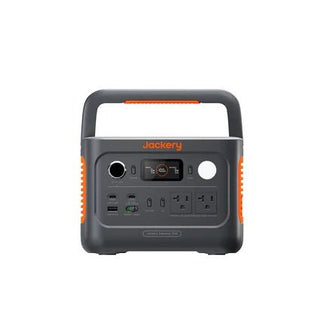
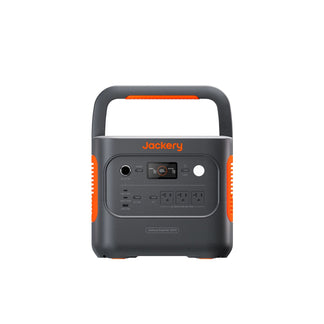
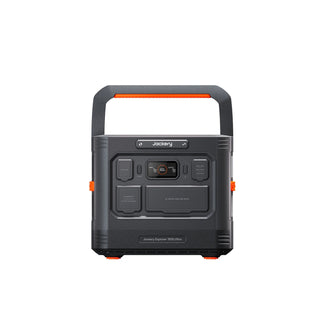
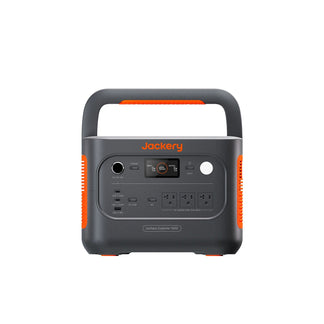
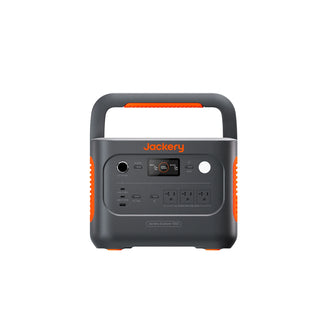
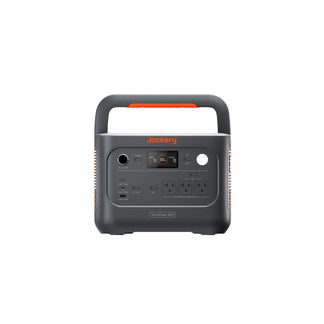
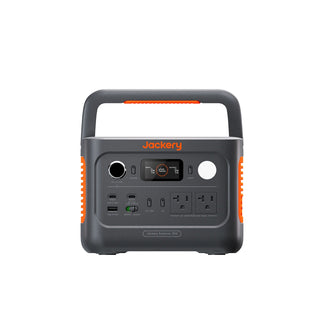
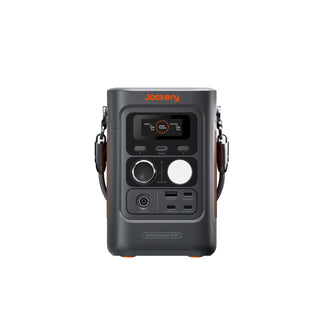
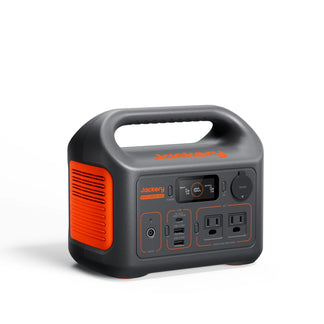
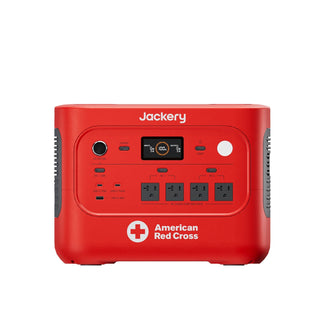
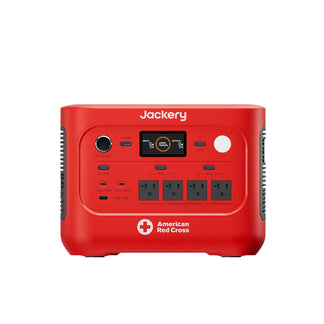
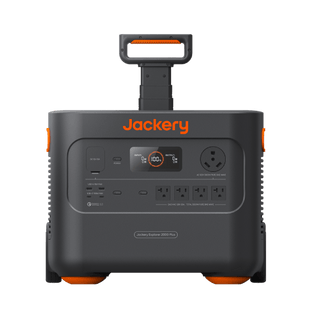
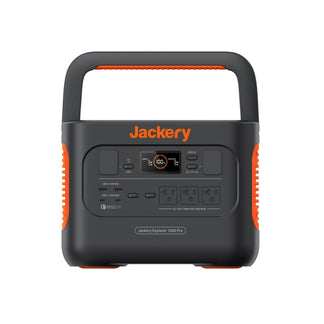
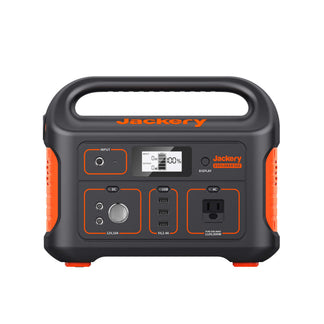
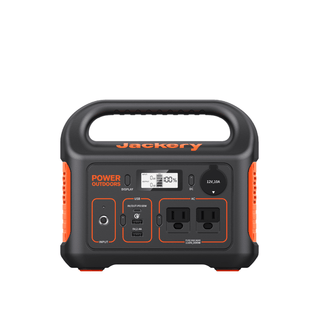
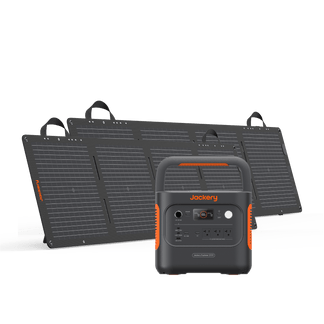
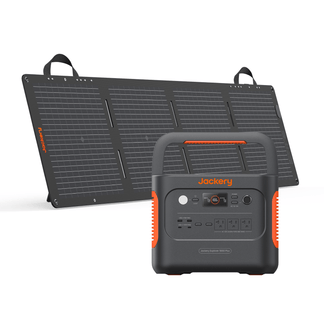
If you are looking for alternative ways to power up your refrigerator or portable freezer, you can go ahead with Jackery Solar Generator. The portable and lightweight solar-powered generators are easy to carry and help you power your refrigerator for long hours.
Key Takeaways
- A standard refrigerator typically uses 3 to 6 amps, while larger commercial units can draw up to 15 amps or more. Startup amps are often significantly higher, temporarily reaching 15–20 amps.
- To calculate the refrigerator's amps, use the formula Amps = Watts ÷ Volts, check the manufacturer's label, or use a plug-in power meter for the most accurate reading.
- Several factors affect how many amps a refrigerator draws: compressor age, ambient temperature, door usage frequency, defrost cycles, and built-in features like ice makers or smart screens.
- Choosing a backup power station requires matching both the surge wattage (startup) and the continuous wattage.
- There are various ways to reduce your electricity bills, such as setting the correct temperature, cleaning compressor coils, and ensuring proper ventilation.

How Many Amps Does a Refrigerator Use?
A standard refrigerator, which most households use to store food and beverages, uses 3 to 6 amps when operating. The amp used directly depends on the refrigerator's size, efficiency, and age. For instance, large models used for commercial purposes can draw up to 15 amps or more.
Furthermore, it is important to understand that medium - to large refrigerators and portable freezers may briefly draw more current, which often reaches 15 to 20 amps before it settles down into a standard running amperage.
Definition of Amps, Volts, Watts, Running Watts
In order to answer how many amps a fridge uses, it is crucial to get acquainted with the basic technical terminologies. These terms will also help you answer how many amps a refrigerator draws on startup and how you can calculate your refrigerator's energy.
Amps (Amperes): Amps are the unit of electric current that helps measure electricity flow through a circuit. In short, Amps indicates the amount of electricity a device uses. Amps can be calculated using the following formula:
Amps = Watts ÷ Volts
Volts (Voltage): Volts are the potential difference that drives the electric current through a circuit. If you are new to understanding how many amps a deep freezer uses, consider volts as the "pressure" pushing the electrons.
Watts: Watts is the unit of power, which represents the rate at which any appliance consumes or produces electrical energy. A wattage is a product of volts and amps, and is represented by W and can be calculated using the following formula:
Watts = Volts × Amps
Running Watts: As the name suggests, running watts are the continuous power required to keep an appliance operating. In most cases, it is usually lower than the startup watts, which are needed only momentarily when a refrigerator is turned on. You can use the following formula to identify the running watts of any appliance:
Running Watts = Volts × Running Amps
If you are interested in learning more about amps, watts, and volts, check out the ultimate guide, which elaborates on each of the basic units of electricity in detail.
How Do Refrigerator Amps Compare to Other Household Appliances?
Before diving into refrigerator-specific numbers, it helps to see where a fridge sits in the context of your home's overall electrical load. Refrigerators draw less than most people assume, but their startup surge is what catches people off guard when selecting backup power.
|
Appliance |
Typical Amp Draw (120V) |
Notes |
|
Mini Fridge |
0.5–1.0 amps |
Very low draw and easy to back up |
|
Standard Refrigerator |
3–6 amps |
Most common household unit |
|
Side-by-Side / French Door Fridge |
6–9 amps |
Larger compressor and higher startup |
|
Commercial Display Fridge |
8–15 amps |
High draw and needs dedicated circuit |
|
Window AC (10,000 BTU) |
5–15 amps |
Similar to fridge with high startup |
|
Microwave (1,000W) |
~8.3 amps |
No surge and resistive load |
|
Washing Machine |
10–15 amps |
High startup and motor-driven |
|
Electric Dryer (240V) |
21–30 amps |
240V circuit required |
|
Coffee Maker |
5–8 amps |
No surge |
|
Space Heater |
12.5–15 amps |
Resistive and no surge |
|
LED TV (55 inch) |
1.0–1.5 amps |
Very low draw |
|
Laptop Charger |
0.5–1.5 amps |
Negligible draw |
This context matters when sizing backup power: a refrigerator's running draw is modest, but its startup surge is what determines whether a power station can start it at all.
How Many Amps Does a Mini Fridge, Freezer, or Refrigerator Use?
There are different types of refrigerators, freezers, and mini-fridges available in the market that draw different amounts of power. Their amp usage varies based on size, power efficiency, and operating conditions. Here is a detailed breakdown by fridge type:
|
Refrigerator Types |
Refrigerator Wattage |
Actual Energy Usage (Around ⅓ of refrigerator wattage) |
Amps (= Watts / Volts) |
|
Mini Fridge |
50W to 100W |
16W to 34W |
0.42 to 0.83 amps |
|
Household Refrigerator |
500W |
167W |
1.39 amps |
|
Standard Refrigerator |
100W to 800W |
33W to 266W |
0.83 to 6.67 amps |
|
Freezer |
100W to 400W |
33W to 133W |
0.83 to 3.33 amps |
|
Large Commercial Freezer |
700W to 2000W |
233W to 667W |
5.83 to 16.67 amps |
|
Energy-Efficient Refrigerator |
150W to 300W |
50W to 100W |
0.42 to 0.83 amps |
Note: Actual amps drawn at any moment depend on whether the compressor is actively running or resting during its duty cycle. The "actual energy usage" figures account for normal cycling.
You can learn more about how many watts a refrigerator uses here.
Running Watts vs. Startup Surge Watts by Fridge Type
One of the most important distinctions for backup power planning is the difference between a fridge's running watts and its startup surge. This table shows both, so you can choose a backup solution with the right surge output:
|
Refrigerator Type |
Typical Running Watts |
Startup Surge (Peak Watts) |
Surge Multiplier |
|
Mini Fridge |
50–100W |
150–250W |
~2–3× |
|
Top Freezer (14–18 cu ft) |
120–300W |
600–800W |
~2–3× |
|
Bottom Freezer (18–22 cu ft) |
150–350W |
700–900W |
~2–3× |
|
Side-by-Side (20–28 cu ft) |
180–400W |
800–1,200W |
~2–3× |
|
French Door (20–30 cu ft) |
200–500W |
1,000–1,400W |
~2–3× |
|
Garage-Ready Refrigerator |
150–350W |
600–900W |
~2–3× |
|
Chest / Upright Freezer |
100–200W |
300–600W |
~2–3× |
|
Commercial Display Fridge |
300–600W |
1,200–1,800W |
~2–4× |
Note: Always verify your specific fridge's startup surge on its nameplate label or manufacturer documentation before selecting a backup power station.
For more information about the refrigerator’s power consumption, you can read our detailed guide: How Many Watts Does a Refrigerator Use.
How Many Amps Does a Refrigerator Draw on Startup?
When your typical standard 480W refrigerator first starts, it could momentarily draw 1440W of power and 24 amps, but once running, it will stabilize at 480W and draw only 4 amps.
As you can see, when a refrigerator is first turned on, it draws significant power that it usually requires during normal operational time. This initial power surge is extremely important to start an idle compressor. This power surge, known as startup amps, can be several times higher than the normal running amps.
Startup Watts vs. Running Watts
The startup watts refer to the amount of power required to start the refrigerator's compressor when it is sitting idly. The startup watt's value is typically 2 to 3 times higher than the running watts. For instance, if you have a refrigerator at home with a running wattage of 167W, its startup wattage could be as high as 500W.
It should be noted here that this power surge lasts only a few seconds, but your power supply should be strong enough to provide the surge, as it is extremely important to get the compressor and other components of the refrigerator up and running.
Whereas running watts is the power required by the refrigerator once the compressor starts running and the appliance settles into its normal operating mode. These running watts are the refrigerator's continuous power consumption, which lies between 100W to 800W.
In order to understand how to calculate the running and startup wattage, let us assume that you have a typical refrigerator at home that runs at 120V and draws 3 amps.
Running Watts = Voltage x Running Amps = 120V x 3A = 360W
Startup Watts = Running Watts x 3 = 360W x 3 = 1080W
Note: We multiplied the running watts by 3 because the startup watts are typically 2 to 3 times higher than the running watts.
Startup Amps vs Running Amps
Similar to the startup watts, startup amps are also significantly higher when the refrigerator is first turned on. In a few cases, the spike can be as much as 5 to 7 times the normal running amps.
Whereas the running amps is the amp that the refrigerator consistently uses after the initial startup phase, which is significantly lower than the initial surge requirement.
Startup Amps = Running Amps x 5 to 7 = 3A x 7 = 21A
What Affects How Many Amps a Refrigerator Draws?
A refrigerator does not always draw the same amount of current in every situation. Several factors influence the amp draw meaningfully, and understanding them helps you better predict your backup power requirements.
Compressor Size and Age: Older or less efficient compressors cycle more frequently and pull harder during each startup. A refrigerator that is 10 or more years old may draw significantly more amps than its original specification suggests, because the compressor's efficiency has declined.
Ambient Temperature: A refrigerator or garage-ready unit working in a 95°F (35°C) summer environment pulls more amps than the same unit in a 70°F (21.1°C) kitchen. The compressor has to work harder and longer to maintain internal temperature against higher external heat. This is why garage refrigerators in Sun Belt states often drain backup batteries faster than expected.
How Often the Door is Opened: Frequent door openings cause temperature fluctuations inside the refrigerator, which triggers more frequent compressor startups. Each startup costs the higher surge amperage rather than just the running amperage.
Defrost Cycle: Most modern refrigerators have an automatic defrost cycle that activates every 6 to 24 hours. During defrost, a resistance heating element runs at additional wattage (typically 300W to 600W) on top of the compressor's running draw. This burst of additional current is often overlooked in backup power calculations.
Built-in Features: Smart refrigerators with touchscreens, WiFi connectivity, built-in cameras, and water or ice dispensers add baseline power consumption beyond the compressor. A smart refrigerator with an ice maker and dispenser may draw 20% to 40% more amps on average than a basic model of the same physical size.
Energy Star Rating: Energy Star-certified refrigerators are designed to minimize compressor cycling and heat exchange inefficiency. They typically draw fewer amps on average than older or non-certified models of equivalent capacity. Upgrading from a 15-year-old model to an Energy Star unit can reduce refrigeration energy use by 30% to 50% annually.
How to Calculate Your Refrigerator Amps
Knowing how to calculate refrigerator amps is important for different reasons. First, it helps you manage your energy consumption. Second, it also helps you analyze whether the unit needs maintenance or a complete replacement.
There are several methods that help in determining the refrigerator amps. The most common method that helps you calculate the amps for your refrigerator.
Method 1: Manufacturer Details -- Energy Star Rating
The easiest and most common way to determine the refrigerator's amp is to check the manufacturer's details. You can find the details on the appliance's backside, in the user manual, or even on the manufacturer's website. Most of the latest refrigerators come with an Energy Star rating, which includes detailed information about the appliance's energy consumption.
For instance, if the Energy Star label on your refrigerator states that it uses 300 kWh per year and operates on a 120V circuit, you can use this information to approximate the daily or even hourly amp use.
Method 2: Determine the Amps From the Wattage
Another useful and easy method to determine the refrigerator's amp is using wattage and volt information. Let's assume that your refrigerator consumes 600W per hour, then:
Amps = Watts ÷ Volts = 600W ÷ 120V = 5A
Method 3: Use a Power Meter
If you are looking to find the exact measurement of your refrigerator's amp then you can go ahead and install a power meter. The installation process is pretty straightforward -- you will need to plug the power meter into your refrigerator's outlet and then plug your refrigerator into the meter.
The use of a power meter to identify the refrigerator's amp is considered the most precious because it takes into account the actual operating condition. Depending on the brand, the power meter will consider fluctuations in power usage during normal operations.
Tips to Save Your Electricity Bill
According to the EIA, the average price of electricity is 16.41 cents per kWh. With the rising costs of energy, many households are looking for ways to reduce their electricity bills. There are several practical steps that one can take to lower their bills without compromising on their generic habits of electricity consumption. Some of the most effective tips are:
- Always set your refrigerator's temperature between 35°F (1.6°C) and 38°F (3.3°C) and your freezer at 0°F (-17.7°C). This will keep your food fresh while minimizing energy usage.
- Consider using solar energy to power your refrigerator and other heavy-wattage appliances, such as air conditioners, room heaters, microwave ovens, etc.
- Periodically clean your refrigerator's condenser coil to reduce its energy consumption by up to 30%.
- Make sure that you keep your refrigerator and other high-wattage appliances in a well-ventilated area to reduce the force on the compressor.
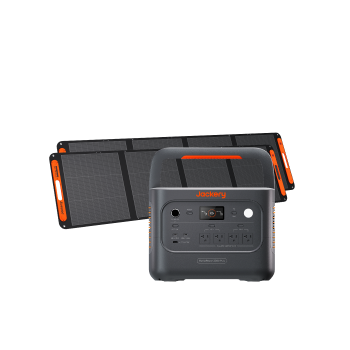
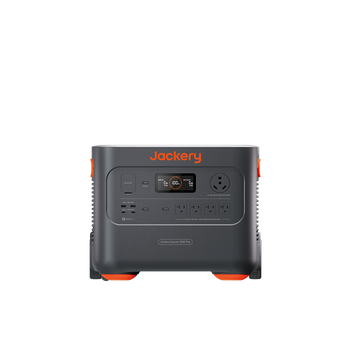
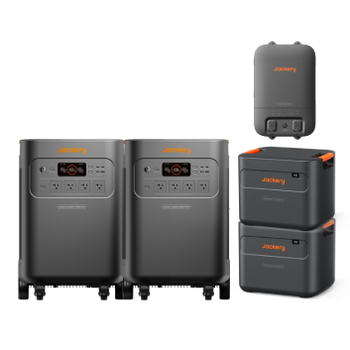
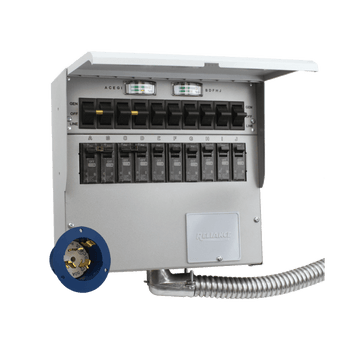
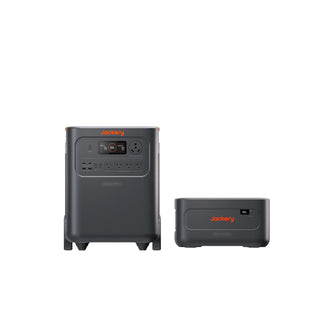
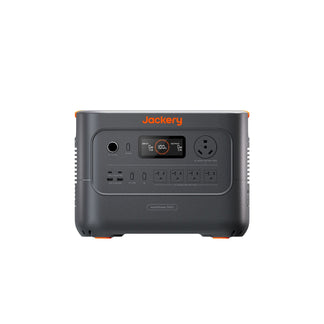
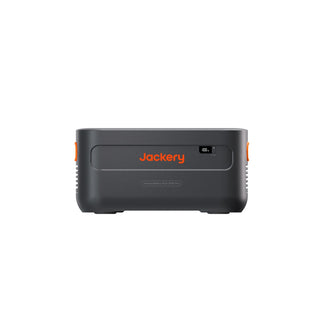
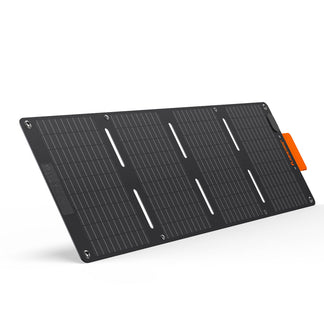
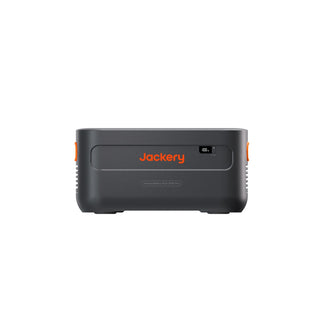
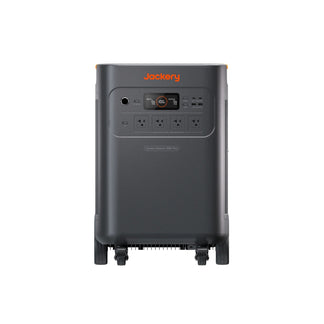
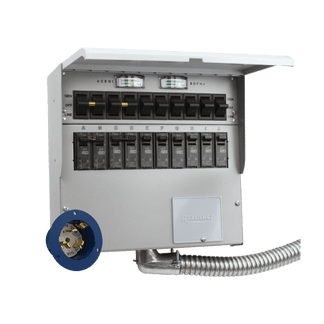
Andrew Evans spent nearly three decades in the Canadian Army and came out the other side with a mindset that does not switch off when the uniform comes off. Now sixty, he and his wife travel in a 23-foot RV, and the same instinct that drove him to prepare for what has not happened yet drives his approach to portable power. He started with the Jackery Solar Generator 1000 v2 paired with solar panels. It could keep his electric kettles and other appliances powered. He also invested in the Jackery Solar Generator 5000 Plus and an additional battery pack, with plans for a manual transfer switch that would eventually let him run the refrigerator, freezer, furnace, and air conditioning from the same setup. Read more Jackery Stories to see how people use their home battery backup solutions.
Recommended Jackery Solar Generators for Refrigerators
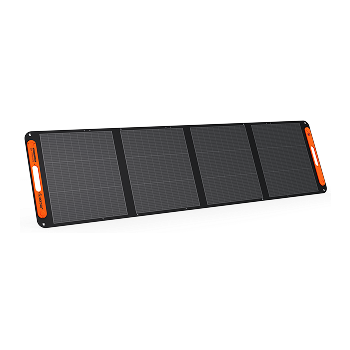
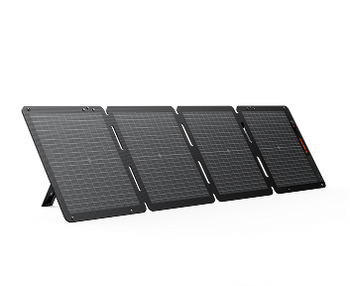
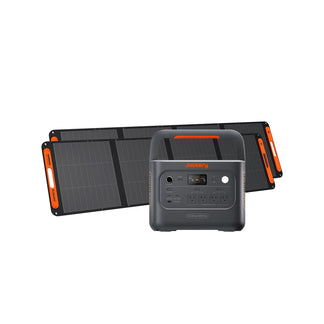
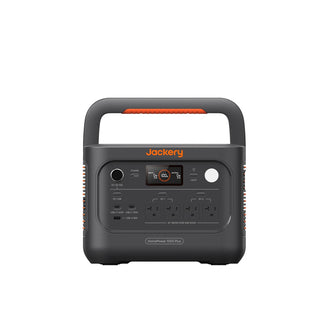
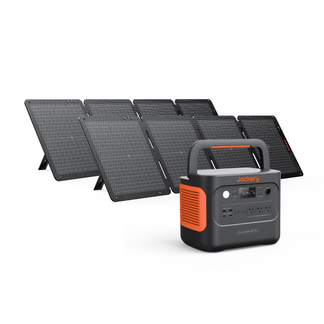
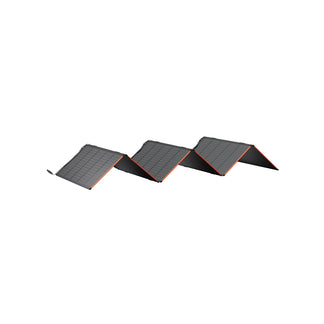
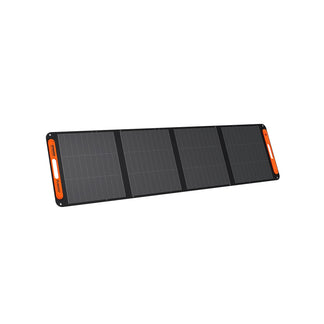
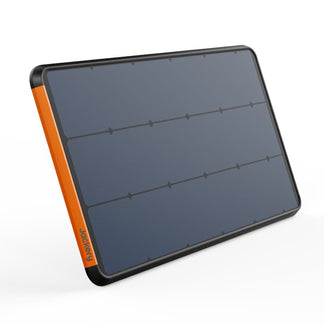
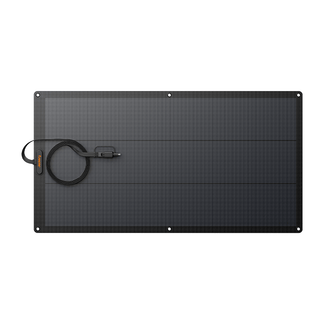
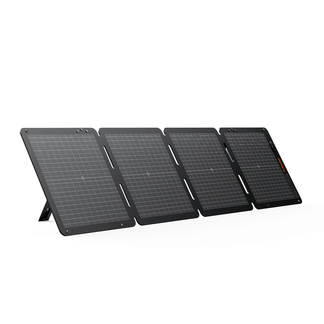
Jackery Solar Generators are powerful home battery backup solutions that combine a high-capacity LFP battery with compatible Jackery SolarSaga Solar Panels to provide clean, fume-free, indoor-safe power for your refrigerator and other essential appliances. Unlike gas generators, which cannot be safely used indoors, Jackery Solar Generators operate at under 30dB, produce zero emissions, and can be placed directly beside your refrigerator.
Here are three Jackery Solar Generators for keeping your off-grid refrigerator running during a power outage, each suited to a different level of need:
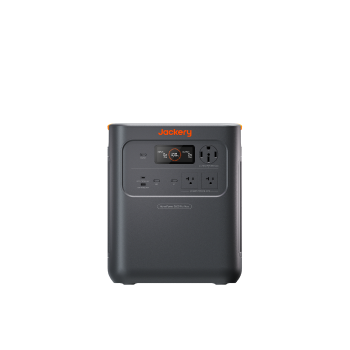
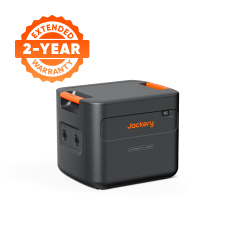
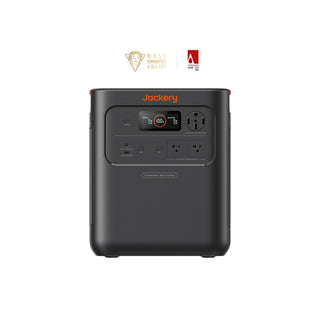
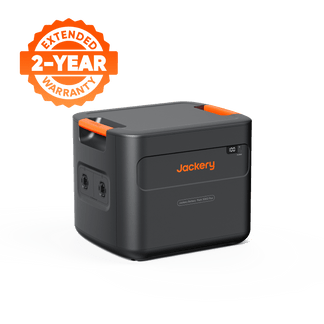
Jackery FridgeGuard
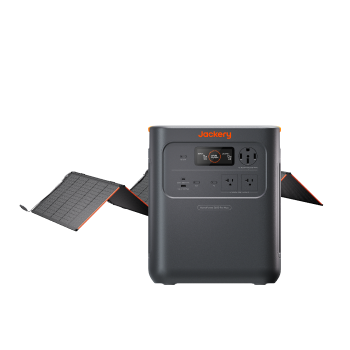
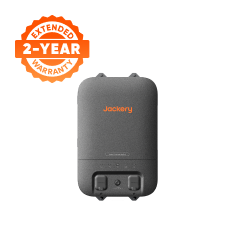
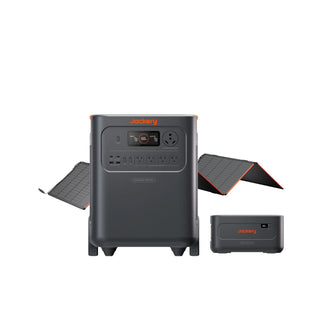
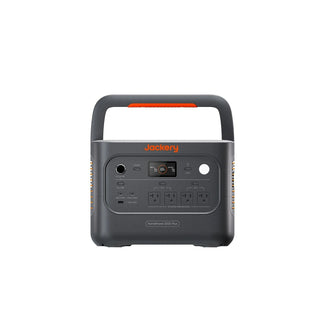
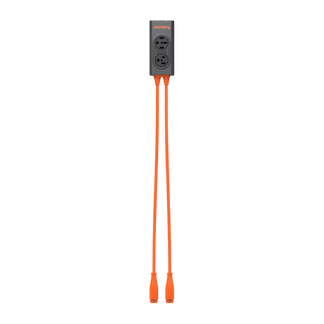
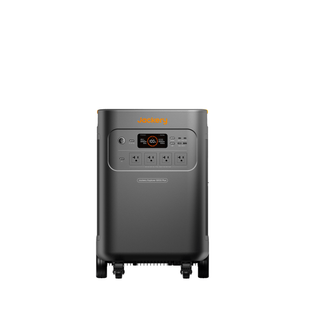
The Jackery FridgeGuard is built for refrigerator and freezer backup. Rather than a general-purpose power station you connect manually during an outage, the Jackery FridgeGuard is a plug & play device that lives permanently between your wall outlet and your refrigerator, always connected, always monitoring, and always ready to switch to battery in under 10 milliseconds. When the grid is active, it operates in Bypass Mode. This means it runs the fridge entirely on wall power while keeping its own battery at 100% charge. When the grid drops, FridgeSafe Technology takes over instantly and starts powering the refrigerator.
Appliance Running Time
- Mini Fridge (60W) = 11.2H
- Top Freezer Fridge (150W) = 5.1H
- Side-by-Side / French Door (200W) = 3.9H
- Chest Freezer (100W) = 7.3H
- Commercial Display Fridge (400W) = 2.0H
Who Should Buy This
The Jackery FridgeGuard is the right choice for homeowners who want a dedicated, zero-effort refrigerator protection system that is always active, particularly households with insulin or medication refrigeration, baby formula, or anyone who has experienced food spoilage from a surprise outage.

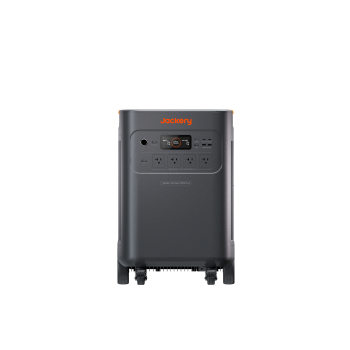
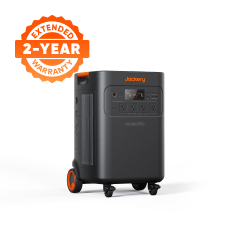
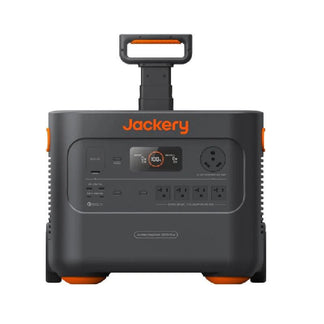
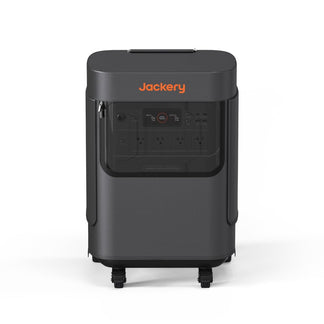
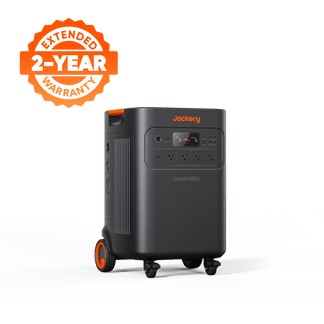
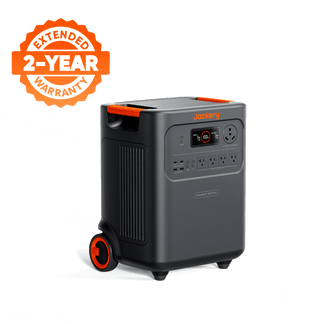
Jackery Solar Generator HomePower 3600 Plus
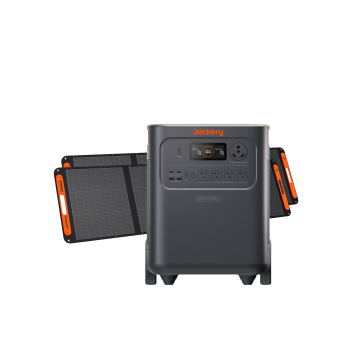
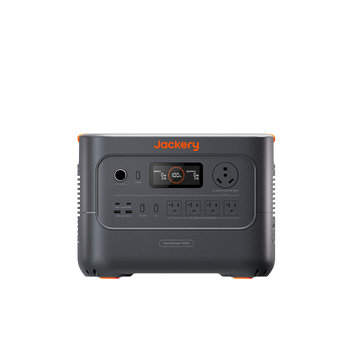
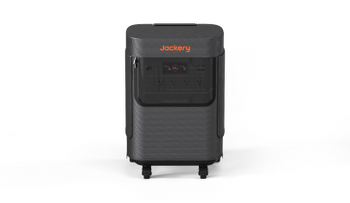
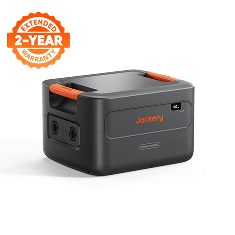
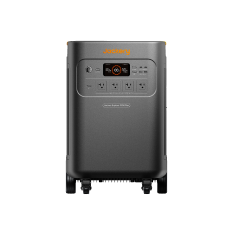
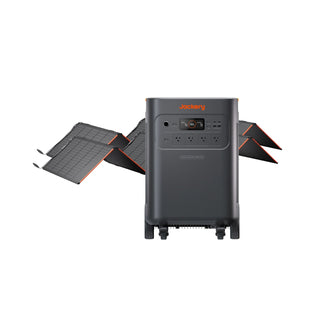
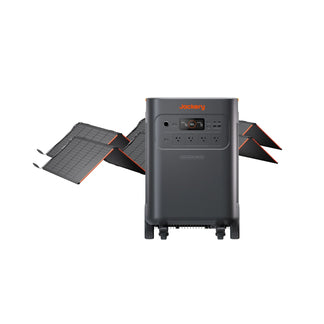
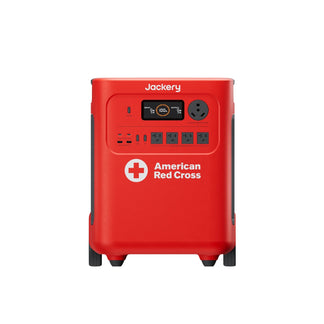
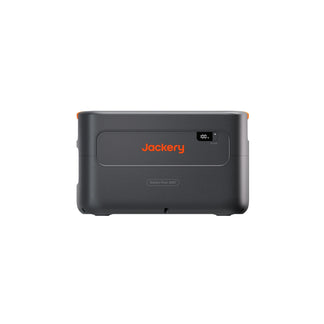
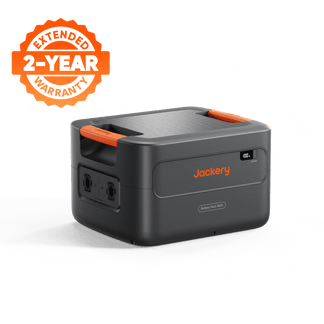
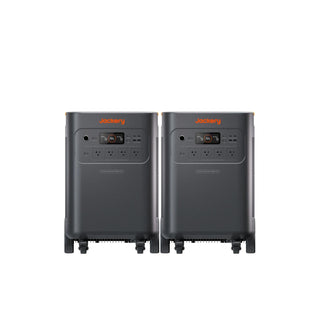
The Jackery Solar Generator HomePower 3600 Plus is a 3,584Wh high-capacity home backup solar generator with 3,600W of output (7,200W surge) and a sub-10ms UPS switchover. It is capable of starting and running the largest household refrigerators and freezers while simultaneously powering lights, WiFi, fans, and device chargers across multiple rooms. The capacity can be expanded up to 21kWh or 43kWh with up to five Battery Pack 3600 Plus units and another unit. The high surge output exceeds the startup demand of even the largest side-by-side refrigerators and commercial display fridges, making it one of the most capable home backup solutions for refrigerator protection at this capacity class.
Appliance Running Time
- Mini Fridge (60W) = 37.2H
- Top Freezer Fridge (150W) = 17.7H
- Side-by-Side / French Door (200W) = 13.7H
- Chest Freezer (100W) = 25.0H
- Commercial Display Fridge (400W) = 7.2H
Who Should Buy This
The Jackery Solar Generator HomePower 3600 Plus is the right choice for families who want multi-day refrigerator protection alongside essential home backup for lights, WiFi, sensitive devices, and cooking appliances in a single unit with built-in wheels and a telescoping handle for easy repositioning.

Customer Review
Many desirable features come with this product: a telescoping handle, rolling wheels, a 30A AC outlet for RV, parallel AC-output ports, a sturdy cabinet, and dual handles. I feel comfortable recommending this storage system to other folks.
— Glenn F.
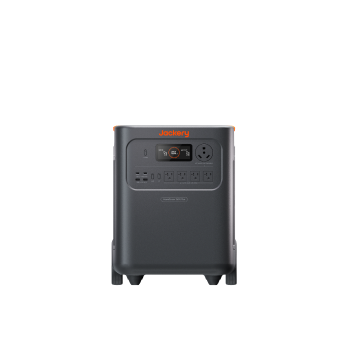
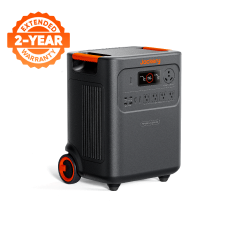
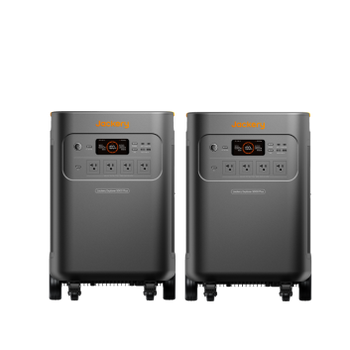
Jackery Solar Generator 5000 Plus
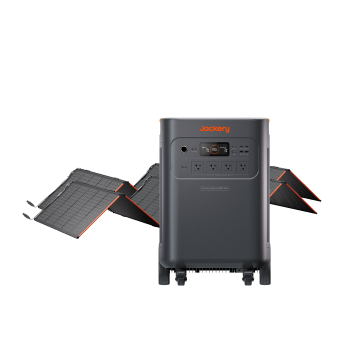
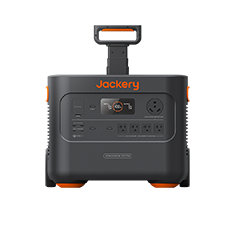
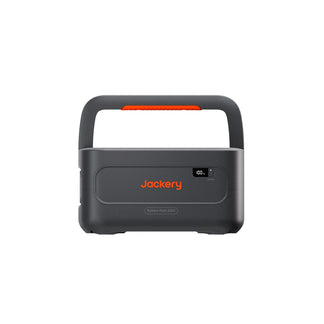
The Jackery Solar Generator 5000 Plus is one of the most powerful and scalable solar generators for refrigerators, capable of starting even the most demanding commercial refrigeration equipment. Its 0ms Online UPS switching ensures that refrigerators and all other connected appliances experience zero interruption when the grid drops. Support for both 120V and 240V from a single unit covers the full range of home and commercial refrigeration equipment, and the Smart Transfer Switch enables circuit-level integration for home protection.
Appliance Running Time
- Mini Fridge (60W) = 38.9H
- Top Freezer Fridge (150W) = 21.4H
- Side-by-Side / French Door (200W) = 17.1H
- Chest Freezer (100W) = 28.6H
- Commercial Display Fridge (400W) = 9.5H
Who Should Buy This
The Jackery Solar Generator 5000 Plus is an essential home backup solution for households that need the longest possible stored-battery coverage for their refrigerator, support for 240V commercial-grade appliances, and maximum surge capacity (14,400W).

Customer Review
Had a 2-hour power outage, and it ran our house refrigerator and a few fans. With 88% more power to use!!! So impressive, I bought the small 1000
— Joe K.
FAQs About Refrigerator Amps
Does a fridge need a 20 amp circuit?
Yes, most modern refrigerators require a dedicated 20-amp circuit. This 20-amp circuit ensures that your unit has enough power during the startup when the amperage spikes. It further reduces the risk of tripping the breaker.
How many amps does a Frigidaire refrigerator use?
A typical Frigidaire refrigerator uses 3 to 6 amps during normal operation. The exact amp can vary depending on the model and its energy efficiency. For instance, a Frigidaire Counter-Depth French Door Refrigerator requires a 15 amp circuit for normal usage.
How many amps does a full-size refrigerator use?
A full-size refrigerator generally uses between 3 to 6 amps while running. But if the refrigerator is just starting up, then it may draw 15 to 20 amps of power for a few seconds.
Is 5 amps enough for a fridge?
Yes, 5 amps is typically enough for a standard home refrigerator that most Americans use. That said, you should always consider the startup wattage when considering the amperage.
Can a fridge run on 10 amps?
Yes, a refrigerator can run on a 10-amp circuit. But you will need to ensure that no heavy-wattage appliances share the same circuit. If you connect a fridge with an air conditioning unit, there is a chance of overloading.
Can you plug a refrigerator into a regular outlet?
Yes, you can plug a refrigerator into a regular 120V outlet, as long as the outlet is on a dedicated circuit and it is designed to handle the refrigerator's amperage without causing the overload.
Can a refrigerator be on the same circuit as other outlets?
If it is practically possible, then it is recommended that a refrigerator should have its own dedicated circuit to prevent overloading. If you have connected different appliances to the same power outlet, then there are chances of potentially tripping the breaker.
What size breaker do I need for a refrigerator?
A 20-amp breaker should be sufficient for most household refrigerators. A 20-amp breaker would provide enough capacity required for both the running and startup wattage.
Conclusion
By understanding how many amps a refrigerator uses, one can manage their energy consumption and even optimize their power sources. Before shifting to a more sustainable source of energy, it is recommended to understand how many amps a refrigerator draws on startup and how many amps you will require if you have a mini fridge for your travels.
If you live in an area that faces frequent power cuts and are looking for a portable power solution that can easily power up your refrigerator, you can check out Jackery Solar Generators. Apart from powering up your refrigerator, these solar generators can be used to power smartphones, televisions, and more.


![How Many Watts Does a Refrigerator Use? [and Mini-Fridge, Freezer]](http://www.jackery.com/cdn/shop/files/how-many-watts-does-a-refrigerator-use-and-mini-fridge-freezer-8759355.jpg?v=1786014816&width=90)
![3 Best Solar Generators for Refrigerators and Freezers [2026]](http://www.jackery.com/cdn/shop/files/3-best-solar-generators-for-refrigerators-and-freezers-2026-5361514.jpg?v=1786013999&width=90)


