
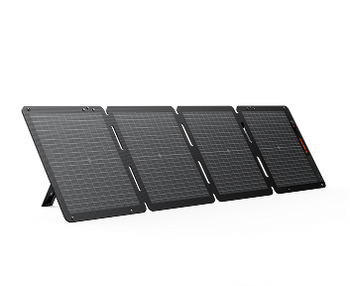







![[Add-on] Jackery SolarSaga 500 X - Jackery](http://www.jackery.com/cdn/shop/files/add-on-jackery-solarsaga-500-x-1493607.webp?v=1786503068&width=324)
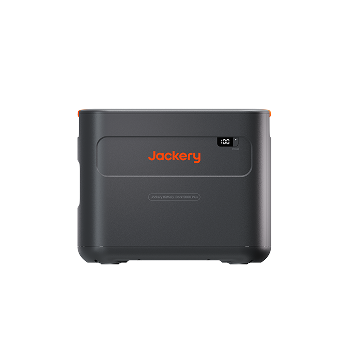
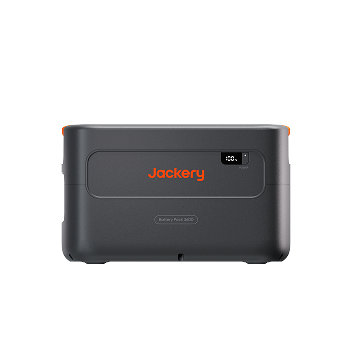
![[Add-on] Jackery Battery Pack 5000 Plus - Jackery](http://www.jackery.com/cdn/shop/files/add-on-jackery-battery-pack-5000-plus-6713401.webp?v=1786503068&width=324)






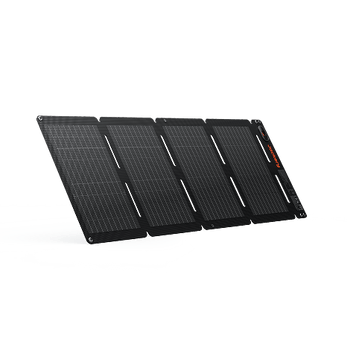
![[Add - on] SolarSaga 200W - Jackery](http://www.jackery.com/cdn/shop/files/add-on-solarsaga-200w-4834329.png?v=1754016915&width=324)


A blow dryer typically draws between 1500 and 2000 watts the moment it is switched on, depending on the model and heat setting. If you are asking how many watts does a blow dryer use, the important detail is how quickly that power is pulled during use. Blow dryers are often used in bathrooms, while traveling, or during short routines where instant power matters more than long runtime.
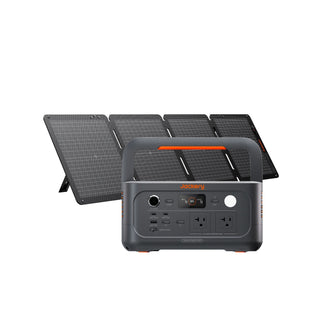
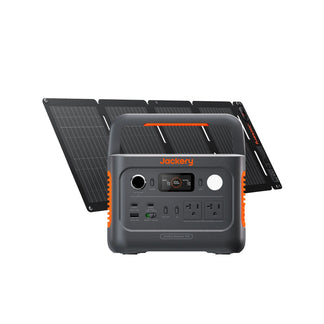
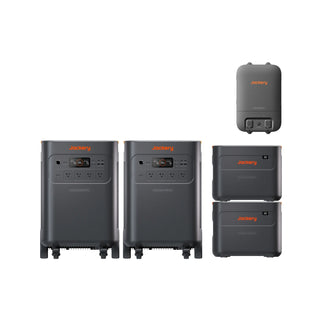
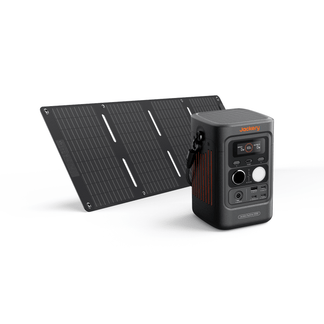
As blow dryers consume a sudden load, they behave differently from many household appliances. In backup or off-grid situations, a Jackery Solar Generator can be used to run a blow dryer. With the help of these portable solar generators, you can not only power blow dryers but also other appliances, such as fans, lights, curling machines, etc.
Takeaways
- Most blow dryer models pull 1500–2000 watts as soon as they are turned on, which makes startup capacity more important than total runtime.
- Higher heat and speed settings in the blow dryer increase power draw, while lower settings reduce the electrical load.
- Even though blow dryers are used briefly, their high instantaneous wattage can trip circuits or overload small power sources.
- Solar battery backup solutions like Jackery Solar Generators can support blow dryer use if the output rating matches the dryer’s wattage.
How Many Watts Does A Blow Dryer Use?
Most blow dryers use between 1500 and 2000 watts while running, with higher-end or professional models operating closer to the upper end of the range. The exact wattage of the blow dryer depends on the motor strength, heating element, and selected settings. Compact or travel blow dryers usually draw less power, while salon-style models are built for stronger airflow and faster drying, which increases electricity demand. How many watts does a blow dryer draw may also fluctuate slightly as heat levels are adjusted during use, but the initial load remains relatively high compared to many small appliances.
Definition Of Amps, Volts, Watts, Running Watts, Rated Watts, Watt-Hours.
- Watt: A watt measures the amount of energy consumed by an appliance. The product of voltage and amperage gives Wattage. Formula: Wattage = volts x amp.
- Volt: A volt is a unit of voltage that measures the potential energy between two circuit points or in a device.
- Amp: An amp is also called an ampere. The unit of electrical current measurement rate at which electricity flows in a circuit.
- Watts or Rated Watts: It is the electricity or power your appliance needs continuously during operation.
- Watt-Hours: It shows the capacity of power, i.e., watts moving over time. One kWh equals 1000 Watt-hours, and this is the unit used on your power consumption bill.
How Many Watts Does a Blow Dryer Use?
Blow dryers consume between 1,500 and 2,000 watts. The exact amount of power consumption depends on the model, speed, and heat settings.
Using your blow dryer for 5 minutes a day makes up to 1.05 kilowatt-hours (kWh) per week, 4.56 kWh per month, and 54.75 kWh per year.
If your blow dryer usage goes up to ten minutes per day, the power consumption adds up to 2.1 kWh per week, 9.13 kWh per month, and 109.5 kWh per year.
Lower-wattage blow dryers are generally less powerful and take longer to dry and style hair. While the higher-wattage dryers need more power, they are more efficient in styling. However, they may cause damage to your hair, such as dryness, breakage, and frizz.
However, the impact of a blow dryer on your power bill may seem insignificant at the superficial level. But it can contribute significantly to your overall energy usage. If you choose a lower-wattage blow dryer, you can save a good amount on your energy bill in the long run.
Besides the energy bill, high-wattage blow dryers have a larger carbon footprint due to their power usage. More power consumption means more greenhouse gasses are emitted during its operation.
The following table summarizes blow dryers' daily estimated energy consumption depending on how many watts a blow dryer use:
|
Blow Dryer |
Rated Watts |
Length of Time Powered (hours) |
Estimated Energy Needed Daily (Watt-hours) |
|
Dryer 1 |
1500 |
5 minutes |
125 Wh |
|
10 minutes |
150 Wh |
||
|
15 minutes |
375 Wh |
||
|
Dryer 2 |
1600 |
5 minutes |
133.33 Wh |
|
10 minutes |
266.66 Wh |
||
|
15 minutes |
400 Wh |
||
|
Dryer 3 |
1700 |
5 minutes |
141.66 Wh |
|
10 minutes |
283.33 Wh |
||
|
15 minutes |
425 Wh |
||
|
Dryer 4 |
1800 |
5 minutes |
150 Wh |
|
10 minutes |
300 Wh |
||
|
15 minutes |
450 Wh |
||
|
Dryer 5 |
1900 |
5 minutes |
158.33 Wh |
|
10 minutes |
316.66 Wh |
||
|
15 minutes |
475 Wh |
||
|
Dryer 6 |
2000 |
5 minutes |
166.66 Wh |
|
10 minutes |
333.33 Wh |
||
|
15 minutes |
500 Wh |
Why Blow Dryers Pull So Much Power Instantly
Blow dryers draw a large amount of power the moment they are switched on because the heating element and motor start working at the same time. Unlike appliances that gradually increase power, a blow dryer immediately demands full electrical output to generate hot air and strong airflow without delay.
Most blow dryers are designed for quick performance. The heating coil needs a high current to reach operating temperature, while the motor simultaneously drives the fan at speed. This combined load creates a sudden spike in wattage, which can stress circuits, trip breakers, or overwhelm small power sources. In bathrooms and mobile setups, where electrical capacity is often limited, this instant demand becomes especially noticeable.
What Size Generator Do I Need to Run a Blow Dryer?
In order to run a blow dryer safely, you typically need a generator or power station with at least 1,500 to 2,000 watts of continuous output, depending on the dryer’s heat and speed settings. Blow dryers pull their full wattage instantly when switched on, which means the generator must handle the load without hesitation. Smaller generators may struggle even if the runtime is short, especially on high heat settings.
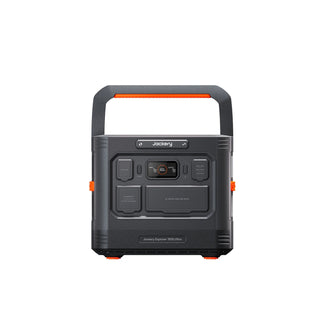
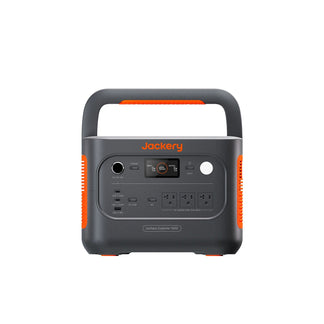
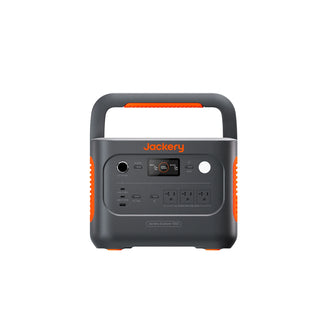
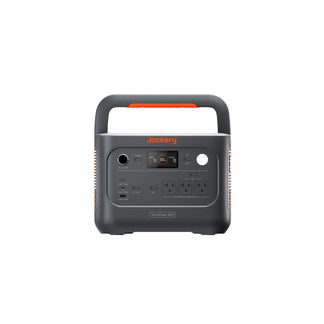
For portable or off-grid use, solar battery backup solutions like Jackery Solar Generators can support blow dryer use in brief sessions, provided the output rating matches the dryer’s wattage. If you want to know how long a specific Jackery Solar Generator can run a blow dryer, you can use the running time calculator available on the Jackery Buying Guide page. Choose the Jackery product from the dropdown and enter the appliance's wattage to get an estimated runtime.
Recommended Jackery Solar Generators for Blow Dryers
Blow dryers are better suited to portable power than many other high-wattage appliances because they are used for short, controlled periods. The main requirement is not long runtime, but the ability to handle the instant power draw when the dryer is switched on. This makes output capacity more important than total battery size.
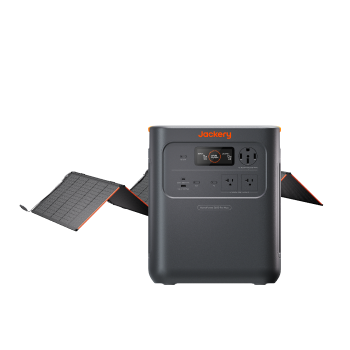
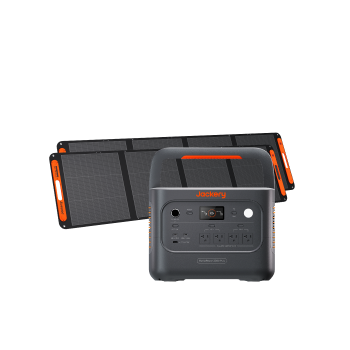
In situations such as power outages, travel, RV use, temporary setups, or off-grid living, Jackery Solar Generators can be used to run a blow dryer. Solar generators with large battery capacities provide more headroom for heat and speed settings, while solar recharging can help maintain flexibility during daytime use. Here are a few recommended solar generators ideal for powering blow dryers:
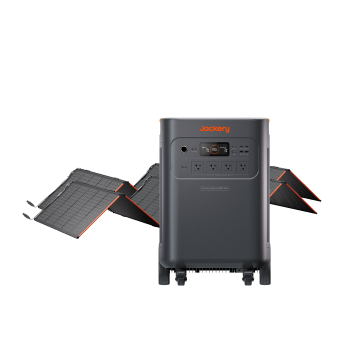
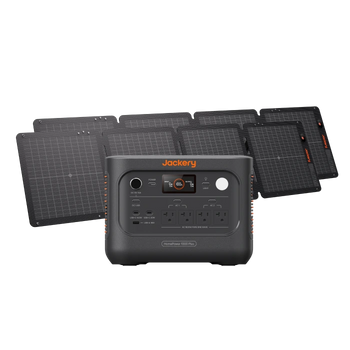
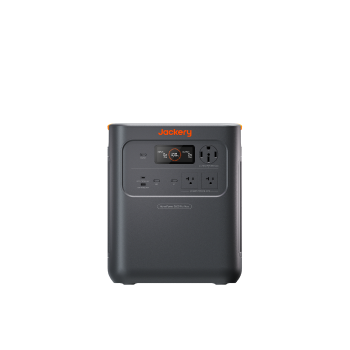
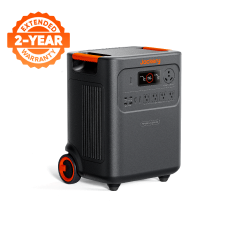
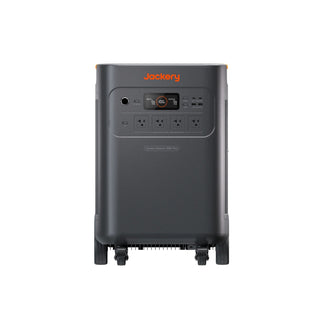
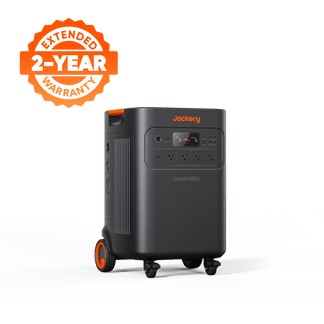
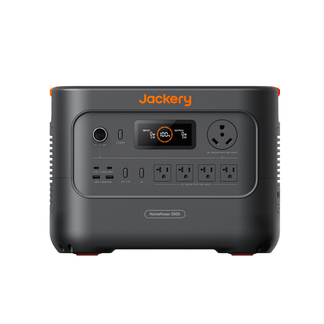
Jackery Solar Generator HomePower 3600 Plus
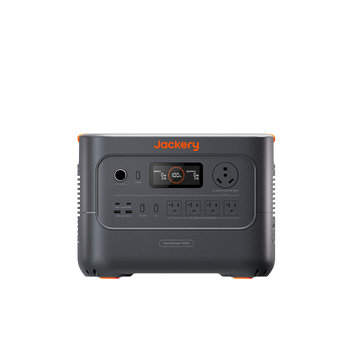
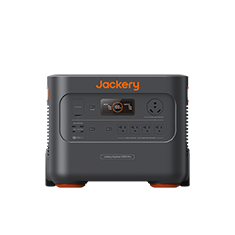
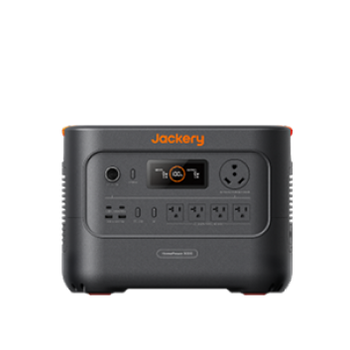
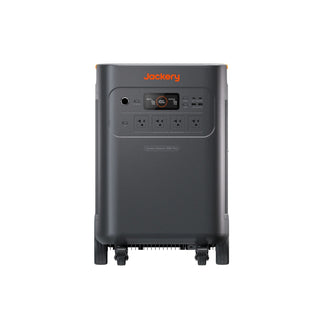
The Jackery Solar Generator HomePower 3600 Plus is an essential home backup solution that allows blow dryers to operate at normal heat and speed settings without cutting power to other devices. This makes this home battery backup solution suitable for situations where hair drying is part of a longer routine, such as outdoor events, mobile setups, or extended outages. Besides powering blow dryers, it can also keep a fridge running for up to two weeks when expanded.
Appliances Running Time
- Travel/Compact Blow Dryer (1000W) = 3.0H
- Standard Home Blow Dryer (1500W) = 2.0H
- High-Speed/Pro Model Blow Dryer (1700W) = 1.8H
- Salon-Grade Blow Dryer (1700W) = 1.8H
- Low-Heat/Energy-Saving Dryer (1000W) = 3.0H
Who Should Buy This
If blow drying needs to happen alongside other powered activities rather than in isolation, the Jackery Solar Generator HomePower 3600 Plus with its large battery capacity supports that use case.

Customer Review
We had a scheduled power outage shortly after our purchase, and we were able to keep all essential appliances running.
— Michael R.
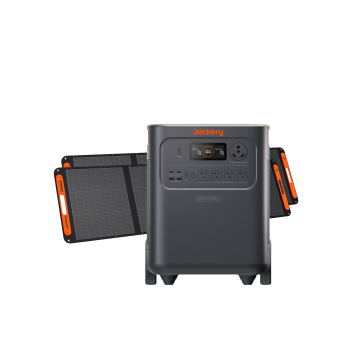
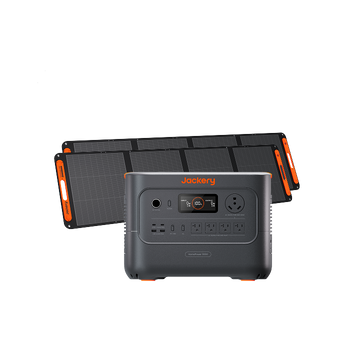
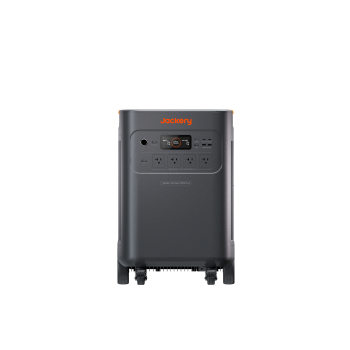
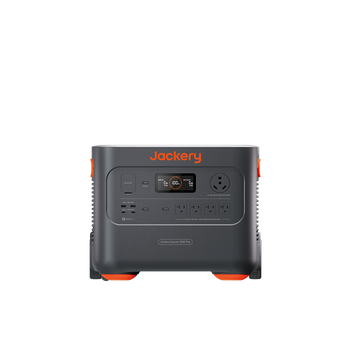
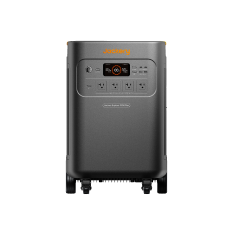
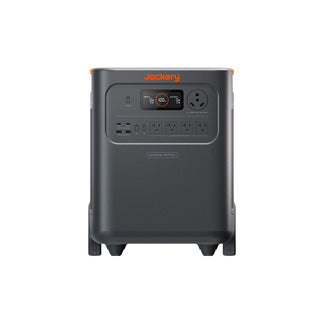
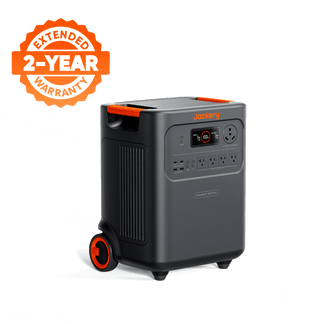
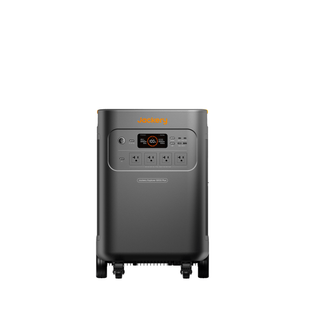
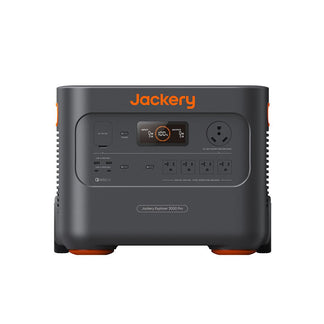
Jackery Solar Generator 2000 Plus
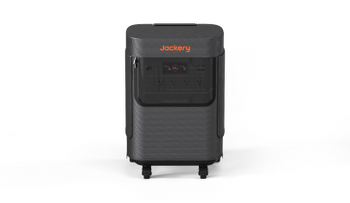
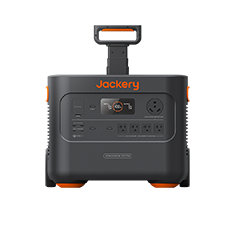
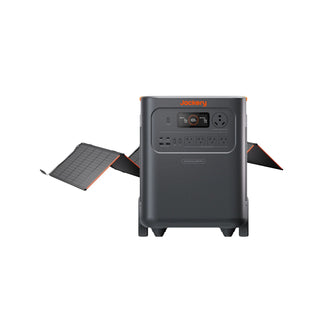
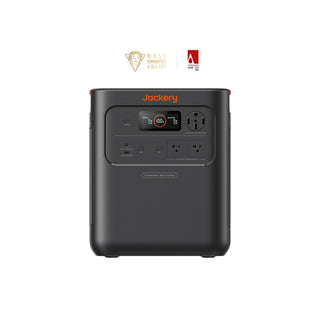
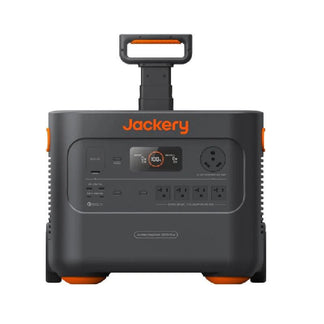
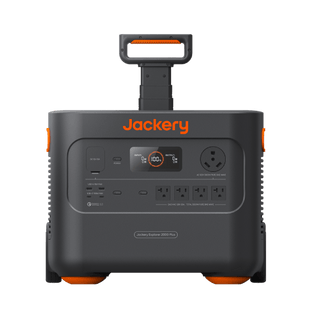
The Jackery Solar Generator 2000 Plus is a reliable home battery backup solution that can run blow dryers without requiring careful timing or reduced heat settings. It allows hair drying to happen naturally during short outdoor stays or temporary power loss, while still leaving room for basic lighting or device charging. This keeps grooming practical in settings where grid access is limited. It features a foldable handle, double wheels, and a pull rod for easier transportation from one place to another.
Appliances Running Time
- Travel/Compact Blow Dryer (1000W) = 1.6H
- Standard Home Blow Dryer (1500W) = 1.1H
- High-Speed/Pro Model Blow Dryer (1700W) = 1.0H
- Salon-Grade Blow Dryer (1700W) = 1.0H
- Low-Heat/Energy-Saving Dryer (1000W) = 1.6H
Who Should Buy This
If your goal is to run a standard blow dryer reliably during short off-grid periods without building a heavy or oversized setup, the Jackery Solar Generator 2000 Plus is a reasonable choice.

Customer Review
Fantastic - easy to use and runs our cabin like a pro! I was expecting the 2000 plus to work well, but the plug and play nature of the system as well as the simple interface exceeded my expectations!!!
— Robert C.
Conclusion
Blow dryers draw a high amount of power, typically 1500 to 2000 watts, and pull that load instantly when turned on. While they are used for short periods, this sudden demand makes wattage and output capacity critical factors, especially outside a standard wall outlet. For backup or mobile scenarios, blow dryers can be supported with the right planning. In short-duration use cases, a Jackery Solar Generator can safely power a blow dryer when its output rating matches the appliance’s power needs.


