
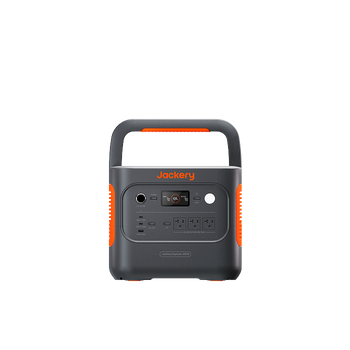
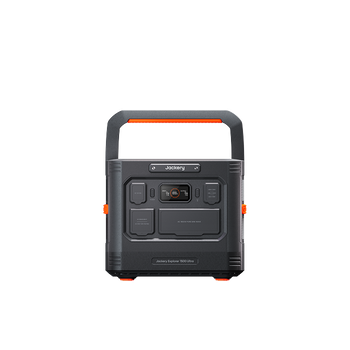
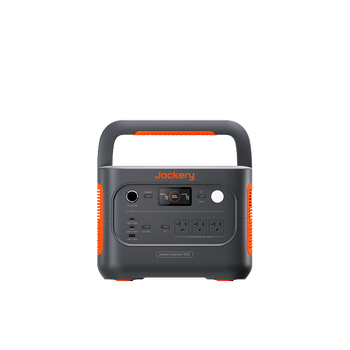
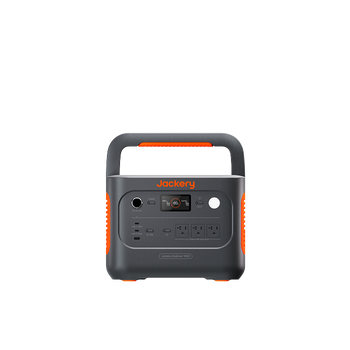




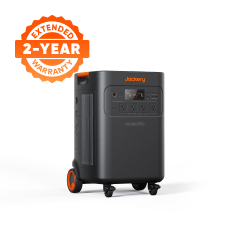
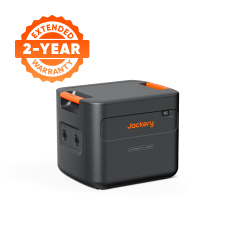
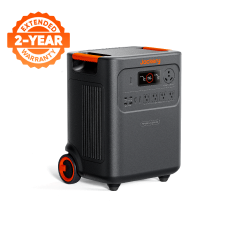
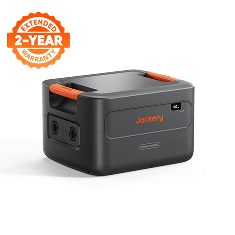


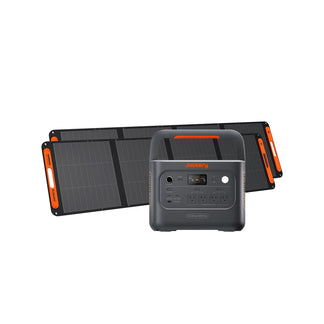
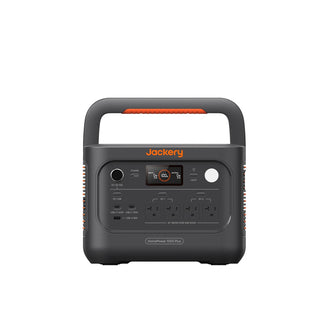
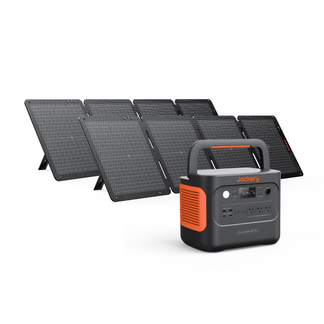
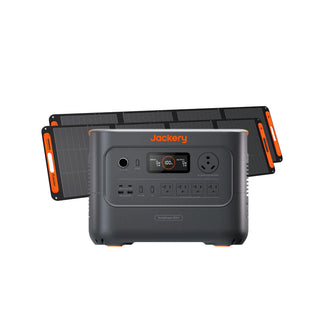









A coffee maker uses between 550 and 1,500 watts. A compact drip coffee maker brewing four cups draws around 550 to 900 watts. A Keurig or Nespresso pod machine requires 900 to 1,500 watts for its rapid heating cycle. A fully automatic espresso machine can reach 1,500 watts or more at peak draw. A solar generator that handles a basic drip machine comfortably may not sustain a premium pod machine or espresso unit without checking the output rating first.
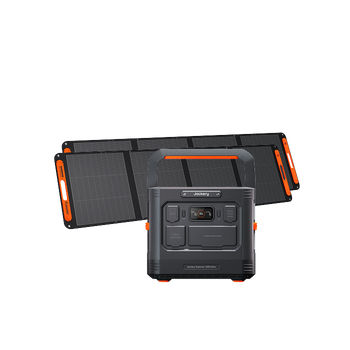
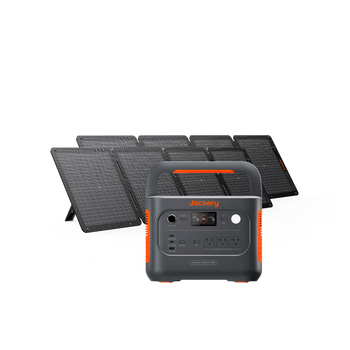
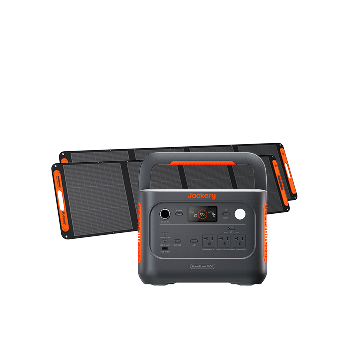
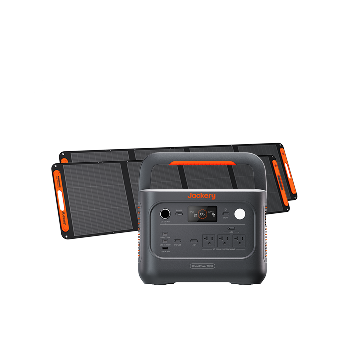
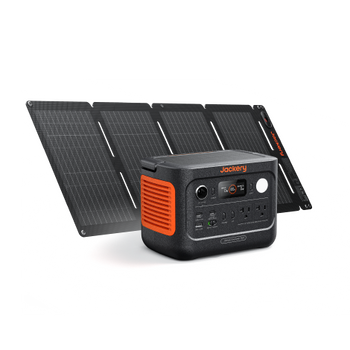
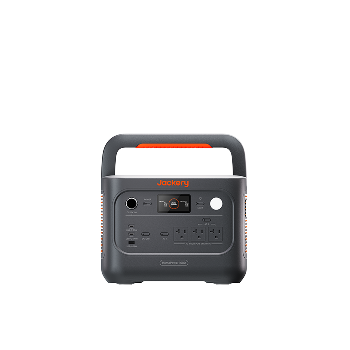
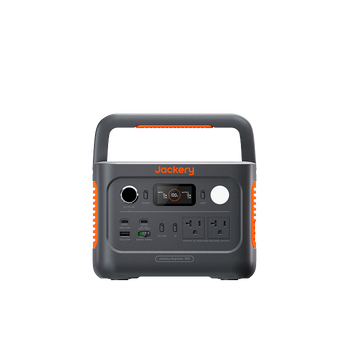
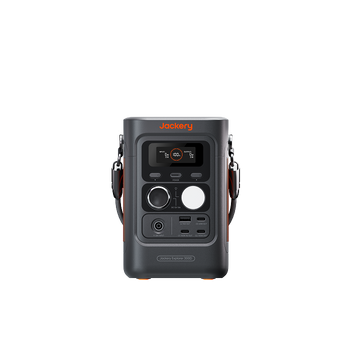
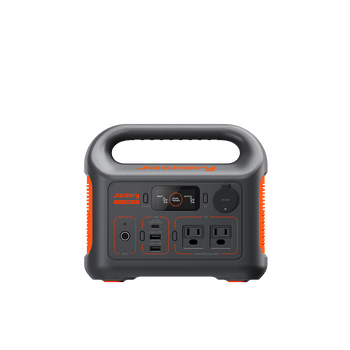
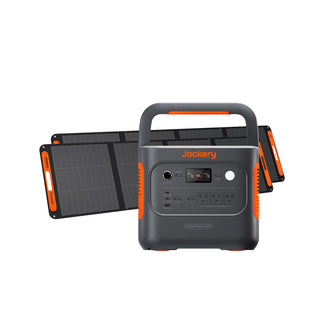
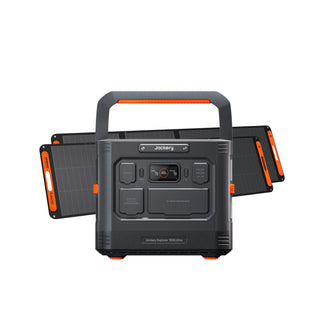
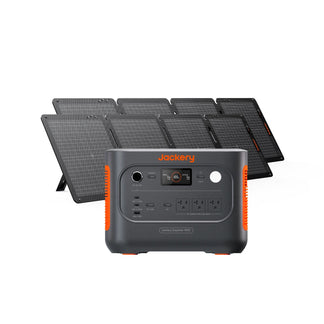
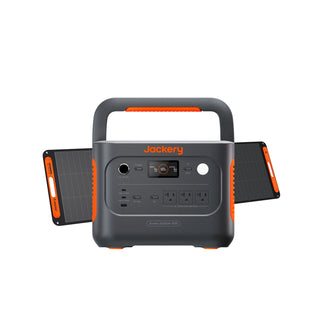
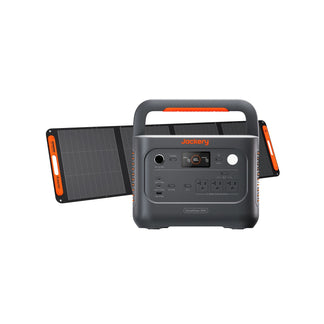
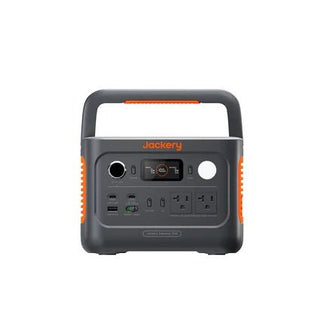
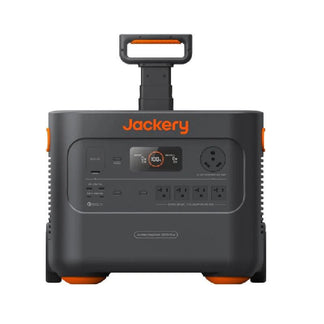
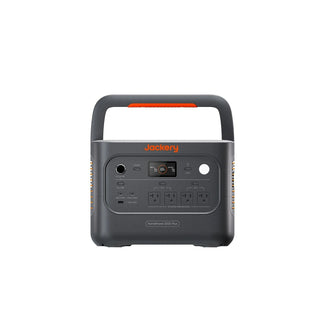
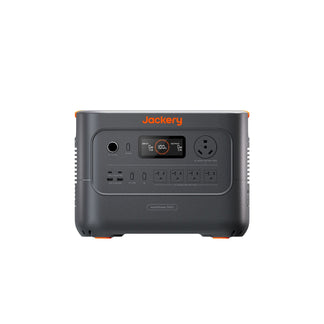
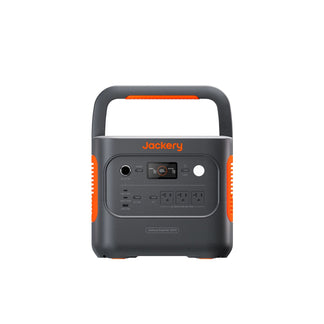
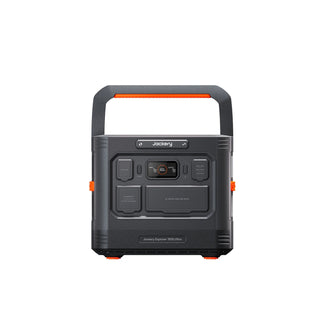
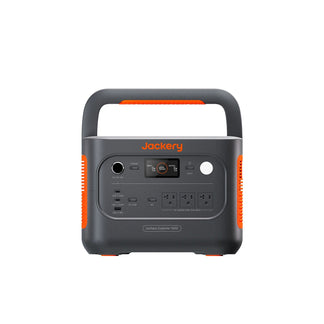
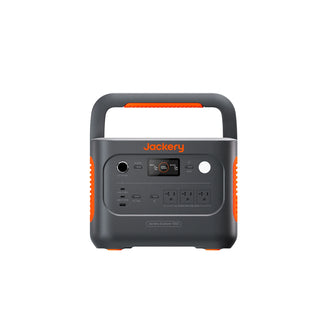
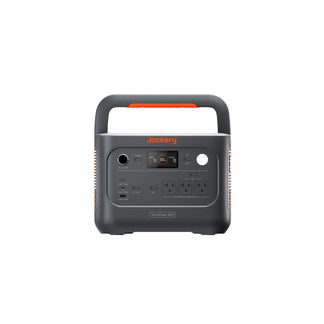
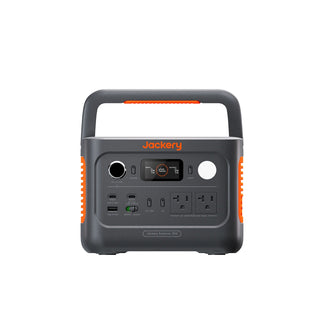
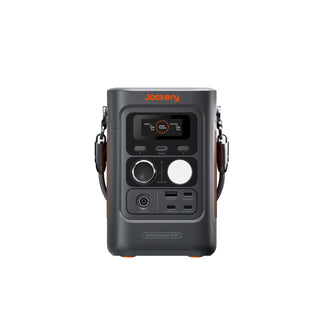
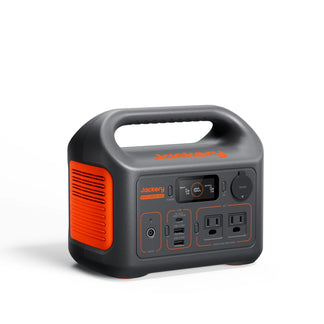
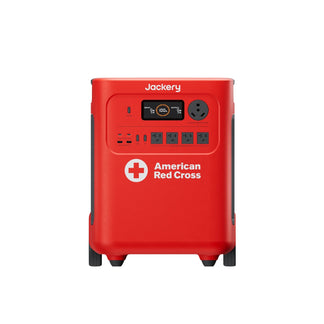
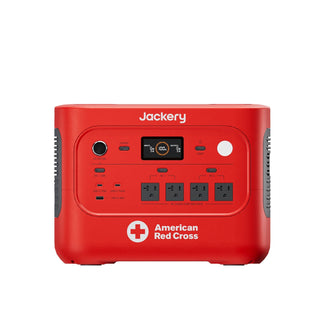
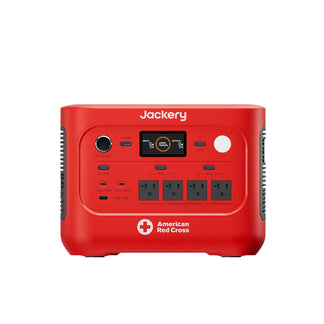
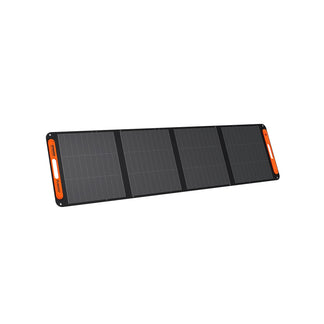
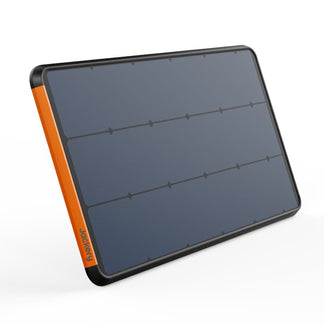
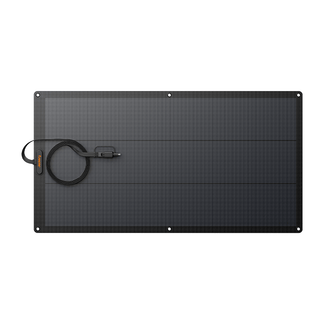
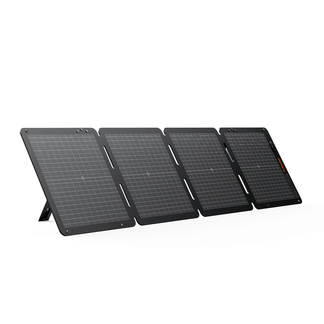
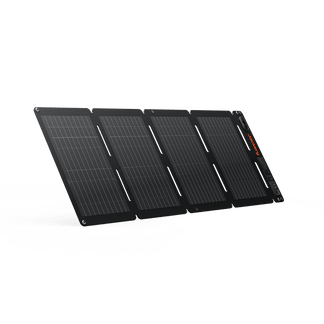
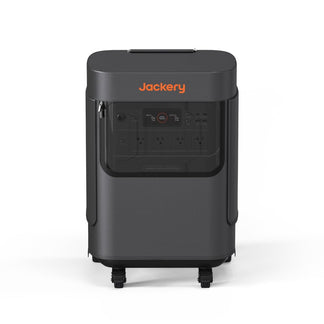
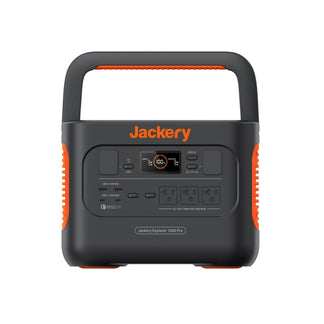
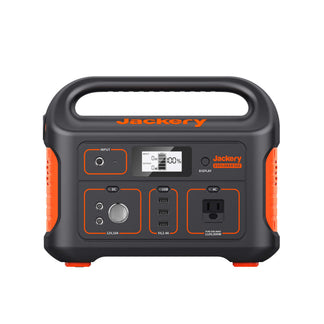
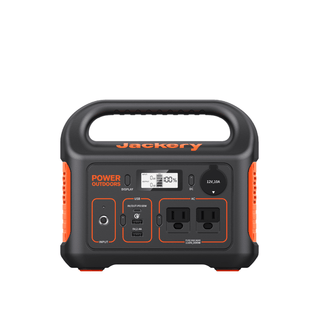
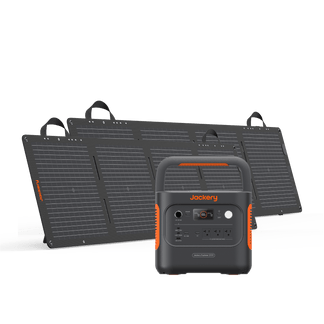
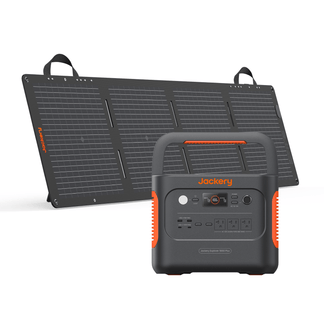
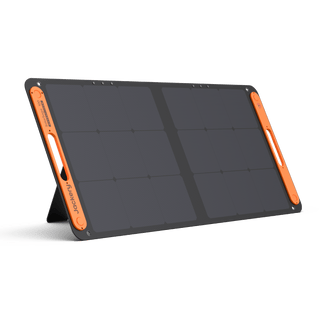
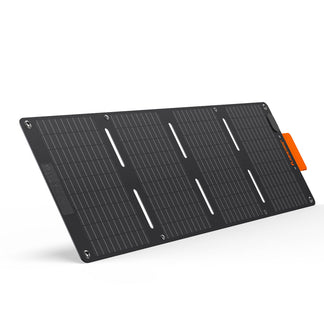
Jackery Solar Generators can run appliances at a campsite, an off-grid cabin, an RV, or keep the coffee flowing during a home outage. The solar generators are available in different sizes, so you can easily power appliances at home during an outage or while camping at an outdoor location.
Key Takeaways
- Drip coffee makers draw 550 to 1,200 watts during brewing, single-serve pod machines (Keurig, Nespresso) draw 900 to 1,500 watts, and automatic espresso machines reach up to 1,500 watts or more.
- Coffee makers draw their full wattage only during the brew cycle, which is typically 8 to 12 minutes per pot. Keeping coffee warm afterward draws only 200 to 400 watts.
- You can estimate solar generator runtime for your coffee maker by using the Running Time Calculator available on the Jackery Buying Guide page.
- Coffee makers are resistive loads, and they produce no startup surge beyond their running wattage, so a solar generator only needs to meet the rated wattage and not a higher peak demand.
- When you power a coffee maker with a solar generator during camping, RV travel, or a home outage, it eliminates both fuel costs and generator noise.
How Many Watts Does a Coffee Maker Use?
How many watts a coffee maker uses varies based on three primary factors: the brewing mechanism, the size or number of cups produced per cycle, and whether the machine maintains heat between servings. Here is how those factors translate to wattage across the most common coffee maker types:
Coffee Maker Type | Wattage During Brew | Wattage on Warm | Notes |
Small Drip (4 cup) | 550–750W | 40–100W | Most energy-efficient type |
Standard Drip (10–12 cup) | 750–1,200W | 60–200W | Most common household model |
Single-Serve Pod (Keurig, Nespresso) | 900–1,500W | 0–60W | Fast heat-up and shorter brew cycle |
Automatic Espresso Machine | 1,000–1,500W | 100–200W | High draw and pressure pump involved |
Manual / Pour-Over (with heated base) | 500–800W | 100–200W | Lower draw overall |
Commercial Coffee Maker | 1,500–3,000W | 200–400W | Dedicated circuit recommended |
Coffee Maker Wattage by Brand and Model
Coffee Maker | Wattage | Estimated Use Per Day (Hours) | Estimated Daily Energy Draw (Wh) |
Keurig (standard models) | 1,500W | 0.2H (12 min) | 300Wh |
Nespresso VertuoNext | 1,260W | 0.2H (12 min) | 252Wh |
Nespresso CitiZ | 1,710W | 0.2H (12 min) | 342Wh |
Capresso Steam PRO 4-Cup | 800W | 0.2H (12 min) | 160Wh |
De'Longhi DEDICA Espresso Machine | 1,300W | 0.2H (12 min) | 260Wh |
Standard 10-Cup Drip Maker | 1,000W | 0.2H (12 min) | 200Wh |
Small 4-Cup Drip Maker | 600W | 0.15H (9 min) | 90Wh |
Coffee Maker Wattage by Brewing Stage
A coffee maker's wattage is not constant throughout its operation. Understanding how many watts a coffee maker uses at each stage helps size a solar generator accurately:
During Brewing: The heating element brings cold water to approximately 200°F (93.3°C) and forces it through the grounds. This stage draws peak wattage, typically 800W to 1,500W, depending on the model, and lasts 8 to 12 minutes per pot or 1 to 2 minutes per cup in single-serve machines.
Warm Plate / Keep-Warm Mode: Once brewing ends, most drip coffee makers continue drawing 40 to 200 watts to maintain the carafe temperature. Smarter coffee maker models switch off automatically when the plate reaches a set temperature, saving meaningful energy over time.
Standby: Coffee makers left plugged in but not actively heating draw 1 to 5 watts of standby power, which is negligible over the short run, but worth considering for solar generator efficiency calculations in sustained off-grid scenarios.
How Much Does It Cost to Run a Coffee Maker?
The daily energy cost of a coffee maker is modest. Most households brew for under 15 minutes per day, but it compounds meaningfully over a year, especially in high-rate electricity states. The calculation:
Daily Cost = (Coffee Maker Wattage × Brew Time Hours ÷ 1,000) × Electricity Rate ($/kWh)
For a 1,000W drip coffee maker running 12 minutes (0.2 hours) per day at the US average rate of $0.1883/kWh: 1,000W × 0.2H ÷ 1,000 × $0.1883 = $0.037 per day, or approximately $13.32 per year.
The table below shows monthly and annual coffee maker electricity costs across major US states, based on a 1,000W machine used for 12 minutes per day:
State | Average Electricity Rate | Cost Per Month | Cost Per Year |
California | 35.25¢/kWh | $0.07 | $0.85 |
New York | 29.45¢/kWh | $0.06 | $0.71 |
Texas | 16.99¢/kWh | $0.03 | $0.41 |
Massachusetts | 29.45¢/kWh | $0.06 | $0.71 |
Florida | 15.38¢/kWh | $0.03 | $0.37 |
Virginia | 17.38¢/kWh | $0.03 | $0.42 |
New Jersey | 23.53¢/kWh | $0.05 | $0.56 |
Maryland | 22.07¢/kWh | $0.04 | $0.53 |
Washington | 14.36¢/kWh | $0.03 | $0.34 |
US Average | 18.83¢/kWh | $0.04 | $0.45 |
Source: U.S. Energy Information Administration (EIA). Actual rates vary by utility provider and plan.
What Factors Affect Coffee Maker Power Consumption?
A coffee maker's power consumption primarily depends on its brewing mechanism, heating methods, and usage habits. The wattage generally ranges from 600W for a basic electric French press to 1,500W+ for espresso machines. Let’s explain the factors that affect the coffee maker below:
Brewing Mechanism: The fundamental difference between a drip machine and an espresso machine is pressure. Espresso machines pressurize water through tightly packed grounds at 9 bar or more, which requires more electrical work from both the heating element and the pump. This is why automatic espresso machines consistently draw more watts than drip machines of the same physical size.
Heating Technology: Traditional resistance heating elements bring a full reservoir to temperature before brewing begins, which explains why drip machines take 8 to 12 minutes and spike wattage for the entire duration. Thermoblock and thermocoil systems (common in Nespresso and high-end Keurigs) heat only the precise amount of water needed for each cup, drawing peak wattage for a shorter burst. The per-cup energy cost is similar, but the total brew time at peak draw is much shorter.
Carafe Type: Glass carafes require an active warming plate (40–200W) to maintain temperature. Insulated thermal carafes retain heat passively, meaning the machine draws zero watts after brewing ends. For solar generator use, a thermal carafe coffee maker provides meaningfully more efficient use of battery capacity.
Machine Age and Scale Buildup: Mineral deposits from hard water coat the heating element over time, reducing heat transfer efficiency and requiring the element to draw power longer to reach brewing temperature. Regular descaling (every 1 to 3 months, depending on water hardness) maintains the machine's rated efficiency and reduces unnecessary energy draw.
Kimberly runs a full-time vacation rental business from a fifth-wheel trailer parked off-grid in Qualicum Bay, without power lines, outlets, or signal to rely on. Before finding a solution, staying connected meant driving into town and parking outside a restaurant for hours just to catch WiFi. That changed after she spotted another off-gridder running a full setup off solar near a lake, which led her to the Jackery products. Now her coffee maker runs every morning without a second thought, her laptop stays fully charged, and a portable WiFi unit keeps her connected to booking platforms and guest messages without ever leaving camp. Explore more such Jackery Stories to see how people use their battery backup solutions.
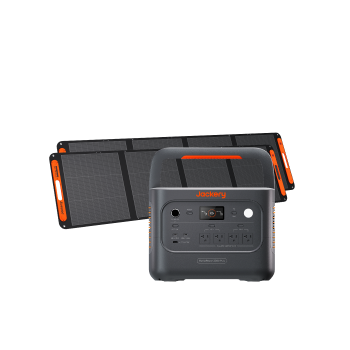
Recommended Jackery Solar Generators for Coffee Makers
When the power goes out, or when you need to prepare at a campsite, in an RV, or at an outdoor event, a Jackery Solar Generator or Portable Power Station provides the output wattage and stored capacity to run the appliance through multiple brew cycles. Since coffee makers produce no startup surge, the only specifications that matter are rated continuous output (must exceed the coffee maker's peak wattage) and battery capacity (which determines how many brew cycles are possible per charge). Here are some of the recommended solar generators for powering coffee makers of different sizes:
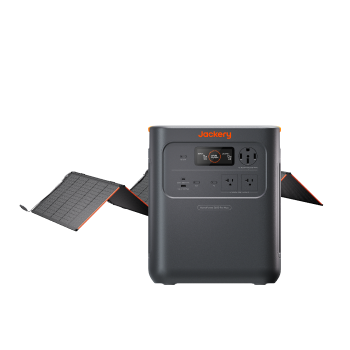
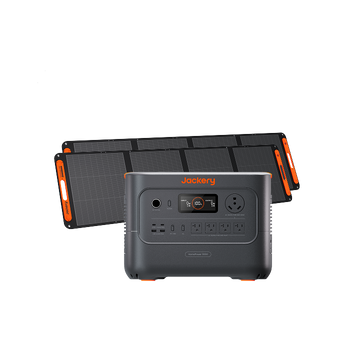
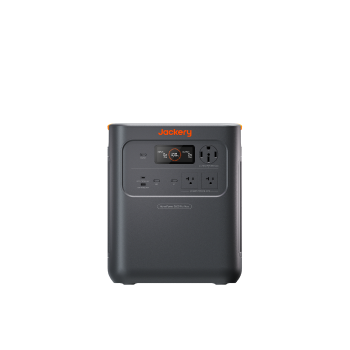
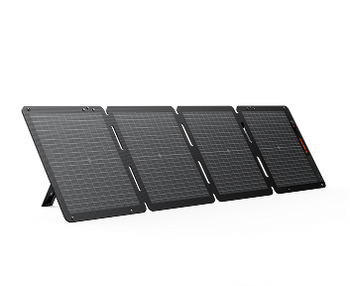
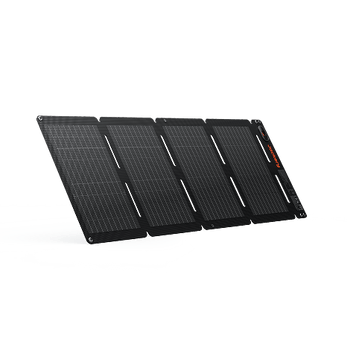
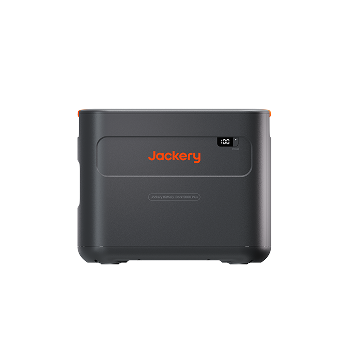
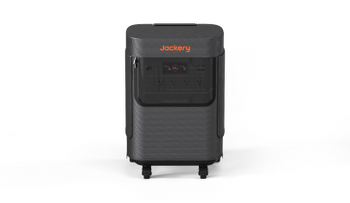
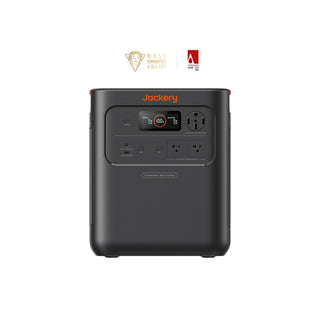
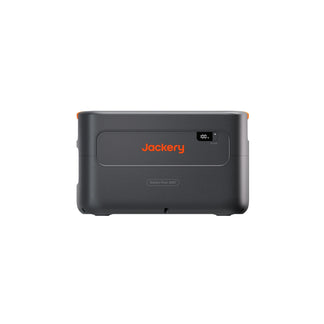
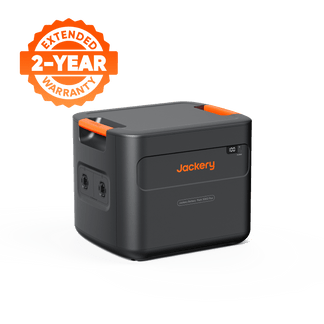
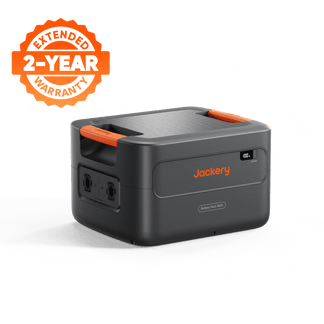
Jackery Solar Generator 2000 v2
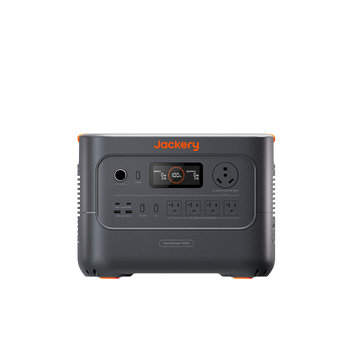
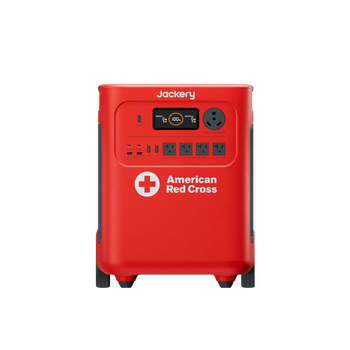
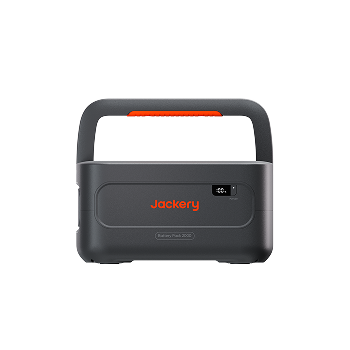
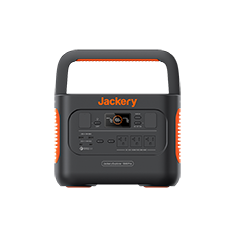
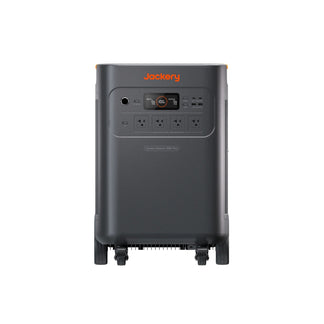
For outdoor enthusiasts who want a premium morning coffee experience without the generator noise, exhaust, or fuel logistics, the Jackery Solar Generator 2000 v2 delivers reliable power. It can comfortably handle any drip machine, pod machine, or single-serve espresso maker in a single, lightweight unit. You can take this solar generator camping, set it up in the back of a van, or pull it out during a home outage. The 1.3-hour Emergency Charge mode ensures the household does not run out of coffee even in the event of a last-minute power outage.
Appliances Running Time
- Drip Coffee Maker (600W) = 2.7H
- Espresso & Cappuccino Machine (1000W) = 1.6H
- Pod & Single-Serve Machine (1200W) = 1.4H
- Electric Kettle (1300W) = 1.3H
- Grind & Brew Machine (1200W) = 1.4H
Who Should Buy This
The Jackery Solar Generator 2000 v2 is ideal for RV travelers, car campers, and weekend adventurers who want enough capacity for multiple appliances, such as a coffee maker, fridge, lights, and phone charging across a full day outdoors, in a portable design.

Customer Review
I’m a Jackery fan! I have several of the smaller units, but wanted one that accommodated a higher wattage. This 2000 came in handy when our city had a planned 6 hour electric outage, keeping me from stressing about my garage fridge and freezer units. Performed flawlessly with power to spare!
— Carole S.
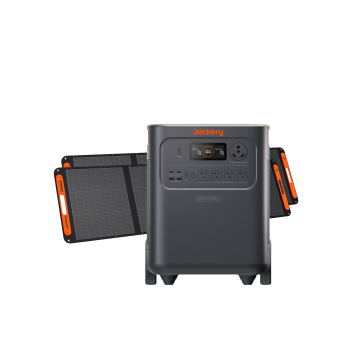
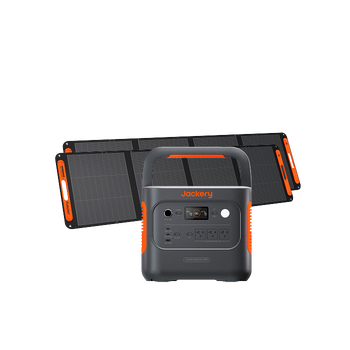
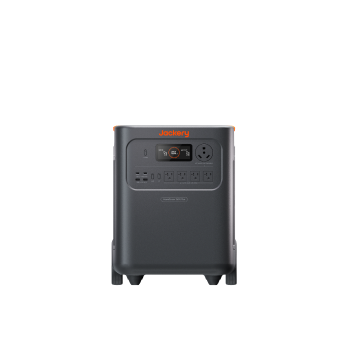
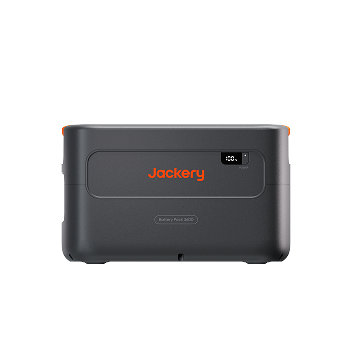
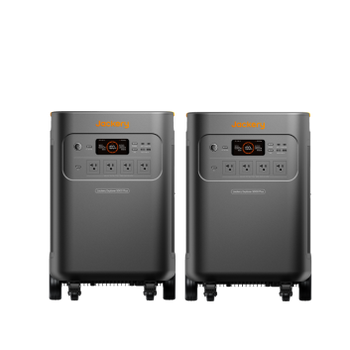
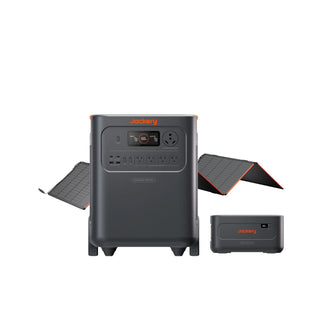
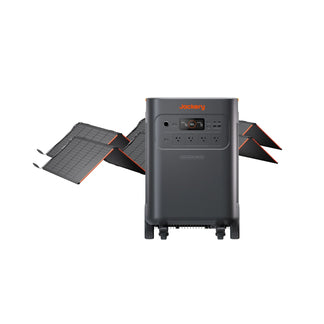
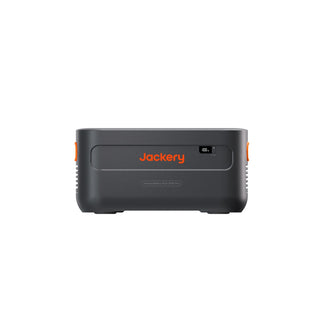
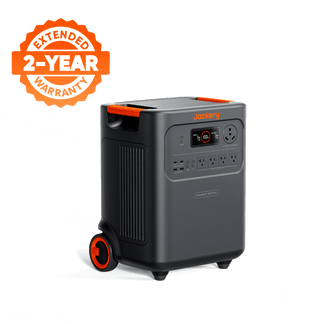
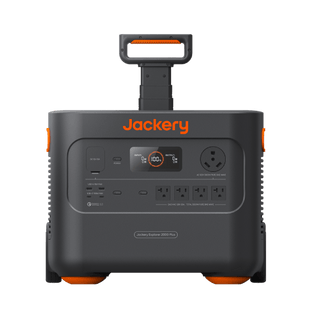
Jackery Solar Generator 2000 Plus
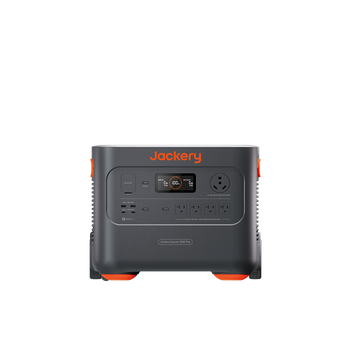
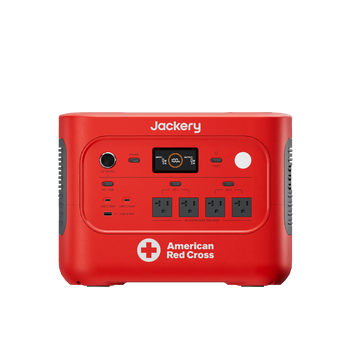
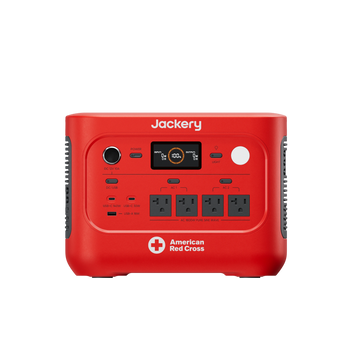
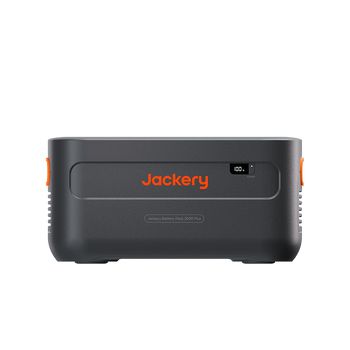
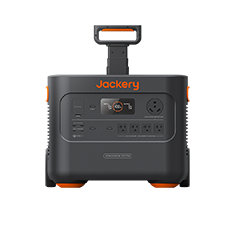
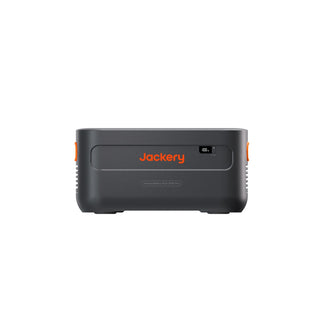
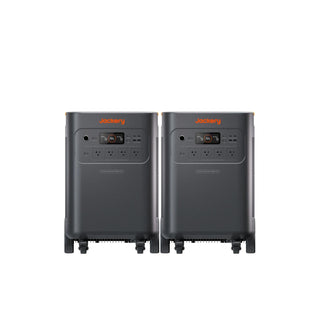
The Jackery Solar Generator 2000 Plus is the right choice when the coffee maker is one part of a much bigger picture and when the same unit needs to power a refrigerator, an air conditioning unit, kitchen appliances, and entertainment devices alongside the morning brew. It can handle high-wattage coffee machines, including commercial-grade espresso makers that push past the limits of smaller solar generators. It is expandable, meaning the same unit that powers a weekend camping trip can also cover a multi-day home outage by adding battery packs over time.
Appliances Running Time
- Drip Coffee Maker (600W) = 2.7H
- Espresso & Cappuccino Machine (1000W) = 1.6H
- Pod & Single-Serve Machine (1200W) = 1.4H
- Electric Kettle (1300W) = 1.3H
- Grind & Brew Machine (1200W) = 1.4H
Who Should Buy This
The Jackery Solar Generator 2000 Plus is ideal for homeowners, small business operators, and outdoor event hosts who need a high-output solar generator capable of running a coffee maker alongside multiple other appliances simultaneously, and who want the flexibility to expand battery capacity as their needs grow.

Customer Review
I upgraded from 2000 Pro to 2000 Plus. Keeps my Iceco fridge running all day/night, only using 10% daily. Powers all of my camping lighting. Chargers faster with the 500w solar panels than the 2* 200W panels did. It's an awesome setup for my Jeep Gladiator Overland setup. I would definitely recommend to everyone that they go camping/overlanding a lot.
— Eric.
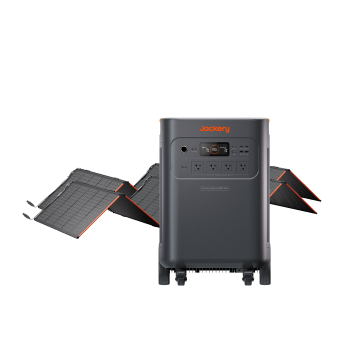
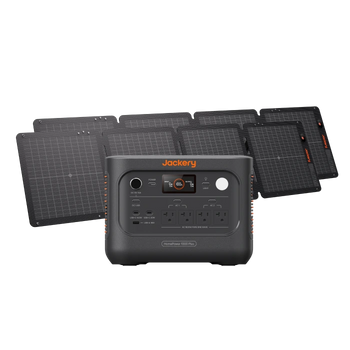
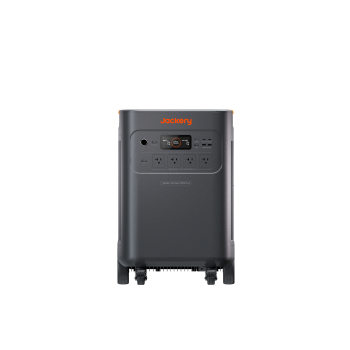
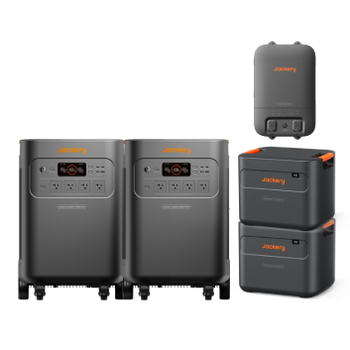
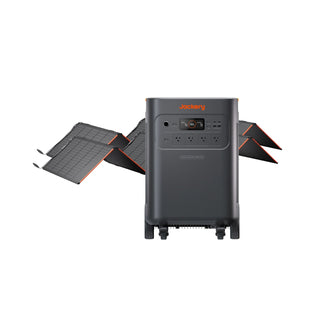
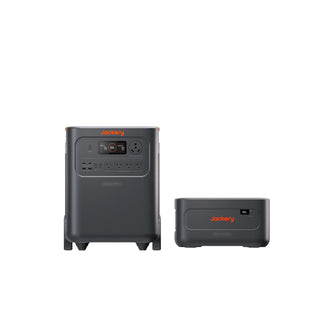
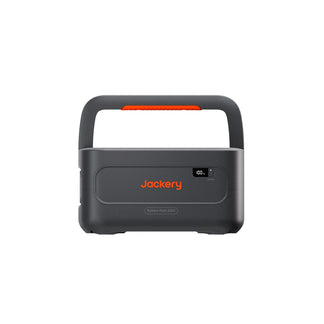
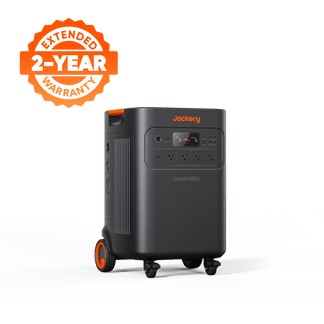
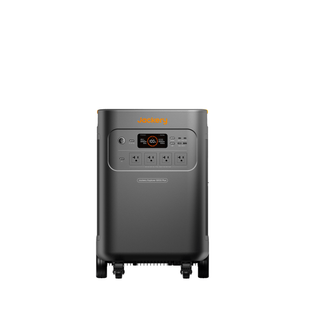
Jackery Solar Generator HomePower 3600 Plus
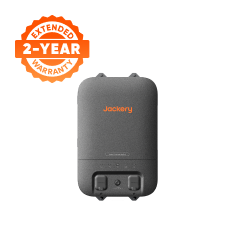
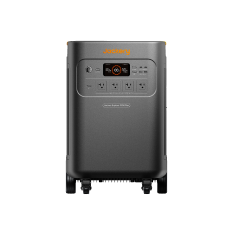
The Jackery Solar Generator HomePower 3600 Plus is built for households where the coffee maker is the first appliance to need power during an outage, or for anyone who hosts outdoor events and needs a reliable power supply for appliances, such as coffee makers. A 1,000W drip coffee maker draws approximately 3.0 hours of continuous runtime from the Jackery Solar Generator HomePower 3600 Plus, which is equivalent to roughly 18 complete 10-minute brew cycles on a single charge. In practice, the coffee maker uses only a fraction of that capacity each morning, leaving the remainder for the refrigerator, lights, the WiFi router, and the rest of the household's essential loads.
Appliances Running Time
- Drip Coffee Maker (600W) = 4.9H
- Espresso & Cappuccino Machine (1000W) = 3.0H
- Pod & Single-Serve Machine (1200W) = 2.5H
- Electric Kettle (1300W) = 2.3H
- Grind & Brew Machine (1200W) = 2.5H
Who Should Buy This
The Jackery Solar Generator HomePower 3600 Plus is suitable for families in storm-prone regions who need multi-day home backup that includes the coffee maker, refrigerator, and essential devices, and who want a home battery backup with the longest battery lifespan and expandable capacity (up to 43kWh) for the most demanding outage scenarios.

Customer Review
So far, so good. The power went out the other night. I plugged the refrigerator and espresso machine into the generator, and they ran for several hours with no problem. I can't wait for the next major power outage.
— Robert R.
Tips to Reduce Coffee Maker Energy Consumption
Small changes to how a coffee maker is used can meaningfully lower its electricity draw, and extend solar generator runtime during off-grid or outage use:
Switch to a Thermal Carafe Model: A coffee maker with an insulated stainless steel carafe eliminates the warming plate entirely. After brewing, the carafe retains heat for hours with zero additional electricity draw. Over a year, this saves 30% to 50% of the machine's total energy consumption compared to a glass carafe model with an active warming plate.
Brew Only What You Need: Every extra cup brewed requires the heating element to run proportionally longer. Adjusting the batch size to actual consumption, rather than brewing a full 12-cup pot for two people, cuts both water and energy use per serving.
Turn It Off After Brewing: Most drip machines with glass carafes will keep the warming plate active for hours if left on. Setting a reminder to turn the machine off 15 to 20 minutes after brewing ends can reduce daily energy consumption by 20% to 40%, depending on the model.
Descale Regularly: Mineral deposits from hard water reduce heat transfer efficiency, causing the element to draw power for longer to reach brewing temperature. Descaling every one to three months (depending on water hardness) maintains rated efficiency and extends the machine's lifespan.
FAQs
What is the average wattage of a coffee maker?
A standard household drip coffee maker draws 750W to 1,200W during brewing. Compact 4-cup coffee maker models draw as little as 550W to 700W. Pod machines and automatic espresso machines reach 900W to 1,500W or more. The keep-warm function drops to 40W to 200W after brewing completes.
How much electricity does a coffee maker use per day?
At 12 minutes of brewing per day, a 1,000W coffee maker consumes approximately 200Wh (0.2 kWh) daily. Adding 30 minutes of keep-warm time at 150W adds approximately 75Wh, bringing a typical daily total to 275Wh, which is less than 0.3 kWh.
How many watts does a Keurig use?
Standard Keurig models draw approximately 1,500 watts during the heating and brewing cycle, which is a brief burst of 45 to 90 seconds per cup. This is meaningfully higher than a drip machine per unit time, though the total energy per cup is comparable because the brew cycle is so much shorter. When sizing a solar generator for a Keurig, ensure the rated continuous output exceeds 1,500W.
Does a coffee maker have a startup surge?
No. Coffee makers are resistive loads, and their wattage at startup is the same as their running wattage. There is no brief higher demand when the machine first turns on. A solar generator only needs to meet or exceed the coffee maker's stated wattage in continuous output rating.
Conclusion
Coffee maker wattage spans a wider range than most appliances, from a 550W compact drip model to a 1,710W Nespresso CitiZ, and the right solar generator depends on which end of that range your machine falls. The Jackery Solar Generator 2000 v2 handles every drip and pod machine in the chart above with over an hour of continuous runtime and 7 to 17 brew cycles per charge. It is ideal for camping, RV use, and short home outages. The Jackery Solar Generator 2000 Plus adds expandable capacity, making it ideal for households running the coffee maker alongside multiple other appliances. And the Jackery Solar Generator HomePower 3600 Plus delivers the most brew cycles per charge in this comparison, alongside essential home backup capacity and a 16-year LFP battery lifespan for the households where a hot cup of coffee on day two of a storm outage is non-negotiable.


