





![[Add-on] Jackery Battery Pack 5000 Plus - Jackery](http://www.jackery.com/cdn/shop/files/add-on-jackery-battery-pack-5000-plus-6713401.webp?v=1786503068&width=324)





Most household coffee makers draw between 2.5 and 13 amps on a standard 120V circuit. A compact single-serve or 4-cup model typically pulls 2.5-6 amps, while a full 10-12 cup drip machine or single-serve pod system on a larger brew cycle can reach 8-13 amps. Coffee makers run on a simple heating element with no motor, so there's no startup surge. Coffee makers do have two distinct power states worth knowing: active brewing draws considerably more than the "keep warm" function that follows it.
Jackery Solar Generators are ideal home battery backup solutions that can run most kitchen appliances, including coffee makers. Since a coffee maker's demand is short, predictable, and doesn't require accounting for a surge the way a refrigerator or air conditioner would, these solar generators can easily run the appliance. The main thing to get right is matching a generator's continuous output to your machine's brewing wattage, and Jackery's lineup covers everything from a single-serve pod machine to a full 12-cup drip system without much guesswork.
Key Takeaways
- Coffee makers draw 2.5-13 amps, depending on size, with smaller single-serve and 4-cup machines at the low end and larger drip and combo machines at the high end.
- Coffee makers do not have a startup surge, which means the heating element draws current steadily, without the spike you would see from a motor-driven appliance.
- Active brewing draws considerably more power than the "keep warm" plate that follows it, often by a factor of 10 or more.
- A coffee maker left on warm mode for hours uses far less total electricity than the brew cycle itself, even though it runs much longer.

How Many Amps Does a Coffee Maker Draw by Type
Coffee maker wattage tracks fairly closely with brew capacity and speed. A machine designed to brew a full pot quickly needs a stronger heating element than one making a single cup slowly. Here's how the common categories compare at 120V.
|
Coffee Maker Type |
Wattage (Brewing) |
Amp Draw |
|
Single-Serve Pod Machine |
700-1,500W |
5.8-12.5A |
|
4-Cup Drip Maker |
500-750W |
4.2-6.3A |
|
5-Cup Drip Maker |
600-960W |
5-8A |
|
10/12-Cup Drip Maker |
1,000-1,500W |
8.3-12.5A |
|
Percolator |
600-1,000W |
5-8.3A |
|
Espresso Machine |
800-1,500W |
6.7-12.5A |
|
Combo Coffee/Espresso System |
1,200-1,500W |
10-12.5A |
Brand and model matter too when understanding how many amps a coffee maker uses. For example, a Bunn drip machine is designed to keep water preheated internally so it brews faster, which puts it around 816-840W (6.8-7A) even at a fairly large 10-cup capacity, while a comparably sized machine without a warmer tank might run somewhat higher during the brew itself.
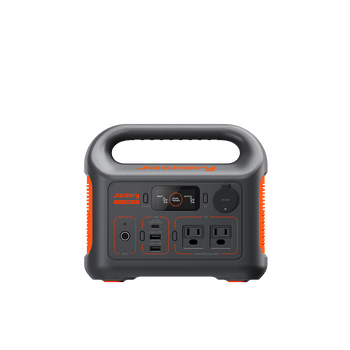
For Bradenton ceramic artist Eileen Van Lieshout, Hurricanes Milton and Helene turned her Anna Maria Island community upside down, cutting power for days and leaving her family isolated. What began as a single Jackery Explorer 1000 to keep her fridge running has grown into four Jackery Explorer 5000 Plus units and rooftop solar panels, powering nearly her entire home, including a coffee maker, through every storm since. Even her craft has stayed on, running her pottery display and charging fellow vendors' phones at the local farmers' market with a Jackery Explorer 240. For more real-life stories like Eileen's, explore Jackery Stories.
How Does Brewing vs. Keep-Warm Mode Affect the Watts of a Coffee Maker
A drip coffee maker is not drawing the same wattage the whole time it is plugged in and running, i.e., active brewing. When the heating element is boiling water and pushing it through the grounds, it draws close to the machine's full rated wattage. Once brewing finishes and the machine switches to its warming plate to keep the pot hot, wattage typically drops to somewhere between 40W and 100W, a small fraction of the brewing draw.
Practically, this means a coffee maker sitting in warm mode for two hours after a morning brew uses far less electricity than the five-minute brew cycle that came before it, even though the warm cycle runs 20+ times longer. It is also why runtime estimates for coffee makers can look deceptively short if they are based on the brewing wattage alone. If you are mostly running the warmer and not brewing back-to-back pots, your actual power source will last considerably longer than the brew-only numbers suggest.
If you want to know more about the power consumption of coffee makers, you can check our detailed guide: How Many Watts Does a Coffee Maker Use.
How to Calculate Your Coffee Maker's Amp Draw
There are three easy ways to calculate the amp draw of a coffee maker: checking the rating label, converting wattage to amps, and using a power meter.
Method 1: Check the Rating Label
Every coffee maker has a label, usually on the base or back panel, listing wattage, amps, and voltage directly from the manufacturer. It is the quickest way to find an exact amp number.
Method 2: Convert Wattage to Amps
If only wattage and voltage are available, you can use the standard formula:
Amps = Watts ÷ Volts
For example, a single-serve machine rated at 1,000W on a 120V circuit draws:
1,000W ÷ 120V = 8.3 amps
Remember that this amp figure is applicable to the brewing phase. If you want the keep-warm draw specifically, check the machine's spec sheet, since it is rarely printed as prominently as the brewing wattage.
Method 3: Use a Power Meter
A plug-in power meter between the outlet and the coffee maker gives a live reading through both phases of a brew cycle, which is the most reliable way to see the actual gap between brewing and keep-warm draw for your specific machine.
How to Lower a Coffee Maker's Electricity Cost?
If you want to reduce your coffee maker’s electricity cost, always switch off or unplug the machine immediately after brewing to eliminate standby power loss, which accounts for up to 8.76 kWh annually. You can also use the programmable timer, descale regularly, and power the machine using the solar generator to reduce the overall electricity costs.
Use the Programmable Timer If Your Machine Has One: Setting brewing to a specific window prevents the coffee machine from sitting idle and drawing keep-warm power longer than necessary.
Turn it Off Rather Than Leaving it on Warm Indefinitely: Since keep-warm mode still draws continuous power, switching the machine off once you have had your last cup, rather than leaving it on for hours, adds up over a week of daily use.
Consider the Brew Method: Pour-over and French press methods use no electricity at all beyond boiling water separately, and even some specialty pod or single-serve machines use less energy per cup than a full pot brewed and then left warming for hours.
Descale Regularly: Mineral buildup makes the heating element work harder to reach brewing temperature, which can modestly increase both brew time and energy used per pot.
Run it From Stored Solar Power During an Outage or Off-Grid Trip: Since coffee makers draw a short, predictable load with no surge to plan around, they are one of the easier appliances to run confidently from a solar generator.
Recommended Jackery Solar Generators to Power Your Coffee Maker
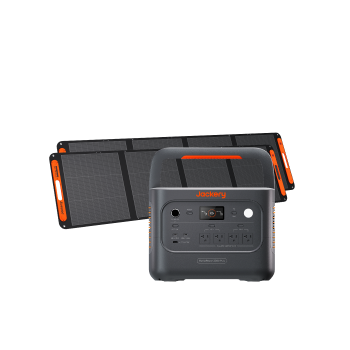
Coffee makers, while not the most power-hungry kitchen appliance, still require a burst of surge wattage to heat water and keep it warm, which makes finding the right power source essential before you rely on one away from a standard outlet. Jackery Solar Generator provides clean, stable power wherever you are, whether that is an RV parked at a scenic overlook, a cabin during a winter storm, a backyard morning after an outage, or a tailgate setup before sunrise.
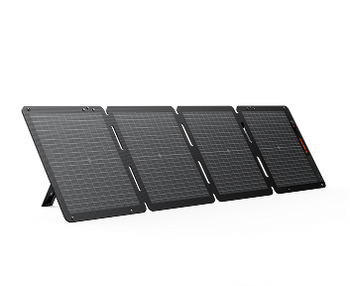
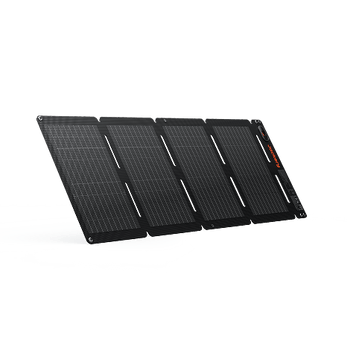
Beyond emergencies, these are ideal solar battery backup options for van-lifers, off-grid homeowners, and outdoor enthusiasts who simply don't want to give up their daily coffee ritual just because they are disconnected from the grid. With the right wattage and capacity, a Jackery Solar Generator can run a drip coffee maker, single-serve pod machine, or even an espresso setup for multiple cups before needing a recharge, all while being replenished by solar panels during the day.
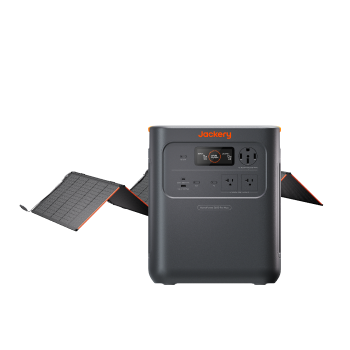
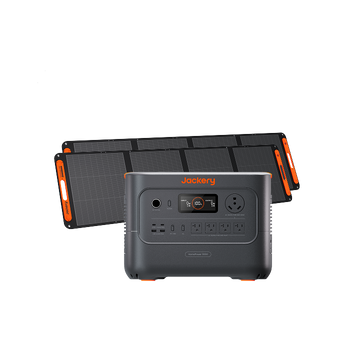
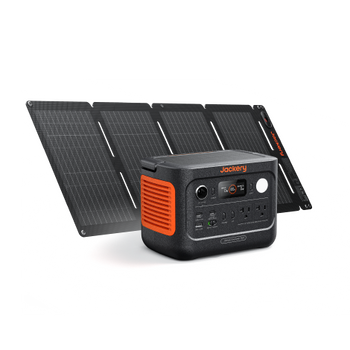
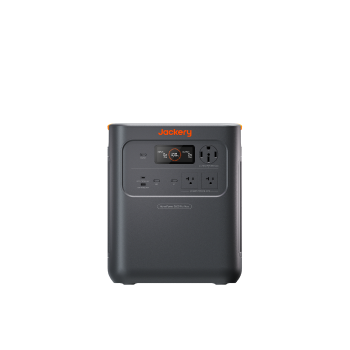
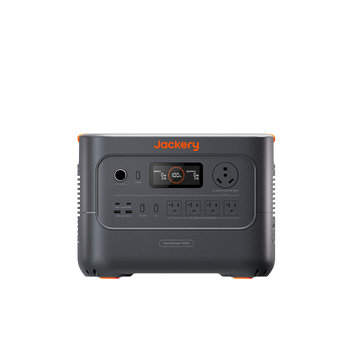
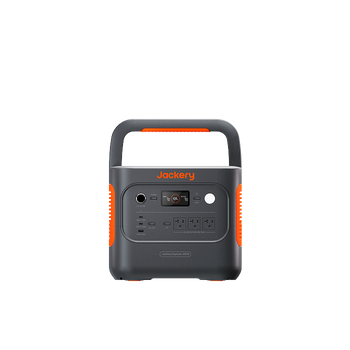
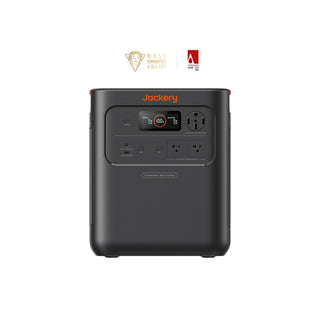
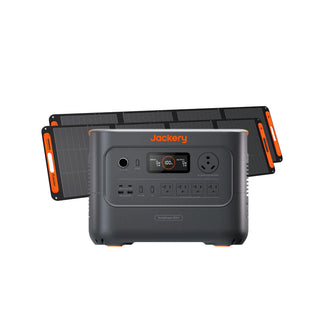
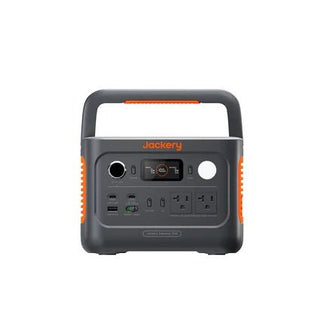
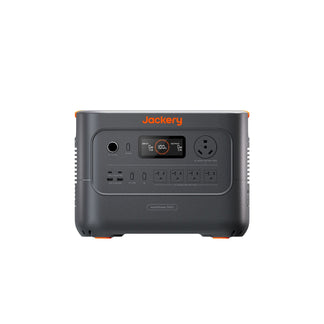
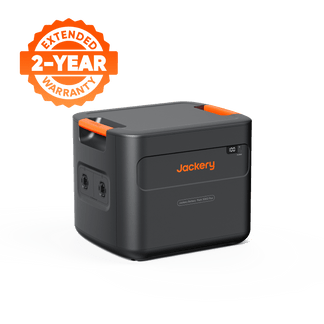
Jackery Solar Generator 2000 v2
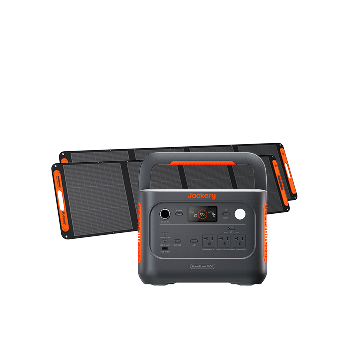
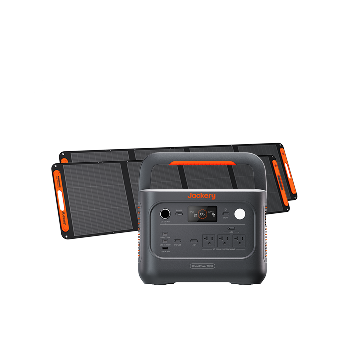
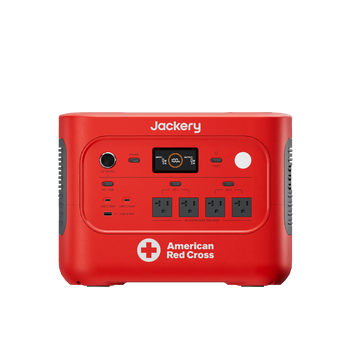
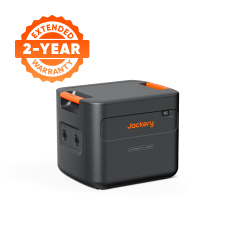
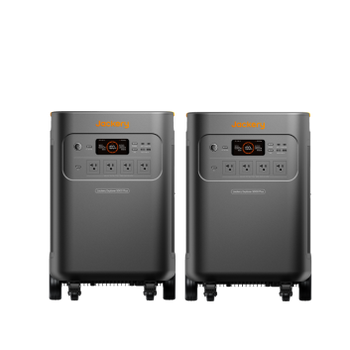
The Jackery Solar Generator 2000 v2 can comfortably run coffee makers with room for a toaster or microwave running at the same time. Its 20ms UPS keeps things running through brief grid interruptions, and thanks to CTB (cell-to-body) construction, it is notably lighter and more compact than older 2kWh power stations. This means you can easily move the power station between a kitchen counter and a camp table. It operates by emitting less than 30dB of noise (which is almost equal to the quiet library), making it ideal for powering appliances in shared campsites or at night.
Appliances Running Time
- Single-Serve Pod Machine (700W) = 2.3H
- 4-Cup Drip Maker (500W) = 3.2H
- 5-Cup Drip Maker (600W) = 2.7H
- 10/12-Cup Drip Maker (1000W) = 1.6H
- Percolator (600W) = 2.7H
- Espresso Machine (800W) = 2.0H
- Combo Coffee/Espresso System (1200W) = 1.4H
Who Should Buy This
The Jackery Solar Generator 2000 v2 is an ideal solar generator to power coffee makers and other appliances. It is suitable for households or campers who want a single, portable generator sized for one coffee maker plus a handful of other kitchen appliances, without needing to expand capacity later.

Customer Review
I live in an off grid house and my system isn't big enough to use various kitchen appliances or other types of electronics that use more than 1000 watts. Now I just plug into my Jackery and it is all good - Instapot, Airfryer, Kettle and Crockpot - all work when I need them with this little battery, plus it is also not too heavy for me to lift onto the counter. And bonus it is a great little machine for when I go out in my off grid camper to charge my laptop.
— Liz H.
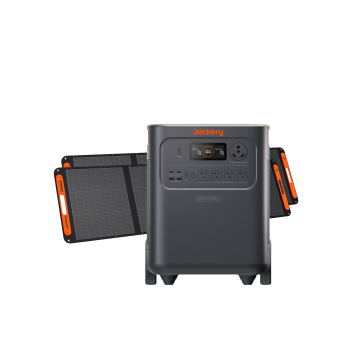
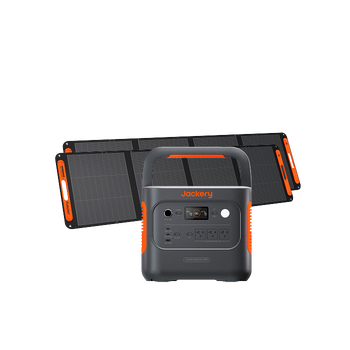
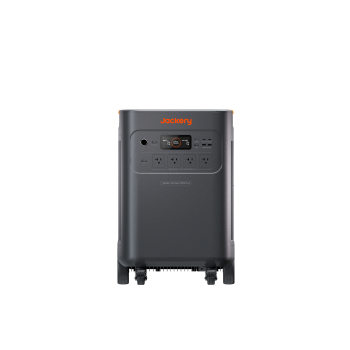
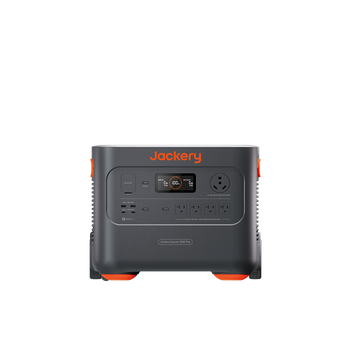
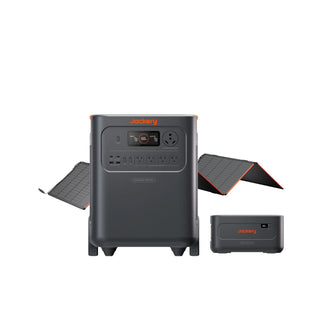
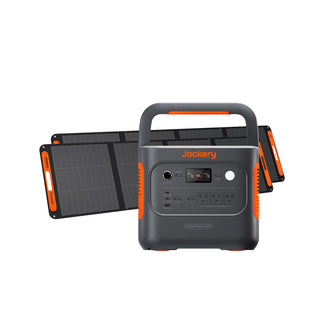
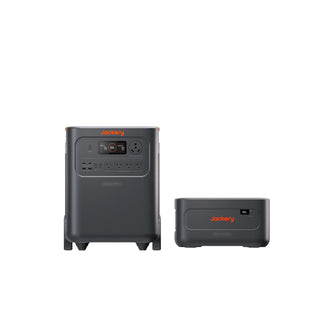
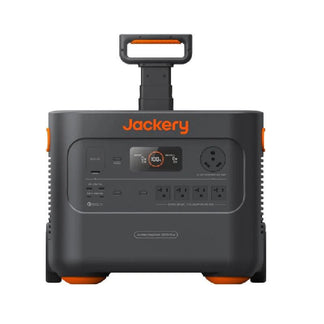
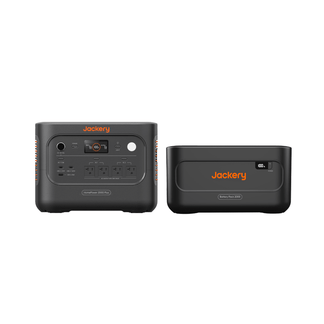
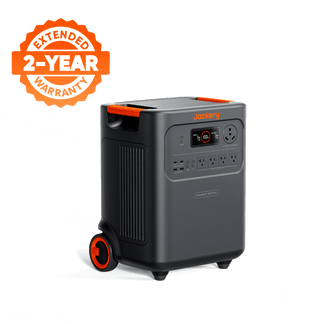
Jackery Solar Generator 2000 Plus
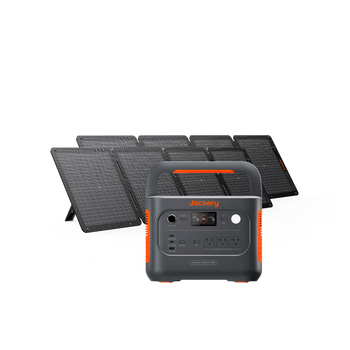
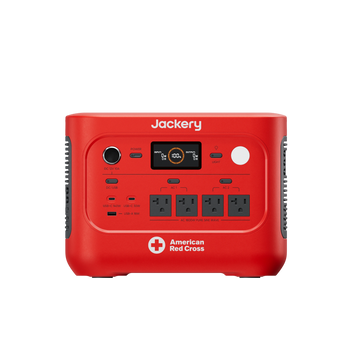
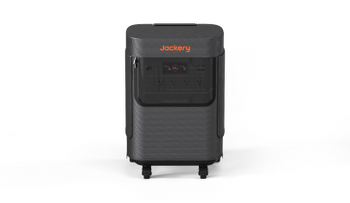
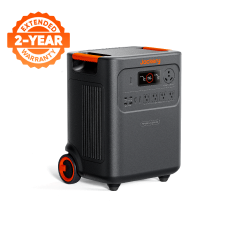
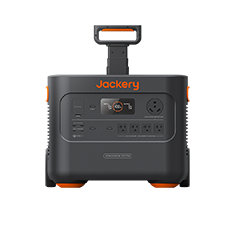
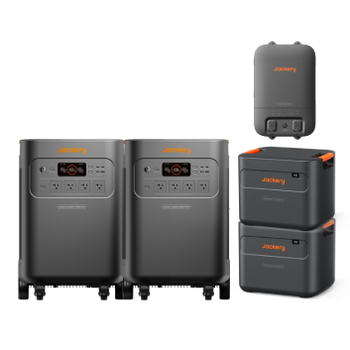
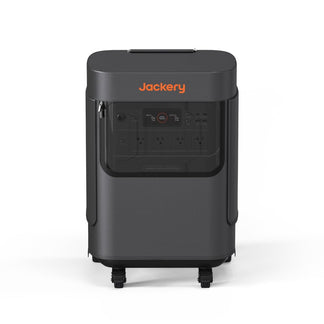
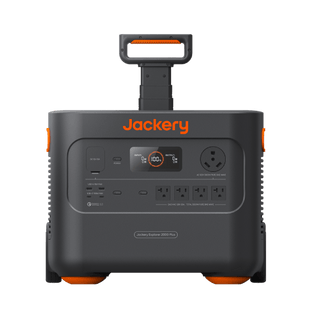
The Jackery Solar Generator 2000 Plus shares the same 2,042Wh base capacity as the Jackery Solar Generator 2000 v2. It has a 3,000W continuous output (6,000W surge) and the option to expand from 2kWh up to 24kWh with add-on battery packs or a second unit in parallel. For coffee makers specifically, the higher output matters most if you are running a larger combo espresso machine or using the coffee maker with several other higher-wattage appliances at once. It is built with a pull rod, double wheels, and a foldable handle so you can easily drag the solar generator anywhere you go.
Appliances Running Time
- Single-Serve Pod Machine (700W) = 2.3H
- 4-Cup Drip Maker (500W) = 3.2H
- 5-Cup Drip Maker (600W) = 2.7H
- 10/12-Cup Drip Maker (1000W) = 1.6H
- Percolator (600W) = 2.7H
- Espresso Machine (800W) = 2.0H
- Combo Coffee/Espresso System (1200W) = 1.4H
Who Should Buy This
The Jackery Solar Generator 2000 Plus is ideal for anyone who wants a solar battery backup with the option to expand later. It is useful for households running a coffee maker alongside other demanding kitchen appliances, or planning to scale up their backup power over time.

Customer Review
Definitely went above our expectations! We are initially using it for the camper. It is able to run so much: A/C, TV, 120 lights, and microwave without even sputtering. Off season we will be using it for our out building which currently does not have electricity. Very happy with our Explorer 2000 Plus!!
— Patricia C.
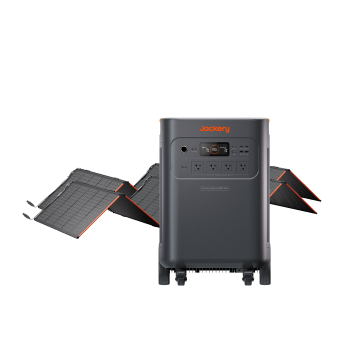
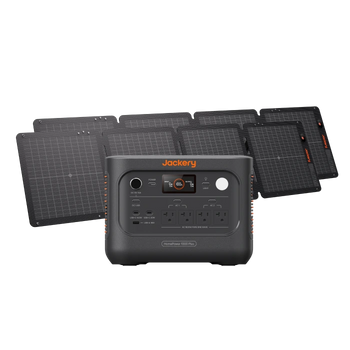
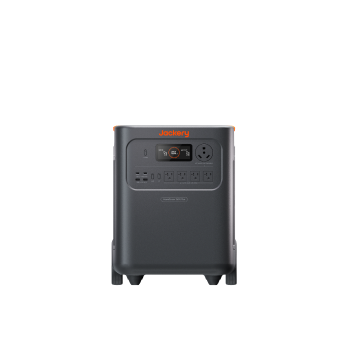
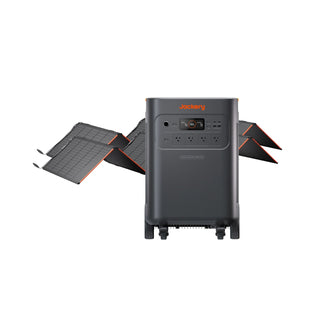
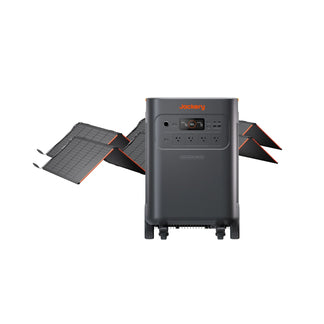
Jackery Solar Generator HomePower 3600 Plus
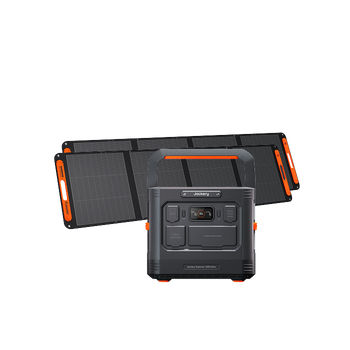
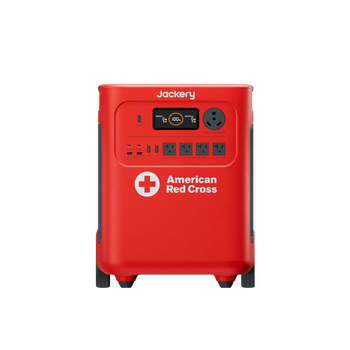
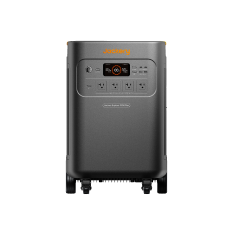
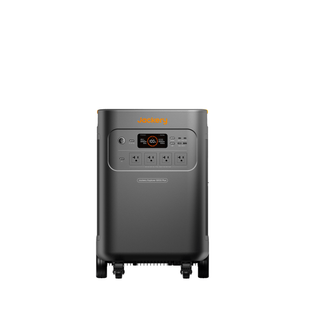
For kitchens that run several major appliances during an outage, including a coffee maker, microwave, toaster, and more, the Jackery Solar Generator HomePower 3600 Plus provides 3,600W of continuous output (7,200W surge) from a 3,584Wh battery. It is expandable to 21kWh on its own or 43kWh with two units in parallel. This essential home backup solution runs 120V appliances like portable AC units, refrigerators, coffee makers, and more. When you connect two units in parallel, it can power larger appliances such as well pumps and dryers with 240V output.
Appliances Running Time
- Single-Serve Pod Machine (700W) = 4.2H
- 4-Cup Drip Maker (500W) = 5.8H
- 5-Cup Drip Maker (600W) = 4.9H
- 10/12-Cup Drip Maker (1000W) = 3.0H
- Percolator (600W) = 4.9H
- Espresso Machine (800W) = 3.7H
- Combo Coffee/Espresso System (1200W) = 2.5H
Who Should Buy This
The Jackery Solar Generator HomePower 3600 Plus is ideal for larger households, or anyone who wants their coffee maker's backup power to be part of a bigger essential home backup plan covering multiple kitchen appliances and beyond, with room to expand as needs grow.

Customer Review
Saved me hundreds on day 5 when storms knocked my power out for 3 days. Kept my sump pump and fridge going. I really do need to add a solar charger or more battery capacity.
— Eduardo R.
FAQs About Coffee Maker Amps
How many amps does a 12-cup coffee maker use?
A 12-cup drip coffee maker typically draws 8.3-12.5 amps while actively brewing, depending on wattage, which usually falls between 1,000W and 1,500W. You can find the exact amperage for your specific machine using the formula: Amps = Watts / Volts. Check the label on the bottom of your coffee maker for its wattage rating (e.g., 1,000W) and divide it by your home voltage (120V) to get the amps.
How many amps does a Keurig use?
Keurig and similar single-serve pod machines generally use between 900 and 1,500 watts, which translates to a draw of 7.5 to 12.5 amps at 120 volts. The exact draw depends on the specific model and is at its highest during the preheating and brewing cycle.
Does a coffee maker need its own dedicated circuit?
No, a coffee maker does not usually need its own dedicated circuit, since most coffee makers fit comfortably on a shared kitchen circuit. It becomes worth considering if the coffee maker regularly runs alongside a toaster or other high-wattage appliance at the same time each morning.
Does leaving a coffee maker on warm use a lot of electricity?
No, leaving a coffee maker on warm uses less electricity relative to brewing. Keep-warm mode typically draws only 40-100W, compared to 600-1,500W during active brewing, so a few hours on warm often uses less total energy than the brew cycle itself.
Will a 2,000-watt inverter run a coffee maker?
Yes, a 2,000-watt inverter or 2,000-watt generator can easily run any household coffee maker on the market, since even the largest combo systems typically brew at 1,200-1,500W.
Conclusion
Coffee maker amp draw comes down to size, brewing wattage, and which of its two power states it is currently in. For example, active brewing draws considerably more current than the keep-warm plate that follows. Once you know your machine's brewing wattage, sizing a circuit, an outlet, or a backup power source is simple math with no surge to complicate it.
If you want to power coffee makers and other essential appliances outdoors during car camping or other trips, you can consider the compact Jackery Solar Generator 2000 v2. However, if you want to power kitchen essentials during long-term outages, the expandable Jackery Solar Generator 2000 Plus and Jackery Solar Generator HomePower 3600 Plus are ideal home battery backup solutions.


