


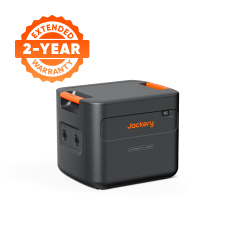
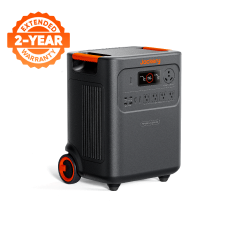
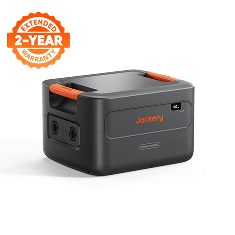
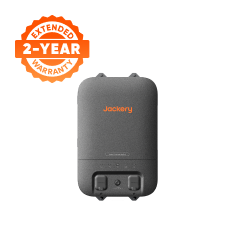



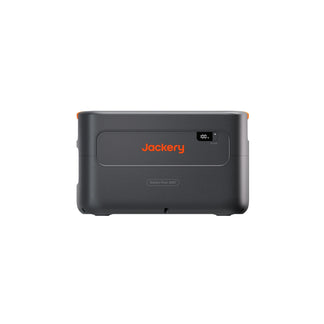
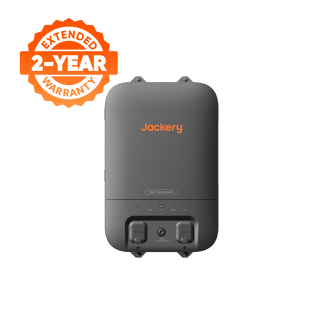
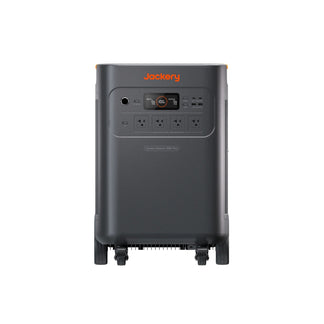
![[Add-on] Jackery Battery Pack 5000 Plus - Jackery](http://www.jackery.com/cdn/shop/files/add-on-jackery-battery-pack-5000-plus-6713401.webp?v=1786503068&width=324)


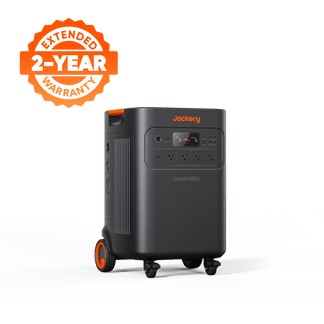
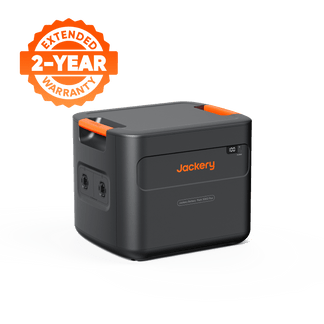
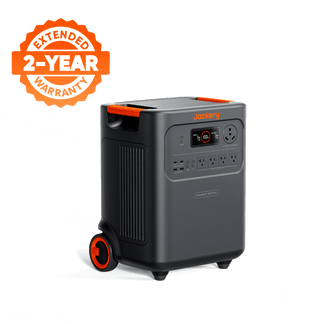
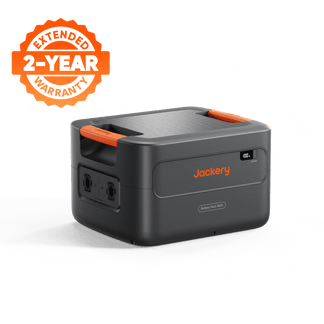
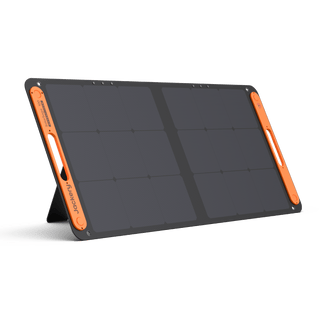
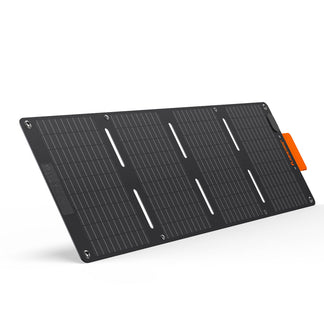
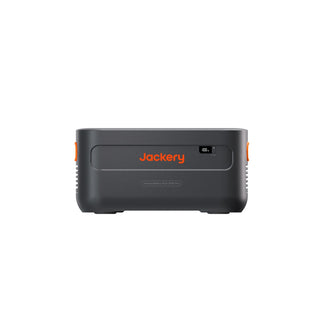
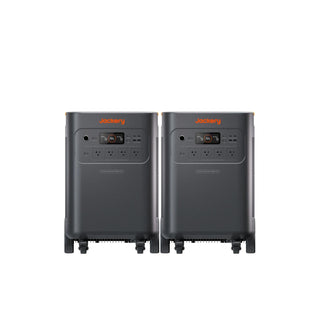


A standard slow Crock Pot draws between 0.6 and 4.2 amps on a 120V circuit, with wattage increasing by size. A small 2-quart model runs around 70-100 watts, while a large 8-10-quart model can reach 400-500 watts. That is noticeably less than some amp charts suggest, and the gap usually comes down to confusing a true slow cooker with a multi-cooker's sauté or pressure-cook function, which draws far more (800-1,500 watts, or 6.7-12.5 amps).
Slow cookers draw low, steady, and predictable power for hours at a stretch, without any of the surge or spike complications that trip people up with other kitchen appliances. Jackery Solar Generators can power a Crock Pot during long, low-draw cooking sessions. These home battery backup solutions can store enough energy to keep a pot running through a full cook time, whether that is for backup power during a storm or for a home that is fully off-grid.
Key Takeaways
- Slow cookers draw 0.6-4.2 amps, depending on size, considerably less than the 800-1,500W figures sometimes attributed to "Crock Pots" that actually describe a multi-cooker's pressure or sauté function.
- A slow cooker's amp draw barely changes between low, high, and warm settings. The amp draw of a Crock Pot is affected by how long the heating element stays on to reach the target temperature.
- Crock Pots do not consume any startup surge, since a slow cooker runs on a simple heating element with no motor.
- Running two slow cookers on one 15A circuit is generally safe for small-to-medium sizes, but pairing two large units can approach the circuit's limit once other kitchen appliances are factored in.

How Many Amps Does a Crock Pot Draw by Size?
The exact amp draw of a slow cooker depends on its capacity, since a larger pot needs more heating surface to bring a bigger volume of food up to a safe cooking temperature.
|
Crock Pot Size |
Wattage |
Amp Draw |
|
1.5-2 Quart (Small/Personal) |
70-100W |
0.6-0.8A |
|
3-4 Quart (Compact) |
150-200W |
1.25-1.7A |
|
5-6 Quart (Standard Family) |
200-320W |
1.7-2.7A |
|
7-8 Quart (Large) |
300-450W |
2.5-3.75A |
|
9-10 Quart (Extra Large) |
400-500W |
3.3-4.2A |
|
Multi-Cooker, Sauté/Pressure Mode |
800-1,500W |
6.7-12.5A |
How Many Amps Does a Multi-Cooker Use?
A standard multi-cooker uses between 6 and 12 amps, depending on its wattage and voltage. If you have seen a chart claiming a "Crock Pot" draws up to 1,400 watts, that figure almost certainly refers to a multi-cooker (like an Instant Pot) running its sauté or pressure-cook function, rather than a true slow cooker on its slow-cook setting.
These are different modes of operation: slow cooking works by holding food at a low, steady temperature for hours using a modest heating element, while sautéing or pressure cooking requires rapidly heating liquid to a much higher temperature, which takes a considerably more powerful element.
The confusion happens because many modern multi-cookers include a "slow cook" function alongside their pressure-cook and sauté modes, and manufacturers sometimes list the appliance's maximum wattage (used during pressure cooking) as if it applies to every mode, including slow cooking.
In practice, even a multi-cooker running its slow-cook function draws power much closer to a dedicated slow cooker's range than to its own pressure-cook wattage.
Does the Low, High, or Warm Setting Change the Crock Pot Amps?
No, the different settings (low, high, and warm) in the Crock Pot do not affect its amps. A slow cooker's heating element typically operates at close to its full rated wattage regardless of which setting is selected. What changes between low, high, and warm isn't how hard the element works while it is on, but how often it cycles on and off to maintain the target temperature.
The high setting keeps the element on more continuously to reach temperature faster, while the low setting cycles it on and off more frequently to hold a gentler simmer over a longer period. Warm mode does the same thing at an even lower duty cycle, since it is only maintaining temperature rather than actively cooking.
This means total energy used across an entire cook is often surprisingly similar between low and high settings. It is just the fact that low takes longer, but the element runs less continuously, while high finishes faster but draws more consistently during that shorter window. The efficiency difference people actually notice usually comes from switching to warm once food is done, rather than leaving it on low or high longer than necessary.
How Many Amps Does a Crock Pot Draw on a Startup?
A slow cooker's heating element is a simple resistive coil with no motor or compressor to overcome mechanical resistance, so it draws essentially the same current the moment it is switched on as it does hours later. There is no multiplier to add when sizing a circuit, an extension cord, or a backup power source. The running wattage on the label is the only number that matters.
How Electricity Use Compares Between Slow Cookers vs. Other Cooking Methods?
A slow cooker uses significantly less electricity than a conventional oven but consumes roughly the same overall energy per meal as an electric pressure cooker or a stovetop, as its low hourly wattage offsets the longer cook time.
It is worth seeing how a slow cooker's modest draw stacks up against other ways of cooking the same meal, since the comparison explains why slow cookers have such a strong reputation for being budget-friendly.
|
Cooking Method |
Typical Wattage |
Typical Cook Time |
Approximate Energy Used |
|
Slow Cooker (6-Quart) |
250W |
8 hours |
2 kWh |
|
Conventional Oven |
2,000-5,000W |
1-2 hours |
2-5 kWh |
|
Instant Pot / Pressure Cooker |
800-1,200W |
30-60 minutes |
0.4-1.2 kWh |
|
Stovetop Burner (Electric) |
1,200-3,000W |
1-2 hours |
1.2-3 kWh |
The slow cooker doesn't necessarily use the least total energy for every meal. A pressure cooker can sometimes finish a comparable dish using less total electricity because it works so much faster. But the low, steady wattage of a slow cooker makes it uniquely easy to run continuously for hours without stressing a circuit or a battery-based power source the way a 2,000W+ oven would.
You can also learn more about the power consumption of Crock Pots in our guide: How Many Watts Does a Crockpot Use.
Richard Hart brought decades of air traffic control and emergency services experience into retirement, treating home backup power the same way he once treated the job: plan ahead. His Jackery lineup grew from a single Jackery Explorer 1000 into a full system with Jackery Explorer 5000 Plus units tied into a sub-panel covering his Tampa home's essential circuits. It was actually his oven's blinking clock that first tipped him off to an overnight outage, since everything critical, including his kitchen, stayed running on Jackery power without him noticing. You can check out Jackery Stories for more real-world setups and stories.
How Much Does It Cost to Run a Slow Cooker for a Full Day?
Since slow cookers run for extended periods, it is worth putting the electricity cost in real terms rather than just amps. A 250W slow cooker running for 8 hours uses 2 kWh. At a typical US residential rate of around $0.18 per kWh, that's roughly $0.36 for an entire day's cooking. It is genuinely one of the cheapest ways to prepare a full meal, especially compared to running an oven at 2,000-5,000W for even a fraction of that time. This is part of why slow cookers remain a go-to for people actively trying to lower their kitchen's electricity use without changing what they eat.
Here are a few ways to reduce the electricity costs of a Crock Pot:
Avoid Lifting the Lid Mid-Cook: Every time the lid comes off, enough heat escapes that the appliance can take up to 20-30 minutes to recover the lost temperature, extending total cook time and energy used.
Switch to Warm: Warm mode uses meaningfully less energy to simply maintain temperature. Once cooking finishes, switch the Crock Pot to a warm setting rather than leaving the low or high setting running longer than needed.
Match the Pot Size to the Meal: A large slow cooker running mostly empty wastes some of its heating capacity relative to a properly sized smaller Crock Pot doing the same job.
Use a Programmable Model: Crock Pots with an automatic warm switch automatically drop to the low-draw warm setting once the programmed cook time ends, preventing hours of unnecessary high or low-setting operation if you are not home to switch it manually.
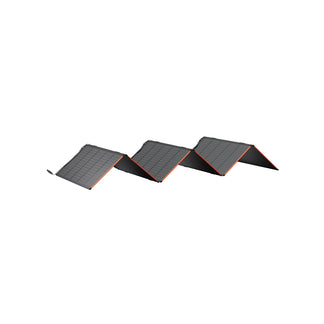
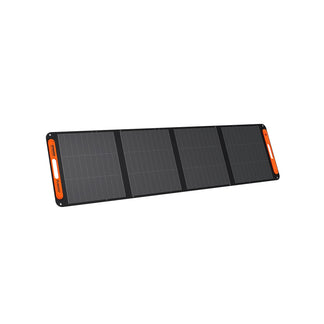
Run it From Stored Solar Power: During an outage or off-grid stretch, you can consider powering the Crock Pot with a solar generator. Since a slow cooker's draw is so low and steady for hours at a time, it's one of the easiest appliances to keep running on battery power without much planning.
Use a Slow Cooker Liner or Well-Fitted Lid: A poor seal lets more heat escape continuously, which can force the element to cycle on more often than necessary to maintain temperature.
Place the Slow Cooker Away from Drafts or Cold Surfaces: A Crock Pot sitting on a cold countertop or near an open window loses heat faster, which modestly increases how often the heating element needs to run.
How to Calculate Your Crock Pot's Amp Draw
If you want to calculate your Crock Pot’s amp draw, find the wattage rating on the appliance's label and divide it by your household voltage using Ohm’s law, or use a power meter.
Method 1: Check the Rating Label
The rating label on a Crock Pot typically shows the ampere (amp) value, alongside the voltage and wattage. This information is usually printed on a small metal or stamped label on the bottom or back of the appliance (near the power cord). It is used to indicate the electrical current the unit draws when operating.
Method 2: Convert Wattage to Amps
If only wattage is listed, you can divide the wattage by the voltage to get your current draw in amps:
Amps = Watts ÷ Volts
For example, a 300W slow cooker on a 120V circuit draws:
300W ÷ 120V = 2.5 amps
Method 3: Use a Kill-A-Watt Meter
A plug-in power monitor (like a Kill-A-Watt Meter) between the outlet and the slow cooker gives a live reading throughout a full cook cycle, which is useful for confirming how much the draw actually shifts between low, high, and warm settings on your specific model.
Recommended Jackery Solar Generator for Slow Cooking Needs
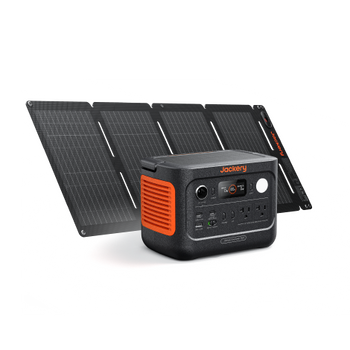
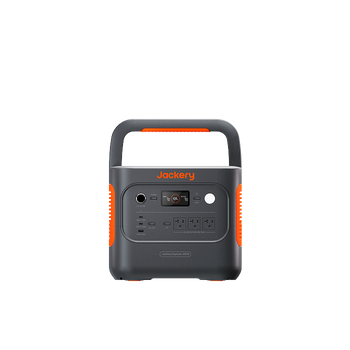
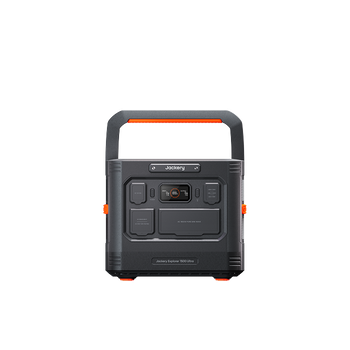
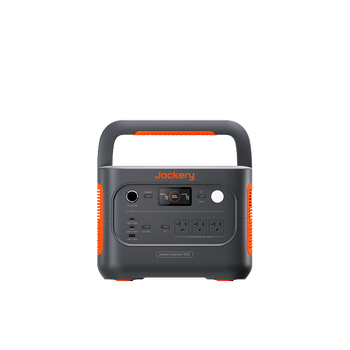
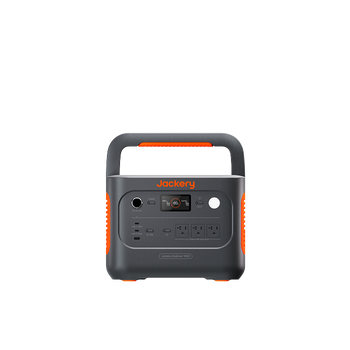
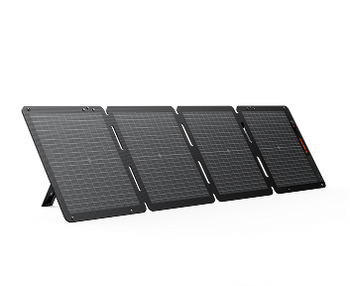
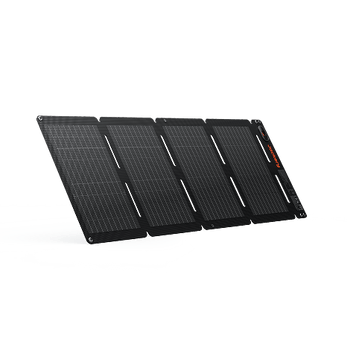
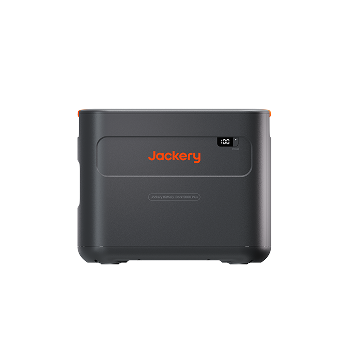
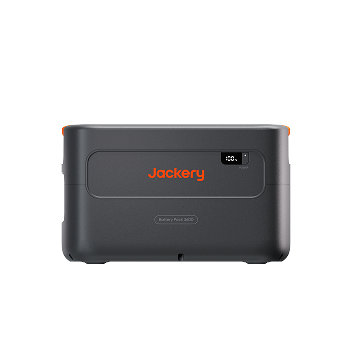
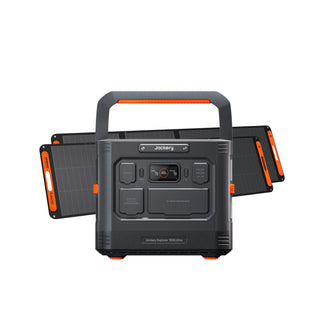
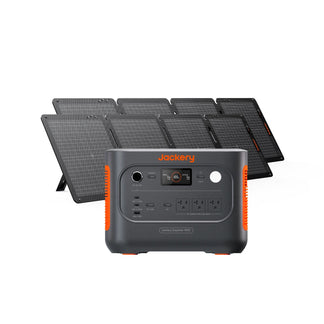
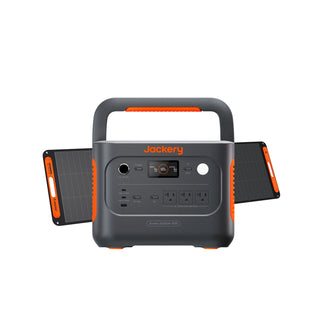
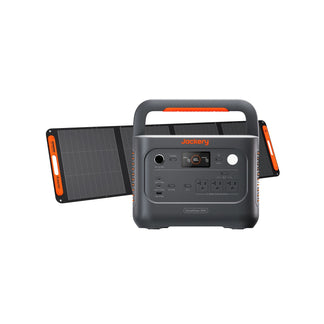
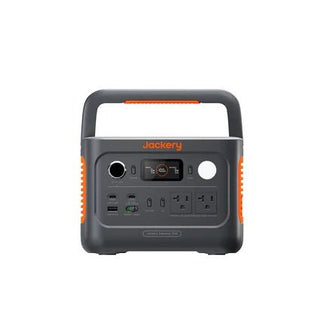
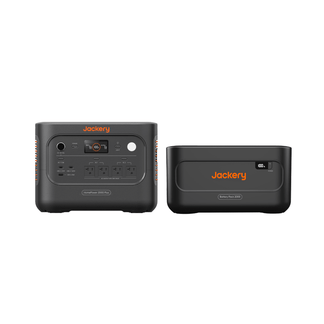
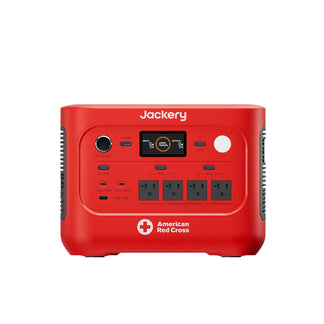
Jackery Solar Generator lets you run a Crock Pot reliably during extended power outages, while camping or RVing, at a remote cabin, or on job sites where a hot, home-cooked meal isn't always convenient.
Crock Pots draw steady, moderate wattage over long cook times rather than a quick burst, meaning the key is choosing a portable power station with enough sustained capacity to run for hours without draining fast.
Here are the ideal solar battery backup solutions from Jackery with the sustained output to run a Crock Pot dependably, so mealtime stays on track no matter where you are or what the grid is doing.
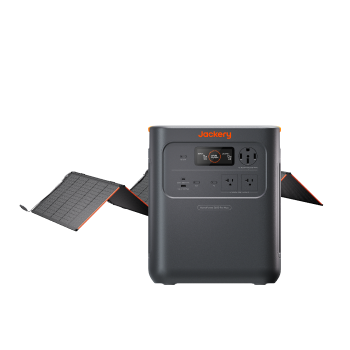
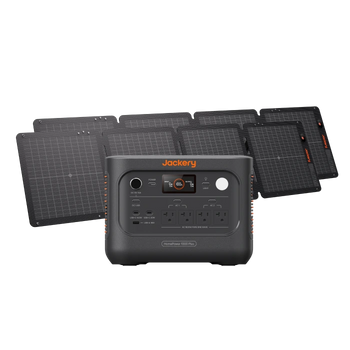
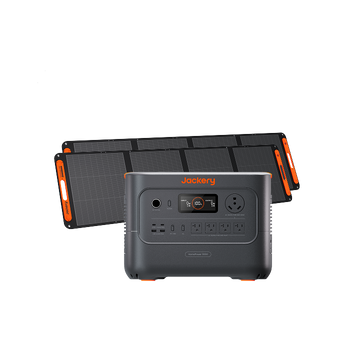
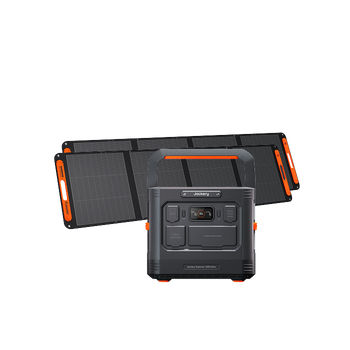
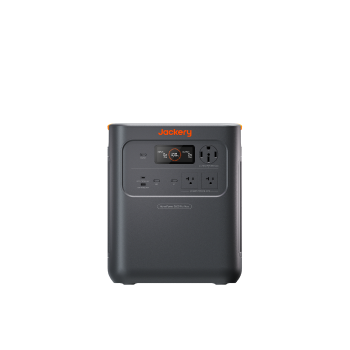
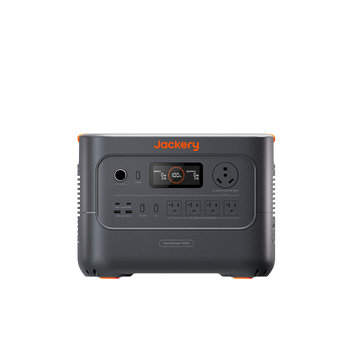
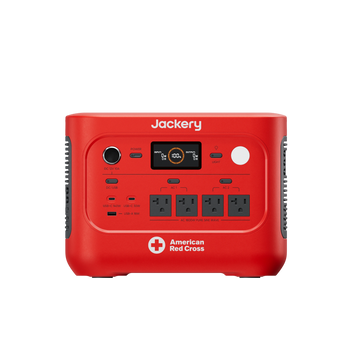
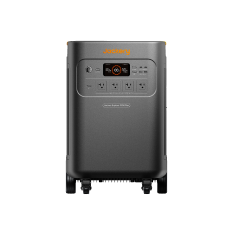
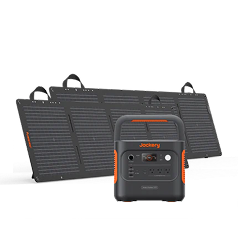
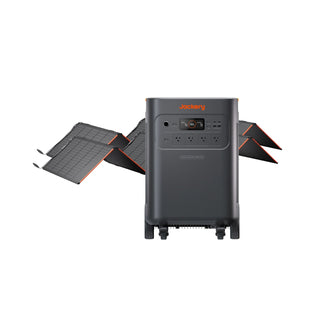
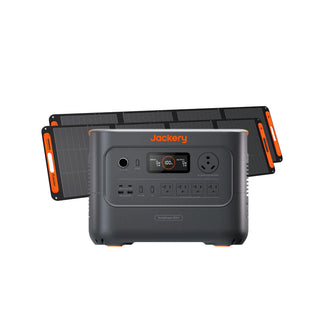
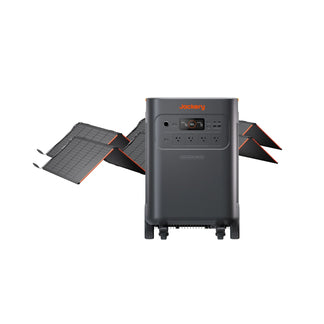
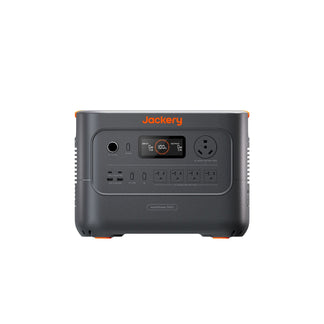
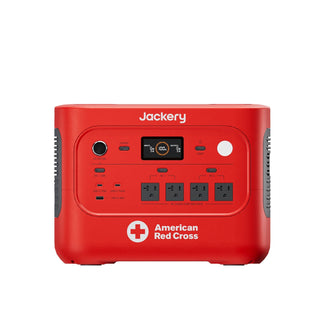
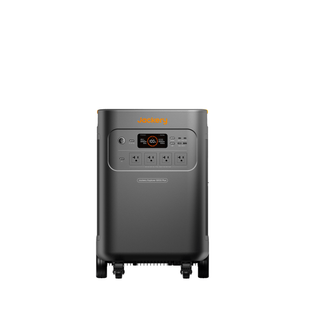
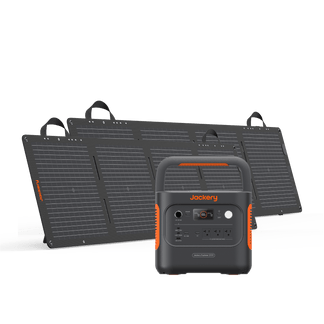
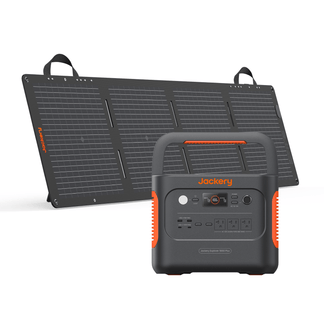
Jackery Solar Generator HomePower 2000 Plus v2
If you want a home battery backup for a single slow cooker running a full 6-10 hour meal, plus enough headroom for a few other small kitchen devices during the day, the Jackery Solar Generator HomePower 2000 Plus v2 does the job with plenty of power to run other essentials. Its Priority Routing feature is genuinely useful here: if the battery starts running low partway through a long outage, it can keep essentials like the refrigerator prioritized while still leaving enough for the slow cooker to finish its job, rather than everything competing equally.
Appliances Running Time
- 1.5-2 Quart (Small/Personal) (70W) = 19.0H
- 3-4 Quart (Compact) (150W) = 10.0H
- 5-6 Quart (Standard Family) (200W) = 8.0H
- 7-8 Quart (Large) (300W) = 5.0H
- 9-10 Quart (Extra Large) (400W) = 4.0H
- Multi-Cooker, Sauté/Pressure Mode (800W) = 2.0H
Who Should Buy This
The Jackery Solar Generator HomePower 2000 Plus v2 is ideal for individuals or small households running a single slow cooker through a full-day cook, whether that is for a power outage, a road trip, or a low-effort camp dinner.

Customer Review
It was delivered so quickly! I have assembled the solar panels, which are really big, and have been familiarizing myself with them. Took it out to the goat barn to run fan and lights, and was impressed with how long it ran without much drop in stored power, 98%
— Kathy W.
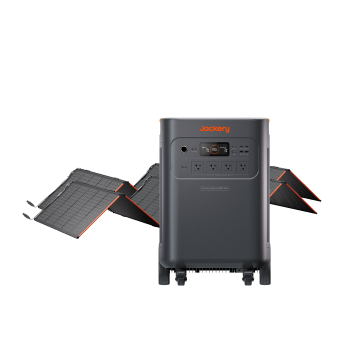
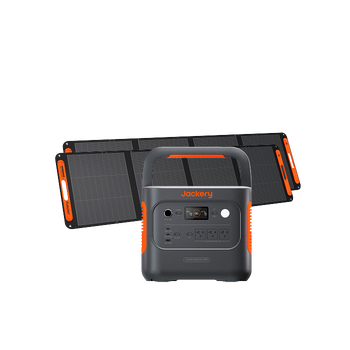
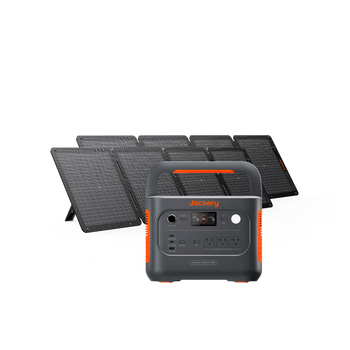
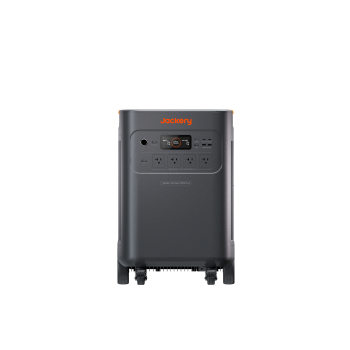
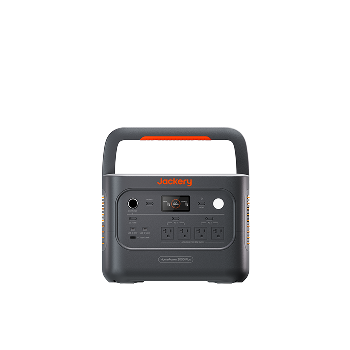
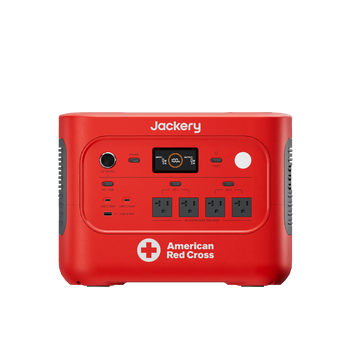
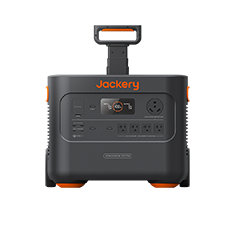
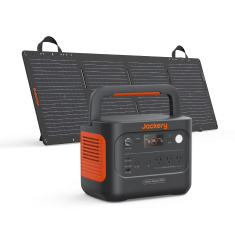
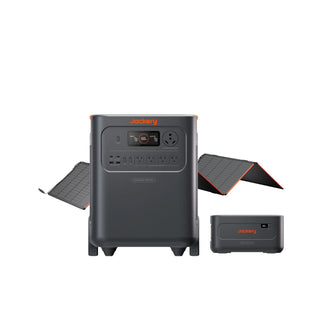
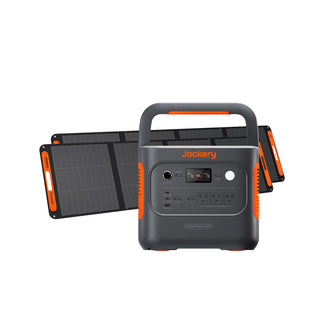
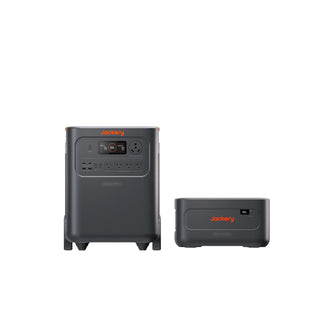
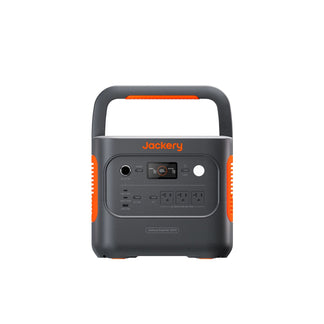
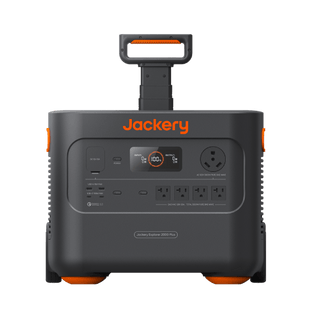
Jackery Solar Generator HomePower 3000
If slow cooking is part of a bigger plan to keep the kitchen functional during an extended outage, such as a slow cooker running alongside a refrigerator, some lighting, and a phone charger, the Jackery Solar Generator HomePower 3000 is built for exactly that kind of multi-appliance day. It is an ideal choice for anyone who wants dinner to happen on schedule during an outage without worrying about power for the rest of the day, or for RV and camping cooks who want a set-it-and-forget-it dinner option without using a stove.
Appliances Running Time
- 1.5-2 Quart (Small/Personal) (70W) = 28.4H
- 3-4 Quart (Compact) (150W) = 15.2H
- 5-6 Quart (Standard Family) (200W) = 11.8H
- 7-8 Quart (Large) (300W) = 8.1H
- 9-10 Quart (Extra Large) (400W) = 6.2H
- Multi-Cooker, Sauté/Pressure Mode (800W) = 3.2H
Who Should Buy This
The Jackery Solar Generator HomePower 3000 is ideal for households treating a slow cooker as one part of a broader outage cooking and refrigeration plan.

Customer Review
The HomePower 3000 is a great unit. It does everything as advertised. Have charged it with 120 AC, 400 watts of solar, as well as 12v DC. Have run a number of different kinds of AC and DC equipment. Very pleased with the unit.
— Scott S.
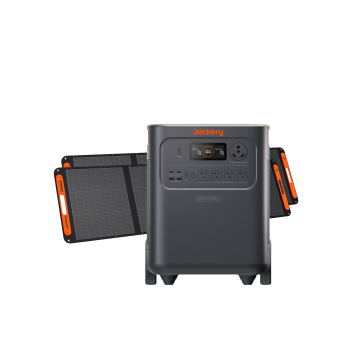
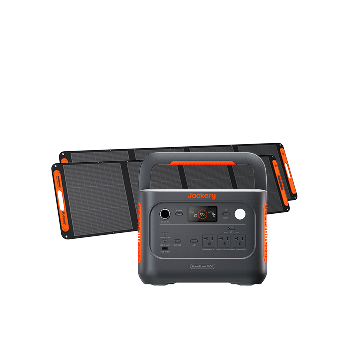
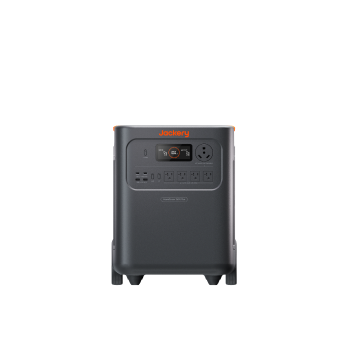
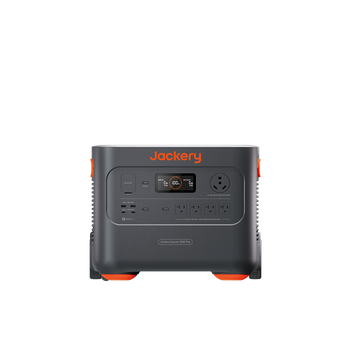
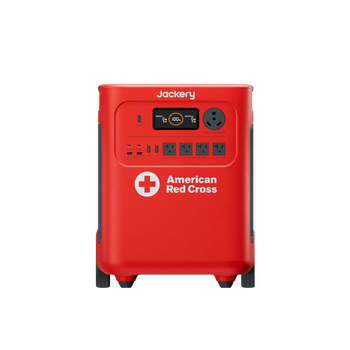
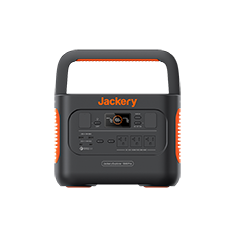
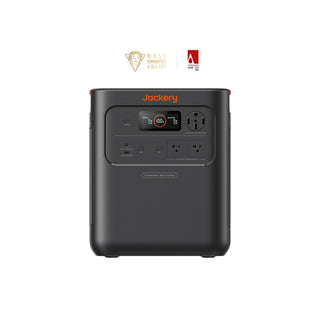
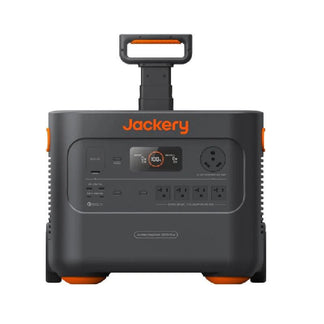
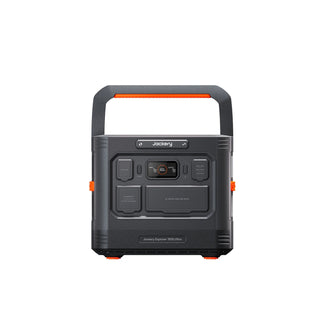
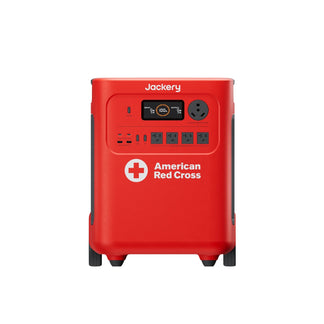
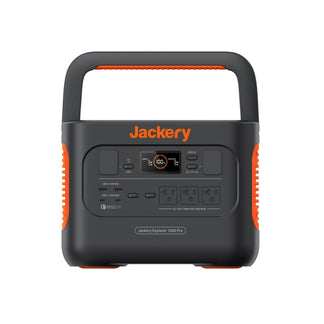
Jackery Solar Generator HomePower 3600 Plus
For holiday cooking days with two or three slow cookers running at once, or for anyone who wants slow cooking covered as part of a much larger essential home backup setup, the Jackery Solar Generator HomePower 3600 Plus offers enough real capacity that multiple pots running for most of a day barely register against the total. It is also a practical choice for anyone who cooks for a crowd regularly and doesn't want to think twice about how many appliances are plugged in at the same time.
Appliances Running Time
- 1.5-2 Quart (Small/Personal) (70W) = 33.1H
- 3-4 Quart (Compact) (150W) = 17.7H
- 5-6 Quart (Standard Family) (200W) = 13.7H
- 7-8 Quart (Large) (300W) = 9.5H
- 9-10 Quart (Extra Large) (400W) = 7.2H
- Multi-Cooker, Sauté/Pressure Mode (800W) = 3.7H
Who Should Buy This
The Jackery Solar Generator HomePower 3600 Plus is ideal for larger households, holiday hosts running multiple slow cookers simultaneously, or anyone who wants a reliable home battery backup for unexpected and long-term outages.

Customer Review
Saved me hundreds on day 5 when storms knocked my power out for 3 days. Kept my sump pump and fridge going. I really do need to add a solar charger or more battery capacity.
— Eduardo R.
FAQs About Crock Pot Amps
Do Crock Pots use a lot of electricity?
No, Crock Pots do not use a lot of electricity. A typical slow cooker costs well under a dollar to run for a full 8-hour cook at average electricity rates, making it one of the cheapest ways to prepare a full meal.
How many Crock Pots can you run on one circuit?
Two medium-sized slow cookers running together (around 500W combined) fit comfortably on a standard 15A or 20A circuit. Two large 8-10-quart units approaching 800-1,000W combined leave less room for other appliances on the same circuit, especially during a busy cooking day.
Does a slow cooker use more electricity on high than on low?
No, a slow cooker does not use more electricity on high than on low. This is because the heating element operates at close to the same wattage on either setting, but cycles on and off more frequently on high to reach the temperature faster, so total energy use across a full cook is often similar either way.
How many Crock Pots are on a 15-amp circuit?
You can safely run 4 to 5 standard (6-quart) Crock Pots or up to 9 small (2-quart) Crock Pots simultaneously on a single dedicated 15-amp circuit. This assumes no other appliances or lights are drawing electricity from that same circuit.
The absolute maximum power threshold for a 15-amp circuit breaker is 1800W. The National Electrical Code (NEC) specifies that continuous loads (appliances running for three hours or longer, like a slow cooker) should not exceed 80% of the maximum circuit capacity to prevent the breaker from overheating, meaning the safe working continuous limit is 1440W.
Crock Pots draw significantly varying amounts of power depending on their physical size and their heat setting (Low vs. High):
- Small models (1.5 to 2.5 quarts): Typically use about 120W to 150W.
- Standard models (4 to 6 quarts): Typically use about 200W to 250W.
- Large models (7 to 8+ quarts): Typically use about 300W to 400W.
To determine how many units you can safely plug in without tripping the circuit breaker, divide the safe limit (1440W) by the wattage of your specific crock pot:
- For Small Crock Pots (~ 150 W): 1440W / 150W = 9.6
- For Standard Crock Pots (~ 250 W): 1440W / 250W = 5.7
- For Large Crock Pots (~ 300 W): 1440W / 300W = 4.8
Conclusion
Slow cooker amp draw is genuinely modest. With no startup surge and steady draw across low, high, and warm settings, sizing a backup power source for a slow cooker is quite straightforward. Jackery Solar Generators, available in different sizes, are ideal home battery backup solutions for anyone who wants to power kitchen appliances during unexpected outages or when they are outdoors. These solar generators can power most kitchen appliances during off-grid living or unexpected outages, so you can cook meals without issues.


