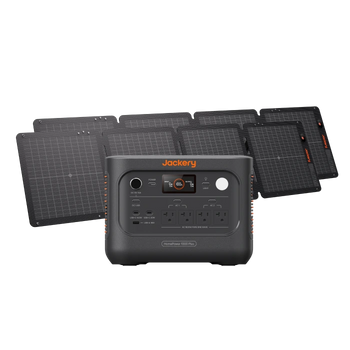

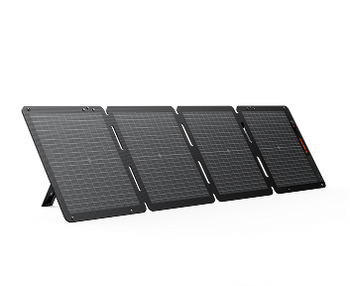
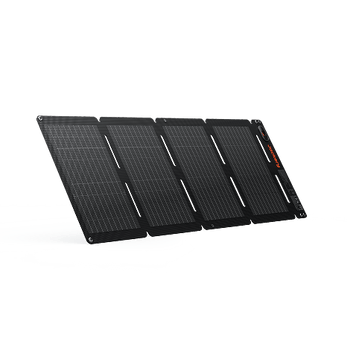


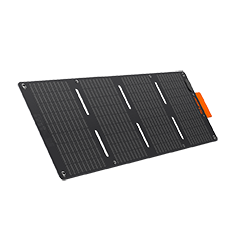



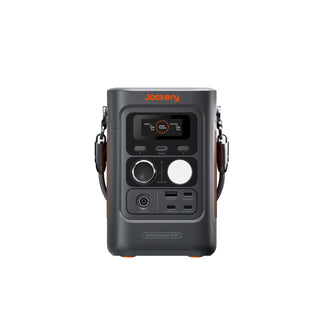
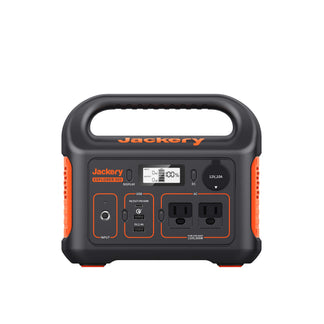
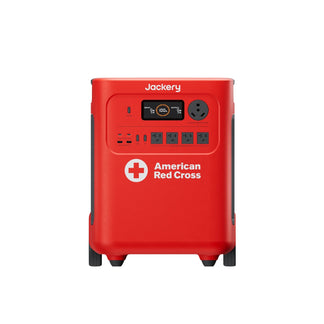
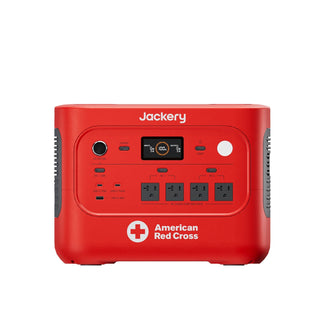
![[Add-on] Jackery SolarSaga 500 X - Jackery](http://www.jackery.com/cdn/shop/files/add-on-jackery-solarsaga-500-x-1493607.webp?v=1786503068&width=324)
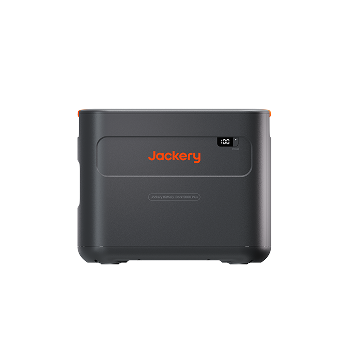
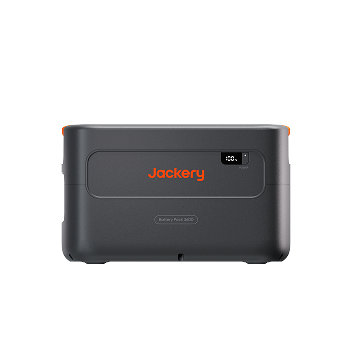
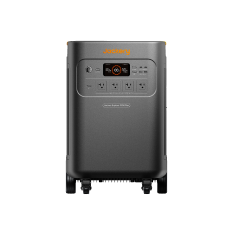
![[Add-on] Jackery Battery Pack 5000 Plus - Jackery](http://www.jackery.com/cdn/shop/files/add-on-jackery-battery-pack-5000-plus-6713401.webp?v=1786503068&width=324)



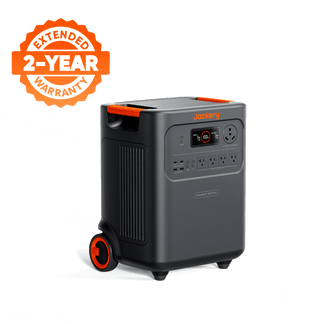
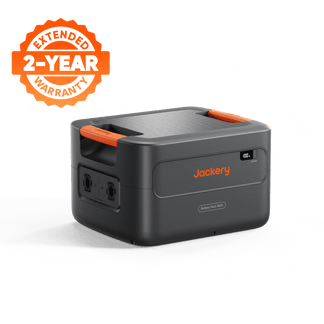
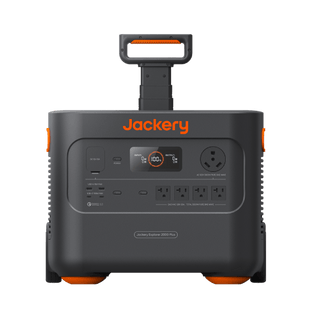
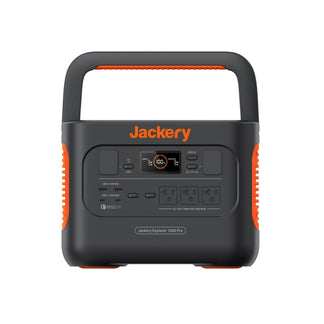
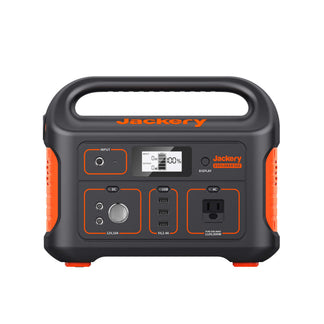
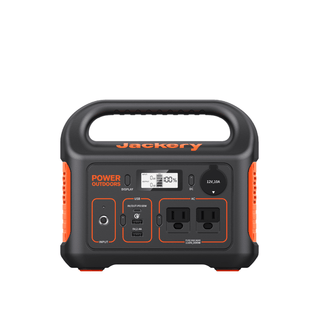


A Crockpot typically uses between 70 and 320 watts, depending on its size and the heat setting it's running on. A small 1.5-quart model draws as little as 70–80 watts, a standard 6-quart family-size Crockpot averages around 180 watts, and a large 8-quart version can pull closer to 320 watts on its highest setting.
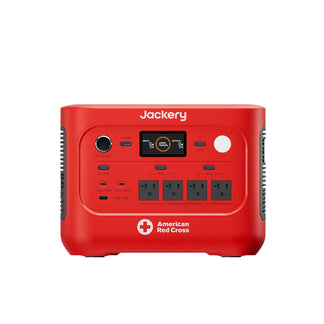
Since a Crockpot runs for hours at a stretch rather than in short bursts like a microwave or blender, that modest wattage adds up to a meaningful amount of energy over a full cooking cycle, which matters whether you are watching a utility bill or sizing a solar generator to run one off-grid. Jackery Solar Generators are ideal solar battery backup solutions that can run most appliances, including a Crockpot. These home battery backups feature a compact design to ensure easy maneuverability wherever you go.
This guide breaks down Crockpot wattage by size and setting, walks through how to calculate what a full day of slow cooking actually costs in energy, and compares it against other kitchen appliances people often ask about. It also matches that demand against three Jackery Solar Generators sized for everything from a single-person slow cooker to a full countertop of appliances running at once.
Key Takeaways
- Crockpot wattage ranges from about 70 watts for the smallest 1.5-quart models to 320 watts for large 8-quart versions.
- A standard 6-quart Crockpot averages roughly 180 watts on the low or medium setting.
- Crockpot wattage isn't constant throughout a cook. A Crockpot draws more power heating up and less once it's holding temperature.
- Running a 180-watt Crockpot for 7 hours uses about 1,260 watt-hours, which is comparable to running a laptop continuously for most of a day.
- A compact solar generator can comfortably power a Crockpot for an entire cooking cycle, and pass-through charging lets it recharge from solar at the same time.
How Many Watts Does a Crockpot Use by Size?
Slow cooker wattage scales fairly predictably with capacity, since larger ceramic inserts need more heating element power to bring a bigger volume of food up to temperature. Here's how Crockpot wattage typically breaks down by quart size:
|
Crockpot Size |
Typical Wattage |
Daily Use (Hrs) |
Daily Energy Use (Wh) |
|
1.5 Quart |
70–80W |
6 |
420–480Wh |
|
2 Quart |
100–120W |
6 |
600–720Wh |
|
3 Quart |
130–150W |
6 |
780–900Wh |
|
5 Quart |
160–170W |
6 |
960–1,020Wh |
|
6 Quart |
175–180W |
6 |
1,050–1,080Wh |
|
7 Quart |
220–250W |
6 |
1,320–1,500Wh |
|
8 Quart |
280–320W |
6 |
1,680–1,920Wh |
A 6-quart Crockpot model (the size most households actually own) sits almost exactly in the middle of that range, which is why 175–180 watts is the figure most commonly cited as "standard" Crockpot wattage.
How to Find Your Crockpot's Exact Wattage?
The size chart above gives a solid estimate, but individual models vary enough within each size class that it's worth confirming the exact figure for your own appliance before sizing a power source around it. There are three reliable places to look:
- The rating label on the base or back of the unit. Nearly every Crockpot has a small metal or printed label listing voltage, wattage, and sometimes amperage, usually on the underside of the base or on the back near the cord.
- The owner's manual. If the physical label has worn off or is hard to read, the specifications page of the manual (often available as a PDF from the manufacturer's website using the model number) will list rated wattage.
- Calculating it yourself from voltage and amperage. If only amperage is listed, wattage can be calculated using the standard formula: Watts = Volts × Amps. Since most household Crockpots run on standard 120-volt outlets, a unit rated at 1.5 amps would use approximately 120 × 1.5 = 180 watts.
It's worth noting that the wattage printed on the label is typically the maximum draw on the high setting. It is the actual average consumption over a full cook, especially one that spends time on Low or Keep Warm, that will usually run somewhat below that peak figure.
What Factors Affect How Many Watts a Crockpot Uses?
Quart size sets the baseline, but a Crockpot's actual draw at any given moment depends on a few other factors working together:
- Heat Setting: Most Crockpots offer Low, High, and sometimes Warm settings. High draws closer to the appliance's rated wattage continuously, while Low cycles the heating element on and off more slowly, pulling less average power over the same period.
- Cooking Stage: A Crockpot draws the most power in its first 30–60 minutes while bringing cold ingredients up to temperature. Once the contents reach a stable simmer, the thermostat cycles the element on and off to maintain heat, which lowers the average wattage for the remainder of the cook.
- Lid Use and Insulation: Leaving the lid off, or using a Crockpot with thinner ceramic walls, forces the heating element to run more often to compensate for lost heat and increases the total energy use over a full cook.
- Ambient Kitchen or RV Temperature: A Crockpot working in a cold garage or an unheated RV in winter has to fight a larger temperature gap to maintain its set point, which increases how often the element cycles on.
- Warm Setting After Cooking: Many Crockpots switch to a low-wattage "Keep Warm" mode once cooking finishes, typically 40–50 watts, which is far more efficient than leaving the unit on Low or High for hours after the food is done.
Low vs. High Setting: How Much Difference Does It Make?
For a standard 6-quart Crockpot rated at 180 watts on High, the Low setting typically draws 20–30% less average power over the same cook time, since the element cycles off more often rather than running continuously. A recipe that takes 4 hours on High might take 7–8 hours on Low, so the total energy used over the full cook often ends up fairly close either way. The difference shows up more in how concentrated the power draw is (High: shorter, more intense and Low: longer, gentler) than in the total watt-hours consumed.
How to Calculate Your Crockpot's Energy Use?
Once you know your Crockpot's wattage, which is printed on a label on the base or in the manual, figuring out how much energy a cooking session uses is a simple multiplication:
Energy (Wh) = Wattage × Hours of use
For example, a 180-watt Crockpot run for 7 hours uses:
180 W × 7 hrs = 1,260 Wh (1.26 kWh)
To estimate monthly electricity cost, multiply the daily kWh figure by the number of days used per month, then by your utility's per-kWh rate. At a national average residential rate of roughly $0.1883 per kWh, cooking with that same 6-quart Crockpot for 7 hours a day, 20 days a month, would cost approximately:
1.26 kWh × 20 days × $0.1883 = about $4.74 per month
That's a modest cost compared to most kitchen appliances, which is part of why Crockpots are popular for anyone managing a tight power budget, whether that's a household watching utility bills or an RVer running entirely on stored battery capacity.
|
Crockpot Size |
Watts |
Daily Use (7 Hrs) |
Monthly Use (20 Days) |
|
1.5 Quart |
80 W |
560 Wh |
11.2 kWh |
|
3 Quart |
150 W |
1,050 Wh |
21.0 kWh |
|
6 Quart |
180 W |
1,260 Wh |
25.2 kWh |
|
8 Quart |
320 W |
2,240 Wh |
44.8 kWh |
Recommended Jackery Solar Generator to Power a Crockpot Off-Grid
Crockpots draw relatively low continuous wattage, which means they are one of the easiest kitchen appliances to run entirely on a solar generator. In fact, even a compact solar generator has more than enough output to handle a slow cooker's demand.
The bigger question is usually capacity: how many watt-hours you need to get through an entire cook without needing a mid-afternoon recharge, especially if you are also running lights, a phone charger, or a small fridge from the same unit.
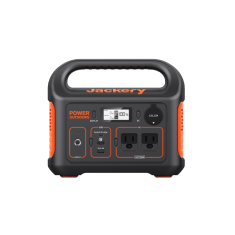
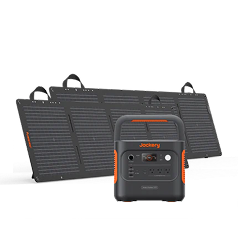
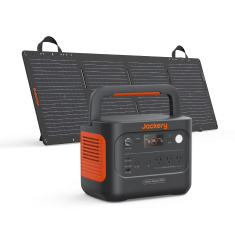
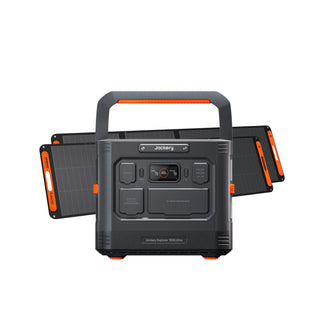
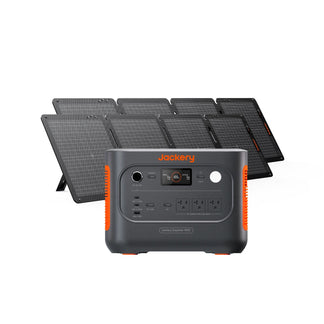
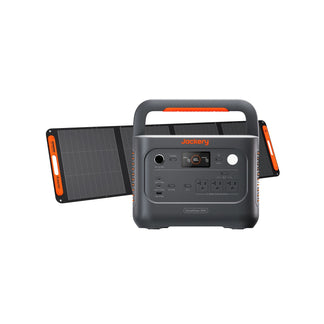
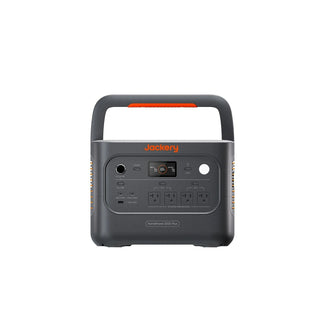
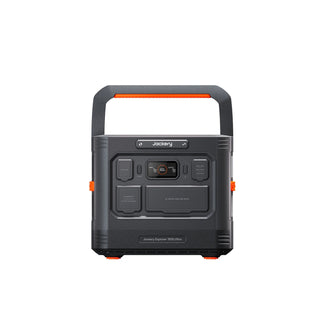
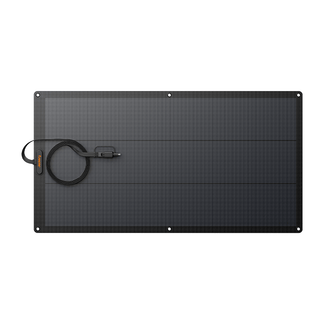
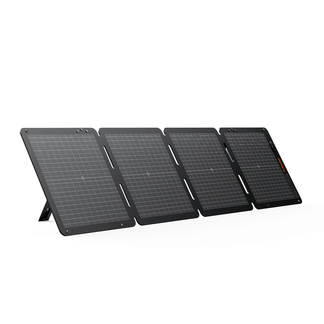
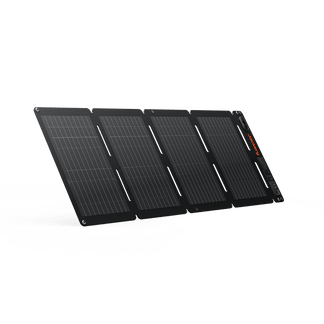
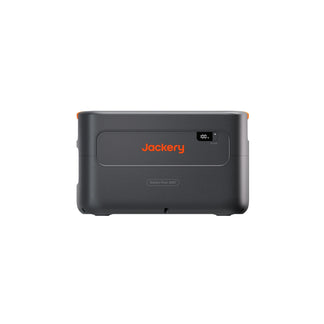
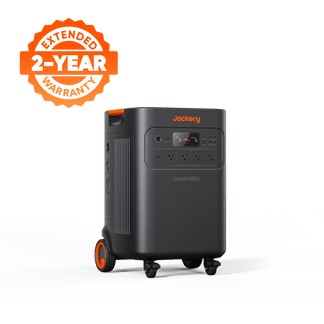
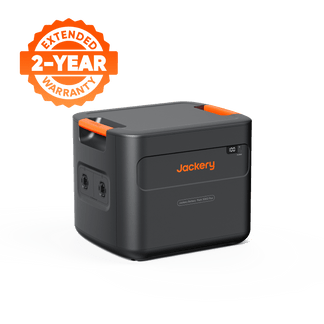
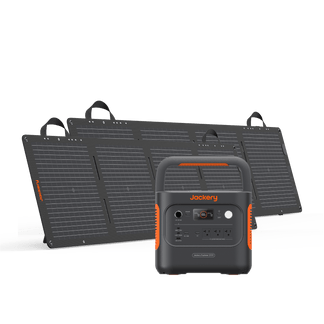
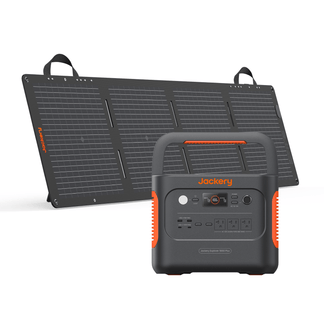
Jackery Solar Generators pair a portable power station with solar panels, letting the same unit that powers your Crockpot recharge itself during the day. Below are three solar generators sized for different households and travel setups, from single servings to full family meals.
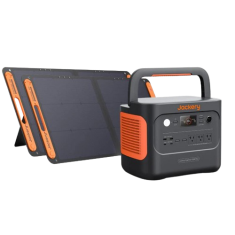
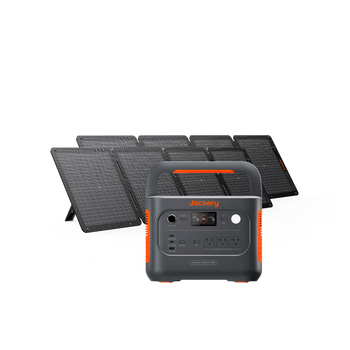
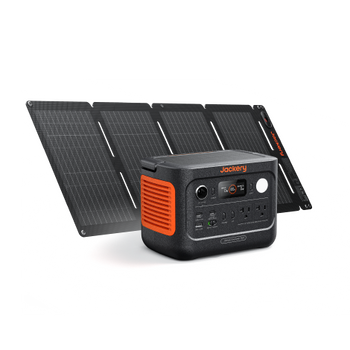
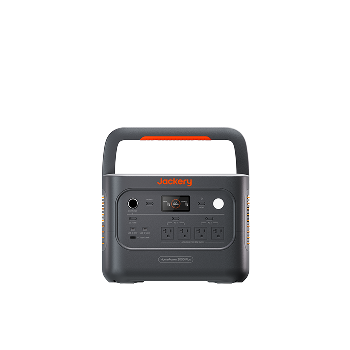
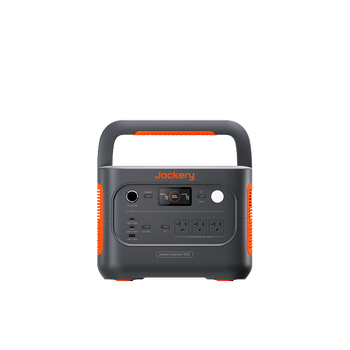
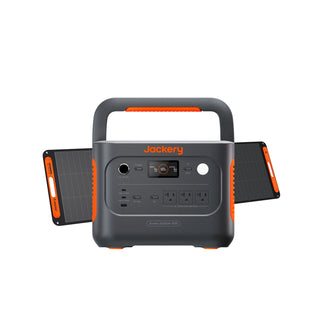
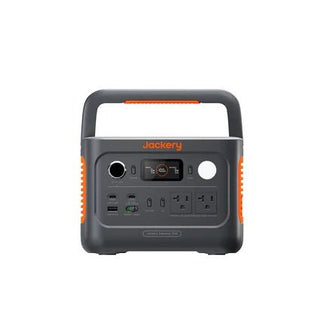
Jackery Solar Generator 600 v2
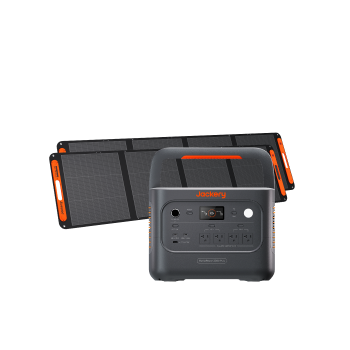
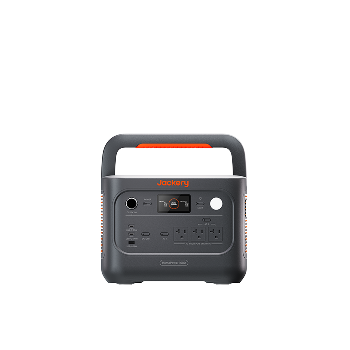
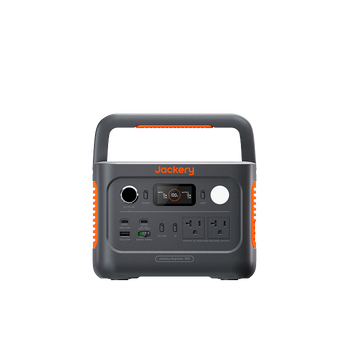
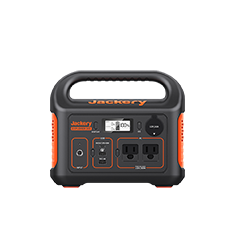
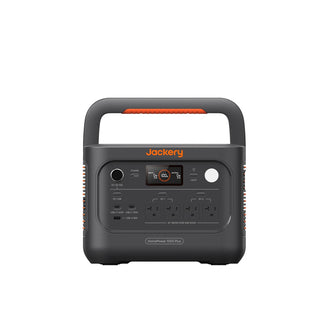
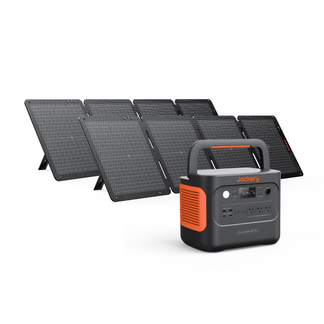
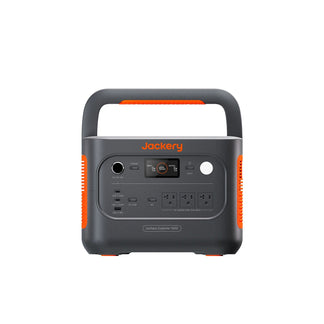
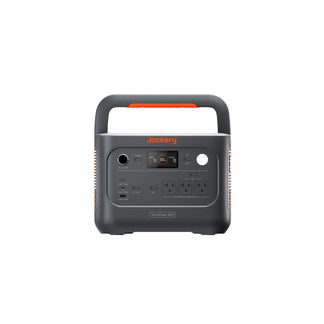
The Jackery Solar Generator 600 v2 is built for anyone who wants to run a Crockpot without dedicating a large, heavy power station to the job. It comfortably covers a small-to-mid-size Crockpot through a full cooking cycle, with enough spare capacity left over for a phone, a few lights, or a fan. Its compact, lightweight design makes it easy to move between a kitchen counter, a camp table, or an RV galley, and it recharges quickly enough from a wall outlet or a single solar panel to be ready again well before the next meal. For anyone whose main use case is a slow cooker plus a handful of small devices, it's sized appropriately rather than oversized for the job.
Appliance Running Time
- 1.5-quart Crockpot (80W) = 5.8H
- 3-quart Crockpot (150W) = 3.3H
- 5-quart Crockpot (170W) = 2.9H
- 6-quart Crockpot (180W) = 2.8H
- 8-quart Crockpot (320W) = 1.6H
Who Should Buy This
The Jackery Solar Generator 600 v2 is ideal for solo campers, small households, and RVers who mainly need to run a single small-to-mid-size Crockpot along with a few low-wattage devices, without paying for capacity they won't use.

Customer Review
The Jackery 600 v2 was tested on something small such as a 34in tv, a router and a PS4 from a surge protector plugin with minimal game play mostly YouTube just to see power consumption. At just a little bit over 100 volts the Jackery 600 v2 lasted 6 hours, and charged in 2 1/2 hours. Even at a full drain to 0% with another test also charged in 2 1/2 hours from a wall outlet.
— Forever G.
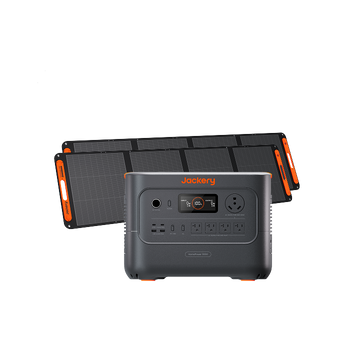
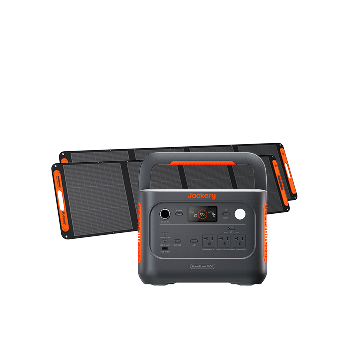
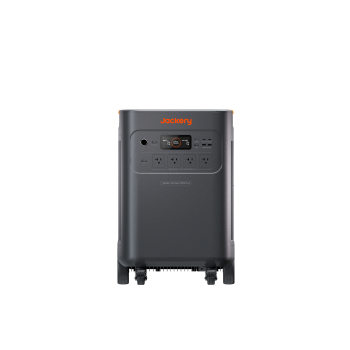
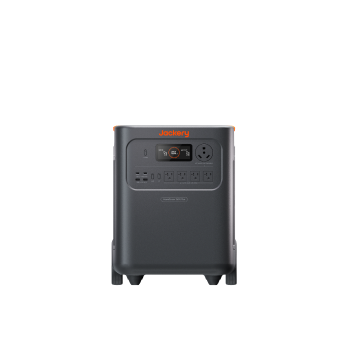
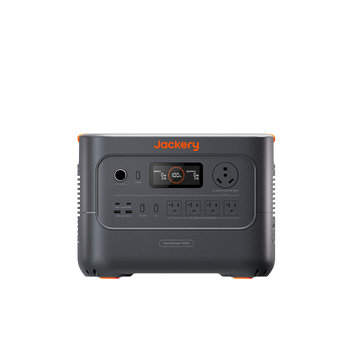
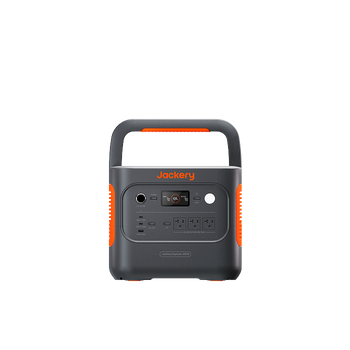
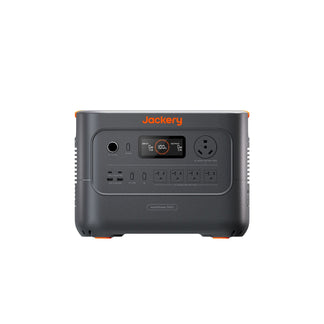
Jackery Solar Generator 1000 v2
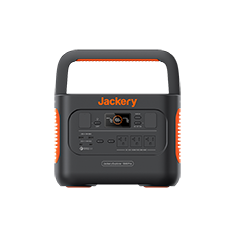
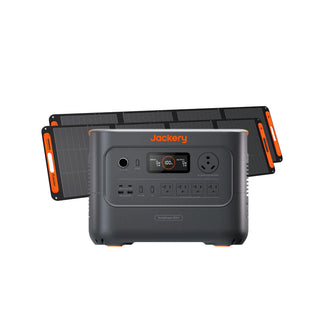
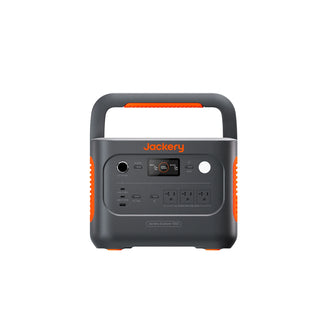
The Jackery Solar Generator 1000 v2 offers a step up in both capacity and output from the previous model for appliances that need more than a Crockpot alone draws. That large capacity means it can run a large 8-quart Crockpot through a long holiday cook while still leaving enough capacity for a coffee maker, a few charging devices, or a small fan running alongside it. It suits households that use a Crockpot several times a week rather than occasionally, and its output is generous enough to double as backup power for other kitchen appliances during a grid outage.
Appliance Running Time
- 1.5-quart Crockpot (80W) = 9.2H
- 3-quart Crockpot (150W) = 5.3H
- 5-quart Crockpot (170W) = 4.7H
- 6-quart Crockpot (180W) = 4.5H
- 8-quart Crockpot (320W) = 2.6H
Who Should Buy This
The Jackery Solar Generator 1000 v2 is suitable for households that use a Crockpot several times a week, anyone cooking with a large 7–8 quart model, and RVers or campers who want extra headroom to run a Crockpot alongside other kitchen appliances at the same time.

Customer Review
Works great. I needed a battery pack to power a 12V fridge and the Starlink Mini and the Jackery works great powering both.
— Timothy C.
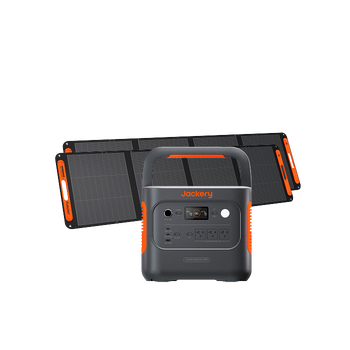
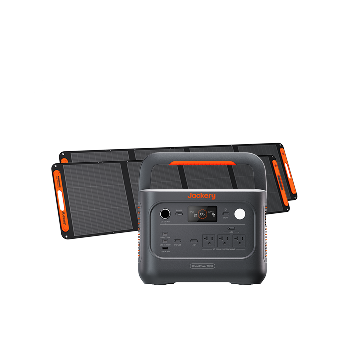
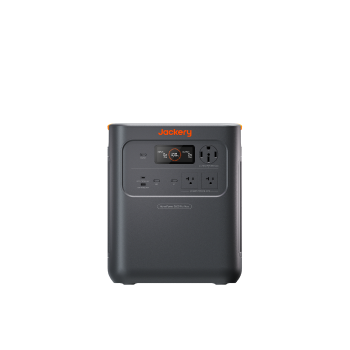
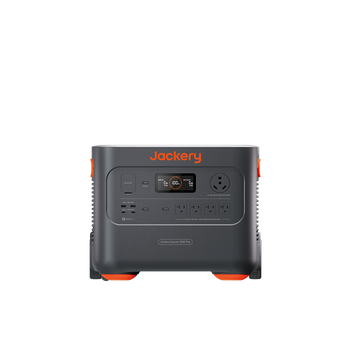
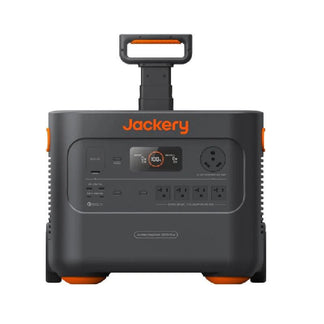
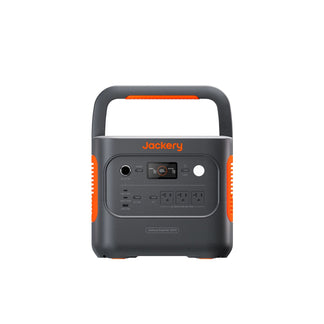
Jackery Solar Generator 1500 v2
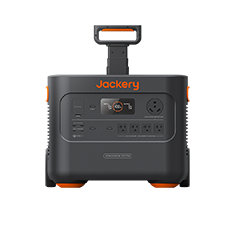
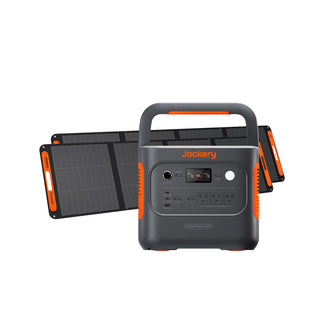
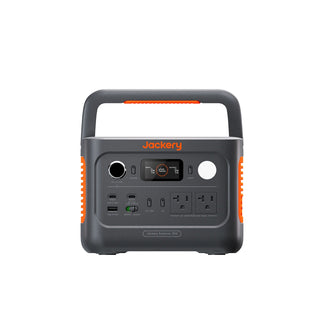
The Jackery Solar Generator 1500 v2 is the largest of the three, built for anyone running a Crockpot as part of a bigger off-grid kitchen setup rather than as a standalone appliance. It can power an 8-quart Crockpot for a full multi-hour cook while simultaneously running a rice cooker, an electric kettle, or an induction burner. Its higher output also gives it useful reserve capacity for other high-draw appliances, so it doubles well as a general-purpose home or RV backup unit rather than being dedicated purely to slow cooking. For larger families or anyone entertaining off-grid, the extra capacity translates directly into fewer recharge interruptions during a long cooking day.
Appliance Running Time
- 1.5-quart Crockpot (80W) = 12.9H
- 3-quart Crockpot (150W) = 7.5H
- 5-quart Crockpot (170W) = 6.7H
- 6-quart Crockpot (180W) = 6.4H
- 8-quart Crockpot (320W) = 3.7H
Who Should Buy This
The Jackery Solar Generator 1500 v2 is ideal for larger households running multiple kitchen appliances at once, anyone hosting off-grid meals for a group, and RVers who want one power station capable of handling both cooking and general backup needs.

Customer Review
The power went out for 4800 customers in our area. I had to remind my husband that we had a Jackery Explorer 1500 v2. It even has a light on the front. Which I showed him. I explained what it will do. He hooked it up to the fridge, toaster, his phone, and I’m not sure what else. He said he was impressed by everything that the Jackery would run. I said that’s why I bought it.
— Jennifer W.
For more information, you can check out our guide: Can Jackery Power a Crockpot.
FAQs
What is the standard wattage of a Crockpot?
Most Crockpots use between 70 and 320 watts, depending on size, with a standard 6-quart model averaging around 175–180 watts.
How many watts does an Instant Pot use compared to a Crockpot?
A 6-quart Instant Pot uses roughly 850–1,000 watts on its pressure-cook function, considerably more than a Crockpot's 175–320 watt range, though it typically finishes cooking much faster.
What is the wattage of a Hamilton Beach slow cooker?
A Hamilton Beach 6-quart portable slow cooker draws approximately 275 watts on standard settings, somewhat higher than the average 6-quart Crockpot.
Is it more energy-efficient to cook on Low or High?
Total energy use over a full cook is often similar either way, since Low takes longer but draws less average wattage while High finishes faster at a higher draw. The bigger efficiency gain comes from switching to Keep Warm once the food is done rather than leaving it on Low or High unnecessarily.
Can a solar generator run a Crockpot all day?
Yes, a solar generator can run a Crockpot all day, provided its capacity matches the Crockpot's wattage and planned cook time. A 1,536Wh unit like the Jackery Solar Generator 1500 v2 can run a 6-quart Crockpot (180W) for over 6 hours per full charge, and pairing it with solar panels extends that further by recharging during the cook.
Does a Crockpot use more power than a microwave?
A microwave draws more power per minute (600–1,200 watts versus a Crockpot's 70–320 watts), but since it only runs for a few minutes at a time compared to a Crockpot's multi-hour cook, total daily energy use is often lower for the microwave despite its higher instantaneous wattage.
How much does it cost to run a Crockpot for 8 hours?
At a national average residential rate of about $0.1883 per kWh, an 8-hour cook with a standard 180-watt, 6-quart Crockpot uses roughly 1.44 kWh, costing approximately $0.27, which is a relatively low cost compared to most other kitchen appliances that run for a similar total duration.
Is it safe to leave a Crockpot on Low overnight?
Crockpots are designed for extended unattended cooking on Low, which is one of their main advantages over stovetop cooking. From a power standpoint, an overnight 8–10 hour session on Low draws a similar or slightly lower total wattage than a shorter High-setting cook, since Low cycles the heating element more gently over the longer duration.
Conclusion
A Crockpot's wattage runs from about 70 watts for the smallest models up to 320 watts for large 8-quart versions, with a standard 6-quart unit averaging around 180 watts. That modest draw, spread across a long cook, adds up to roughly 1,050–1,400 watt-hours a day for a typical household. It is a manageable load for a solar generator sized appropriately to your Crockpot and how often you use it. The Jackery Solar Generator 600 v2 fits smaller Crockpots and lighter use, the Jackery Solar Generator 1000 v2 handles larger models and daily cooking, and the Jackery Solar Generator 1500 v2 covers bigger households or off-grid setups running a Crockpot alongside other kitchen appliances. When matched correctly, any of the three solar generators can keep a slow-cooked meal on the table without relying on grid power.


