
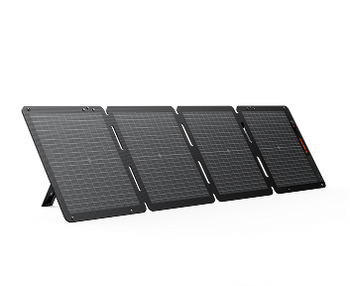
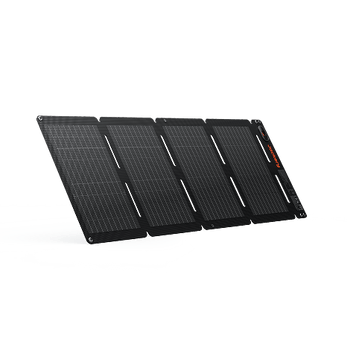







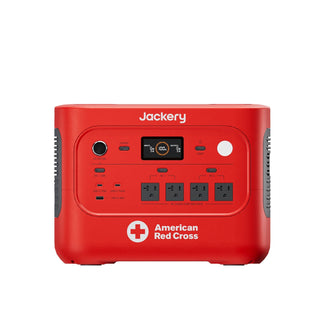
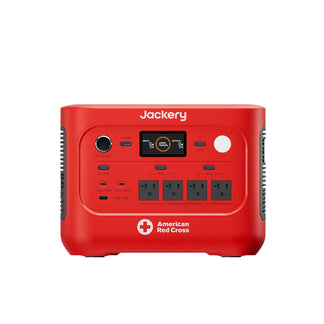
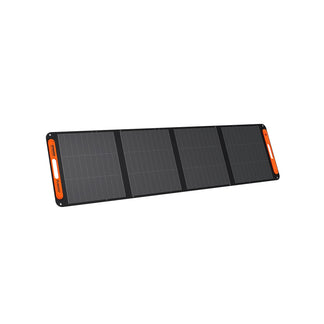
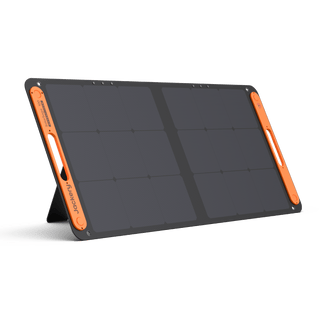
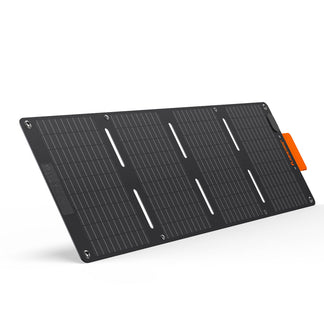
![[Add-on] Jackery SolarSaga 500 X - Jackery](http://www.jackery.com/cdn/shop/files/add-on-jackery-solarsaga-500-x-1493607.webp?v=1786503068&width=324)
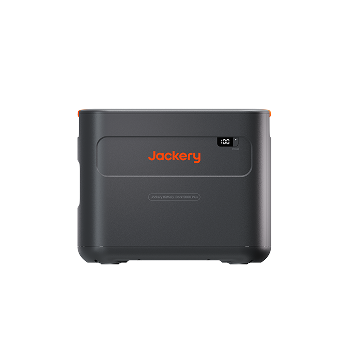
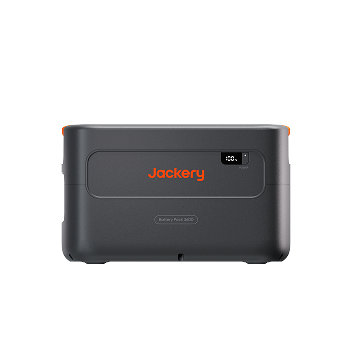
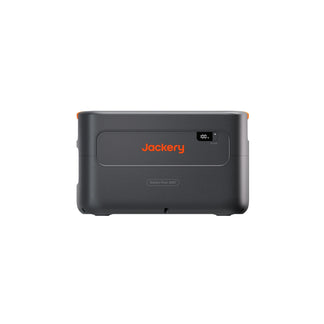
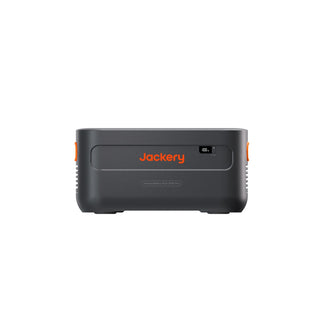
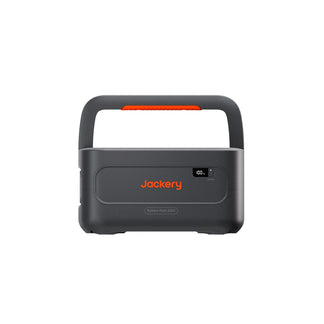
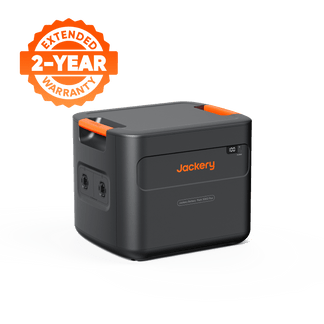
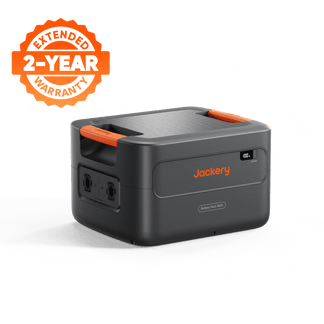
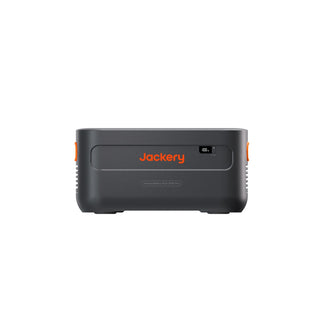
![[Add-on] Jackery Battery Pack 5000 Plus - Jackery](http://www.jackery.com/cdn/shop/files/add-on-jackery-battery-pack-5000-plus-6713401.webp?v=1786503068&width=324)







A standard electric tank water heater draws between 12.5 and 22.9 amps on a dedicated 240V circuit, with the common 40-gallon model drawing around 16.7-18.8 amps. Small point-of-use tankless heaters (the kind mounted under a single sink) typically run on 120V and draw 12-15 amps. Whole-house tankless electric water heaters are entirely different. They often require 18,000-36,000 watts across multiple 240V circuits, adding up to 75-150+ amps total, which is well beyond what a single household circuit (or most portable power sources) can supply.
Choosing a reliable home battery backup to realistically keep hot water flowing during an outage depends on the wattage and amp requirement of the water heater. Since a standard tank heater consumes 4,500W and operates at 240V, you will need a solar generator with a large capacity and dual-voltage support to run the appliance. Jackery's larger solar generators, particularly the ones built with true 240V output, are designed to power heavy-duty appliances, such as water heaters, for hours.
Key Takeaways
- Standard 240V tank water heaters draw 12.5-22.9 amps, depending on tank size, with 30-50 gallon models being the most common.
- Point-of-use tankless heaters run on 120V and draw 12-15 amps, but whole-house tankless systems need 75-150+ amps across multiple 240V circuits.
- Water heaters have no real startup surge, since a resistive heating element doesn't need extra current to overcome mechanical resistance the way a motor would.
- Running a full-size 240V tank heater off battery power requires a generator with true 240V output.
How Many Amps Does a Water Heater Draw by Tank Size
The amps of tank water heaters increase fairly predictably with gallon capacity, since a bigger tank generally pairs with a stronger heating element to bring more water up to temperature in a reasonable time.
|
Tank Size |
Wattage |
Voltage |
Amp Draw |
|
20-Gallon |
1,500-2,000W |
120V or 240V |
12.5-16.6A (120V) / 6.3-8.3A (240V) |
|
30-Gallon |
3,000-3,500W |
240V |
12.5-14.6A |
|
40-Gallon |
4,000-4,500W |
240V |
16.7-18.8A |
|
50-Gallon |
4,500-5,500W |
240V |
18.8-22.9A |
|
65-80 Gallon (Large) |
4,500-6,000W |
240V |
18.8-25A |
One detail worth knowing: most tank water heaters have two heating elements (upper and lower), but standard residential models are wired so only one element runs at a time. That means the amp figures above represent the draw while one element is actively heating and not both simultaneously.
How Many Amps Point-of-Use & Whole-House Tankless Draw
A point-of-use tankless heater, which is the kind installed under a single bathroom or kitchen sink to provide instant hot water to just that fixture, is genuinely small, typically running on 120V and drawing 12-15 amps for 1,400-1,800W of heating capacity.
A whole-house tankless electric water heater is a fundamentally different scale of appliance. To heat water instantly for an entire household's demand (multiple showers, a dishwasher, and laundry potentially running at once), these units typically need 18,000-36,000 watts of heating capacity, split across multiple 240V circuits, often adding up to 75-150+ amps.
How Many Amps Does a Water Heater Draw on a Startup?
Water heaters do not draw more amps during the startup. That is because water heaters have a heating element: a simple resistive coil with no motor or compressor to overcome mechanical resistance. Hence, it draws essentially the same current the instant it is energized as it does throughout the heating cycle. There is no multiplier to add on top when sizing a circuit or a backup power source, meaning the running wattage on the nameplate is the number that matters, start to finish.
If you want to know more about the power consumption of the water heaters, you can check out our detailed guide: How Many Watts Does A Water Heater Use.
What Size Breaker Does a Water Heater Need?
Water heaters are considered continuous loads. Under the National Electrical Code (NEC), the circuit breaker and wiring must be sized at 125% of the actual amp draw.
Multiply by 1.25: Take your calculated amp draw and multiply it by 1.25.
Example: 18.75 Amps × 1.25 = 23.44 Amps.
Result: This requires the next standard breaker size up, which is a 30-amp breaker using 10-gauge wire.
Most standard 30-50 gallon electric tank water heaters are installed on a dedicated 30A/240V circuit, which comfortably covers the 12.5-22.9A range these units typically draw, following standard practice of sizing breakers with headroom above the continuous load. Point-of-use tankless heaters generally fit on a dedicated 20A/120V circuit.
Whole-house tankless water heaters require a licensed electrician to calculate total service needs precisely, since the combined amperage across multiple circuits often approaches or requires a significant portion of a home's total electrical panel capacity.
Can You Realistically Run a Water Heater on Backup Power?
A full-size 240V tank water heater's 4,500W element is a serious load. Running a full-size 240V tank water heater continuously would reduce the battery of even a large battery system in about an hour. In addition, most portable power stations don't offer true 240V output at all, making it difficult to run water heaters operating at 240V.
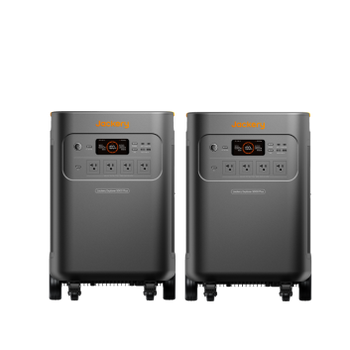
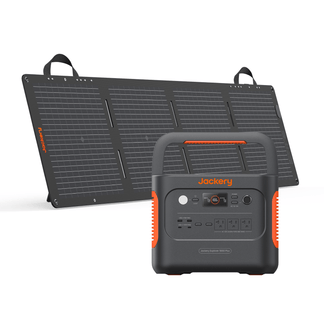
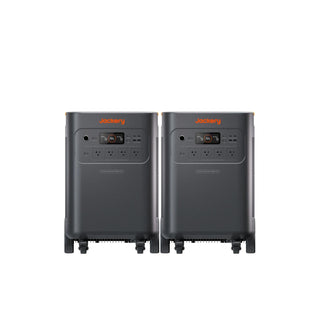
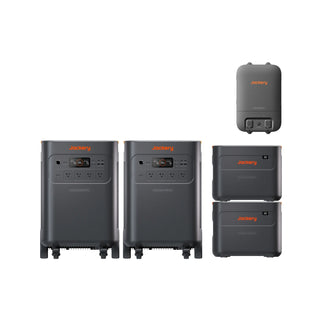
If your goal is an uninterrupted hot water supply through a multi-day outage, you will need a solar generator with dual-voltage support and a large battery capacity, such as the Jackery Solar Generator 5000 Plus. Pairing battery backup with genuinely reducing hot water demand (shorter showers, running the heater only when needed) can help you increase the total runtime.
A smaller 120V portable or point-of-use heater is a realistic target for battery backup, and even a full-size tank heater becomes far more workable with a generator that has true 240V output and enough continuous capacity to run the appliance for an hour or two at a time. It is enough for a shower or two during an outage, even if not for constant full-tank reheating.
If you want to know more about whether Jackery Solar Generators can power water heaters, you can check our guide: Can Jackery Power a Heater.
How to Calculate Your Water Heater's Amp Draw
You can calculate the water heater’s amp draw by using Ohm's law or a clamp meter.
Method 1: Calculate Using Ohm's Law
To calculate your water heater's amp draw, you need to use Ohm's Law. You can find the necessary numbers on the manufacturer's data plate located on the side of the tank.
Formula:
Amps = Watts ÷ Volts
Step-by-Step Calculation
Find the wattage: Look for the "Element Wattage" or "Total Watts" on the data plate (common sizes are 3,500W, 4,500W, or 5,500W).
Find the voltage: Look for the rated voltage on the same plate (usually 240V for standard US residential electric water heaters, or 120V for small point-of-use units).
Divide the numbers: Divide the wattage by the voltage to get the exact amp draw.
Method 2: Use a Clamp Meter
A clamp meter, which measures current without needing to break the circuit, can be clamped around one of the wires feeding the heater to get a live, accurate amp reading — useful for confirming actual draw versus the nameplate rating, especially on older units.
How to Lower a Water Heater's Electricity Cost
You can lower the water heater's electricity cost by reducing the temperature, installing a timer, using less hot water, insulating the heater, and periodically doing routine maintenance. Here's how to reduce the water heater's electricity cost and electricity bills:
Lower the Thermostat Setting: Most water heaters are set at higher temperatures than necessary. Reducing the temperature to around 120°F (48.8°C) still provides comfortably hot water while reducing the energy needed to maintain that temperature.
Insulate the Tank and Hot Water Pipes: An insulation blanket on the tank, along with pipe insulation on the first few feet of hot water lines, reduces standby heat loss and how often the element has to cycle back on.
Shorten Shower Length: Since heating water is one of the more energy-intensive things a home does regularly, even modest reductions in hot water use add up meaningfully over a billing cycle.
Size the Tank Appropriately: An oversized tank heats and reheats more water than a household actually uses, while an undersized one runs its element more frequently, trying to keep up with demand.
Consider a Heat Pump Water Heater if Replacing an Existing Unit: These use a fraction of the electricity of a standard resistive-element tank heater for the same hot water output, though they carry a higher upfront cost.
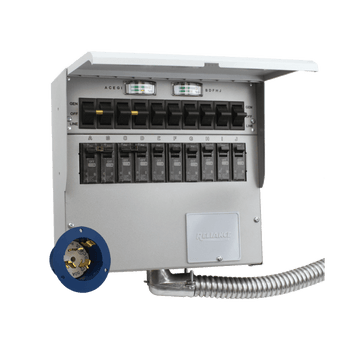
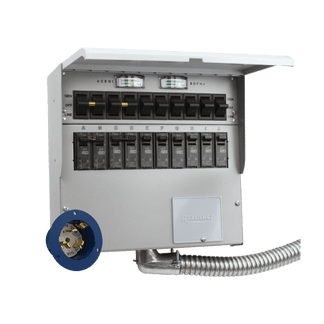
For Richard Hart, a retired air traffic controller in Tampa, home backup power is a system he has built and refined for years. Starting with a single Jackery Explorer 1000 for camping, he has since added a Jackery Explorer 2000, dual Jackery Explorer 5000 Plus units, and a Jackery Explorer 600 Plus, all feeding into a sub-panel wired to his home's essential circuits. Richard can not only power garage doors, fridge, freezer, fans, and lights, but his water heater stays on during outages, meaning hot showers never stopped once during Hurricane Milton's three-day blackout. Read more such Jackery Stories to see how people use their solar battery backup solutions during outages or outdoors.
Recommended Jackery Solar Generators for Water Heaters
Water heaters demand more sustained power than most portable household appliances and often need 240V, which makes choosing the right portable power station essential before relying on one away from a standard outlet. Beyond emergency preparedness, portable power for water heating is useful for van-lifers, off-grid homeowners, and outdoor enthusiasts who don't want to sacrifice basic comforts like a warm shower just because they are disconnected from the utility grid.
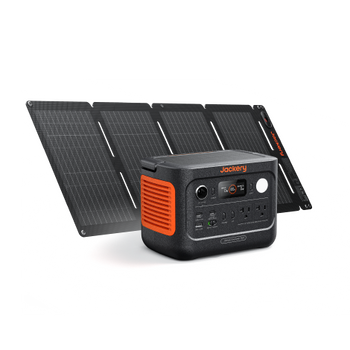
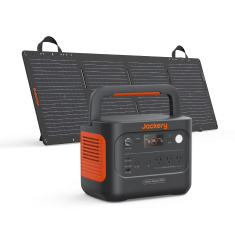
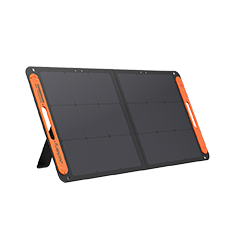
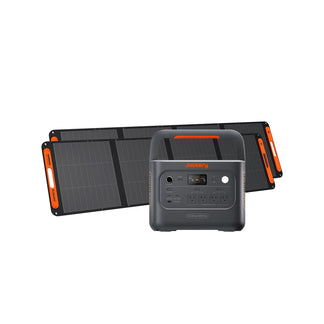
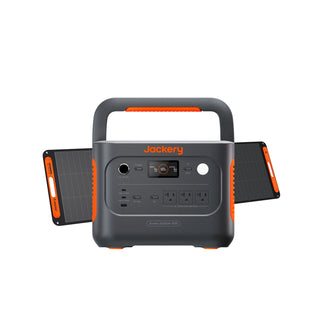
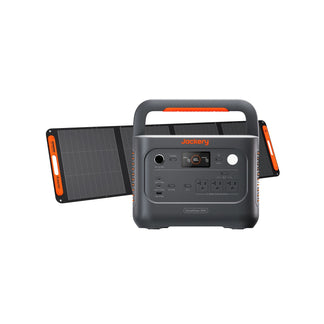
Jackery Solar Generator, a pair of portable power stations and solar panels, can run a tankless or portable water heater long enough for daily use, and when paired with solar panels, that power can be replenished throughout the day for continuous off-grid hot water. Here, we will break down which tankless water heater battery backup options have the continuous output and surge capacity to run a water heater dependably, so you are never left with a cold shower during unexpected outages.
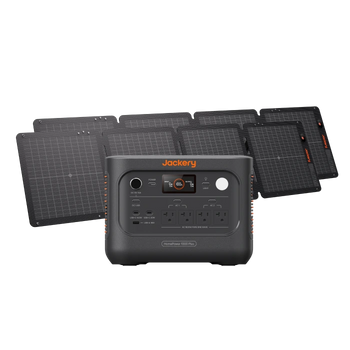
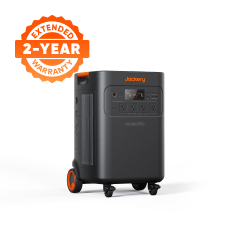
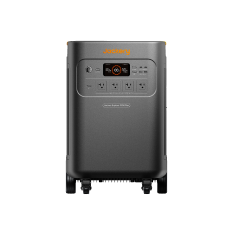
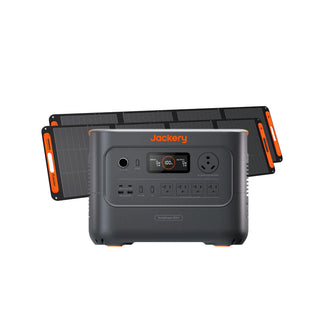
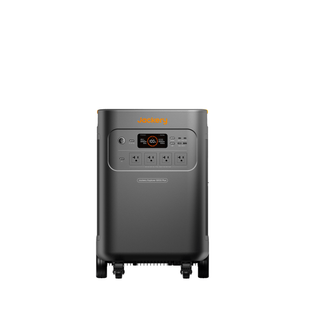
Jackery Solar Generator HomePower 3600 Pro Max
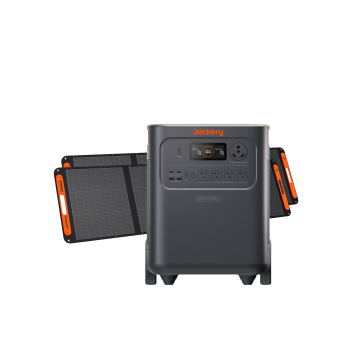
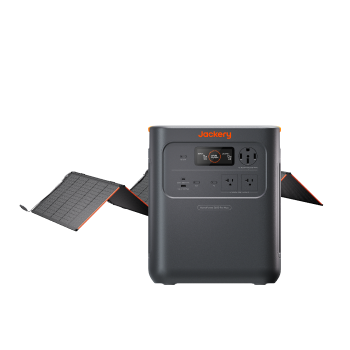
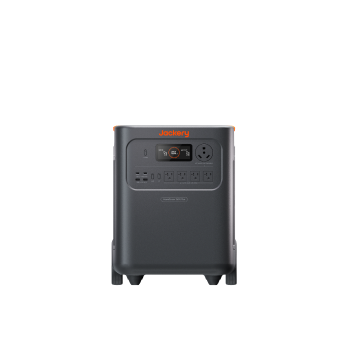
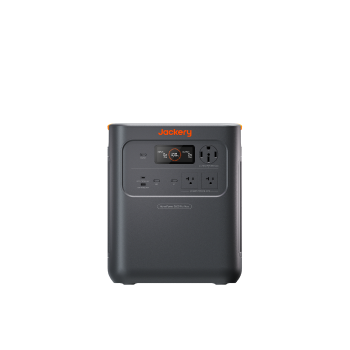
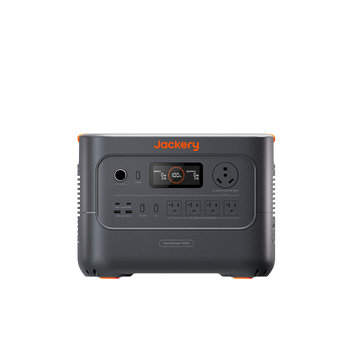
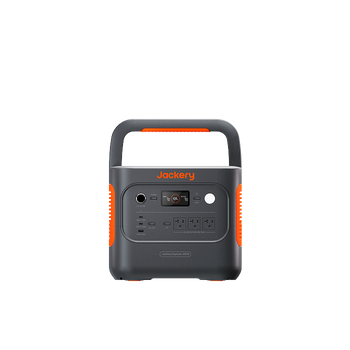
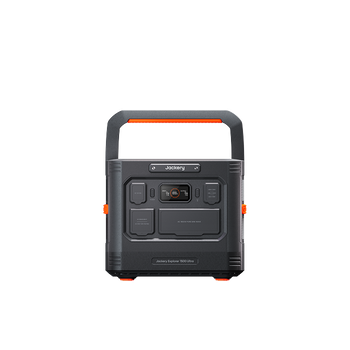
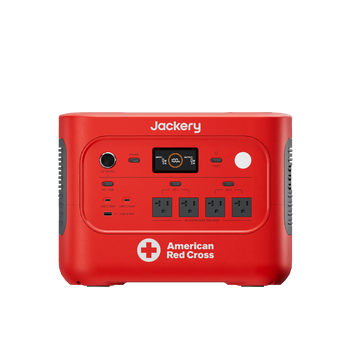
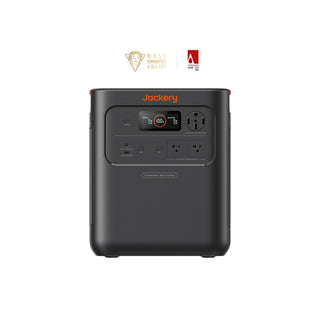
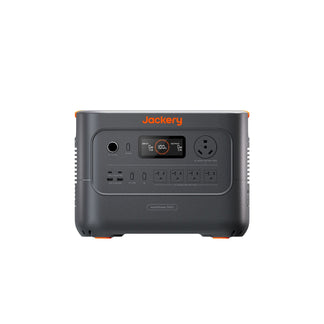
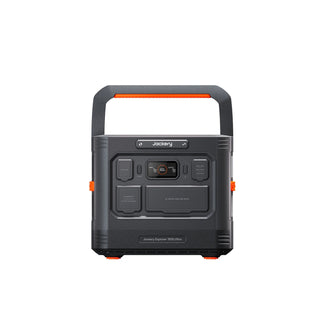
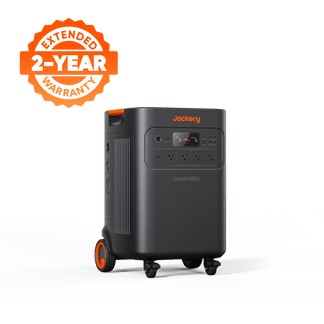
The Jackery Solar Generator HomePower 3600 Pro Max is ideal for powering portable and tankless water heaters with the sustained power they need to run reliably, whether you are off-grid at a remote cabin, weathering a winter outage at home, or living the RV or van life without steady utility access. With native 120V/240V output delivering up to 4,000W from a single unit, it can handle everything from smaller portable water heaters to heavy-duty 240V tankless units without needing a separate voltage hub. It is built for families who won't compromise on warm showers during a blackout, off-grid homeowners who need dependable daily hot water, and outdoor enthusiasts who want real comfort away from the grid.
Appliances Running Time
- Solar Water Heater (300W) = 9.5H
- Heat Pump Water Heater (500W) = 5.8H
- Portable Water Heater (1000W) = 3.0H
- Electric Water Heater (1500W) = 2.0H
- Tankless Water Heater (1800W) = 1.7H
For more information, you can also check our guide: How Long Will a Jackery Run Water Heater.
Who Should Buy This
The Jackery Solar Generator HomePower 3600 Pro Max is ideal for households living in an area that experiences frequent outages and want to run solar-powered heaters for hot water access.

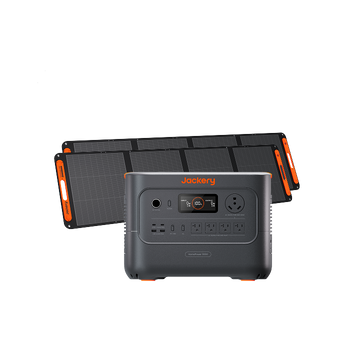
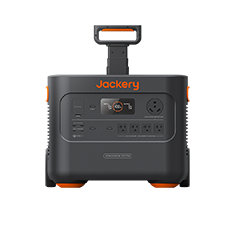
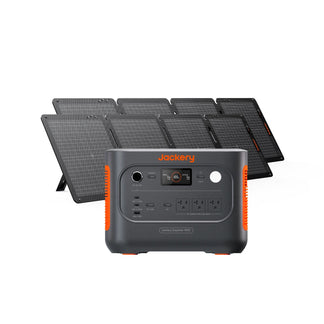
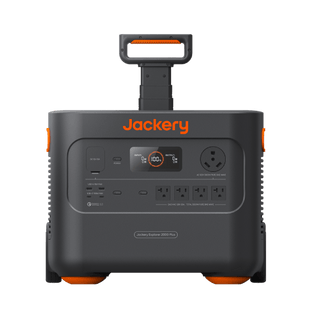
Jackery Solar Generator 5000 Plus
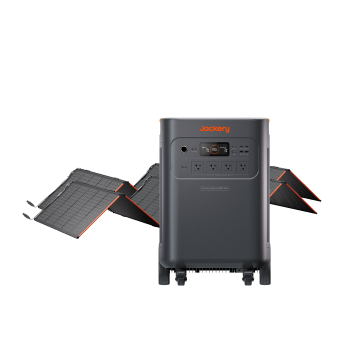
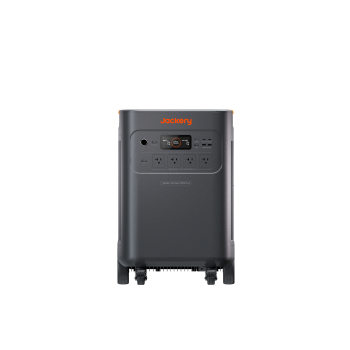
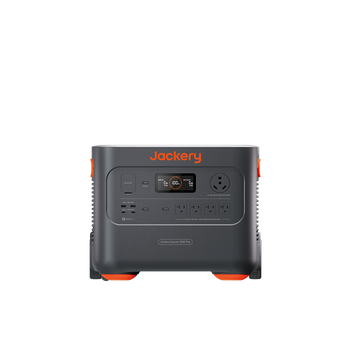
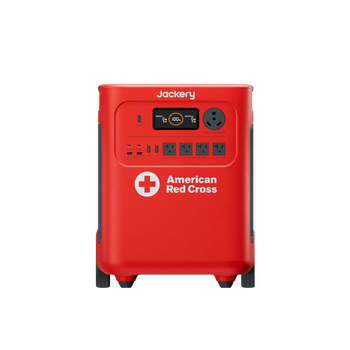
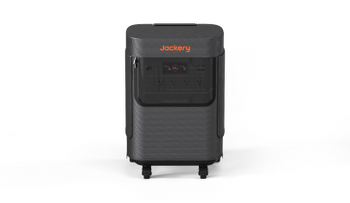
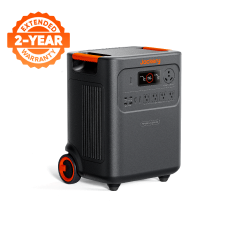
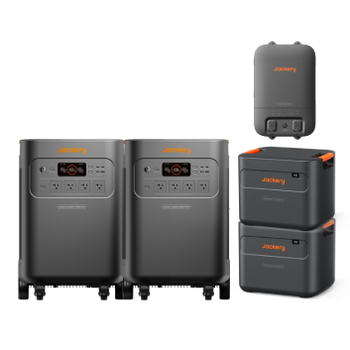
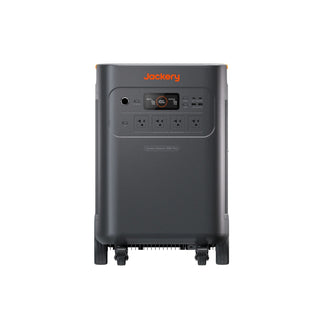
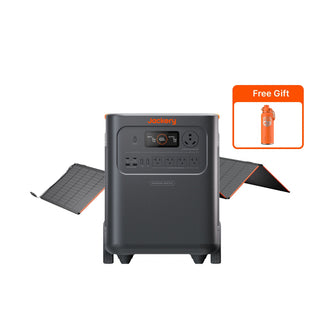
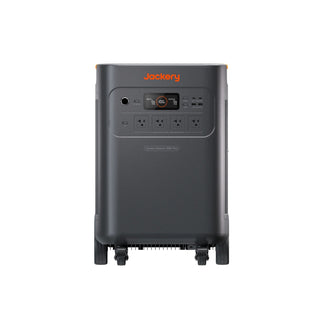
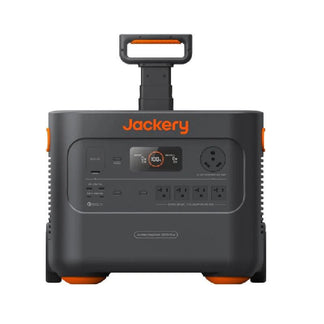
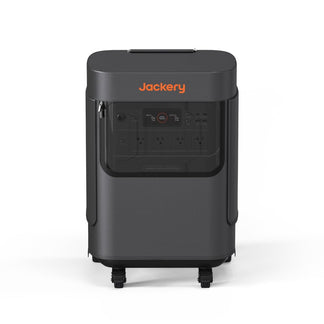
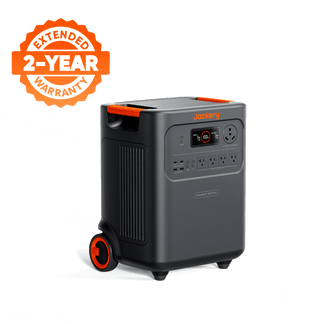
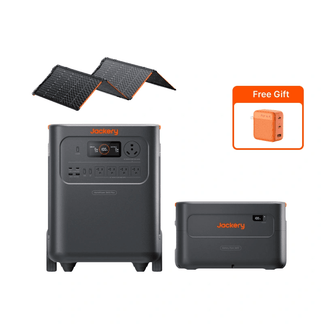
If you want to run a standard 240V off-grid water heater directly, the Jackery Solar Generator 5000 Plus is the model built for it. It delivers true 120V/240V dual-voltage output from a single unit and features large battery capacity, meaning it can power a 30-50 gallon tank heater's element on its own, without needing a second unit in parallel. It can also run other household appliances, such as refrigerators, space heaters, lights, TVs, etc. This essential home backup solution features a pull rod and double wheels to ensure easy transportation from one room to another.
Appliances Running Time
- Solar Water Heater (300W) = 12.2H
- Heat Pump Water Heater (500W) = 7.8H
- Portable Water Heater (1000W) = 4.1H
- Electric Water Heater (1500W) = 2.8H
- Tankless Water Heater (1800W) = 2.3H
Who Should Buy This
The Jackery Solar Generator 5000 Plus is ideal for homeowners who want to run a standard 240V tank water heater's element during an outage without pairing two units together, or anyone who wants one system capable of covering both a full-size water heater and broader home backup.

Customer Review
Powered my house, except HVAC, during a test run. Worked great. Wasn’t sure how long 10,000 watts and solar panels would last, so I just ordered another 5000 watt battery pack. Better safe than sorry.
— Timothy H.
FAQs About Water Heater Amps
How many amps does a 40-gallon water heater use?
A 40-gallon electric tank water heater typically draws 16.7-18.8 amps on a 240V circuit, corresponding to a 4,000-4,500W heating element.
How many amps does a 50-gallon water heater use?
A standard 50-gallon electric water heater uses between 18.8 and 22.9 amps when actively heating, depending on its wattage and voltage. For example, a common 5,000-watt, 240-volt unit draws 20.8 amps and requires a 30-amp circuit breaker.
How many amps does a 240-volt water heater use?
A 240-volt water heater typically draws between 15 and 23 amps, depending on the wattage of its heating elements. For the most common residential models equipped with a 4,500-watt element, the draw is exactly 18.75 amps.
How many amps does a tankless water heater use?
It depends heavily on type: a point-of-use tankless unit under a single sink typically draws 12-15 amps at 120V, while a whole-house tankless system can require 75-150+ amps across multiple 240V circuits.
Do water heaters have a startup power surge?
No. Since water heaters use a simple resistive heating element rather than a motor or compressor, there's no meaningful surge. The running amps and startup amps are essentially the same.
Is it realistic to run a whole-house tankless water heater on backup power?
Generally, no, you should not run a whole-house tankless water heater with a typical portable power station. Whole-house tankless systems demand 18,000-36,000W, which is beyond what most residential backup power setups (solar or otherwise) can supply without a significant, professionally designed system.
Conclusion
Water heater amp draw varies enormously depending on type. A small point-of-use tankless unit and a whole-house tankless system aren't just different sizes of the same appliance. They are different scales of electrical demand entirely. Standard tank heaters fall in a more predictable 12.5-22.9 amp range at 240V, with no startup surge to complicate the math. If you want to run a 120V or 240V water heater during extended power outages or off-grid living, you can consider going ahead with the Jackery Solar Generator HomePower 3600 Pro Max or Jackery Solar Generator 5000 Plus that supports dual-voltage and features a large battery capacity.


