























































![[Add-on] Jackery Battery Pack 5000 Plus - Jackery](http://www.jackery.com/cdn/shop/files/add-on-jackery-battery-pack-5000-plus-6713401.webp?v=1786503068&width=324)























Most plug-in space heaters draw between 5 and 15 amps on a standard 120V circuit, with the common 1,500W model using 12.5 amps on its highest setting. Space heaters with a fan draw slightly more on startup than while running, but nowhere near the surge you would see from a motor-driven appliance like a refrigerator. Understanding exactly how many amps your specific heater pulls helps you choose which outlets are safe to run the appliance.
Space heaters demand a steady, high wattage and amp draw for as long as they are on. Jackery Solar Generators are reliable home battery backups that can power space heaters during unexpected power outages or when you are planning outdoor adventures. Depending on the wattage consumption of your space heater, you can choose the right size solar generator from Jackery’s lineup.
Key Takeaways
- A standard 1,500W space heater draws 12.5 amps on a 120V circuit. Smaller units draw proportionally less, and larger 240V models draw less current for the same wattage than they would on 120V.
- Fan-forced space heaters draw a modest amount of extra current on startup because of their small blower motor. It is noticeably less than compressor-driven appliances, but more than a heater with no fan at all.
- Larger permanently installed space heaters use 240V specifically to keep amp draw manageable at higher wattages than a standard outlet could safely support.
- Running a space heater on a portable power station or solar generator can reduce the reliance on the electricity grid, thereby lowering the monthly electricity bill.

How Many Amps Does a Space Heater Draw by Size and Type
A standard space heater typically draws between 5 and 15 amps, depending heavily on its wattage and heat settings. At the standard 120-volt rating, the most common 1,500-watt full-size space heater draws about 12.5 amps.
Amps measure the actual current a space heater draws. It is the number a circuit breaker is rated to safely interrupt.
Amps = Watts ÷ Volts
Watts represent total power draw. Most plug-in space heaters range from 400W to 1,500W, while permanently installed units can run considerably higher. For more information about the power consumption, you can check out How Many Watts Does a Space Heater Use.
Watts = Volts × Amps
Once you know the power consumption of the space heater, you can also calculate how much does it cost to run a space heater by using the formula below:
Electricity Cost = Power Consumption of Space Heater (in kWh) * Running Hours * Electric Rate in Your Area (Cents per kWh)
Volts measure the circuit's electrical potential. Portable space heaters run on standard 120V, while larger baseboard and wall-mounted units are typically wired for 240V.
Volts = Watts ÷ Amps
Running watts describe the heater's steady power draw once it's operating. For most space heaters, this is very close to the startup figure, unlike motor-driven appliances, where the two numbers differ significantly.
Running Watts = Volts × Running Amps
Here are the amps drawn of different space heater types with their typical operating voltage:
|
Space Heater Type |
Wattage |
Voltage |
Amp Draw |
|
Compact Personal Heater |
400-750W |
120V |
3.3-6.3A |
|
Standard Ceramic/Fan Heater |
750-1,500W |
120V |
6.3-12.5A |
|
Oil-Filled Radiator |
1,000-1,500W |
120V |
8.3-12.5A |
|
Infrared Panel Heater |
750-1,500W |
120V |
6.3-12.5A |
|
Baseboard Heater (Permanent) |
1,000-2,500W |
240V |
4.2-10.4A |
|
Wall-Mounted Heater (Permanent) |
1,500-3,000W |
240V |
6.3-12.5A |
|
Whole-Room Garage/Workshop Heater |
3,000-5,000W |
240V |
12.5-20.8A |
How Many Amps Does a Space Heater Draw on a Startup
The starting amp draw of a space heater depends on what's inside the heater. A pure resistive heater with no moving parts, such as most oil-filled radiators and some panel heaters, behaves like a toaster or an air fryer. These heater types draw essentially the same current the instant they are switched on as they do a minute later. There is no motor to spin up, so there is no meaningful surge to plan around.
Fan-forced ceramic and infrared heaters are a bit different, since they include a small blower motor to push warm air into the room. That motor does draw slightly more current for a brief moment at startup, similar in principle to any small motor. However, the effect is minor compared to compressor-driven appliances like refrigerators or air conditioners, which can spike 2-3 times their running amps.
A typical fan-forced heater might draw 10-20% more current for a second or two at startup. In practice, this means you can size a solar generator to a space heater's running wattage with only a small safety margin, rather than needing to double it the way you would for a motor-heavy appliance.
Does a Space Heater Need a Dedicated Circuit?
A dedicated circuit is not strictly required by the National Electrical Code for portable space heaters. A 1500-watt space heater uses up to 12.5 amps, which virtually maxes out a standard 15-amp circuit by itself. However, you should always plug a space heater directly into a wall outlet on its own circuit to prevent tripped breakers and fire hazards.
Let’s understand this:
A 1,500W space heater draws 12.5 amps, which fits on a 15A circuit only if nothing else is drawing power on that same circuit, and only if you account for the 80% continuous load rule. The rule states a circuit should not be loaded past 80% of its rating for a load running more than three hours, meaning a 15A circuit should stay under about 12A for extended heater use. This is exactly why a 1,500W heater running for hours on a shared 15A circuit is a common source of tripped breakers, even though 12.5A looks like it should fit under 15A.
Hence, giving a space heater its own dedicated 20A circuit, or at minimum making sure nothing else significant shares the circuit it's plugged into, solves this problem entirely.
Note: 240V permanent heaters are typically installed on a dedicated circuit sized specifically for their wattage. A licensed electrician calculates the correct breaker size based on the heater's exact rating, generally following the same 80% continuous-load principle scaled to 240V.
How to Calculate Your Space Heater's Amp Draw
There are three ways to calculate your space heater’s amp draw, including checking the rating label, converting wattage to amps, and using a power meter.
Method 1: Check the Rating Label
Every space heater has a label, usually on the back or base, listing wattage and voltage directly from the manufacturer. It is the fastest way to get the exact amp number.
Method 2: Convert Wattage to Amps
If only wattage is listed on the back or base of the space heater, you can use the standard formula:
Amps = Watts ÷ Volts
For example, a 1,500W heater on a 120V circuit draws:
1,500W ÷ 120V = 12.5 amps
The same 1,500W heater wired for 240V would draw exactly half (6.25 amps), illustrating why higher-wattage permanent installations lean on 240V.
Method 3: Use a Power Meter
A plug-in power meter placed between the outlet and the heater will help you get a live reading, useful for checking actual draw on different heat settings, since low and eco modes draw meaningfully less than the "high" setting most nameplates are rated for.
How to Reduce the Electricity Cost of Space Heating
If you want to reduce the electricity cost of space heating, zone-heat only the rooms you occupy by lowering your central thermostat or using highly efficient localized heating. You can also focus on using a thermostat-equipped model, improving the room's insulation, etc. Here’s how to save money on your electric bill in winter while using room heater & HVAC:
Heat the Room You're In, Not the Whole House: A single space heater in an occupied room is almost always cheaper than raising the thermostat on central heat for the whole home.
Use a Thermostat-Equipped Model Instead of Running on Constant High: Cycling on and off to maintain a set temperature uses meaningfully less electricity than running flat-out continuously.
Improve the Room's Insulation: Sealing drafts around windows and doors means the heater reaches and holds a comfortable temperature faster, cutting down on total runtime.
Unplug it When You Leave the Room: Space heaters have no meaningful standby draw once unplugged, but leaving one running in an empty room is pure waste.
Consider a 240V Model for Whole-Room or Workshop Heating: Doubling the voltage cuts amp draw for the same wattage, which matters if you are installing something permanent rather than plugging in a portable unit.
Run it From Stored Solar Power During an Outage Instead of a Gas Alternative: A solar generator lets you keep a space heater running without worrying about fuel logistics or using the grid electricity. However, you must calculate what size generator to run a space heater is needed to ensure you don’t rely on grid electricity during the winter outages or peak electricity hours when the rates are high.
You can also check our detailed guide to understand how to save money on heating bills with zoning, layering, and smart heat sources.
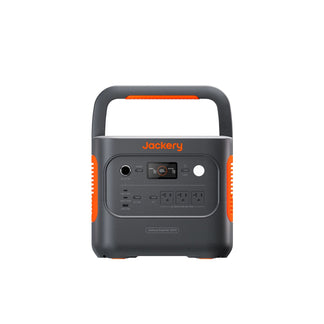
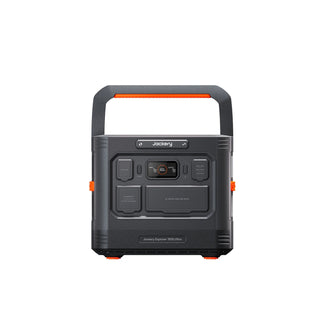
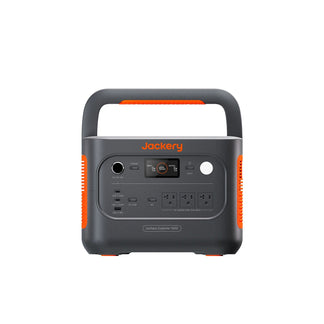
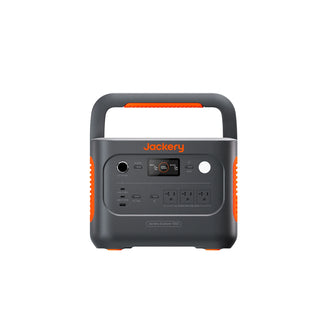
James Cale, a locomotive engineer for Canadian National Railway, lives fully off-grid on 340 acres in northern Canada with just Starlink and Jackery. What started as a single Jackery Explorer 5000 Plus powering a fridge and freezer while he lived in a tent has grown into a full system: two Jackery Explorer 5000 Plus units, four expansion batteries, and several Jackery Explorer 1000s running everything from the heater to a gaming PC, even in temperatures below -49°F (-45°C). Read more Jackery Stories to see how others have built their own off-grid or backup setups.
Recommended Jackery Solar Generators for Space Heaters
Space heaters draw significantly more continuous wattage than most portable devices, which is exactly why picking the right Jackery Solar Generator matters for staying warm during winter power outages, cold-weather camping, or off-grid living. Here, we will reveal the ideal home battery backup solutions that have enough output to run solar-powered heaters reliably, so you can keep your tent, cabin, or living room comfortably heated without draining your battery in an hour:
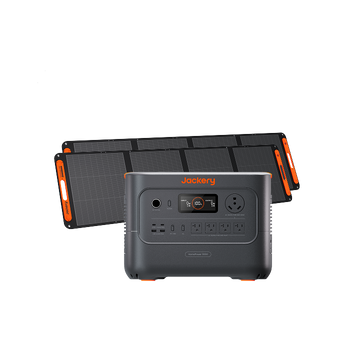
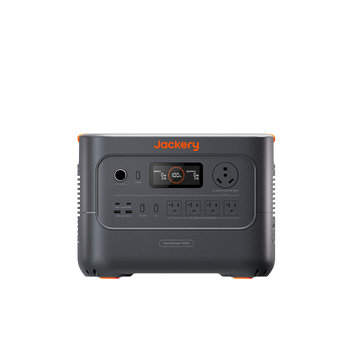
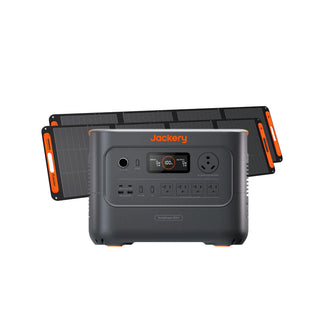
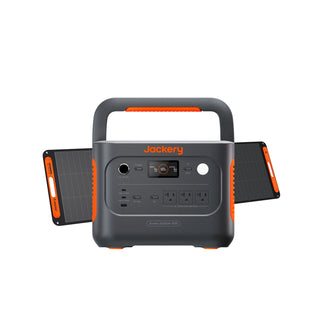
Jackery Solar Generator HomePower 2000 Plus v2
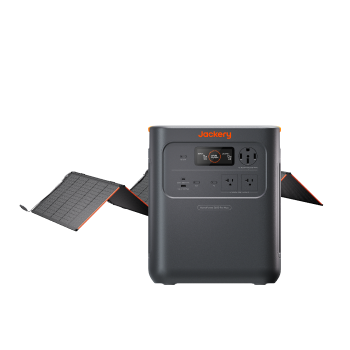
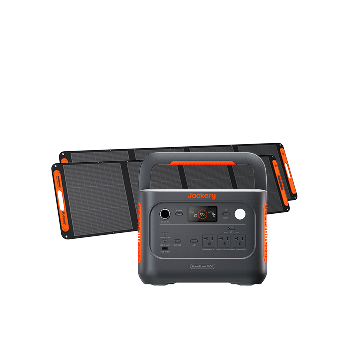
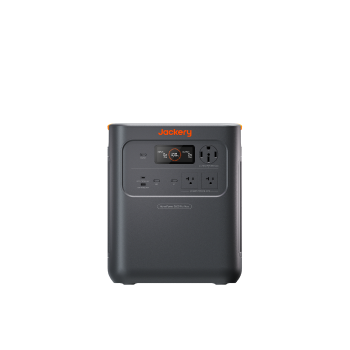
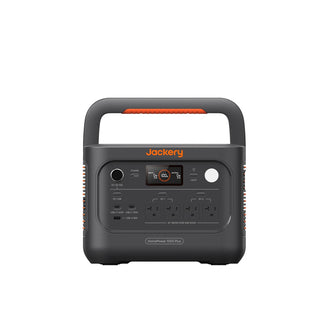
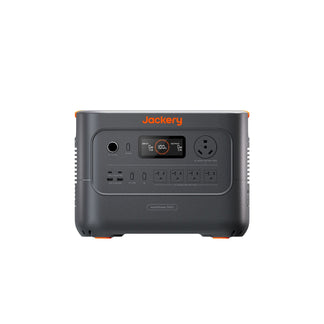
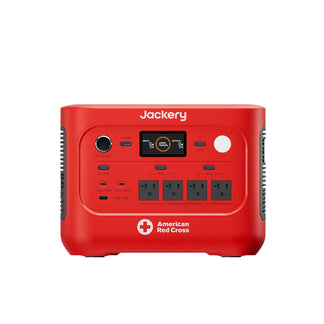
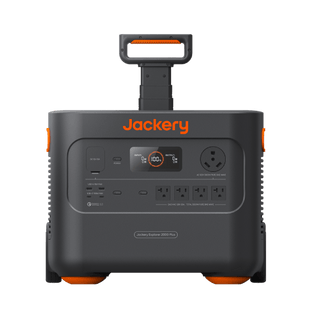
The Jackery Solar Generator HomePower 2000 Plus v2 has enough battery capacity and output to comfortably run even a full 1,500W space heater on high. Its Priority Routing™ feature is a genuine advantage for heater use specifically: if the battery starts running low during an extended outage, it can automatically keep your heater (or another circuit you've designated as essential) running while non-critical devices get cut first, rather than everything shutting off at once. At just 30dB, it is quiet enough to run overnight in a bedroom without becoming a disturbance.
Appliances Running Time
- Compact Personal Heater (400W) = 4.0H
- Standard Ceramic/Fan Heater (750W) = 2.0H
- Oil-Filled Radiator (1000W) = 2.0H
- Infrared Panel Heater (750W) = 2.0H
Who Should Buy This
The Jackery Solar Generator HomePower 2000 Plus v2 is ideal for households running one 120V space heater during outages or in an under-heated room, especially anyone who wants the reassurance of automatic prioritization if the battery gets low partway through a cold night.

Customer Review
Great product. Highly recommend.
— Gary H.
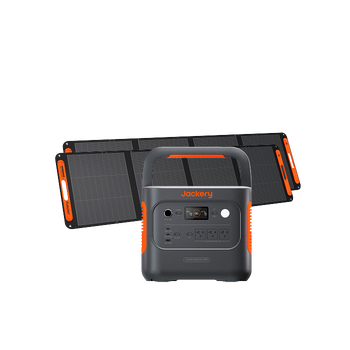
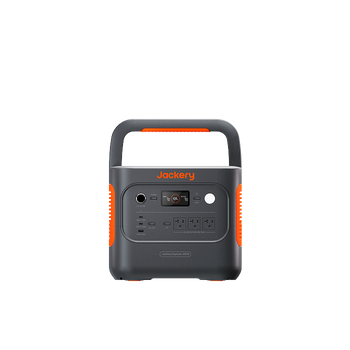
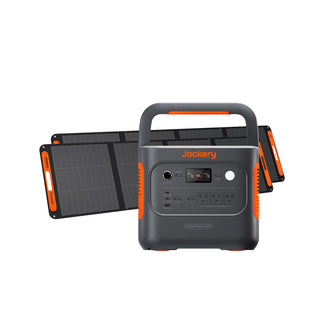
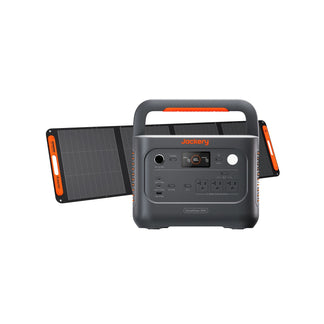
Jackery Solar Generator HomePower 3000
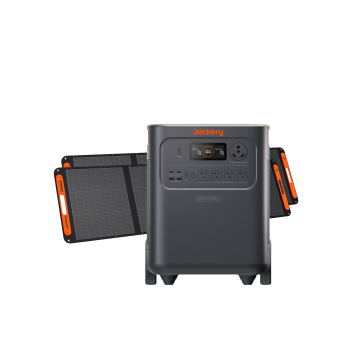
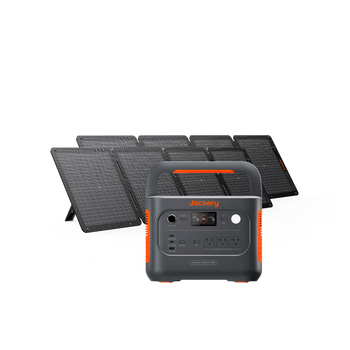
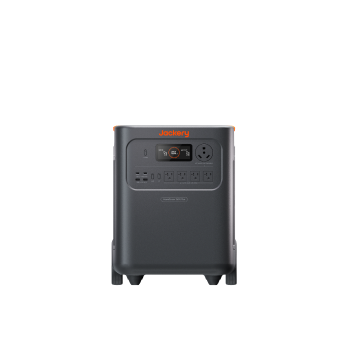
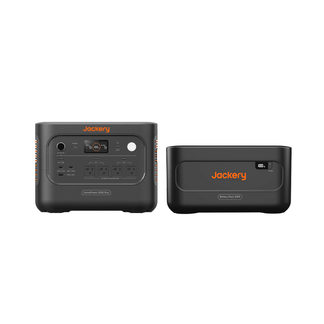
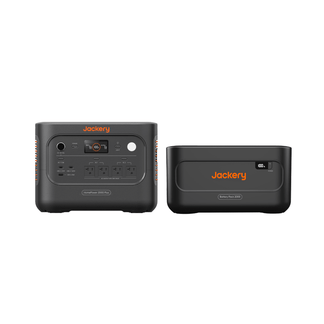
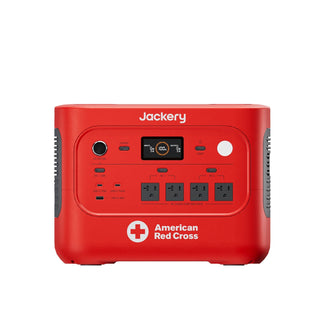
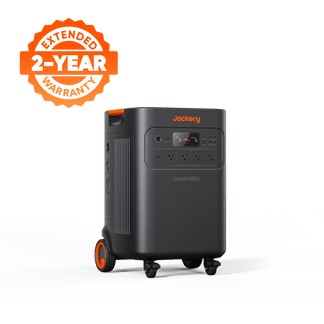
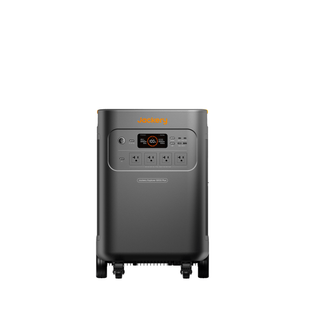
The Jackery Solar Generator HomePower 3000 is an essential home backup solution that can run a 1,500W heater alongside other essential appliances, such as a refrigerator, lighting, and a phone charger. It is the world’s smallest 3kWh LFP generator, featuring dual-sided handles that make it easy to carry from one room to another. The best part of this home battery backup is the ZeroDrain™ technology that allows it to retain up to 95% battery after 12 months on the shelf, so your backup is ready whenever you need it.
Appliances Running Time
- Compact Personal Heater (400W) = 6.2H
- Standard Ceramic/Fan Heater (750W) = 3.4H
- Oil-Filled Radiator (1000W) = 2.6H
- Infrared Panel Heater (750W) = 3.4H
Who Should Buy This
The Jackery Solar Generator HomePower 3000 is suitable for anyone who wants a single power station to handle a space heater as one part of a broader essential home backup setup, rather than dedicating an entire generator to heating alone.

Customer Review
Powered the washer, refrigerator, and pellet grill on separate occasions. Handled it well. Tried the solar panels to recharge at 57% power remaining. Took a little longer than expected.
— Anonymous.
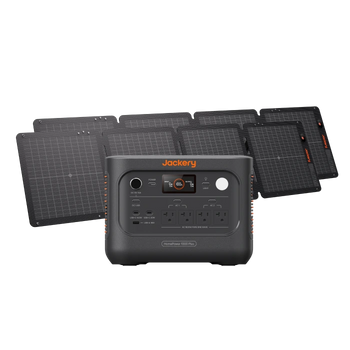
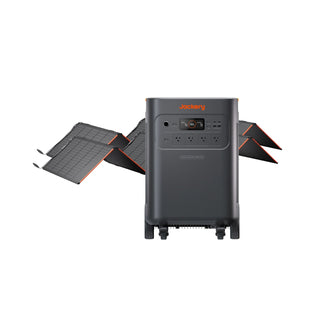
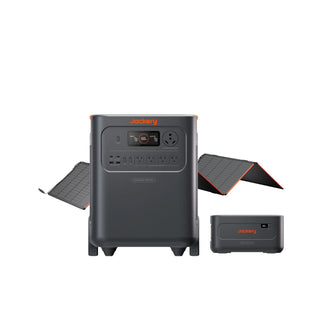
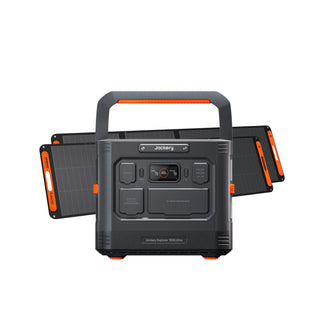
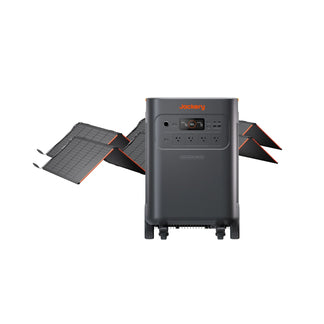
Jackery Solar Generator 5000 Plus
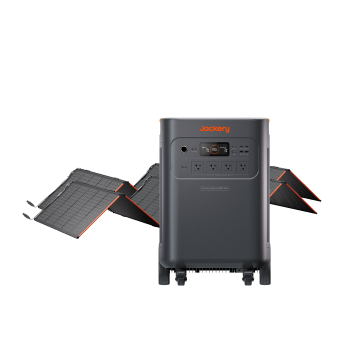
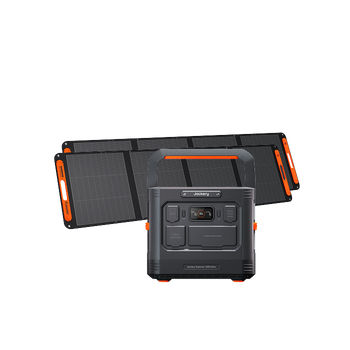
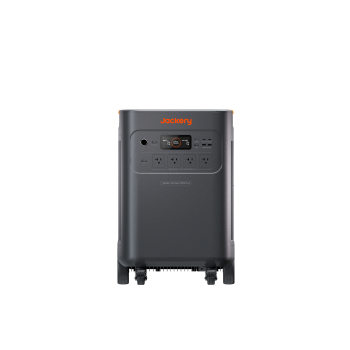
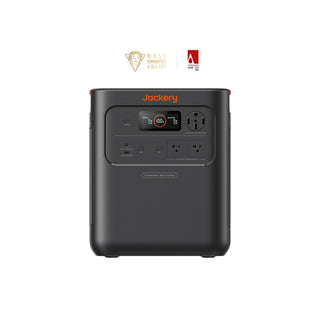
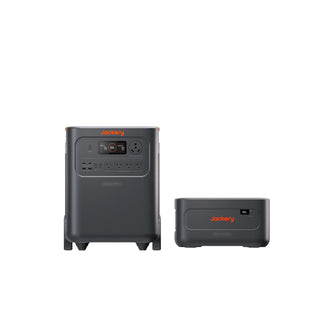
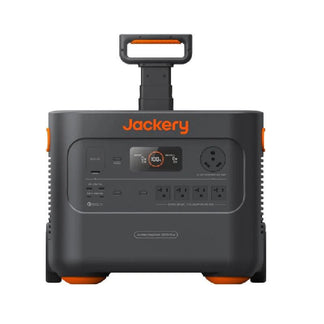
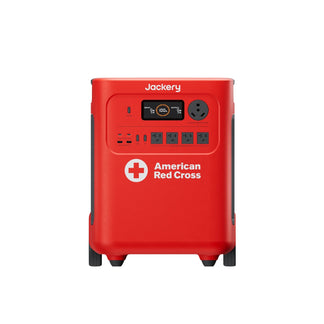
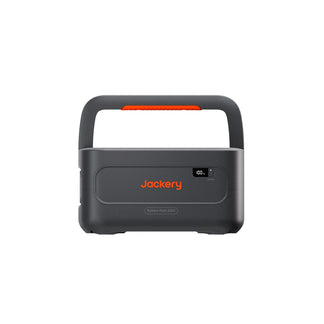
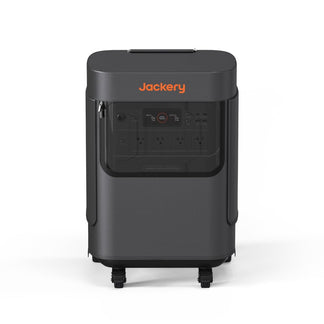
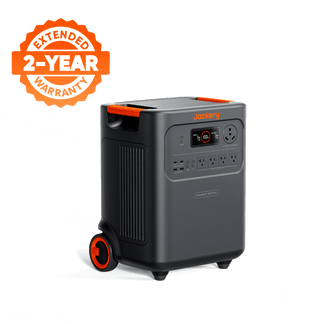
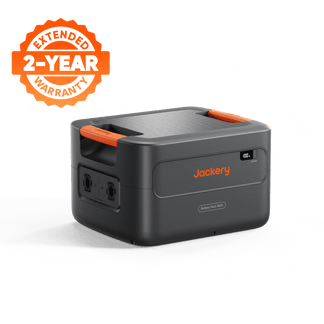
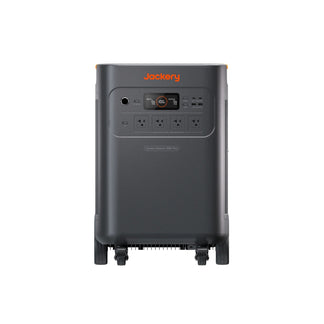
For 240V space heaters, such as baseboard units, wall-mounted heaters, or workshop and garage heaters, the Jackery Solar Generator 5000 Plus is the home battery backup built to actually run them. It delivers true 120V/240V dual-voltage support to power 120V and 240V appliances. It is also expandable up to 60kWh with add-on battery packs and another same unit, ensuring you can keep appliances powered during extended outages or off-grid living.
Appliances Running Time
- Compact Personal Heater (400W) = 9.5H
- Standard Ceramic/Fan Heater (750W) = 5.4H
- Oil-Filled Radiator (1000W) = 4.1H
- Infrared Panel Heater (750W) = 5.4H
Who Should Buy This
The Jackery Solar Generator 5000 Plus is ideal for homeowners with 240V baseboard, wall, or workshop heaters who need backup power that actually matches their heater's voltage requirement, or anyone running a large-capacity 120V heater alongside several other major appliances during an extended outage.

Customer Review
It does everything it’s advertised. The best part is that I can hook it up to my solar panels and I can run it with the STS and it’ll run most of my house. I really like the fact that it has wheels and can be moved when going on camping trips, so I can use it as a dry camp location without having to hook up to electricity from outside sources.
— Jeffrey H.
FAQs About Space Heater Amps
Can you run a space heater on a 15-amp circuit?
Yes, you can run a space heater on a 15-amp circuit, but with careful consideration. A 1,500W heater draws 12.5A, which is close to the 80%-continuous-load ceiling of a 15A circuit (about 12A). It is fine alone on a dedicated circuit, but risky if anything else is drawing power on the same one.
Is a space heater outlet 15 or 20 amp?
Most residential space heaters run fine on a 15A circuit if nothing else shares it, but a dedicated 20A circuit gives more margin and is the safer choice for regular, extended use.
Can a solar generator run a 240V space heater?
Yes, a solar generator can run a 240V space heater only if it has true dual-voltage (120V/240V) output. Most portable power stations are 120V-only. However, essential home backup solutions, such as the Jackery Solar Generator 5000 Plus, are built to handle 240V appliances directly.
Do space heaters use more electricity than central heating?
It depends on the scope. Heating a single occupied room with a space heater is typically cheaper than heating an entire house with central heat, but running several space heaters throughout a home usually costs more than efficient central heating.
How many amps does a space heater use on low versus high?
A typical 1,500W heater on high draws 12.5A. On a low or eco setting, the same unit might drop to 400-750W, cutting amp draw to roughly 3.3-6.3A.
Conclusion
Space heater amp draw comes down to wattage and voltage, with only a mild startup bump for fan-forced models and none at all for simple resistive units like oil-filled radiators. Knowing your space heater's amp draw is the first step to using it safely and efficiently, whether you are plugging into a standard wall outlet or pairing it with a Jackery Solar Generator for off-grid warmth. When you match your heater's wattage and amperage to the right circuit or power station capacity, you can avoid tripped breakers, overloaded outlets, and unnecessary power interruptions during the colder months.


