



























![[Add-on] Jackery SolarSaga 500 X - Jackery](http://www.jackery.com/cdn/shop/files/add-on-jackery-solarsaga-500-x-1493607.webp?v=1786503068&width=324)
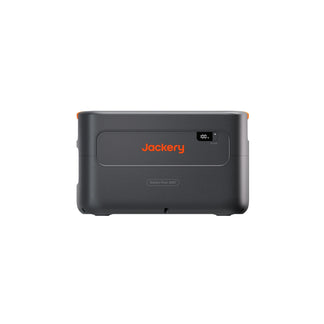
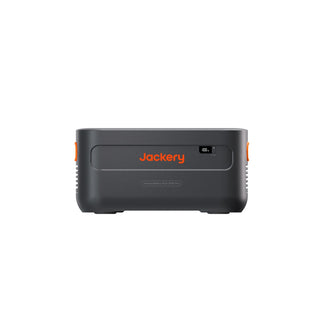
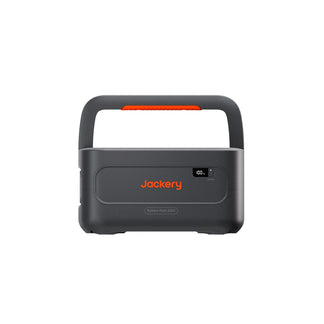
![[Add-on] Jackery Battery Pack 5000 Plus - Jackery](http://www.jackery.com/cdn/shop/files/add-on-jackery-battery-pack-5000-plus-6713401.webp?v=1786503068&width=324)

























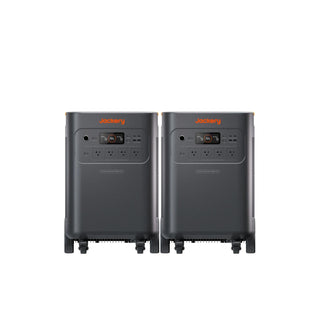
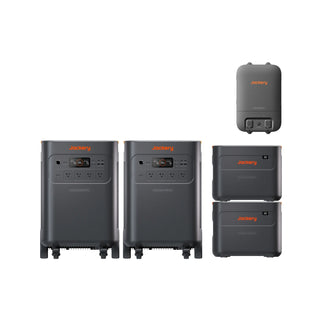
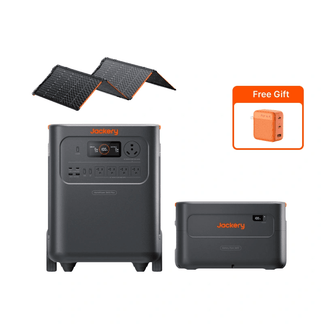


The one chilly room in the house that can be the home office, the nursery, the basement that never quite warms up usually gets solved with a space heater rather than cranking the whole house's thermostat. However, space heaters are also one of the most power-hungry small appliances in the home, which means the "just heat the one room" approach can still leave a mark on your bill. A typical 1500W space heater running 6 hours a day costs about $1.65 daily and $49.52 a month at the current US average electricity rate of 18.34 cents per kWh. Across a typical 4-month heating season, that adds up to roughly $198.
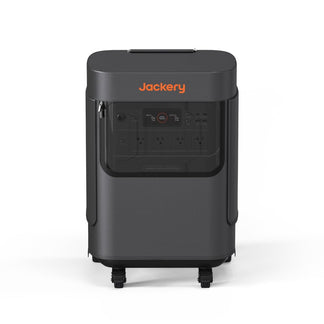
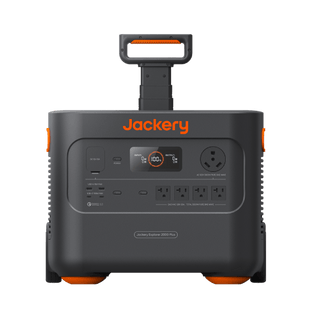
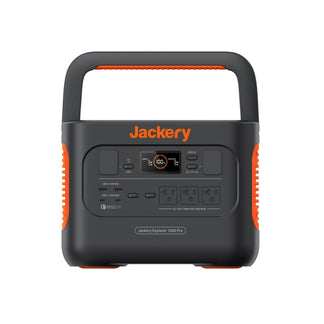
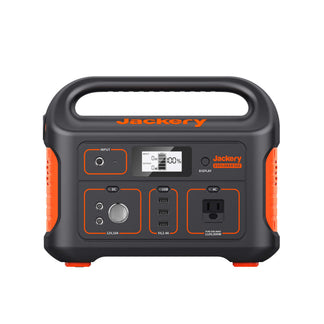
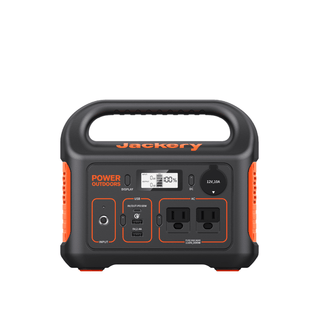
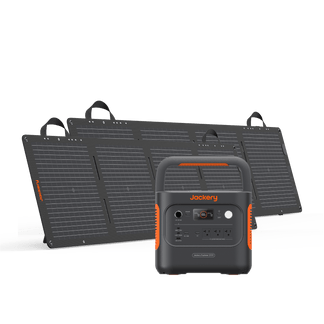
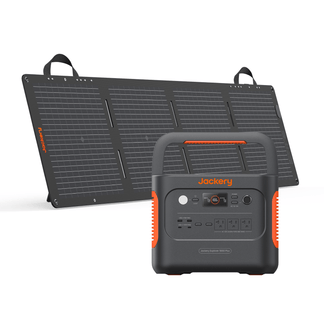
Since a space heater's cost is so directly tied to how many hours it runs, cutting that draw from the grid is one of the more effective ways to bring the bill down. Jackery Solar Generators can run a space heater directly off stored solar (or grid) power, which means the hours you would otherwise be paying peak electricity rates for are covered by a battery instead. They also run silently, which matters more than people expect once a heater is sitting in a bedroom or home office all night, and they double as essential home backup if winter weather knocks out the grid, exactly when you need heat the most.
Key Takeaways
- Space heaters typically use 750W to 1,800W, with 1,500W being the most common household size.
- A 1,500W heater costs about $0.28 per hour to run at the US average electricity rate of 18.34 cents/kWh.
- Running the same heater 6 hours daily costs roughly $49.52 a month, or about $198 across a typical 4-month heating season.
- A space heater only saves money over central heating if it is replacing heat to unused rooms. Heating your whole house with one is almost always more expensive per square foot.
- Jackery Solar Generators can run a space heater directly, shifting some of that cost off the grid and reducing the reliance on the grid during unexpected outages.
How Many Watts a Space Heater Consumes
Most space heaters draw somewhere between 750W and 1,800W, and the exact figure depends more on heater type than room size alone. Here is a general breakdown related to how many watts does a space heater use by type:
|
Heater Type |
Typical Wattage |
Best For |
|
Small Ceramic/Fan Heater |
750W – 1,000W |
Desk or small room |
|
Standard Electric Heater |
1,000W – 1,500W |
Bedroom or office |
|
Oil-Filled Radiant Heater |
1,200W – 1,500W |
Steady, longer-duration heat |
|
High-Output/Whole-Room Heater |
1,500W – 1,800W |
Larger living spaces |
Almost all electric space heaters convert essentially all the electricity they draw directly into heat, which is why wattage and heat output track so closely. There is not much room for one model to be dramatically more "efficient" than another at the same wattage, unlike with a refrigerator or an AC compressor.
How Much Does It Cost to Run a Space Heater?
To estimate the cost to run a space heater, multiply the heater's wattage by the hours it runs per day, divide by 1,000 for kilowatt-hours, then multiply by your electricity rate.
For example, a 1500W space heater running 6 hours a day uses 9 kWh daily. At the national average rate of 18.34 cents per kWh, that's $1.65 a day, $49.52 a month, and about $198.07 across a 4-month heating season.
How Much Does It Cost to Run a Space Heater by State
The daily, monthly, and yearly cost to run a space heater will depend on the appliance's wattage, usage time, and electricity rate. Here is a table that compares the cost of running a space heater (1500W) for 6 hours a day over a 4-month season:
|
State |
Rate (¢/kWh) |
Daily Cost |
Monthly Cost |
4-Month Seasonal Cost |
|
New Jersey |
24.95 |
$2.25 |
$67.37 |
$269.46 |
|
New York |
29.49 |
$2.65 |
$79.62 |
$318.49 |
|
Illinois |
19.89 |
$1.79 |
$53.70 |
$214.81 |
|
Ohio |
19.19 |
$1.73 |
$51.81 |
$207.25 |
|
North Dakota |
14.12 |
$1.27 |
$38.12 |
$152.50 |
|
South Dakota |
15.36 |
$1.38 |
$41.47 |
$165.89 |
|
Florida |
15.10 |
$1.36 |
$40.77 |
$163.08 |
|
Georgia |
16.36 |
$1.47 |
$44.17 |
$176.69 |
|
North Carolina |
14.74 |
$1.33 |
$39.80 |
$159.19 |
|
South Carolina |
15.55 |
$1.40 |
$41.99 |
$167.94 |
|
Texas |
15.94 |
$1.43 |
$43.04 |
$172.15 |
|
Colorado |
17.13 |
$1.54 |
$46.25 |
$185.00 |
|
Idaho |
14.37 |
$1.29 |
$38.80 |
$155.20 |
|
Alaska |
28.21 |
$2.54 |
$76.17 |
$304.67 |
|
Hawaii |
52.72 |
$4.74 |
$142.34 |
$569.38 |
|
US Average |
18.34 |
$1.65 |
$49.52 |
$198.07 |
Source: Electric Power Monthly, U.S. Energy Information Administration (EIA)
Note: These figures assume a 1500W space heater running 6 hours a day for a 4-month heating season. Rates change periodically, so check the EIA link above for the latest figures in your state.
How Many Months a Year Should You Budget for Space Heater Use?
States like North Dakota, Alaska, and much of the upper Midwest and Mountain West often require space heaters for 5 to 7 months of the year, which means the real cost for those households runs well above the national seasonal figure.
Meanwhile, states like Florida, Georgia, and much of the Southeast might only need a space heater for occasional cold snaps across 1 to 2 months. If you want a more accurate estimate for your own home, take your state's monthly cost from the table above and multiply it by the number of months you would realistically run a heater.
Does Heater Type (Ceramic, Oil-Filled, Infrared) Affect the Cost?
No, the heater type does not directly affect the cost to run the appliance. Since nearly all electric resistance heaters convert close to 100% of the electricity they draw into heat, a 1,500W ceramic heater and a 1,500W oil-filled radiator cost essentially the same to run at the wattage level.
Where heater type actually affects the real-world cost is in how long you end up running it. Oil-filled radiators heat more slowly but hold warmth after they shut off, which can mean fewer total hours of draw over an evening. Infrared heaters warm people and objects directly rather than the surrounding air, so they can feel comfortable at a lower thermostat setting, which sometimes lets you run one at a slightly lower wattage for the same comfort level.
Ceramic and fan-forced heaters warm a room fastest but stop producing heat the moment they are switched off, meaning any gap between "off" and "still warm enough" comes entirely from the room itself. These changes affect how many hours you will realistically need the heater running to feel warm.
Space Heater vs. Central Heating: Which Costs Less?
The cost to run space vs. central heating systems depends heavily on how much space you are actually heating. A single 1,500W space heater warming one occupied room is almost always cheaper than running a whole-house furnace or central heat pump to bring every room up to temperature, especially in a larger home where most rooms sit empty most of the day.
Where the math changes is if you are running several space heaters at once to cover multiple rooms. At that point, a properly sized central heating system, particularly a heat pump, is usually more efficient overall since it is not paying the "100% of input becomes heat" penalty that electric resistance heaters carry. As a rule of thumb: one space heater for one occupied room, used only when you are in it, tends to beat central heating on cost. Heating an entire home with several space heaters usually doesn't.
Official Tips to Reduce Space Heater Costs
Heating the space requires a lot of electricity. According to Energy.gov, heating systems typically make up about 29% of the utility bills. Regular maintenance and upgrading of the space heater, air sealing, and thermostat settings are some effective ways to help you reduce energy consumption and save about 30% of your energy bills. Here are some additional tips to reduce the space heater cost:
Heat the Room You are in, Not the Whole House: The biggest cost advantage of a space heater comes from zone heating. Warm only the room you are actually using and keep the central thermostat lower everywhere else.
Seal Drafts Around Windows and Doors: A space heater working against a drafty window or door has to run far longer to hold the same temperature. Weatherstripping and door draft stoppers are inexpensive fixes with a real payoff.
Use a Timer or Smart Plug: Since most space heaters draw close to their full wattage the entire time they are on, scheduling them to shut off overnight or when you leave the room prevents a lot of wasted runtime.
Choose the Right Wattage for the Room: An undersized heater in a large room will run constantly and still underperform, while an oversized heater in a small space wastes energy overshooting the target temperature.
Keep the Heater Clean and Unobstructed: Dust buildup on the heating element or blocked airflow forces some heaters to work harder to reach the same output. A quick wipe-down each season helps it run as efficiently as it is designed to.
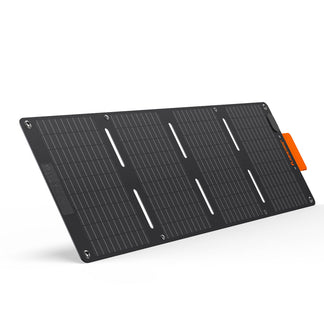
Invest in a Solar Generator: Solar generators for space heaters can help you power appliances using free sunlight. Jackery Solar Generators are essential home battery backup solutions capable of powering most household appliances during a power outage or blackout. If you are powering appliances with a solar-powered generator, it helps you lower monthly electricity bills and save costs. Depending on the space heater consumption, you can consider what size of generator is needed to run a space heater.
How to Save on Electricity Bills With Jackery Solar Generators
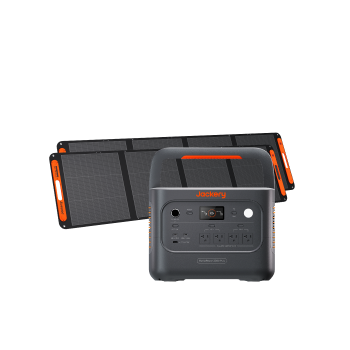
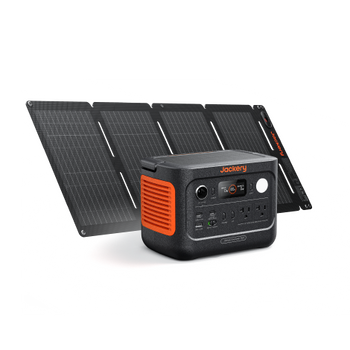
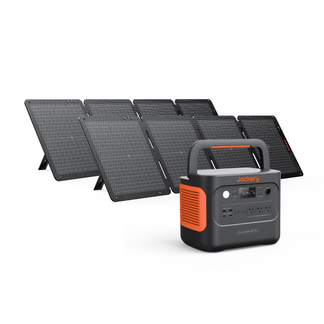
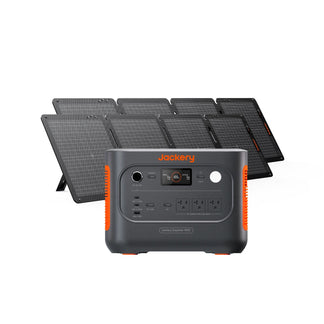
Since space heaters draw power at close to their full rated wattage the entire time they run, they need a system with real sustained output behind it. Jackery is a trusted name in manufacturing solar generators, foldable solar panels, and portable power stations. Jackery Solar Generators can power heaters of different sizes. Whether you want to reduce the monthly electricity bills or power appliances during an outage, this solar-powered generator has got your back. Here are three of the best Jackery Solar Generators for solar-powered heaters:
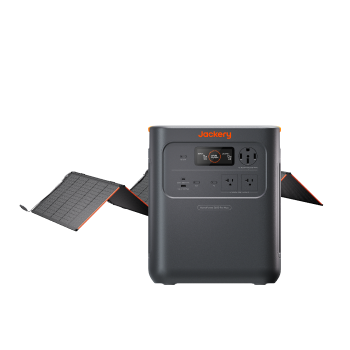
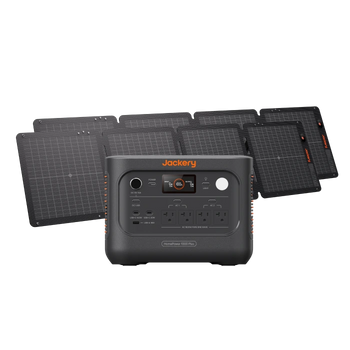
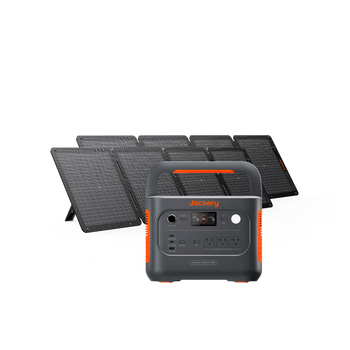
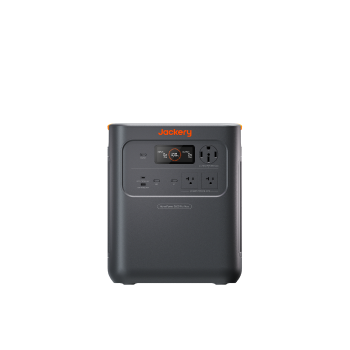
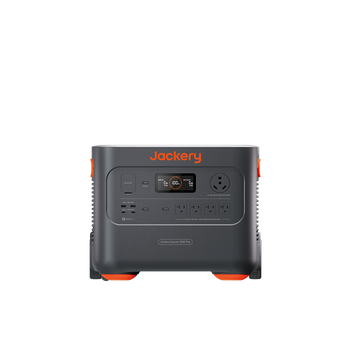
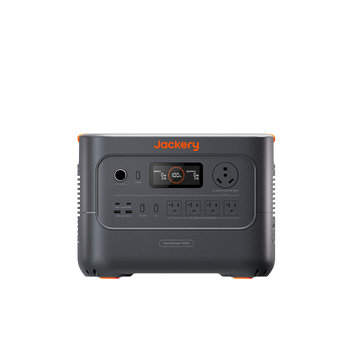
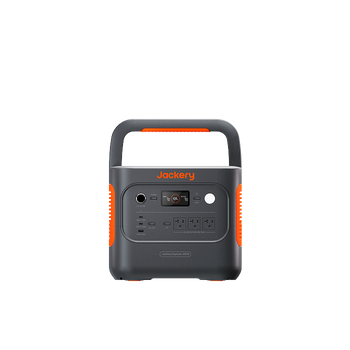
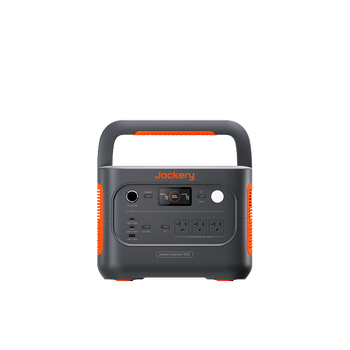
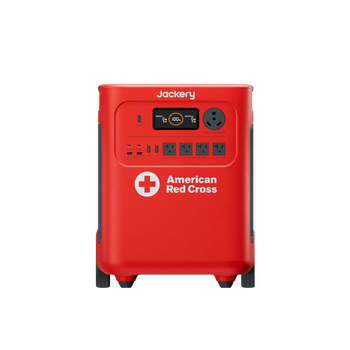
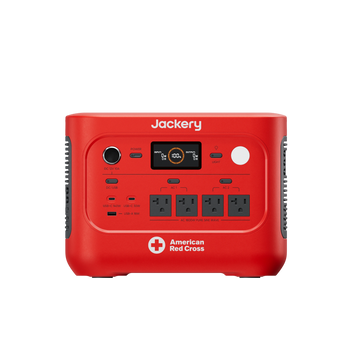
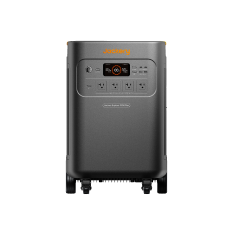
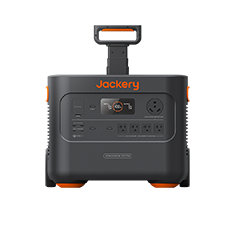
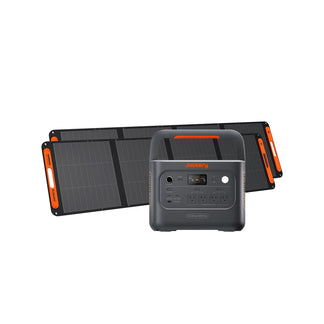
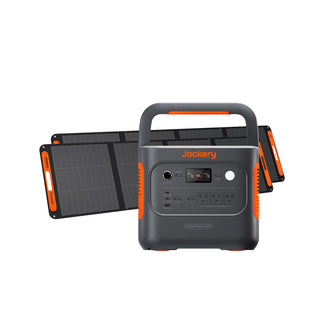
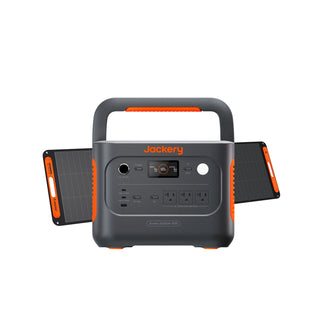
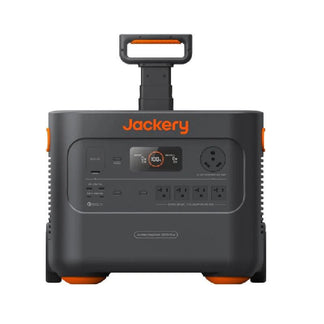
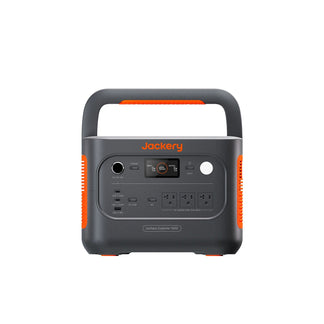
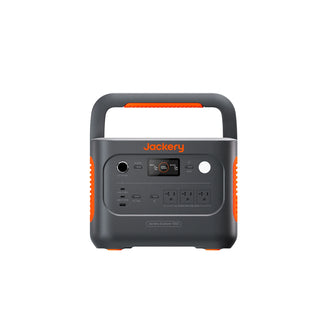
Jackery Solar Generator HomePower 3000
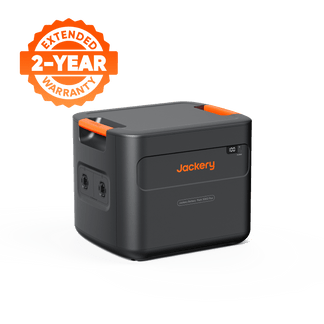
The Jackery Solar Generator HomePower 3000 offers 3,072Wh of capacity with 3,600W of continuous output, giving it enough headroom to run even a large 1,800W space heater without strain, while still leaving room for a lamp or two on the same circuit. If you are running a 1,000W standard electric heater for 6 hours a day, that costs about $1.10 daily and $33.01 monthly in grid electricity at the national average rate. With this home battery backup solution, you can not only lower the electricity bills but also keep essentials powered during outages.
Appliances Running Time
- Electric Space Heater (1800W) = 1.4H
- Coil Heater (750W) = 3.4H
- Infrared Radiation Space Heater (1000W) = 2.6H
- Portable Space Heater (1000W) = 2.6H
Who Should Buy This
The Jackery Solar Generator HomePower 3000 is a solid fit for a bedroom or home office that needs steady overnight heating, or for anyone who wants dependable capacity without stepping up to an expandable home battery backup solution.

Customer Review
Powerful and easy to use-stand alone or connected to home circuits. All features as represented. Great back up for home, rv and other needs.
— Sumner S.
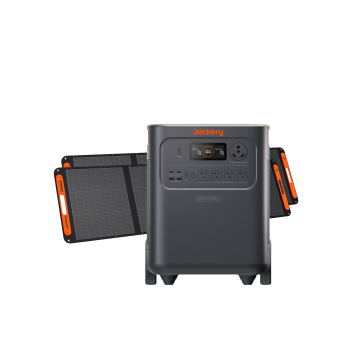
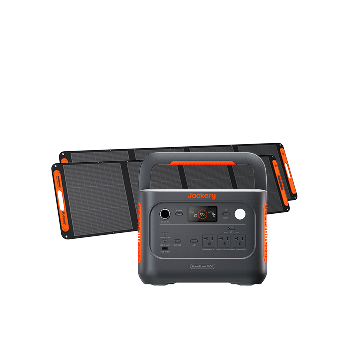
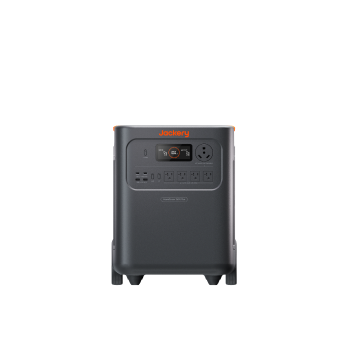
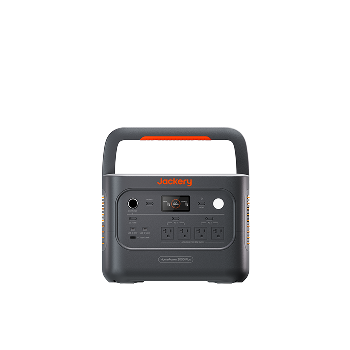
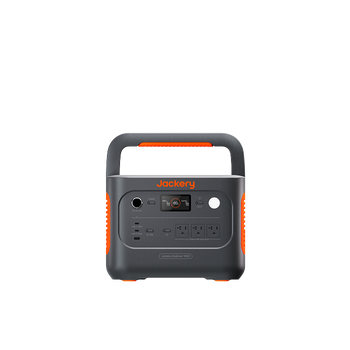
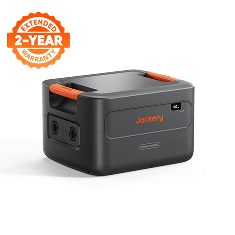
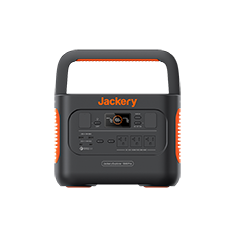
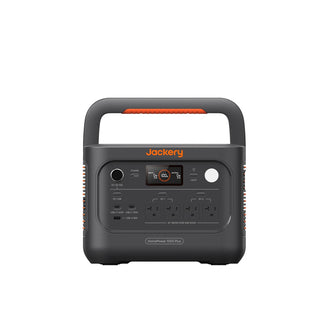
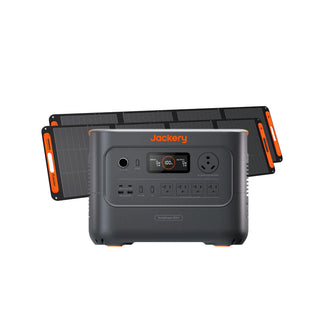
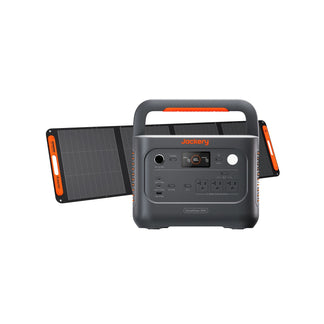
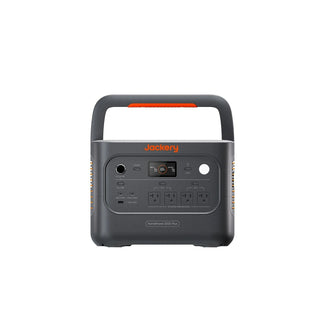
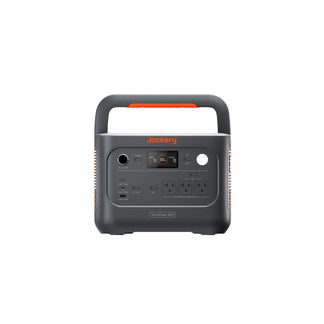
Jackery Solar Generator HomePower 3600 Plus
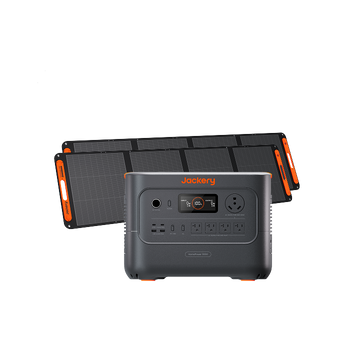
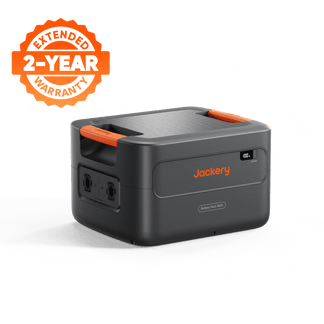
The Jackery Solar Generator HomePower 3600 Plus packs 3,584Wh with 3,600W of continuous output (7,200W surge) and can scale up to 21kWh with add-on battery packs, which matters for households that need heating coverage across several days rather than a single evening. If you are running a 750W small ceramic heater for 6 hours a day, that is roughly $0.83 daily and $24.76 monthly at the national average rate. With the power station and solar panels, you can reduce the reliance on the grid and lower your monthly electricity bill.
Appliances Running Time
- Electric Space Heater (1800W) = 1.7H
- Coil Heater (750W) = 3.9H
- Infrared Radiation Space Heater (1000W) = 3.0H
- Portable Space Heater (1000W) = 3.0H
Who Should Buy This
The Jackery Solar Generator HomePower 3600 Plus is best suited to colder-climate households that run a space heater for most of the winter, or families in storm-prone regions who want multi-day heating backup without a full whole-home installation.

Customer Review
Finally, I was able to put into service my 3600 Plus. It was charged and ready for the unexpected 2 hour outage one recent morning. I hooked up my TV, WiFi, 2 lamps, fan, and most important was the morning cup coffee! I was very happy! It used very little power from the unit. I’m very happy and looking forward to expanding my 3600 Plus.
— Billy V.
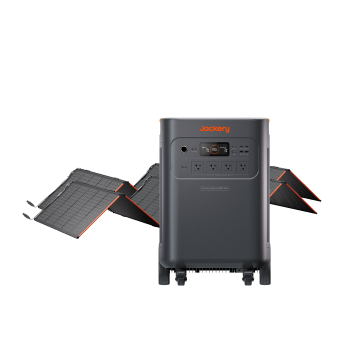
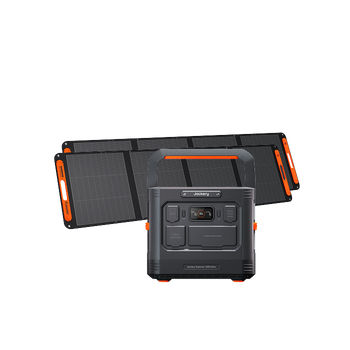
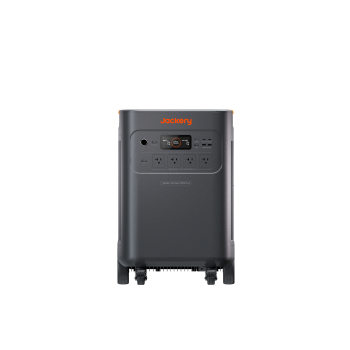
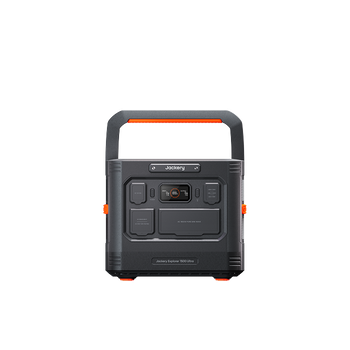
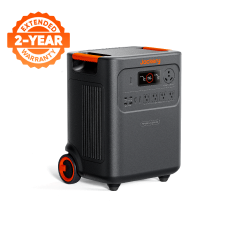
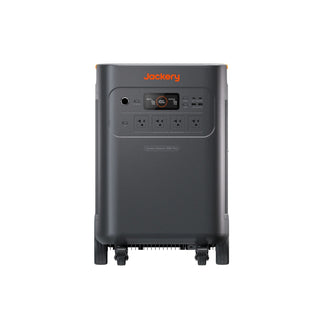
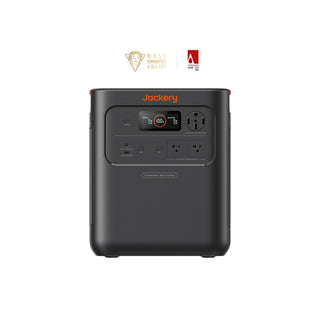
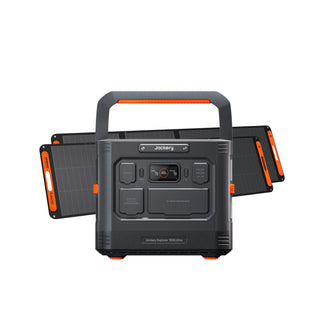
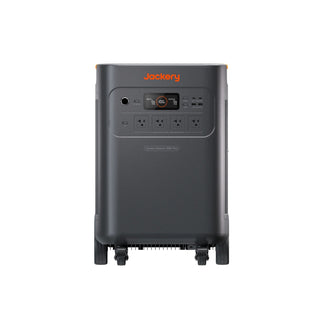
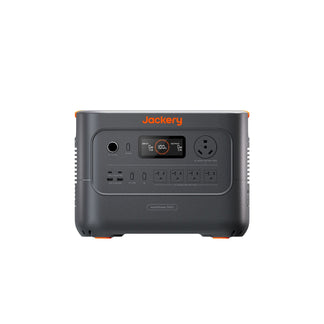
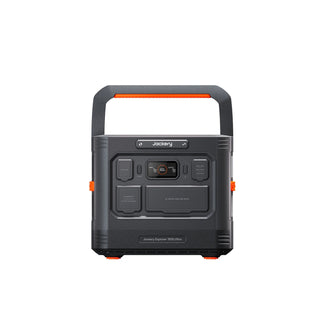
Jackery Solar Generator 5000 Plus
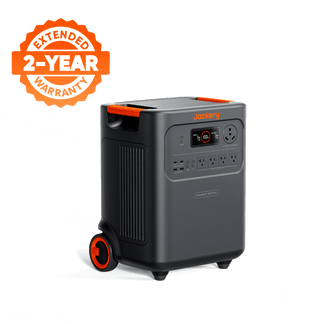
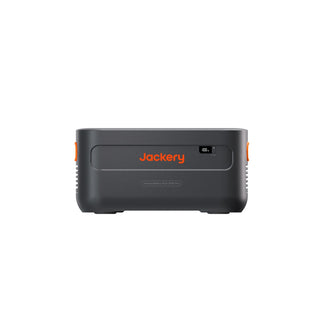
For households running a large 1,800W heater, multiple heaters, or a heater alongside other essentials, the Jackery Solar Generator 5000 Plus offers 5,040Wh of capacity with up to 7,200W of output on 120V/240V, giving it plenty of margin under any single space heater's draw. It's also expandable with additional battery packs for extended coverage through a longer winter outage. Running an 1,800W high-output heater for 6 hours a day would otherwise cost about $1.98 daily and $59.42 monthly at the national average rate, which you can save by shifting the reliance to this solar generator.
Appliances Running Time
- Electric Space Heater (1800W) = 2.3H
- Coil Heater (750W) = 5.4H
- Infrared Radiation Space Heater (1000W) = 4.1H
- Portable Space Heater (1000W) = 4.1H
Who Should Buy This
The Jackery Solar Generator 5000 Plus is the right choice for larger homes, households running a heater alongside a refrigerator and other essentials, or anyone in a colder climate who wants a single system that can handle a full heating season's worth of backup.

Customer Review
I received the Explorer 5000 Plus solar generator to use to run my home if the power goes out. It works great and will run my whole home if the power goes out.
— Dennis Carlson.
How Much Does It Cost to Run a Space Heater FAQs
How much does it cost to run a space heater for an hour?
A 1500W space heater running for 1 hour uses 1.5 kWh. At the national average rate of 18.34 cents per kWh, that comes out to about $0.28 per hour.
Do space heaters use a lot of electricity?
Compared to their size, space heaters use a lot of electricity. A space heater runs close to its full rated wattage nearly the entire time it is on, which is different from many other appliances that cycle on and off. That is what makes hours of use, more than wattage alone, the biggest factor in the final bill.
Is it cheaper to run a space heater or turn up the central heat?
For warming a single occupied room, a space heater is usually cheaper than raising the thermostat for the whole house. If you are trying to heat multiple rooms at once, central heating, especially a heat pump, is typically the more cost-effective option.
How much does it cost to run a portable space heater?
A portable space heater typically draws between 750W and 1,500W. At 1,000W running 8 hours a day and the national average rate, that works out to about $1.47 a day and $44.02 a month.
Does leaving a space heater on low save money compared to cycling it on and off?
No, leaving a space heater on low does not usually save money compared to cycling it on and off. Most space heaters don't have a true "low-power idle." A low or eco setting typically just caps the wattage rather than keeping it on standby, so a heater set to run continuously at a lower wattage can still cost more over an evening than one set higher but controlled by a timer or thermostat that shuts it off once the room is warm.
Conclusion
A space heater's cost comes down almost entirely to two things: its wattage and how many hours it is actually switched on, since electric heaters don't have much room to be more or less efficient at the same output. Zone heating, sealing drafts, and being realistic about how many months of the year you actually need one all help keep that number in check. And when a winter storm takes the grid down right along with the temperature, a Jackery Solar Generator can keep a space heater along with the rest of your essentials running until power returns.


