

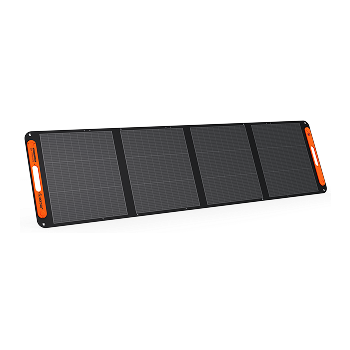
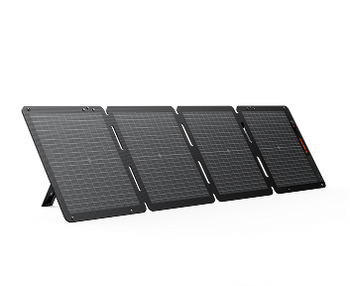
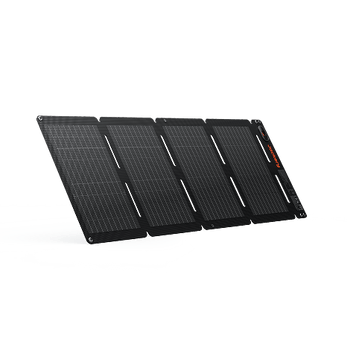

















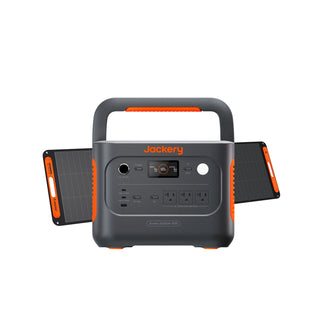
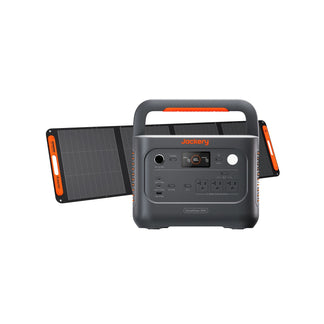
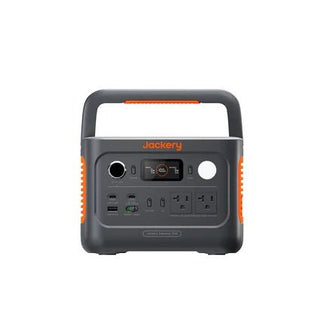

![[Add-on] Jackery SolarSaga 500 X - Jackery](http://www.jackery.com/cdn/shop/files/add-on-jackery-solarsaga-500-x-1493607.webp?v=1786503068&width=324)
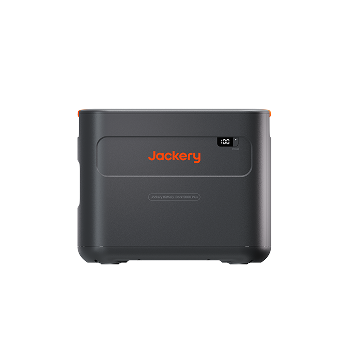
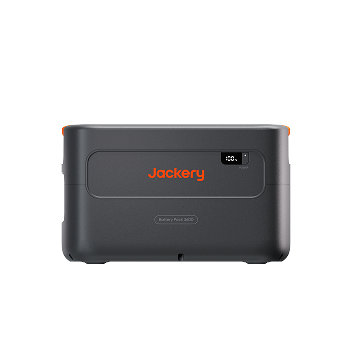
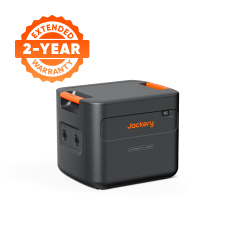
![[Add-on] Jackery Battery Pack 5000 Plus - Jackery](http://www.jackery.com/cdn/shop/files/add-on-jackery-battery-pack-5000-plus-6713401.webp?v=1786503068&width=324)



















The average cost to run a modern, well-insulated hot tub is between $20 and $70 per month. However, the exact price depends significantly on your tub's size and heater wattage, how often you actually use it, and your local electricity rate. Most homeowners have to pay between $300 and $1,000 a year once you count both electricity and basic maintenance, with the electricity portion alone usually running $240 to $600 annually, or roughly $20 to $50 a month.
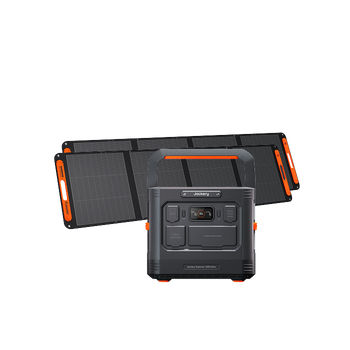
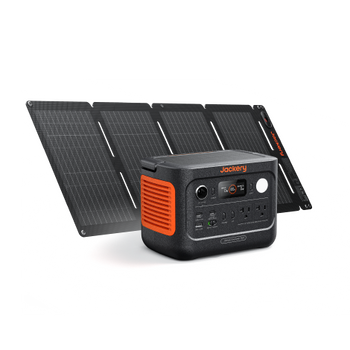
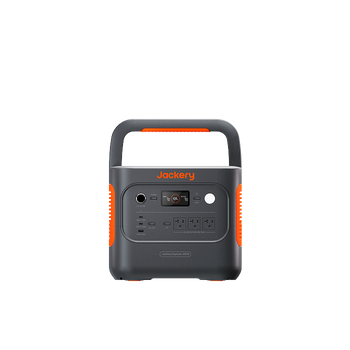
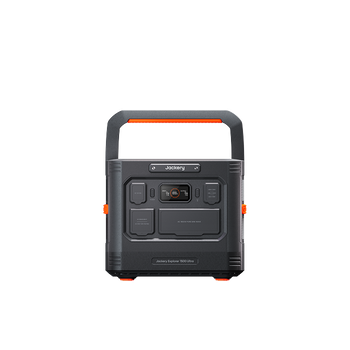
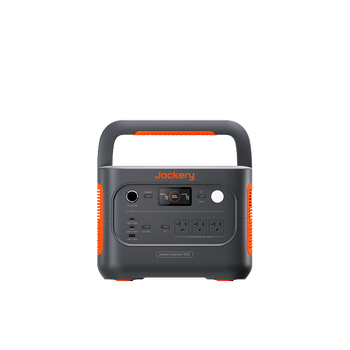
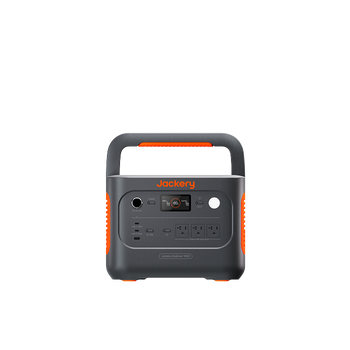
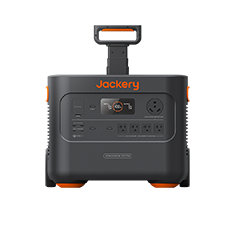
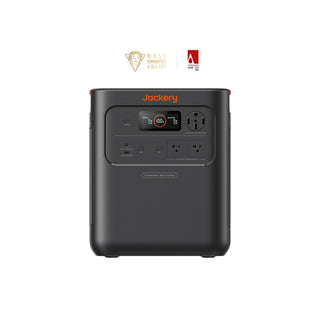
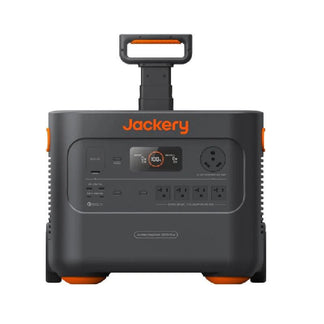
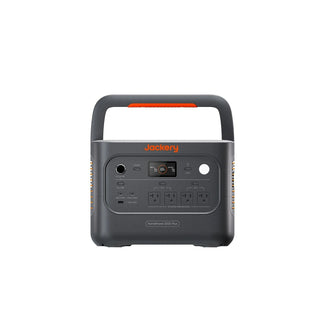
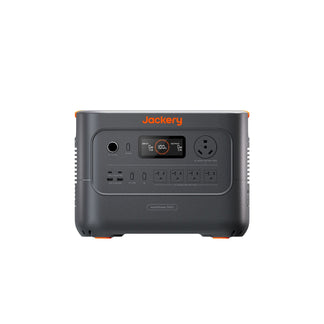
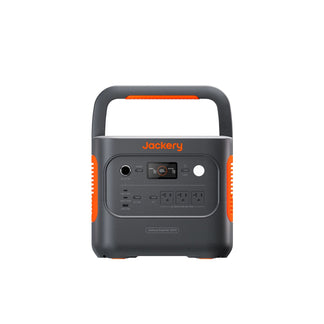
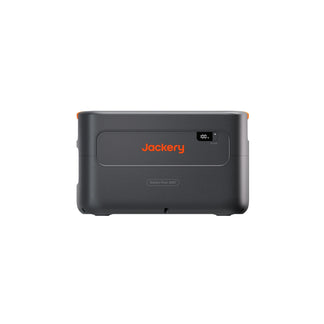
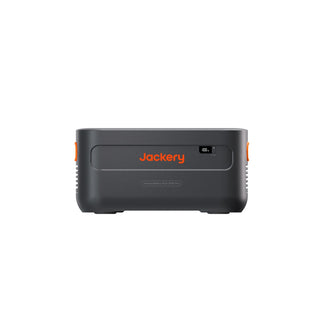
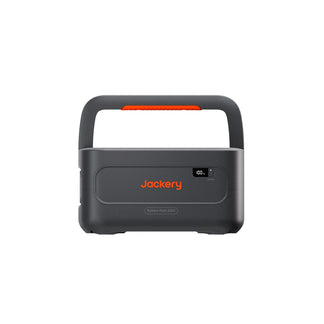
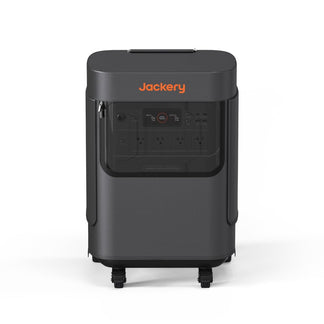
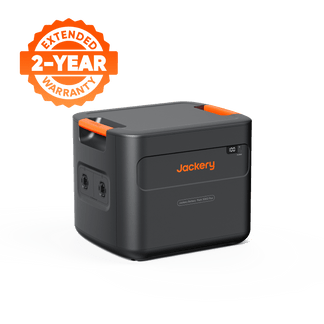
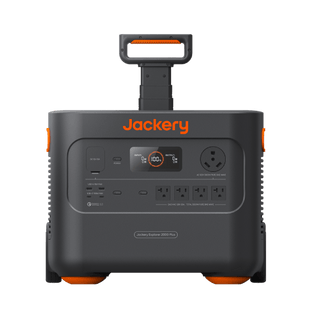
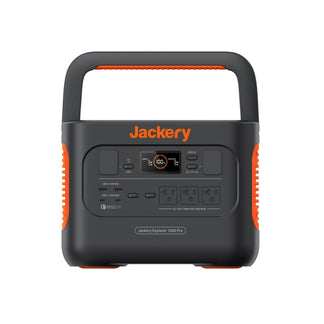
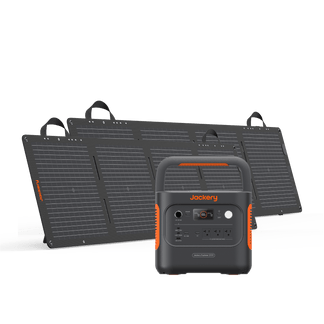
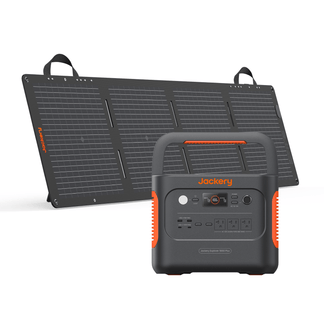
If you are trying to reduce how much it costs to run a hot tub or you just want backup power for the heater and pump when the grid goes out, a Jackery Solar Generator is an ideal home battery backup solution. These units store solar (or grid) power in a battery and can run your hot tub's heating and filtration system independently of the utility, which means you are not paying peak-hour rates every time you want to soak. They also double as essential home backup, so if a storm knocks out power to your neighborhood, your hot tub and the rest of your essentials don't have to go cold with it.
Key Takeaways
- Hot tub heaters typically pull 1,500W (120V models) to 6,000W (240V models), while the circulation pump adds roughly 1,500W more.
- Total daily energy use for most hot tubs falls between 3kWh and 7.5kWh, depending on tub size, insulation, and climate.
- The gap between "simple calculator" estimates and your actual bill usually comes down to cycling. The heater turns on and off all day to hold temperature, which means the total cost can vary.
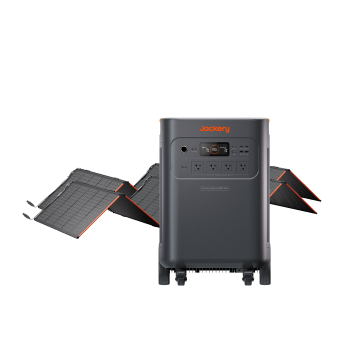
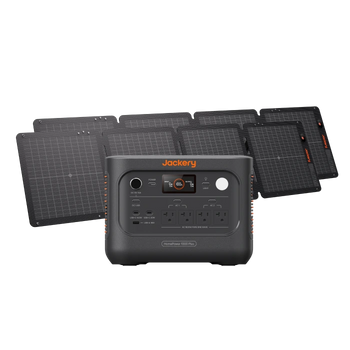
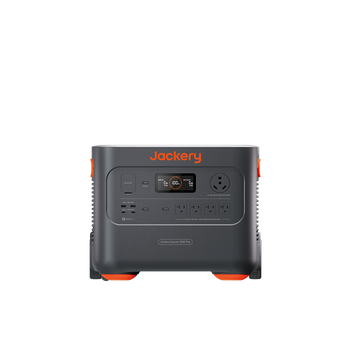
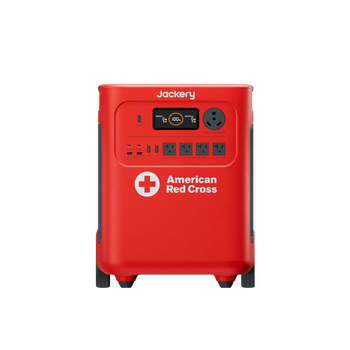
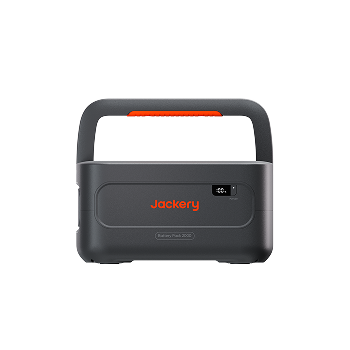
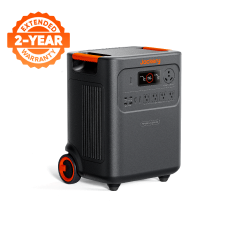
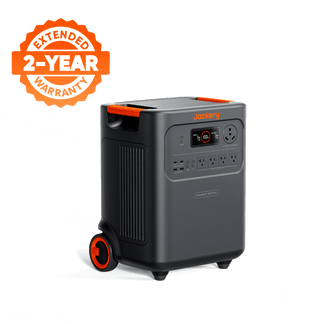
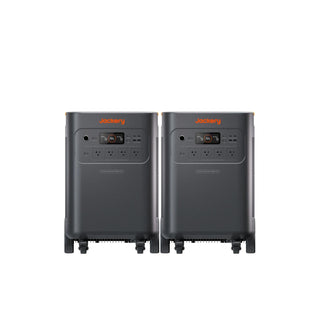
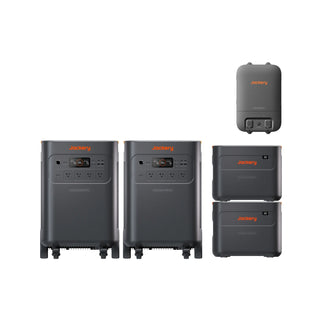
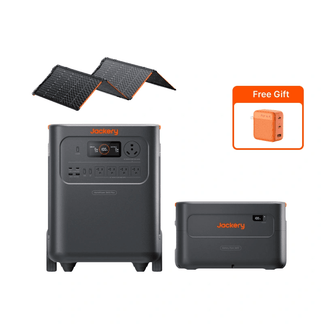
- Larger Jackery Solar Generators with dual-voltage support like the Jackery Solar Generator 5000 Plus can run a 240V hot tub heater directly, cutting reliance on grid power and keeping the tub running through outages.
How Many Watts a Hot Tub Consumes?
A hot tub typically consumes between 1500W - 6000W in one hour and is used for about 30 - 45 minutes every day. When calculating the wattage consumption of a hot tub, you will need to check the power consumption of two main elements: the heater and the circulation pump. 240V hot tub heaters can draw around 6000W, whereas 120V heaters require 1500W in one hour. The circulation pump typically needs around 1500W of power. The total power consumption can vary between 3kWh to 7.5kWh in one day.
How Much Does It Cost to Run a Hot Tub in the USA?
The cost to run a hot tub can be easily calculated by multiplying the power consumption and electricity rate in the area. For instance, if you have a 120V hot tub (3000W) that runs for 30 minutes per day and the electricity rate per kWh is 18.34 cents per kWh, the cost to run a hot tub will be $0.27 per day and $8.25 per month. The yearly cost to run a hot tub will be equal to $99.03.
On the other hand, if you own a 240V hot tub (6000W) that runs for 30 minutes and the electricity rate per kWh is 18.34 cents per kWh, the cost will be around $0.55 per day and $16.50 per month. The yearly cost will increase to $198.07. Keep in mind these figures assume the heater is only drawing full power for that one 30-minute window.
In practice, most heaters cycle on and off throughout the day to maintain temperature, which is why your actual monthly bill will usually land closer to $20–$60 rather than the $8–$16 this simplified math suggests.
Example:
If you want a number specific to your own setup rather than a generic estimate, here's the math behind it: multiply your heater's wattage by the hours it actually runs per day, divide by 1,000 to get kWh, then multiply by your electricity rate.
A 5,500W heater running 45 minutes a day, for example, works out to (5,500 × 0.75) ÷ 1,000 = 4.125 kWh/day. At the US average rate of $0.1834/kWh, that's about $0.75 a day, or roughly $22.69 a month. Replace in your own heater's spec-plate wattage and your utility's rate per kWh, and you will get a far more useful number than any national average can give you.
How Much Costs Does a Hot Tub Running by Size
Physical tub size changes how much energy it takes to hold temperature, since larger volumes of water lose (and need to regain) heat differently than smaller ones. Here's roughly what to expect by size, running daily at the US average rate:
|
Tub Size |
Typical Daily Use |
Daily Cost |
Monthly Cost |
Yearly Cost |
|
Small (2–4 person) |
3–5 kWh |
$0.55–$0.91 |
$16.5–$27.3 |
$198–$327.6 |
|
Medium (4–6 person) |
5–6.5 kWh |
$0.91–$1.19 |
$27.3–$35.7 |
$327.6–$428.4 |
|
Large (6+ person) |
6.5–7.5 kWh |
$1.19–$1.37 |
$35.7–$41.1 |
$428.4–$493.2 |
Insulation quality often matters more than size. A well-insulated small tub with a tight cover can easily undercut a poorly insulated medium tub.
Daily, Monthly, and Yearly Cost to Run a Hot Tub
Here is a table revealing how much it costs to run a hot tub (3000W) running for 30 minutes per day in different US states:
|
Wattage |
Usage (Hrs/Day) |
State |
Rate (¢/kWh) |
Daily Cost |
Monthly Cost |
Yearly Cost |
|
3000W |
0.5H |
New Jersey |
24.95 |
$0.37 |
$11.23 |
$136.60 |
|
3000W |
0.5H |
New York |
29.49 |
$0.44 |
$13.27 |
$161.46 |
|
3000W |
0.5H |
Illinois |
19.89 |
$0.30 |
$8.95 |
$108.90 |
|
3000W |
0.5H |
Ohio |
19.19 |
$0.29 |
$8.64 |
$105.07 |
|
3000W |
0.5H |
North Dakota |
14.12 |
$0.21 |
$6.35 |
$77.31 |
|
3000W |
0.5H |
South Dakota |
15.36 |
$0.23 |
$6.91 |
$84.10 |
|
3000W |
0.5H |
Florida |
15.10 |
$0.23 |
$6.80 |
$82.70 |
|
3000W |
0.5H |
Georgia |
16.36 |
$0.25 |
$7.36 |
$89.57 |
|
3000W |
0.5H |
North Carolina |
14.74 |
$0.22 |
$6.63 |
$80.70 |
|
3000W |
0.5H |
South Carolina |
15.55 |
$0.23 |
$7.00 |
$85.14 |
|
3000W |
0.5H |
Texas |
15.94 |
$0.24 |
$7.17 |
$87.27 |
|
3000W |
0.5H |
Colorado |
17.13 |
$0.26 |
$7.71 |
$93.79 |
|
3000W |
0.5H |
Idaho |
14.37 |
$0.22 |
$6.47 |
$78.68 |
|
3000W |
0.5H |
Alaska |
28.21 |
$0.42 |
$12.69 |
$154.45 |
|
3000W |
0.5H |
Hawaii |
52.72 |
$0.79 |
$23.72 |
$288.67 |
|
3000W |
0.5H |
US |
18.34 |
$0.28 |
$8.25 |
$100.41 |
Note: The electricity rate per kWh for different US states is sourced from the EIA's Electric Power Monthly data. Rates are updated periodically.
What Else Adds to the Real Cost of Owning a Hot Tub
Electricity is usually the biggest recurring expense of owning a hot tub, but it is not the only one. Water chemicals, such as chlorine or bromine, pH balancers, shock treatment, typically run $20 to $40 a month, or $100 to $240 a year. Filters need replacing every few months at $20 to $120 depending on the type, and a quality thermal cover, which pays for itself many times over in reduced heating costs, usually needs replacing every 5 to 8 years at $200 to $400. None of these change the electricity math above, but they do explain why your total annual hot tub spend often lands closer to $500–$700 even when the power bill itself only adds up to $300 or so.
Official Tips to Reduce Hot Tub Costs
When it comes to reducing the cost of a hot tub, you need to analyze ways to conserve energy. Here are some simple measures to help insulate the hot tub and improve its efficiency:
Block the Wind
Whenever the frigid winter wind hits the water in the hot tub, it can lower the temperature, which in turn increases the cost of electricity bills. To prevent this, you can consider using strategic fencing, windscreen, or well-placed shrubbery to block the wind.
Invest in a Solar Generator
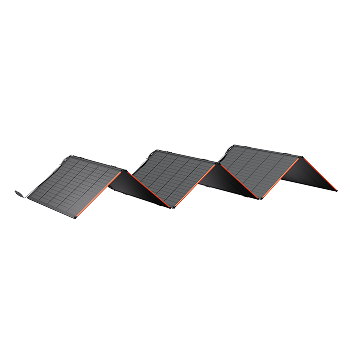
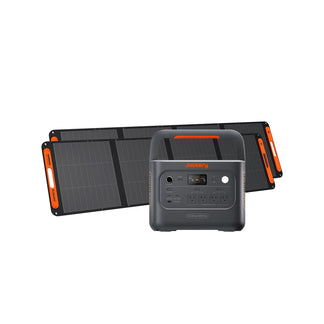
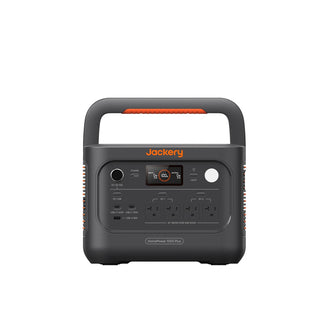
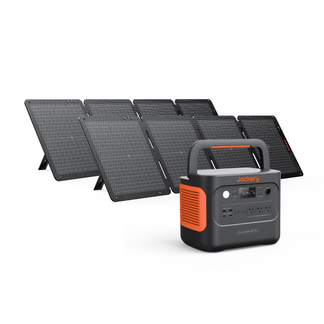
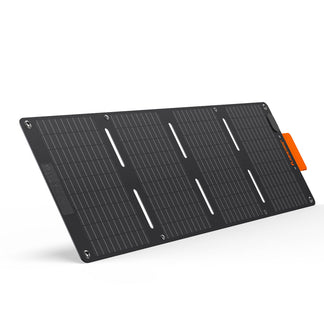
Solar generators can help you power the heater and circulation system in the hot tub. They use free sunlight to generate electricity, which makes them ideal for reducing monthly electricity bills. Jackery Solar Generators are robust home battery backup solutions that can power most household appliances, such as hot tubs, heaters, refrigerators, lights, etc., to reduce bills.
Use a High-Quality Cover
If your hot tub is not in use, consider keeping it covered to prevent the heat from escaping. You can invest in a high-quality cover or a thermal blanket to surround the entire hot tub and insulate the whole unit.
Use Heaters During Off-Peak Hours
Electricity rates are usually higher in peak hours compared to off-peak hours. That's why it is better to schedule the hot tub heater either early in the morning or later in the evening when the electricity rate is low. However, the exact off-peak hours will depend on the season and time zone.
Close the Jets
If you are not using the hot tub, make sure to shut off the air controls for the jets. This helps maintain the temperature and pH, which uses less energy and fewer chemicals.
How to Save on Your Electricity Bill With Jackery Solar Generators
Jackery manufactures solar generators specifically capable of running 240V loads like hot tub heaters. You can save on your electricity bill by using a Jackery Solar Generator to power your hot tub with free solar energy instead of pulling that electricity from the grid. Hot tubs are one of the biggest energy drains in a home, since the heater and circulation pump together typically use around 4–5 kWh per day to keep the water warm and running.
With the Jackery Solar Generator 5000 Plus, you can fully recharge solar-powered heaters for free using solar panels during the day and then run your hot tub's pump or heater cycle off that stored solar power instead of your utility line. At the US average residential rate of 18.34¢/kWh, offsetting that ~5kWh/day of hot tub use would save you roughly $0.92 per day, $27.51 per month, or about $334 per year. In a higher-cost state like California, at 34.74¢/kWh, the same 5kWh/day offset would save closer to $1.74 per day, $52.11 per month, and $634 per year.
Here are two home battery backup solutions with dual-voltage support and ideal for powering 240V hot tubs:
Jackery Solar Generator HomePower 3600 Pro Max
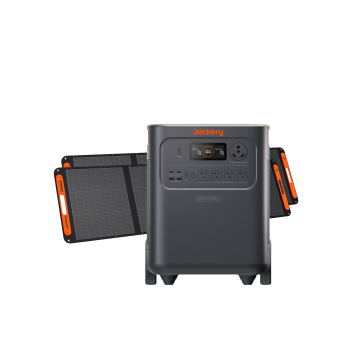
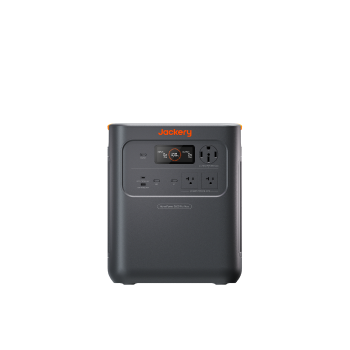
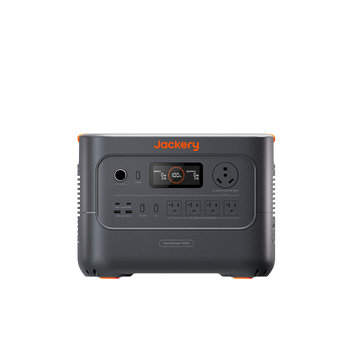
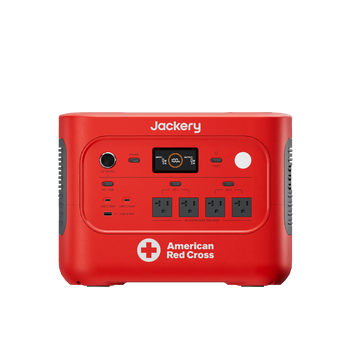
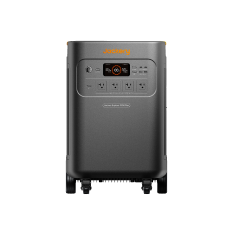
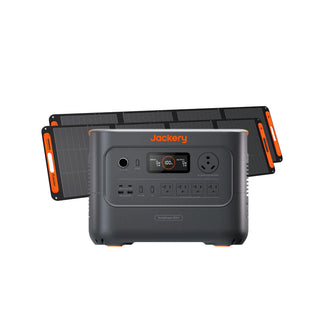
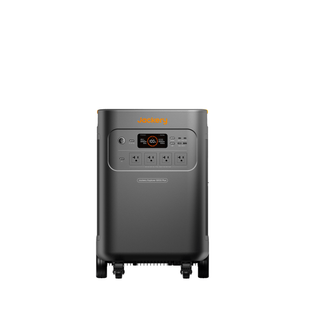
The Jackery Solar Generator HomePower 3600 Pro Max delivers true 240V output up to 4,000W from a single unit, or 8,000W in parallel. That is enough to run most 240V hot tub heaters directly, and on its 3,584Wh battery, a 3,000W heater would run for close to an hour on a single charge, comfortably covering a typical daily heating cycle. Its Time-of-Use mode automatically shifts charging to off-peak hours and discharges when rates spike, which can save up to $4,238 a year on a fully expanded system. When you are not powering your hot tub, this home battery backup can keep other essentials powered.
Appliances Running Time
- Portable Hot Tub (4000W) = 48 min
- Pool Pump (1500W) = 2.0H
- Pool Heater (3000W) = 1.0H
- Pool Lights (300W) = 9.5H
- Filtration System (1500W) = 2.0H
Who Should Buy This
The Jackery Solar Generator HomePower 3600 Pro Max is ideal for homeowners with a mid-size 240V hot tub (heater draw up to 4,000W per unit) who want to shift heating to off-peak electricity rates automatically, or who live somewhere outages are common enough that losing a heat cycle mid-soak is a regular annoyance rather than a rare event.

Customer Review
Been using this now for a couple weeks. Loving it. It seems to be working great for my usage.
— Nancy J.
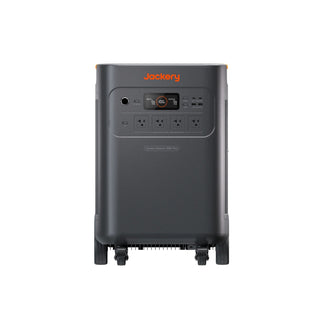
Jackery Solar Generator 5000 Plus
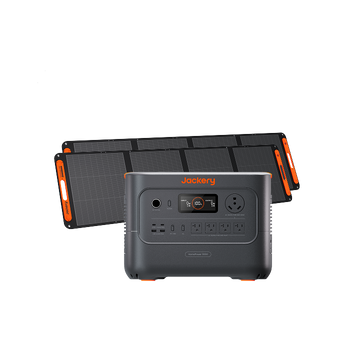
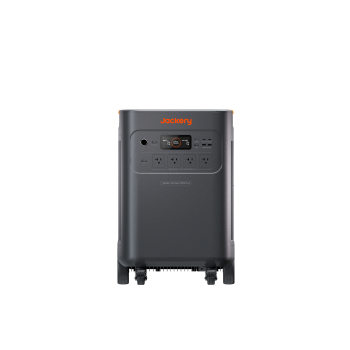
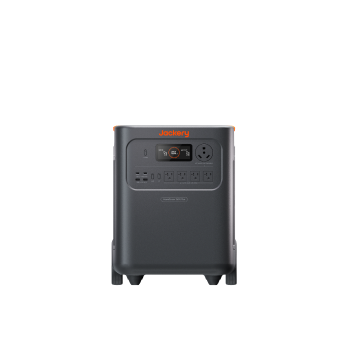
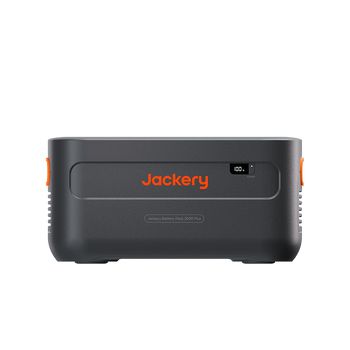
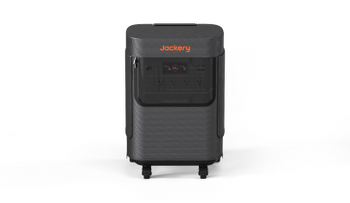
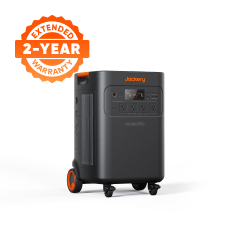
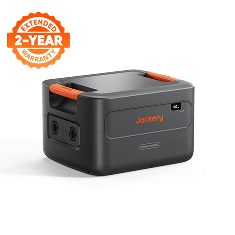
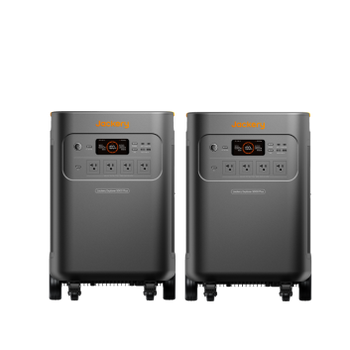
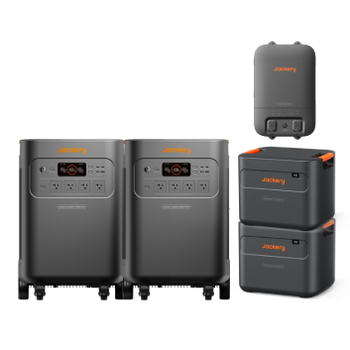
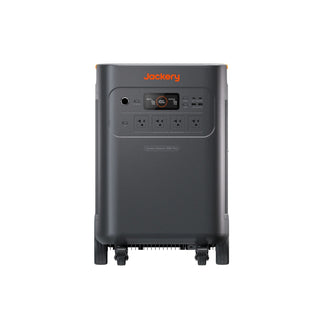
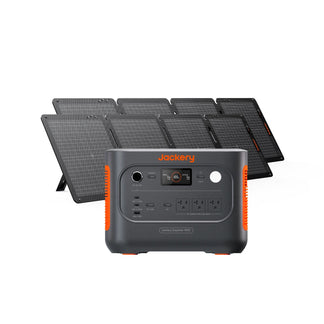
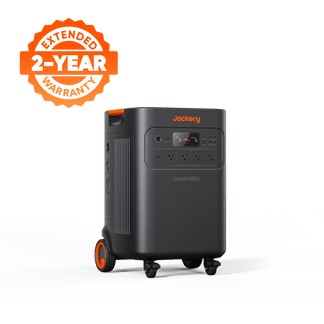
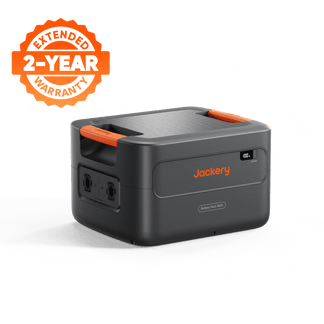
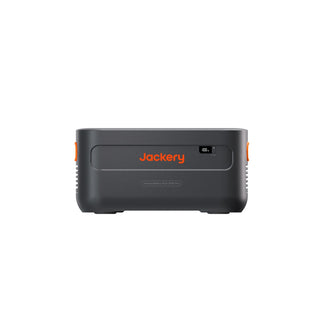
The Jackery Solar Generator 5000 Plus holds 5,040Wh with a 7,200W continuous output (14,400W surge) across both 120V and 240V, which means it can run a large 6,000W hot tub heater and its circulation pump at the same time, with headroom left over for other appliances. On a full charge, a 6,000W heater alone would run for roughly 50 minutes, which is enough for a full daily heating cycle even on the largest home hot tubs. It is expandable up to 60kWh with add-on battery packs and another similar unit connected in parallel if you want power for heavy duty essentials.
Appliances Running Time
- Portable Hot Tub (4000W) = 1.1H
- Pool Pump (1500W) = 2.8H
- Pool Heater (3000W) = 1.4H
- Pool Lights (300W) = 12.2H
- Filtration System (1500W) = 2.8H
Who Should Buy This
The Jackery Solar Generator 5000 Plus is ideal for owners of large or high-wattage 240V hot tubs, anyone who wants one unit to cover the hot tub plus refrigerator, WiFi, and lighting during a multi-day outage, or households in areas with frequent or extended power interruptions who'd rather size up once than outgrow a smaller unit in a year.

Customer Review
I received the Explorer 5000 Plus solar generator to use to run my home if the power goes out. It works great and will run my whole home if the power goes out.
— Dennis Carlson.
How Much Does It Cost to Run a Hot Tub FAQs
How much does it cost to run a hot tub per month?
Most homeowners see their electricity bill rise by $20 to $60 a month from a hot tub, though this depends heavily on tub size, insulation quality, and how often it's used. The simplified 30-minute-a-day calculation earlier in this article gives a lower baseline ($8–$16/month), but real-world bills run higher because heaters cycle on and off throughout the day to maintain temperature rather than heating just once.
Is it cheaper to keep a hot tub on all the time?
Yes, it is generally cheaper to run a hot tub continuously rather than turning it on and off frequently. This is because the heater needs to expend more energy to heat the water from scratch each time while maintaining a constant temperature.
Can I turn my hot tub off at night?
While you can turn off the hot tub at night, it is generally not recommended. Keeping the hot tub running even at a lower temperature will lead to lower electricity costs in the long run.
How much will an inflatable hot tub raise my electric bill?
The impact of an inflatable hot tub on your electric bill depends on usage and weather. On average, an inflatable hot tub uses between 3.5 and 6 kilowatt-hours (kWh) per day, but this can vary widely. If the electricity rate in your area is 18.34 cents per kWh, the monthly electricity bill will increase by $20.54 - $35.21.
Can a solar generator actually power a 240V hot tub?
Yes, a solar generator actually can power a 240V hot tub, as long as the unit is rated for it. Many portable power stations only output 120V and can't run a 240V heater at all. Jackery Solar Generator HomePower 3600 Pro Max and Jackery Solar Generator 5000 Plus are both built with native 240V output specifically to handle loads like hot tub heaters, well pumps, and dryers, so they can run the heater and pump directly rather than needing a workaround or step-up converter.
Conclusion
The honest answer to "how much does a hot tub cost to run" is: it depends. Once you know your heater's wattage, how often you actually use the tub, and your local electricity rate, the math is straightforward. The total cost to run a hot tub, including basic maintenance, usually settles somewhere between $300 and $1,000 a year for most households. Where a Jackery Solar Generator changes the equation is twofold: it can shift some of that electricity cost off the grid entirely, and it keeps the heater and pump running through outages instead of forcing a cold restart.


