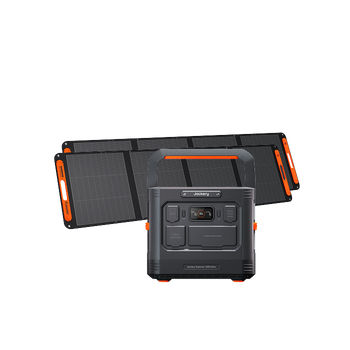

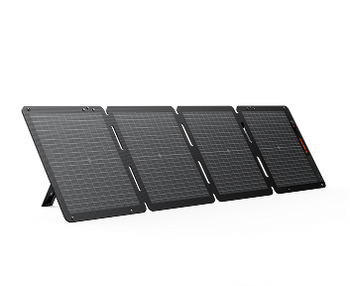
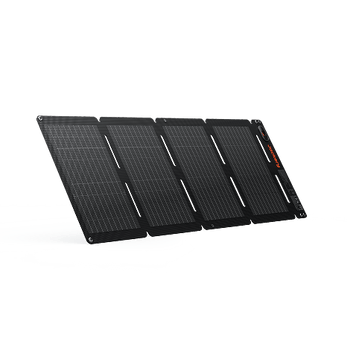



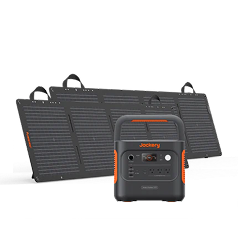
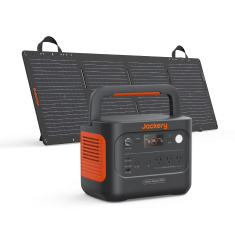



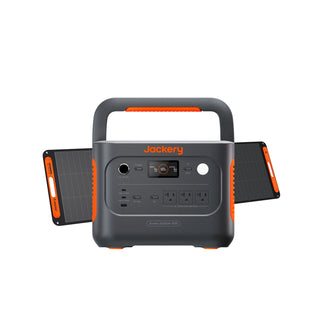
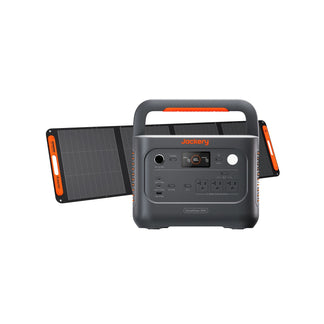
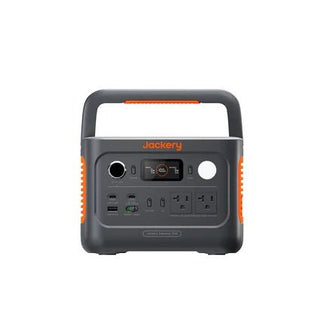
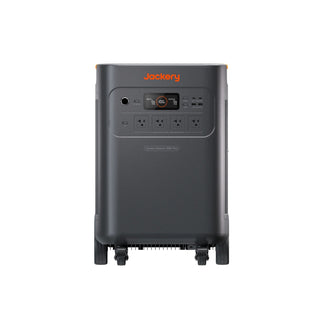

![[Add-on] Jackery SolarSaga 500 X - Jackery](http://www.jackery.com/cdn/shop/files/add-on-jackery-solarsaga-500-x-1493607.webp?v=1786503068&width=324)
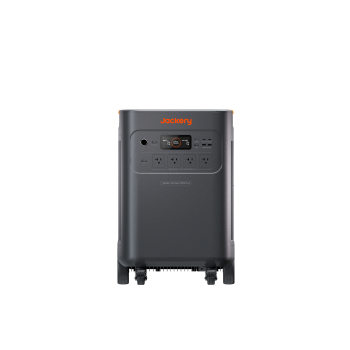
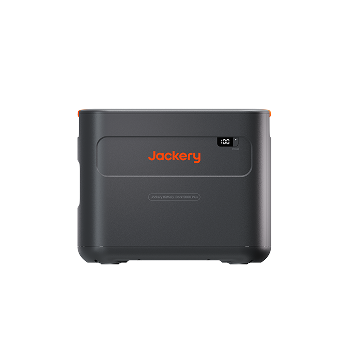
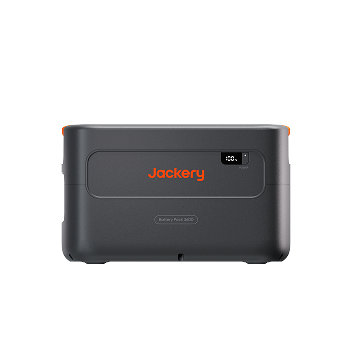
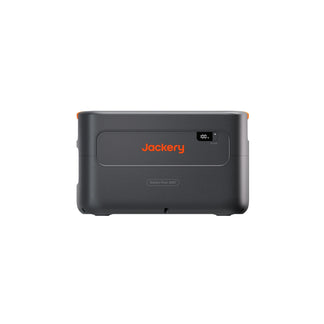
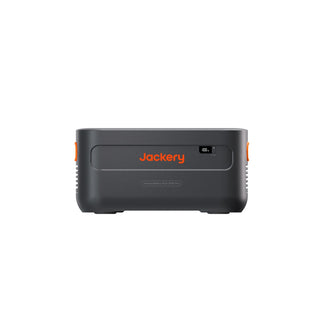
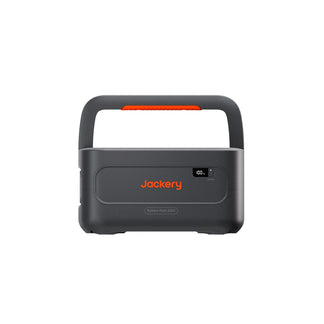
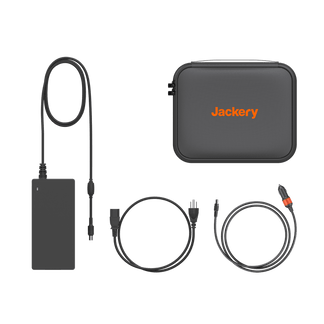
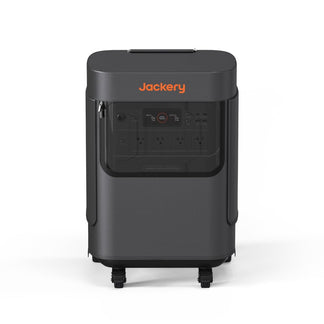
![[Add-on] Jackery Battery Pack 5000 Plus - Jackery](http://www.jackery.com/cdn/shop/files/add-on-jackery-battery-pack-5000-plus-6713401.webp?v=1786503068&width=324)




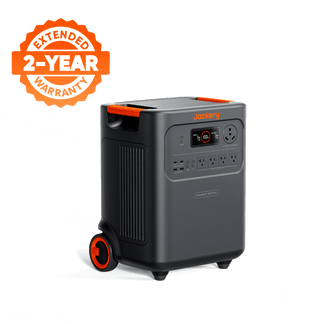
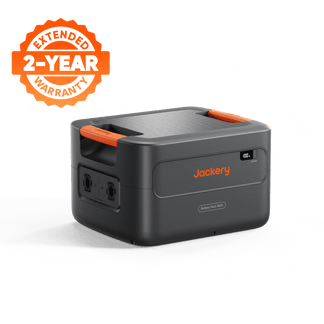
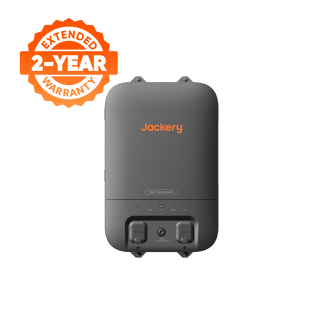


A 60W bulb running 5 hours a day costs about $0.06 daily and $1.65 a month at the US average electricity rate of 18.34 cents per kWh, contributing to roughly $19.81 a year. The US Department of Energy estimates lighting accounts for around 15% of the average home's electricity use once every fixture in the house is counted, which is a much bigger number than any single bulb suggests.
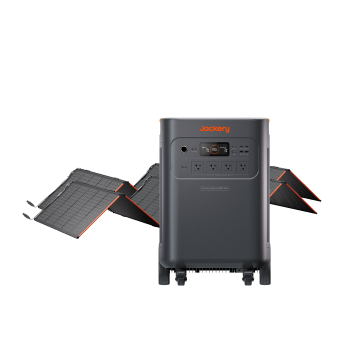
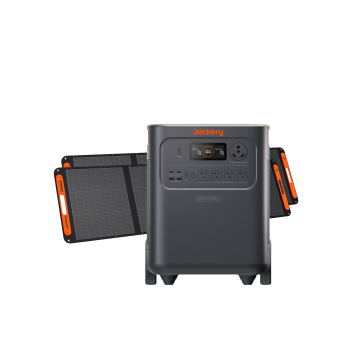
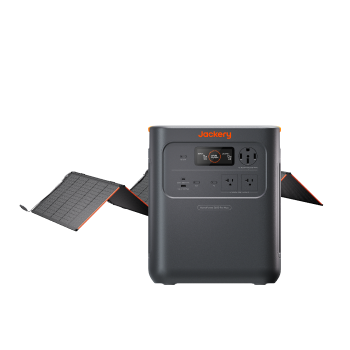
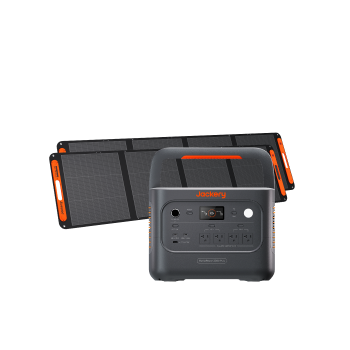
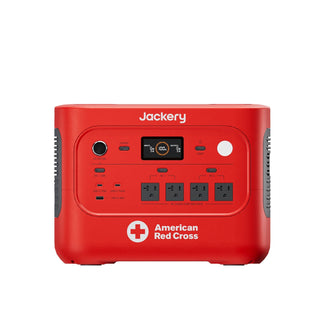
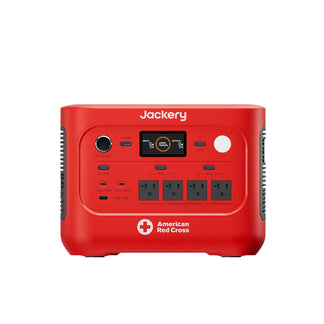
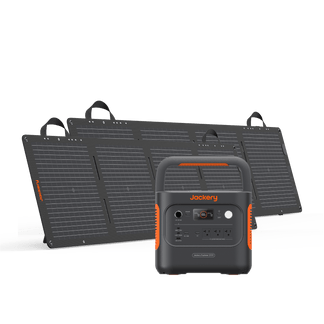
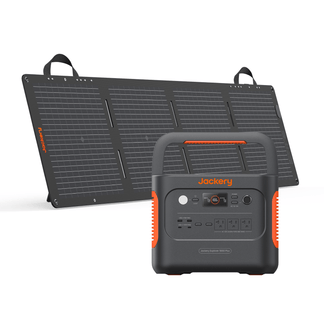
Since lighting draws so little power per fixture, it is also one of the easiest loads to run entirely off battery backup, whether that is for a single reading lamp or the whole house during an outage. Jackery Solar Generators can keep lights running for many hours, or even days, on a single charge. These solar generators are a genuinely practical use for solar-stored energy that does not require much capacity to make a real difference.
Key Takeaways
- Light bulb wattage ranges from about 5W for a modern LED to 100W for an old-style incandescent, with most common household bulbs falling between 8W and 60W.
- At the US average rate of 18.34¢/kWh, a 60W bulb running 5 hours a day costs about $0.06 daily, $1.65 monthly, and roughly $19.81 a year.
- Switching from incandescent to LED for the same brightness cuts the electricity cost by around 85%, and the bulb itself lasts up to 25 times longer.
- Jackery Solar Generators can keep lighting running for hours to days at a time, whether for one room or an entire home during a power outage.
How Many Watts Does a Light Bulb Use?
Bulb wattage depends almost entirely on the technology behind it, since different bulb types need very different amounts of power to produce the same amount of visible light.
|
Bulb Type |
Typical Wattage |
|
LED |
5W – 15W |
|
CFL (Compact Fluorescent) |
9W – 25W |
|
Smart Bulb |
7W – 15W |
|
Halogen |
35W – 70W |
|
Incandescent |
40W – 100W |
You can look up the exact draw for a specific bulb in our guide on how many watts does a light bulb use, and if you need the amperage for wiring purposes, our guide on how many amps does a light bulb use covers that conversion.
How Much Does It Cost to Run a Light Bulb?
The cost to run a light bulb can be easily calculated by multiplying the bulb's wattage by the hours it runs per day, dividing by 1,000 for kilowatt-hours, then multiplying by your electricity rate.
For example, a 60W incandescent bulb running 5 hours a day uses 0.3 kWh daily. At the national average rate of 18.34 cents per kWh, that is $0.06 a day, $1.65 a month, and about $19.81 a year for a single bulb.
How Much Does It Cost to Run a Light Bulb by State
Electricity rates depend on where you live. For example, the same bulb can cost roughly three times as much to run in one place versus another. If you have a 60W bulb running 5 hours a day as the baseline, here is how much it will cost in different US states:
|
State |
Rate (¢/kWh) |
Daily Cost |
Monthly Cost |
Yearly Cost |
|
New Jersey |
24.95 |
$0.07 |
$2.25 |
$26.95 |
|
New York |
29.49 |
$0.09 |
$2.65 |
$31.85 |
|
Illinois |
19.89 |
$0.06 |
$1.79 |
$21.48 |
|
Ohio |
19.19 |
$0.06 |
$1.73 |
$20.73 |
|
North Dakota |
14.12 |
$0.04 |
$1.27 |
$15.25 |
|
South Dakota |
15.36 |
$0.05 |
$1.38 |
$16.59 |
|
Florida |
15.10 |
$0.05 |
$1.36 |
$16.31 |
|
Georgia |
16.36 |
$0.05 |
$1.47 |
$17.67 |
|
North Carolina |
14.74 |
$0.04 |
$1.33 |
$15.92 |
|
South Carolina |
15.55 |
$0.05 |
$1.40 |
$16.79 |
|
Texas |
15.94 |
$0.05 |
$1.43 |
$17.22 |
|
Colorado |
17.13 |
$0.05 |
$1.54 |
$18.50 |
|
Idaho |
14.37 |
$0.04 |
$1.29 |
$15.52 |
|
Alaska |
28.21 |
$0.08 |
$2.54 |
$30.47 |
|
Hawaii |
52.72 |
$0.16 |
$4.74 |
$56.94 |
|
US Average |
18.34 |
$0.06 |
$1.65 |
$19.81 |
Source: Electric Power Monthly, U.S. Energy Information Administration (EIA)
Note: These figures assume a 60W bulb running 5 hours a day. Rates change periodically, so check the EIA link above for the latest figures in your state.
Remember, the costs mentioned above are calculated for running one light bulb. The costs can multiply if you run multiple light bulbs in different rooms.
LED vs. CFL vs. Incandescent: How Much Does It Cost to Run?
Bulb type matters more than almost anything else in this calculation, since different technologies can use wildly different amounts of power to produce the same brightness. Here is what it costs to produce roughly the same light output (around 800 lumens, a standard "60-watt equivalent") across three common bulb types, running 5 hours a day at the national average rate:
|
Bulb Type |
Wattage (800-Lumen Equivalent) |
Annual Electricity Cost |
Typical Lifespan |
|
Incandescent |
60W |
$19.81 |
~1,000 hours |
|
CFL |
14W |
$4.62 |
~10,000 hours |
|
LED |
9W |
$2.97 |
~25,000 hours |
The electricity savings alone make LED the clear winner, about 85% less than incandescent for the same brightness, but the lifespan difference compounds it further. An incandescent bulb burning 5 hours a day lasts roughly 200 days before needing replacement, while an LED running the same schedule can last over 13 years. Even though LED bulbs cost more upfront, the combination of lower electricity use and far fewer replacements over time makes them the cheaper option by a wide margin once you look past the sticker price.
CFL sits in an odd middle spot in 2026: it is a real improvement over incandescent, but LED has gotten cheap enough that CFL rarely makes sense as a first choice anymore, mainly persisting in fixtures that have not been updated yet. CFLs also contain a small amount of mercury, which incandescent and LED bulbs don't, adding a disposal consideration LED doesn't carry. For anyone replacing bulbs today, LED is close to a default choice rather than one option among three genuinely competitive ones.
How Much Does It Cost to Leave a Porch Light On All Night?
This is one of the most common lighting cost questions, and the answer depends heavily on bulb type. Running a porch or security light dusk-to-dawn (about 12 hours a night) at 60W incandescent costs roughly $0.13 a night, or about $3.96 a month at the national average rate. Switch to a 9W LED equivalent, and the cost reduces to about $0.02 a night, or $0.59 a month.
There is a difference of over $3 a month for one fixture left on the same schedule. For anyone running several outdoor fixtures on a dusk-to-dawn schedule, the cost gap compounds quickly across a year, which is part of why LED conversions for outdoor lighting tend to pay for themselves faster than indoor swaps.
How Much Does It Cost to Run a Light for a Whole Home?
Single-bulb math is useful, but it undersells how lighting adds up once every fixture in the house is counted, including overhead lights, lamps, closets, porch lights, and everything in between. Based on the Department of Energy's estimate that lighting represents around 15% of a typical home's electricity use, a household paying close to the national average monthly electric bill can expect somewhere in the range of $20 to $30 a month, or roughly $240 to $360 a year, going toward lighting alone.
Homes still running mostly incandescent bulbs tend to land at the higher end of that range, while homes that have already switched to LED throughout typically come in well under it. That means the "15% of your bill" figure is not fixed. It is a reflection of how efficient your bulbs already are.
If you would rather build your own estimate than rely on a percentage, a rough room-by-room count works reasonably well: multiply each fixture's wattage by its typical daily hours, add up the totals across every room, and run that combined wattage through the same formula used earlier in this guide. A home with 20 to 25 mixed fixtures running a few hours a day each will often land close to the DOE estimate above, though a household with unusually long lighting hours, such as a home office lit all day, can run higher.
How Much Does It Cost to Run a Holiday and String Light?
Seasonal lighting is one of the more overlooked additions to a winter electricity bill, largely because it runs for several hours a night over a stretch of weeks rather than year-round. The bulb type matters just as much here as it does indoors.
Running a 300W incandescent holiday display for 6 hours a night across a typical 40-night season (Thanksgiving through New Year's) costs about $13.21 for the whole season at the national average rate.
An LED equivalent set producing similar brightness at roughly 30W costs about $1.32 for the same stretch, which is a difference of nearly $12 for one holiday season alone. Multiply that across several years of putting up the same display, and the case for switching an outdoor light show to LED gets considerably stronger than the sticker price on the string lights themselves might suggest.
Official Tips to Reduce the Cost of Run a Light Bulb
According to the US Department of Energy reports, lighting accounts for nearly 15% of an average home's electricity use. If you switch to LED lighting, you can save up to $225 in energy costs per year. If the cost to run a light bulb is higher, here are some ways to reduce the overall expenses:
Switch to Energy Star Certified LEDs
LEDs consume up to 90% less energy and last up to 25 times longer compared to traditional incandescent bulbs. Even though LEDs are expensive, they can help you save money by lasting longer and consuming less energy.
Turn Off Lights When Not in Use
When you are leaving the room, consider turning off the lights. A simple habit like turning off the lights when not required can help you save electricity costs. You can also open the windows and doors so natural light can illuminate the space to reduce lighting costs.
Choose a Solar Generator for Lights
Solar generators can help you power different lighting solutions and other household appliances, such as coolers, refrigerators, fans, etc. Jackery Solar Generators can power light bulbs and other appliances, reducing your reliance on electricity bills. They are portable in design, so you can carry them anywhere to power indoor or outdoor lighting.
Add Motion Sensors or Timers Outdoors
Porch lights, floodlights, and driveway lighting often run far longer than necessary out of habit. A motion sensor or timer cuts that runtime down to when it is actually needed.
Turn Off Lights in Empty Rooms
It is a simple habit, but it is also one of the few savings that costs nothing to implement and applies to every bulb in the house equally.
Choose the Right Brightness for the Task
A single bright overhead fixture running all evening in a room where you only need reading-lamp-level light wastes energy that a smaller, targeted light would not.
Dim or Schedule Smart Bulbs
Smart bulbs that support dimming use less power at lower brightness settings, and scheduling them to turn off automatically at a set time removes the "forgot to turn it off" cost entirely.
How to Save on Your Electricity Bills With Jackery Solar Generators
A single LED bulb is genuinely one of the cheapest things you can leave running in a house. A 10W bulb burning 5 hours a night costs about $0.009 a day, or roughly $0.27 a month, at the US average electricity rate. The catch is that nobody runs just one bulb.
A home with 20 bulbs lit for the same 5 hours adds up to closer to $5.40 a month, and that's before counting outdoor fixtures, closets left on by habit, or the switch to older incandescent bulbs that pull 5 to 6 times more power for the same light.
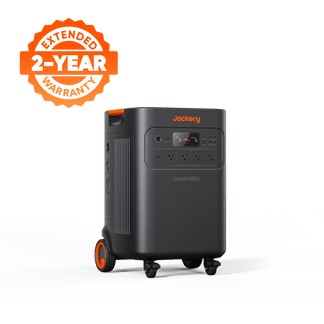
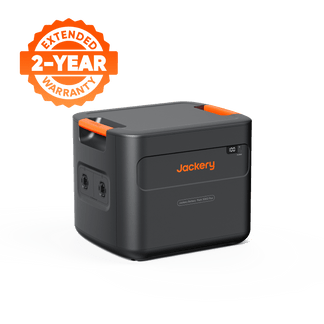
Jackery Solar Generators can meaningfully lower electricity bills by reducing reliance on the grid and powering appliances, such as lights, refrigerators, ACs, etc., with the help of stored power. Here are some of the ideal battery backup solutions for solar-powered light bulbs:
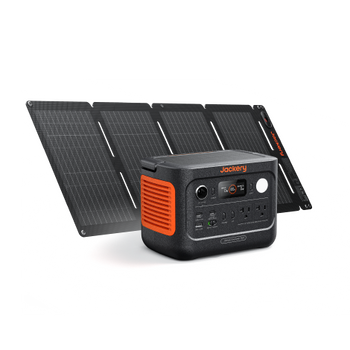
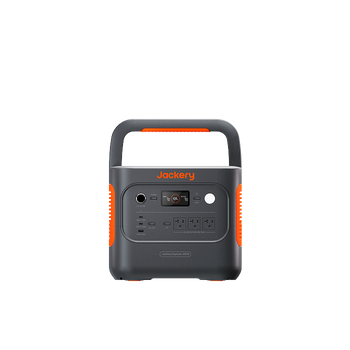
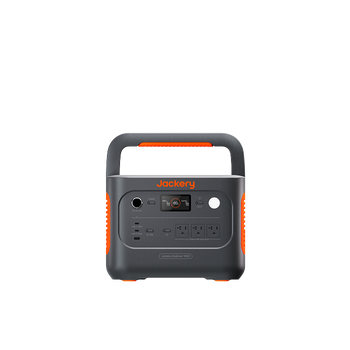
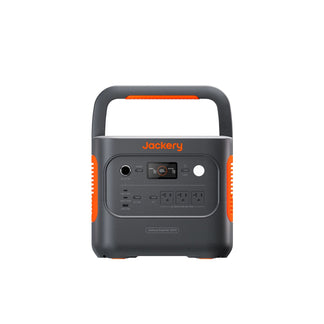
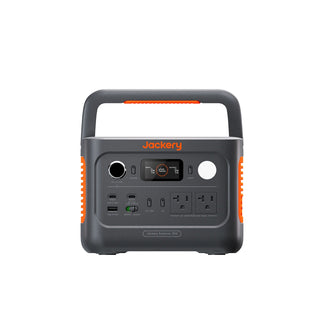
Jackery Solar Generator 300 v2
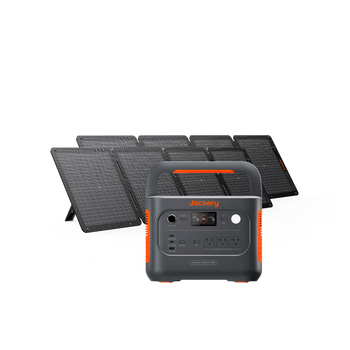
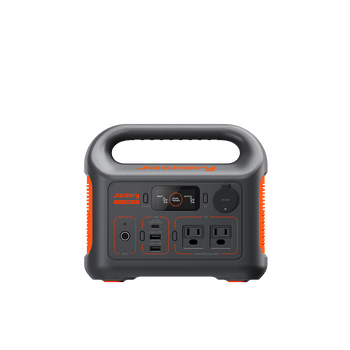
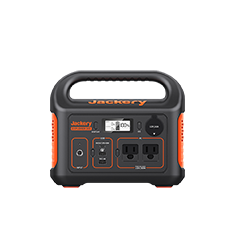
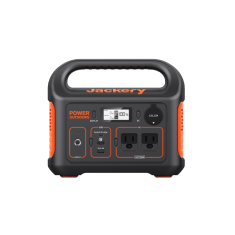
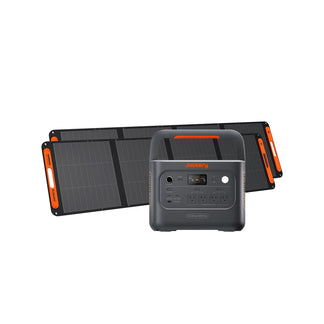
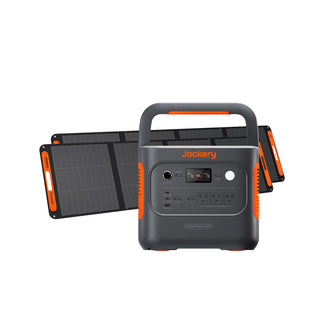
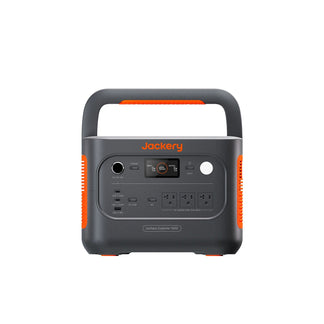
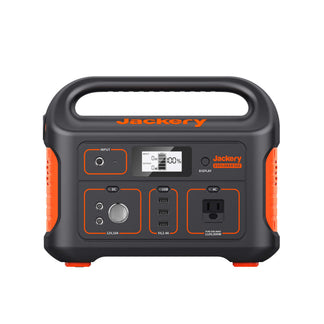
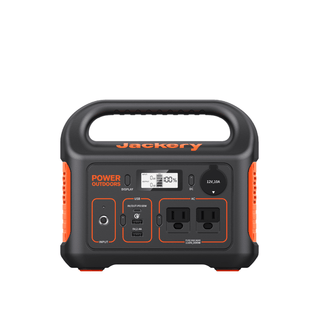
The Jackery Solar Generator 300 v2 is a compact, 288Wh unit built for lighter lighting needs, such as a bedside lamp, a string of outdoor lights, or a single room during a short outage. For an LED bulb running 5 hours a day, that is an almost negligible grid cost, and the Jackery Solar Generator 300 v2 can cover it many times over on a single charge from a solar panel. It can also double as your outdoor battery backup solution to run lights, portable fans, etc.
Appliances Running Time
- Desk Table Lamp (100W) = 2.1H
- Porch Light (100W) = 2.1H
- Garage Overhead Light (150W) = 1.5H
- Dining Room Chandelier (200W) = 1.1H
- Floor Lamp (180W) = 1.2H
Who Should Buy This
The Jackery Solar Generator 300 v2 is ideal for anyone who mainly needs backup lighting for a single space, camping or emergency kits, or a lightweight, grab-and-go option rather than whole-home coverage, especially if portability matters more than raw runtime.

Customer Review
Exactly what I needed to use in my home office where I do not have enough outlets. Plenty of reliable and steady power for my laptop. Lightweight and the solar panel is a great bonus.
— Linda D.M.
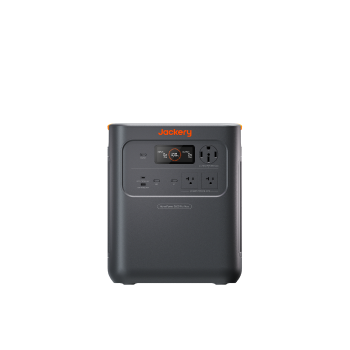
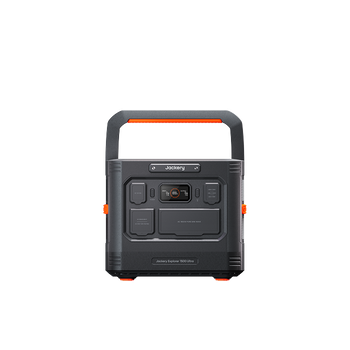
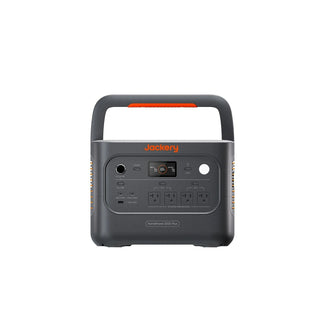
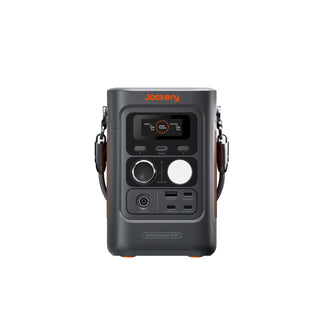
Jackery Solar Generator 600 v2
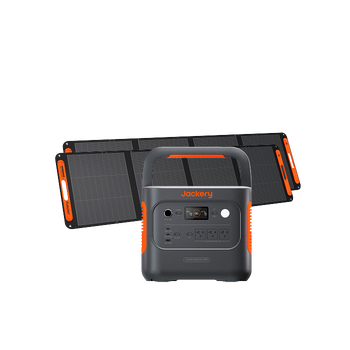
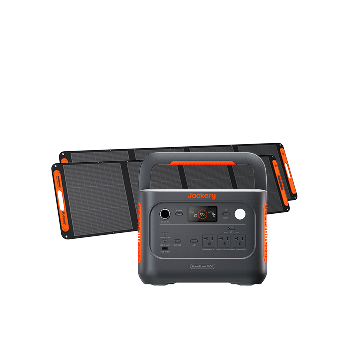
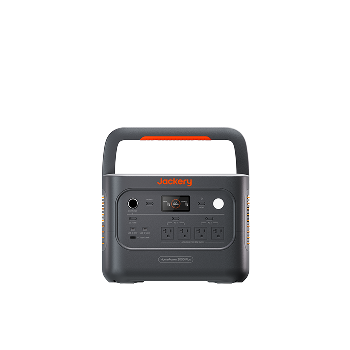
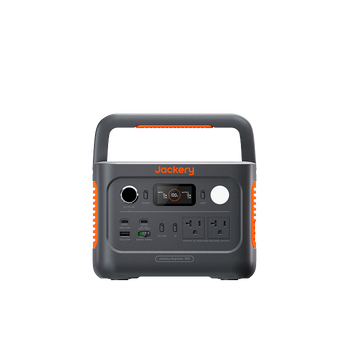
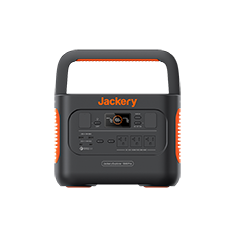
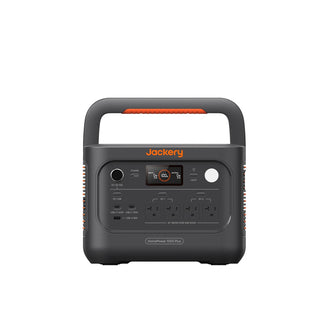
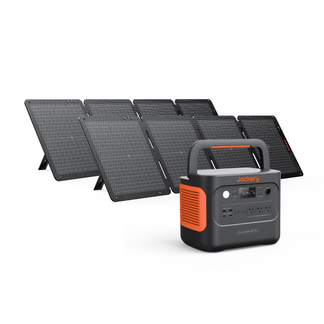
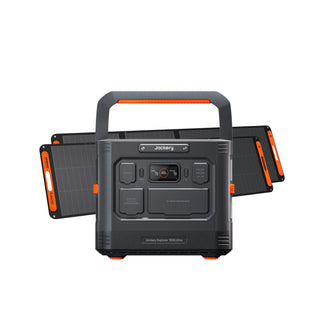
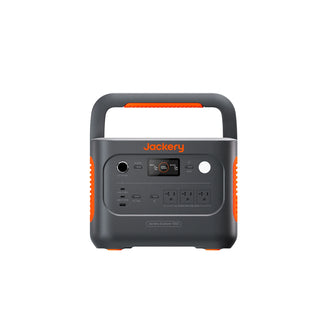
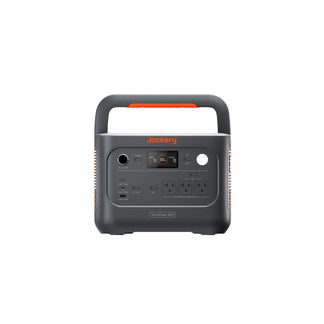
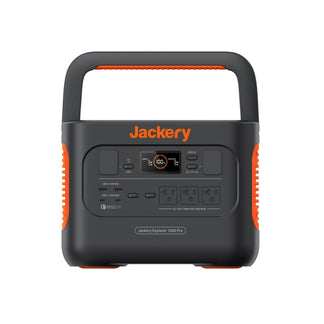
The Jackery Solar Generator 600 v2 is one of the best battery backups for light bulbs that can comfortably cover a few rooms' worth of lighting at once, or a longer stretch of use for a single fixture. It is a solid middle ground for anyone who wants more than single-room coverage without stepping up to a larger system. It features six versatile output ports to run multiple appliances at the same time. It also features a foldable handle so you can easily move the power station and keep appliances powered during home backup, RV trips, and in the home office.
Appliances Running Time
- Desk Table Lamp (100W) = 4.8H
- Porch Light (100W) = 4.8H
- Garage Overhead Light (150W) = 3.3H
- Dining Room Chandelier (200W) = 2.5H
- Floor Lamp (180W) = 2.8H
Who Should Buy This
The Jackery Solar Generator 600 v2 is a good fit for multi-room lighting during an outage, outdoor event lighting, or households that want a bit more runtime margin than the smallest unit offers, especially if a second small appliance like a fan or phone charger needs to share the same charge.

Customer Review
Great investment worth the money spent on it. Great for outdoor activities, especially to light up the night. Recommend this product...is a must have specially if you are a vendor doing night events or just out camping.
— Adrian M.
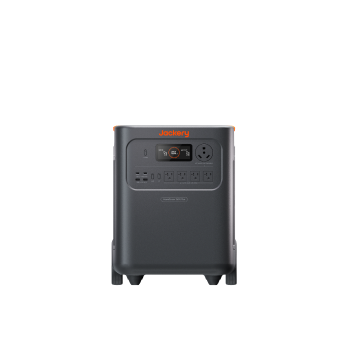
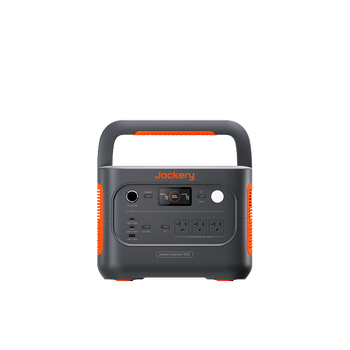
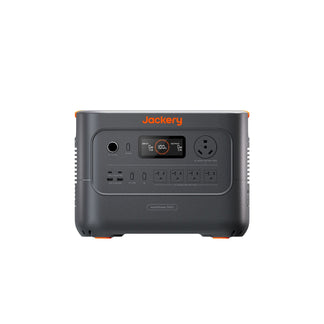
Jackery Solar Generator 1000 v2
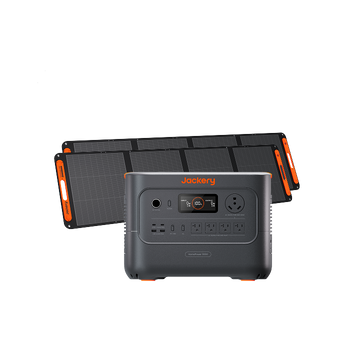
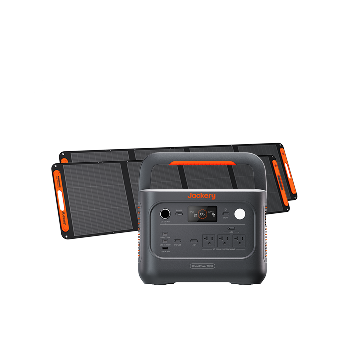
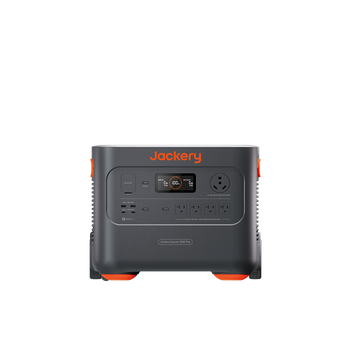
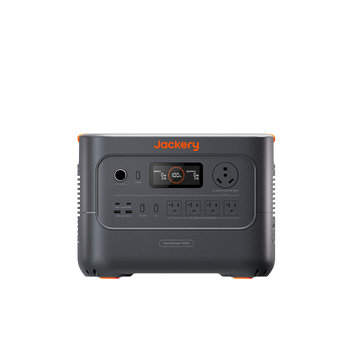
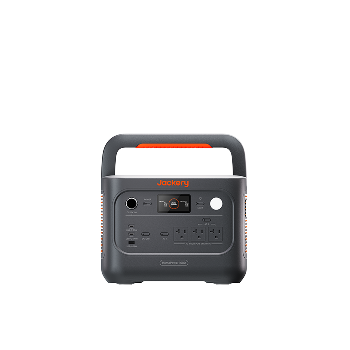
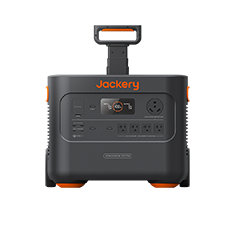
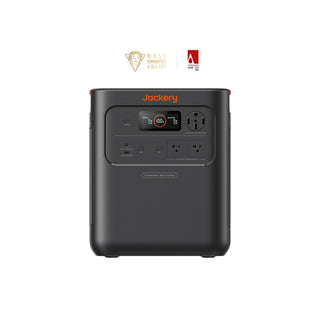
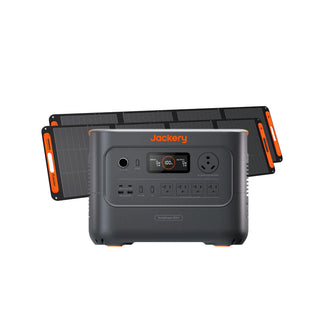
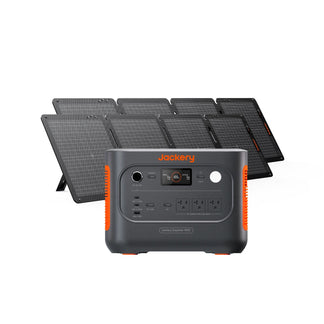
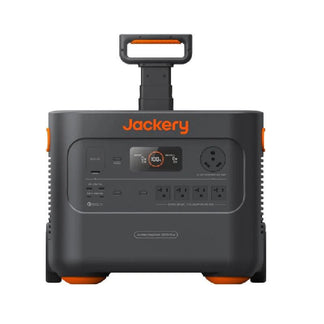
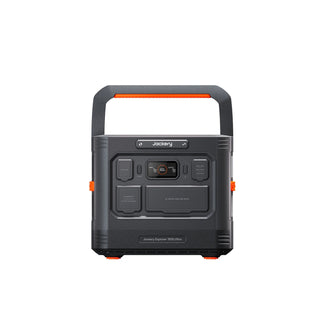
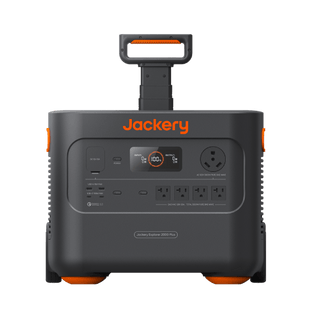
For home lighting during an extended outage, the Jackery Solar Generator 1000 v2 offers 1,070Wh of capacity with 1,500W of output. It is enough to keep lighting running across an entire house for days, with room left over for a grow light or a small appliance on the same charge. Its UPS mode switches power in under 20 milliseconds for continuous operation of your devices during power outages or voltage fluctuations.
Appliances Running Time
- Desk Table Lamp (100W) = 7.6H
- Porch Light (100W) = 7.6H
- Garage Overhead Light (150W) = 5.3H
- Dining Room Chandelier (200W) = 4.1H
- Floor Lamp (180W) = 4.5H
Who Should Buy This
The Jackery Solar Generator 1000 v2 is the right choice for whole-home lighting backup, a household running a grow light setup, or anyone who wants enough headroom to cover lighting plus a couple of other essentials during a multi-day outage.

Customer Review
I bought the Jackery Solar Generator v2 for a camping festival that was coming up. The generator itself is amazing. The screen is clear, it took no time to charge at home to 100%, and with the combined solar panel, I was able to keep the generator over 40% after charging tons and tons of phones, fans, portable lights, even a giant Misting fan.
— John-Mike N.
How Much Does It Cost to Run a Light FAQs
How much does it cost to run a grow light?
Grow lights typically use 300W to 500W per square meter of grow space. A 400W grow light running 12 hours a day costs about $0.88 daily and $26.41 a month at the national average electricity rate of 18.34 cents per kWh.
How much does it cost to run a fluorescent light?
Fluorescent lights typically draw 10W to 40W, with some older fixtures reaching up to 80W. A 25W fluorescent light running 6 hours a day costs about $0.83 a month and $9.90 a year at the national average rate of 18.34 cents per kWh.
How much does it cost to run a night light?
Most night lights are low-wattage, especially LED versions. A 4W night light running 8 hours a night costs a fraction of a cent per night, which is around $0.18 a month at the national average rate of 18.34 cents per kWh.
Is it worth paying more upfront for LED bulbs?
Generally, yes. LED bulbs cost more per bulb than incandescent, but they use about 85% less electricity for the same brightness and last up to 25 times longer, which means far fewer replacement purchases over the years on top of the lower electricity bill.
Do Christmas lights raise your electric bill a lot?
It depends on the bulb type. A modest incandescent holiday display running a few hours a night for the season can add roughly $13 to a winter electric bill, while an LED equivalent producing similar brightness typically adds a dollar or two for the same stretch.
Conclusion
A single light bulb barely registers as a cost on its own. However, multiplied across every fixture in a home, including the overhead lights, lamps, closets, outdoor fixtures, and seasonal displays, lighting adds up to a real, ongoing share of the electricity bill.
Switching to LED where it matters most, using natural light, and adding motion sensors outdoors all reduce that cost without any real sacrifice in brightness or convenience. And because lighting draws so little power to begin with, it's one of the simplest loads to run entirely off a Jackery Solar Generator, whether that is a single lamp during a short outage, a backyard string-light setup, or the whole house for several days running on stored solar energy.


