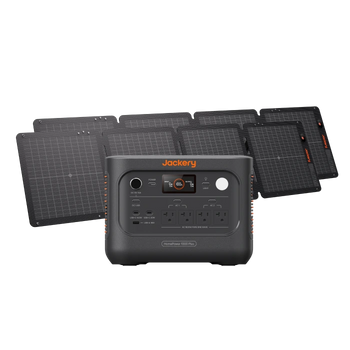
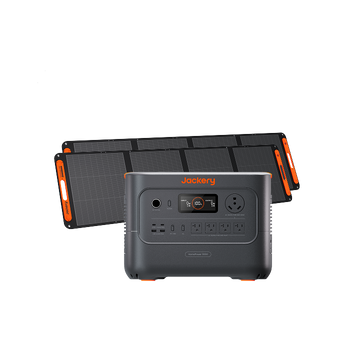
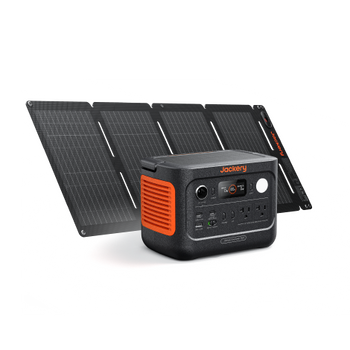

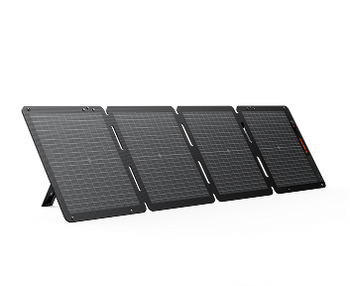
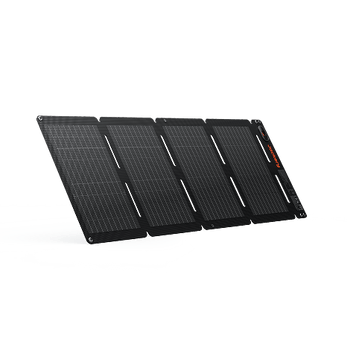


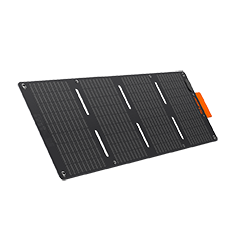




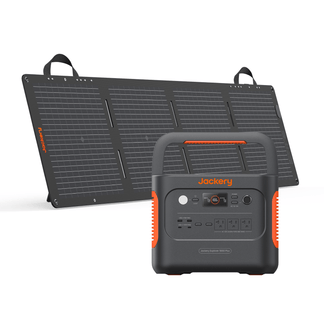
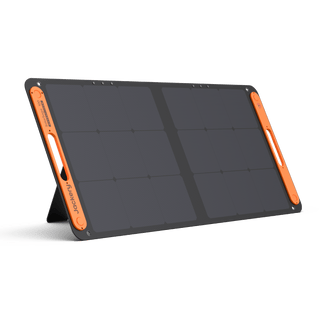
![[Add-on] Jackery SolarSaga 500 X - Jackery](http://www.jackery.com/cdn/shop/files/add-on-jackery-solarsaga-500-x-1493607.webp?v=1786503068&width=324)
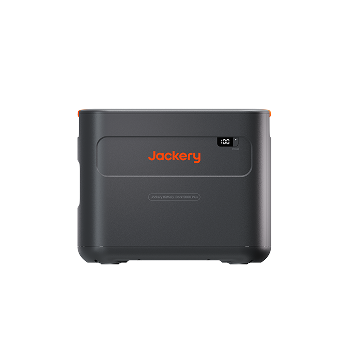
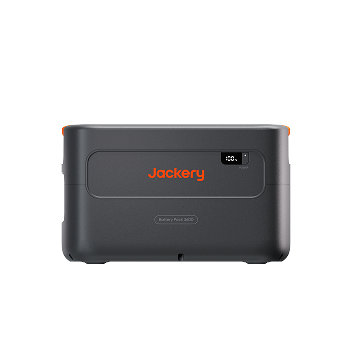
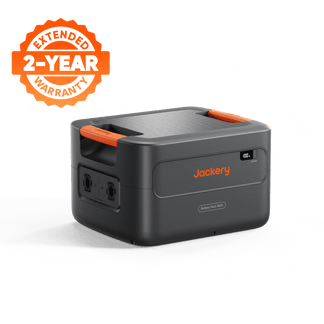
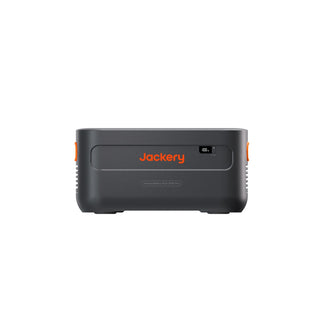
![[Add-on] Jackery Battery Pack 5000 Plus - Jackery](http://www.jackery.com/cdn/shop/files/add-on-jackery-battery-pack-5000-plus-6713401.webp?v=1786503068&width=324)




A light bulb draws between 0.03 and 0.83 amps on a standard 120V circuit, depending on type and wattage. LED bulbs sit at the low end, typically 0.03 to 0.13 amps for a standard 4 to 15-watt bulb. Traditional incandescent bulbs sit at the high end, drawing up to 0.83 amps for a 100-watt bulb. The type of bulb matters more than almost anything else on this list.
Nobody worries about a single light bulb tripping a breaker. That instinct is mostly right.
But "mostly" is doing some work in that sentence, especially once you are wiring a whole room, stringing up holiday lights, or trying to figure out how many fixtures a backup power source can actually carry at once.
The individual number is tiny. The math around it is where people get surprised.
Jackery's compact solar generators can easily run multiple lights and other basic devices for long hours. Since lighting is one of the lowest-draw categories in any home, even Jackery's smallest solar generators can run a genuinely large number of bulbs for a genuinely long time, which is what the rest of this guide walks through.
Key Takeaways
- A light bulb draws just 0.03–0.83 amps on a 120V circuit. LED bulbs sit at the very low end, while incandescent bulbs sit at the high end.
- Actual wattage is what matters, not "equivalent" wattage. A "60W equivalent" LED bulb only draws 8–10 actual watts, so always check the printed wattage on the bulb itself and not the brightness comparison on the box.
- Light bulbs have no startup surge. With no motor or compressor to overcome, an LED or CFL bulb draws the same current the instant it switches on as it does a minute later.
- Bulb base and shape don't affect amp draw. Two bulbs with completely different bases or shapes (E26, GU10, A19, BR30) can draw identical current if they share the same actual wattage.
- Switching to LED can cut a lighting bill by up to 75%. A 9-watt LED costs about $2.95/year to run 5 hours daily, versus roughly $19.67/year for an equivalent-brightness 60-watt incandescent.

How Many Amps Does a Light Bulb Draw by Type
Light bulbs operate at standard 120V and draw less than 1 amp. To find the exact amp draw, you can divide the bulb's wattage by 120V. Here is how the common bulb categories compare at 120V, based on actual (not equivalent) wattage.
|
Bulb Type |
Wattage |
Amp Draw |
|
Standard LED |
4-15W |
0.03-0.13A |
|
Smart LED (WiFi/Bluetooth, Active) |
7-10W |
0.06-0.08A |
|
CFL (Compact Fluorescent) |
9-32W |
0.08-0.27A |
|
Halogen |
29-72W |
0.24-0.6A |
|
Incandescent |
40-100W |
0.33-0.83A |
That gap between LED and incandescent isn't small. A 100-watt incandescent bulb draws roughly six times the current of a 15-watt LED that produces comparable brightness.
How Many Amps Do Low-Voltage Landscape Lights Use?
Outdoor landscape lighting usually runs differently than the bulbs inside your home, and it is worth understanding before you try to size a generator for it.
Most landscape lighting kits run on 12V rather than 120V, stepped down through a transformer plugged into a standard outlet. A typical 12V LED landscape fixture draws just 1 to 3 watts each, which sounds tiny, and is, until you multiply it across a 20 or 30-fixture path lighting run.
Here's the trick: you calculate amps on the 120V side of the transformer, not the 12V side, since that's what your circuit or generator actually sees. A transformer feeding 20 fixtures at 2 watts each pulls 40 watts total, which at 120V is a mere 0.33 amps. Hence, even a modest generator can handle an entire yard's landscape lighting without strain.
How Many Amps Do Holiday or String Lights Use?
A traditional incandescent mini-light string with 100 bulbs draws around 40 watts total, or 0.33 amps. The LED version of the same 100-bulb string typically draws just 4.8 to 8 watts, or roughly 0.04 to 0.07 amps.
That is the difference between running a handful of incandescent strings on a circuit and running dozens of LED strings on the same one. For anyone decorating a large yard or a campsite for an extended stretch, LED string lights are not just cheaper to run, but they also free up generator capacity for other things.
Example scenario: a household strings ten sets of 100-bulb incandescent lights around the yard for the holidays, totaling roughly 400 watts, or 3.3 amps. Replacing the incandescent lights with LED versions of the same ten strings drops that to under 80 watts total, leaving nearly the entire circuit free for anything else plugged in nearby.
How Many Amps Does a Light Bulb Draw on Startup?
A light bulb has no motor or compressor to overcome, so it draws essentially the same current the instant it's switched on as it does a minute later.
One small exception worth knowing: old-style incandescent filaments do draw a brief, tiny inrush current as the cold filament heats up, but it's a fraction of a second and far too small to matter for any practical circuit or generator sizing. LED and CFL bulbs don't even have this.
Does a Dimmer Switch Change the Amp Draw of a Light Bulb?
Yes, a dimmer switch can change the amp draw of a light bulb, and the relationship is fairly direct. A dimmer reduces the voltage or current reaching the bulb, which lowers both its brightness and its actual power draw at the same time.
One catch: not every LED bulb is dimmer-compatible. Running a non-dimmable LED on a dimmer switch can cause flickering, buzzing, or premature failure, regardless of what it does to the amp draw.
You should check the bulb's packaging for a "dimmable" label before assuming a dimmer will work cleanly with LED lighting.
Does Bulb Base or Shape Affect the Amp Draw?
No, the light bulb base or shape does not affect the amp draw directly, but it is a common point of confusion worth clearing up.
Base type (E26, GU10, candelabra) and shape (A19, BR30, R20, MR16) determine what fixtures a bulb physically fits into. Two bulbs with completely different bases can draw identical current if they share the same actual wattage.
What affects amps within a given base or shape is simply the wattage of the specific bulb you choose. A 9-watt BR30 LED and a 65-watt BR30 halogen draw very different current despite fitting the same fixture. You can check out the detailed guide to learn more about the power light bulb consumption: How Many Watts Does a Light Bulb Use.
How Do I Calculate My Light Bulb's Amp Draw?
To calculate the amp draw of a light bulb, you need to check the base of the bulb first. Actual wattage is printed directly on nearly every bulb, usually near the base, separate from any "equivalent" marketing number.
Convert watts to amps if that's all you have. A 9-watt LED bulb on a 120V circuit draws:
9W ÷ 120V = 0.075 amps
You can also use a plug-in power meter for a lamp or fixture you can unplug. This confirms the real draw, which is useful for older bulbs whose printed wattage has faded or worn off.
Can a Solar Generator Run My Lights?
Yes, a solar generator can run any combination of bulbs a household or campsite would realistically use at once. Since even a fully lit room of incandescent bulbs rarely exceeds a few hundred watts, lighting is one of the least demanding loads even a small Jackery Solar Generator handles. Calculating how long will a Jackery run light/lamp out of a single charge comes down to total battery capacity rather than output ceiling.
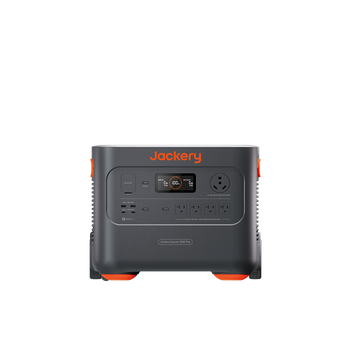
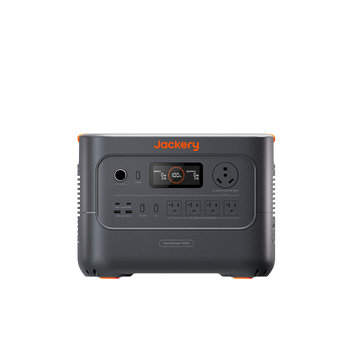
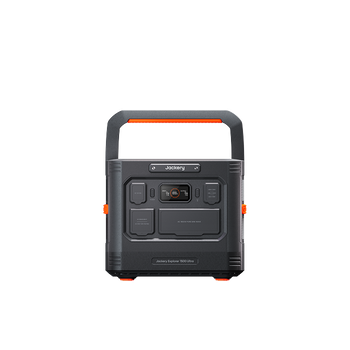
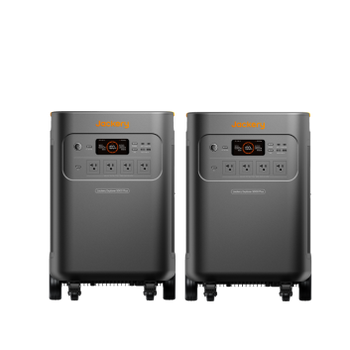
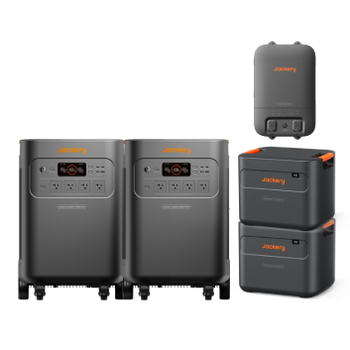
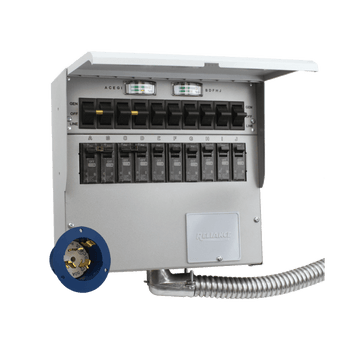
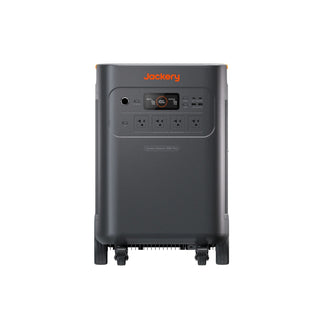
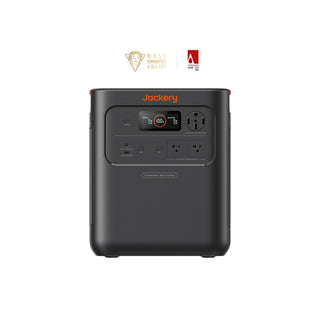
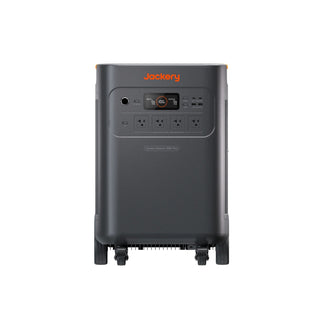
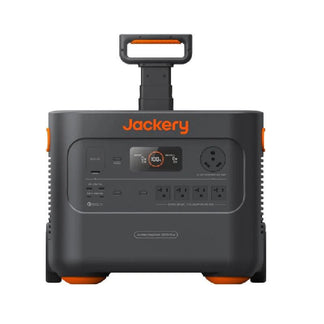
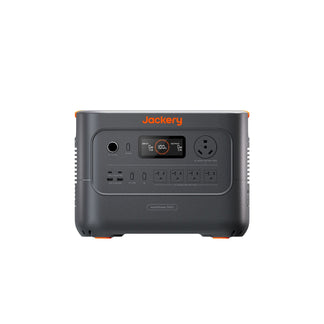
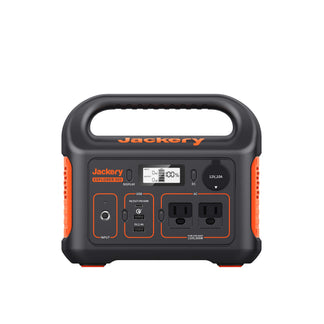
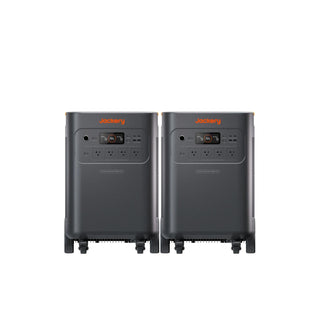
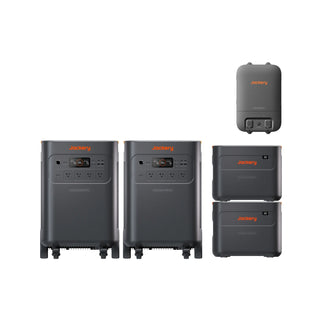
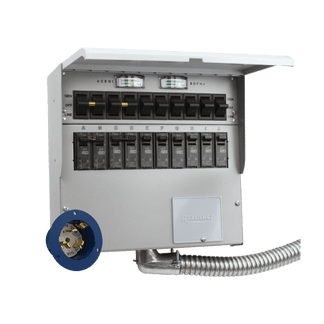
Storms rarely catch Richard Hart off guard. A retired air traffic controller, who spent decades planning for the unexpected, has built a Jackery system in his Tampa home that leaves nothing to chance: a Jackery Explorer 1000, a Jackery Explorer 2000, dual Jackery Explorer 5000 Plus units, and a Jackery Explorer 600 Plus, all tied into a sub-panel he can control with a single switch.
When Hurricane Milton knocked out the grid for three days, Richard Hart’s household never went dark. Lights stayed on in every room he had wired into the system, no flashlights, no fumbling in the dark, just power that kicked in the moment the outage hit. "I sleep through it," Richard says now. Browse more Jackery Stories to see how other families are keeping their homes lit through the next storm.
Recommended Jackery Solar Generator for Lights
Reliable lighting matters most during a storm-related power outage, while camping or overlanding far from any outlet, in an RV or off-grid cabin without steady utility access, during emergency preparedness for hurricanes and wildfires, or even for outdoor events, job sites, and backyard gatherings that run past sunset.
Jackery Solar Generator offers silent, fume-free operation unlike gas generators, multiple AC and DC outputs to run several lights and devices at once, fast recharging via solar panels for continuous off-grid use, and enough battery capacity to keep string lights, lanterns, or home lighting circuits running for hours or even days on a single charge.
Whether you need a single reliable light source for a tent or a home lighting backup during an extended blackout, the best battery backups for light bulbs deliver dependable, portable power exactly when and where you need it.
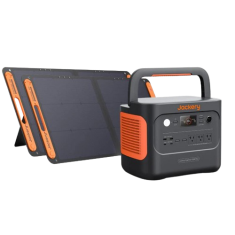
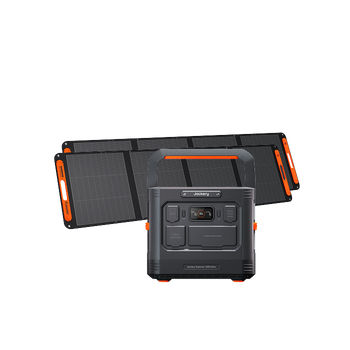
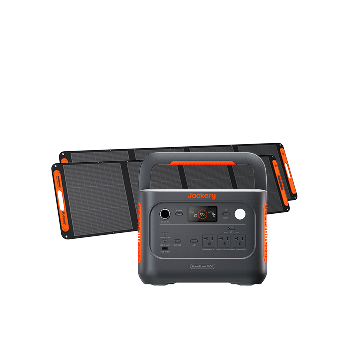
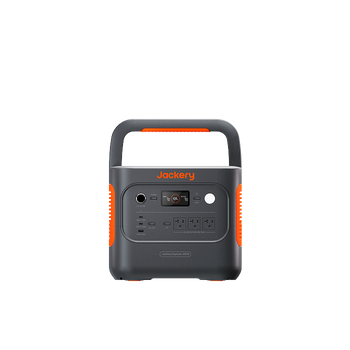
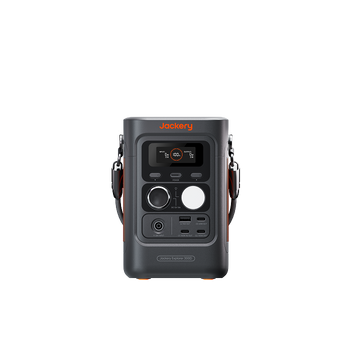
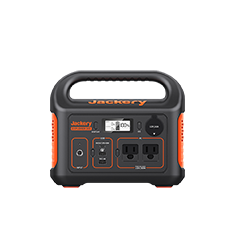
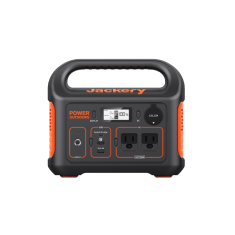
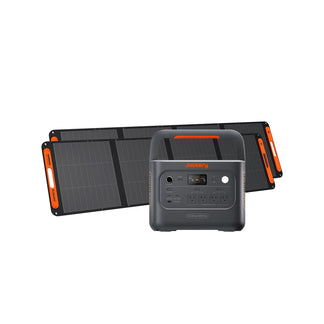
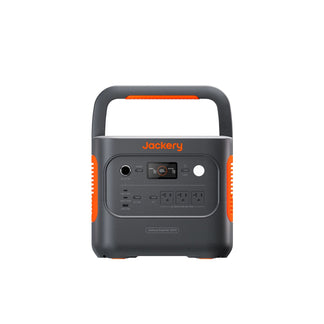
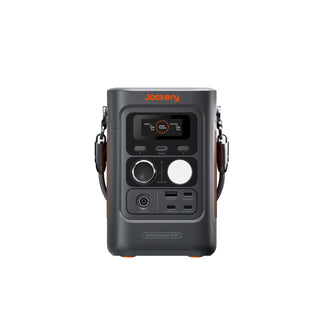
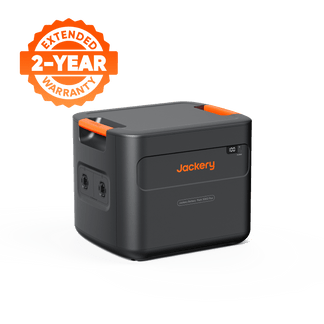
Jackery Solar Generator 240 v2
The Jackery Solar Generator 240 v2 is a small solar generator that can run a headlamp, a lantern, and a couple of string lights around the campsite. It is compact enough to fit in a daypack without a second thought, and it comfortably runs a handful of LED lights through a full night without coming close to its limit. For anyone who's ever fumbled with headlamp batteries at 2 a.m., having a small portable power station running a lantern simultaneously changes the whole camping lighting routine.
Appliances Running Time
- Standard LED (15W) = 8.4H
- Smart LED (WiFi/Bluetooth, Active) (10W) = 10.5H
- CFL (Compact Fluorescent) (10W) = 10.5H
- Halogen (30W) = 5.2H
- Incandescent (40W) = 4.2H
Who Should Buy This
The Jackery Solar Generator 240 v2 is ideal for solo campers, backpackers, or anyone who wants a lightweight solar battery backup for a small lighting setup during a short trip or outage.

Customer Review
Used for a weekend camping trip. Powered air mattresses, charged 2 phones, and powered a projector to watch a movie all at an unpowered site. Lasted the entire weekend with no recharge.
— Tyler C.
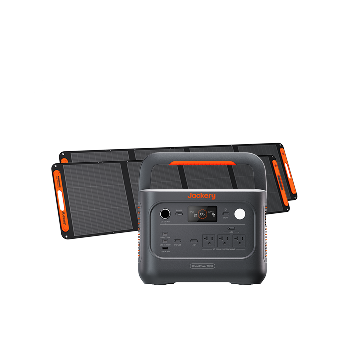
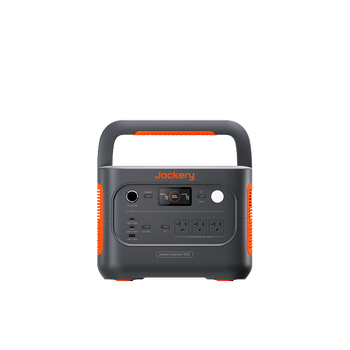
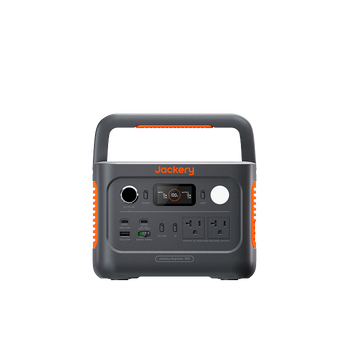
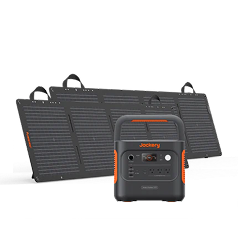
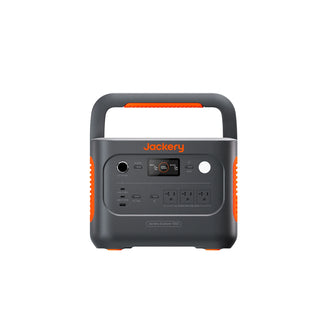
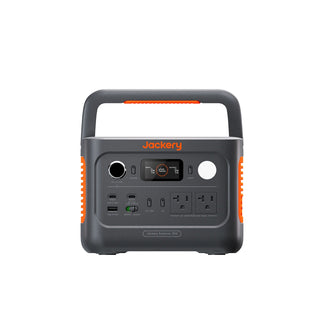
Jackery Solar Generator 300 v2
If you have a small cabin, an RV lighting circuit, or a patio with LED lights for an evening gathering, the Jackery Solar Generator 300 v2 offers a bit more capacity and output without giving up portability. It is an ideal fit for anyone lighting more than a single tent's worth of space but not yet a full house. Think of a weekend at the cabin: interior lighting running all evening, a porch light left on, and still enough capacity left for a phone or two charging overnight.
Appliances Running Time
- Standard LED (15W) = 9.4H
- Smart LED (WiFi/Bluetooth, Active) (10W) = 11.8H
- CFL (Compact Fluorescent) (10W) = 11.8H
- Halogen (30W) = 5.9H
- Incandescent (40W) = 4.7H
Who Should Buy This
The Jackery Solar Generator 300 v2 is ideal for RV owners, small cabin setups, or hosts running string lights and a few fixtures for an evening event.

Customer Review
Exactly what I needed to use in my home office where I do not have enough outlets. Plenty of reliable and steady power for my laptop. Lightweight, and the solar panel is a great bonus.
— Linda D.M.
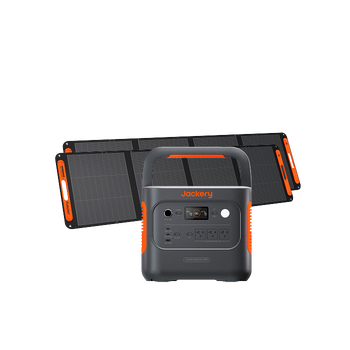
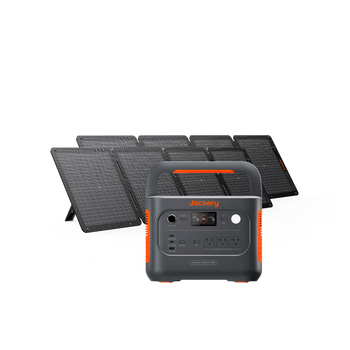
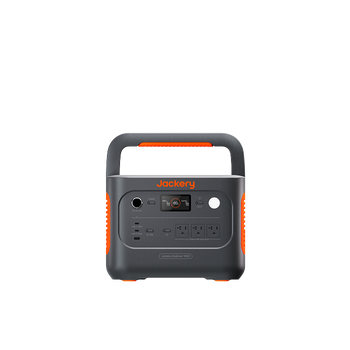
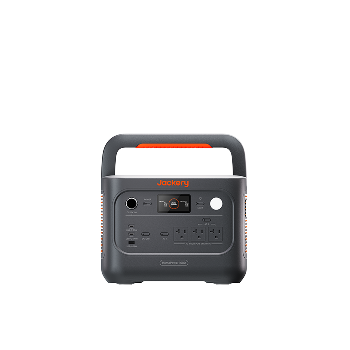
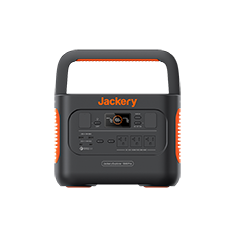
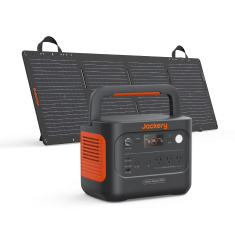
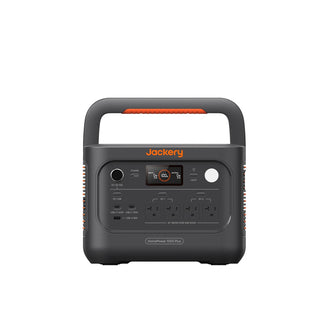
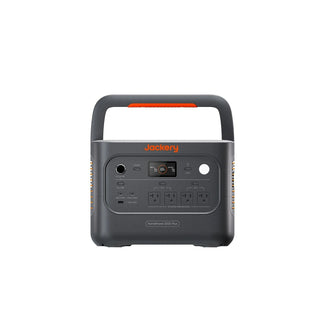
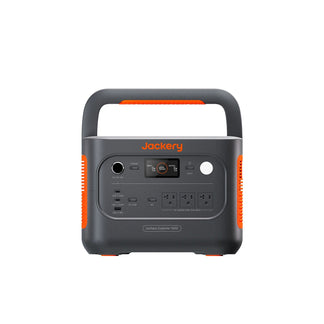
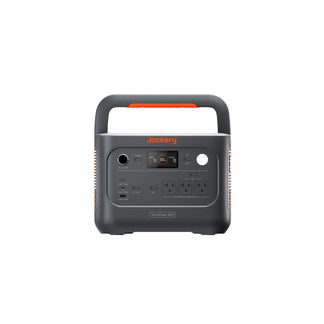
Jackery Solar Generator 600 v2
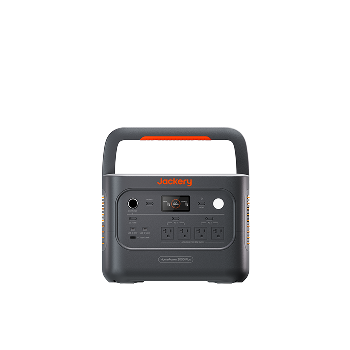
When the power goes out and an entire room, or several rooms, need lighting for a full night or more, the Jackery Solar Generator 600 v2 has the capacity to keep dozens of bulbs running. Besides lights, this compact solar generator can also run other basic appliances, such as TVs, projectors, smart speakers, etc. It is the world's lightest 600Wh LFP power station and features a foldable handle, so you can easily carry it anywhere you go.
Appliances Running Time
- Standard LED (15W) = 21.0H
- Smart LED (WiFi/Bluetooth, Active) (10W) = 26.2H
- CFL (Compact Fluorescent) (10W) = 26.2H
- Halogen (30W) = 13.1H
- Incandescent (40W) = 10.5H
Who Should Buy This
The Jackery Solar Generator 600 v2 is ideal for households who want to power room-by-room lighting as part of a broader outage plan, or anyone who wants one unit capable of running many bulbs at once for an extended stretch.

Customer Review
Great investment worth the money spent on it. Great for outdoor activities, especially to light up the night. Recommend this product...is a must-have, especially if you are a vendor doing night events or just out camping.
— Adrian M.
How Much Does It Cost to Run a Light Bulb?
A 9-watt LED bulb running 5 hours a day uses about 0.045 kWh daily, or roughly 16.4 kWh a year. At a typical US rate of $0.18 per kWh, that's about $2.95 a year, per bulb.
The same brightness from a 60-watt incandescent bulb running the same 5 hours a day costs closer to $19.67 a year, which is nearly seven times more for identical light output. For more information, you can check out our guide: How Much Does It Cost to Run a Light.
How to Cut Your Lighting Electricity Bill
You can cut your lighting bill by up to 75% by upgrading to energy-efficient LEDs. Replace high-wattage incandescent or CFL bulbs with LEDs that provide the same brightness (lumens) but use just 1/10th of the power. Combine this with turning off lights in empty rooms and using natural daylight whenever possible.
Replace Incandescent and Halogen Bulbs With LED First: This is one of the easiest ways to reduce the lighting electricity bill, given the six-to-seven-times difference in both amp draw and cost shown above.
Use Dimmers or Smart Scheduling Where It Makes Sense: Reducing brightness even modestly during less critical hours adds up across dozens of bulbs and hundreds of days a year.
Turn Off Lights in Unoccupied Rooms: It sounds obvious, but with LEDs’ low draw already saving so much, this habit matters more for hallway and outdoor fixtures that tend to get left on longest.
Choose ENERGY STAR-Certified Bulbs When Replacing Old Ones: These meet efficiency standards that go beyond the general LED-versus-incandescent gap.
Disconnect Smart Bulbs You Rarely Control Remotely: If you are not actually using the app or voice features on a given fixture, a standard switch-controlled bulb avoids the continuous standby draw entirely.
Switch Outdoor Landscape Lighting to LED Fixtures: The wattage difference is proportionally similar to indoor bulbs, and outdoor lighting often runs longer hours per day than indoor fixtures do.
Group Fixtures on Timers Rather Than Leaving Them on a Manual Switch: This matters most for outdoor and security lighting, which tends to run overnight regardless of whether anyone's actually around to see it.
FAQs
How many amps does an LED light bulb use?
A standard LED bulb draws 0.03 to 0.13 amps at 120V, depending on wattage, which typically runs 4 to 15 watts.
How many amps does a 100-watt light bulb use?
A 100-watt incandescent bulb draws 0.83 amps at 120V.
Is "60W equivalent" the same as 60 actual watts?
No, a 60W equivalent" is not the same as 60 actual watts in light bulbs. It is a brightness comparison to old incandescent bulbs. The actual wattage of a "60W equivalent" LED is usually 8 to 10 watts.
Do LED bulbs have a startup surge?
No. LED bulbs have no motor or compressor, so startup amps and running amps are the same.
How many LED bulbs can I run on a 15-amp circuit?
You can roughly run 96 bulbs at 15 watts each, based on the standard 80% continuous-load guideline for a 1,800-watt circuit.
Do landscape lights draw a lot of power?
No. Most 12V landscape fixtures draw 1 to 3 watts each, and even a large 20 to 30-fixture yard setup typically totals well under 100 watts on the 120V side of the transformer.
Does bulb shape or base size change how many amps it draws?
No. Base and shape determine fixture compatibility, not amp draw. Two bulbs with the same actual wattage draw the same current regardless of shape.
Can I run lights and a refrigerator on the same small generator?
Usually yes. Lighting's draw is so low relative to a refrigerator's 100 to 200 watts that a dozen bulbs add only a small fraction to the total load.
Conclusion
A light bulb’s amp draw is small on its own and easy to add up wrong when it isn't. You should use the actual wattage and not the equivalent number on the box to calculate the amps drawn by the light bulb. If you are sizing a power source for lighting, start with the Jackery Solar Generator 240 v2 for a single tent or headlamp setup, and scale up to the Jackery Solar Generator 600 v2 if a full room, or several, needs to stay lit through a longer outage.


