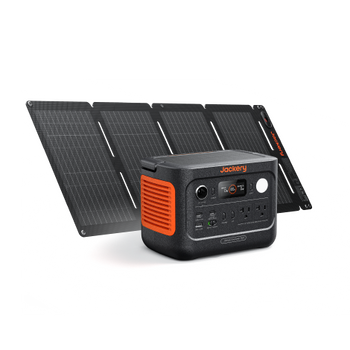
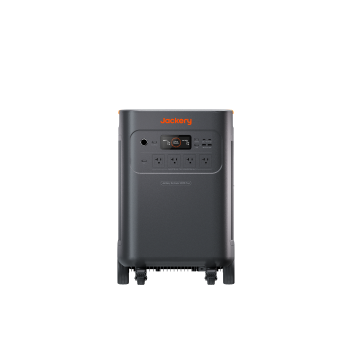
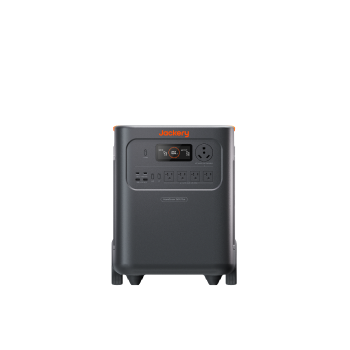
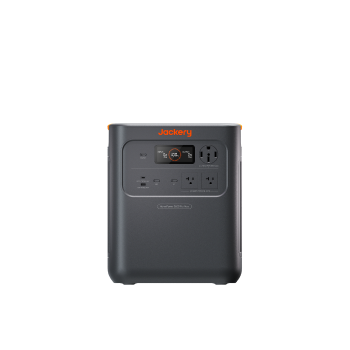
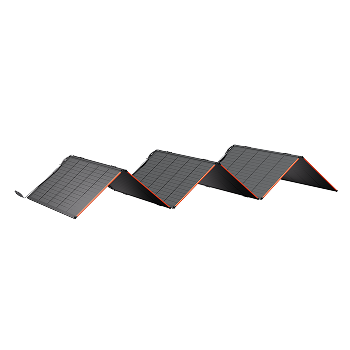
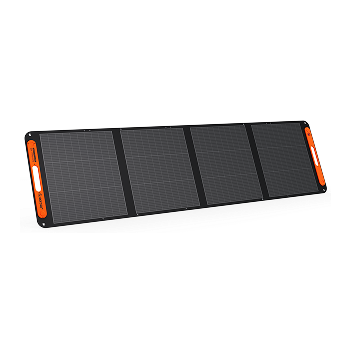









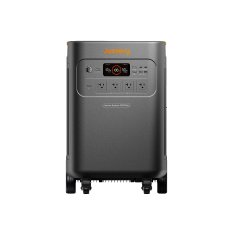
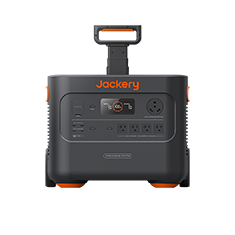
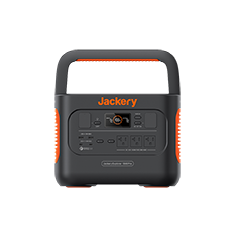
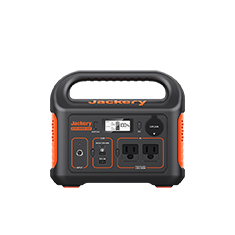
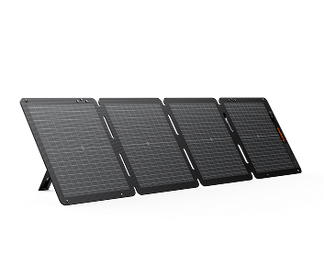
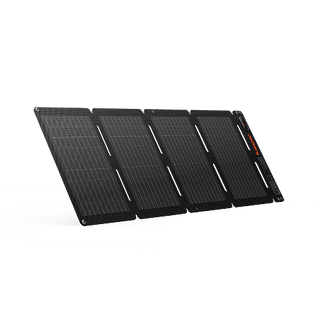
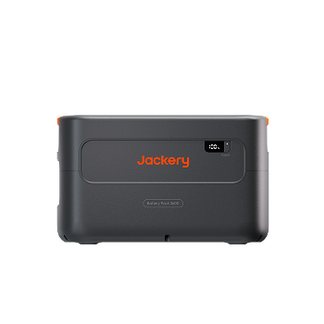
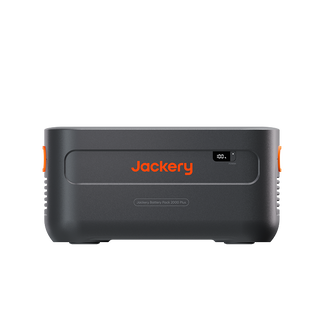






Solar Generator

Off-Grid Solar Generators

Explore solar generator options for everyday off-grid needs—from running cabin essentials and remote-property equipment to supporting tiny-home routines and workshop tools. Compare your expected loads, usage time, charging access, and room for future expansion before choosing a setup.

Find an Off-Grid Solar Generator for Your Routine

List your steady daily loads and occasional higher-demand devices separately. Compare expected runtime, solar charging access, portability, and room to expand.

Get Off-Grid Power Updates

Subscribe for new product updates, practical guides, and offers for planning your off-grid power setup.

How an Off-Grid Solar Generator Works

An off-grid solar generator combines solar collection, energy storage, and power delivery in one system. Compare options by what you need to run, operating time, and whether any equipment has a higher startup demand.

01. Collect Solar Energy

02. Convert and Store Energy

03. Power Your Essentials

COMPARE OFF-GRID POWER

Off-Grid Solar vs. Gas Generators

Compare how each option works and what it needs for cabins, tiny homes, remote properties, and workshops.

Choose an Off-Grid Solar Generator for a Cabin

List daily devices such as a refrigerator, lights, router, and TV, then include occasional loads like a water pump. Compare battery capacity, output, and solar input around that combined need.
Hot
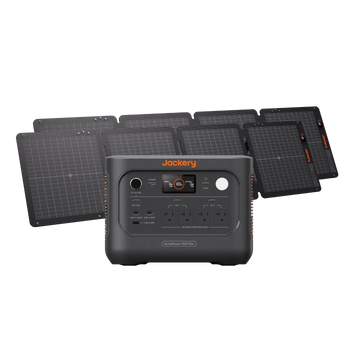
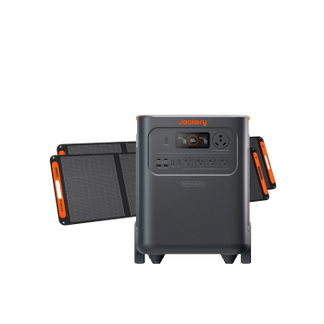
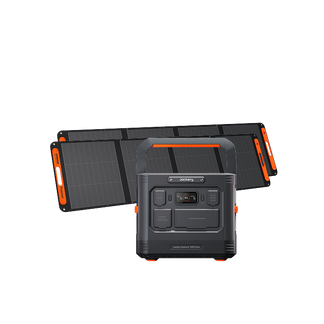
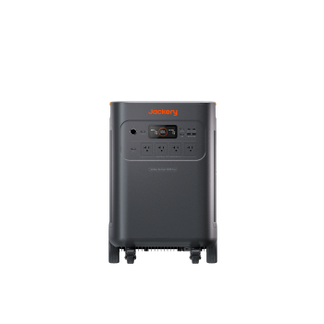
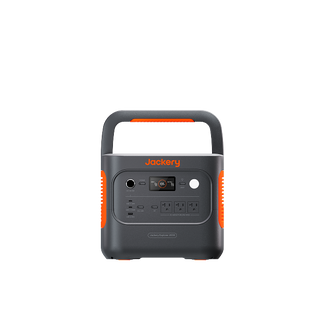
HomePower 3000 + SolarSaga 200W x 2
$2,149.00
Recommended
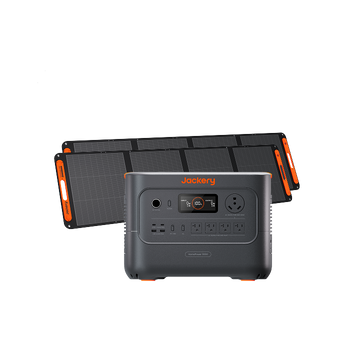
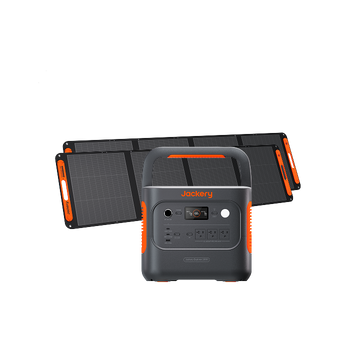
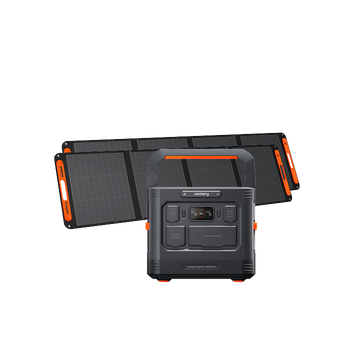
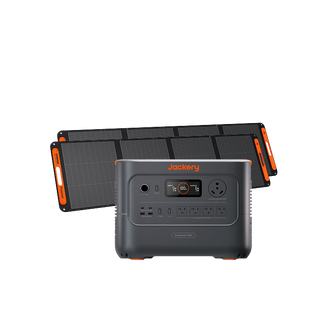
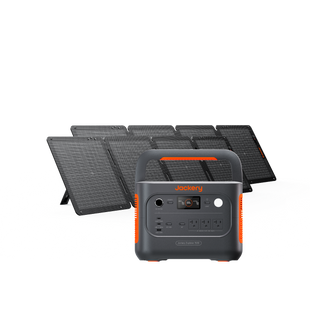
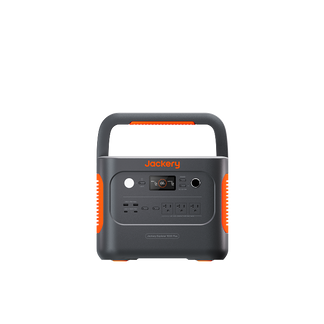
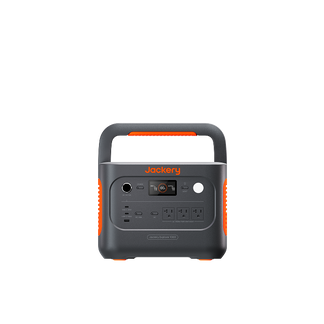
Explorer 1500 Ultra + SolarSaga 200W x 2
$1,849.00

Plan Power for Tiny Homes and Remote Properties

Map a tiny home's daily essentials or the monitoring and connectivity needs of a remote property. Factor in seasonal sunlight and how often you can adjust the solar setup.
Recommended
Explorer 1500 Ultra + SolarSaga 200W x 2
$1,849.00
Lite
$140 OFF
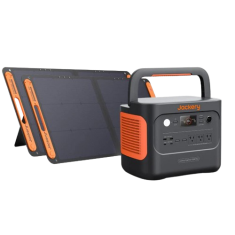
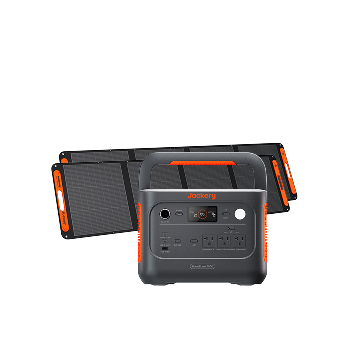
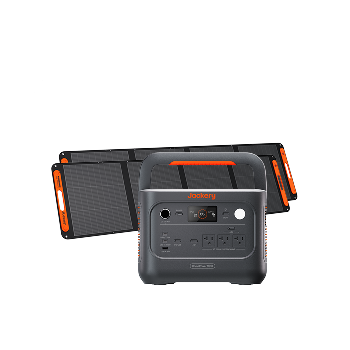
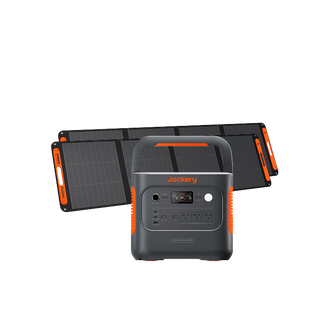
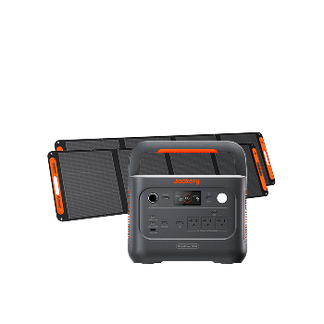
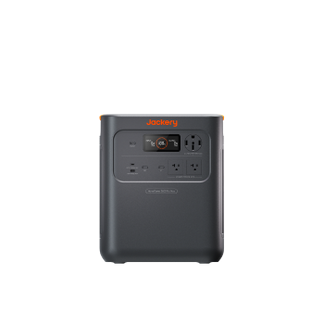
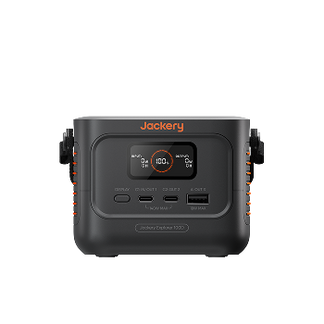
Explorer 2000 v2 + 100W air x2
$1,239.00 $1,379.00

Choose an Off-Grid Solar Generator for Cabin Essentials

List the devices you use each day, then compare the energy capacity needed between charges with the output required when devices run together.
Hot
HomePower 3000 + SolarSaga 200W x 2
$2,149.00
FLAGSHIP
HOT
HomePower 3600 Plus (7.2kWh) + SolarSaga 500 X
$3,999.00 $4,139.00
Additional
$300 OFF
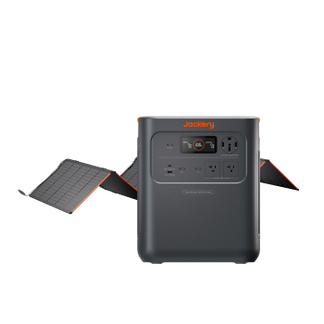
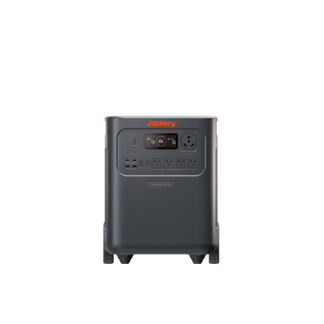
Explorer 5000 Plus + Battery Pack 5000 Plus
$5,899.00 $6,199.00

Solar Generators

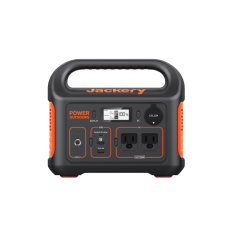
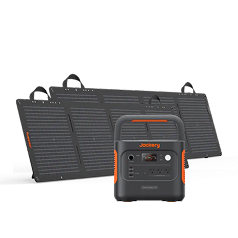
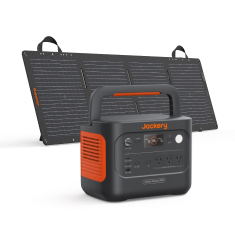
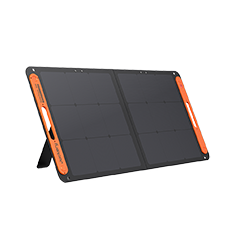
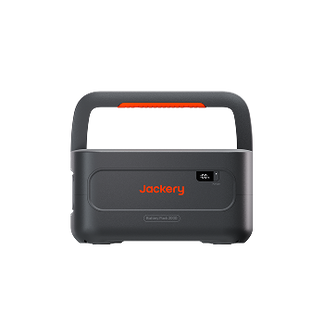
Jackery solar generators are solar solutions that combine portable power stations with solar panels. Using solar panels, our solar generators convert solar energy into electrical power, storing it in a portable power station for later use. Jackery solar generators provide clean and reliable power for campers, RVs, and anyone who needs backup energy during an emergency.
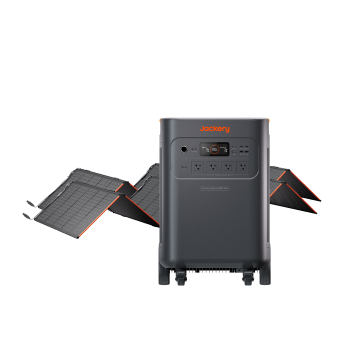
  • Jackery HomePower 3600 Plus with a Battery Pack 3600 (7.2kWh in total) and a SolarSaga 500 X solar panel
    HomePower 3600 Plus Solar Generator
    3.6 kWh | 3600W | 120V
    $3,999.00
    $4,139.00
    SHOP NOW
  • Jackery Solar Generator HomePower 3000 - Jackery
    HomePower 3000 Solar Generator
    3072Wh Capacity | 3600W Output
    $2,149.00
    SHOP NOW
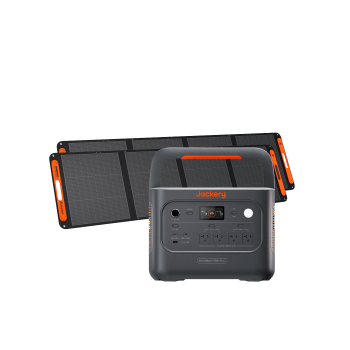
  • Jackery Solar Generator 1000 Plus - Jackery
    Solar Generator 1000 Plus
    1264Wh Capacity | LiFePO4 Battery
    $869.00
    $949.00
    SHOP NOW
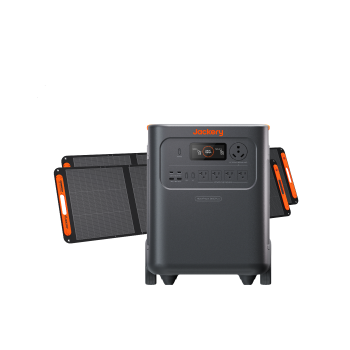
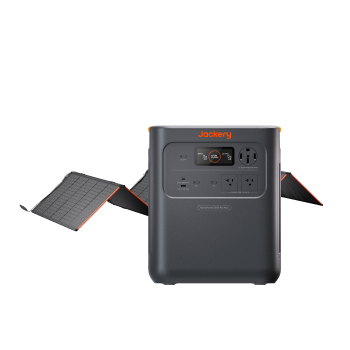
  • Jackery Solar Generator 2000 v2 - Jackery
    Solar Generator 2000 v2
    2042Wh | Emergency Charge 1.3 Hrs
    $1,239.00
    $1,379.00
    SHOP NOW
  • Solar Generator HomePower 3000 - Jackery
    HomePower 3000
    3072Wh Capacity | 3600W Output
    $2,149.00
    SHOP NOW
  • Jackery Solar Generator 5000 Plus - Jackery
    Solar Generator 5000 Plus
    5040Wh | 7200W | 120V/240V
    $5,899.00
    $6,199.00
    SHOP NOW
  • Jackery Solar Generator 300
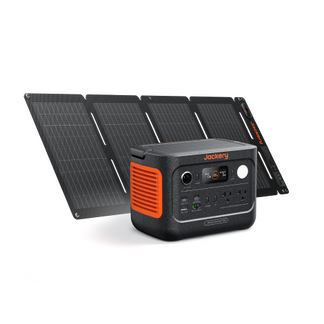
    Solar Generator 300
    293Wh CapacityFull Solar Charging in 5 Hrs
    $289.00
    SHOP NOW
  • Jackery HomePower 3600 Plus with a Battery Pack 3600 (7.2kWh in total) and a SolarSaga 500 X solar panel
    HomePower 3600 Plus
    3584Wh Capacity | 3600W Output
    $3,999.00
    $4,139.00
    SHOP NOW
  • Jackery HomePower 1000 Plus v2 - Jackery
    HomePower 1000 Plus v2 Solar Generator
    1024Wh Capacity | 1800W Output
    $1,789.00
    $2,139.00
    SHOP NOW
  • Jackery Solar Generator HomePower 2000 Plus v2 - Jackery
    HomePower 2000 Plus v2 Solar Generator
    2048Wh Capacity | 2400W Output
    $1,889.00
    SHOP NOW
  • Jackery Solar Generator HomePower 1000 v2 - Jackery
    HomePower 1000 v2 Solar Generator
    1024Wh Capacity | 1500W Output
    $939.00
    SHOP NOW
  • Jackery Solar Generator 1500 v2 - Jackery
    Solar Generator 1500 v2
    1536Wh capacity | 2000W AC output
    $1,279.00
    $1,439.00
    SHOP NOW
  • Jackery Solar Generator 1500 Ultra - Jackery
    Solar Generator 1500 Ultra
    1536Wh Capacity | 1800W Output
    $1,849.00
    SHOP NOW
  • Jackery Solar Generator 300 v2 - Jackery
    Solar Generator 300 v2
    288Wh | 300W Output
    $419.00
    SHOP NOW
  • Jackery HomePower 2000 Plus v2 - Jackery
    HomePower 2000 Plus v2 Solar Generator
    2048Wh Capacity | 2400W Output
    $1,889.00
    SHOP NOW
  • Solar Generator HomePower 1000 v2
    HomePower 1000 v2 Solar Generator
    1024Wh Capacity | 1500W Output
    $939.00
    SOLD OUT
SEE MORE SEE LESS

Find the Right Off-Grid Power Setup

Find My Setup
PLAN YOUR OFF-GRID SETUP

Compare Capacity and Output

Image

Output watts: what needs to run at once?

Watts (W) measure how much power a station can deliver at one time. Add the running wattage of the devices you expect to use together, then account for the higher startup demand of equipment such as refrigerators, pumps, and power tools.

For example, a 60W laptop and a 10W light require 70W while running together.

Watt-hours: how long should it run?

Watt-hours (Wh) measure stored energy. Estimate each device’s running watts multiplied by its hours of use, then add those results to compare your daily needs with available capacity. This is especially useful for recurring loads such as lights, a router, a TV, or monitoring equipment.

For example, a combined 70W load running for 5 hours uses 350Wh.

Image
Place solar panels in direct sunlight to collect more energy.

Solar input: how will you recharge?

Solar panels can replenish stored energy during daylight. When comparing an off-grid solar generator, consider the station’s supported solar input, the total rating of the connected panels, available sun, and how much energy you expect to use between charging periods.

Choose a compatible panel setup that fits both your station and your typical recharge window.

YOUR DEVICES, YOUR DAILY ENERGY

Calculate Your Off-Grid Energy Needs

Add each appliance and its expected hours of use between charges. The calculator combines their energy use and simultaneous load.
Example: 60W × 5 hours plus 10W × 5 hours equals 350Wh. Use device-label or measured wattage, and enter 0.5 hours for 30 minutes. Add every essential device in your setup.

Choose a Power Station

Enter Total Appliance Wattage

W
W

Add Another Device

Calculate Runtime

How Long Will Solar Recharging Take?

00 HOURS

Data is based on lab test. The fully charged hours are based on the weather and other conditions

Why Plan for Extra Battery Capacity?

Choose more battery capacity than your estimated device use to account for power conversion, the station’s own energy needs, changing conditions, and time between solar recharges.

For appliances that cycle on and off, such as a refrigerator, use a full-day energy reading instead of multiplying the maximum wattage by 24 hours. Convert kilowatt-hours to watt-hours when comparing daily use with battery capacity: 1 kWh equals 1,000 Wh.

Compare Off-Grid Solar Generator Setups

Compare the Explorer 1000 v2, Explorer 2000 v2, and Explorer 5000 Plus by capacity, output, weight, included panels, and charging inputs. Match your choice to device demand, recharge access, and portability needs.

Best Fit and Use Case
Base Battery Capacity
Rated AC Output
Power Station Weight
Included Solar Panels
AC Grid Charging Input
Maximum Solar Input
Explore 2000 V2

Carry it from car to camp

Explore 2000 V2

Carry one compact power station from the car to camp. The two 200W panels let you recharge during sunny stops.
2,042Wh
2,200W · 120V
About 39.5 lb
2 × SolarSaga 200W
1.2H
400W
Roll it from room to room and add compatible batteries as your backup needs grow. This bundle includes one SolarSaga 500 X panel.
3,584Wh
3,600W · 120V
About 77.2 lb (35 kg)
1 × SolarSaga 500 X
1.2H
1,000W
HomePower 3600 Pro Max

240V from one power station

HomePower 3600 Pro Max

Single-unit 240V power for larger appliances, with battery expansion for longer backup. This bundle includes one SolarSaga 500 X panel.
3,584Wh
4,000W · 240V
About 73.9 lb (33.5 kg)
1 × SolarSaga 500 X
1.2H
1,200W
Explorer 5000 Plus

More energy for home backup

Explorer 5000 Plus

More stored energy for a larger home setup, with wheels and compatible battery expansion. This bundle includes two SolarSaga 500 X panels.
5,040Wh
7,200W · 120V/240V
About 134.5 lb
2 × SolarSaga 500 X
1.2H
Up to 4,000W
Weights shown apply to the power stations, and rated AC output applies to one unit. Check the selected product and bundle details for outlet limits, charging inputs, included components, and configuration requirements.

Why Choose Jackery for Off-Grid Power?

Recognition Across the Jackery Range

Review the recognition shown below, then confirm which product or program each distinction applies to as you compare off-grid solar generator options.
TIME Best Inventions 2022
Red Dot Award
iF Product Design Award
CES Innovation Awards 2026 Honoree
REAL OFF-GRID SETTINGS. EVERYDAY POWER NEEDS.

Hear from Our Customers

Image Home Backup
Making Off-Grid Power Part of the Routine
Shaped by a lifetime in the military, Andrew uses Jackery to stay prepared for off-grid travel and home backup before problems arise.
Read the Story 
Image Home Backup
From Powerless to Prepared: Christina’s Texas Story
For Christina, and for anyone who's ever sat in a dark house with food spoiling in the silent fridge, Jackery isn't just about electricity. It's about knowing you're ready. It's the quiet confidence that turns panic into peace when storms hit.
Read the Story 
Image Home Backup
A Better Answer When the Lights Go Out
When a storm left a family reception in the dark, Gary brought his Jackery Explorer 5000 Plus and gave everyone a better answer than lights alone.
Read the Story 
Image Off-Grid Living
Why One Engineer Chose Quieter Power
Mechanical engineer Sébastien uses Jackery to build a quiet, modular power system for his cabin, hunting trips, and home backup, bringing reliability without generator noise.
Read the Story 
Image Mobility
Power for Ideas Beyond the Grid
Phoenix artist Mario uses Jackery to bring music into public spaces, turning creative ideas into experiences without power limitations.
Read the Story 
Image Mobility
Finding Power Under an Open Sky
Astronomy enthusiast Monica uses Jackery to power nights under dark skies, capturing the universe and sharing it with her community.
Read the Story 
Image Camping
Leaving the Ice Behind
In retirement, Pat uses Jackery to simplify camping and enjoy flexible off-grid travel without relying on ice.
Read the Story 
Image Home Backup
Staying Ready When Grid Power Goes Quiet
Darryl uses Jackery to prepare for the unexpected, from winter outages at home to emergencies in remote outdoor settings.
Read the Story 
Image Off-Grid Living
Keeping a Signal Beyond the Grid
Chemistry professor Bryan uses Jackery to power his off-grid cabin and stay connected in the forest.
Read the Story 
Image Off-Grid Living
How Portable Solar Keeps a Storyteller Moving
For Angelique, Jackery is a practical tool and a creative enabler. It frees her to follow stories, to sleep where the camera points, and to keep working when the grid is unreliable.
Read the Story 
Image Off-Grid Living
Where Power Fits Into the Ecosystem
Farmer and educator Robert in Pennsylvania uses portable solar to power his greenhouse aquaponics system and teach sustainability—quiet, modular, and off-grid ready.
Read the Story 
Image Home Backup
Preparing for the Storm at Home
Jackery powers a Florida firefighter Kyle’s home through hurricanes, keeping his family safe with quiet, reliable backup energy—so he can focus on saving others.
Read the Story 

Off-Grid Solar Generator FAQs

  • How much does a solar generator cost?

    A bundle’s price covers the selected power station, panels and any included batteries or accessories. Changing the configuration on a product card updates its price and contents.

    Extra batteries, home transfer equipment and installation add to the budget when purchased separately.

  • What size solar generator do I need?

    You need enough watts for devices running together and enough watt-hours for their total use. A 60W laptop and a 10W light running for five hours use 70W together and 350Wh of energy.

    The battery needs additional energy for the station itself and power conversion. Fridges and pumps also draw a brief burst of power when starting. Calculate your device energy.

  • How do I build a solar generator?

    Our solar bundles pair a portable power station with solar panels, so the battery, inverter and controls are already built into the station. The panels recharge the battery, and the station’s outlets power your devices.

    A connection to home circuits adds compatible transfer equipment and installation.

  • How long does a solar generator last?

    There are two useful measures: hours of power on one charge, and battery life over repeated charges. More stored energy gives the same devices more running time; heavier loads use that energy sooner.

    Explorer 100 Plus is rated for 2,000 cycles to 80% capacity, and Explorer 1500 Ultra for over 4,000 cycles to 70%. Those percentages describe the storage remaining after repeated use; the battery continues working beyond that point.

  • How does a solar generator work?

    Solar panels turn sunlight into electricity, the power station stores it in a battery, and its outlets deliver it to your devices. Stored energy is available after sunset as well as during the day. See how the three parts work together.

  • Can a solar generator run a refrigerator?

    Yes, with a station that can handle the compressor’s starting power and store enough energy for the backup time you need.

    For example, a refrigerator measured at 1kWh per day uses 1,000Wh over 24 hours. That daily reading includes the compressor’s on-and-off cycles. A full day of backup needs additional battery energy for the power station itself and conversion losses.

  • Is it worth purchasing a solar generator?

    A solar generator is useful for keeping essential devices powered during outages, taking electricity camping and recharging away from wall outlets. The same station can move between home and a trip, with panels providing a reusable daytime charging source.

    For frequent use over several days, extra battery storage carries more energy between charges, while additional compatible panels can collect more daylight energy.

  • What size solar generator do I need to run a house?

    The size comes from the appliances or circuits you want to power and the length of the outage. HomePower 3600 Plus provides 3,584Wh of base storage and 3,600W output. 5000 Plus provides 5,040Wh and up to 7,200W through its 120V/240V outlet.

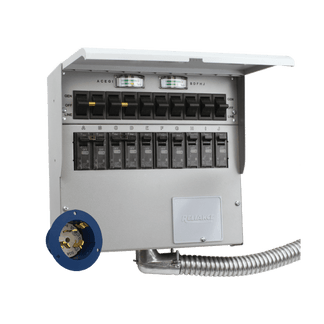
    Extra batteries add backup time. A home circuit connection also includes compatible transfer equipment and installation. Explore home backup systems.

  • Do Jackery solar generators support pass-through charging?

    Yes. You can charge the station while it powers connected devices. If those devices use more power than the charger or panels supply, the battery provides the difference and its charge level falls.

  • How is a solar generator different from a gas generator?

    A solar generator stores electricity in a rechargeable battery; a gas generator burns fuel to produce electricity. Compare charging, placement, sound and upkeep.

Explore More Solar Generator Solutions

RV Solar Generators

RV Solar Generators

Explore portable stored power for cabins, remote properties, workshops, travel, and backup planning.

Learn More 
Home Backup Solar Generators

Home Backup Solar Generators

Compare solar generator options for everyday cabin needs, tiny homes, remote monitoring, and independent workspaces.

Learn More 
Off-Grid Solar Generators

Off-Grid Solar Generators

Browse solar panels for building or expanding a compatible off-grid charging setup.

Learn More 

Explore More Power Solutions

Portable Power Stations

Portable Power Stations

Explore portable stored power for cabins, remote properties, workshops, travel, and backup planning.

Learn More
Solar Generators

Solar Generators

Compare solar generator options for everyday cabin needs, tiny homes, remote monitoring, and independent workspaces.

Learn More
Solar Panels

Solar Panels

Browse solar panels for building or expanding a compatible off-grid charging setup.

Learn More