





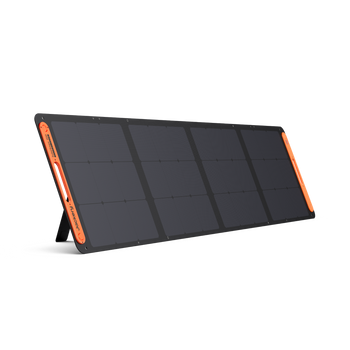



![[Add-on] Jackery SolarSaga 500 X - Jackery](http://www.jackery.com/cdn/shop/files/add-on-jackery-solarsaga-500-x-1493607.webp?v=1786503068&width=324)
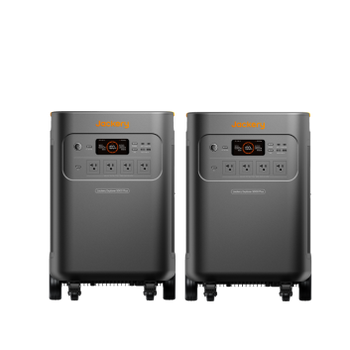
![[Add-on] Jackery Battery Pack 5000 Plus - Jackery](http://www.jackery.com/cdn/shop/files/add-on-jackery-battery-pack-5000-plus-6713401.webp?v=1786503068&width=324)



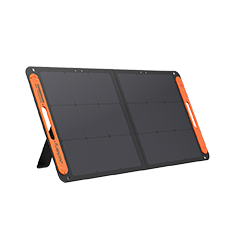
![[Add - on] SolarSaga 200W - Jackery](http://www.jackery.com/cdn/shop/files/add-on-solarsaga-200w-4834329.png?v=1754016915&width=324)


How Florida firefighter Kyle Miller found quiet, dependable power with Jackery
A Life of Service and Split-Second Decisions
For Kyle Miller, firefighting began with a single moment: a beach afternoon more than fifteen years ago, when he helped pull a stranger from a rip current. “That was kind of the turning point in my life,” he says. “I always wanted to do something of service.”
Today, Kyle lives in Palm Harbor, Florida, and serves as a district chief for Tarpon Springs Fire Rescue. His schedule runs in unforgiving cycles: 24 hours on, 48 hours off, overseeing three stations, multiple units, and the chaos of major incidents.
“I run commands on the big calls,” he says. “Car accidents, structure fires, anything with multiple units.”
It’s a career built on preparation, quick decisions, and the ability to stay calm when everything around you is not. But at home, the storms he faces are different, the kind that roll in from the Gulf, shaking windows, swallowing neighborhoods in darkness, and turning family life into uncertainty.
With two young children at home, a second grader and a preschooler, Kyle carries the weight of two kinds of responsibility: the lives he protects at work, and the family he leaves behind when a hurricane approaches.
When the Lights Go Out
Florida’s hurricane seasons arrive with force, and Kyle’s neighborhood sits low on the utility company’s priority list. “Whenever the power goes out, we’re usually the last ones to come back online,” he says. “We’ve been without power for five, even seven days.”
During Hurricane Irma, the outage wasn’t just external. “Our underground power line to the meter actually burned up,” he explains. “So we were without power for seven days while they ran a new line.”
He was at the station when the outage hit. His wife and dog packed up and went to Kyle’s parents’ house. When he finally returned home after a 24-hour shift, he found spoiled food, melting ice, and a drenched freezer.
“We lost everything out of the fridge and freezer,” he says. “We didn’t have any power backup at that time.”
The memory stuck with him, not because of the inconvenience, but because of what it meant for future storms, especially now with two children in the house.

A Gift With Purpose
Kyle didn’t go searching for Jackery at first. It came from a conversation with his grandparents after another difficult storm: Hurricane Milton.
“They wanted to get us a generator so that while I’m at work, the kids and my wife can keep functioning as normal as possible,” he says.
Kyle researched everything: Generac systems, whole-home standby setups, tri-fuel generators. But natural gas wasn’t available in his neighborhood, and the cost and logistics of storing propane or gasoline made traditional systems complicated. Gas shortages during hurricanes make things worse. “People fill everything they can before the storm hits,” he says. “Gas is always in short supply.”
Then he started looking into battery systems, and that’s where Jackery came up.
“Some brands use an older version of lithium-ion batteries,” he explains. “Jackery uses a more up-to-date version. I wanted the upgraded style to limit any chance of an incident happening in the garage or house.”
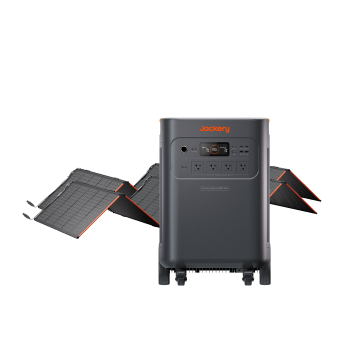
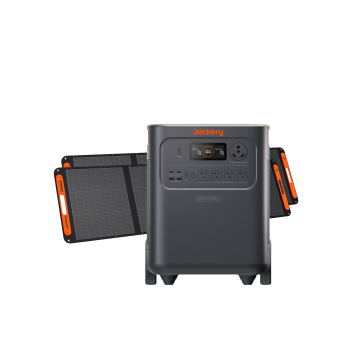
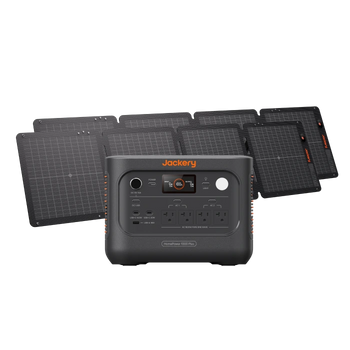
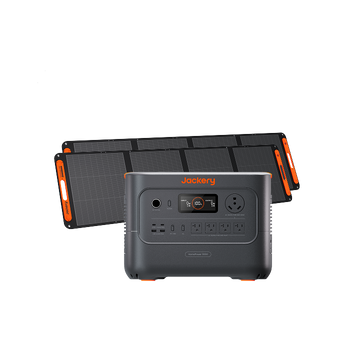
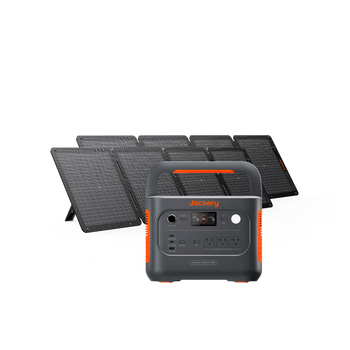
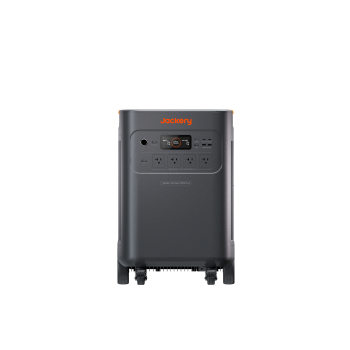
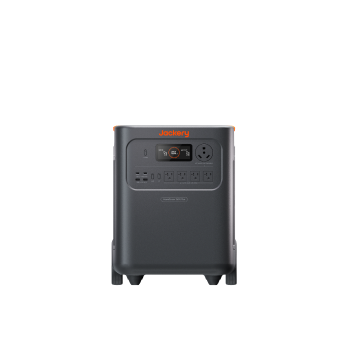
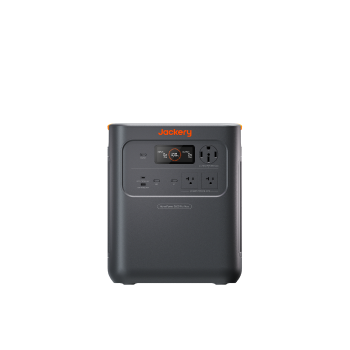
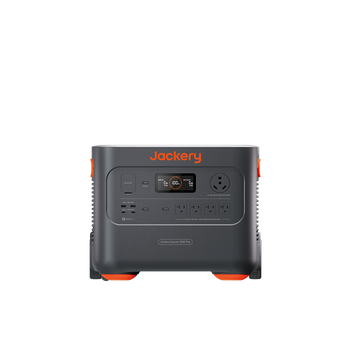
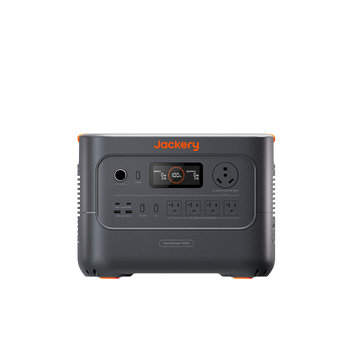
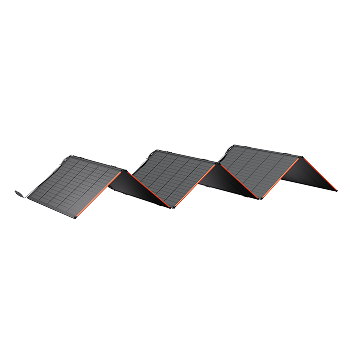
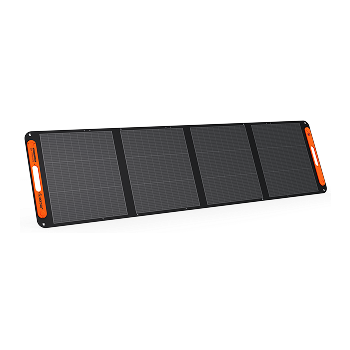
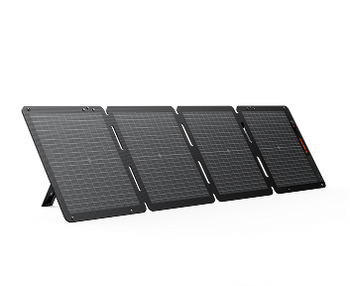
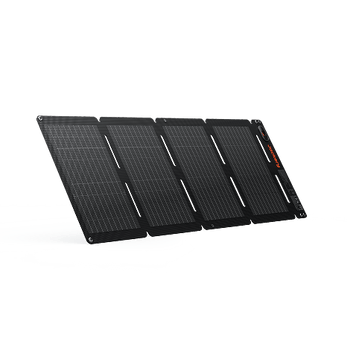
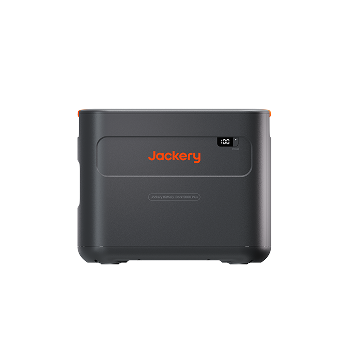
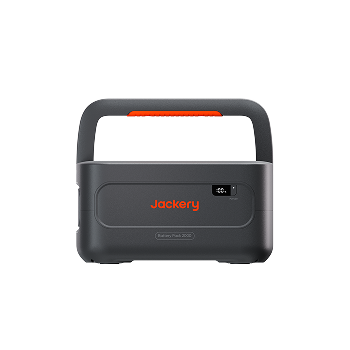
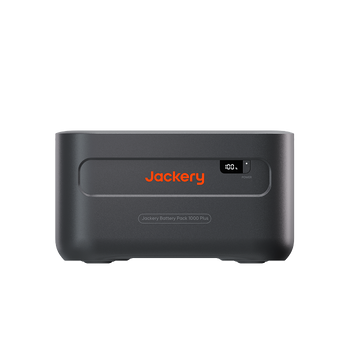
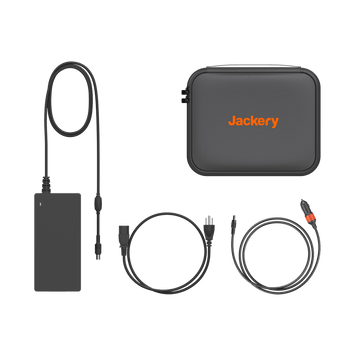
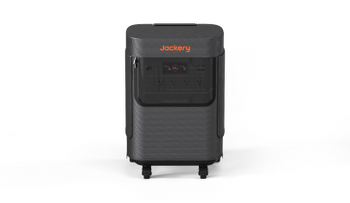
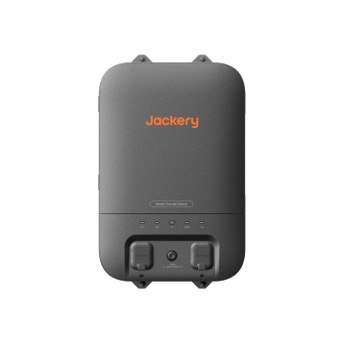
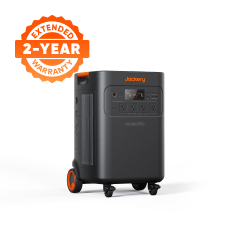
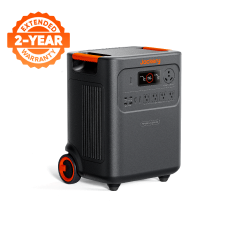
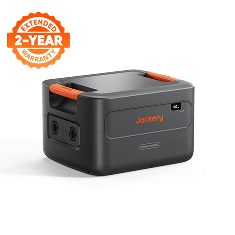
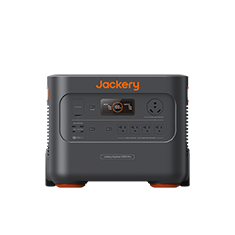
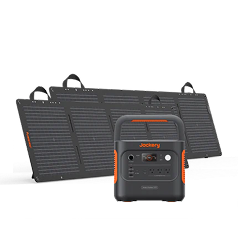
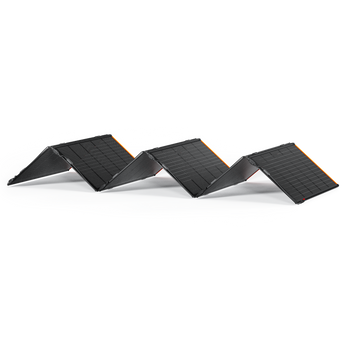
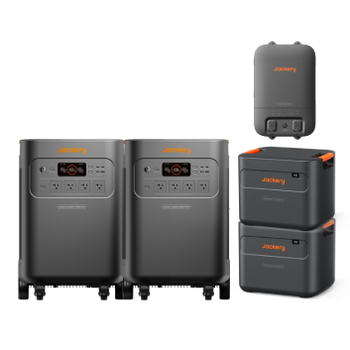
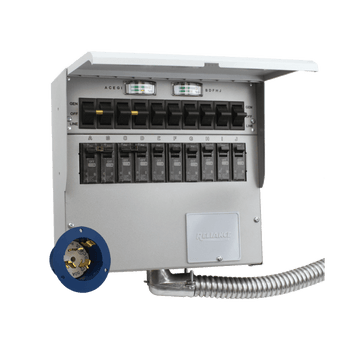
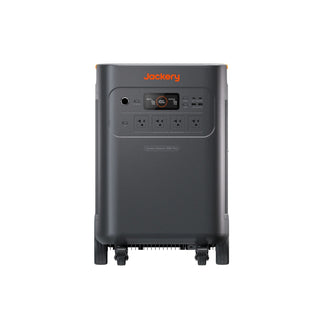
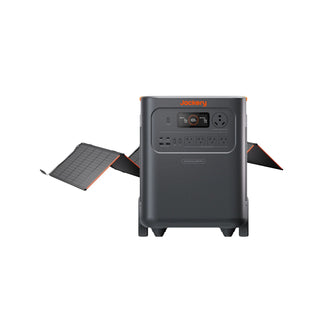
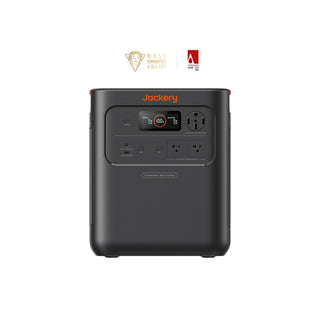
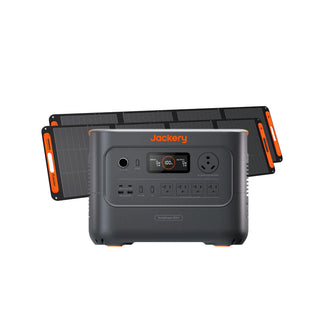
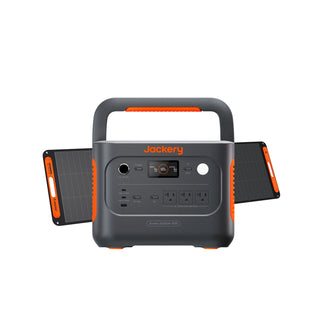
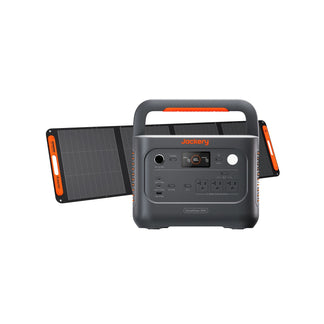
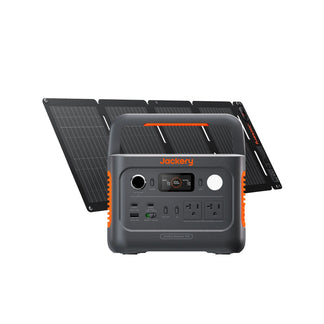
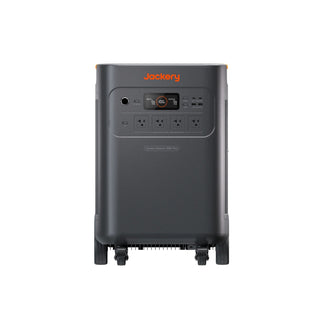
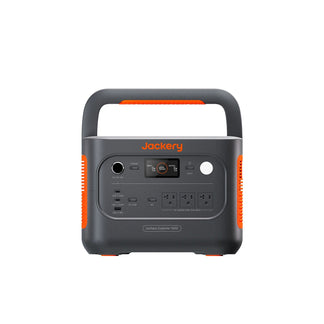
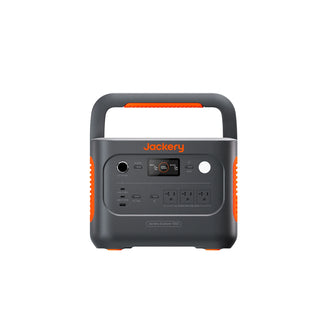
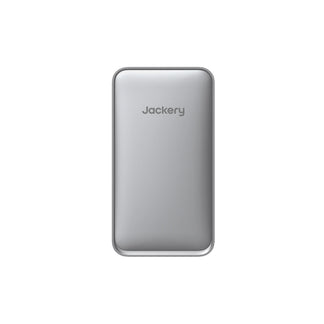
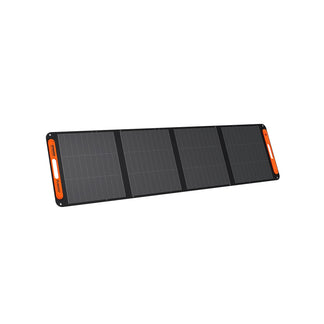
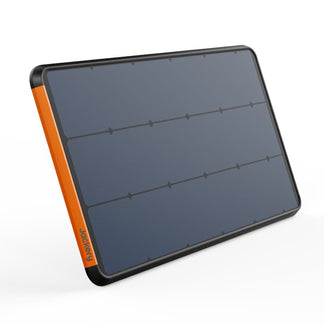
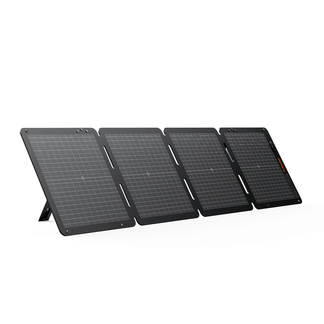
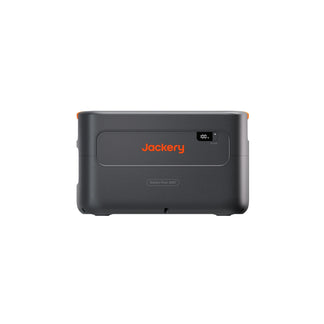
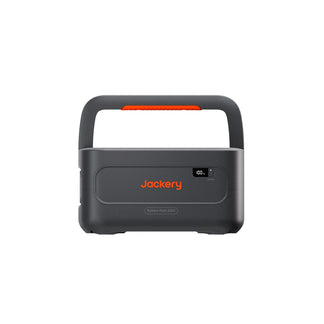
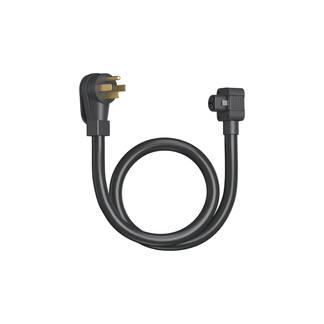
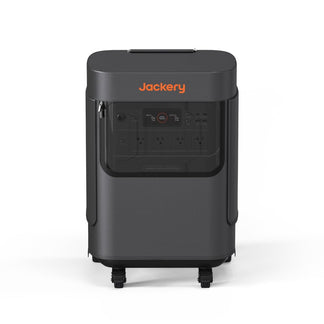
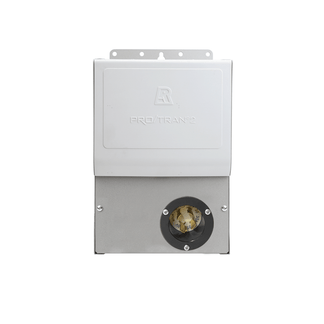
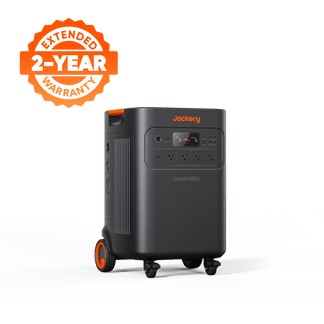
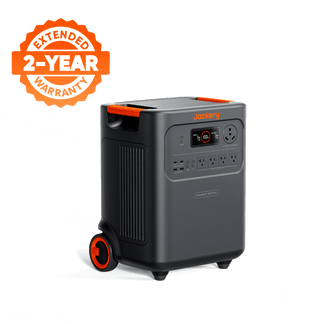
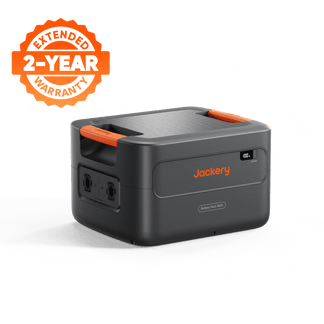
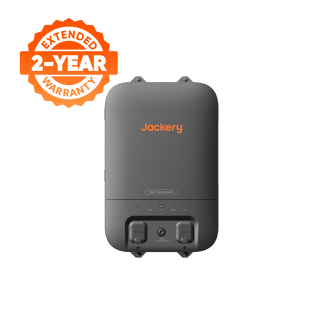
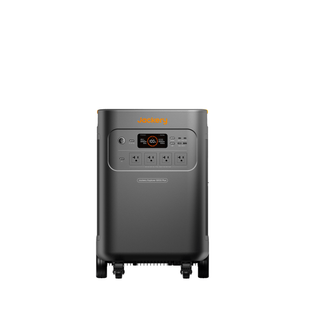
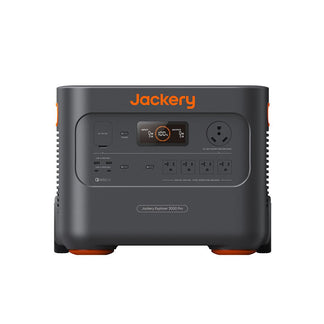
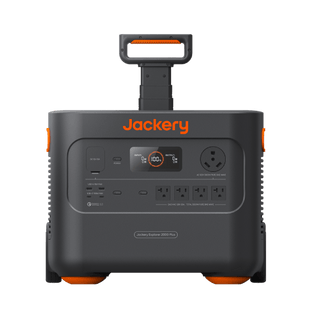
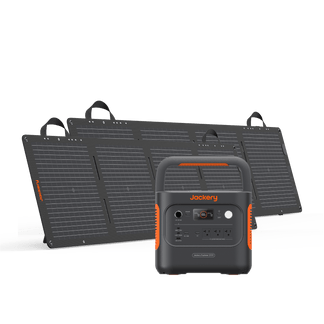
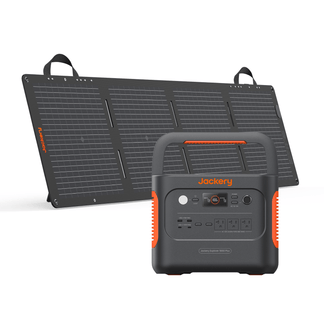
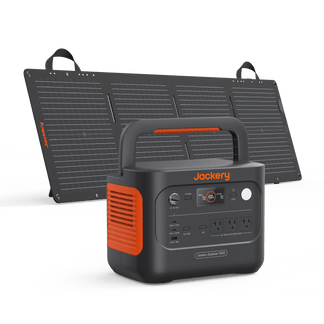
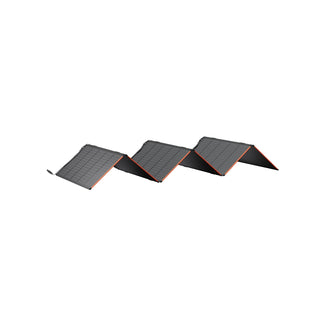
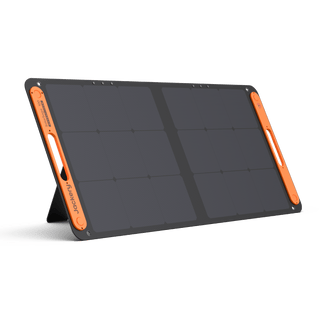
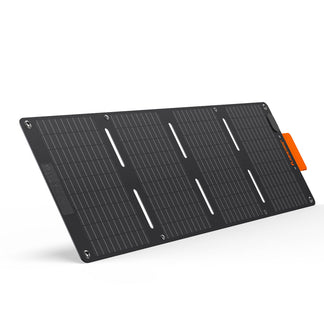
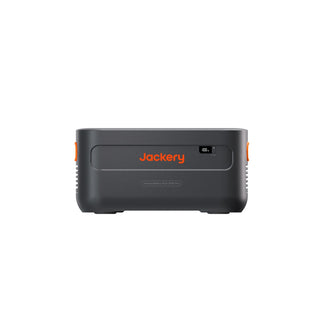
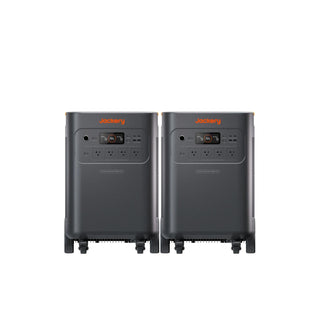
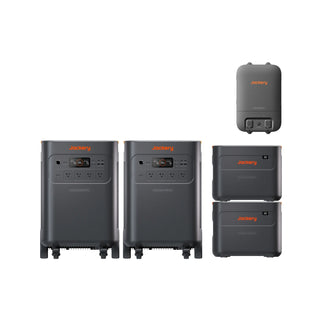
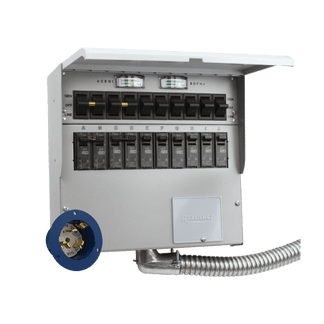
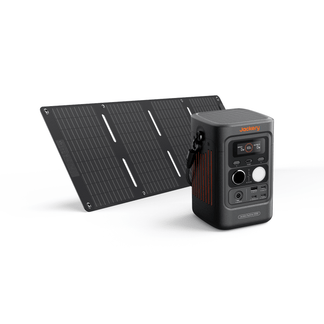
He found a system within his grandparents’ price range: the Explorer 5000 Plus, paired with SolarSaga 500 X and the Smart Transfer Switch (STS). It became a gift that reshaped their hurricane readiness completely.


Building a System That Works
Kyle’s Jackery setup has been in place for about six months, with the STS installed just a few weeks before the interview. They haven’t needed it for a real storm yet. But he’s tested everything.
“I hooked the fridge up, fans, just to test how long I’d be able to use the system,” he says. “It seems like 18 to 24 hours out of our current setup.”
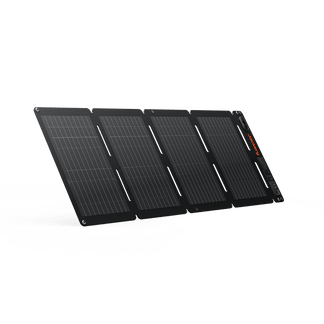
When the sun is out, the Sagas help hold the line, slowing battery drain and extending runtime. “As long as we have the sunlight,” he says, “we should be able to maintain even usage during the daytime hours.”
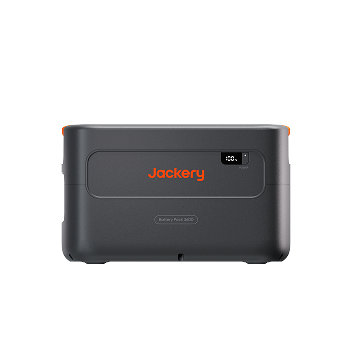
They didn’t buy all the expansion batteries yet. “We knew we weren’t going to be using it for air conditioning,” he says. Instead, their priorities are clear:
- Refrigerator
- Bedroom fan for air circulation
- Microwave or toaster oven
- Phones are charged for communication
With the STS, everything they need will switch seamlessly. “My wife shouldn’t have to worry about really anything,” Kyle says.


A Father’s Peace of Mind
When a hurricane hits, Kyle might be gone for 36, 48, 72, or even 96 hours. “Not out of the question,” he adds.
At home, his wife, kids, and extended family shelter together. Sometimes three generations fill the house. The thought of leaving them with no power is a weight Kyle has carried for years.
Now, things feel different.
“When I’m at work, it’s hard not to think about what’s going on at the house,” he says. “But now, knowing they can at least make food, keep food cold, warm it up as they need to… It’s a weight off my shoulders.”
The silence of the Jackery system matters too. Gas generators mean open windows, noise, fumes, and constant refills, none of which his family would feel comfortable managing alone.
The battery system changes everything. Quiet. Simple. Safe.


Teaching Preparedness at Home
Kyle’s children already understand hurricane routines. “They know how they should act when a hurricane is going to come in,” he says. “We let them know the dangers, and also prepare them that I’m not going to be home for a couple of days.”
His oldest has been through several storms already. They’ve learned not to panic when the lights go out.
“They know we’re prepared,” Kyle says. “They know we’ve already handled the situation.”
It’s a calm built on planning, and now, on a reliable power source they can trust.

Prepared for Tomorrow’s Storms
Kyle hasn’t needed Jackery for a real outage yet, but he knows that day will come. And when it does, he trusts the system he built.
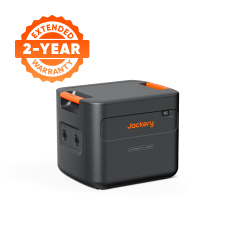
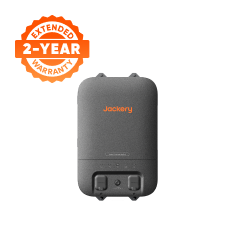
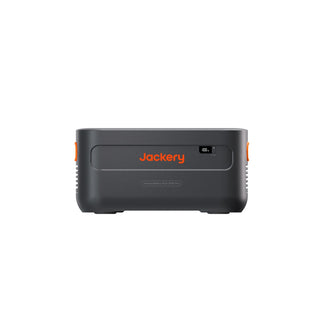
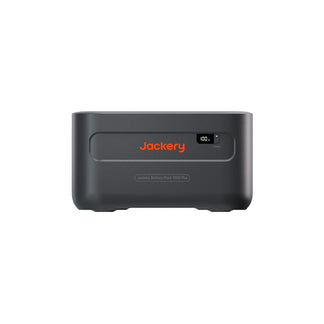
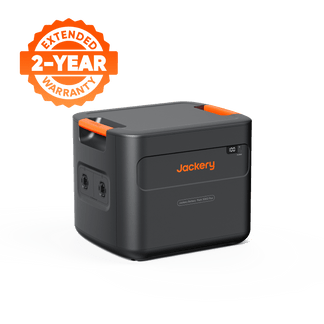
If he could add something, it would be more capacity: “Maximizing out the Explorer 5000 Plus with a total of five 5000 units would be nice,” he says. Maybe even a “high voltage solar power unit on the roof.”
But as it stands, the system is exactly what he hoped for: reliable, intuitive, and strong enough to keep normal life running when everything outside stops.
When asked to describe Jackery in three words, Kyle doesn’t hesitate:
“Easy, dependable, functional.”
Three words that, in a hurricane-shaped life, mean safety, stability, and the peace of mind that lets a father walk into a burning building knowing his family will make it through the storm at home.


![[Add-on] Jackery SolarSaga 500 X - Jackery](http://www.jackery.com/cdn/shop/files/add-on-jackery-solarsaga-500-x-1493607.webp?v=1786503068)


