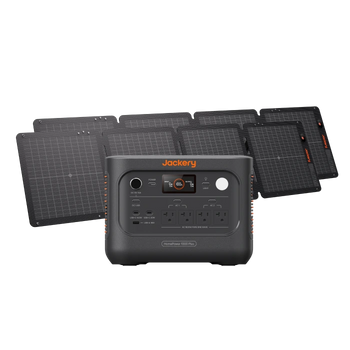
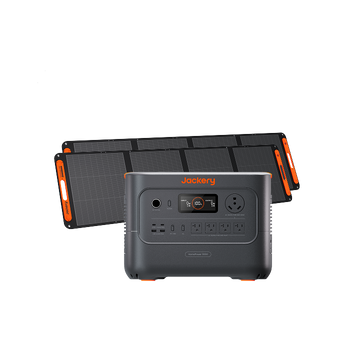

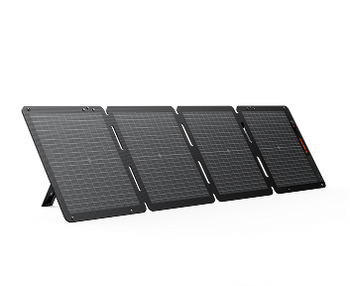
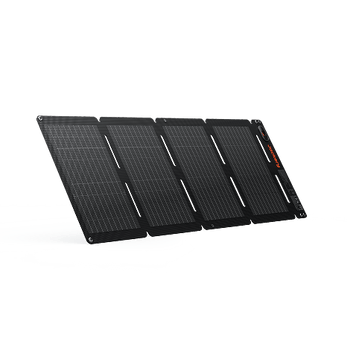



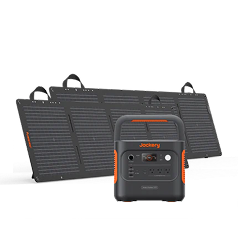
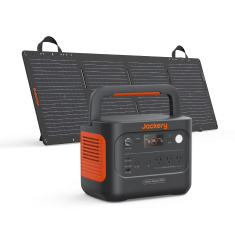


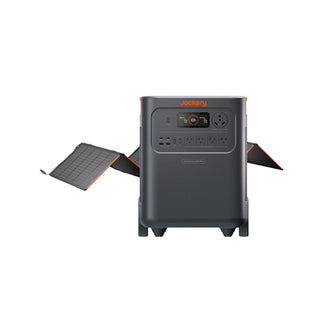

![[Add-on] Jackery SolarSaga 500 X - Jackery](http://www.jackery.com/cdn/shop/files/add-on-jackery-solarsaga-500-x-1493607.webp?v=1786503068&width=324)
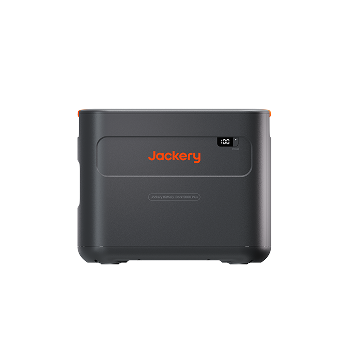
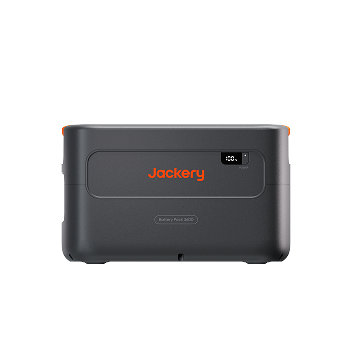
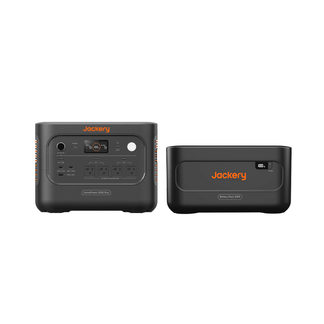
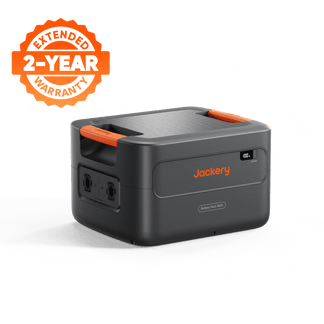
![[Add-on] Jackery Battery Pack 5000 Plus - Jackery](http://www.jackery.com/cdn/shop/files/add-on-jackery-battery-pack-5000-plus-6713401.webp?v=1786503068&width=324)








A ceiling fan draws between 0.2 and 1.2 amps on a standard 120V circuit, depending on size, motor type, and speed setting. A small 42-inch fan on low draws close to 0.2 amps, while a large 56-inch fan on high can approach 1.2 amps. Most standard residential fans, running at a typical medium speed, draw around 0.4 to 0.7 amps.
A ceiling fan is one of the lightest electrical loads in most homes. Jackery's smaller solar generators can easily run different types of portable fans, so you don't have to worry about power outages during hot summer months. A fan's modest wattage means even a compact power station can run one for the better part of a day, which is what the runtime numbers further down actually show.
Key Takeaways
- A ceiling fan draws just 0.2–1.2 amps on a 120V circuit. A small 42-inch fan on low sits near the bottom, a large 56-inch fan on high approaches the top, and most standard residential fans on medium draw about 0.4–0.7 amps.
- Ceiling fans have no meaningful startup surge. Without a compressor, there is no 2–3x spike like air conditioners or refrigerators. The running and startup draw are close enough to treat as the same number.
- DC/BLDC motor fans use roughly half the electricity of standard AC motor fans. They also scale amp draw more predictably across speed settings than older capacitor-controlled AC fans.
- A light kit can add nearly as much draw as the fan itself. A 75W fan with a 15W LED adds up to 0.75 amps combined, but swapping in an older 60W incandescent kit pushes that to 1.13 amps.
- Ceiling fans use roughly a tenth of what a window AC draws. That's the reasoning behind pairing fans with a slightly higher thermostat setting, which gives comparable comfort at a fraction of the electrical cost.

How Many Amps Does a Ceiling Fan Use by Size and Type?
Most residential ceiling fans use between 0.2 and 0.8 amps on a standard 120-volt circuit. The actual amp value of a ceiling fan depends heavily on motor technology (AC vs. energy-efficient DC/BLDC) and speed settings, while integrated light kits add extra load.
Here is how common fan categories compare at 120V, based on actual running wattage.
|
Ceiling Fan Type |
Wattage |
Amp Draw |
|
Small (42-44") Standard |
35-55W |
0.29-0.46A |
|
Medium (48-52") Standard |
55-90W |
0.46-0.75A |
|
Large (54-60") Standard |
75-120W |
0.63-1A |
|
DC/BLDC Motor (Any Size) |
15-45W |
0.13-0.38A |
|
Outdoor/Wet-Rated Fan |
60-100W |
0.5-0.83A |
How Many Amps Do Ceiling Fan vs. Portable Fan vs. Central AC Use
A ceiling fan uses about 0.2 to 0.8 amps (15–90W), a portable fan uses 0.3 to 1.0 amps (30–100W), and a central air conditioner draws 12.5 to 40+ amps (1,500–5,000W+) at 120V configurations. Central AC uses roughly 20 to 50 times more electrical current than a standard cooling fan.
Here is how a ceiling fan stacks up against other ways of staying cool.
|
Cooling Method |
Typical Wattage |
Amp Draw |
|
Ceiling Fan (Standard) |
55-90W |
0.46-0.75A |
|
Box or Tower Fan |
45-100W |
0.38-0.83A |
|
Window AC (8,000 BTU) |
700-900W |
5.8-7.5A |
|
Central Air (3-ton) |
3,500-4,500W |
15-20A (230V) |
A ceiling fan uses roughly a tenth of a window AC's draw, which is exactly why the Department of Energy recommends pairing fans with a slightly higher thermostat setting rather than relying on AC alone. It will help you get comparable comfort at a fraction of the electrical cost.
How Many Amps Does a Ceiling Fan Draw on a Startup?
No, ceiling fans do not draw startup power in any meaningful way, and it is worth correcting a common misconception here: a ceiling fan has no compressor. Surge current in appliances like air conditioners and refrigerators comes specifically from a compressor motor fighting against pressurized refrigerant on startup. A ceiling fan simply doesn't have that component.
A fan motor does draw a brief moment of slightly higher current when it first starts spinning, similar to any small electric motor overcoming initial inertia. But this is a fraction of the dramatic 2-3x spike associated with compressor-driven appliances. For practical purposes, a ceiling fan's startup draw and running draw are close enough to treat as the same number when sizing a home backup power source.
Does Fan Speed Affect How Many Amps Does a Fan Use?
Yes, fan speed affects the total amp usage directly and proportionally on most modern fans. Low speed draws less current than high speed, since the motor is doing less work to spin the blades more slowly.
On some older AC motor fans with capacitor-based speed control, the relationship isn't linear, since the capacitor circuit reduces voltage to the motor rather than cleanly reducing current draw. DC motor fans, by contrast, scale amp draw very predictably across their speed range, which is part of why they are marketed as more efficient at lower settings specifically.
How Many Amps Does a Ceiling Fan With a Light Use?
A standard fan (75W) paired with a basic LED light kit (15W) draws a combined 90W, or 0.75 amps at 120V. Swap in an older incandescent light kit at 60W instead, and the combined draw jumps to 135W, or 1.13 amps. This includes nearly the fan's entire draw again, just from the bulbs.
The takeaway: if a ceiling fan with its light on is drawing noticeably more than the fan-only figures on the chart above suggest, the light kit, especially an older incandescent one, is almost always the reason.
How Many Amps Does a Smart Ceiling Fan Draw in Standby Mode?
A smart ceiling fan uses about 0.01 to 0.04 amps (roughly 1 to 5 watts) when turned off, as its WiFi or Bluetooth receiver. A smart fan with WiFi or Bluetooth control needs to stay connected to respond to app or voice commands, even when the fan itself is not spinning, similar to any other smart home device.
The standby draw of the smart ceiling fan is small, typically well under a watt, and not something worth worrying about for a single fan. A home with several smart fans and other connected devices all idling at once is where standby draw starts to add up and increases the monthly utility bill.
How Do I Calculate My Ceiling Fan's Amp Draw?
You can find the ceiling fan’s amp draw on the fan's canopy or motor housing. Most fans list wattage or amps directly on a label near the mounting point, or in the included installation manual. If you can't find the amps directly, use Ohm's law to convert wattage to amps. A 75-watt fan on a 120V circuit draws:
75W ÷ 120V = 0.63 amps
You can check the detailed guide, How Many Watts Does a Ceiling Fan Use, to learn about the power consumption of the fans.
The alternative method to find the amp draw is using a clamp meter for a live reading. This is the most reliable way to confirm actual draw at a specific speed setting, especially useful for fans without a clear wattage label.
What Does It Cost to Run a Ceiling Fan All Summer?
A 75-watt fan running 8 hours a day uses about 0.6 kWh daily, or roughly 54 kWh over a 90-day summer stretch. At a typical US rate of $0.18 per kWh, that's about $9.72 for an entire summer of daily use. It is genuinely one of the cheapest ways to stay comfortable. Switching to a DC motor fan at 30 watts cuts that same summer's electricity cost to around $3.88, which is less than half.
For more detailed information about the expenses of running a ceiling fan, electric fan, and box fan, you can check out our guide: How Much Does It Cost to Run a Ceiling Fan.
How to Cut Your Ceiling Fan's Electricity Use
To cut your ceiling fan electricity use, the most effective steps are to turn fans off when you leave the room, optimize your thermostat settings, and upgrade to a Brushless DC (BLDC) motor fan. Ceiling fans cool people by creating a wind-chill effect. Leaving fans running in an empty room completely wastes power. Here's how to save money on your electric bill in summer and reduce the ceiling fan's electricity usage:
Turn the Fan Off: When you leave the room, turn off the fan. Fans cool people, and running one in an unoccupied space adds cost with no benefit.
Choose a DC/BLDC Motor Fan When Replacing an Old One: As shown above, the efficiency gap is large enough to meaningfully change a summer's electricity cost.
Swap Incandescent Light Kits for LED: Since the light kit draws separately from the fan motor, this is often the single easiest upgrade on an existing fixture.
Use Reverse Mode in Winter to Redistribute Warm Air: With the reverse mode, you can lower the thermostat slightly without losing comfort, at no extra electrical cost.
Clean the Blades Regularly: Dust buildup adds a small amount of resistance the motor has to work against, and it's an easy, no-cost maintenance step.
Set Fans on a Timer Rather than Running them Continuously: Use a timer for a fan operating in an occupied room. This avoids paying for airflow nobody's actually benefiting from.
Balance the Blades if the Fan Wobbles: An unbalanced fan can work slightly harder to maintain steady rotation, and it's a five-minute fix with a basic balancing kit.
Leslie Williams’ 22-unit Jackery setup, anchored by a Jackery Solar Generator 2000 Plus with five expansion batteries and a Jackery Solar Generator 1000 Plus with six, keeps fans, lights, and a TV running through every storm, ensuring the noise he depends on never cuts out even when the grid does. As a renter, he built the whole system plug-and-play, no permits, no permanent wiring, while also cutting his electric bill from over $300 to just over $100 a month. "Even if I'm not gonna be home, I feel peace thanks to Jackery," he says. Check out more Jackery Stories to see how power shows up in other people's everyday lives.
Recommended Jackery Solar Generators for Portable Fans
Solar-powered fans are one of the lightest loads a Jackery Solar Generator can handle, which makes them an easy addition to almost any setup, such as camping trips where a cool breeze inside the tent makes all the difference, RV parks without reliable shore power, backyard gatherings and tailgates that run into the afternoon heat, or simply keeping air moving through the house during a summer blackout.
Fans pull so little power compared to appliances like ACs or heaters. Even a smaller, more portable Jackery Solar Generator can run one continuously for days, leaving plenty of capacity left over for phones, lights, or a mini fridge running alongside it. That makes fans a great starting point for anyone new to off-grid power, and a low-stress way to stretch battery life during longer outages when bigger appliances need to be rationed.
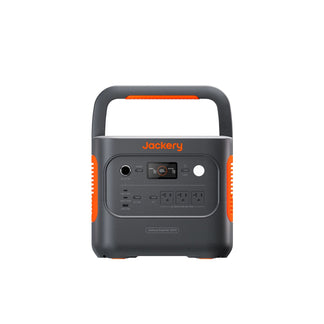
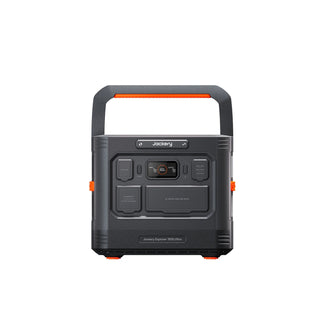
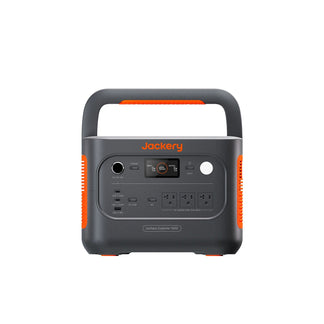
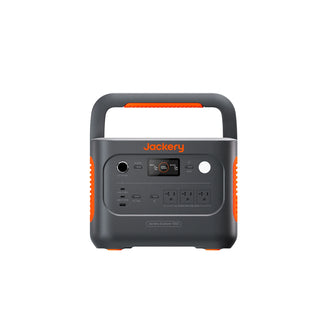
Here are a few solar generators with solar panels that fit different scenarios, depending on whether you need one fan running for a weekend trip or several fans cooling a house.
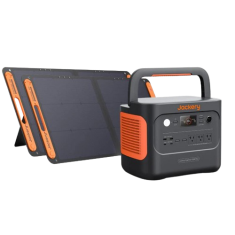
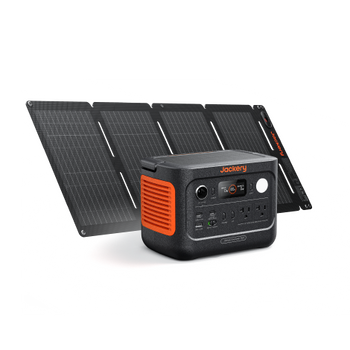
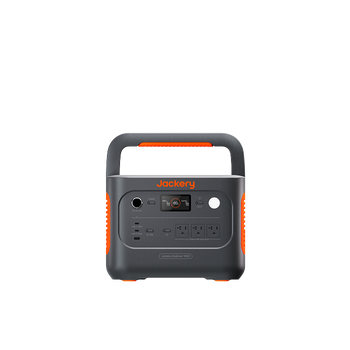
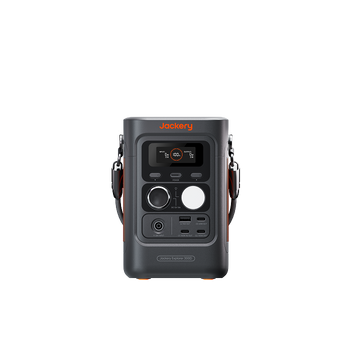
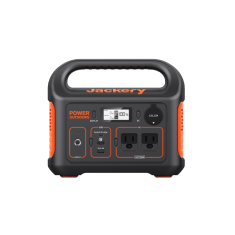
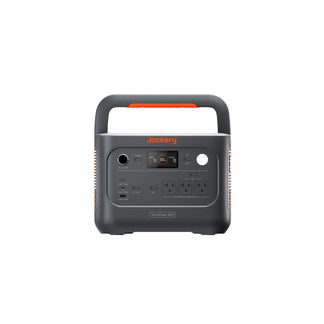
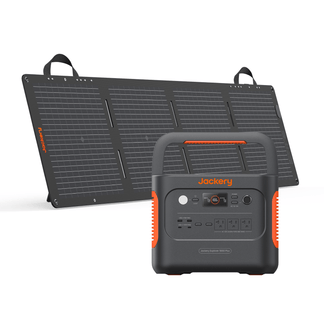
Jackery Solar Generator 240 v2
If you are running a single portable fan in a tent, a small RV bunk, or a compact space during a short outage, the Jackery Solar Generator 240 v2 is sized for exactly that. It is light enough to carry without a second thought, and it comfortably runs a standard fan through a full night with capacity to spare. It takes only one hour to fully charge the power station from the wall outlet, ensuring you can quickly refill the battery and keep appliances powered.
Appliances Running Time
- Box Fan (100W) = 1.9H
- Tower Fan (50W) = 3.5H
- Standing Fan (100W) = 1.9H
- Portable USB Fan (10W) = 10.5H
- Ceiling Fan (50W) = 3.5H
Who Should Buy This
The Jackery Solar Generator 240 v2 is ideal for campers, small-space dwellers, or anyone who wants a lightweight backup for a single fan during a short trip or outage.

Customer Review
I love my "Little Jack." I bought this to power a 12v, 53 quart cooler/freezer, so I can use the Jackery 1000v2 to power other essentials when the power goes out. Like the fact that I can use the Solar Panels that came with the 1000vs with Little Jack. Great product. Not hoping for a power failure, but I'm ready when it happens!
— CBuffalo.
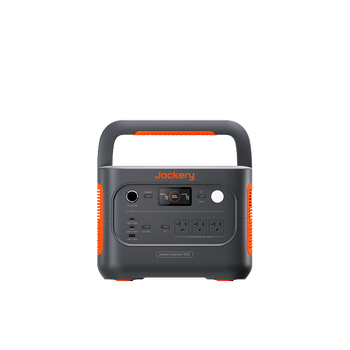
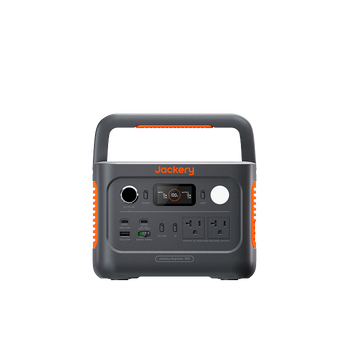
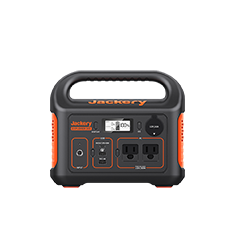
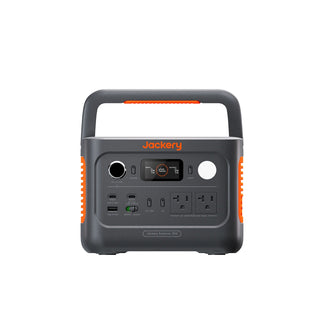
Jackery Solar Generator 300 v2
If you are using a bedroom fan running overnight paired with a reading lamp or a phone charging on the nightstand, the Jackery Solar Generator 300 v2 can handle it without a second thought. It's ideal for anyone who wants a fan running through an entire night. For a hot summer outage, this compact solar generator is the difference between rationing fan time and just letting it run the way you normally would until morning. With the multiple output ports, you can charge up to six devices simultaneously.
Appliances Running Time
- Box Fan (100W) = 2.1H
- Tower Fan (50W) = 3.9H
- Standing Fan (100W) = 2.1H
- Portable USB Fan (10W) = 11.8H
- Ceiling Fan (50W) = 3.9H
Who Should Buy This
The Jackery Solar Generator 300 v2 is suitable for individuals or couples who want a fan running through a full night during an outage, with a little extra capacity for a light or small device alongside it.

Customer Review
Exactly what I needed to use in my home office where I do not have enough outlets. Plenty of reliable and steady power for my laptop. Lightweight and the solar panel is a great bonus.
— Linda D.M.
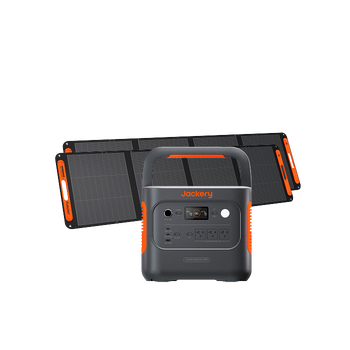
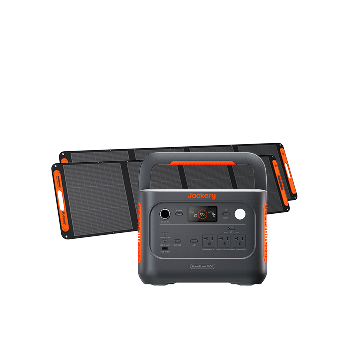
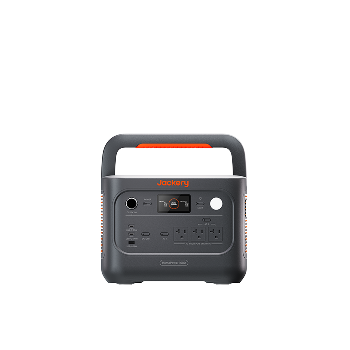
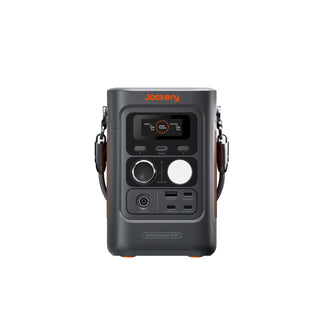
Jackery Solar Generator 600 v2
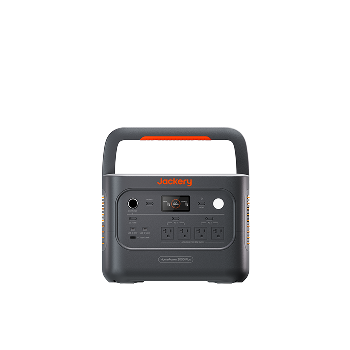
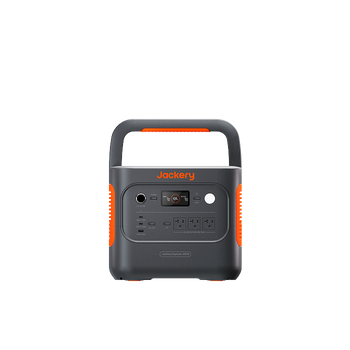
For a fan-and-light combo running most of a hot night, or two smaller fans covering separate rooms during an extended outage, the Jackery Solar Generator 600 v2 provides enough power and capacity without stepping up to a much larger, appliance-focused unit. This is the pick for a household that doesn't want to choose between keeping one room comfortable and keeping a second one livable too. It can switch from grid to battery backup power in ≤0.01s to keep fans, computers, and calls powered during outages.
Appliances Running Time
- Box Fan (100W) = 4.8H
- Tower Fan (50W) = 8.7H
- Standing Fan (100W) = 4.8H
- Portable USB Fan (10W) = 26.2H
- Ceiling Fan (50W) = 8.7H
Who Should Buy This
The Jackery Solar Generator 600 v2 is ideal for households wanting to cover a full night of fan-and-light use, or run more than one fan at once during a multi-day outage.

Customer Review
Great investment worth the money spent on it. Great for outdoor activities, especially to light up the night. Recommend this product...is a must have specially if you are a vendor doing night events or just out camping.
— Adrian M.
FAQs
Can a ceiling fan run on a 15-amp circuit?
Yes, a ceiling fan can run on a 15-amp circuit easily. A standard fan draws well under an amp, so a 15-amp circuit has room for multiple fans alongside typical room lighting and outlets, though what else shares the circuit usually matters more than the fans themselves.
How many amps is a normal ceiling fan?
A standard 48-52 inch fan running at medium speed draws roughly 0.46 to 0.75 amps at 120V.
Does a ceiling fan draw a startup surge like an air conditioner?
No. Ceiling fans have no compressor, so there's no meaningful surge like an air conditioner. The brief extra current a fan motor draws at startup is minor compared to that of compressor-driven appliances.
How many amps does a ceiling fan with a light use?
Add the light kit's wattage to the fan's wattage before converting to amps. For example, a 75W fan with a 15W LED light draws a combined 0.75 amps, versus roughly 1.13 amps with an older 60W incandescent kit.
Is a DC motor ceiling fan worth it for electricity savings?
Yes, DC motor fans typically use 50% or more less electricity than a comparable AC motor fan, which adds up meaningfully over a full cooling season of daily use.
Do outdoor ceiling fans use more electricity than indoor fans?
No, outdoor ceiling fans do not use more electricity than indoor fans. Outdoor and wet-rated fans run 60-100 watts, similar to a standard indoor fan, with the extra cost typically going toward weatherproofing rather than a meaningfully stronger motor.
Does running a ceiling fan in reverse for winter cost extra?
No. Reverse mode uses the same motor at the same wattage, and only changes the airflow direction rather than the electrical draw.
Conclusion
You can calculate the amp draw of the ceiling fan by dividing the wattage by 120V. One variable worth paying attention to while calculating how many amps a ceiling fan uses is motor type, since a DC/BLDC fan can cut electricity use in half compared to a standard AC motor model.
If you are sizing backup power for a fan and other cooling appliances at home or outdoors, you can consider investing in the Jackery Solar Generators. While the small Jackery Solar Generator 240 v2 is ideal for running small portable fans and other basic devices, the Jackery Solar Generator 600 v2 is ideal if a fan and a light need to run together through the night.


