











Fans are designed to move air, which keeps their electricity use relatively low compared to air coolers or air conditioners. Most household fans operate in the range of 20 to 75 watts, depending on their size, motor design, and speed setting. For anyone asking how many watts does a fan use, the answer is far more about efficiency than raw power.
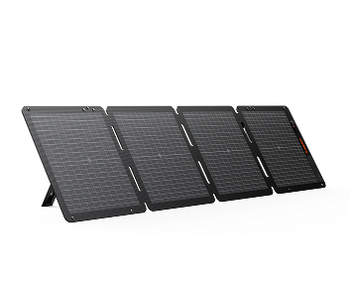
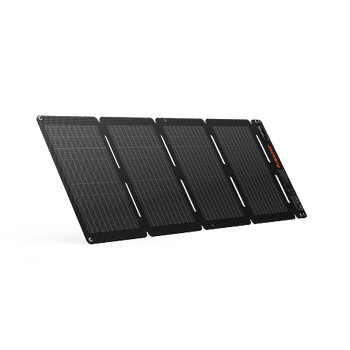
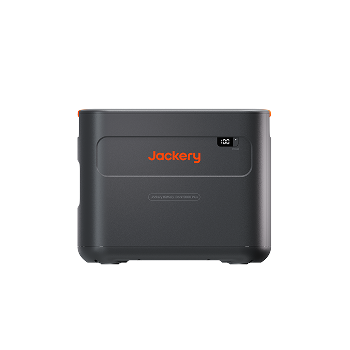
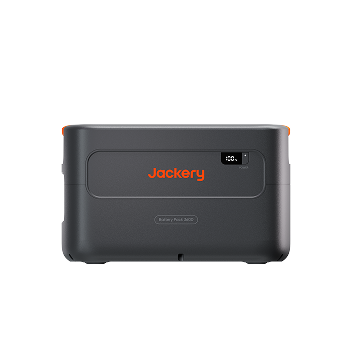
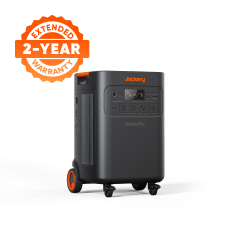
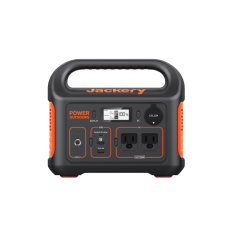
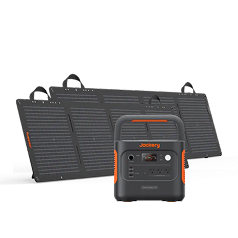
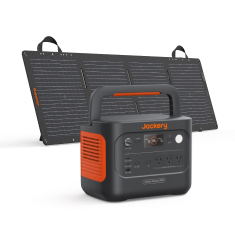
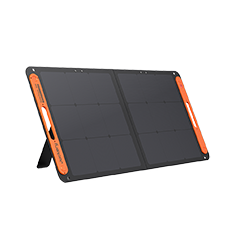
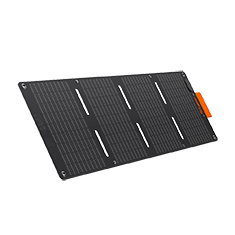
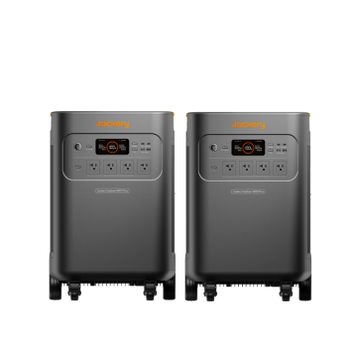
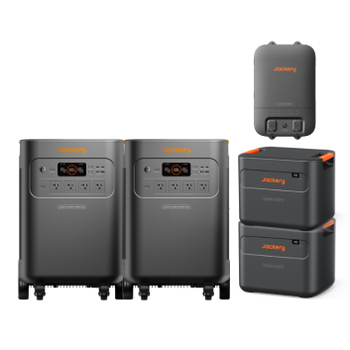
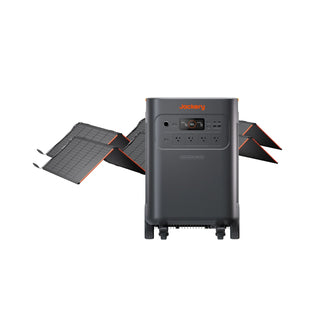
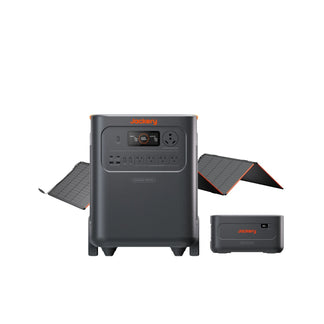
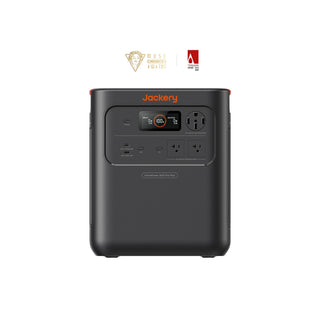
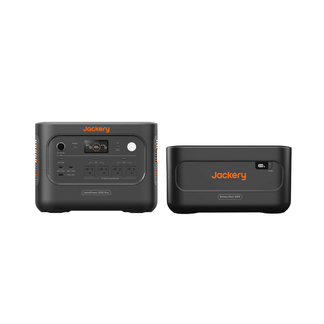
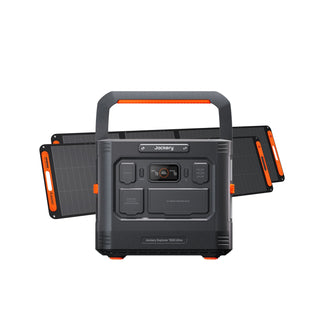
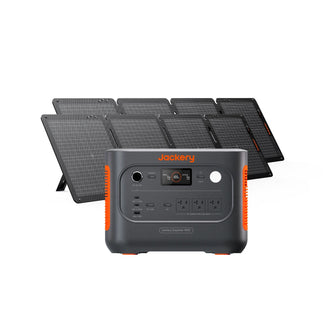
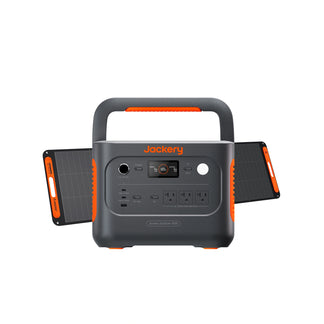
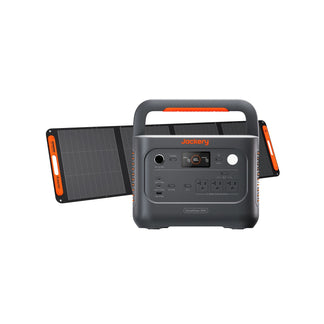
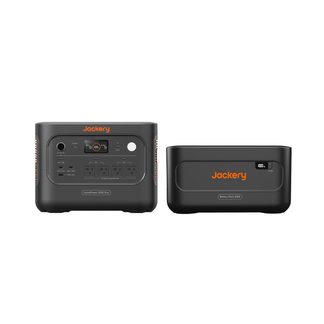
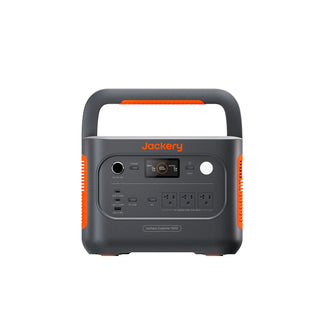
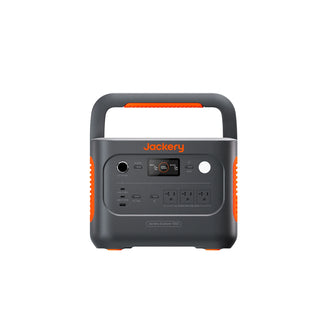
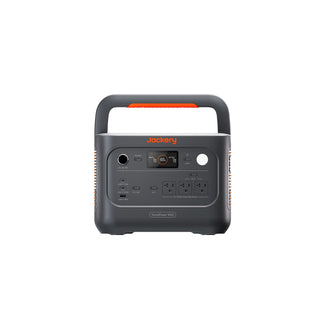
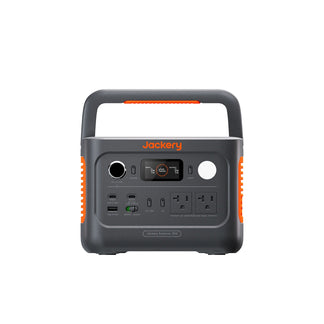
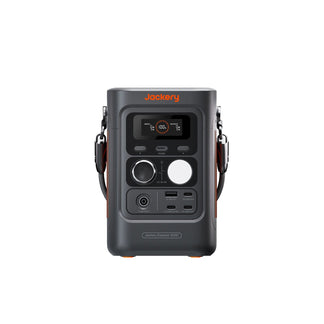
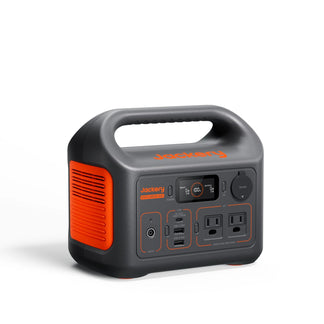
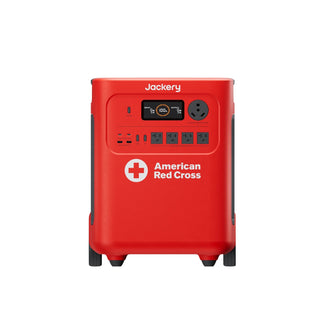
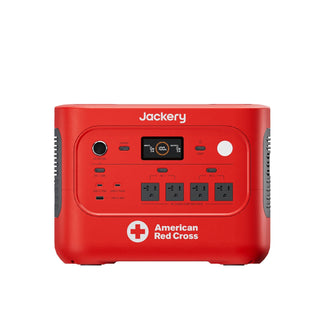
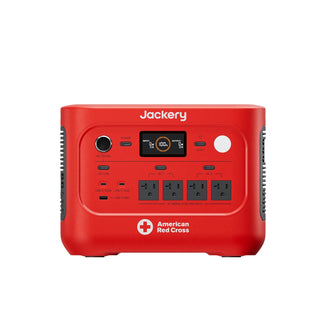
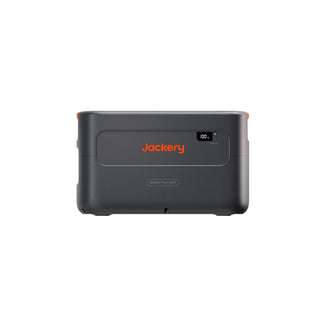
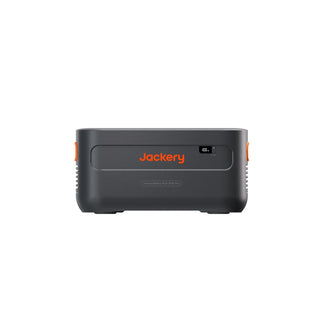
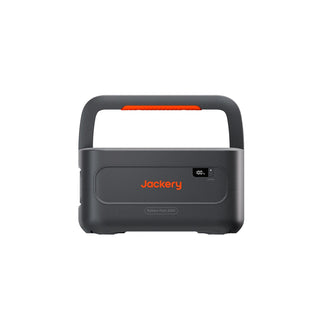
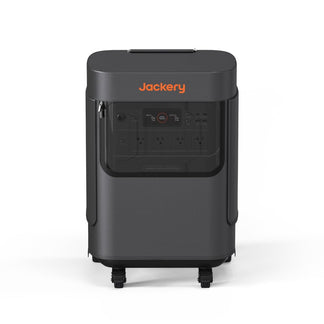
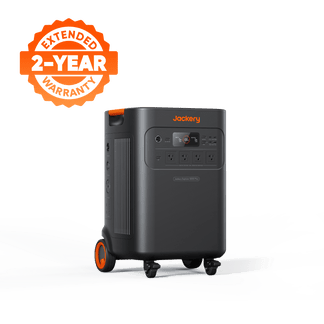
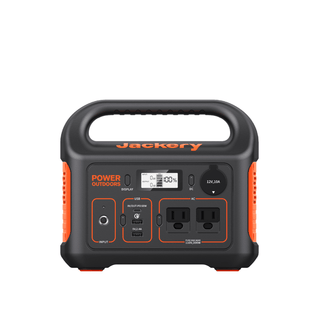
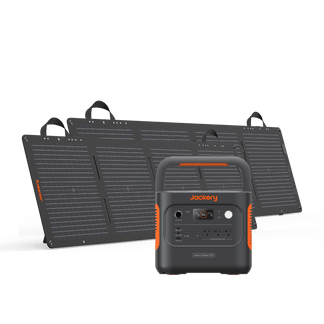
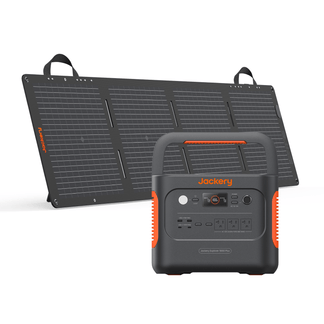
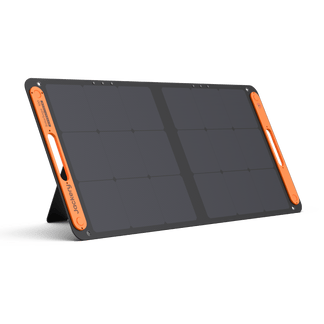
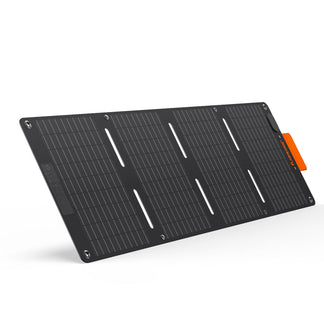
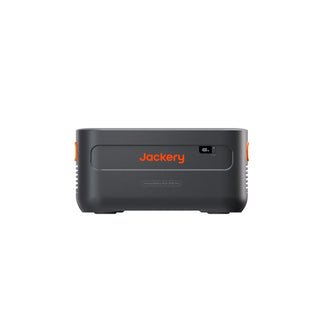
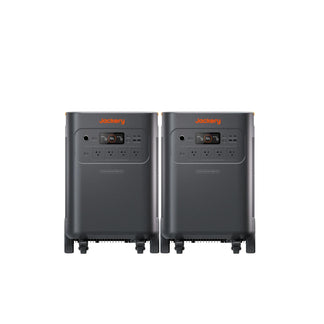
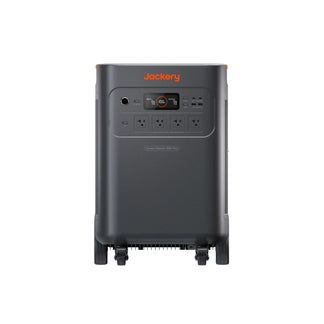
The low power demand is why fans are often left running for long hours, especially in warm climates or overnight. Their modest electricity draw also makes them easier to support during power interruptions or off-grid use. In these situations, low-watt appliances like fans pair well with portable solar generators such as a Jackery Solar Generator, where extended runtime matters more than high output.
Takeaways
- Most ceiling, pedestal, and table fans use far less electricity than cooling appliances like air conditioners or heaters.
- Fans with higher speed settings and older AC motors consume more power, while modern DC motor fans are significantly more efficient.
- Even when run for several hours, fans typically add only a small amount to overall electricity consumption.
- Because of their low wattage, fans are easier to run on portable power stations compared to most household appliances.
How Many Watts Does a Fan Use?
Most common household fans use between 20 and 75 watts while running, depending on the fan type and speed setting. Smaller table or box fans usually fall on the lower end of the range (20 - 50W), while larger pedestal or older ceiling fans may draw slightly more power at higher speeds (50 - 75W). Modern energy-efficient fans, especially those with DC motors, can use even less electricity while delivering similar airflow.
|
Fan |
Wattage |
Estimated Working Hours (Hours) |
Estimated Energy Needed daily (Watt-hours) |
|
Ceiling Fan |
33W |
12 |
396 |
|
Box Fan |
100W |
12 |
1200 |
|
Tower Fan |
54W |
12 |
648 |
|
Table / Standing Fan |
40W |
12 |
480 |
How Much Power Does a Ceiling Fan Use?
A ceiling fan typically uses between 15 and 90 watts, with most standard models averaging around 50 to 75 watts at normal speeds. Power use varies based on the fan’s size, speed setting, and motor type. Traditional ceiling fans with AC motors tend to consume more electricity, especially at higher speeds. Newer, energy-efficient ceiling fans, such as those with BLDC motors, use significantly less power, often operating in the 26 - 40 watt range while delivering similar airflow.
Joseph Schentrup, a Florida-based software engineer and father of infant twins, relied on Jackery products to keep everyday essentials running during frequent power flickers, including fans that kept the house comfortable and quiet through the night. Before switching to Jackery products, even brief outages would reset lights and disrupt sleep, but with stable backup power in place, the fans continued running uninterrupted, allowing his children to sleep through power disturbances. Read more such Jackery Stories to see how people use solar generators for daily tasks.
What Size Generator Do I Need for Fan?
In order to run a typical portable fan, you generally need a generator with at least 200 to 300 watts of continuous output, depending on the fan type and speed setting. Since fans use relatively little power, most solar generators and power stations can handle them easily. Table fans and pedestal fans usually draw less than 100 watts, while ceiling fans may use slightly more at higher speeds.
What matters more than output is how long the fan needs to run, since fans are often used for many hours at a time. If you want to understand how long a Jackery Solar Generator can run a fan, you can use the running time calculator available on the Jackery Buying Guide page. Simply choose the Jackery model from the dropdown and input the appliance's wattage to get an estimated runtime.
With sufficient battery capacity, a small generator or portable station can power a fan for extended periods. In backup or off-grid situations, Jackery Solar Generators are particularly well-suited for this use case, as their low-wattage draw allows longer runtime. You can also power other essential appliances, such as fridges, lights, TVs, and more.
Recommended Jackery Solar Generators for Fans
Fans are often used for comfort rather than short, task-based needs, which means they tend to stay on for hours at a time. That makes runtime planning more important than handling high power output. When airflow is needed overnight, during heatwaves, or through extended outages, the ability to keep a fan running consistently becomes the main consideration. In these situations, Jackery Solar Generators offer a practical way to support long-duration fan use without relying on grid electricity. Here are a few solar generators that are ideal for fans:
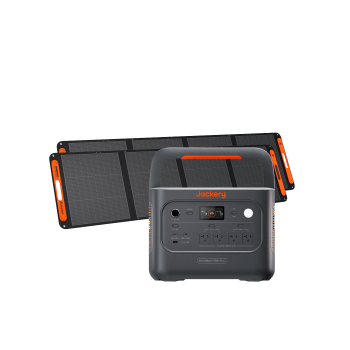
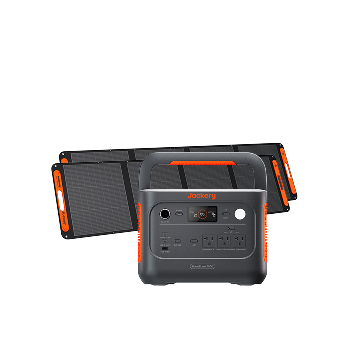
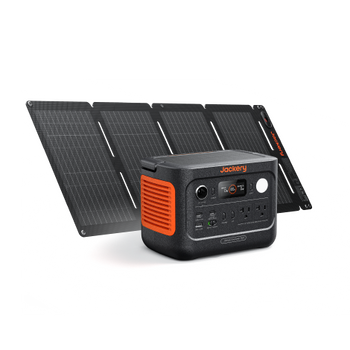
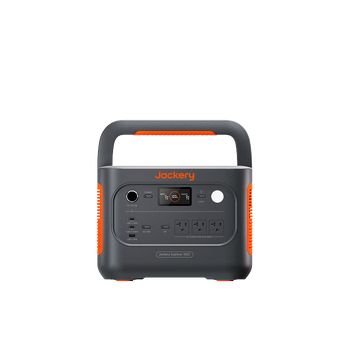
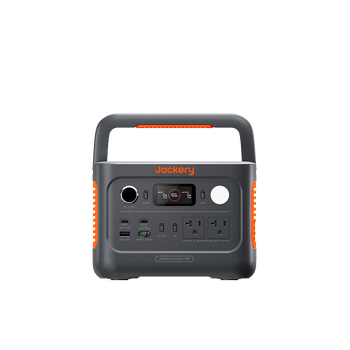
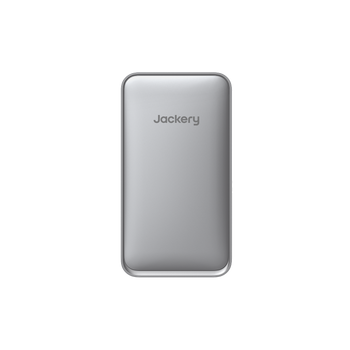
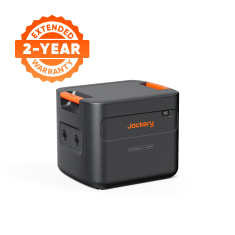
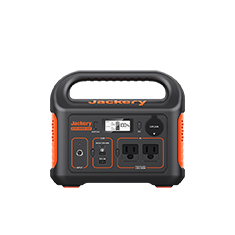
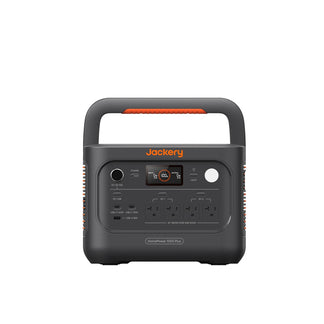
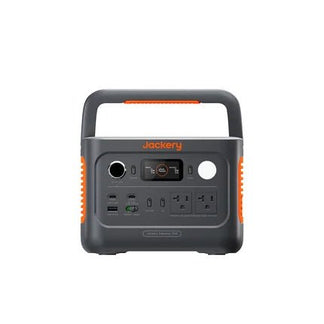
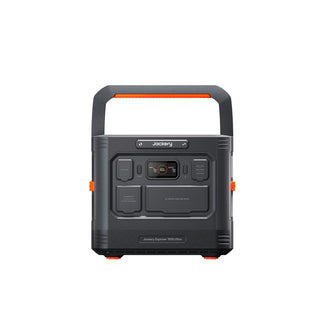
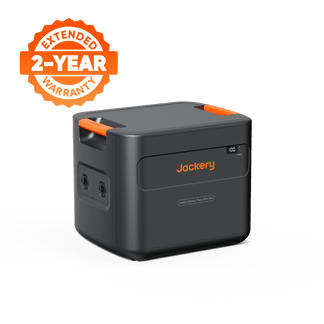
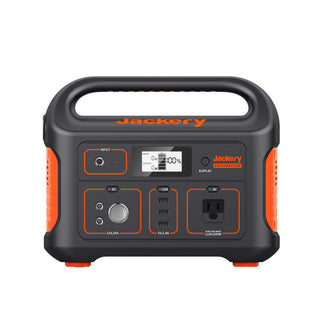
Best for Portable Fans - Jackery Solar Generator 600 v2
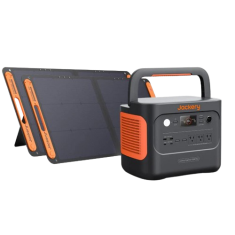
The Jackery Solar Generator 600 v2 is the ideal power companion for staying cool on the go, whether you are camping, tailgating, or riding out a summer power outage. With multiple USB-A and USB-C output ports, it can run small portable fans and USB-powered fans for hours on end, keeping you comfortable wherever you are. A typical USB desk fan draws just a few watts, meaning the Jackery Solar Generator 600 v2 can keep it running continuously for well over 100 hours on a single charge, while larger portable box fans still enjoy all-day runtime. It is a compact, quiet, and reliable way to beat the heat without relying on a wall outlet or noisy gas generator.

Appliances Running Time
- USB/Clip-on Fan (15W) = 21.0H
- Small Desk Fan (40W) = 10.5H
- Midsize AC Portable Fan (60W) = 7.5H
- Larger AC Fan (120W) = 4.0H
- High-Output Outdoor Fan (150W) = 3.3H
Who Should Buy This
If you mainly need to keep a couple of smaller fans running for basic cooling during short outings, the Jackery Solar Generator 600 v2 can be a reliable option.
Customer Review
The Jackery 600 v2 was tested on something small such as a 34in tv, a router and a PS4 from a surge protector plugin with minimal game play mostly YouTube just to see power consumption. At just a little bit over 100 volts the Jackery 600 v2 lasted 6 hours, and charged in 2 1/2 hours. Even at a full drain to 0% with another test also charged in 2 1/2 hours from a wall outlet.
— Forever G.
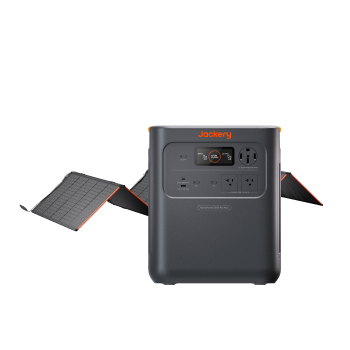
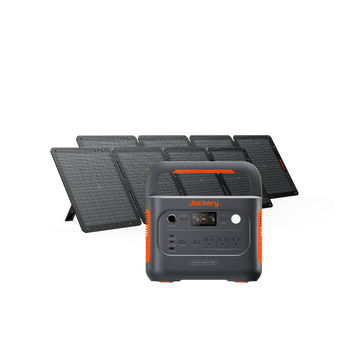
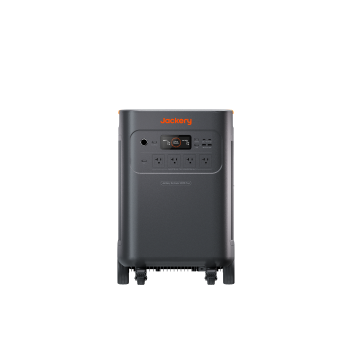
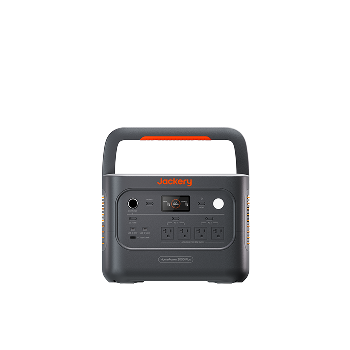
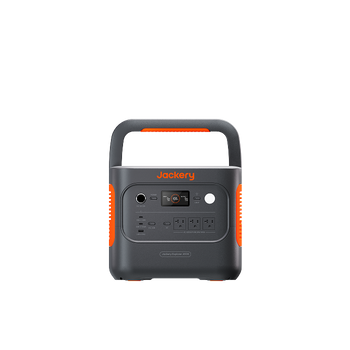
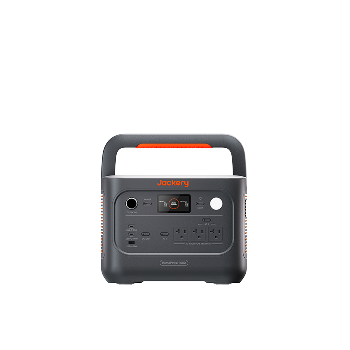
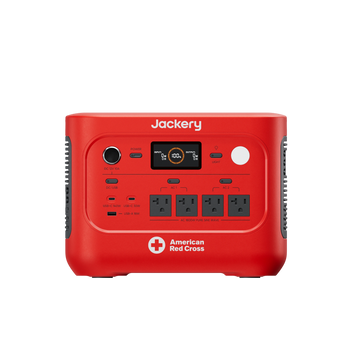
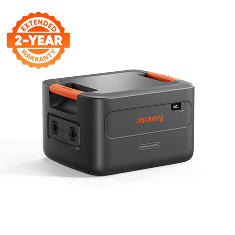
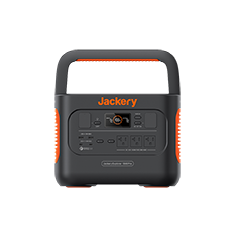
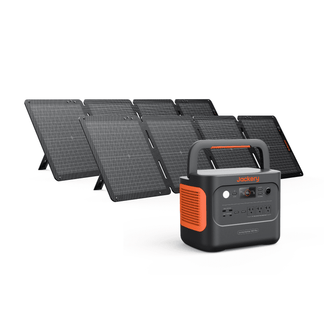
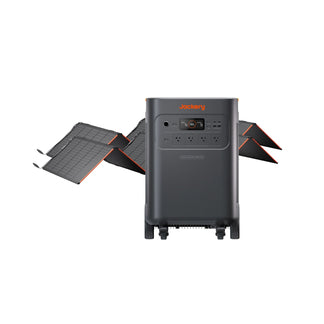
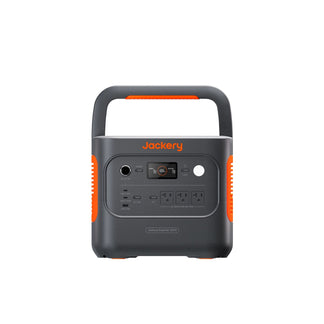
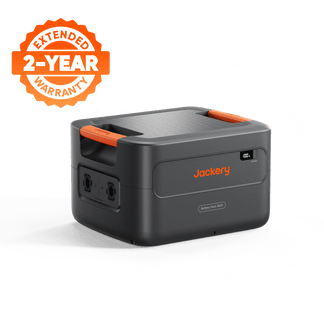
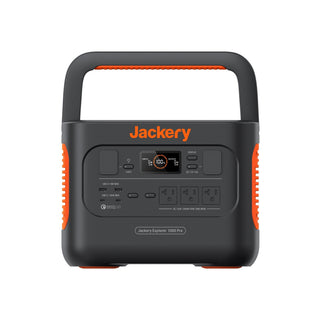
Best for Most Appliances - Jackery Solar Generator 1000 Plus
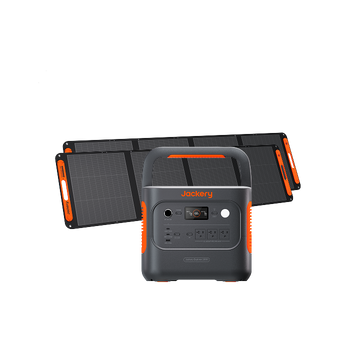
The Jackery Solar Generator 1000 Plus is the ideal battery backup solution for most appliances as it has a large capacity and several AC and USB ports that can power multiple devices simultaneously. Though large in capacity, it is portable because of the foldable handle and ergonomic design. It is great for outdoor and off-grid outdoor adventures because it is easy to carry and operates by emitting only 30dB of noise, which is less than a refrigerator’s hum.
Appliances Running Time
- USB/Clip-on Fan (15W) = 31.4H
- Small Desk Fan (40W) = 17.9H
- Midsize AC Portable Fan (60W) = 13.3H
- Larger AC Fan (120W) = 7.5H
- High-Output Outdoor Fan (150W) = 6.2H
Who Should Buy This
If your goal is reliable, all-day fan power and the ability to run a few additional small devices alongside it, the Jackery Solar Generator 1000 Plus strikes a balanced match.
Customer Review
I used the unit to power the fridge to see how long it would last just powering the fridge. I found that it will power my fridge for 21 hours. Better than I thought. I have purchased the extra battery unit to extend the time.
— William M.
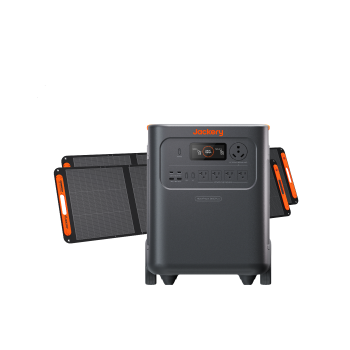
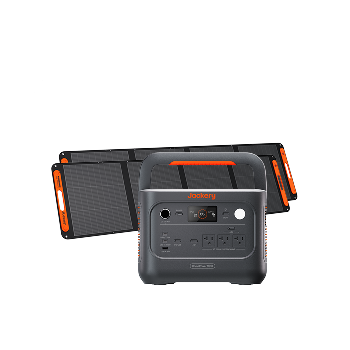
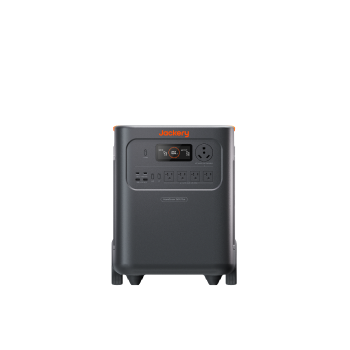
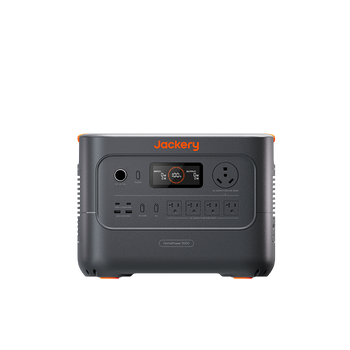
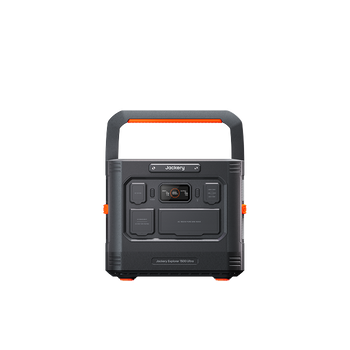
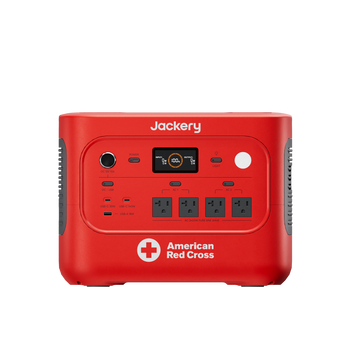
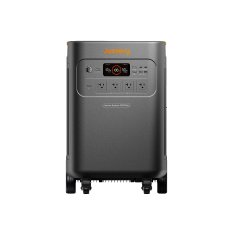
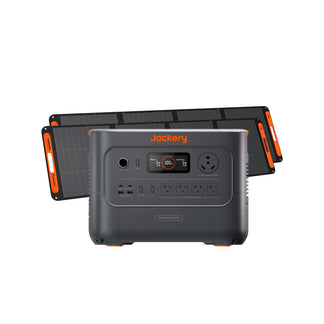
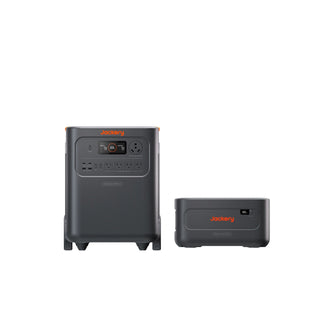
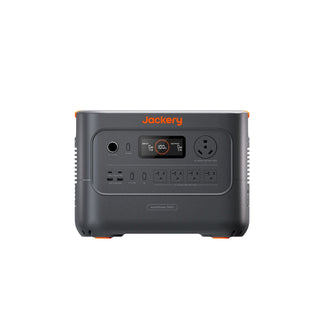
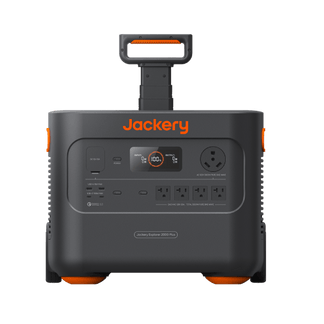
Best for Off-Grid Working - Jackery Solar Generator 2000 v2
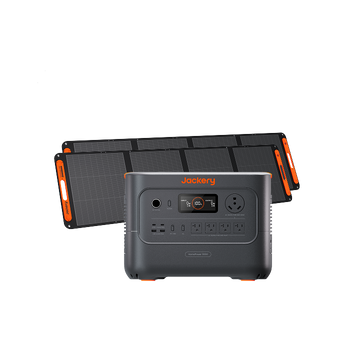
The Jackery Solar Generator 2000 v2 is the lightest and smallest 2kWh LFP solar generator for off-grid use. It has a high capacity and can power most of your indoor or outdoor devices. It offers multiple output ports, so you can connect various devices simultaneously. The Jackery app allows you to easily monitor and manage your power usage.
Appliances Running Time
- USB/Clip-on Fan (15W) = 50.7H
- Small Desk Fan (40W) = 28.9H
- Midsize AC Portable Fan (60W) = 21.5H
- Larger AC Fan (120W) = 12.1H
- High-Output Outdoor Fan (150W) = 10.0H
Who Should Buy This
If you are running multiple fans at once or combining cooling with several other powered accessories during camping or RV trips, the Jackery Solar Generator 2000 v2 is a practical choice.
Customer Review
I found this generator to be well built and extremely reliable with the power and long lasting energy it provides…Awesome simply awesome!!!
— Paul T.
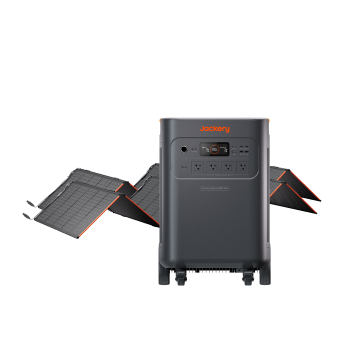
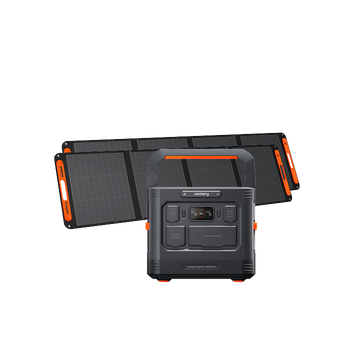
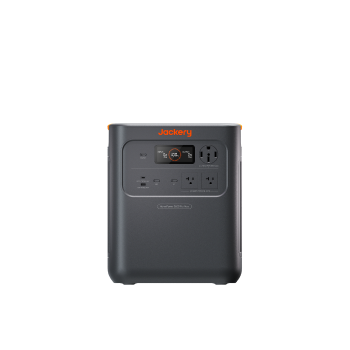
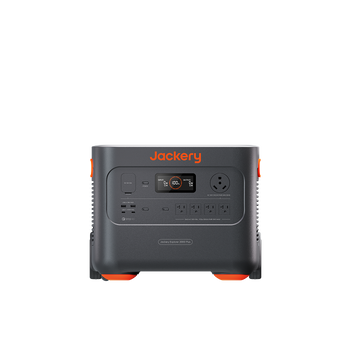
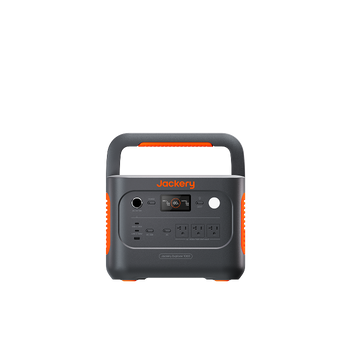
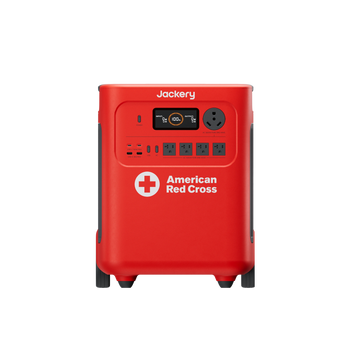
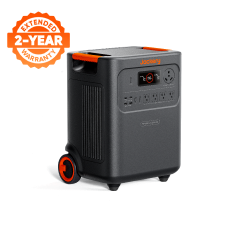
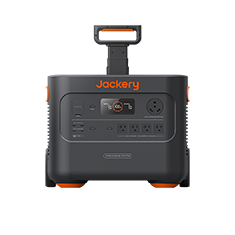
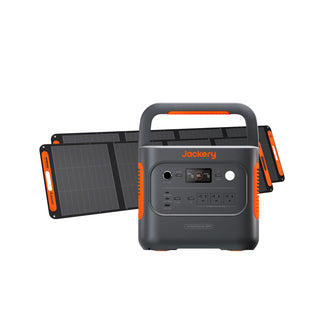
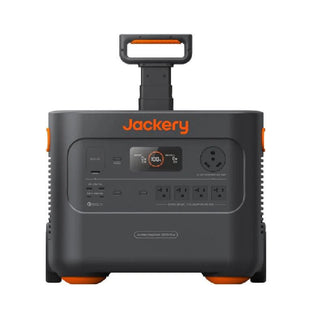
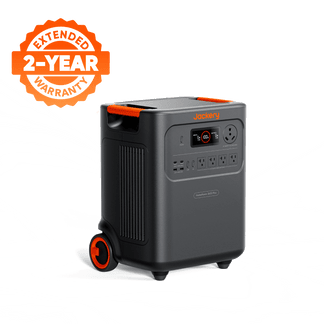
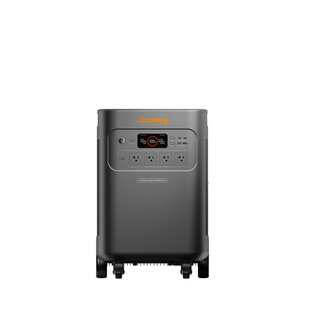
Best for All Situation - Jackery Solar Generator 2000 Plus
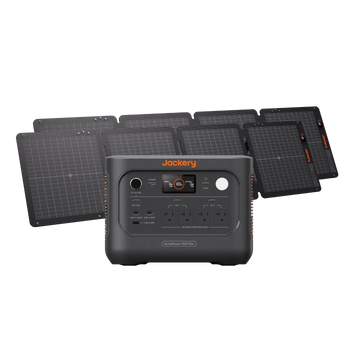
The Jackery Solar Generator 2000 Plus is the powerhouse that can run fans and even your large appliances during power outages or outdoor trips. Whether you want to power a refrigerator to keep food fresh during power outages or run multiple fans to stay cool in warm weather, the solar generator has your back. You can expand the battery capacity all the way to 24kWh by adding battery packs, which makes it ideal for off-grid living and extended blackouts.
Appliances Running Time
- USB/Clip-on Fan (15W) = 50.7H
- Small Desk Fan (40W) = 28.9H
- Midsize AC Portable Fan (60W) = 21.5H
- Larger AC Fan (120W) = 12.1H
- High-Output Outdoor Fan (150W) = 10.0H
Who Should Buy This
If you regularly use several fans together, especially alongside lights, chargers, or cooking appliances, during unexpected power outages, the Jackery Solar Generator 2000 Plus fits that scenario.
Customer Review
Fantastic - easy to use and runs our cabin like a pro! I was expecting the 2000 plus to work well, but the plug and play nature of the system as well as the simple interface exceeded my expectations!!!
— Robert C.
FAQs about Fan Wattage
How much electricity does a fan use in 24 hours?
A typical fan uses about 0.5 to 1.5 kWh over 24 hours, depending on its wattage and speed setting. For example, a 60-watt fan running continuously for a full day would consume around 1.44 kWh of electricity.
How much power does a fan consume?
Most household fans consume between 20 and 75 watts while running. Power use varies based on fan type, motor efficiency, and selected speed, with modern energy-efficient models using even less.
How much electricity does a ceiling fan use?
A ceiling fan typically uses 15 to 90 watts, with standard models averaging around 50 to 75 watts at normal speeds. Energy-efficient ceiling fans with advanced motors can operate at significantly lower wattage.
Conclusion
Fans are among the most energy-efficient appliances in a home, typically operating on a fraction of the power required by air conditioners or other cooling systems. Their low wattage makes them suitable for long daily use without significantly increasing electricity bills. Because of this efficiency, fans are also a practical option during power outages or off-grid situations. With proper planning and an understanding of how many watts does a fan use, a Jackery Solar Generator can support fan use for extended periods. It helps maintain airflow and comfort when grid power isn’t available.


