


















A ceiling fan costs about $0.44 a day, or $13.20 a month, to run continuously at the US average electricity rate of 18.34 cents/kWh. A box fan or tower fan running the same 24 hours a day typically costs somewhere between $0.18 and $0.40 a day, depending on wattage. All of this depends on three numbers: your fan's wattage, how many hours a day it runs, and your local electricity rate, which is why the answer for your exact setup might be higher or lower than these averages.
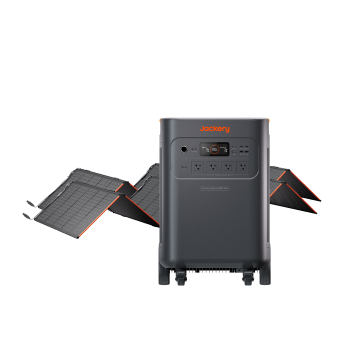
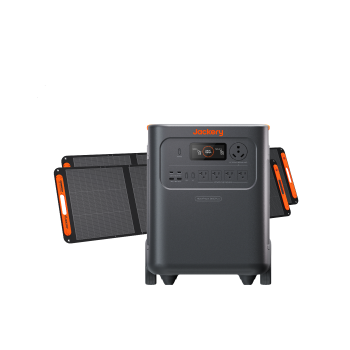
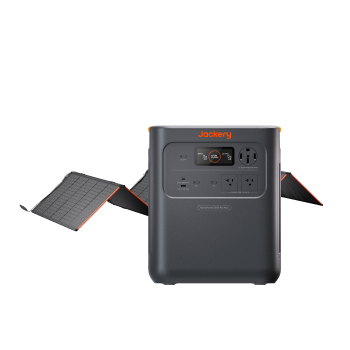
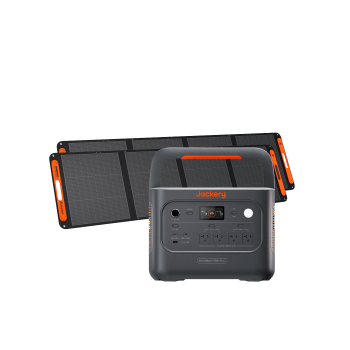
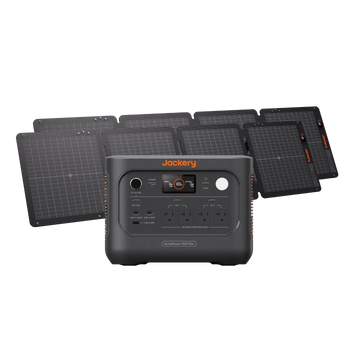
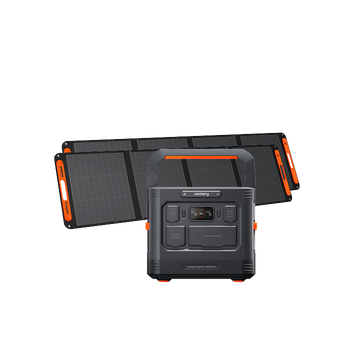
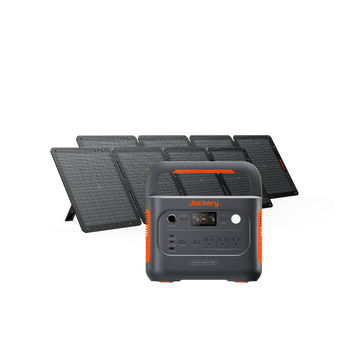
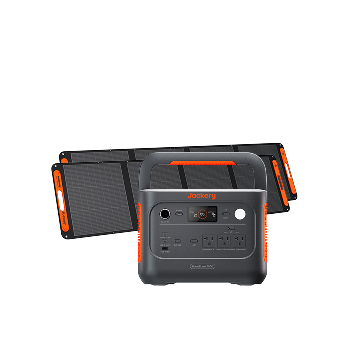
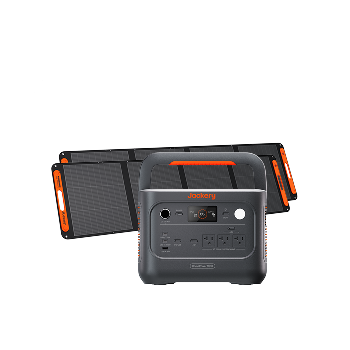
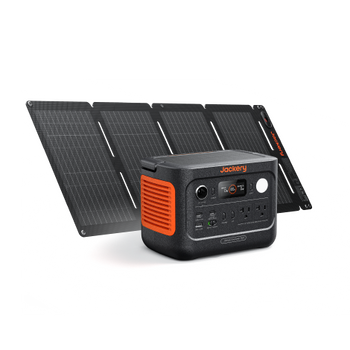
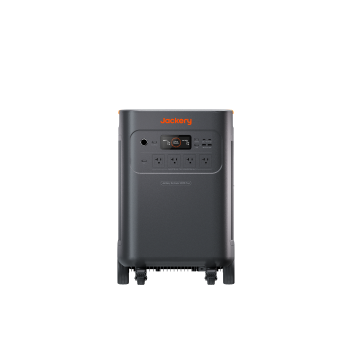
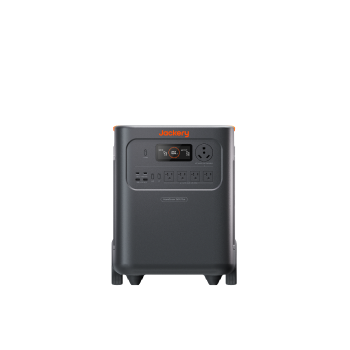
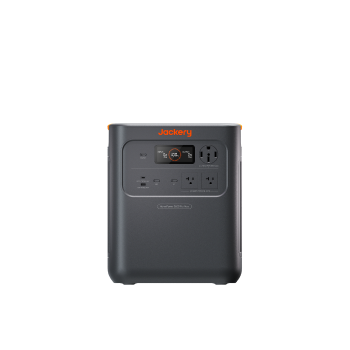
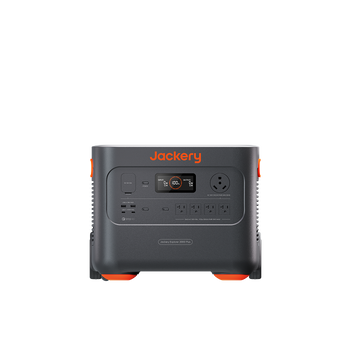
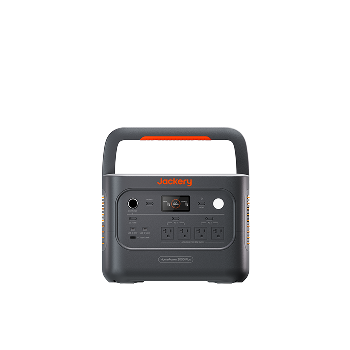
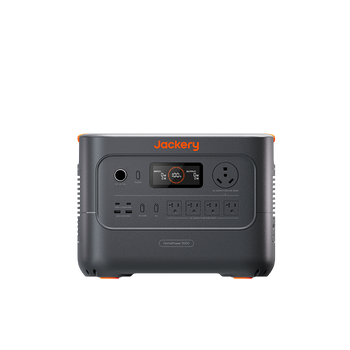
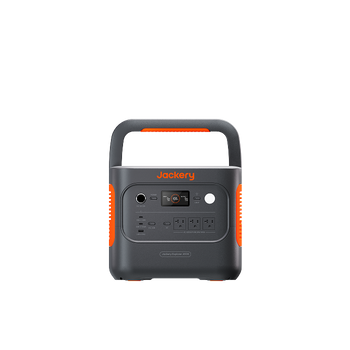
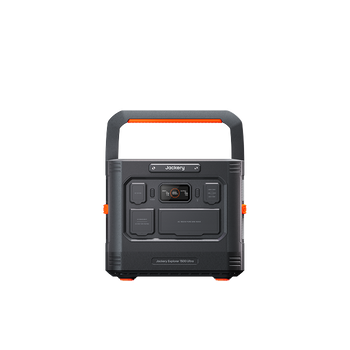
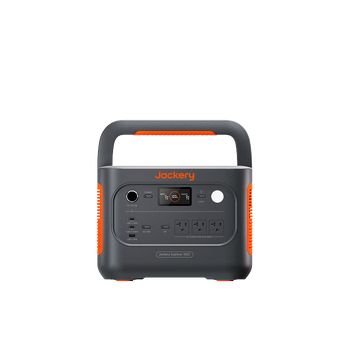
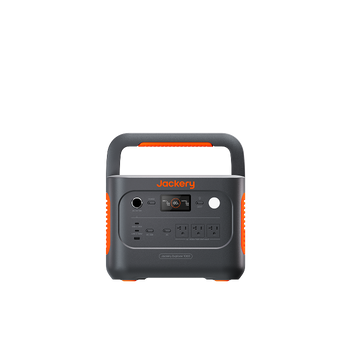
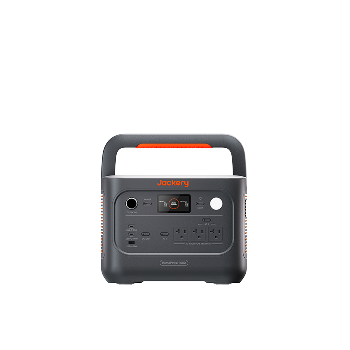
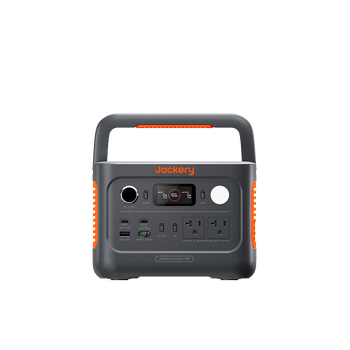
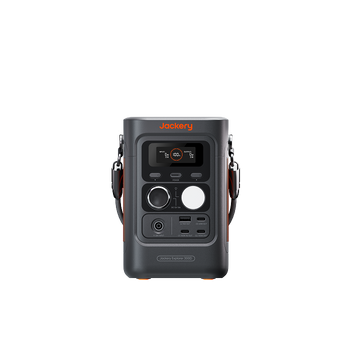
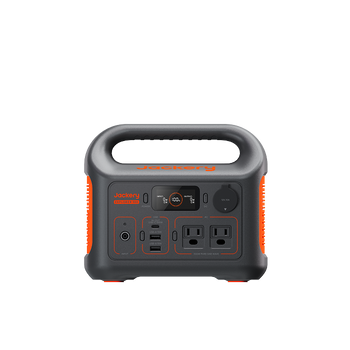
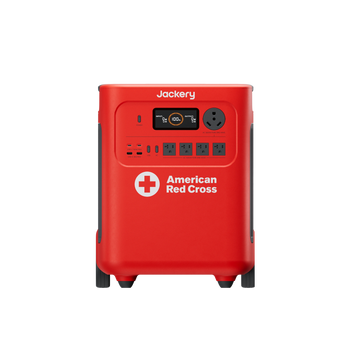
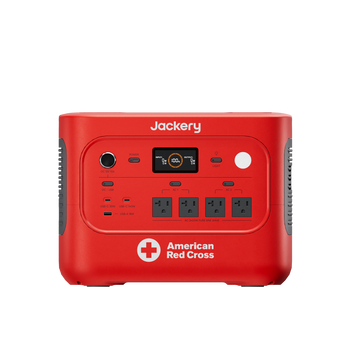
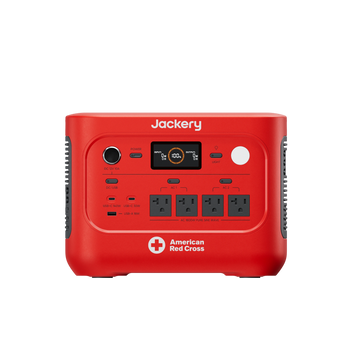
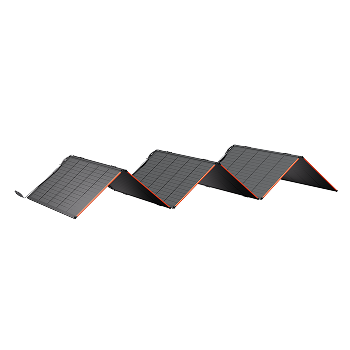
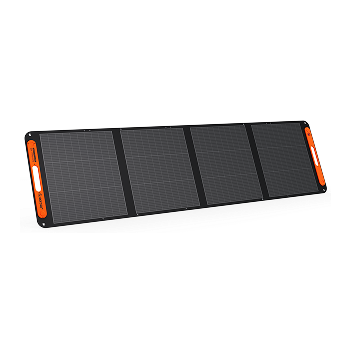
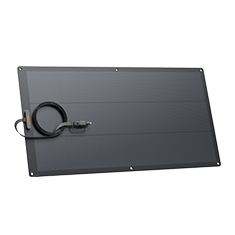
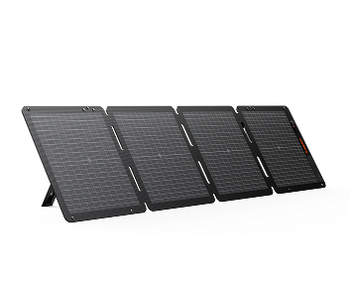
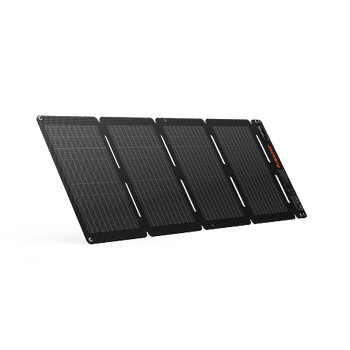
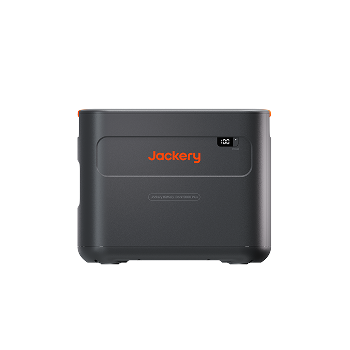
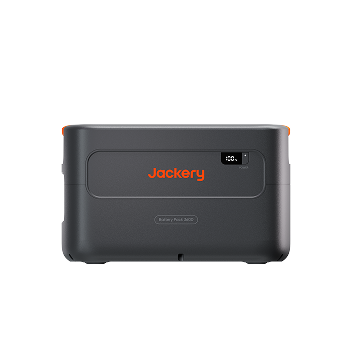
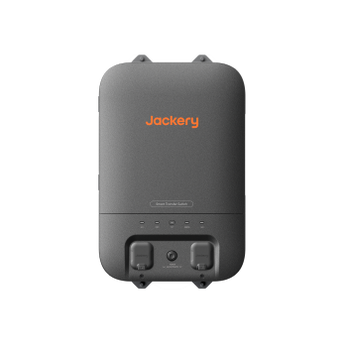
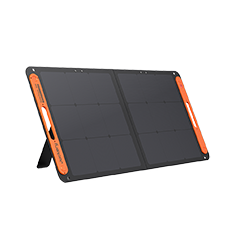
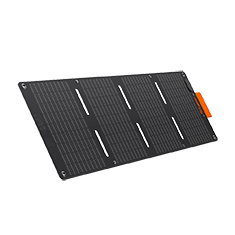
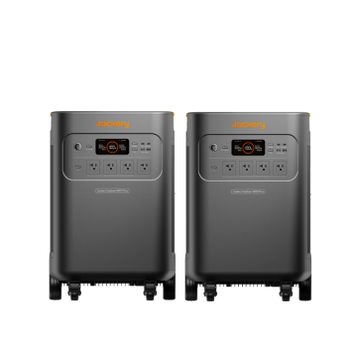
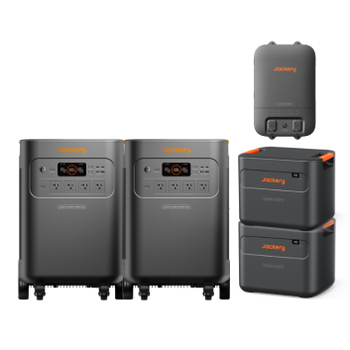
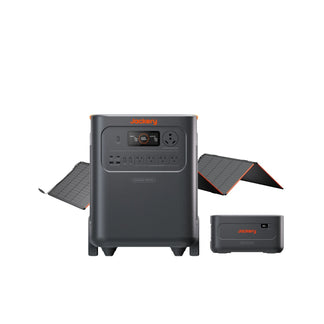
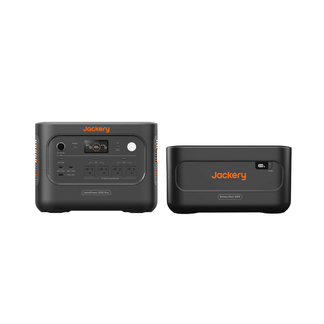
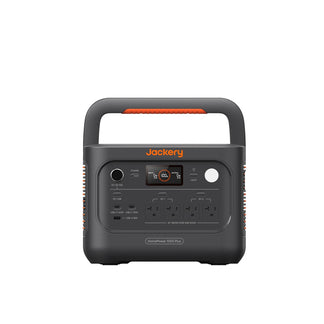
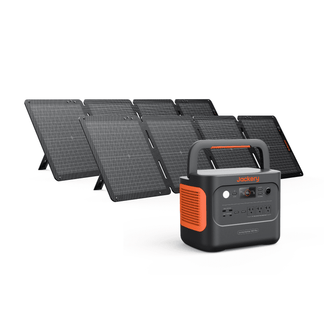
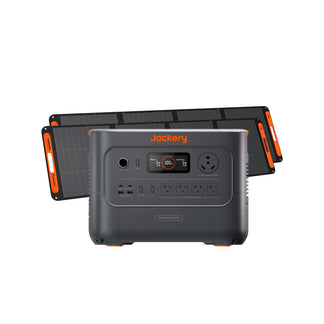
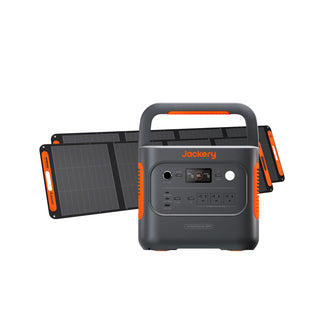
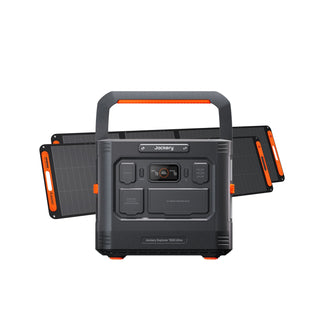
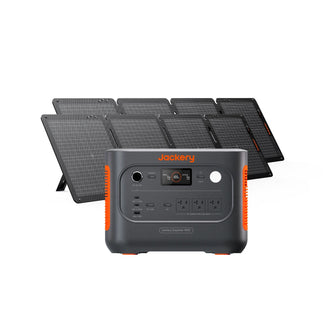
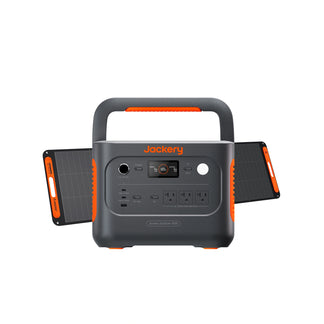
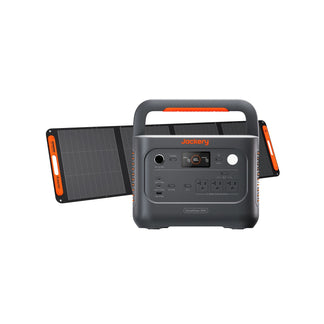
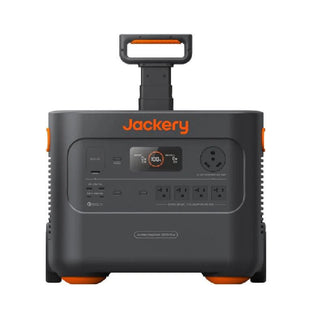
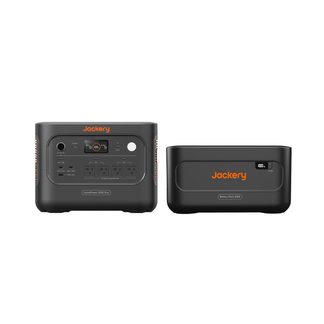
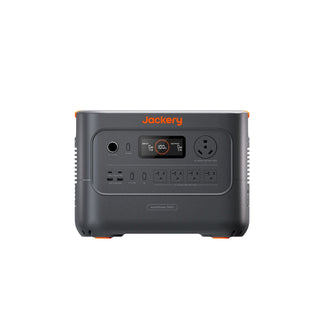
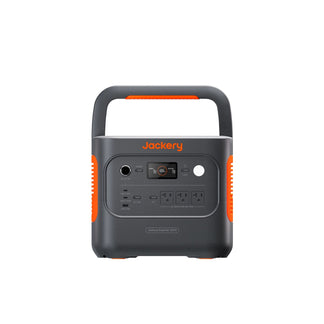
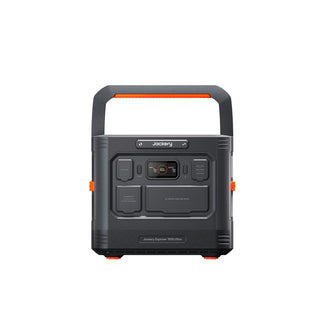
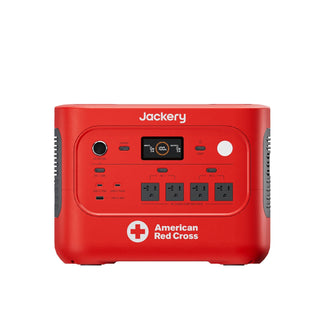
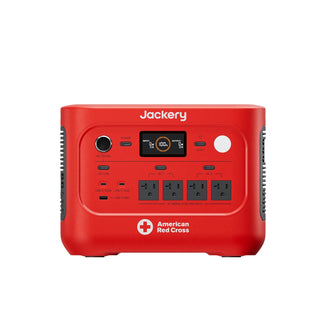
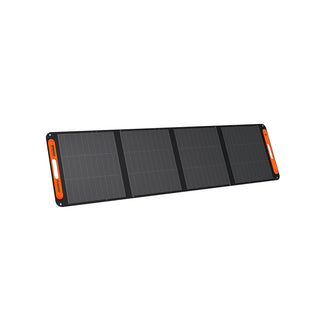
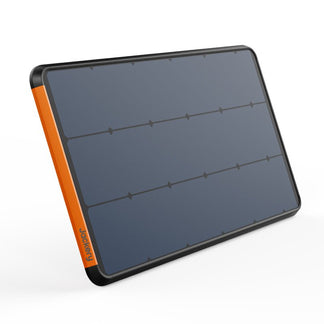
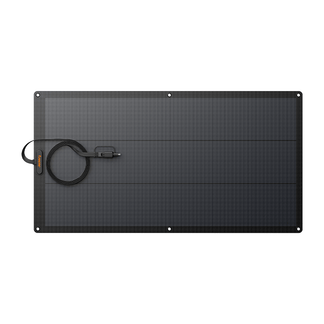
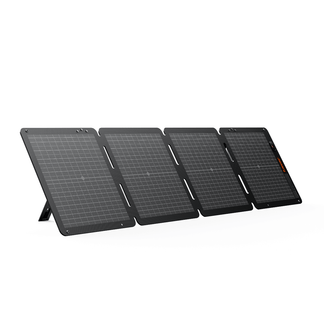
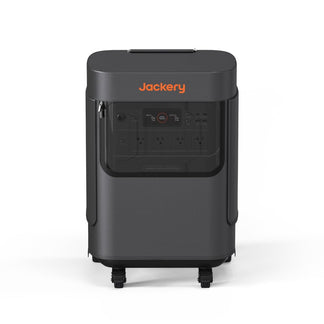
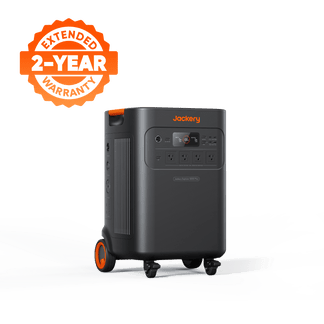
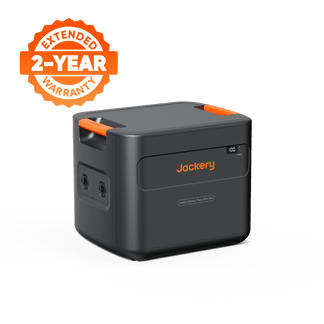
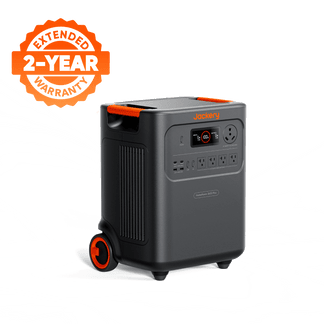
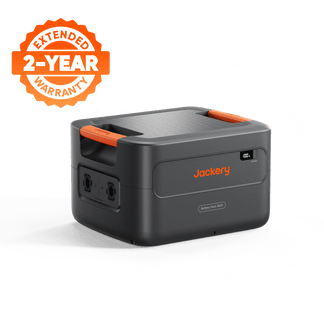
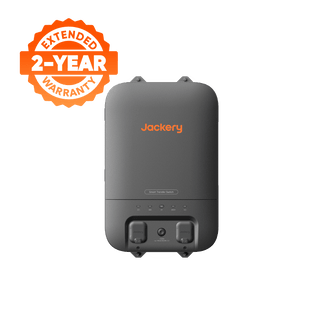
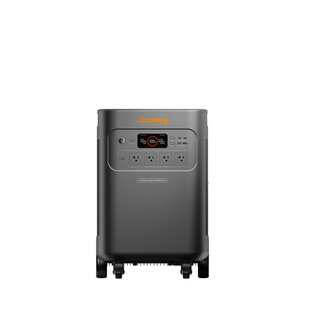
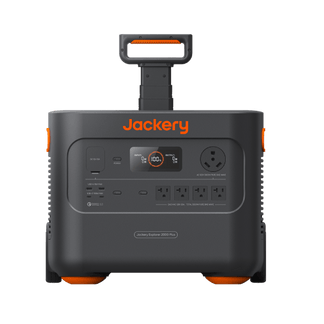
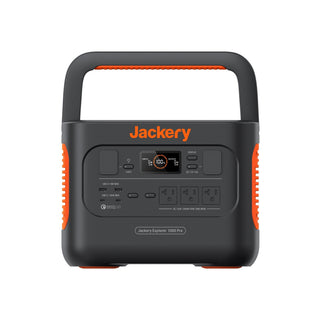
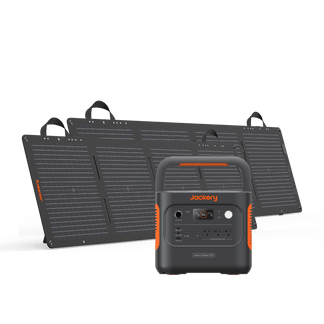
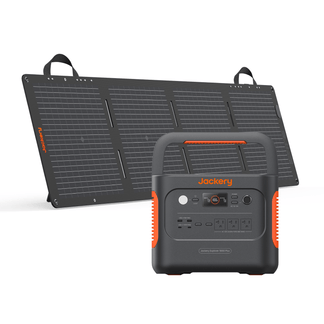
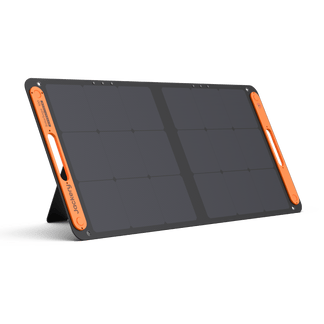
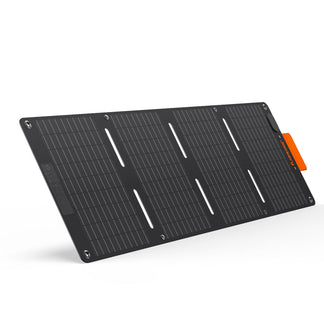
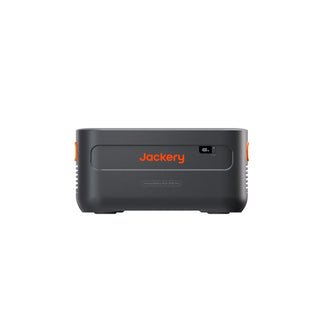
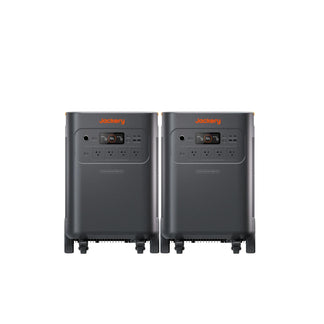
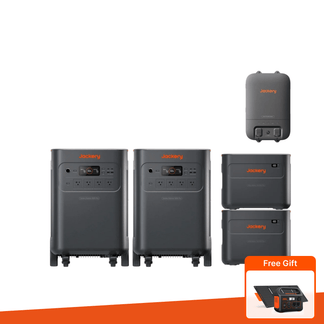
Fans are cheap enough on their own that a solar generator is not really about cutting their cost but about not losing airflow the moment the power does. The home battery backup solutions, such as a Jackery Solar Generator, can keep a fan, a light, and a phone charger running for days on stored solar power, which matters more during a summer outage than almost any other appliance in the house. These solar generators are also genuinely useful day-to-day: a battery-powered fan on the porch or in a room without an outlet nearby solves a problem central air never will.
Key Takeaways
- Ceiling fans use 10W to 120W, box fans typically run 75W to 100W, and tower and table fans usually fall between 40W and 60W.
- A 100W ceiling fan running 24 hours a day costs about $0.44 daily, $13.20 monthly, and $158.46 yearly at the US average rate of 18.34 cents/kWh.
- Ceiling fans don't lower room temperature. They create a windchill effect that lets you raise your thermostat by a few degrees, which is where the real electricity savings come from.
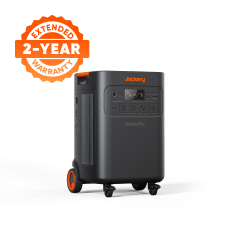
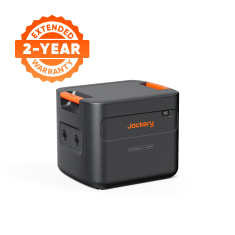
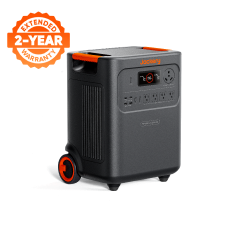
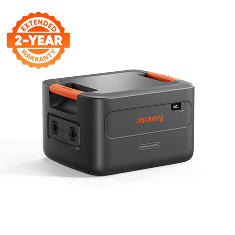
- Jackery Solar Generators, available in different sizes, can handle different levels of fan (and beyond-fan) backup needs, from a single bedroom fan to a fan plus a small window AC.
How Many Watts Does a Ceiling Fan Use?
A ceiling fan uses 10W to 120W, depending mostly on its motor type and speed setting rather than its size. Energy Star-rated fans sit toward the lower end of that range, delivering the same airflow for less power draw. Once you know your fan's wattage, you can calculate how many amps does a ceiling fan use by dividing watts by voltage. It is useful if you are sizing a circuit or a battery backup around it. For a deeper look at wattage by fan size and speed, see our guide on how many watts does a ceiling fan use.

How Much Does It Cost to Run a Ceiling Fan?
A 100W ceiling fan run 24 hours a day costs $0.44 daily, $13.20 monthly, and $158.46 yearly at the US average electricity rate of 18.34 cents/kWh. The formula behind that number is simple: wattage × hours used, divided by 1,000 to get kWh, multiplied by your electricity rate.
If you use the same fan only 8 hours a day instead of 24, the monthly cost drops to about $4.40. It is a good reminder that most of what people think of as "ceiling fan cost" is really a function of how long it is left running.
Ceiling Fan vs. Box Fan vs. Tower Fan: Which Costs the Least to Run?
A tower or table fan is typically the cheapest type to run, while a box fan usually costs the most, simply because box fans tend to carry the highest wattage of the common fan types. Here is how they compare running 8 hours a day and 24 hours a day at the US average rate:
|
Fan Type |
Typical Wattage |
8 Hrs/Day Cost |
24 Hrs/Day Cost |
|
Table / Pedestal fan |
40W |
$0.06/day, $1.76/month |
$0.18/day, $5.28/month |
|
Tower fan |
45W |
$0.07/day, $1.98/month |
$0.20/day, $5.94/month |
|
Oscillating / stand fan |
55W |
$0.08/day, $2.42/month |
$0.24/day, $7.26/month |
|
Ceiling fan |
60W |
$0.09/day, $2.64/month |
$0.26/day, $7.93/month |
|
Box fan |
90W |
$0.13/day, $3.96/month |
$0.40/day, $11.88/month |
The gap between the cheapest and most expensive fans on this list is only about $6 a month even at 24-hour use. Fans as a category simply don't move the needle on a power bill the way heating or cooling appliances do.
Does a Ceiling Fan Actually Lower Your AC Bill?
Yes, a ceiling fan can let you raise your thermostat by about 4°F without losing comfort, since moving air creates a wind-chill effect that makes a room feel several degrees cooler than its actual temperature. That single adjustment can cut air conditioning costs by up to 10%, according to Energy Star guidance, which is a far bigger saving than anything the fan's own electricity use will ever cost you. The catch: a ceiling fan cools people, not rooms, so running one in an empty room does nothing but add a small amount to your bill for no benefit, which is exactly why you should turn it off when you leave the room.
Daily, Monthly, and Yearly Cost to Run a Ceiling Fan by State
Electricity rates vary enough by state that the same 100W ceiling fan running 24 hours a day can cost more than twice as much in one state as in another:
|
Wattage |
Usage (Hrs/Day) |
State |
Rate in cents per kWh |
Daily Cost |
Monthly Cost |
Yearly Cost |
|
100W |
24H |
New Jersey |
24.95 |
$0.60 |
$17.96 |
$215.57 |
|
100W |
24H |
New York |
29.49 |
$0.71 |
$21.23 |
$254.80 |
|
100W |
24H |
Illinois |
19.89 |
$0.48 |
$14.32 |
$171.85 |
|
100W |
24H |
Ohio |
19.19 |
$0.46 |
$13.82 |
$165.80 |
|
100W |
24H |
North Dakota |
14.12 |
$0.34 |
$10.17 |
$122.00 |
|
100W |
24H |
South Dakota |
15.36 |
$0.37 |
$11.06 |
$132.71 |
|
100W |
24H |
Florida |
15.10 |
$0.36 |
$10.87 |
$130.46 |
|
100W |
24H |
Georgia |
16.36 |
$0.39 |
$11.78 |
$141.35 |
|
100W |
24H |
North Carolina |
14.74 |
$0.35 |
$10.61 |
$127.35 |
|
100W |
24H |
South Carolina |
15.55 |
$0.37 |
$11.20 |
$134.35 |
|
100W |
24H |
Texas |
15.94 |
$0.38 |
$11.48 |
$137.72 |
|
100W |
24H |
Colorado |
17.13 |
$0.41 |
$12.33 |
$148.00 |
|
100W |
24H |
Idaho |
14.37 |
$0.34 |
$10.35 |
$124.16 |
|
100W |
24H |
Alaska |
28.21 |
$0.68 |
$20.31 |
$243.73 |
|
100W |
24H |
Hawaii |
52.72 |
$1.27 |
$37.96 |
$455.50 |
|
100W |
24H |
US Average |
18.34 |
$0.44 |
$13.20 |
$158.46 |
Source: Electric Power Monthly – US Energy Information Administration (EIA)
How Can You Reduce the Cost of Running a Fan?
Even though ceiling fans are generally efficient, you can use them wisely to reduce electricity bills further. Here are a few official tips to reduce ceiling fan costs from the US Department of Energy and Energy Star:
Reduce Fan Speed by Half: Even a slight reduction in fan speed can significantly lower energy consumption. According to the Energy Star reports, reducing the fan speed by half will reduce energy consumption by one-eighth and lower electricity bills.
Turn Off Fans When You Leave the Room: Ceiling fans cool people by creating a windchill effect. Therefore, to reduce electricity costs, you must consider turning them off while leaving the room.
Reverse Fan Direction: In the winter season, set ceiling fans to move air downward (counterclockwise) and set them to move air upward (clockwise) in summer. This will help you set the speed to low and circulate air from the ceiling fan.
Choose Energy-Efficient Fans: Energy-efficient ceiling fans are designed to lower energy consumption and save energy. Variable-speed fans can also save energy and reduce utility bills in the long run.
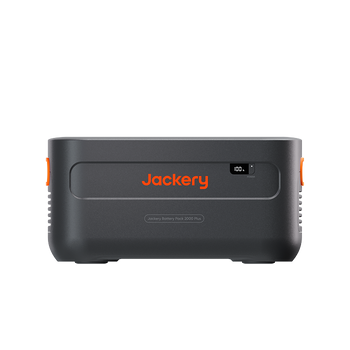
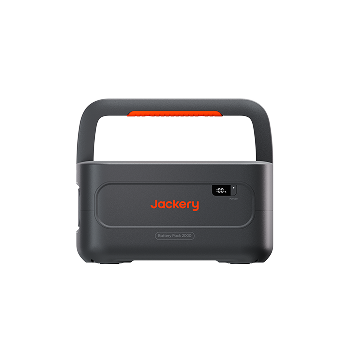
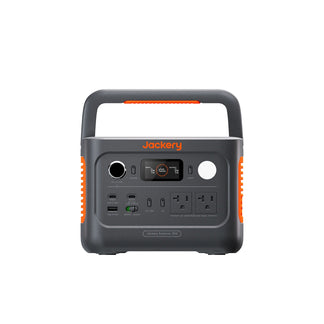
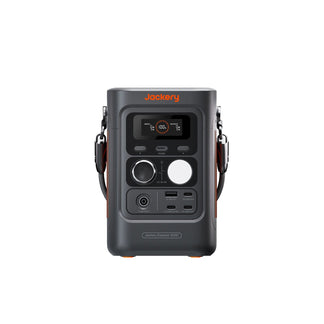
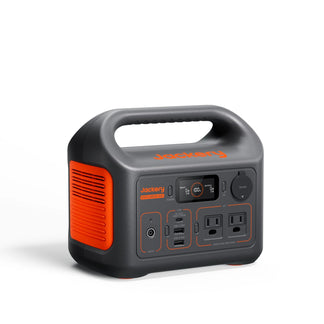
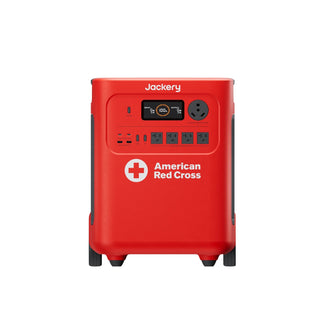
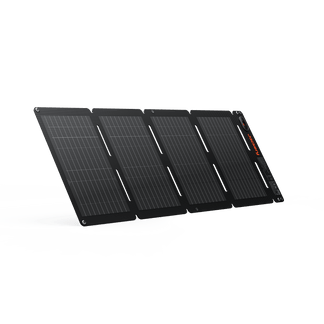
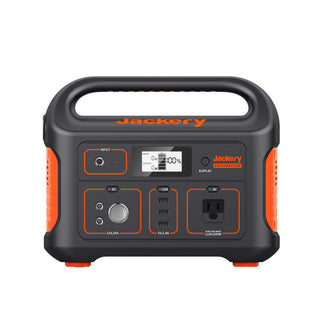
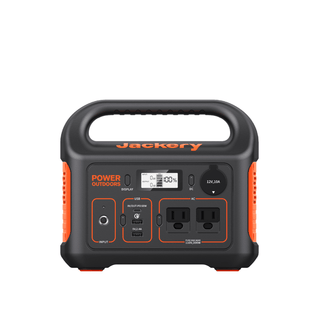
Invest in a Solar Generator: Jackery Solar Generators can help you power various household appliances, such as portable fans, air coolers, lights, etc. They have a sturdy handle and lightweight design for easier transportation anywhere you go.
How to Save on Your Electricity Bill With Jackery Solar Generators
Fans don't draw much power individually, so the right solar generator depends less on the fan itself and more on what else you want covered alongside it, such as a single bedroom fan, a couple of fans plus lighting, or a fan alongside something heavier like a small window AC. Here are some ideal solar battery backup solutions for solar-powered fans:
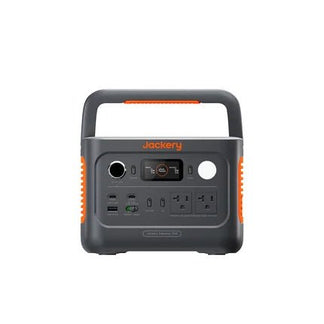
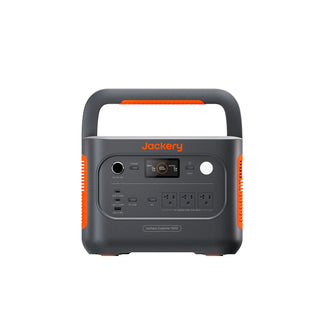
Jackery Solar Generator 300 v2: Recommended for a Single Fan
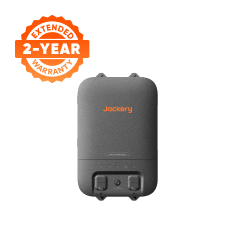
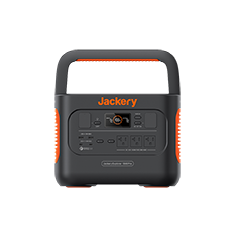
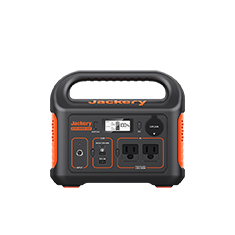
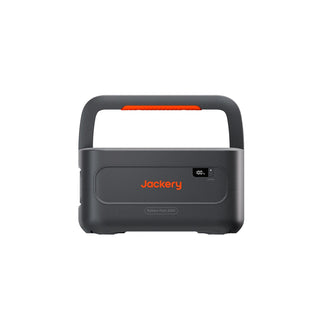
The Jackery Solar Generator 300 v2 is one of the smallest and lightest units, weighing just 8.1 lbs. It can run a single fan through the night without needing to think about it. Its 288Wh battery delivers 300W of continuous output (600W surge), reaches 80% charge in about an hour, and includes an energy-saving mode that can be disabled specifically to let it power a small, low-wattage device like a fan continuously without the automatic 6-hour shutoff kicking in. Its ≤0.01-second UPS switching also makes it a reasonable choice for keeping a WiFi router running alongside the fan during a short outage. If you are running a single box fan (75W) for 10 hours overnight, it would cost about $0.14 a day, or roughly $4.13 a month, at the US average rate. You can eliminate the cost by powering the appliances with a solar generator.
Appliances Running Time
- Box Fan (75W) = 2.8H
- Tower Fan (80W) = 2.6H
- Air Cooler (200W) = 1.1H
- Table Fan (50W) = 3.9H
- Standard Fan (100W) = 2.1H
Who Should Buy This
The Jackery Solar Generator 300 v2 is ideal for anyone who needs exactly one fan covered in a dorm room, a small apartment, a porch, or a single bedroom during a summer outage without paying for capacity they won't use.

Customer Review
Exactly what I needed to use in my home office where I do not have enough outlets. Plenty of reliable and steady power for my laptop. Lightweight and the solar panel is a great bonus.
— Linda D.M.
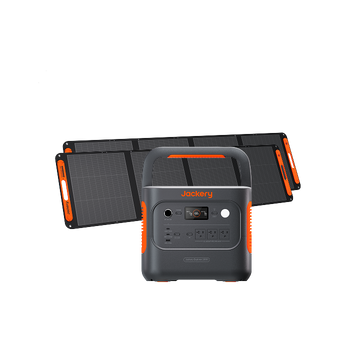
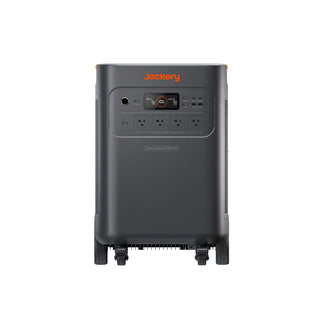
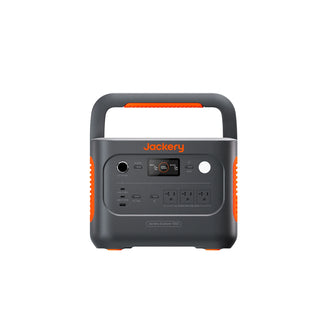
Jackery Solar Generator 600 v2: Recommended for Multiple Fans or a Fan Plus Small Essentials
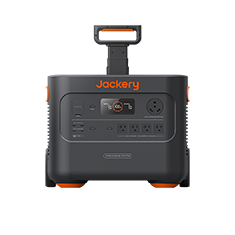
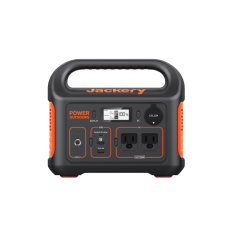
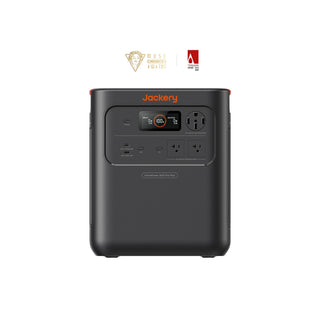
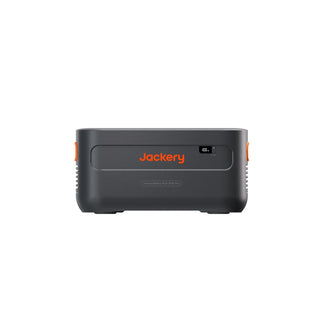
The Jackery Solar Generator 600 v2 can run two or three fans at once, or one fan alongside a lamp and a phone charger, without managing what gets priority. It holds 640Wh with a 500W continuous output (1,000W surge) in a power station that's still light enough to carry one-handed. Its ≤0.01-second UPS switchover means none of what is plugged in notices a power interruption. Running a box fan (75W) and a tower fan (80W) together for 8 hours a day would cost about $0.23 daily, or roughly $6.82 a month, at the US average rate, which you can power with this solar generator without pulling from the grid at all.
Appliances Running Time
- Box Fan (75W) = 6.2H
- Tower Fan (80W) = 5.8H
- Air Cooler (200W) = 2.5H
- Table Fan (50W) = 8.7H
- Standard Fan (100W) = 4.8H
Who Should Buy This
The Jackery Solar Generator 600 v2 is ideal for households running more than one fan at a time, or anyone who wants a fan covered alongside a few other small essentials, such as lighting, phone charging, and a WiFi router, during an outage.

Customer Review
The Jackery 600 v2 was tested on something small such as a 34 in TV, a router and a PS4 from a surge protector plugin with minimal game play mostly YouTube just to see power consumption. At just a little bit over 100 volts the Jackery 600 v2 lasted 6 hours, and charged in 2 1/2 hours. Even at a full drain to 0% with another test also charged in 2 1/2 hours from a wall outlet. Thank you Jackery for this little powerhouse.
— Forever G.
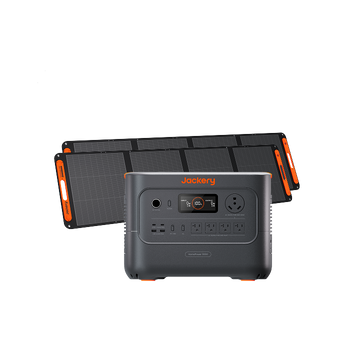
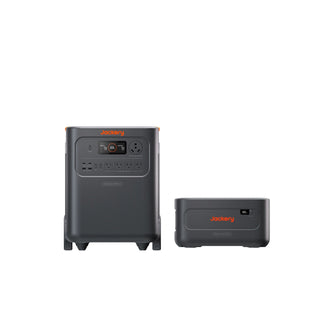
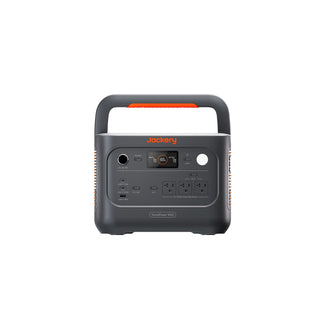
Jackery Solar Generator 1000 v2: Recommended for a Fan Plus Something Bigger
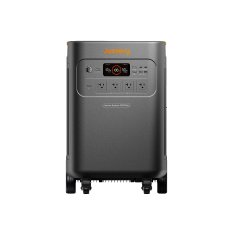
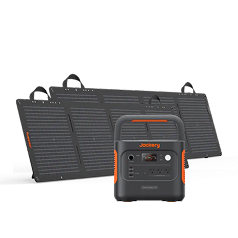
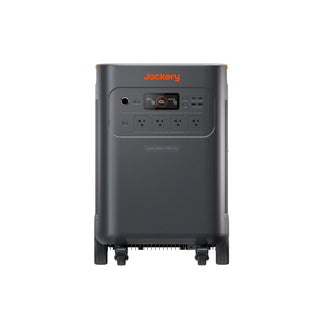
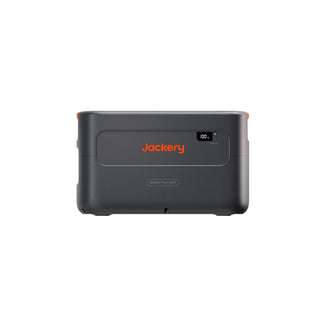
If your outage plan involves more than fans, such as a small window AC unit or a mini-fridge, the Jackery Solar Generator 1000 v2 has enough power for it. Its 1,070Wh battery pairs with a 1,500W continuous output (3,000W surge), enough to run several fans simultaneously with capacity left over for a genuinely power-hungry appliance. It reaches a full charge in as little as an hour using emergency fast-charge mode. Running a box fan (75W) alongside a small 600W window AC unit for 8 hours overnight would cost about $0.99 daily, or roughly $29.71 a month, at the US average rate, all of which you can offset with this home battery backup solution.
Appliances Running Time
- Box Fan (75W) = 9.7H
- Tower Fan (80W) = 9.2H
- Air Cooler (200W) = 4.1H
- Table Fan (50W) = 13.5H
- Standard Fan (100W) = 7.6H
Who Should Buy This
The Jackery Solar Generator 1000 v2 is ideal for anyone whose cooling plan includes more than just fans, pairing airflow with a small AC unit or a fridge, and wants one unit sized for all of it rather than juggling two smaller ones.

Customer Review
I use mine on the job to recharge my drone batteries while I am out away from another power source. The solar panel is priceless in these situations. Even when the sun is obscured, it gets enough charge to get me through the day without worry. I will never be without one of these again.
— Darrell.
FAQs
How much does it cost to run a fan 24/7?
Running a 100W ceiling fan nonstop for 30 days at the US average rate of 18.34 cents/kWh costs about $13.20 a month and $158.46 a year. A smaller tower or table fan at 40–50W would cost roughly half that.
How much does it cost to run a box fan?
A box fan typically uses 75W. When you run the box fan 24 hours a day at the US average rate, it costs about $0.33 daily, $9.90 monthly, and $118.84 yearly.
How much does it cost to run a tower fan?
A tower fan typically uses 40–60W, noticeably less than a box fan. At 45W run 24 hours a day, that works out to about $0.20 daily and $5.94 monthly at the US average rate. It is among the cheapest fan types to run continuously.
Which type of fan is cheapest to run?
Table and tower fans are generally the cheapest, since they tend to carry the lowest wattage of the common fan types (40–60W). Box fans typically cost the most to run, since they often draw 75–100W for the same basic function.
Is it cheaper to run a ceiling fan or lower my AC thermostat?
Running a ceiling fan is dramatically cheaper. A fan uses a fraction of an air conditioner's wattage, and its wind-chill effect lets you raise the thermostat a few degrees without losing comfort. This combination can cut cooling costs by up to 10% compared to relying on AC alone.
Conclusion
Fans are about as close to "free" as electricity use gets. Even the priciest common type, a box fan run around the clock, adds up to under $10 a month. Still, those costs can add up over time or during high-usage periods. Jackery Solar Generator keeps the fan spinning when a summer storm takes the power out and also powers other household appliances, such as ACs, refrigerators, lights, fans, etc.


