


















The first hot week of the year always brings the same question: is it actually worth running the window AC, or should you just tough it out with fans? A typical 1500W window AC running 8 hours a day costs about $2.20 daily and $66.02 a month at the current US average electricity rate of 18.34 cents per kWh. When you run the AC across a typical 4-month cooling season, that adds up to roughly $264. However, it depends on where you live and how many months you actually need cooling.
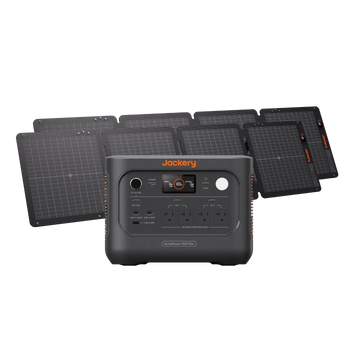
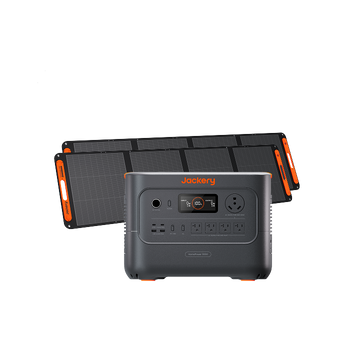
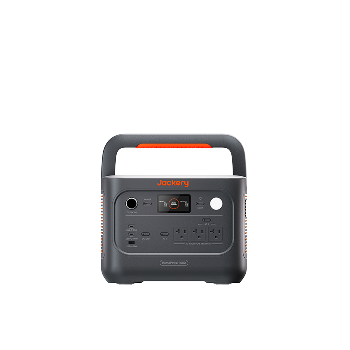
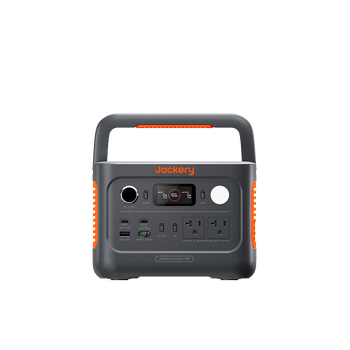
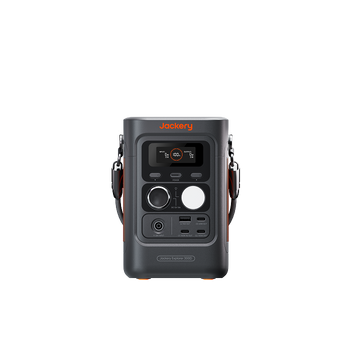
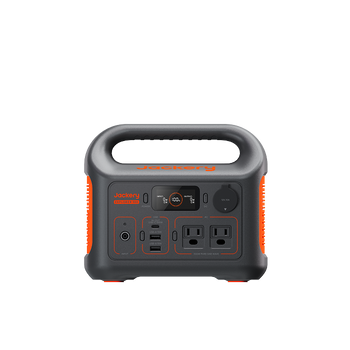
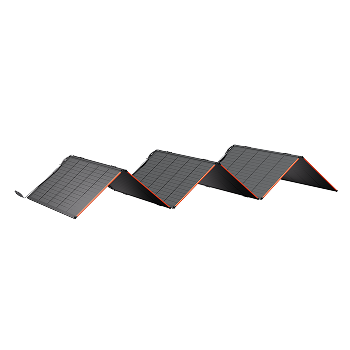
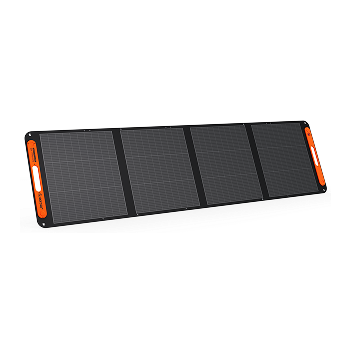
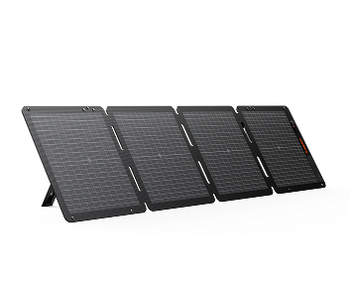
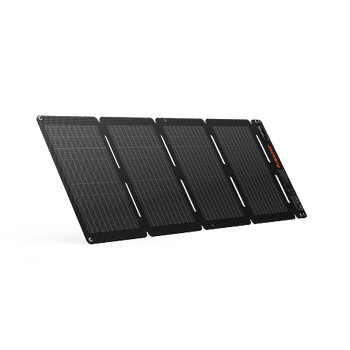
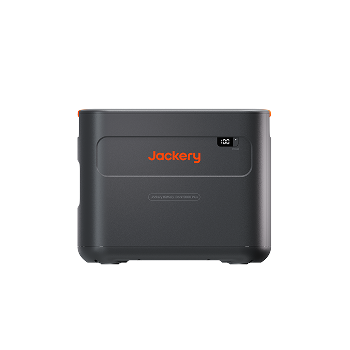
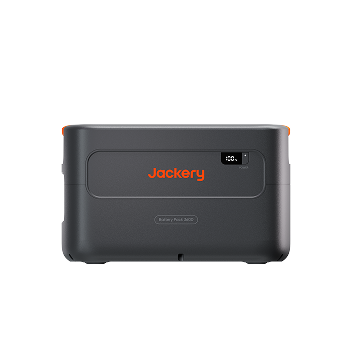
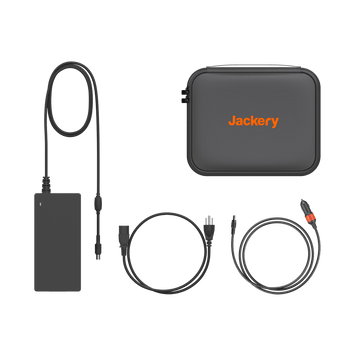
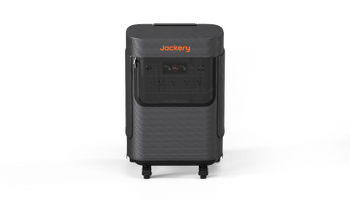
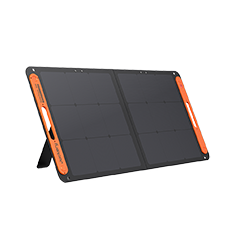
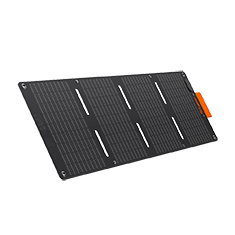
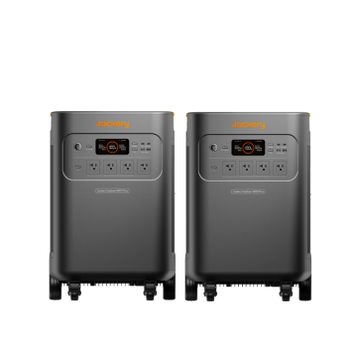
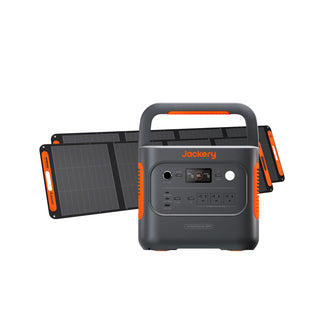
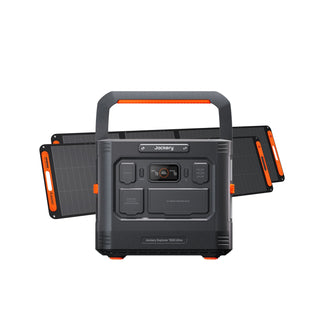
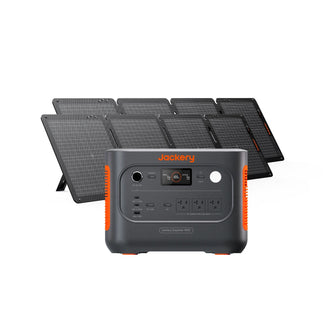
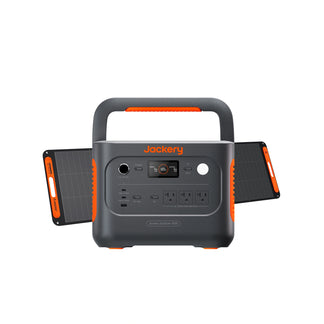
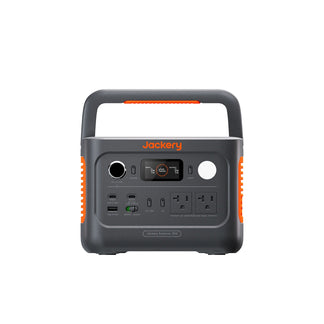
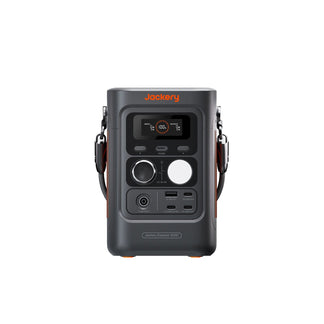
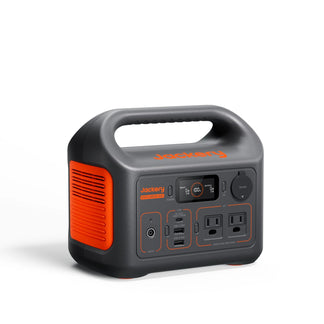
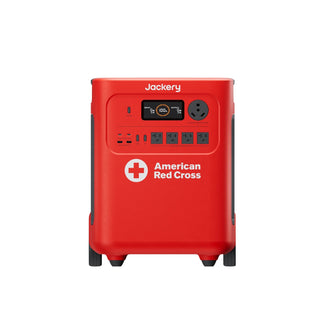
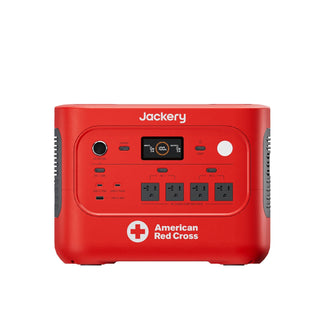
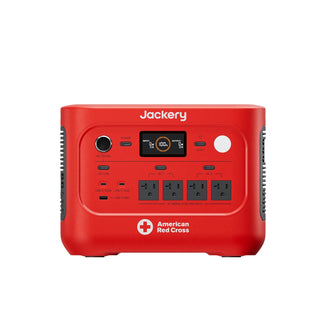
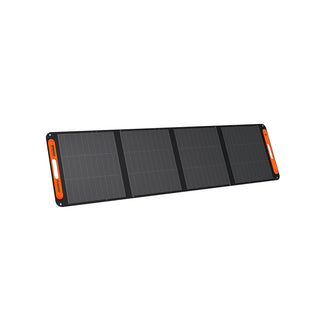
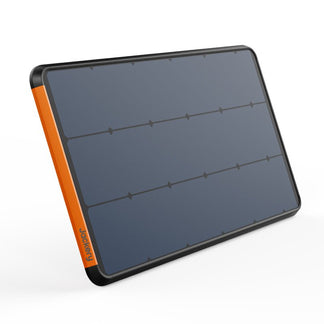
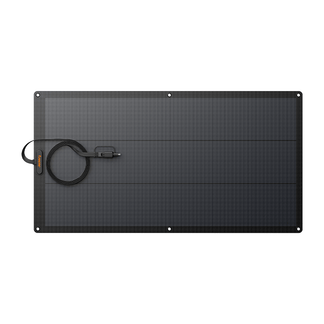
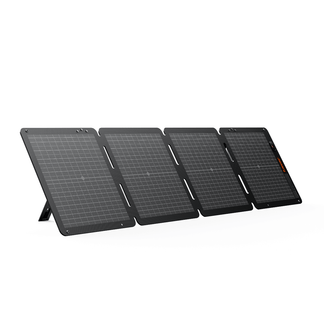
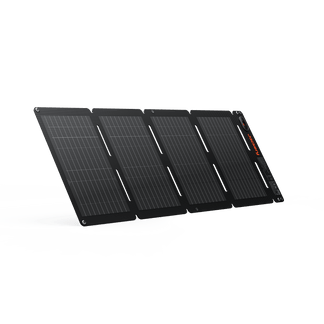
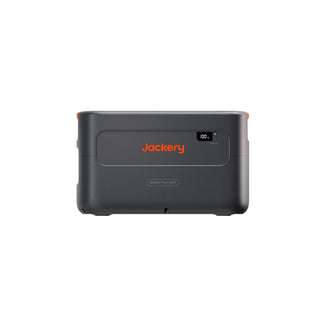
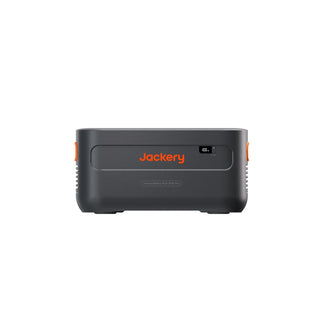
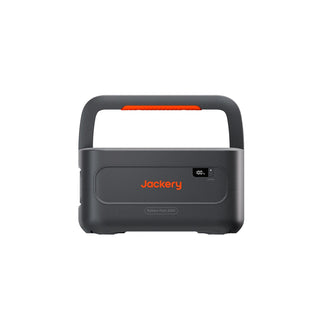
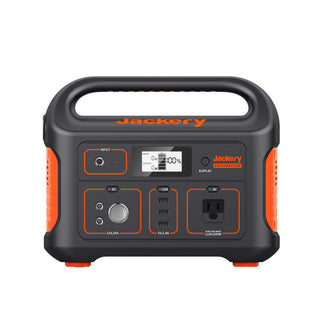
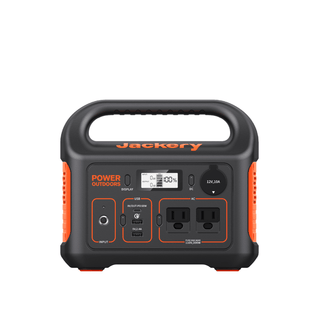
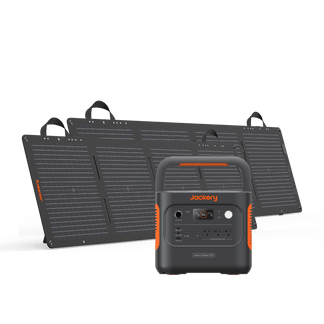
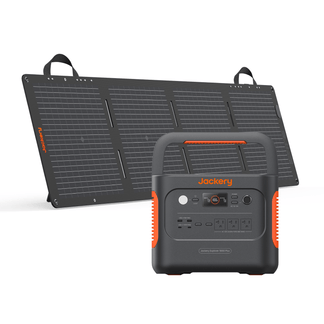
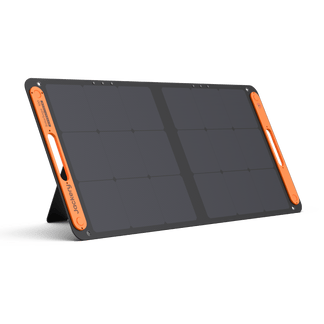
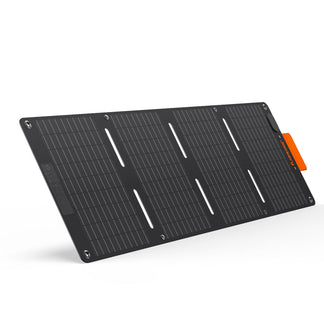
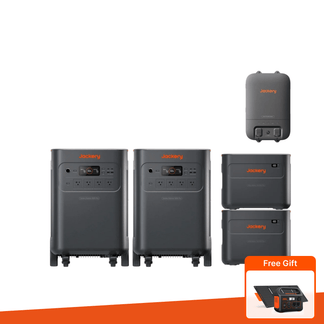
The seasonal swing is exactly why a solar-charged backup makes sense for AC use specifically: cooling season is also peak sunlight season. Jackery Solar Generators can store solar energy during the day and use it to run a window AC directly, which means some or all of that $264 never has to hit your utility bill at all. These home battery backup solutions are also a genuine safety net during summer storm outages, when losing AC in a heat wave is more than just an inconvenience.
Key Takeaways
- Window ACs typically draw between 500W and 2,000W, depending on the unit's cooling capacity (BTU rating) and room size.
- At the US average rate of 18.34¢/kWh, a 1500W window AC running 8 hours a day costs about $2.20 daily, $66.02 monthly, and roughly $264 across a 4-month cooling season.
- How many months a year you actually run varies a lot by climate. Southern states may run cooling 6 to 8 months a year, while Northern states may only need 2 to 3.
- The larger solar generators like those from Jackery can power window ACs of different sizes, either to cut costs or keep you cool through an outage.
How Many Watts Does a Window AC Use?
Window AC wattage tracks closely with its BTU (British Thermal Unit) cooling capacity, which is really just a measure of how much heat the unit can remove per hour. Bigger rooms need higher BTU units, and higher BTU units draw more power. You can get a closer look at how many watts a window AC uses by model, but here's the general breakdown:
|
BTU Rating |
Room Size |
Typical Wattage |
|
5,000 – 6,000 BTU |
Up to 250 sq ft |
450W – 550W |
|
8,000 BTU |
250 – 350 sq ft |
700W – 800W |
|
10,000 – 12,000 BTU |
400 – 550 sq ft |
900W – 1,200W |
|
14,000+ BTU (Portable) |
500 – 700 sq ft |
1,400W – 2,000W |
Thermostat setting, insulation quality, and how often the compressor cycles all affect actual runtime too. That’s why two identical units in two different rooms can lead to noticeably different bills.
How Much Does It Cost to Run a Window AC?
To estimate your own cost, multiply the AC's wattage by the hours it runs per day, divide by 1,000 for kilowatt-hours, then multiply by your electricity rate per kWh.
For example, a 1500W window AC running 8 hours a day uses 12 kWh daily. At the national average rate of 18.34 cents per kWh, the cost to run a window AC is around $2.20 a day, $66.02 a month, and about $264.10 across a 4-month cooling season.
How Much Does It Cost to Run a Window AC by State
Electricity rates vary enough across the country that the same window AC can cost roughly three times more to run in one state than another. Using the same 1500W, 8-hours-a-day baseline over a 4-month season:
|
State |
Rate (¢/kWh) |
Daily Cost |
Monthly Cost |
4-Month Seasonal Cost |
|
New Jersey |
24.95 |
$2.99 |
$89.82 |
$359.28 |
|
New York |
29.49 |
$3.54 |
$106.16 |
$424.66 |
|
Illinois |
19.89 |
$2.39 |
$71.60 |
$286.42 |
|
Ohio |
19.19 |
$2.30 |
$69.08 |
$276.34 |
|
North Dakota |
14.12 |
$1.69 |
$50.83 |
$203.33 |
|
South Dakota |
15.36 |
$1.84 |
$55.30 |
$221.18 |
|
Florida |
15.10 |
$1.81 |
$54.36 |
$217.44 |
|
Georgia |
16.36 |
$1.96 |
$58.90 |
$235.58 |
|
North Carolina |
14.74 |
$1.77 |
$53.06 |
$212.26 |
|
South Carolina |
15.55 |
$1.87 |
$55.98 |
$223.92 |
|
Texas |
15.94 |
$1.91 |
$57.38 |
$229.54 |
|
Colorado |
17.13 |
$2.06 |
$61.67 |
$246.67 |
|
Idaho |
14.37 |
$1.72 |
$51.73 |
$206.93 |
|
Alaska |
28.21 |
$3.39 |
$101.56 |
$406.22 |
|
Hawaii |
52.72 |
$6.33 |
$189.79 |
$759.17 |
|
US Average |
18.34 |
$2.20 |
$66.02 |
$264.10 |
Source: Electric Power Monthly, U.S. Energy Information Administration (EIA)
Note: These figures assume a 1500W window AC running 8 hours a day for a 4-month cooling season. Rates change periodically, so check the EIA link above for the latest figures in your state.
How Many Months a Year Should You Run a Window AC?
In Florida, Texas, and much of the Gulf Coast, window ACs often run in some capacity for 6 to 8 months of the year, which pushes the real annual cost well past what a 4-month estimate would suggest. In the upper Midwest and northern states, 2 to 3 months of genuine cooling season is closer to reality, which cuts the annual cost roughly in half.
If you want a more accurate number for your own home, take your state's monthly figure from the table above and multiply it by the number of months you would actually run the unit, rather than relying on a single national average.
|
Climate Region |
Typical Cooling Season |
Example States |
|
Hot/Humid (Year-Round Risk) |
6 – 8 months |
Florida, Texas, Georgia, South Carolina |
|
Transitional |
4 – 5 months |
Illinois, Ohio, Colorado, North Carolina |
|
Cool/Northern |
2 – 3 months |
North Dakota, South Dakota, Idaho |
Window AC vs. Central Air: Which Costs Less to Run?
For cooling a single room, a window AC is almost always cheaper to run than turning on central air for the whole house, simply because it is not conditioning square footage nobody's using.
A 1500W window AC cooling one bedroom costs a fraction of what a 3- to 5-ton central system pulls to cool an entire home, even though the central system's per-square-foot efficiency is often better on paper.
Where central air tends to win is convenience and even cooling across multiple rooms. If you are already running two or three window units to cover a home, a right-sized central system can sometimes come out cheaper overall. For most single-room or apartment situations, though, a window AC remains the lower-cost option by a wide margin.
Official Tips to Reduce Window AC Costs
The key to reducing the cost of running a window AC is keeping it well-maintained. This is because AC units develop debris and work harder to cool the space. In addition, poor insulation can lead to cool air leaking out of the house, which increases the AC bills. Here are some of the tips that will help you lower the cost of running the window AC:
Adjust Thermostat Settings
You should consider setting the window AC thermostat at a temperature that you find comfortable, and that offers humidity control. According to Energy.gov, smaller differences between indoor and outdoor temperatures lead to lower overall cooling bills. Investing in a programmable thermostat allows you to automatically adjust the thermostat settings without sacrificing comfort.
Maintain Your Window Air Conditioner
Regularly maintain your air conditioner by keeping the filters, coils, fins, and refrigerant lines clean. A well-maintained air conditioner will cool the space faster and lead to low electricity bills. In addition, avoid placing TV sets or lamps near the room's AC thermostat as it can sense heat from the appliance, leading to air conditioners running longer than necessary.
Seal Cracks & Openings
Reducing the cool air leaking out of your home is a cost-effective way to lower the cost of running an AC. Weather stripping and caulking are two simple and effective air-sealing techniques. While caulk can fill cracks and openings around door and window frames to insulate the cooling area, weatherstripping can be used to seal components that move, such as operable windows and doors.
Install Window Coverings to Keep Heat Out
You can consider using window coverings to prevent heat gain through the room's windows during the day. These can be installed either internally or externally to improve energy performance, trap the inner cold air, and lower cooling bills.
Invest in a Solar Generator for AC
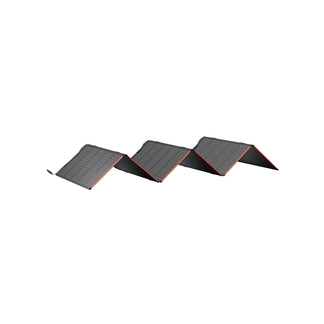
A solar generator for AC can help you power different types of window ACs for hours. It uses PV panels that convert sunlight into electricity and store it in a battery backup for powering appliances during on-peak and off-peak hours, blackouts, and off-grid living. Jackery Solar Generators can power air conditioners of different sizes.
These essential home battery backup solutions can also power other appliances, such as refrigerators, TVs, dryers, etc. They will help you lower the average electricity bill and keep appliances running during outages. The essential home backup solution has dual voltage functionality, ensuring that appliances working at 120V or 240V can easily be powered.
How to Save Electricity Bill With Jackery Solar Generators
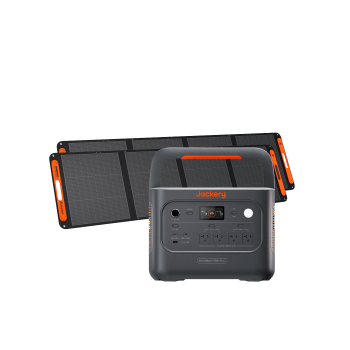
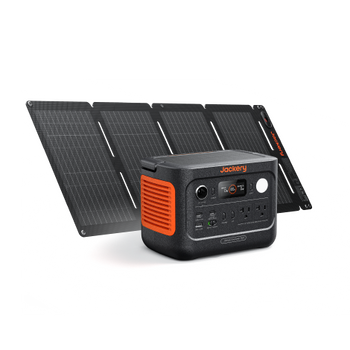
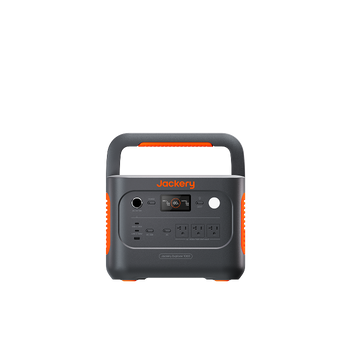
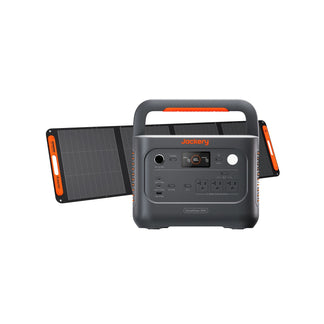
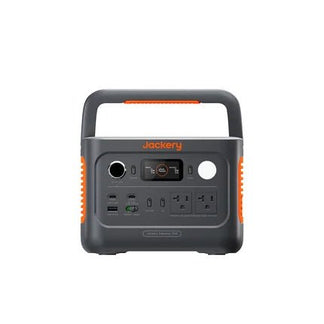
Since AC use is naturally tied to sunny weather, running one off a solar-charged battery is one of the more practical ways to offset its cost. Jackery Solar Generators combine solar panels and portable power stations capable of powering various household appliances. Here's how three Jackery Solar Generators handle window AC loads differently.
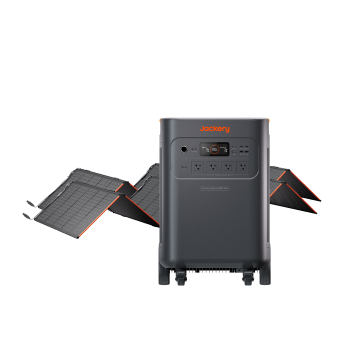
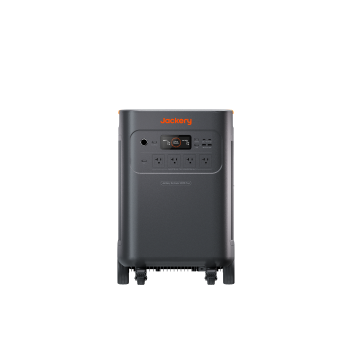
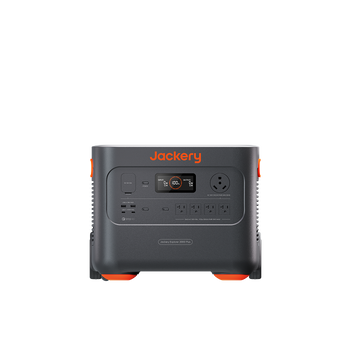
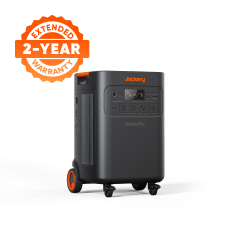
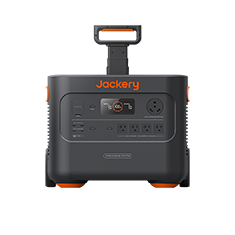
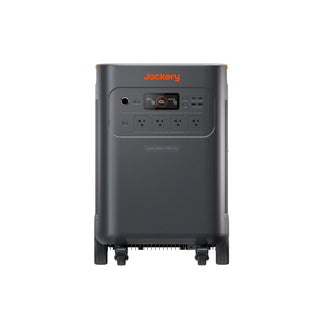
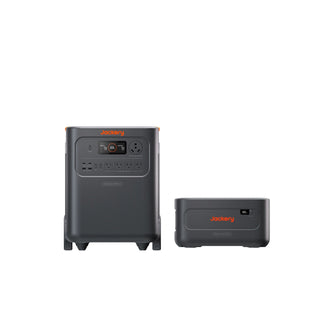
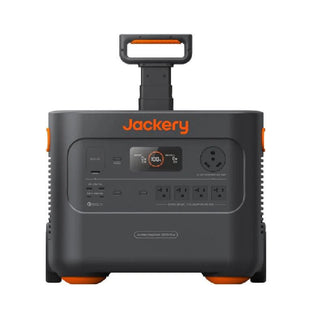
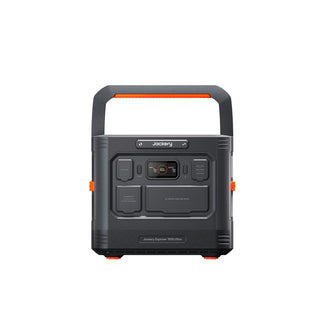
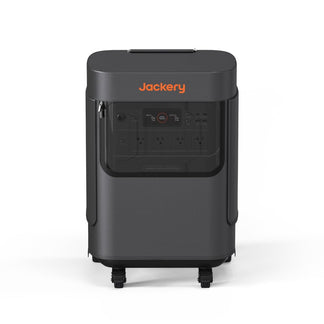
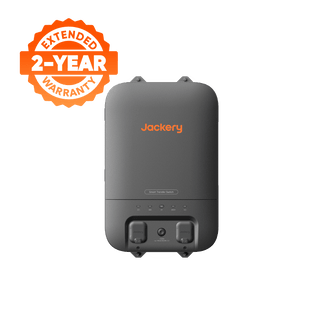
Jackery Solar Generator 5000 Plus
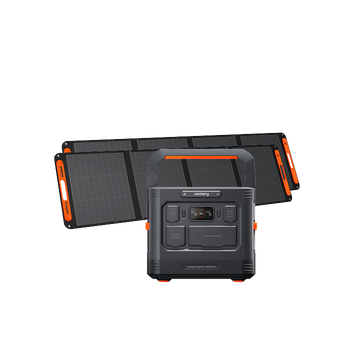
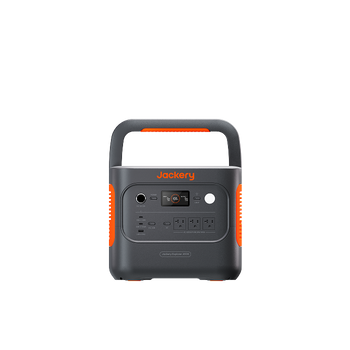
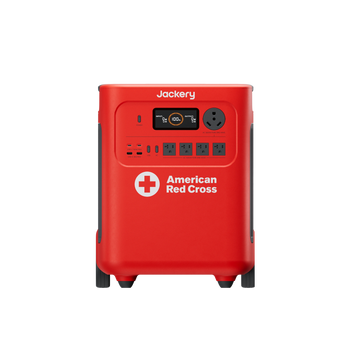
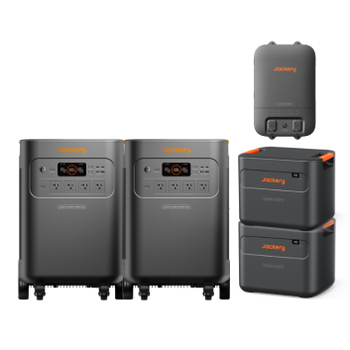
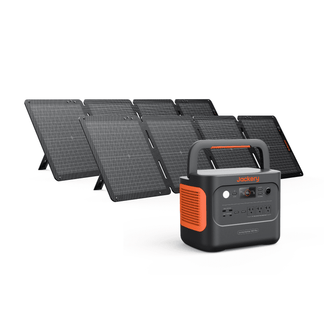
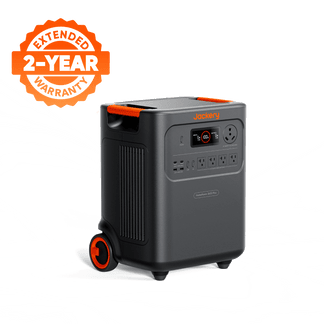
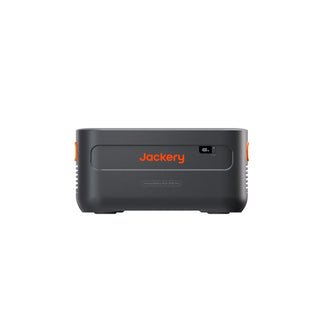
For larger homes or multiple AC units, the Jackery Solar Generator 5000 Plus offers 5,040Wh of capacity with up to 7,200W of output on 120V/240V. It is enough to run a large window AC alongside other essentials like a refrigerator without rationing power between them. It is also expandable with additional battery packs for households that want cooling coverage that stretches across a multi-day outage rather than a single afternoon. Running a 1,440W large window AC for 8 hours a day would otherwise cost about $2.11 daily and $63.38 monthly at the national average rate, which you can offset entirely with this essential home backup solution.
Appliances Running Time
- Small Window AC (500W) = 7.8H
- Medium Window AC (900W) = 4.5H
- Large Window AC (1440W) = 2.9H
- Portable AC (1500W) = 2.8H
Who Should Buy This
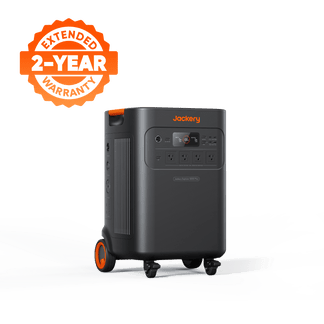
The Jackery Solar Generator 5000 Plus is the right pick for larger homes, households running a large window or portable AC alongside a refrigerator or other essentials, or anyone in a region with long, hot summers who wants a single system that can handle sustained cooling.

Customer Review
I received the Explorer 5000 Plus solar generator to use to run my home if the power goes out. It works great and will run my whole home if the power goes out.
— Dennis Carlson.
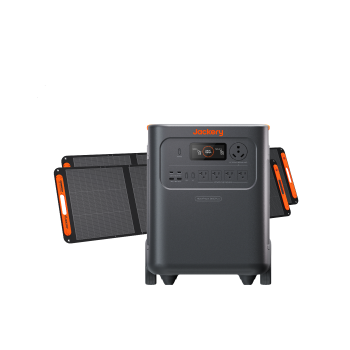
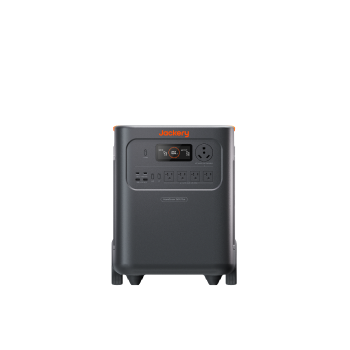
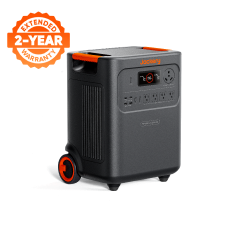
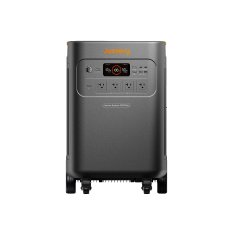
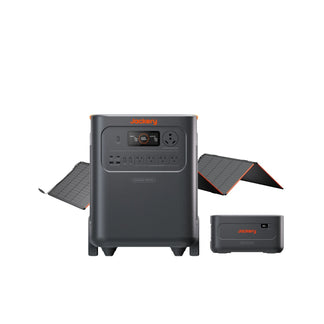
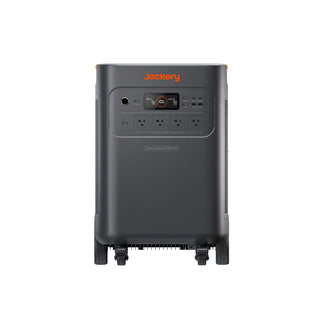
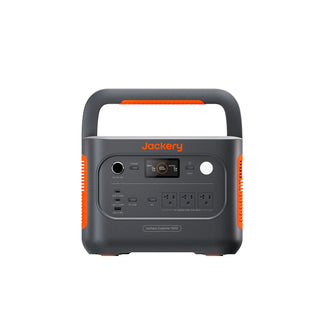
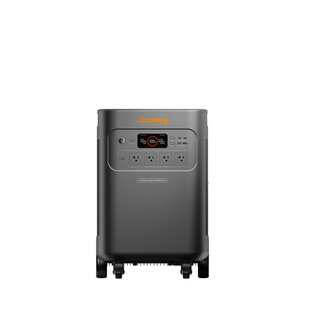
Jackery Solar Generator HomePower 3600 Plus
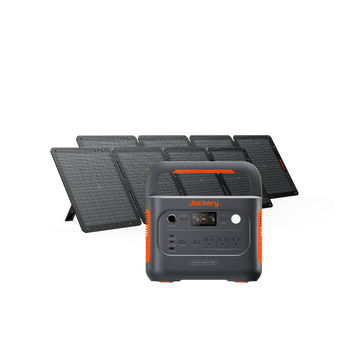
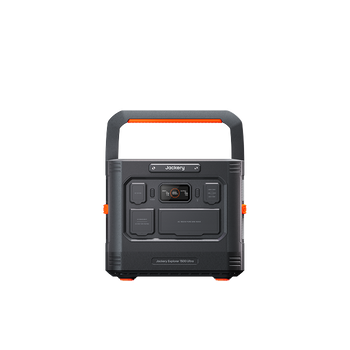
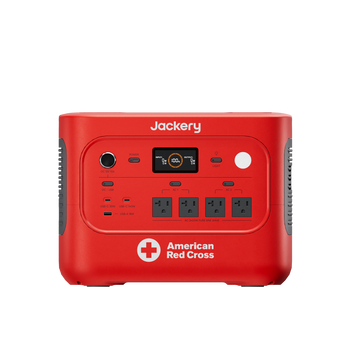
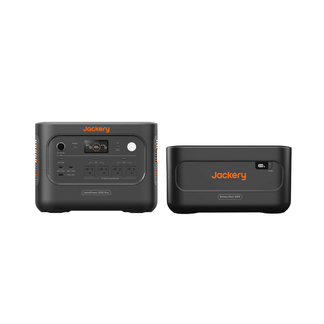
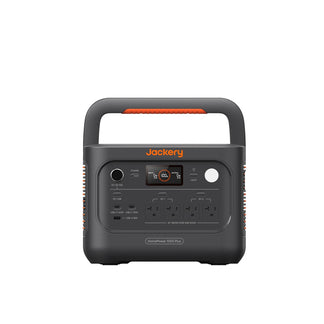
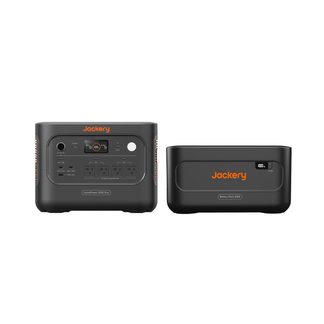
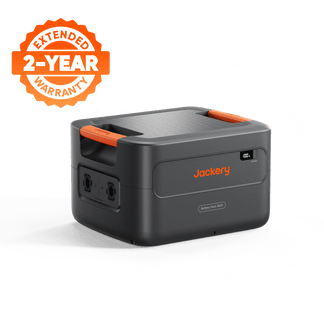
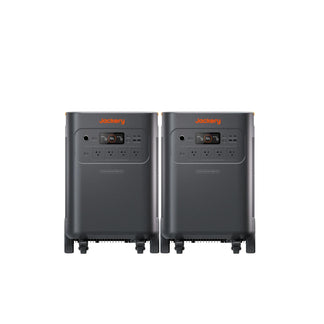
The Jackery Solar Generator HomePower 3600 Plus is built for longer, whole-room cooling stretches rather than just a few hours. It can comfortably cover most window and portable AC units even during compressor start-up, and it is expandable up to 21kWh (or up to 43kWh) with add-on battery packs if you need multi-day coverage. If you are running a 900W medium window AC for 8 hours a day, that is roughly $1.32 daily and $39.61 monthly at the national average rate. With this essential home backup charged from solar during the day, you can offset the entire cost of running an air conditioner.
Appliances Running Time
- Small Window AC (500W) = 5.8H
- Medium Window AC (900W) = 3.3H
- Large Window AC (1440W) = 2.1H
- Portable AC (1500W) = 2.0H
Who Should Buy This
The Jackery Solar Generator HomePower 3600 Plus is suited to homes that want a mid-size window AC running for most of the day or households in storm-prone regions that want several days of cooling backup.

Customer Review
Finally I was able to put into service my 3600 Plus. It was charged and ready for the unexpected 2 hour outage one recent morning. I hooked up my TV, WiFi, 2 lamps, fan, and most important was the morning cup coffee! I was very happy! It used very little power from the unit. I’m very happy and looking forward to expanding my 3600 Plus.
— Billy V.
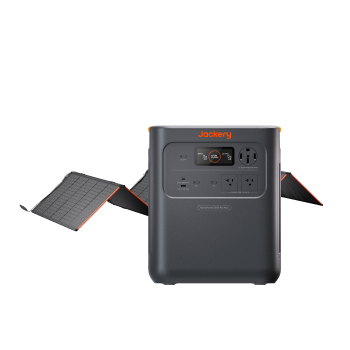
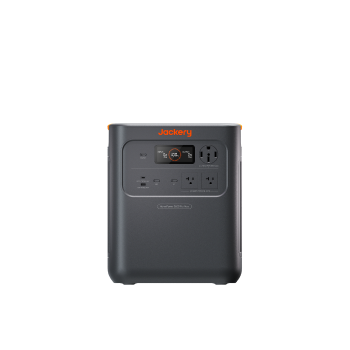
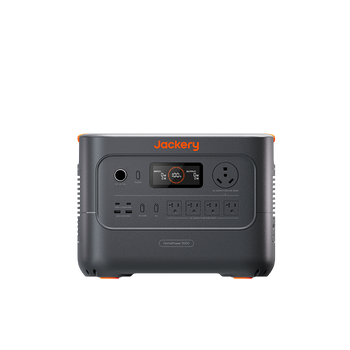
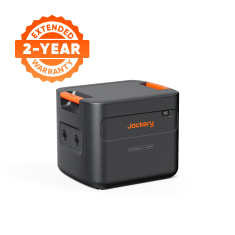
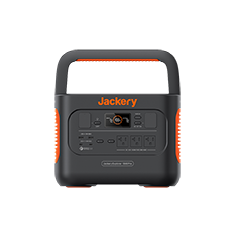
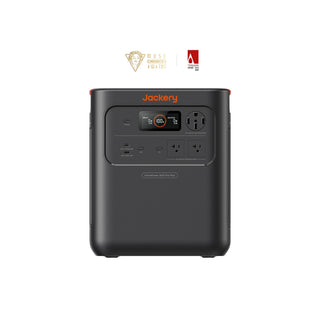
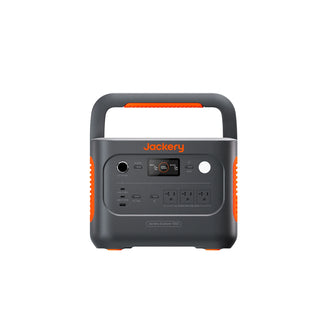
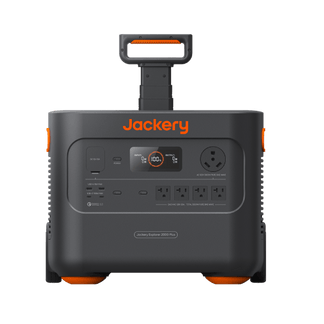
Jackery Solar Generator 2000 v2
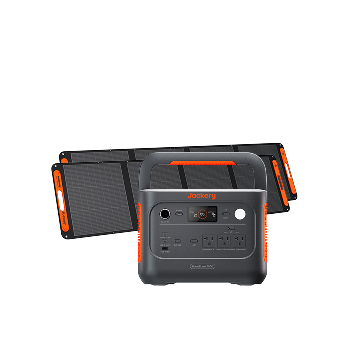
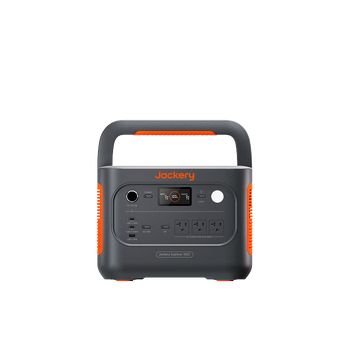
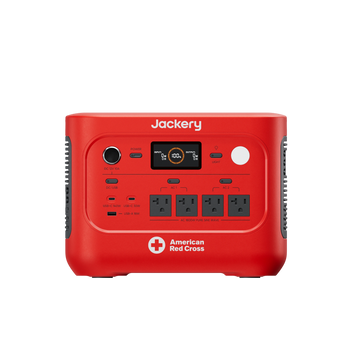
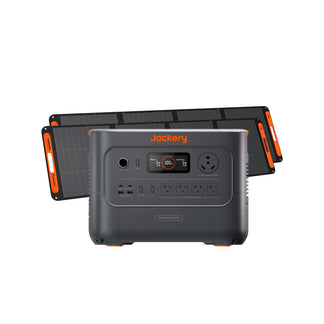
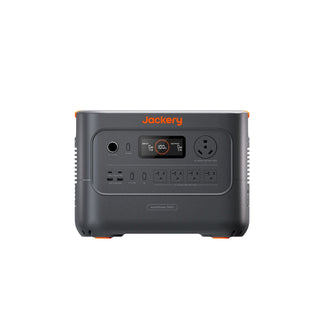
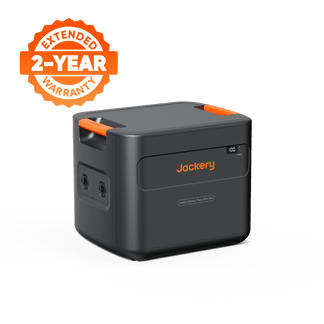
The Jackery Solar Generator 2000 v2 is a home battery backup solution that can run a small-to-mid-size window AC for a few hours at a time. It is enough to bridge the hottest part of the afternoon or ride out a shorter outage. If you are running a 500W small window AC for 8 hours a day, that is about $0.73 daily and $22.01 monthly in grid electricity at the national average rate. It is a cost that you can offset directly by charging the Jackery Solar Generator 2000 v2 with solar panels during the day and running the AC from stored power instead.
Appliances Running Time
- Small Window AC (500W) = 3.2H
- Medium Window AC (900W) = 1.8H
- Large Window AC (1440W) = 1.1H
- Portable AC (1500W) = 1.1H
Who Should Buy This
The Jackery Solar Generator 2000 v2 is a good fit for apartments, single-room cooling, or RVs running a compact window or portable AC, especially for anyone who mainly wants a few hours of relief during peak heat rather than all-day coverage.

Customer Review
Using it almost every day to find out the power draw from various appliances in our house. Very happy with the product. Wish we would have had it during Helene. Better than the gas generator. Panels work well.
— David H.
How Much Does It Cost to Run a Window AC FAQs
How much does it cost to run an aircon?
Air conditioners range from about 500W to 4,000W depending on the type and size. At 8 hours a day and the national average rate, that works out to roughly $22.01 to $176.06 a month, with the exact figure depending heavily on wattage and local electricity rates.
How much does it cost to run a portable AC?
A typical 800W portable AC running 8 hours a day at the national average rate costs about $1.17 a day and $35.21 a month.
How much electricity does a window AC use per hour?
Window ACs typically draw between 500W and 2,000W in one hour depending on their BTU rating and room size, with larger portable units sometimes reaching closer to 4,000W.
Is it cheaper to run a fan or a window AC?
Yes, fans are considerably cheaper to run than a window AC. A standard fan uses roughly 1% of the electricity a window AC does, though a fan alone won't lower the actual temperature the way an AC does.
Does a bigger window AC always cost more to run?
No, a bigger window AC does not always cost more to run. An undersized unit struggling to cool a room too large for it will often run nearly nonstop and rack up a higher bill than a correctly sized, slightly larger unit that reaches temperature and cycles off normally.
Conclusion
A window AC is one of the more predictable line items on a summer electricity bill, since its cost comes down to three known factors: wattage, hours run, and your local rate. Sizing the unit correctly for the room, keeping it maintained, and being realistic about how many months a year it actually needs to run all help keep that cost in check. And when a summer storm knocks the power out at exactly the wrong moment, a Jackery Solar Generator charged from the sun can keep the AC running until the grid comes back.


