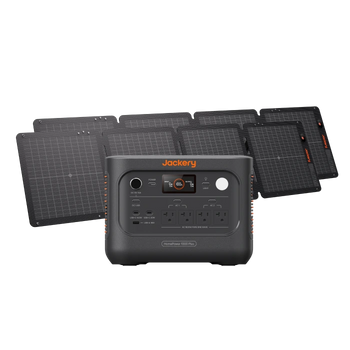
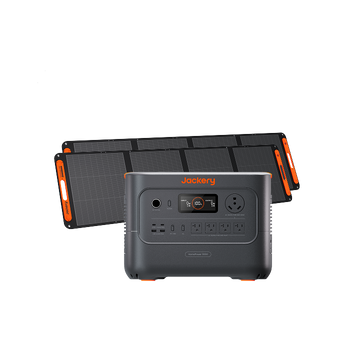
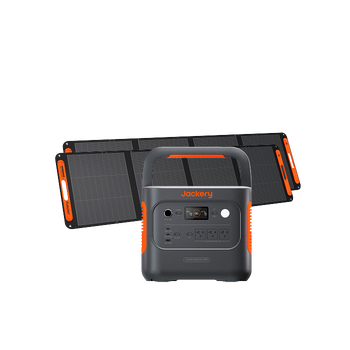
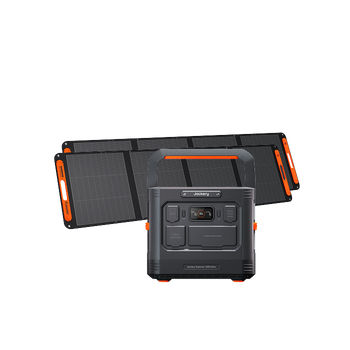


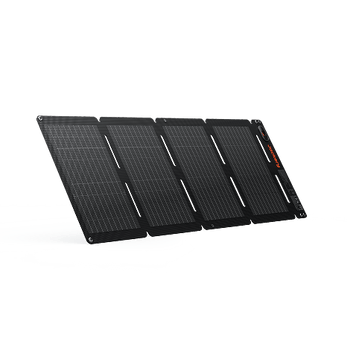









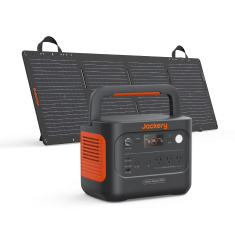
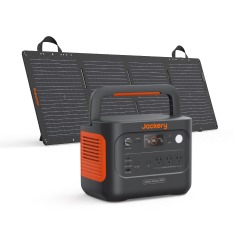
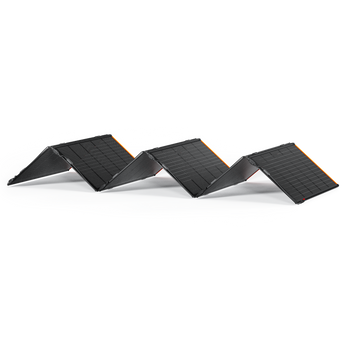
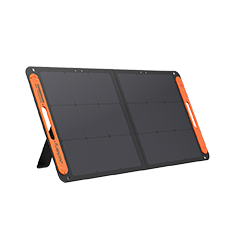



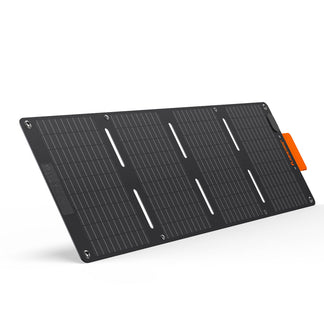
![[Add-on] Jackery SolarSaga 500 X - Jackery](http://www.jackery.com/cdn/shop/files/add-on-jackery-solarsaga-500-x-1493607.webp?v=1786503068&width=324)
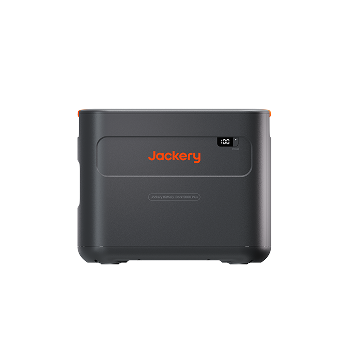
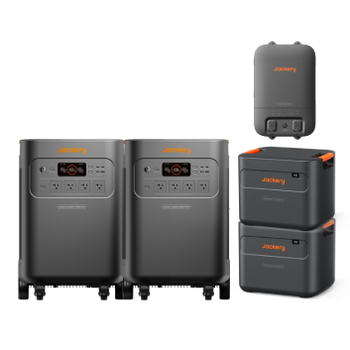
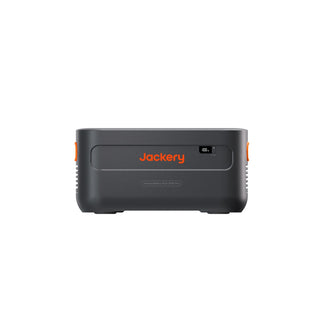
![[Add-on] Jackery Battery Pack 5000 Plus - Jackery](http://www.jackery.com/cdn/shop/files/add-on-jackery-battery-pack-5000-plus-6713401.webp?v=1786503068&width=324)








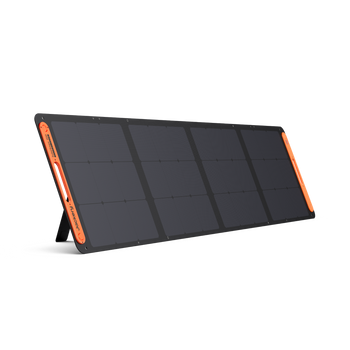
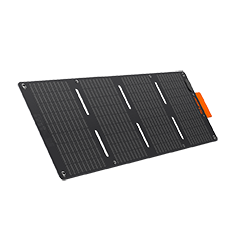
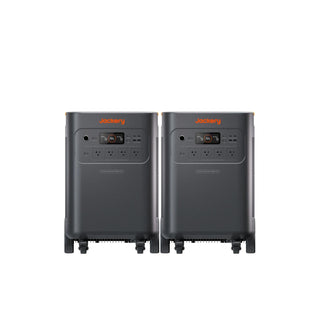
![[Add - on] SolarSaga 200W - Jackery](http://www.jackery.com/cdn/shop/files/add-on-solarsaga-200w-4834329.png?v=1754016915&width=324)



Musty basements, foggy windows, and that clammy feeling in the air are all signs your home's humidity is running too high, and a dehumidifier is usually the fix. But it's also an appliance that tends to run for hours, which means it can add to your electricity bill without you ever really noticing it happening. A typical 500W dehumidifier running 12 hours a day costs about $1.10 daily and $33.01 a month at the current US average electricity rate of 18.34 cents per kWh. When you run it through a typical 8-month humid season, that adds up to roughly $264.
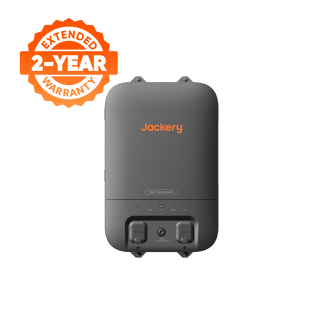
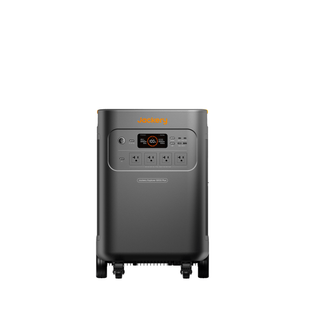
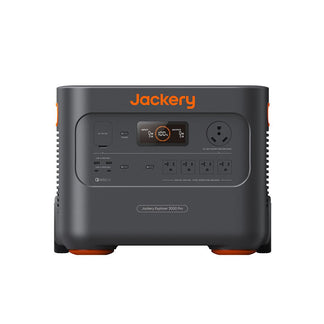
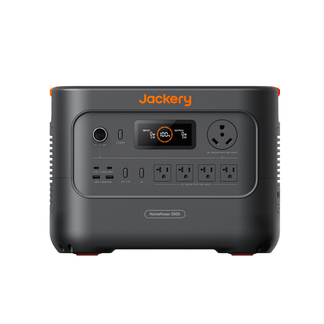
Since a dehumidifier's cost is really a function of how many hours it runs, cutting that draw from the grid is one of the more direct ways to lower the bill. That is where Jackery Solar Generators come in. These solar generators store solar or grid-charged energy and can run a dehumidifier directly off the battery, which shifts part of that daily cost away from your utility meter. They are also useful backup during storm season, when a flooded basement is exactly the moment you need a dehumidifier running and the power is exactly what tends to go out.
Key Takeaways
- Dehumidifiers typically draw between 300W and 900W, depending on their pint capacity and whether they are a compact unit or a whole-home system.
- At the US average rate of 18.34¢/kWh, a 500W dehumidifier running 12 hours a day costs about $1.10 daily, $33.01 monthly, and around $264 across an 8-month humid season.
- How many months a year you should run a dehumidifier depends on your climate and location in the home. A basement dehumidifier in a humid region may need to run nearly year-round, while a seasonal user might only need it a few months.
- Jackery Solar Generators are essential home backup solutions that can power dehumidifiers of different sizes, whether for daily cost savings or backup during an outage.
How Many Watts Does a Dehumidifier Use?
Dehumidifier wattage is closely tied to its pint capacity. The amount of moisture it is rated to pull from the air in a 24-hour period. Small, compact units draw the least power, while whole-home systems tied into ductwork draw the most. You can look at how many watts a dehumidifier uses for a closer breakdown by brand and model, but here's a general guide by capacity:
|
Dehumidifier Type |
Typical Capacity |
Running Wattage |
|
Compact/Small Room |
20–30 Pint |
250W – 350W |
|
Mid-Size |
30–50 Pint |
350W – 550W |
|
Large/Basement |
50–70 Pint |
550W – 800W |
|
Whole-Home (Ducted) |
70+ Pint |
800W – 1,000W |
Most portable dehumidifiers cycle on and off once they hit the humidity level you have set on the built-in humidistat, so actual daily runtime is usually somewhere between 8 and 12 hours rather than a full 24, unless the space is exceptionally damp or the unit lacks automatic shutoff.
How Much Does It Cost to Run a Dehumidifier?
The cost of running a typical dehumidifier depends on the dehumidifier's wattage, how many hours a day it runs, and your local electricity rate. Multiply wattage by hours, divide by 1,000 for kilowatt-hours, then multiply by your rate per kWh.
Example 1: Small Dehumidifier & Light Use
A 300W dehumidifier running 4 hours a day in a fairly dry room uses 1.2 kWh daily. At the national average rate, that is $0.22 a day and $6.60 a month. When you use the dehumidifier for an 8-month season, the total comes to about $52.82.
Example 2: Large Dehumidifier & Heavy Use
A 700W dehumidifier running 12 hours a day in a damp basement uses 8.4 kWh daily. At the national average rate, that is $1.54 a day and $46.22 a month, or roughly $369.73 across an 8-month season.
How Much Does a Dehumidifier Cost by Capacity (Pint Size)
If you already know your dehumidifier’s pint rating, this table gives you a faster estimate at the national average rate, assuming 12 hours of runtime a day:
|
Capacity |
Wattage |
Daily Cost |
Monthly Cost |
8-Month Seasonal Cost |
|
30-Pint |
300W |
$0.66 |
$19.81 |
$158.45 |
|
50-Pint |
500W |
$1.10 |
$33.01 |
$264.10 |
|
70-Pint |
800W |
$1.76 |
$52.82 |
$422.56 |
How Much Does a Dehumidifier Cost by State
Electricity rates vary considerably by state, so the same dehumidifier can cost close to three times as much to run in one part of the country versus another. Using a 500W unit running 12 hours a day as the baseline:
|
State |
Rate (¢/kWh) |
Daily Cost |
Monthly Cost |
8-Month Seasonal Cost |
|
New Jersey |
24.95 |
$1.50 |
$44.91 |
$359.28 |
|
New York |
29.49 |
$1.77 |
$53.08 |
$424.66 |
|
Illinois |
19.89 |
$1.19 |
$35.80 |
$286.42 |
|
Ohio |
19.19 |
$1.15 |
$34.54 |
$276.34 |
|
North Dakota |
14.12 |
$0.85 |
$25.42 |
$203.33 |
|
South Dakota |
15.36 |
$0.92 |
$27.65 |
$221.18 |
|
Florida |
15.10 |
$0.91 |
$27.18 |
$217.44 |
|
Georgia |
16.36 |
$0.98 |
$29.45 |
$235.58 |
|
North Carolina |
14.74 |
$0.88 |
$26.53 |
$212.26 |
|
South Carolina |
15.55 |
$0.93 |
$27.99 |
$223.92 |
|
Texas |
15.94 |
$0.96 |
$28.69 |
$229.54 |
|
Colorado |
17.13 |
$1.03 |
$30.83 |
$246.67 |
|
Idaho |
14.37 |
$0.86 |
$25.87 |
$206.93 |
|
Alaska |
28.21 |
$1.69 |
$50.78 |
$406.22 |
|
Hawaii |
52.72 |
$3.16 |
$94.90 |
$759.17 |
|
US Average |
18.34 |
$1.10 |
$33.01 |
$264.10 |
Source: Electric Power Monthly, U.S. Energy Information Administration (EIA)
Note: These figures assume a 500W dehumidifier running 12 hours a day for an 8-month season. Rates change periodically, so check the EIA link above for the latest figures in your state.
How Many Hours a Day (and Months a Year) Should You Run a Dehumidifier?
How long a dehumidifier runs in a day really depends on where you live and where the unit sits in your home. A basement in a naturally damp climate, such as the Southeast, the Gulf Coast, or parts of the Pacific Northwest, may need a dehumidifier running close to year-round to keep humidity in the recommended 30-50% range. A basement in a drier climate might only need one running through the humid summer months, roughly May through September.
Placement matters too. A dehumidifier doing double duty for an entire finished basement will run longer than one dedicated to a single damp closet or crawl space. If your dehumidifier has a built-in humidistat, it will cycle off automatically once the target humidity is reached, which is the single biggest variable in how many actual hours it logs per day versus how many hours it is simply plugged in.
Beyond seasonal timing, a few home-specific factors change how many hours a dehumidifier actually runs each day: how well the space is sealed, whether there is a nearby moisture source like a washing machine or unfinished concrete, and how often doors to the space are opened. A dehumidifier working against an unsealed dirt-floor crawl space, for instance, will run considerably longer than the same unit in a finished, well-insulated basement, even at the identical humidity setting.
Compressor vs. Desiccant Dehumidifiers: Does It Change the Cost?
Most residential dehumidifiers use a refrigerant compressor, similar in principle to a small air conditioner, which is the type all the wattage figures above assume. Desiccant dehumidifiers, which use a moisture-absorbing material instead of a compressor, are less common in homes but show up in smaller or portable units, and in situations where temperatures drop too low for a compressor model to work efficiently (compressor units lose effectiveness below about 65°F, which is why desiccant models are more common in unheated garages or cold basements).
Desiccant units tend to draw less wattage on paper, often in the 300-700W range, but many need to run longer to pull the same amount of moisture from the air, so the real-world cost difference between the two types is often smaller than the wattage alone would suggest. If you are comparing two dehumidifiers by their spec sheets, check the actual Integrated Energy Factor (IEF) rating rather than wattage alone. It accounts for how efficiently each design pulls moisture, not just how much power it draws while running.
Official Tips to Reduce the Cost of Dehumidifiers
You can lower your dehumidifier costs by setting the target humidity to 50% and cleaning the air filter every few weeks. Here are some other tips to reduce the cost of running a dehumidifier:
Set a Realistic Humidity Target: Most homes are comfortable at 30-50% relative humidity. Setting the humidistat lower than that just runs the compressor longer for no real benefit.
Empty and Clean the Tank Regularly: Many dehumidifiers pause automatically once the tank fills, which means a forgotten, full tank can mean a unit sitting idle for hours while you think it is still working. Connecting a continuous drain hose avoids this entirely.
Seal Off the Space: Closing doors and windows in the room being dehumidified keeps humid outside air from constantly working against the unit, which shortens the time it needs to run.
Choose the Right Size for the Space: An undersized dehumidifier for a large, damp basement will run nearly nonstop and still struggle to keep up, while an oversized one for a small room wastes energy overshooting the job. Match the pint rating to the square footage.
Power It With a Solar Generator: Running a dehumidifier off a Jackery Solar Generator during daylight hours, especially one charged by solar panels, shifts some or all of that daily cost off the grid entirely.
How to Save on Your Electricity Bill With Jackery Solar Generators
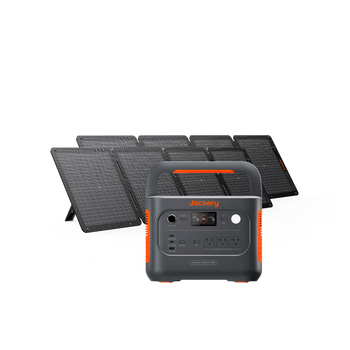
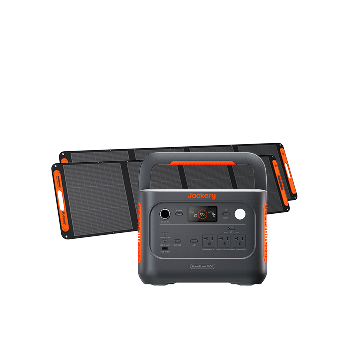
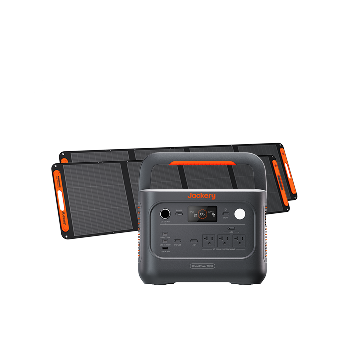
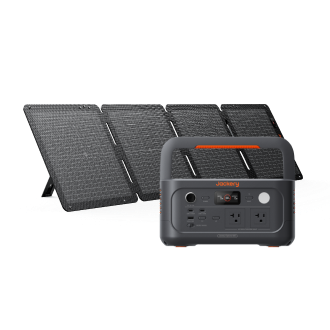
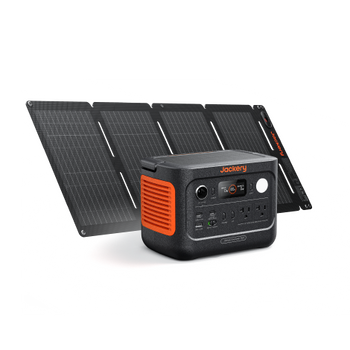
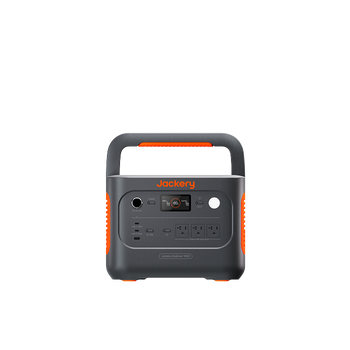
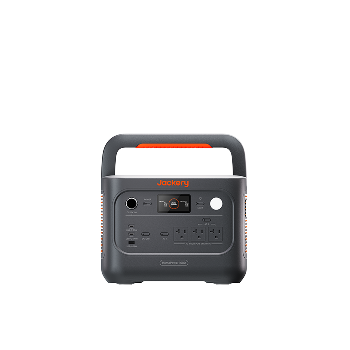
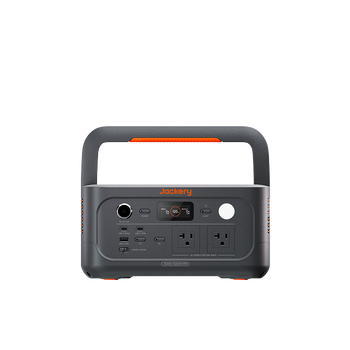
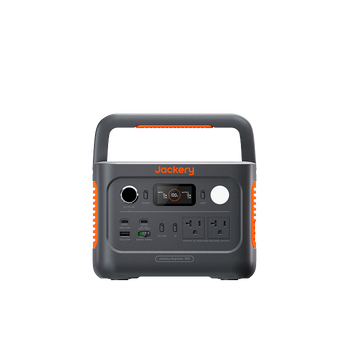
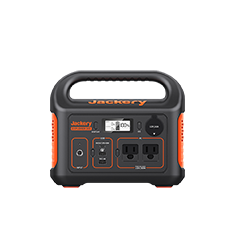
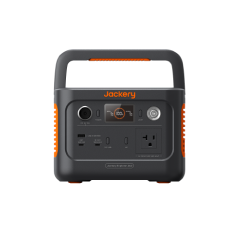
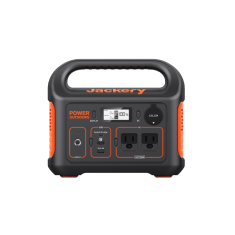
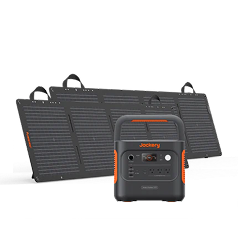
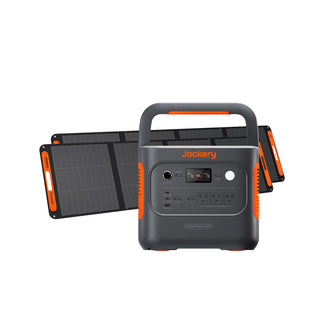
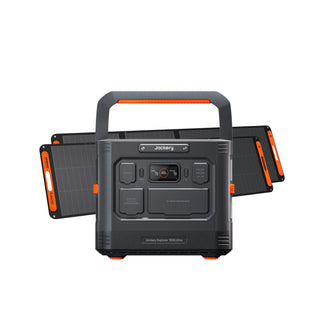
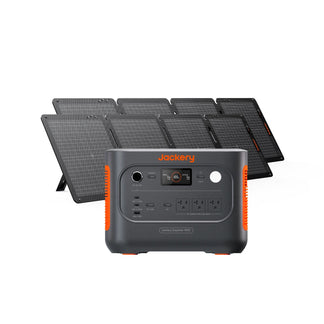
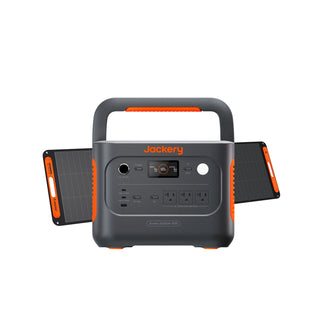
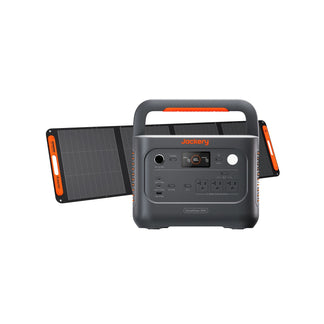
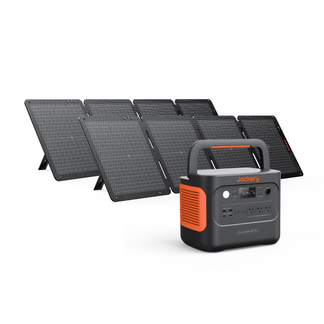
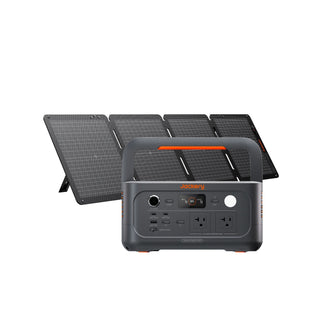
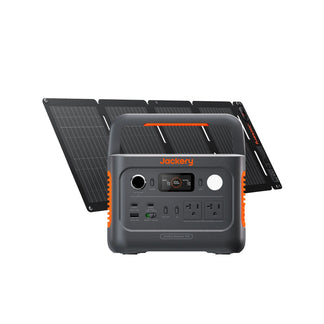
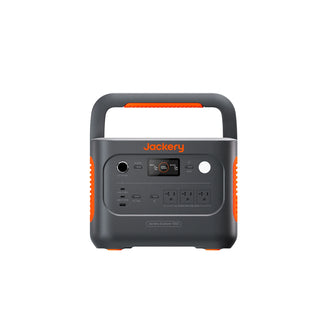
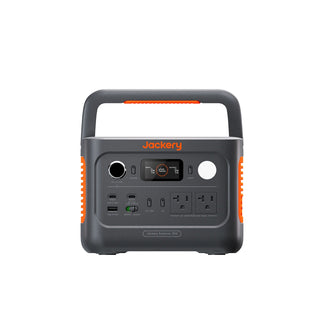
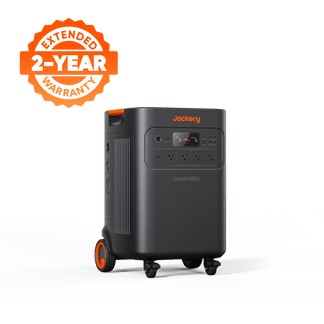
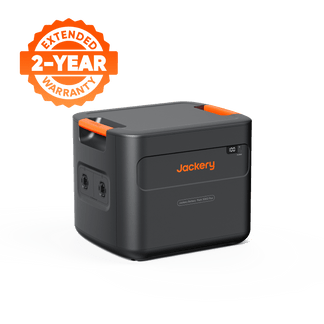
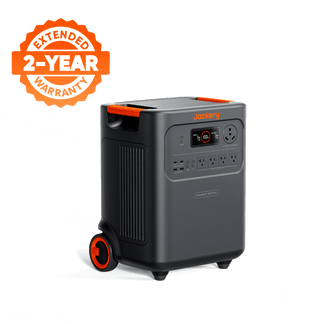
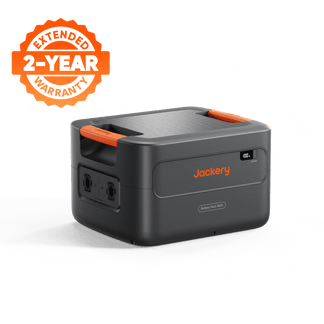
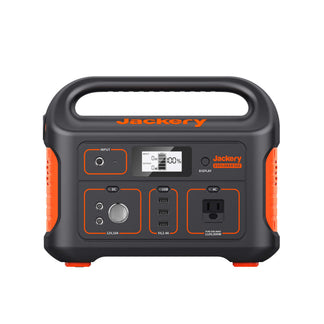
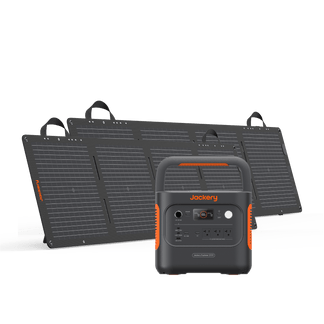
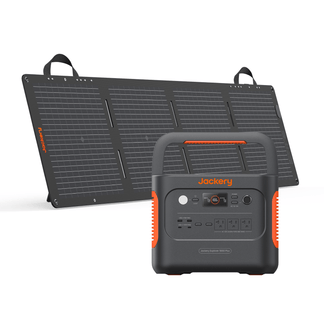
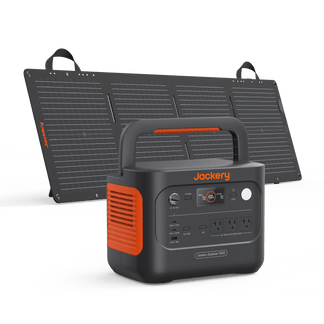
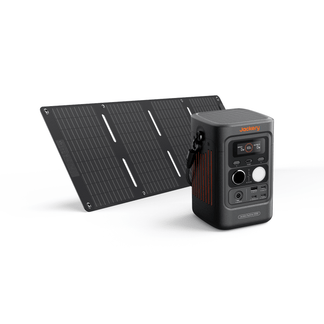
Whether you are trying to shave a little off your monthly bill or make sure a flooded basement stays dry through a storm-related outage, Jackery has options across a range of capacities. Jackery is a global leader in manufacturing solar generators, portable power stations, and solar panels. The Jackery Solar Generators combine power stations and solar panels to power various household appliances, such as dehumidifiers, fans, coolers, etc. Here is how three of them compare for solar-powered dehumidifier use:
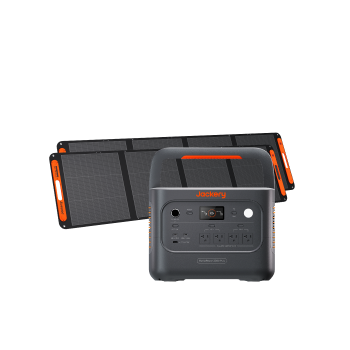
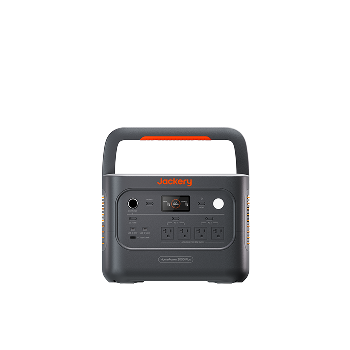
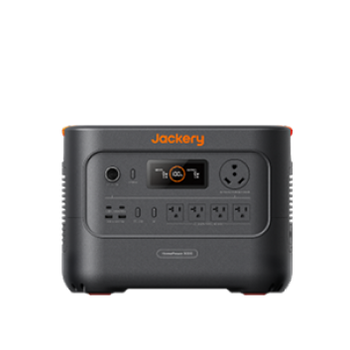
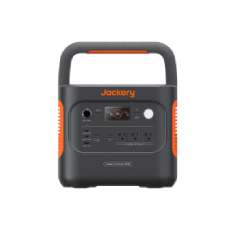
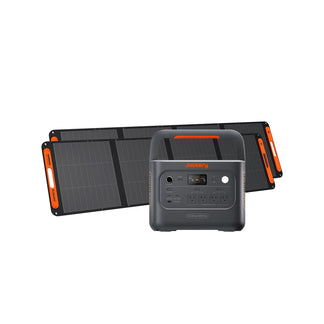
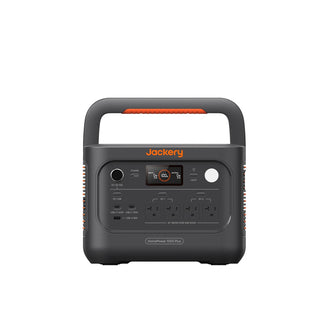
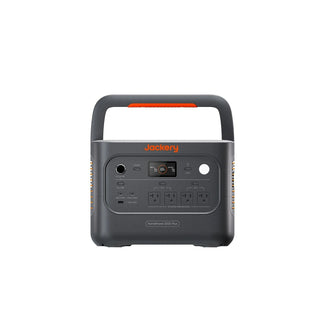
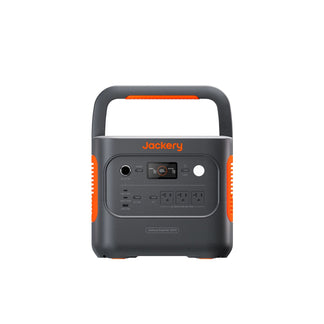
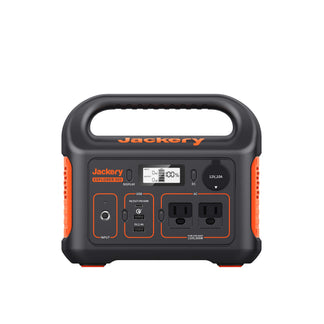
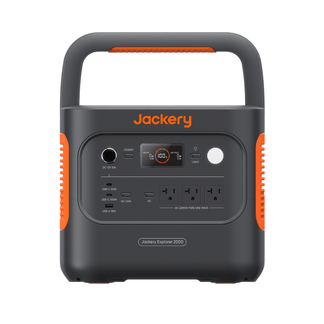
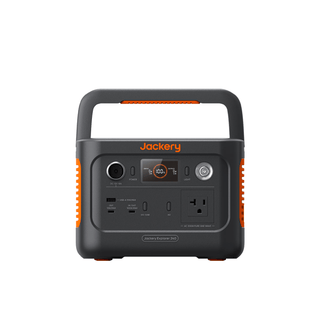
Jackery Solar Generator 600 v2
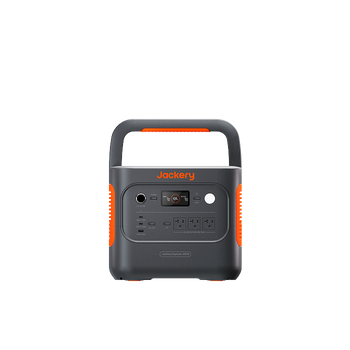
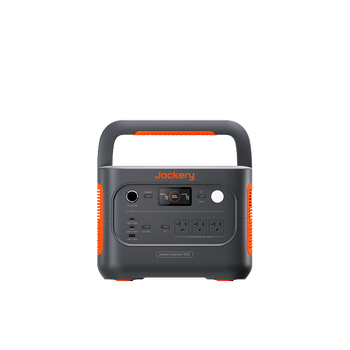
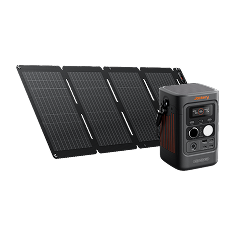
The Jackery Solar Generator 600 v2 is built for smaller, everyday dehumidifying jobs rather than a full basement system. It carries a 640Wh LiFePO4 battery with 500W of continuous output, which comfortably covers a compact 20-30 pint unit for a closet, bathroom, or small bedroom without needing anything larger and bulkier on hand. For a 300W compact dehumidifier running 4 hours a day at the national average rate, it adds $0.22 in grid electricity daily.
Appliances Running Time
- 20-30 Pint (300W) = 1.7H
- 30-50 Pint (400W) = 1.3H
- 50-Pint (500W) = 1.0H
- Fan (200W) = 2.5H
Who Should Buy This
The Jackery Solar Generator 600 v2 is suitable for apartments, RVs, or single-room humidity problems where a compact 20-30 pint dehumidifier is doing the job. It is also a practical grab-and-go option for anyone who wants basic backup power.

Customer Review
Great investment worth the money spent on it. Great for outdoor activities, especially to light up the night. Recommend this product...is a must have specially if you are a vendor doing night events or just out camping.
— Adrian M.
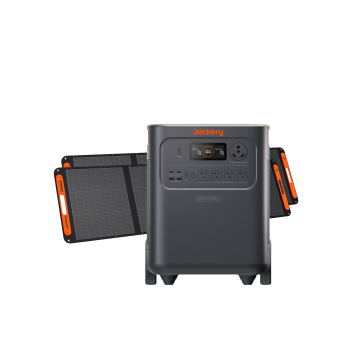
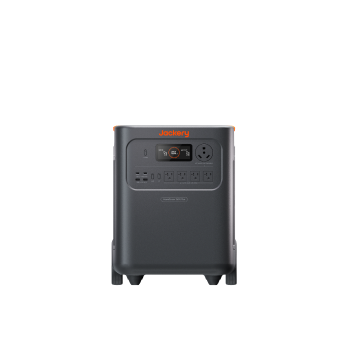
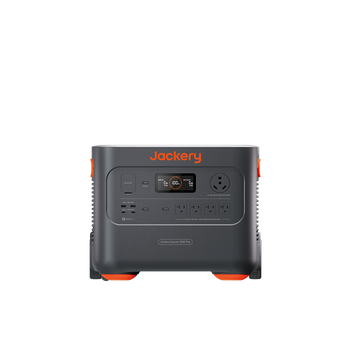
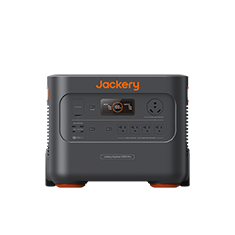
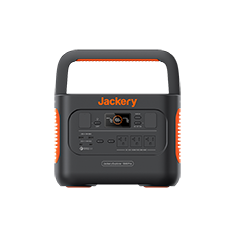
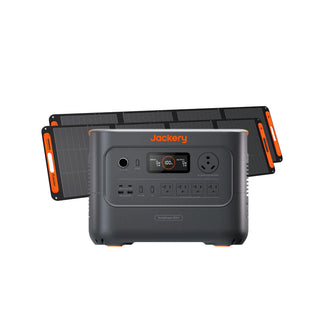
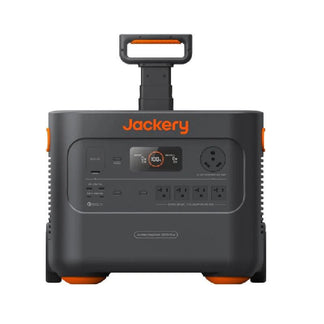
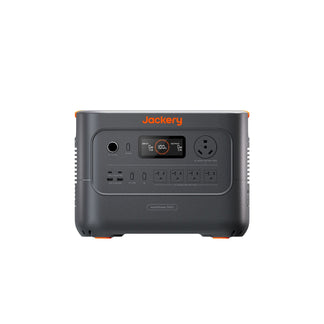
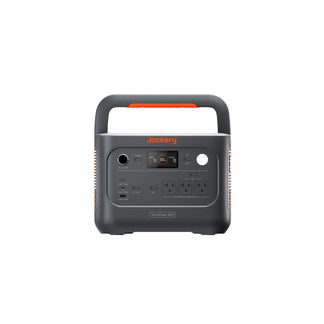
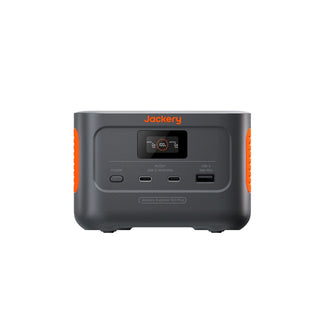
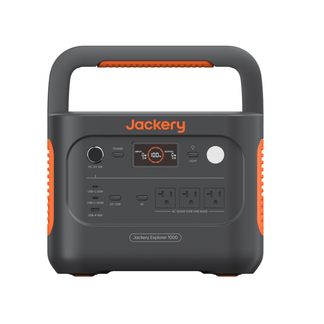
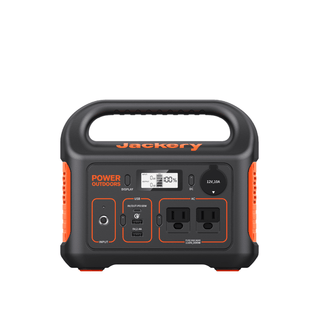
Jackery Solar Generator 1000 v2
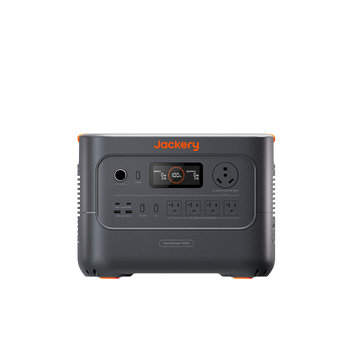
The Jackery Solar Generator 1000 v2 packs a 1,070Wh LiFePO4 battery with 1,500W of continuous output and 3,000W of surge capacity, and it can recharge from empty to full in about an hour on wall power when you need it back in use fast. It can run a 50-pint basement dehumidifier for a meaningful stretch, or handle the startup surge of a larger 70-pint unit without tripping. If you are running a 500W mid-size dehumidifier for 12 hours a day, that is $1.10 daily and $33.01 monthly in grid costs at the national average rate, which you can offset by using the Jackery Solar Generator 1000 v2.
Appliances Running Time
- 20-30 Pint (300W) = 2.8H
- 30-50 Pint (400W) = 2.1H
- 50-Pint (500W) = 1.7H
- Fan (200W) = 4.1H
Who Should Buy This
The Jackery Solar Generator 1000 v2 is a solid match for basement or crawl space setups using a 50 to 70-pint dehumidifier, especially in homes that also want a single unit flexible enough to cover a fridge or a few lights during a short outage.

Customer Review
I use mine on the job to recharge my drone batteries while I am out away from another power source. The solar panel is priceless in these situations. Even when the sun is obscured, it gets enough charge to get me through the day without worry. I will never be without one of these again.
— Darrell.
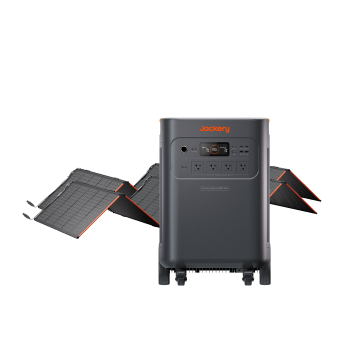
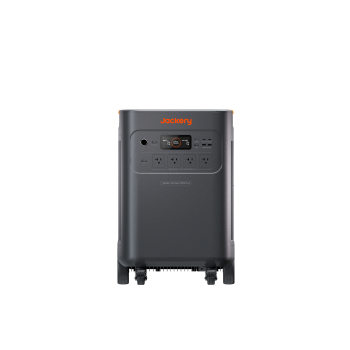
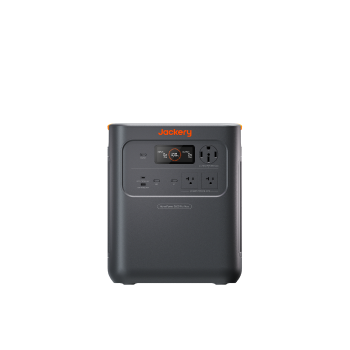
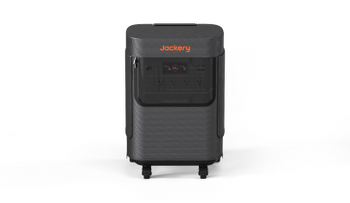
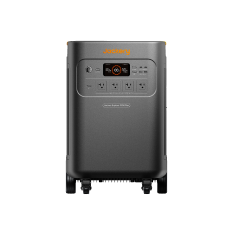
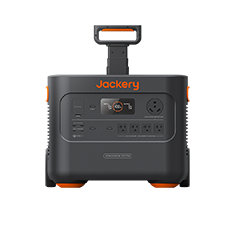
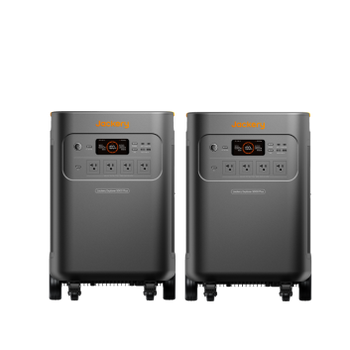
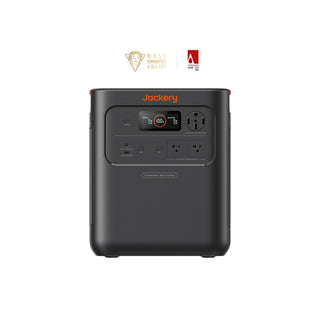
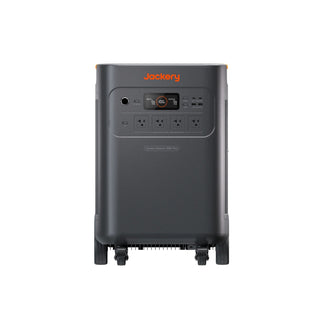
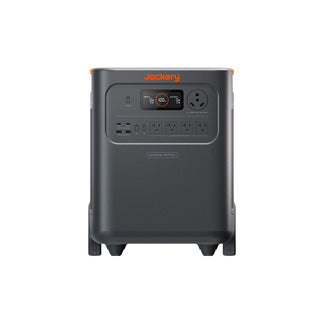
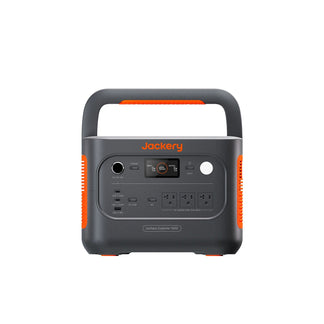
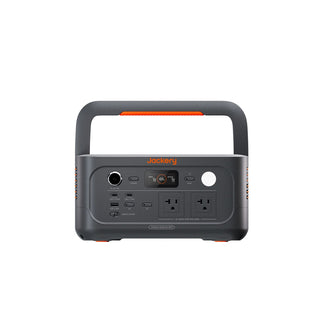
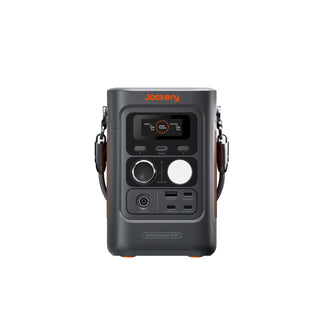
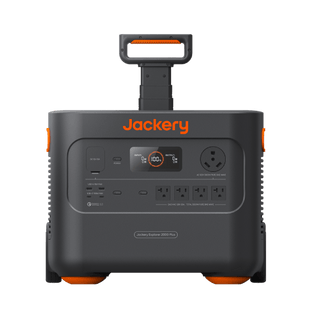
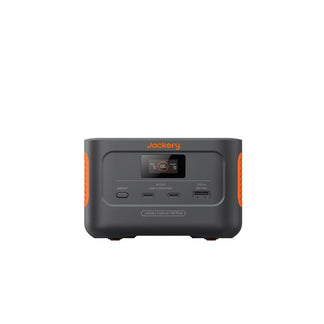
Jackery Solar Generator HomePower 2000 Plus v2
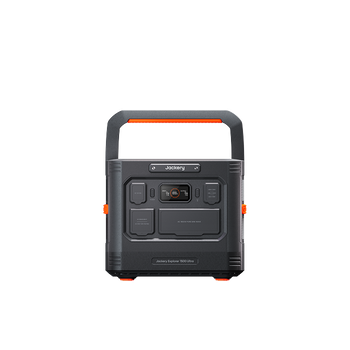
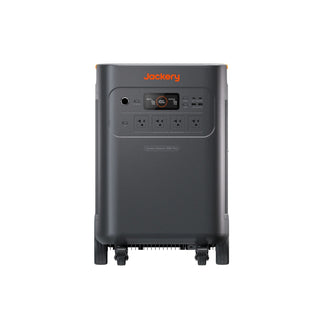
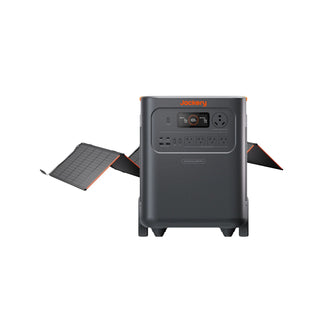
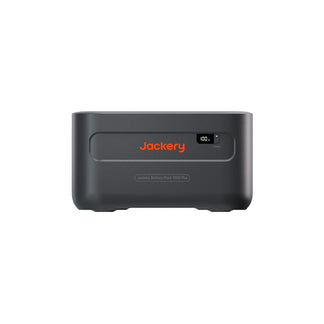
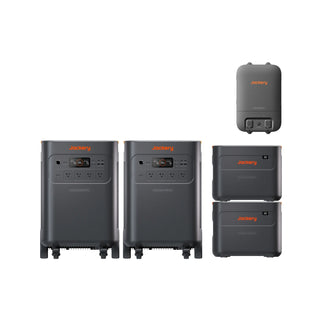
For a basement or crawl space that needs sustained, heavy-duty dehumidifying, the Jackery Solar Generator HomePower 2000 Plus v2 is enough to run a large 70-pint dehumidifier for several hours at a stretch or a smaller unit for the better part of a day. This home battery backup solution is also expandable with additional battery packs if a single charge is not enough to get you through an extended outage. Running an 800W large dehumidifier for 12 hours a day would otherwise cost about $1.76 daily and $52.82 monthly at the national average rate, which you can offset using the Jackery Solar Generator HomePower 2000 Plus v2.
Appliances Running Time
- 20-30 Pint (300W) = 5.0H
- 30-50 Pint (400W) = 4.0H
- 50-Pint (500W) = 3.0H
- Fan (200W) = 8.0H
Who Should Buy This
The Jackery Solar Generator HomePower 2000 Plus v2 is ideal for larger basements, homes in consistently humid climates that run a dehumidifier for most of the year, or anyone who wants one system that can handle the dehumidifier alongside other essentials like a sump pump or a few lights during a storm.

Customer Review
It was delivered so quickly! I have assembled the solar panels, which are really big, and have been familiarizing myself with them. Took it out to the goat barn to run fan and lights and was impressed with how long it ran without much drop in stored power, 98%.
— Kathy W.
How Much Does It Cost to Run a Dehumidifier FAQs
How much does it cost to run a crawl space dehumidifier?
Crawl space dehumidifiers typically draw between 580W and 850W. A 700W unit running 8 hours a day at the national average rate costs about $1.03 a day and $30.81 a month.
How much does a 50-pint dehumidifier cost to run per month?
At 500W running 12 hours a day and the national average electricity rate, a 50-pint dehumidifier costs approximately $33.01 a month, or about $264 across an 8-month humid season.
Can you leave a dehumidifier on 24/7?
Yes, most dehumidifiers are designed to run continuously, and many damp basements genuinely need that. That said, a unit with a built-in humidistat will automatically shut off once it hits your target humidity, so "on 24/7" and "running 24/7" usually are not the same thing.
Is dehumidifying or heating more energy efficient?
Removing excess moisture from the air is generally far less energy-intensive than heating a space, which is why running a dehumidifier is often the more cost-effective fix for a damp, chilly basement than cranking up a space heater.
Do dehumidifiers use a lot of electricity?
No, dehumidifiers do not use a lot of electricity compared to appliances like central air conditioning, but their long runtimes mean the cost adds up over a season. A dehumidifier with an Integrated Energy Factor (IEF) rating from Energy Star is built to pull the same moisture with less power.
Does a bigger dehumidifier always cost more to run?
No, a bigger dehumidifier does not cost more to run. A larger, correctly sized unit for a big damp basement can actually cost less overall than an undersized one, because the smaller unit has to run far more hours (sometimes close to nonstop) just to keep up, while the properly sized unit reaches the target humidity and cycles off.
Conclusion
A dehumidifier rarely feels like a big appliance day to day, but between long runtimes and multi-month seasonal use, it can quietly become one of the larger line items on a summer or storm-season electricity bill. Sizing the unit correctly, keeping the humidistat at a reasonable setting, and knowing your local rate per kWh go a long way toward keeping that cost in check. And for the moments when the power itself is the problem, when a flooded basement needs it most, a Jackery Solar Generator can keep the dehumidifier (and a sump pump, if you have got one) running until the grid comes back.


