

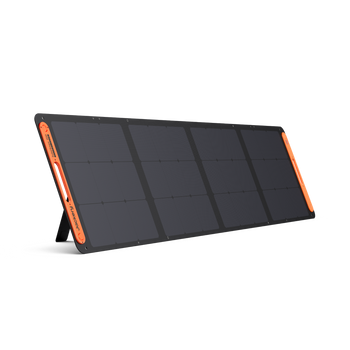


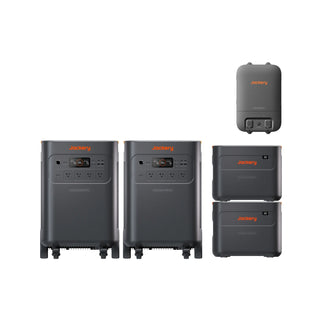
![[Add-on] Jackery SolarSaga 500 X - Jackery](http://www.jackery.com/cdn/shop/files/add-on-jackery-solarsaga-500-x-1493607.webp?v=1786503068&width=324)
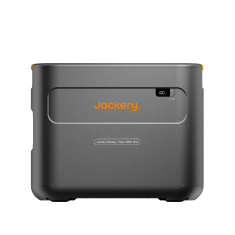
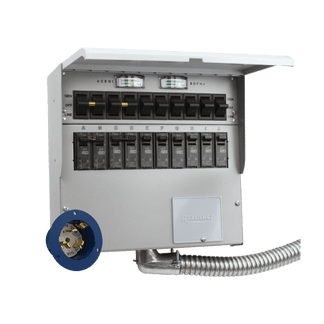
![[Add-on] Jackery Battery Pack 5000 Plus - Jackery](http://www.jackery.com/cdn/shop/files/add-on-jackery-battery-pack-5000-plus-6713401.webp?v=1786503068&width=324)



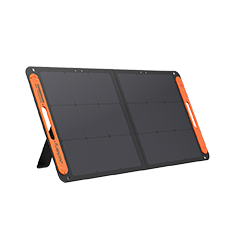
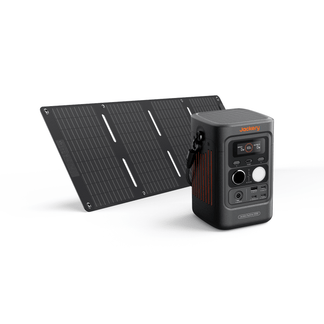
![[Add - on] SolarSaga 200W - Jackery](http://www.jackery.com/cdn/shop/files/add-on-solarsaga-200w-4834329.png?v=1754016915&width=324)


A dehumidifier’s electricity use varies based on its capacity, operating mode, and how damp the space is. Small dehumidifiers designed for bedrooms or basements may use as little as 300 watts, while larger whole-room or high-capacity dehumidifiers can draw 600–700 watts during active moisture removal. The power consumption of a dehumidifier is usually highest when humidity levels are high and drops once the desired level is reached.
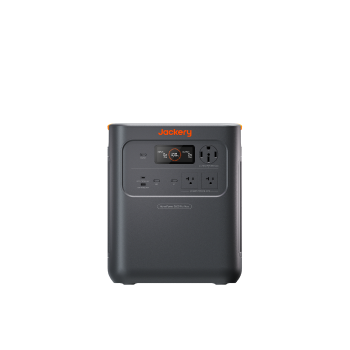
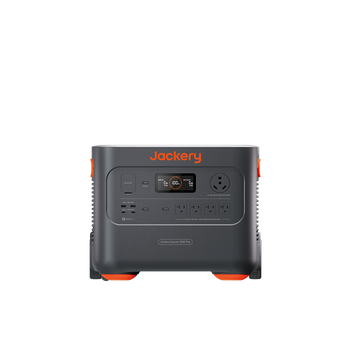
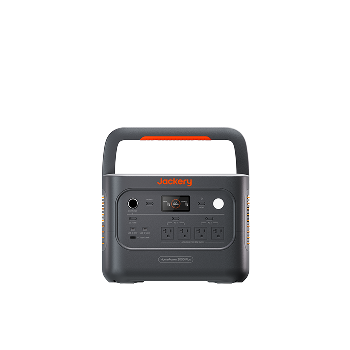
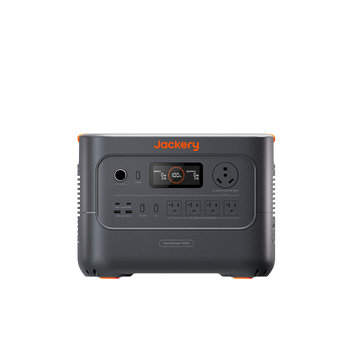
Knowing how many watts does a dehumidifier use becomes especially important during power outages or off-grid situations. Jackery Solar Generators are solar battery backup solutions that can support dehumidifiers for temporary moisture control during outages, seasonal storms, or in damp spaces where preventing mold and air-quality issues is a priority, alongside other essential household devices when loads are managed carefully.
Takeaways
- Most household dehumidifiers use 300–700 watts, depending on size and operating intensity.
- The electricity cost of dehumidifiers depends on runtime, humidity levels, and local utility rates, not just wattage alone.
- Dehumidifiers often cycle on and off, reducing average energy use compared to continuous appliances.
- Jackery Solar Generators can run dehumidifiers during outages or off-grid use while supporting other low-wattage essentials.
How Many Watts Does A Dehumidifier Use
How many watts a dehumidifier uses depends on several factors, including the size of the dehumidifier, the room's size, the humidity level, and the energy efficiency of the dehumidifier. The average power consumption of a dehumidifier is 500 watts. While smaller units can fall in the 300-watt range, larger units may consume up to 700 watts.
The duration of use is the most critical factor in determining how many watts the dehumidifier will use. Generally, it can run between 12 hours to 24 hours. If the air is more humid, the dehumidifier has to work longer at its peak performance and thus will consume more energy. Also, some dehumidifiers are more energy efficient than others, so their power consumption is lower.
Definition Of Amps, Volts, Watts, Running Watts, Rated Watts, Watt-Hours.
Learning about the units of measuring power and other technical terms is essential to understanding how many watts a dehumidifier uses.
● Amps
An amp or ampere is a unit that measures the electrical current. It shows the rate at which electrons flow through a device or circuit.
● Volts
A volt measures the electrical potential difference that shows how much energy each charging unit carries when moving between two points in a circuit.
Volts = Watts/Amps.
● Watts
A watt is a unit of power that measures the electricity an appliance requires to turn on and operate.
● Running Watts/Rated Watts
Running watts is the wattage that a device requires continuously during its operation.
● Watt-Hours
Watt hours (Wh) or kilowatt hours (kWh) show how much power an appliance consumes over time. This is the unit used on your electricity bill.
What Factors Affect the Wattage of Dehumidifiers?
The wattage of a dehumidifier is affected by its size, operating conditions, and how hard it has to work. Dehumidifiers designed for larger spaces draw more power, and wattage increases when humidity levels are high because the compressor runs longer and more frequently.
Other factors that affect the wattage consumption of a dehumidifier include room temperature, airflow, and operating mode. Warmer, poorly ventilated spaces require more energy, while features like continuous operation, higher fan speeds, or automatic humidity targets can also raise power consumption compared to intermittent cycling.
Some preventive measures allow your dehumidifier to work more efficiently and consume less energy.
- It is essential to place the dehumidifier closer to the source; it will take less time to dry the air. The best places to place your dehumidifier are the basement, bathroom, laundry room, and bedroom.
- Secondly, a well-maintained dehumidifier is more efficient as dust accumulates on your appliance and affects its capacity. Cleaning its coils, fan blades, and water tank regularly increases the dehumidifier's efficiency.
- Also, introducing vent fans in your bathroom indoor plants and calcium chloride in a damp room container helps manage the moisture level.
Running a dehumidifier typically costs a few cents to a few dollars per day, depending on its wattage, how long it runs, and local electricity rates. For example, a 500-watt dehumidifier running 8 hours a day uses 4 kWh (500 W × 8 h ÷ 1,000). At $0.15 per kWh, that equals about $0.60 per day. The answer to how much does it cost to run a dehumidifier will increase with longer runtimes, higher humidity levels, and larger-capacity dehumidifiers that run more frequently.
The following table summarizes the power consumption of different dehumidifiers over a period of time.
|
Dehumidifier |
Rated Watts |
Length of Time Powered (hours) |
Estimated energy needed daily (Watt-hours) |
|
22 Pint |
300 W |
12 |
3600 Wh |
|
24 |
7200 Wh |
||
|
30 Pint |
460 W |
12 |
5520 Wh |
|
24 |
11040 Wh |
||
|
50 Pint |
590 W |
12 |
7080 Wh |
|
24 |
14160 Wh |
||
|
96 Pint |
750 W |
12 |
9000 Wh |
|
24 |
18000 Wh |
Jackery Solar Generators for Dehumidifiers
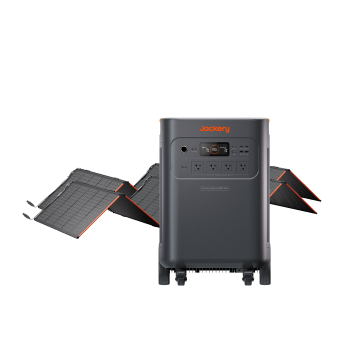
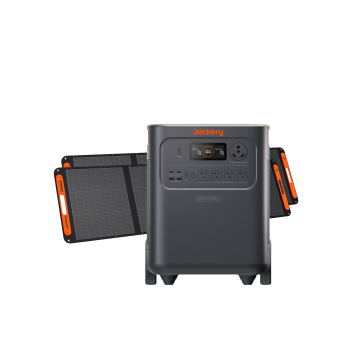
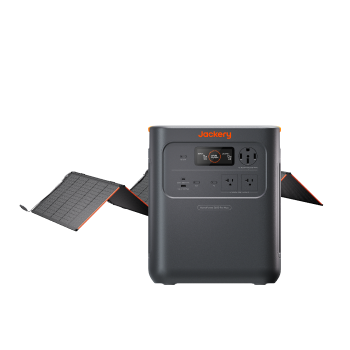
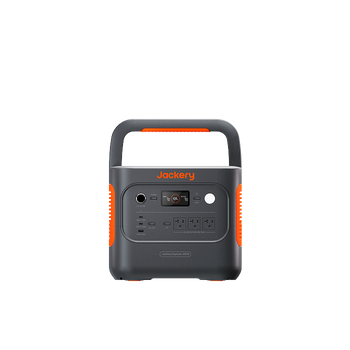
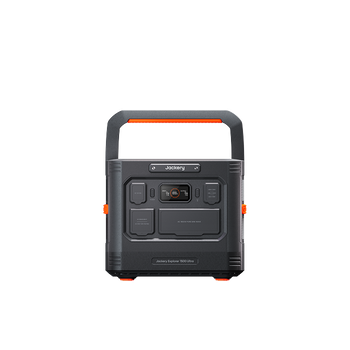
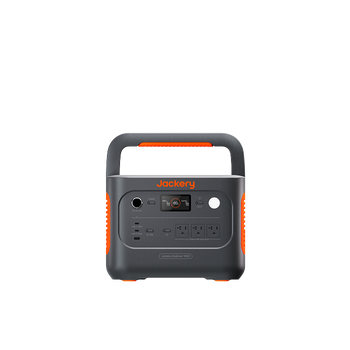
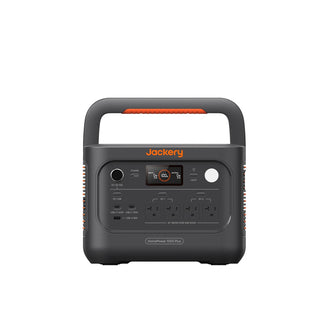
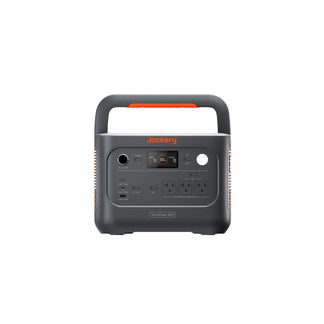
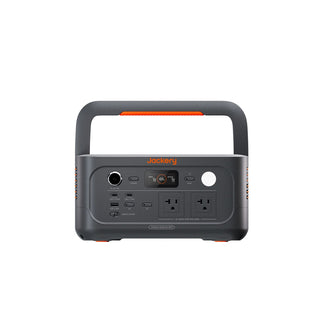
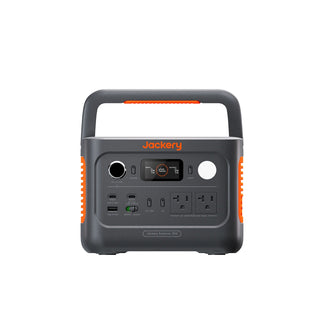
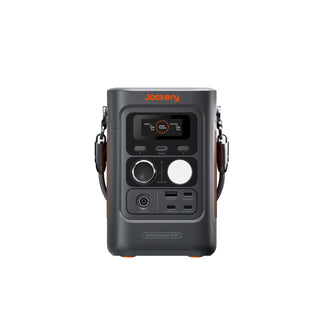
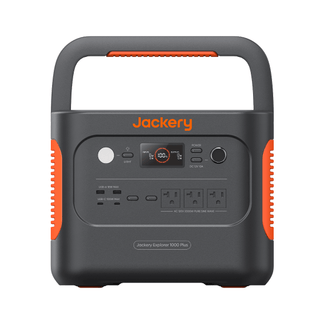
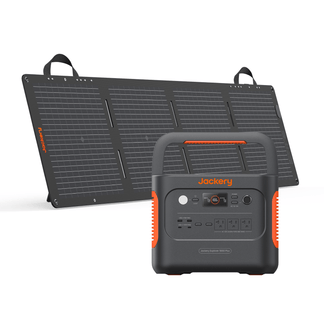
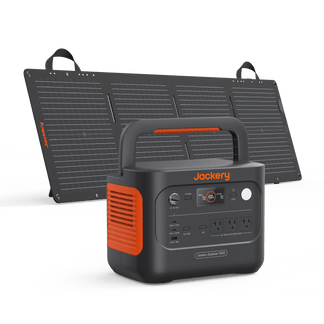
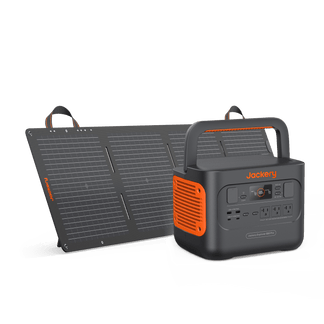
Jackery is a leading manufacturer of solar generators, portable power stations, and solar panels ideal for essential home backups and outdoor adventures. Jackery Solar Generators provide a practical way to keep humidity under control by powering dehumidifiers when grid power is unavailable. Instead of letting moisture build up during storms or outages, these solar generators allow dehumidifiers to run for short or extended periods, depending on capacity. This helps protect indoor air quality, reduce the risk of mold, and maintain comfortable living conditions without relying on fuel-based generators or temporary fixes. Here are some ideal battery backup solutions for solar-powered dehumidifiers:
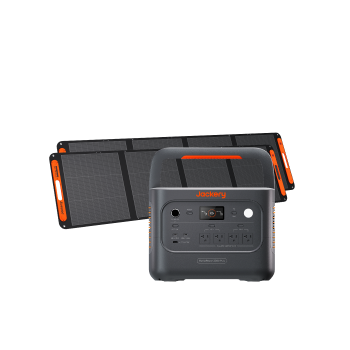
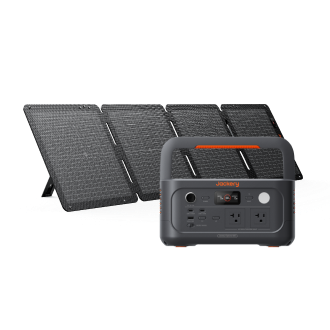
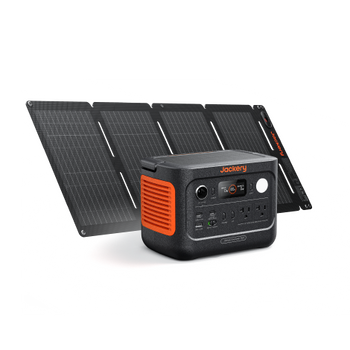
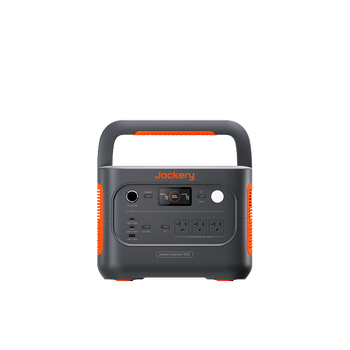
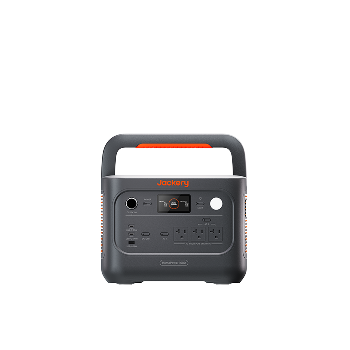
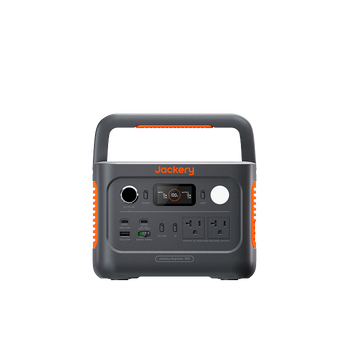
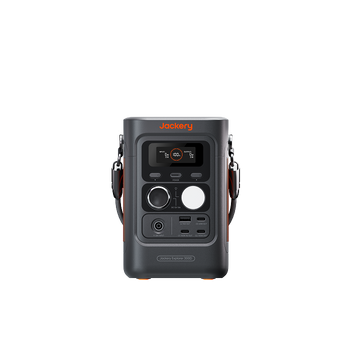
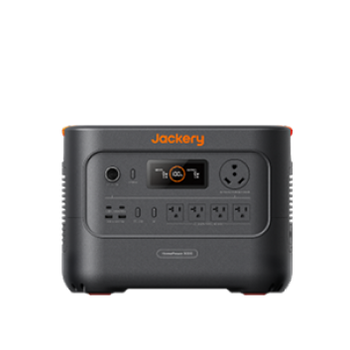
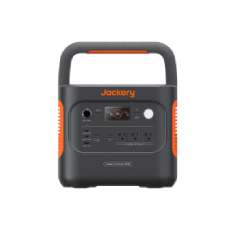
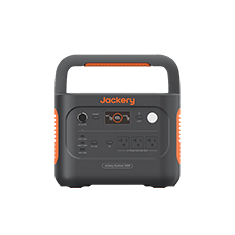
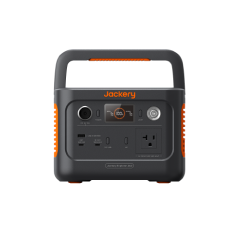
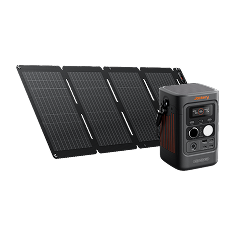
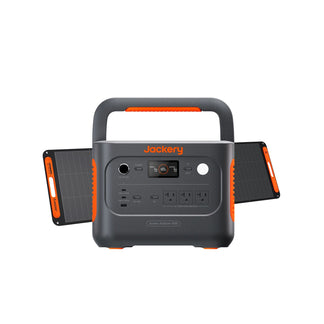
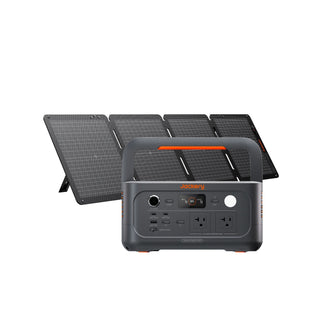
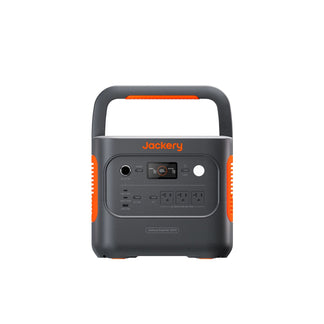
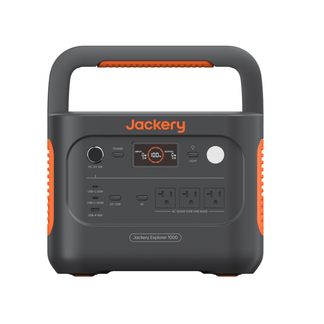
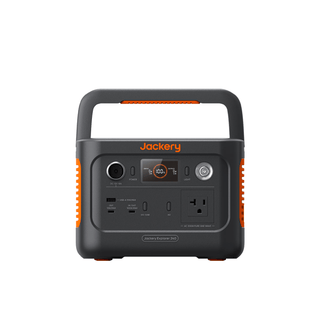
Jackery Solar Generator 600 v2
The Jackery Solar Generator 600 v2 is a compact battery backup solution that can run dehumidifiers for short periods when moisture control is needed, rather than for continuous operation. It can support short dehumidification cycles in smaller spaces during brief outages or sudden humidity spikes, especially when paired with minimal additional loads. This is useful for preventing rapid moisture buildup after storms or overnight power interruptions. It allows you to stabilize indoor conditions temporarily until grid power returns.
Appliances Running Time
- Small (20-30 Pint) Dehumidifier (400W) = 1.3H
- Medium (40-50 Pint) Dehumidifier (500W) = 1.0H
- Tabletop/Mini Dehumidifier (50W) = 8.7H
- Desiccant Dehumidifier (400W) = 1.3H
Who Should Buy This
If you only need short-term dehumidifier support during brief outages or in compact spaces, the Jackery Solar Generator 600 v2 is a solid option.

Customer Review
Definitely a 5-star. This is our 4th jackery product. We have the 3000, 2000 plus, and the extra battery for the 2000, and now the 600 v2. We got this to power our lights, a radio, and charge our phones in our cabin. I would suggest the jackery solar generators, big or small. They arrive fast and work without fail.
— Karon O.
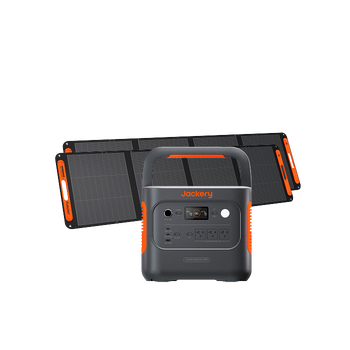
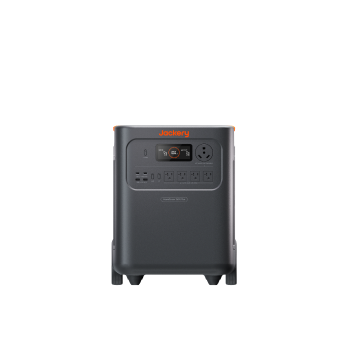
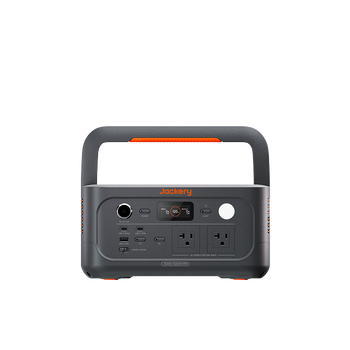
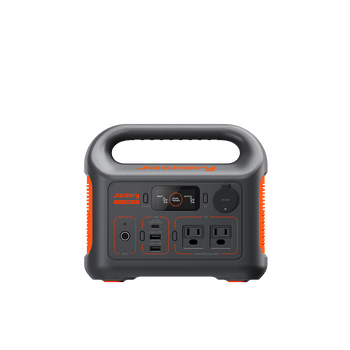
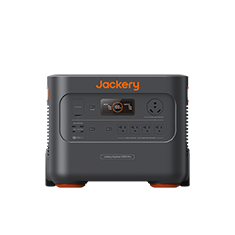
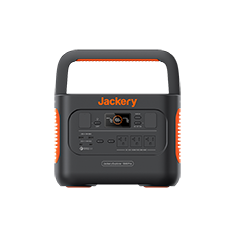
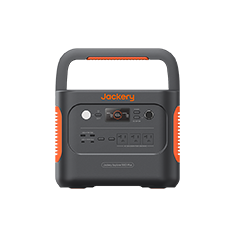
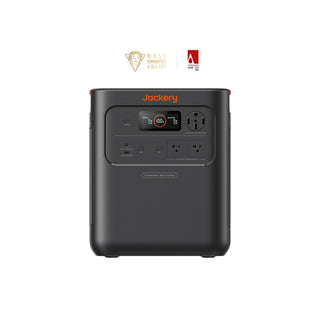
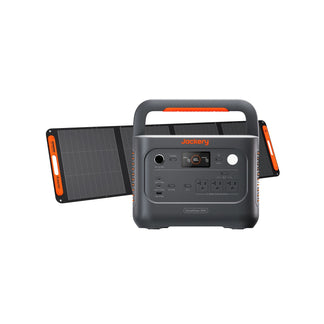
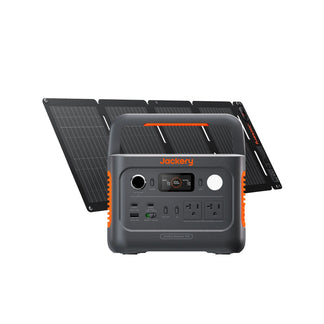
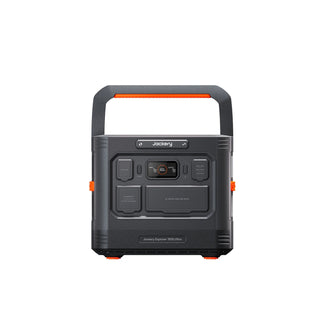
Jackery Solar Generator 1000 v2
The Jackery Solar Generator 1000 v2 is the lightest and smallest 1kWh LFP solar generator that offers more flexibility for moisture control when runtime needs extend beyond a short window. It allows a dehumidifier to cycle normally for several hours while still leaving room for lighting, phone charging, or basic connectivity. This makes it useful during seasonal storms or humid weather events where moisture management is important. It also reduces the need to repeatedly power the dehumidifier on and off, which can be inefficient.
Appliances Running Time
- Small (20-30 Pint) Dehumidifier (400W) = 2.1H
- Medium (40-50 Pint) Dehumidifier (500W) = 1.7H
- Large (70+ Pint) Dehumidifier (600W) = 1.4H
- Tabletop/Mini Dehumidifier (50W) = 13.5H
- Desiccant Dehumidifier (400W) = 2.1H
Who Should Buy This
If you want steady dehumidifier operation during moderate outages while keeping other essentials powered, the Jackery Solar Generator 1000 v2 fits well.

Customer Review
The backup power supplies (Jackery 1000 v2) are doing the job well so far. Thankfully, we haven’t lost power yet, but I let them power the fridge and freezer for a handful of cycles, and they worked. When I disconnected from the grid power, the backups maintained power flawlessly.
— Anonymous.
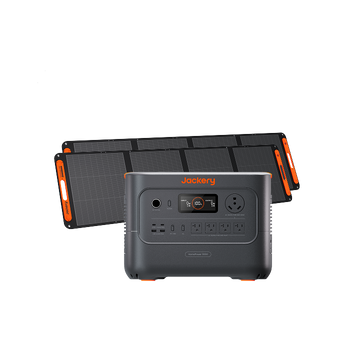
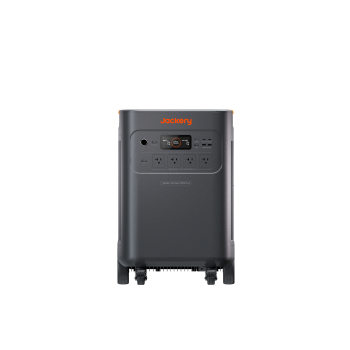
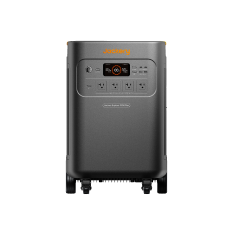
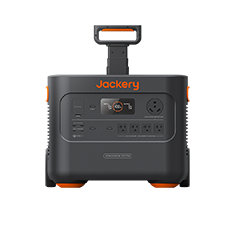
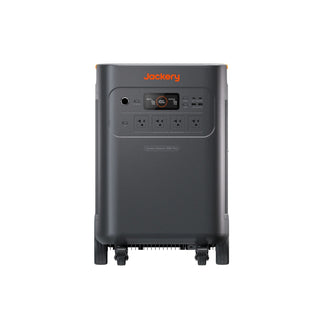
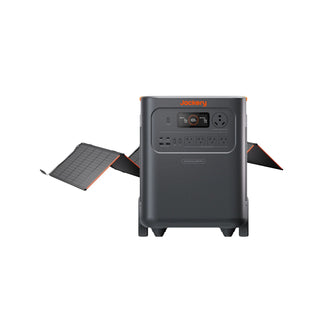
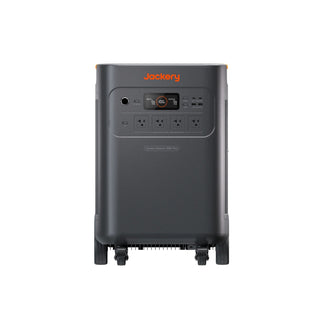
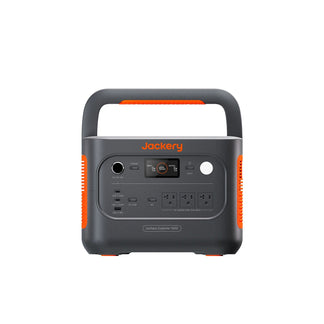
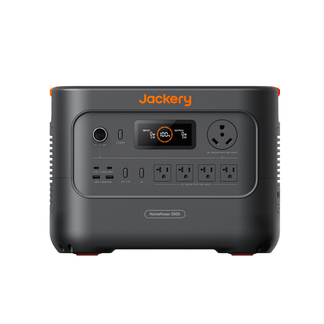
Jackery Solar Generator HomePower 3600 Plus
Jackery Solar Generator HomePower 3600 Plus is an essential home backup solution that is designed for longer or repeated dehumidifier operation during extended outages or prolonged humid conditions. Its higher capacity supports continuous cycling without frequent intervention, which is important in basements, storage areas, or homes prone to moisture buildup. It can maintain humidity control over longer periods while still supporting other household loads. This makes the Jackery Solar Generator HomePower 3600 Plus suitable when moisture management is a priority rather than a temporary fix.
Appliances Running Time
- Small (20-30 Pint) Dehumidifier (400W) = 7.2H
- Medium (40-50 Pint) Dehumidifier (500W) = 5.8H
- Large (70+ Pint) Dehumidifier (600W) = 4.9H
- Tabletop/Mini Dehumidifier (50W) = 42.3H
- Desiccant Dehumidifier (400W) = 7.2H
Who Should Buy This
If the dehumidifier needs to continue operating during long outages or severe humidity conditions alongside other household devices, the Jackery Solar Generator HomePower 3600 Plus is the ideal home battery backup solution for your needs.

Customer Review
We had a scheduled power outage shortly after our purchase, and we were able to keep all essential appliances running.
— Michael R.
How Long Can Jackery Run a Dehumidifier?
How long will a Jackery run a dehumidifier/humidifier depends on several factors, including the dehumidifier’s wattage, how often it cycles on and off, and the capacity of the Jackery model being used. Smaller dehumidifiers that draw less power and cycle efficiently will run longer, while larger units or continuous operation will reduce runtime.
To get an accurate estimate, you can use the Running Time Calculator on the Jackery Buying Guide page. By entering your dehumidifier’s wattage and selecting the specific Jackery Solar Generator model, you can see realistic runtime estimates based on battery capacity and typical usage. This approach avoids guesswork and helps you understand what size generator for a dehumidifier is needed for short-term or extended moisture control.
Conclusion
Dehumidifiers are moderate-power appliances, but extended runtimes can add up in both energy use and cost. Understanding how many watts does a dehumidifier use helps homeowners plan for efficient daily use and prepare for backup power needs during outages or humid weather events. When paired with an appropriately sized Jackery Solar Generator, dehumidifiers can continue operating when grid power is unavailable, helping protect indoor air quality, reduce moisture damage, and maintain a healthier living environment without relying on fuel-based generators.


