
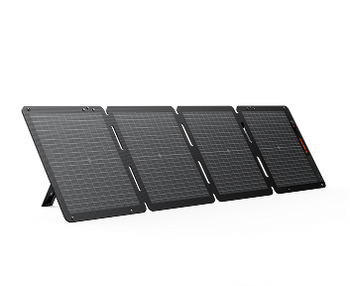
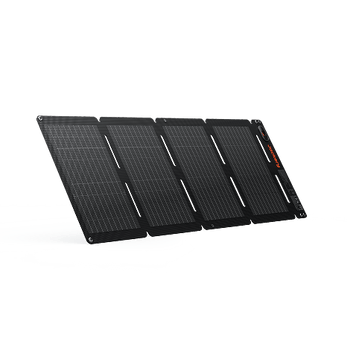








![[Add-on] Jackery SolarSaga 500 X - Jackery](http://www.jackery.com/cdn/shop/files/add-on-jackery-solarsaga-500-x-1493607.webp?v=1786503068&width=324)
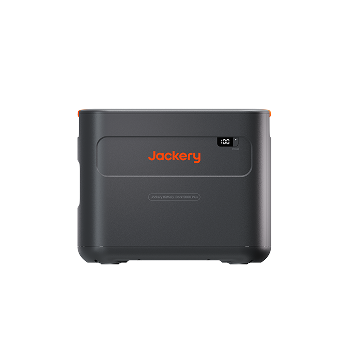
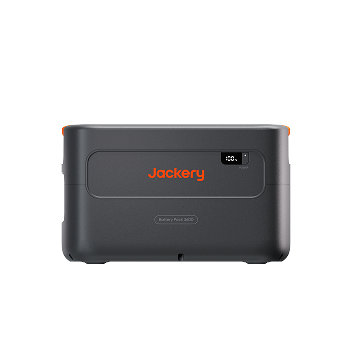
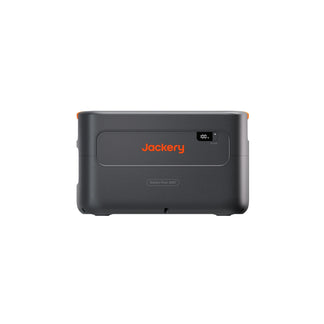
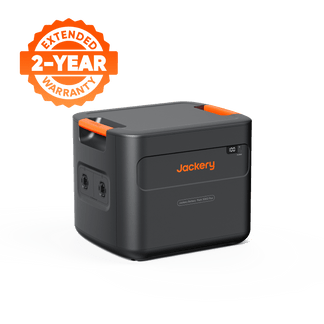
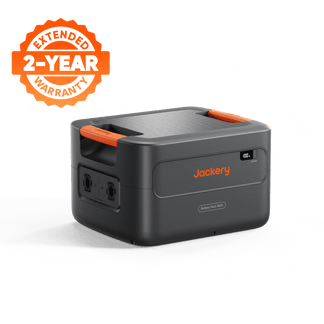
![[Add-on] Jackery Battery Pack 5000 Plus - Jackery](http://www.jackery.com/cdn/shop/files/add-on-jackery-battery-pack-5000-plus-6713401.webp?v=1786503068&width=324)







An electric clothes dryer typically draws between 1,800 and 5,000 watts, with an average of around 3000 watts. However, the exact dryer wattage depends on its size, heat setting, and cycle type. For anyone trying to understand how many watts a dryer uses, the wide range comes down to how the appliance generates heat and how long it runs during a drying cycle.
This level of power demand directly affects electricity costs and determines whether a dryer can be supported during a power outage. In certain short-term scenarios, high-capacity portable power systems like a Jackery Solar Generator can run a dryer briefly, as long as the dryer’s wattage and expected runtime are planned carefully.
Takeaways
- Most electric dryers draw between 1,800 and 5,000 watts, making them one of the most energy-intensive appliances in a home. Power demand varies by dryer type, heat setting, and cycle length.
- A dryer’s overall energy use is driven by how often it runs and how long each cycle lasts. Short, efficient loads consume far less electricity than frequent or high-heat drying.
- Running a dryer without grid power demands sufficient starting capacity, stable output, and realistic expectations around runtime.
- In specific situations, such as power outages or off-grid living, higher-capacity Jackery Solar Generators can handle brief dryer operation when wattage and runtime are carefully calculated.
How Many Watts Does a Dryer Use
A typical clothes dryer uses between 1,800 and 5,000 watts while operating, with most standard electric dryers falling closer to the higher end of that range. The exact wattage depends on several factors, including the dryer type (electric or gas), drum size, heat setting, and cycle length. Electric dryers use the most power because they rely on heating elements to generate hot air, while gas dryers use electricity mainly to run the motor, controls, and fan. Even within the same model, wattage can fluctuate during a cycle as the heating element cycles on and off.
|
Dryer
|
Wattage |
Estimated Working Hours (Hours) |
Estimated Energy Needed daily (Watt-hours) |
|
Average |
1500W-5000W |
2 Hours / Week |
3kWh-10kWh |
|
Small Size |
1500W-2500W |
2 Hours / Week |
3kWh-5kWh |
|
Medium Size |
3000W-4000W |
2 Hours / Week |
6kWh-8kWh |
|
Large Size |
4000W-5000W |
2 Hours / Week |
8kWh-10kWh |
How Much Does It Cost to Run a Dryer?
The cost to run a dryer is usually between $0.40 and $0.90 per load, depending on the dryer's power, the length of each cycle, and your local electricity rate.
Let's understand how much does it cost to run a dryer with an example:
Suppose you have a 5,000-watt electric dryer that runs for about 45 minutes. It uses roughly 3.75 kilowatt-hours (kWh). If your electricity rate is 17.98 cents per kWh, that single drying cycle costs around $0.67.
Running several loads per week can quickly increase monthly electricity bills, especially when high-heat or extended drying settings are used. The cost to run a dryer can be lower with shorter cycles, lower heat settings, or energy-efficient models, while frequent use or large, heavy loads will push costs higher over time.
Jackery Solar Generator can be used to offset grid electricity for other daily appliances or support selective use during peak-rate hours, which may help reduce reliance on utility power over time. Rather than replacing grid electricity entirely, portable solar generators can serve as a supplemental option, helping you better control when and how you consume electricity.
What Size Generator Do I Need for Dryer When Off-Grid
The size of a generator to run an electric dryer depends on the appliance's wattage and how long it runs. If you want to run a standard electric dryer off-grid, you generally need a generator with at least 5,000 to 7,000 watts of starting capacity and enough energy storage to support short, high-power heating cycles. Electric dryers place a heavy load on any off-grid system because the heating element draws a large surge at startup and continues pulling high wattage while running. This makes extended dryer use impractical for many portable power setups.
Jackery Solar Generators with large battery capacities can support dryer operation, but only when the dryer’s wattage, surge requirements, and expected runtime are carefully planned. Gas dryers are typically easier to operate off-grid, since electricity is used mainly for the motor and controls rather than for heat. Since power demand varies by model and cycle, off-grid dryer use depends as much on peak output as on total available energy. You can use the Running Time Calculator available on the Jackery Buying Guide page to understand how long different solar generators will run an electric dryer.
Best Solar Generator for Dryer When Off-Grid
Clothes dryers place one of the heaviest electrical loads on a home, which makes them difficult to support with portable or off-grid power. The heating element draws a large surge at startup and continues pulling high wattage during heated cycles, quickly draining stored energy. Because of this, dryer use on backup power is less about convenience and more about planning for specific situations.
Jackery is a leading manufacturer of solar generators, solar panels, and portable power stations suitable for powering indoor or outdoor appliances. Jackery Solar Generators can power dryers for short durations, such as during power outages, remote living setups, or off-grid cabins where occasional laundry access matters more than full-cycle efficiency. Solar generators with large battery capacities can support brief runs or smaller loads, especially when combined with solar recharging.
Here are reliable solar generators from Jackery for solar-powered dryers:
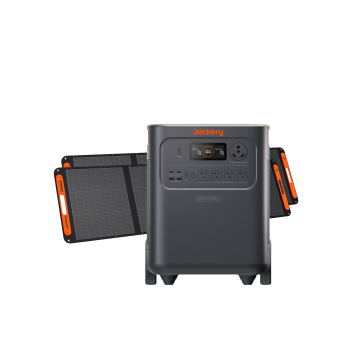
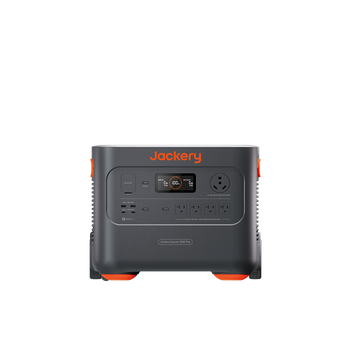
Jackery Solar Generator HomePower 3600 Plus
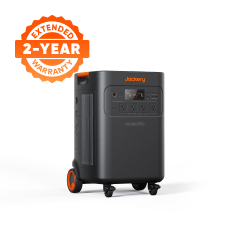
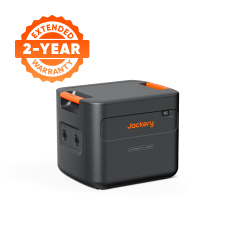
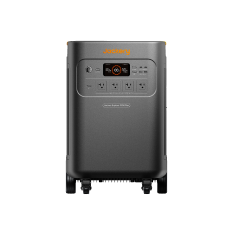
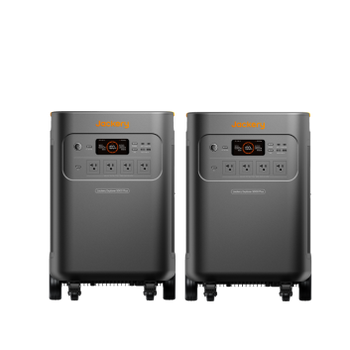
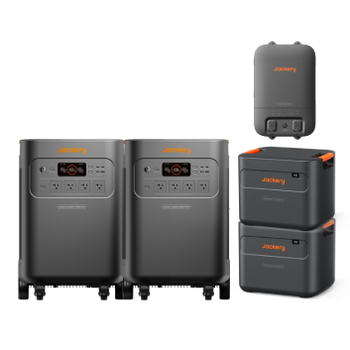
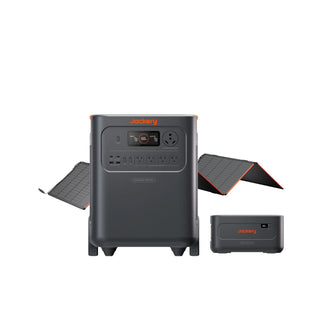
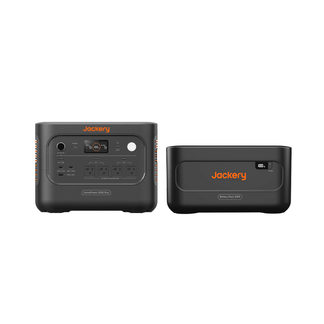
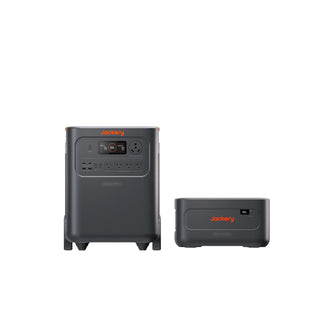
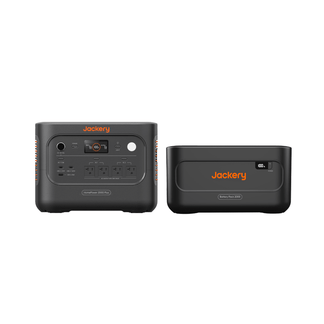
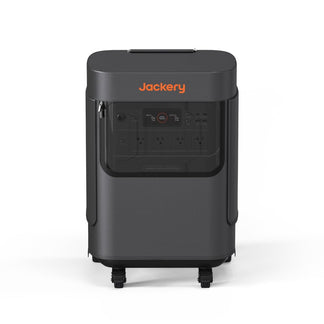
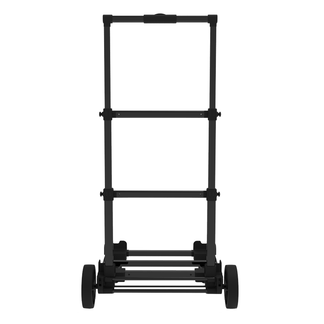
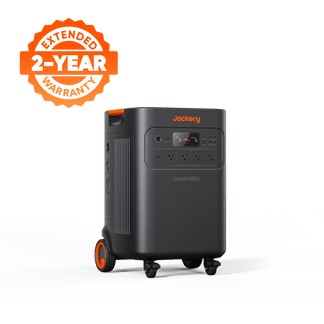
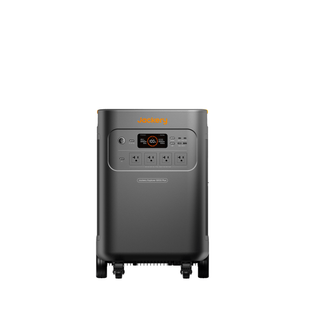
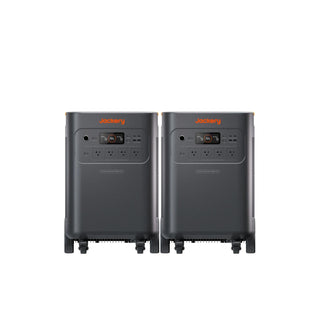
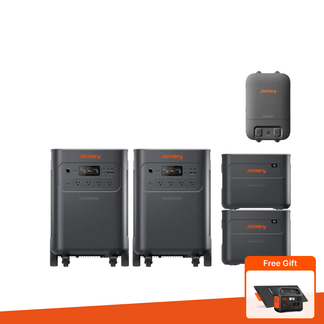
The Jackery Solar Generator HomePower 3600 Plus is an essential home backup solution that can handle heavier appliances like electric dryers when paired with the right expansion battery. It gives you a clean power option for drying clothes off-grid. With expanded capacity, it supports sustained 240V loads without forcing frequent shutdowns, which means you can actually run a dryer for its full cycle instead of just powering small items. Despite the large capacity, the Jackery Solar Generator HomePower 3600 Plus features a pull rod and double wheels, so you can easily transport the battery backup anywhere.
Appliances Running Time
- Compact/Portable Electric Dryer (1000W) = 3.0H
- Standard Home Electric Dryer (2500W) = 1.2H
- High-Capacity Home Electric Dryer (3000W) = 1.0H
- Condenser/Tumble Dry Only Dryer (2500W) = 1.2H
Who Should Buy This
If you need a power setup that can support a 240V electric dryer (with expansion) along with other appliances in off-grid or extended outage situations, the Jackery Solar Generator HomePower 3600 Plus is worth considering.

Customer Review
I now have peace of mind, for I have experienced a power shut off due to high winds here in Colorado for a period of 52 hours without power. This unit was bought to keep my refrigerator and food.
— Jeffrey L.
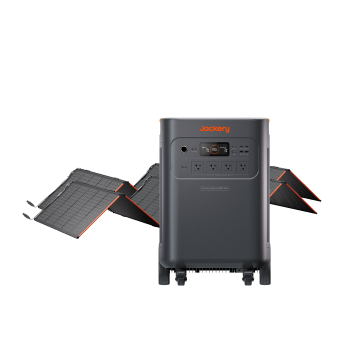
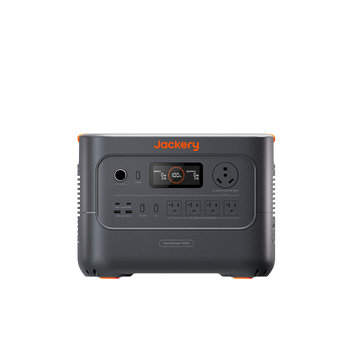
Jackery Solar Generator 5000 Plus
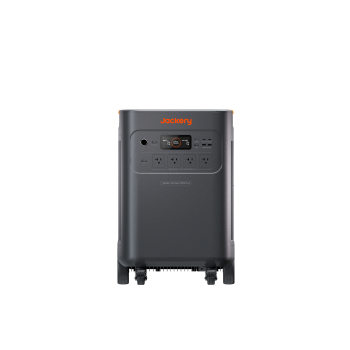
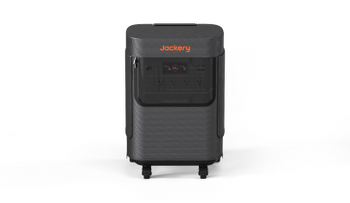
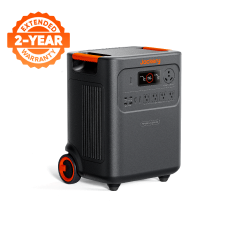
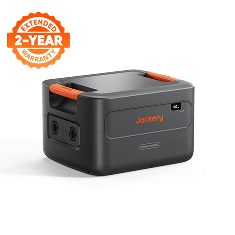
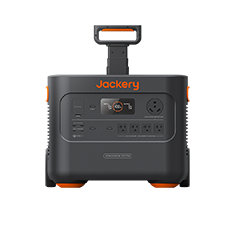
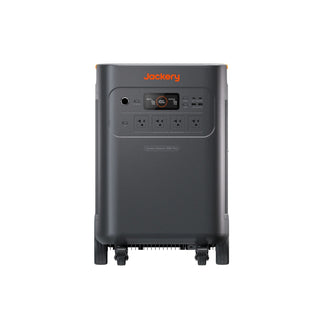
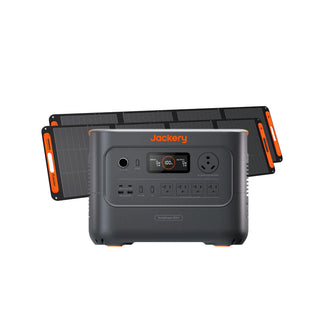
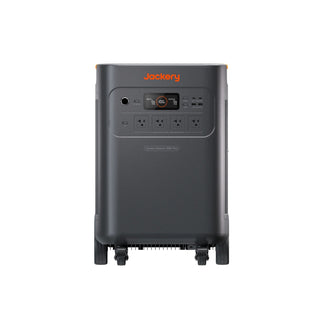
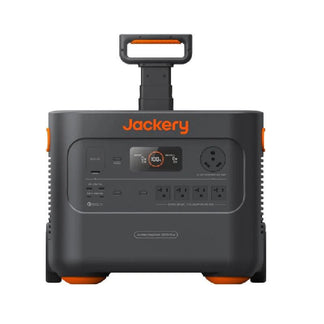
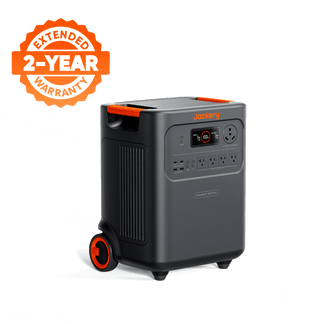
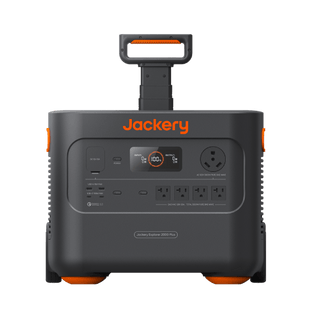
The Jackery Solar Generator 5000 Plus delivers both 120V and 240V output, making it capable of running electric dryers and other heavy appliances without needing noisy gas generators. Its dual-voltage support means you can plug in 120V or 240V loads directly when needed. For anyone trying to power laundry or other high-wattage equipment reliably off-grid, the Jackery Solar Generator 5000 Plus provides a flexible solution that aligns with real household power demands. This home battery backup solution features a foldable handle and pull rod for easier maneuverability.
Appliances Running Time
- Compact/Portable Electric Dryer (1000W) = 4.1H
- Standard Home Electric Dryer (2500W) = 1.7H
- High-Capacity Home Electric Dryer (3000W) = 1.4H
- Condenser/Tumble Dry Only Dryer (2500W) = 1.7H
Who Should Buy This
If running 120V and 240V high-demand devices like electric dryers without a gas generator is a priority, the Jackery Solar Generator 5000 Plus with dual-voltage compatibility fits that need.

Customer Review
This product is just as described! I'm so happy to have this backup system, especially living in a Hurricane zone. I would love to get an extra battery, but for now, I'm very happy.
— Anna.
FAQ about Dryer Wattage
How many watts does a dryer use in a year?
An electric dryer typically uses between 600 and 1000 kWh per year, depending on how often it runs and the heat settings used. A standard dryer consumes a high amount of power during each cycle, but because it runs intermittently rather than continuously, annual usage depends largely on household laundry habits, load size, and whether energy-saving or air-dry settings are used.
How much power does a blow dryer consume?
If you are wondering how many watts does a blow dryer use, it usually lies between 1200 and 2000 watts while in use. Unlike a clothes dryer, a blow dryer operates for short periods, which keeps total energy use relatively low despite its high wattage. Power consumption varies by heat and speed settings, with higher heat levels drawing more electricity.
How much electricity does a dryer use in 30 minutes?
In 30 minutes, a typical electric dryer uses around 1.5 to 2.5 kWh, depending on its wattage and heat cycle. For example, a 5,000-watt dryer running continuously for half an hour would consume about 2.5 kWh, while lower-wattage or cycling models may use less as the heating element turns on and off during the cycle.
Conclusion
Clothes dryers are among the most energy-intensive appliances in a home, with power usage commonly ranging from 1,800 to 5,000 watts during operation. The electricity consumption of electric dryers depends on dryer type, heat settings, cycle length, and how frequently they are used, making them costly to run compared to many everyday appliances.
For off-grid or backup scenarios, dryers require careful consideration due to their high startup and running power demands. In limited, short-duration situations, high-capacity solutions like a Jackery Solar Generator can support dryer use if wattage, surge requirements, and runtime are calculated realistically. Understanding these limits helps set proper expectations and avoid overloading portable power stations.


