






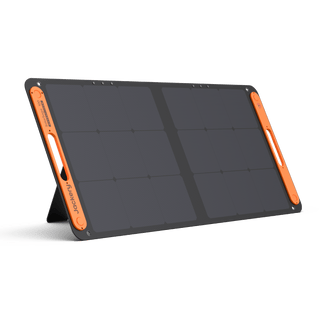
![[Add-on] Jackery SolarSaga 500 X - Jackery](http://www.jackery.com/cdn/shop/files/add-on-jackery-solarsaga-500-x-1493607.webp?v=1786503068&width=324)
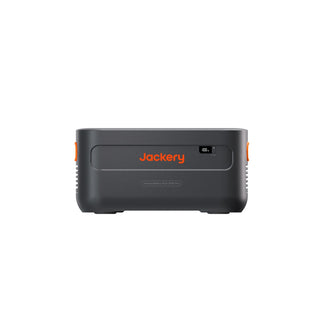
![[Add-on] Jackery Battery Pack 5000 Plus - Jackery](http://www.jackery.com/cdn/shop/files/add-on-jackery-battery-pack-5000-plus-6713401.webp?v=1786503068&width=324)



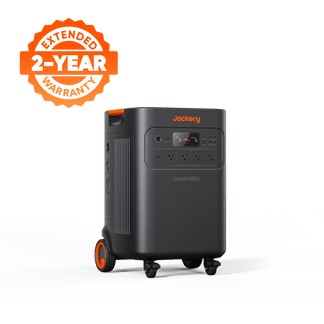
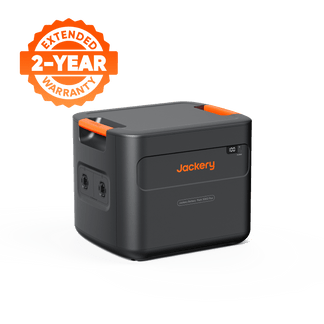
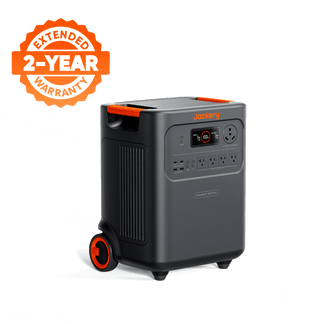
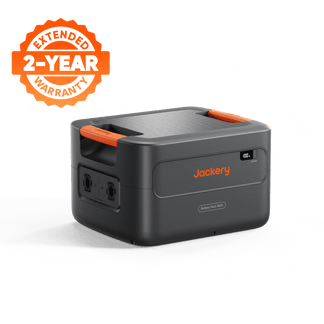
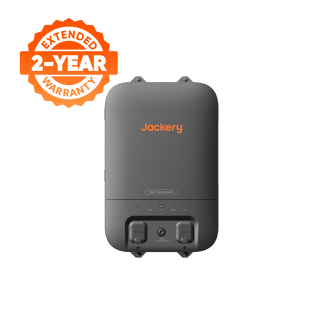
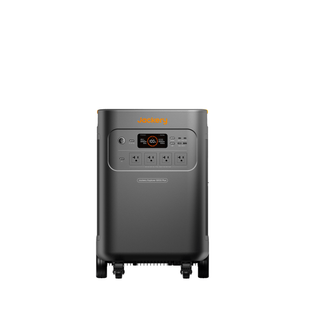
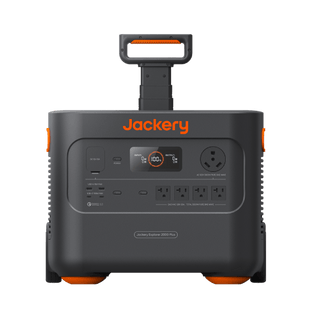
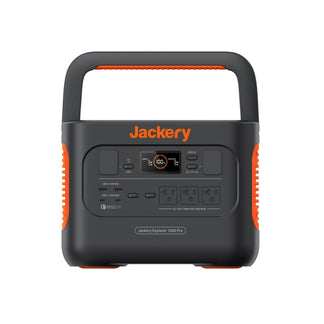


Light bulb wattage varies significantly depending on the technology used. Traditional incandescent bulbs can consume 40–100 watts, while modern LED bulbs often use just 5–15 watts to produce the same brightness. The shift toward energy-efficient lighting has dramatically reduced household electricity consumption over the past decade, making lighting one of the easiest areas to optimize for savings.
Understanding how many watts does a light bulb use is also important when planning essential home backup or off-grid power. LEDs require minimal electricity, and Jackery Solar Generators can power multiple lights for extended periods during outages, camping trips, or emergencies. Low-wattage lighting allows battery capacity to last longer while still maintaining visibility and safety when grid power isn’t available.
Takeaways
- On average, incandescent light bulbs consume about 60 watts.
- LED light bulbs use much less electricity than the incandescent light bulb, and their usage is about 5 - 15 watts.
- Using an incandescent light bulb (60W) for 4 hours a day will consume 240Wh daily and use about 7.2 kilowatt-hours in a month.
- On the other hand, an LED light bulb (10W) used for 4 hours a day will use about 40Wh a day and 1.2 kilowatt-hours monthly.
- Using solar energy is the best way to reduce energy costs while using light bulbs. However, it is essential to know how many watts a light bulb uses and how many bulbs you need to understand the power requirements clearly.
- Jackery Solar Generators can run multiple LED lights for many hours during outages and outdoor trips.
How Many Watts Does A Light Bulb Use?
A light bulb typically uses 5 to 100 watts, depending on the type. Modern LED bulbs usually consume 5–15 watts, compact fluorescent (CFL) bulbs use 10–25 watts, and traditional incandescent bulbs draw 40–100 watts to produce similar brightness. Here’s how many watts does a light bulb use based on its type:
Incandescent bulbs
Incandescent bulbs are the most expensive light bulbs in terms of electricity usage. These old-fashioned bulbs need to be more efficient, and thus we do not see them used frequently. Incandescent bulbs might use 60, 70, or even 100 watts. A 100 watts bulb running for 4 hours daily will consume about 400Wh.
Compact fluorescent light bulbs
Compact fluorescent light bulbs, or CFLs, are spiral light bulbs that are better than incandescent bulbs in efficiency. These bulbs use about 25 watts to produce the same lighting effect as a 100 watts incandescent bulb. A 25W CFL light bulb working for 4 hours daily consumes 100Wh.
LED bulbs
LED stands for “Light emitting diodes”. These are the most efficient light bulbs. How many watts does a light bulb use? An LED bulb uses only 10 watts on average. If you are using an LED bulb (10W) that runs for 4 hours daily, it will consume 40Wh.
Definition Of Amps, Volts, Watts, Kilowatt-Hours
- Volts (V): a measure of voltage, i.e., the speed of electricity passing through a device or a circuit.
- Amps (A): Amps or amperes measure the electric current, the number of electrons flowing through a circuit.
- Watts (W): Watts measure the power consumption, calculated by multiplying volts x amps.
- Kilowatt-hours (kWh): Kilowatt-hours is the energy consumption in time. This unit is used to calculate your electricity cost.
Light Bulb Watts Consumption Of Incandescent, LED, Compact Fluorescent Light Bulbs, And More
Every type of light bulb has different wattage ratings. For example, incandescent light bulbs may use 100 or 60 watts. Similarly, compact fluorescent bulbs consume 25 watts, and LED bulbs are available in 10 watts, 16 watts, and 13 watts.
|
Light Bulb |
Wattage |
Estimated Working Hours (Hours) |
Estimated Energy Needed daily (Watt-hours) |
|
Incandescent Light Bulb |
100 |
4 |
400 |
|
60 |
4 |
240 |
|
|
Compact Fluorescent Bulbs |
25 |
4 |
100 |
|
LED Light Bulb |
10 |
4 |
40 |
|
13 |
4 |
52 |
|
|
16 |
4 |
64 |
Estimate Your Light Bulb Energy Consumption
How many watts a light bulb use depends on three main factors. These factors are the Power, the hours, and usage duration. Suppose you have a 60 watts incandescent bulb that you use for 4 hours a day. Let us calculate the estimation of your light bulb.
Energy consumption = watts x usage duration
Energy consumption = 60 x 4
Energy consumption = 240 watt-hours = 0.24 kilowatt-hours
Monthly energy consumption = energy consumption daily x 30
Monthly energy consumption = 0.24 x 30
Monthly energy consumption = 7.2 kilowatt-hours
Yearly energy consumption = monthly consumption x 12
Yearly energy consumption = 7.2 x 12
Yearly energy consumption = 86.4 kilowatt-hours
What Size Power Station Do I Need For a Light Bulb When Off Grid
For most off-grid lighting needs, a small portable power station is sufficient, especially if you are using LED bulbs. Since LED bulbs typically draw only 5-15 watts, even compact power stations can run one or more bulbs for many hours.
If you want to determine what size generator you need for light bulbs, you can use the Running Time Calculator on the Jackery Buying Guide page, where you can input your bulb’s wattage and select a Jackery model to see realistic runtime estimates.
For more information, you can check our detailed guide on how long will a Jackery run light/lamp.
Solar generators are the best alternative power solution. Using a portable power station has many benefits, including;
- Solar generators are lightweight and compact; you can easily take them while traveling. Since they occupy significantly less space, you can quickly put them into your camping van, kayak, or camp.
- Nature lovers prefer solar generators because they are environment friendly, do not use any fossil fuels, and have significantly less carbon footprint.
- Solar generators are also noise-free and fumes-free, so they don't disturb the peace of your off-grid setup.
- Solar generators are safe and reliable.
Like Joseph Schentrup, many homeowners realize what truly matters only during an outage, when the essentials start shutting down. For him, that meant keeping his garage office powered so his computer and WiFi stayed online, making sure the refrigerator continued running, and ensuring lights, fans, baby monitors, and white noise machines in his twins’ rooms didn’t suddenly cut out. Even at outdoor craft fairs, the same Jackery Solar Generator powered fans, phone chargers, and a point-of-sale setup without interruption. You can read more real stories like Joseph in Jackery Stories.
Recommended Jackery Solar Generators for Light Bulbs
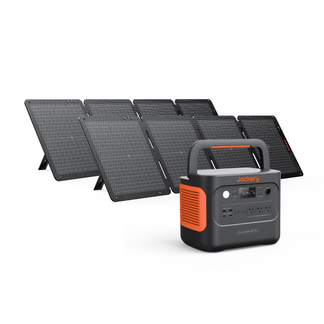
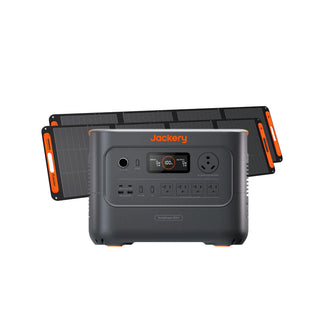
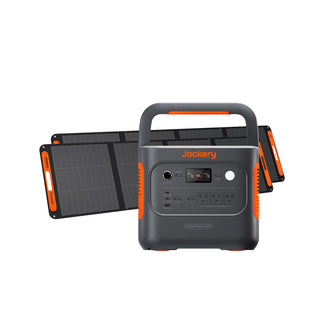
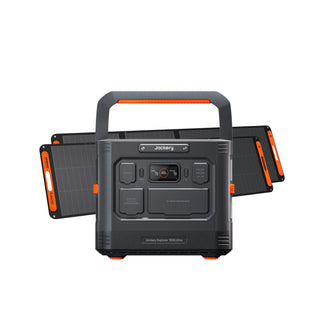
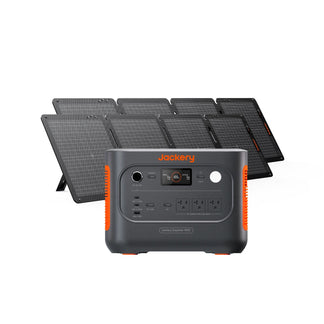
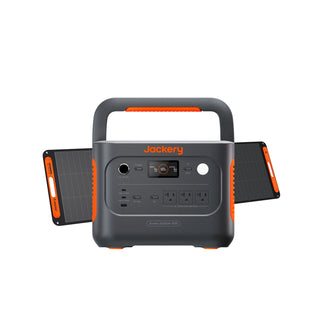
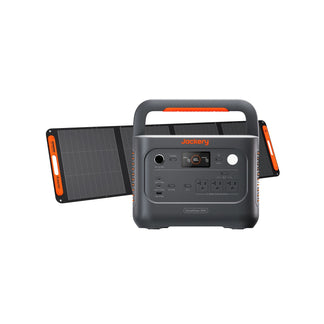
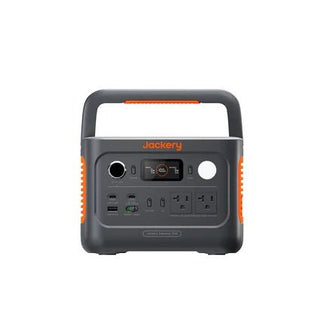
When choosing a Jackery Solar Generator for solar-powered camping lights, the key factors are total wattage and the length of time the lights need to run. Since modern LED bulbs use very little power, even compact battery backup solutions can keep essential areas illuminated for hours. The right solar generator depends on whether you are powering a single room during a short outage or maintaining multi-room lighting as part of a broader backup setup. Here are ideal Jackery Solar Generators that combine portable power station and solar panels for solar-powered light bulbs:
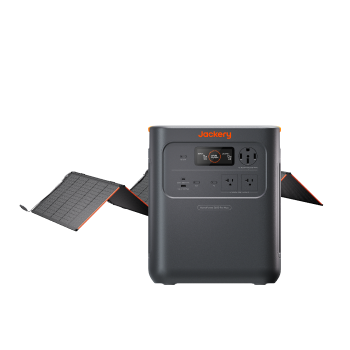
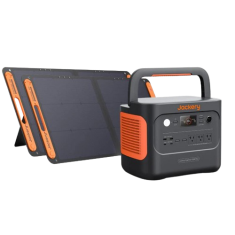
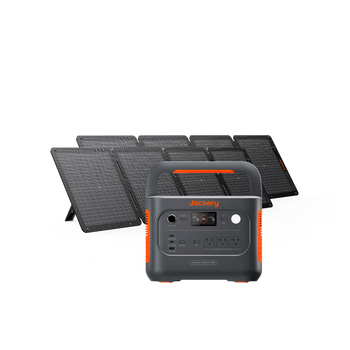
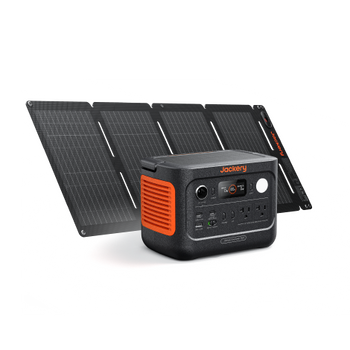
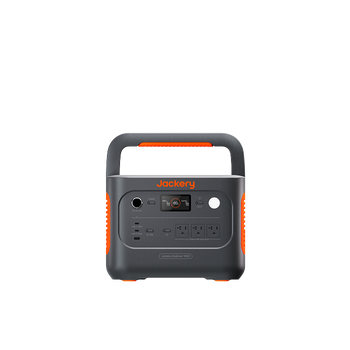
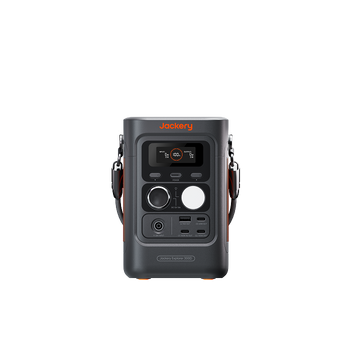
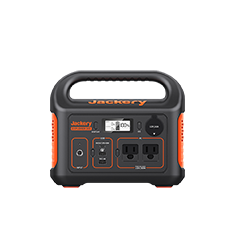
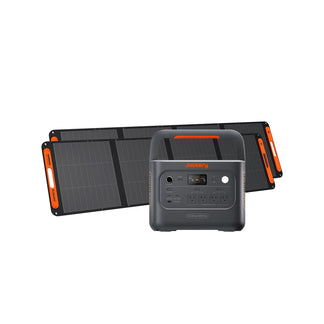
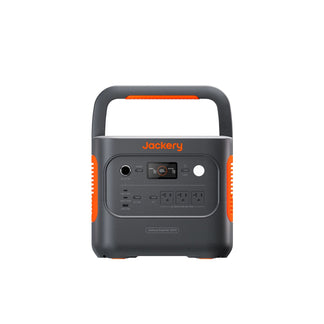
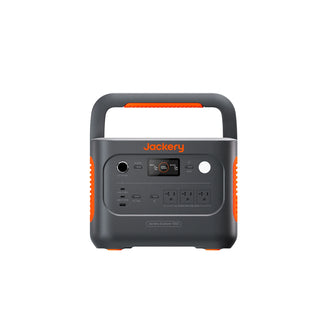
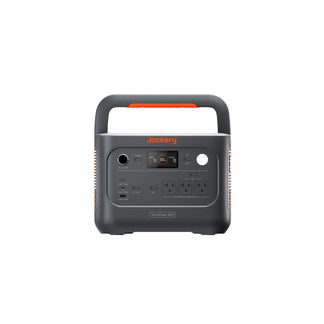
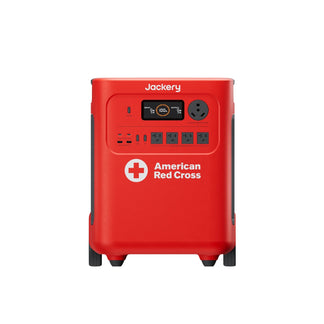
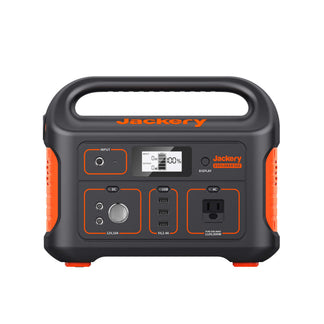
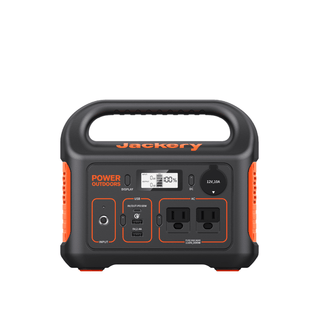
Jackery Solar Generator 240 v2
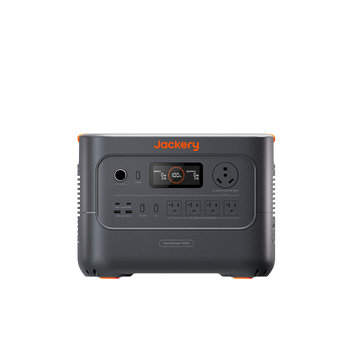
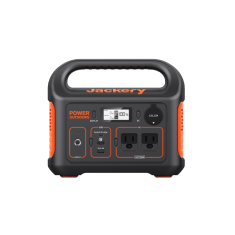
Jackery Solar Generator 240 v2 is ideal for simple, low-demand lighting needs during short outages or outdoor evenings. It works well for powering a few indoor lamps during a blackout, adding light inside a tent, or providing focused task lighting during emergencies. As lighting loads are generally minimal, this compact battery backup solution can sustain essential visibility for many hours without draining quickly. Its small footprint makes it easy to store in a closet or emergency kit, ready to deploy when grid power fails. It’s also practical for quick evening setups where access to wall outlets isn’t available.
Appliances Running Time
- LED Light Bulb (10W) = 10.5H
- CFL Light Bulb (20W) = 7.0H
- Incandescent Light Bulb (100W) = 1.9H
- LED Desk Lamp (20W) = 7.0H
- Outdoor LED String Lights (50W) = 3.5H
Who Should Buy This
If your priority is basic emergency or personal-area lighting during brief outages or camping trips, the Jackery Solar Generator 240 v2 is sufficient.

Customer Review
Love this battery pack. I have had it for almost 1 year now. It has powered lights and other equipment at craft shows with ease. I have had other vendors ask about it, so I have recommended it to others.
— Melissa.
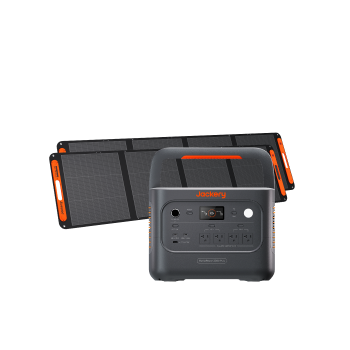
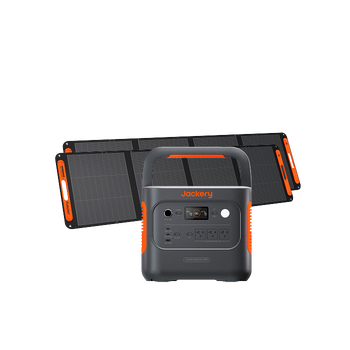
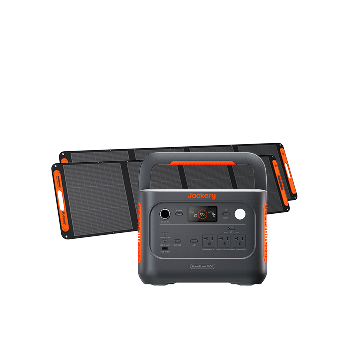
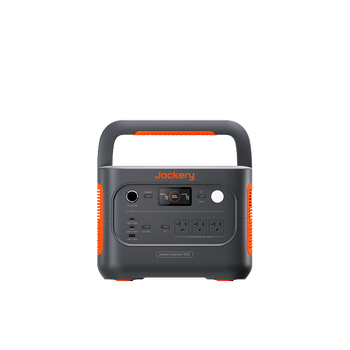
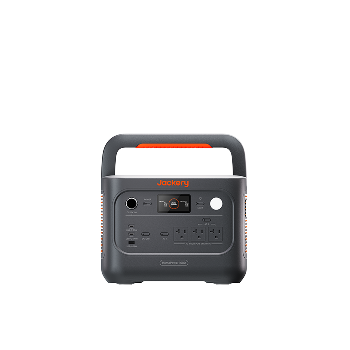
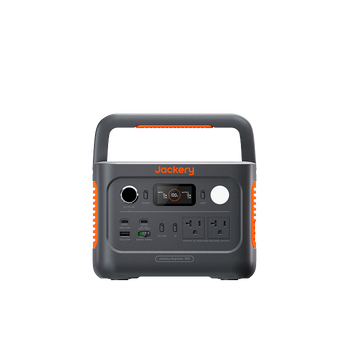
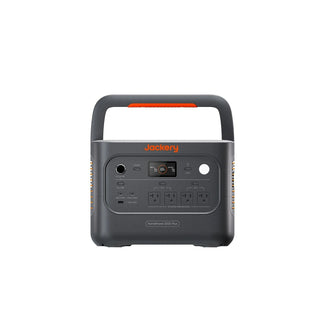
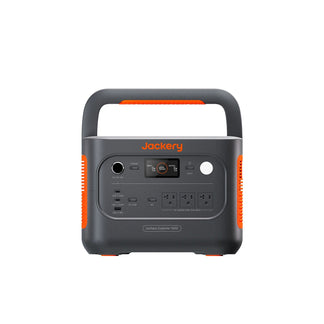
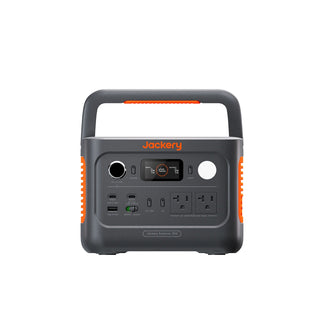
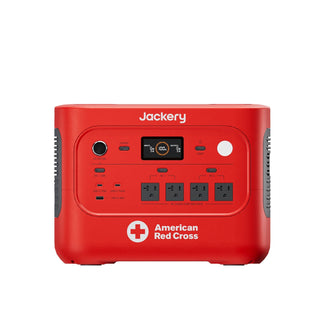
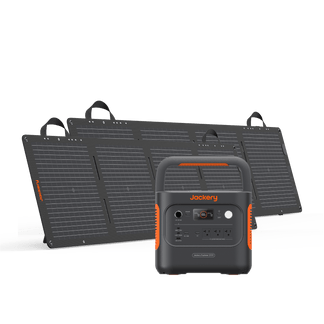
Jackery Solar Generator 600 v2
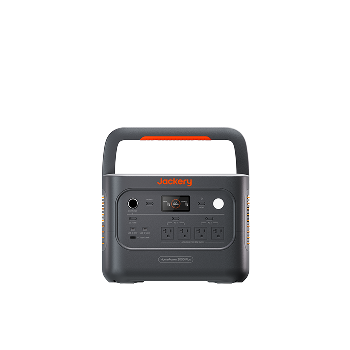
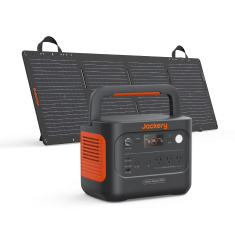
Jackery Solar Generator 600 v2 is a solar battery backup solution that suits situations where lighting supports multiple areas at once. It can maintain illumination across living spaces during storms, power outdoor patio lights for gatherings, or support work lighting in garages or temporary setups. This added capacity allows you to keep several light sources running simultaneously without having to carefully rotate their use. It’s also useful when outages extend into the evening, and consistent lighting is needed for safety and comfort. It remains portable enough to move between indoor and outdoor spaces as needed.
Appliances Running Time
- LED Light Bulb (10W) = 26.2H
- CFL Light Bulb (20W) = 17.5H
- Incandescent Light Bulb (100W) = 4.8H
- LED Desk Lamp (20W) = 17.5H
- Outdoor LED String Lights (50W) = 8.7H
Who Should Buy This
If you need reliable lighting across several rooms or outdoor areas during moderate outages, the Jackery Solar Generator 600 v2 provides practical coverage.

Customer Review
Definitely a 5-star. This is our 4th jackery product. We have the 3000, 2000 plus, and the extra battery for the 2000, and now the 600 v2. We got this to power our lights, a radio, and charge our phones in our cabin. I would suggest the jackery solar generators, big or small. They arrive fast and work without fail.
— Karon O.
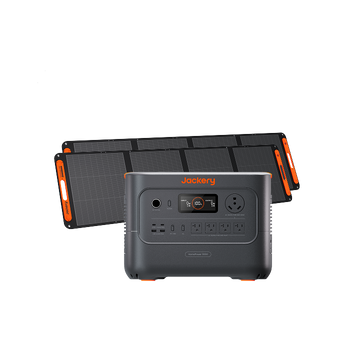
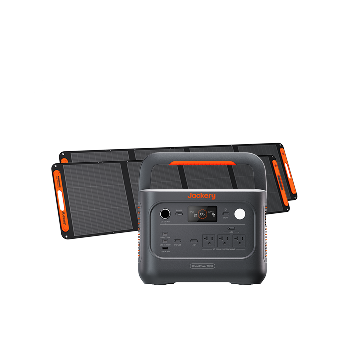
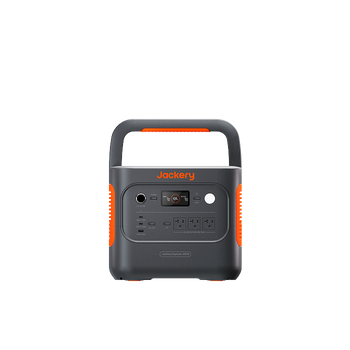
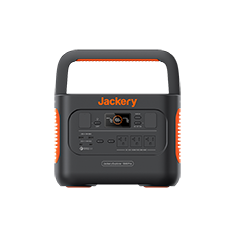
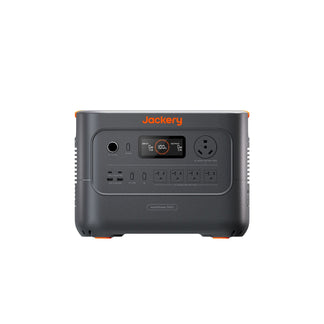
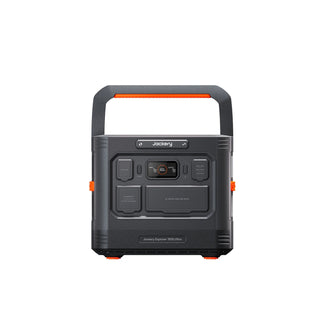
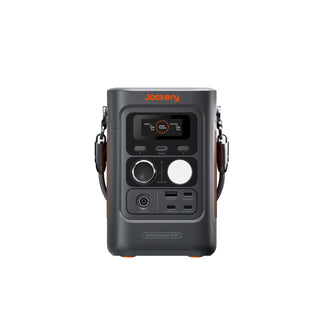
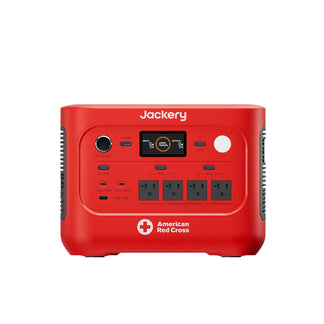
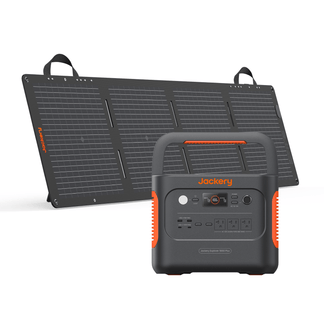
Jackery Solar Generator 1000 v2
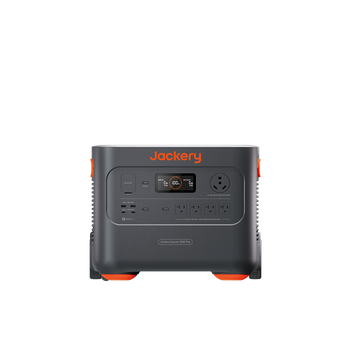
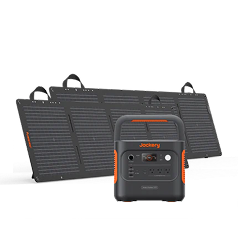
The Jackery Solar Generator 1000 v2 is another battery backup solution that works well for scenarios where lighting must remain steady for extended periods or support larger setups. It can sustain extended illumination during prolonged outages, power decorative lighting for events, or keep essential areas well-lit while other appliances are also running. This higher capacity reduces the need to monitor usage closely, especially when lighting is part of a broader household backup strategy. It also provides flexibility for multi-room coverage or outdoor installations that run late into the night.
Appliances Running Time
- LED Light Bulb (10W) = 35.1H
- CFL Light Bulb (20W) = 25.1H
- Incandescent Light Bulb (100W) = 7.6H
- LED Desk Lamp (20W) = 25.1H
- Outdoor LED String Lights (50W) = 13.5H
Who Should Buy This
If you expect to maintain lighting for extended periods alongside other essential devices, the Jackery Solar Generator 1000 v2 offers more flexibility.

Customer Review
The Jackery 1000 v2 is the perfect solution for our needs when we set up at flea markets. Great to have available to light up the MCM lamps that we sell. And being able to play music in our booth always draws a crowd.
— Peter B.
FAQs About Light Bulb Wattage
What Is The Average Light Bulb Energy Consumption?
On average, efficient LED light bulbs consume between 5 and 15 watts and incandescent light bulbs use about 60 watts. The exact wattage of the light bulb changes depending on the size and type of light bulb.
How Much Electricity Does A Light Bulb Use A Day?
A standard LED bulb (10W) used for 5 hours a day uses about 0.05 kWh or 50 Wh daily. A traditional incandescent light bulb (60W) used for 5 hours consumes 0.3 kWh or 300 Wh daily.
How Can I Cut the Cost of Running a Light Bulb?
Switching from incandescent bulb to LED bulb saves considerable watts and consequently cuts the cost. Additionally, using solar generators instead of grid power is also cost-effective because there are no fuel costs.
Conclusion
How many watts does a light bulb use depends largely on the type of bulb you use, with LED technology offering the most efficient option. Lower wattage means reduced electricity costs and longer runtime when using backup power systems. By understanding lighting consumption and pairing efficient bulbs with a suitable Jackery Solar Generator, households can maintain reliable illumination during outages without draining battery capacity unnecessarily.


