
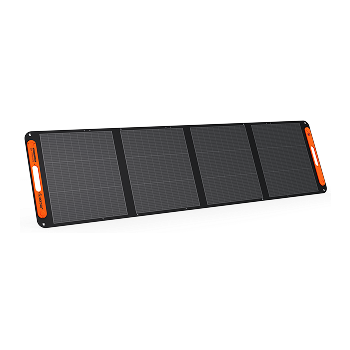
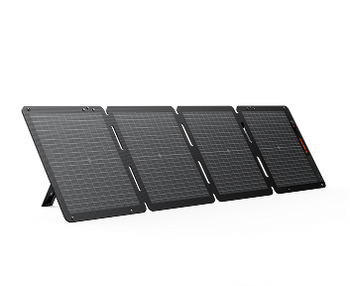
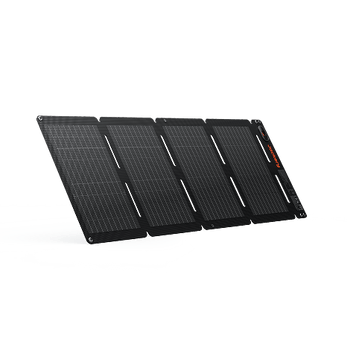
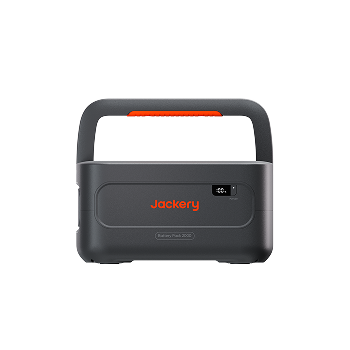





![[Add-on] Jackery SolarSaga 500 X - Jackery](http://www.jackery.com/cdn/shop/files/add-on-jackery-solarsaga-500-x-1493607.webp?v=1786503068&width=324)
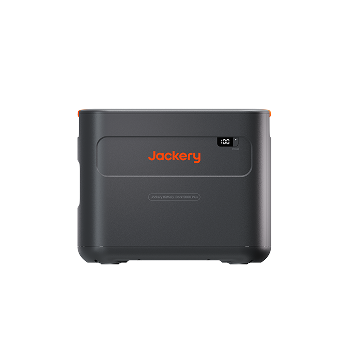
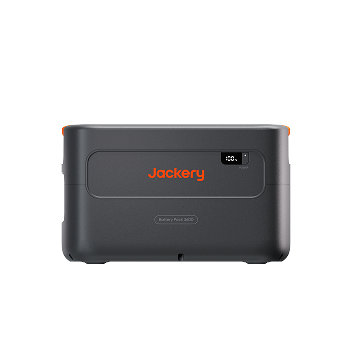
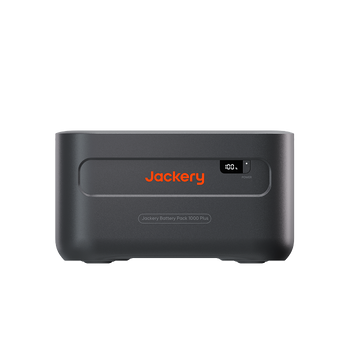
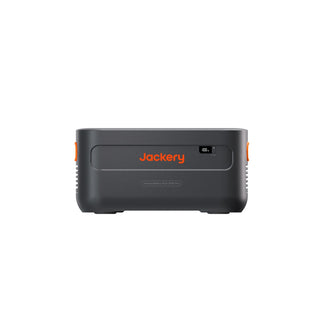
![[Add-on] Jackery Battery Pack 5000 Plus - Jackery](http://www.jackery.com/cdn/shop/files/add-on-jackery-battery-pack-5000-plus-6713401.webp?v=1786503068&width=324)





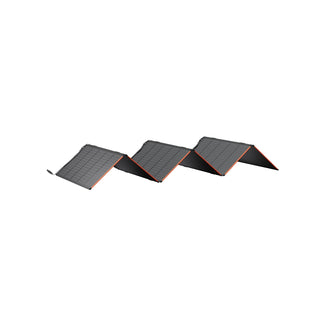
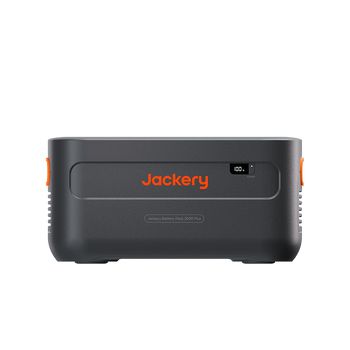
![[Add - on] SolarSaga 200W - Jackery](http://www.jackery.com/cdn/shop/files/add-on-solarsaga-200w-4834329.png?v=1754016915&width=324)


Pick any two power tools off your garage shelf, and there's a good chance they don't draw anywhere close to the same amount of power. A cordless drill drawing 6 amps and a corded table saw pulling 15 amps look similar on the outside. However, when you use a portable power station to run them, the difference becomes very real, very fast. Most small tools like jigsaws, routers, and sanders run in the 2-8 amp range, while bigger tools such as table saws, miter saws, and air compressors draw around 6-16 amps or more. Knowing where your power tools fall on that range is the difference between a smooth job site and a tripped breaker at the worst possible moment.
Understanding how many amps a typical power tool uses matters just as much when you are working away from a wall outlet. A growing number of homeowners and contractors are turning to solar generators to run their tools on job sites, in garages without easy panel access, or during outages when the grid isn't an option. Jackery Solar Generators are built around this exact problem. These solar generators store enough energy to run demanding power tools for hours, recharge from sunlight or a wall outlet, and don't require gasoline or a single trip to the pump. Instead of guessing whether your power source can handle a circular saw or a chainsaw, you can match the generator's rated output directly against the amp draw of the tools you actually use.
Key Takeaways
- Small power tools typically draw 2-8 amps, whereas larger tools draw 6-16 amps. Some heavy-duty equipment can draw more than 20 amps.
- Amps, watts, and volts are all connected. And once you know two of them, you can calculate the third with simple division or multiplication.
- Startup (surge) amps run 2-3 times higher than running amps for a few seconds, which is often the number that actually trips a breaker or overloads a generator.
- A solar generator sized to your tool's surge wattage avoids nuisance shutoffs on job sites and at home.
How Many Amps Do Power Tools Actually Use?
There's no single number that covers every power tool, because amp draw is tied directly to motor size and how hard the tool is working. As a general rule:
- Light-duty tools (jigsaws, orbital sanders, routers): 2-8 amps
- Mid-to-heavy tools (circular saws, miter saws, chainsaws): 6-16 amps
- Industrial or continuous-duty equipment (air compressors, dust collectors, large table saws): 16-20+ amps
Those figures reflect the running amp draw, meaning what the tool consumes once it's up to speed.
Amps, Volts, Watts, and Running Watts: What They Actually Mean for Your Tools
Before you can size a generator, breaker, or extension cord correctly, it helps to know what these four terms are measuring. Think of it this way: volts are the pressure pushing electricity through a wire, amps are how much electricity is actually flowing, and watts are the total work being done.
Amps measure the rate of electron flow through the circuit. This is the number most often printed on a tool's nameplate, and it's what a circuit breaker is rated to interrupt.
Amps = Watts ÷ Volts
For more information, you can check out our complete guide to What Is an Amp.
Watts represent total electrical power. A tool's wattage is usually the easiest spec to find online, even when the amp rating isn't listed.
Watts = Volts × Amps
Volts measure electrical potential difference. Nearly all corded power tools in the US run on standard 120V household current, though some heavy shop equipment is wired for 240V.
Volts = Watts ÷ Amps
Running watts are what the tool draws once it reaches normal operating speed and stays there. This is meaningfully lower than the brief spike a tool pulls the instant it's switched on.
Running Watts = Running Amps × Volts
If you want to understand these three units in detail, you can read our Ultimate Guide to Amps, Watts, and Volts.
How Many Amps Do Different Types of Power Tools Use
Here's a breakdown of common power tools, their typical wattage, and the resulting amp draw at 120V. Actual energy use during a typical job is often closer to half the rated wattage, since tools rarely run the entire time they are switched on.
|
Power Tool |
Rated Wattage |
Typical Real-World Use |
Amps (Watts ÷ 120V) |
|
Jigsaw |
300W |
150W |
2.5A |
|
Paint Sprayer |
360W |
180W |
3A |
|
Electric Weed Trimmer |
500W |
250W |
4.1A |
|
Router |
600W |
300W |
5A |
|
Orbital Sander |
600W |
300W |
5A |
|
Electric String Trimmer |
600W |
300W |
5A |
|
Power Drill |
720W |
360W |
6A |
|
Miter Saw |
840W |
420W |
7A |
|
Edger |
960W |
480W |
8A |
|
Wet/Dry Vacuum |
888W |
444W |
7.4A |
|
Water Pump |
1000W |
500W |
8.3A |
|
Belt Sander |
1000W |
500W |
8.3A |
|
Electric Chainsaw |
1200W |
600W |
10A |
|
Electric Pressure Washer |
1200W |
600W |
10A |
|
Disc Sander |
1200W |
600W |
10A |
|
Electric Lawn Mower |
1440W |
720W |
12A |
|
Worm Drive Saw |
1560W |
780W |
13A |
|
Chop Saw |
1500W |
750W |
12.5A |
|
Circular Saw |
1400W |
700W |
11.6A |
|
Table Saw |
1800W |
900W |
15A |
|
Winch |
1800W |
900W |
15A |
|
Disc Grinder |
2000W |
1000W |
16.6A |
|
Air Compressor (average) |
2000W |
1000W |
16.6A |
How Many Amps Does a Power Tool Draw on Startup
The amp rating printed on a tool's nameplate is its running draw and not the surge it pulls the instant the switch is flipped. Motorized power tools need extra current to overcome the mechanical resistance of getting a stationary motor spinning, and that inrush current (often called locked-rotor amperage) typically runs 2 to 3 times higher than the running amp figure. It only lasts a fraction of a second, but that's often long enough to trip a 15A circuit or shut down an undersized inverter.
Say a table saw is rated for 15 running amps at 120V. On startup, it could briefly demand:
Startup Amps = Running Amps × 2.5 = 15A × 2.5 = 37.5A
That's a huge difference, and it is exactly why solar generators and power stations list two separate output figures: a continuous rated output and a "surge" or "peak" output. If you are planning to invest in a power source to run tools with large motors, such as table saws, air compressors, and dust collectors, you should check the surge rating.
Similar to the amps, the motorized appliances draw starting and running wattage, where the starting wattage is 2-3 times higher than the running wattage. You can read the direct comparison here: Starting Watts Vs. Running Watts.
How to Calculate the Amps a Power Tool Draws
If you don't have the amp rating handy, or you're trying to plan out a job site's power needs, there are three practical ways to calculate the amps.
Method 1: Check the Nameplate or Spec Sheet
Every power tool has a data plate, usually near the motor housing, the base, or the handle. It lists voltage, amps, and sometimes wattage. This is the fastest and most accurate method, since it comes straight from the manufacturer. If the plate lists Energy Star certification, that means the tool is optimized to use less power for the same output compared to non-certified competitors.
Method 2: Use Ohm's Law to Convert Wattage to Amps
If the plate only lists wattage (common on tools sold internationally, where wattage is the standard spec), convert it using:
Amps = Watts ÷ Volts
For example, a 1,000W tool running on a standard 120V outlet draws:
1,000W ÷ 120V = 8.3 amps
Multiply that daily draw by how long you actually run the tool to estimate watt-hours consumed, which is the number that matters most when you're sizing battery capacity rather than circuit capacity.
Method 3: Measure It Directly With a Power Meter
A plug-in power meter (sometimes called a "Kill A Watt" style meter) sits between the outlet and the tool, and reads live amps, watts, and volts as the tool runs under actual load. This is the most reliable way to capture real-world numbers, since factory ratings are often based on ideal conditions that don't match how the tool performs in your garage or on your job site.
How to Determine If a Circuit or Generator Can Run Multiple Power Tools at Once
Most amp questions come up not because someone is running one tool, but because they are trying to run two or three at the same time. For example, running a vacuum cleaner alongside a table saw, or a compressor feeding a nail gun while a work light stays on. This is where a lot of breakers trip and a lot of smaller generators stall out.
To figure out whether a circuit or power source can handle multiple tools at once, add up the running wattage of everything that will be on simultaneously, then check that total against 80% of the circuit's rated capacity (standard practice for continuous loads) or against the generator's continuous output rating.
For example, a standard 15A/120V household circuit is rated for 1,800W, but the safe continuous load is closer to 1,440W. Pairing a 1,200W chainsaw with a 500W shop light already puts you over that safe margin on a single circuit, which is a common reason garages and job sites need a dedicated power source rather than relying on whatever wall outlet happens to be nearby.
How to Reduce Power Tool Electricity Costs
To minimize power tool electricity costs, prioritize upgrading to brushless motors, as they are highly efficient and draw less power. Unplug battery chargers when not actively charging to eliminate phantom energy drain, and maintain sharp blades and bits so tools operate faster and consume fewer kilowatt-hours. Even though power tools are not the biggest line item on most electric bills, they add up faster than people expect, especially during a long renovation or a busy woodworking season. Here are a few ways to reduce the electricity costs of power tools:
Unplug Tools Between Uses: Corded tools with electronic components, such as chargers, some drills, and battery stations, can draw a small amount of standby power even when switched off. Unplugging them from the power source reduces the standby power draw.
Schedule Heavier Jobs for Off-Peak Hours: Many utilities charge more during peak demand windows, typically late afternoon into early evening. Running a table saw or air compressor in the morning or evening instead can save you money in areas with time-of-use rates.
Favor Energy Star-Rated Tools When Replacing Equipment: The Energy Star-rated models are certified to do the same work using less electricity, which adds up over years of regular use.
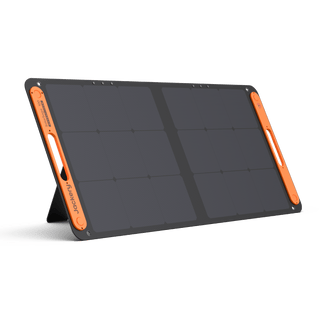
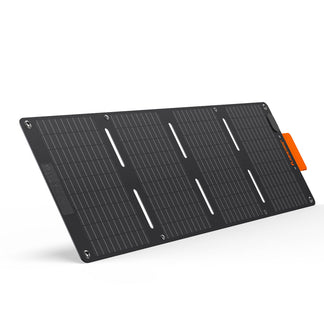
Charge From Solar Instead of the Grid: A solar generator paired with portable solar panels lets you run power tools without pulling from the meter at all. It is useful for anyone doing regular outdoor or garage work, or anyone who simply wants a backup source that doesn't depend on the utility staying up.
For Jerrett Shephard, a general contractor in rural New York, unreliable power was a risk to everything from job-site tools to his family's safety. After a storm knocked out electricity for over a day and threatened months of stored breast milk for his infant son, Jerrett turned to the Jackery Portable Power Station. Now wired into his home's transfer switch, it powers lights, refrigeration, and WiFi through every outage, while doubling as a quiet, portable power source on the job. "Peace of mind," Jerrett says, is what it's given to his family. Check out other Jackery Stories to see how people across the country are powering their homes and lives, storm or shine.
Recommended Jackery Solar Generators for Power Tools
Jackery manufactures solar generators specifically to bridge the gap between corded power tools and locations where a wall outlet isn't available, such as job sites, detached garages, off-grid builds, or simply a home during an outage. Each solar generator bundle pairs a power station with foldable solar panels: the panels convert sunlight into DC electricity, and the power station's built-in inverter converts that into clean AC power your tools can use, the same way a wall outlet does.
Choosing the right solar generator for your power tool comes down to two things: how much continuous and surge output your tools need, and how long you need that power to last. Here are the three solar generators for power tools:
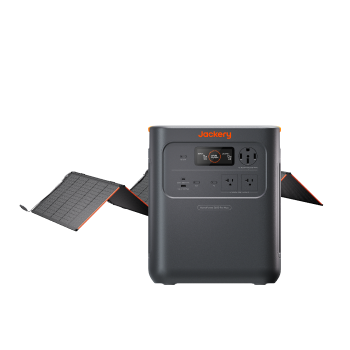
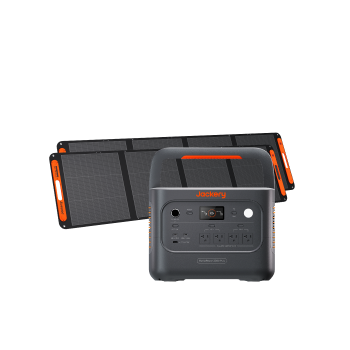
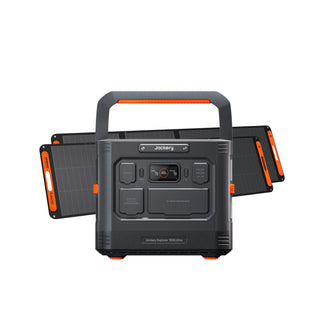
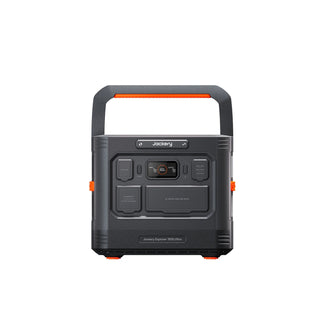
Jackery Solar Generator HomePower 3000
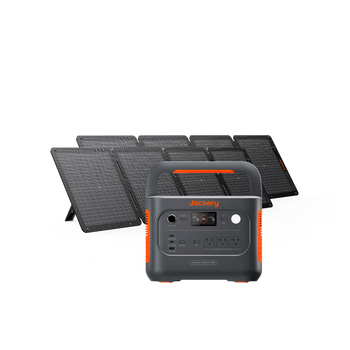
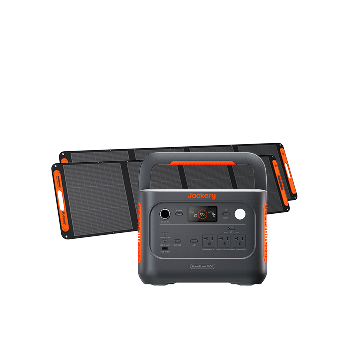
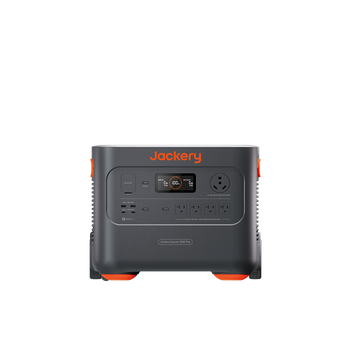
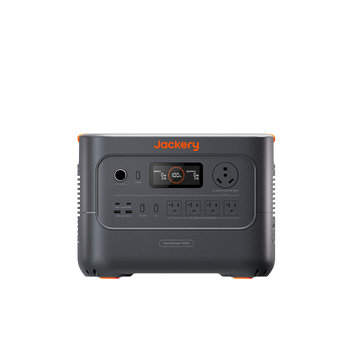
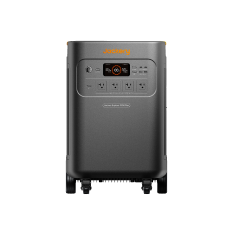
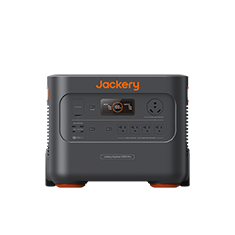
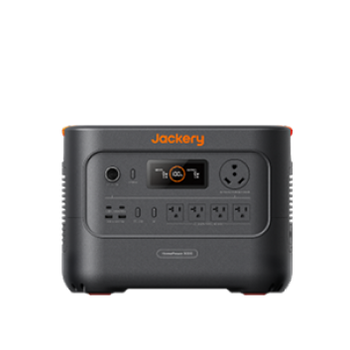
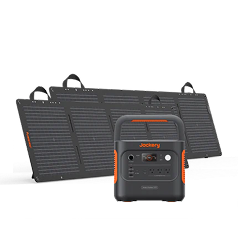
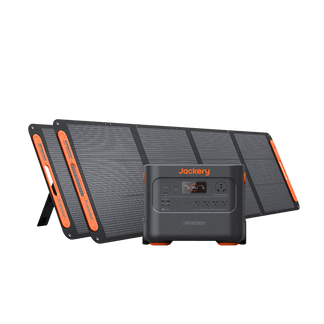
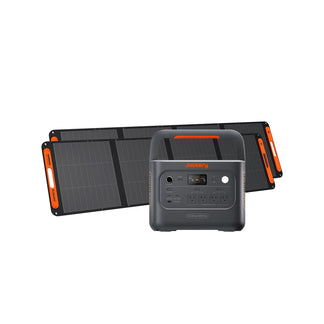
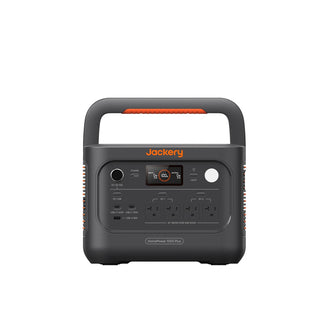
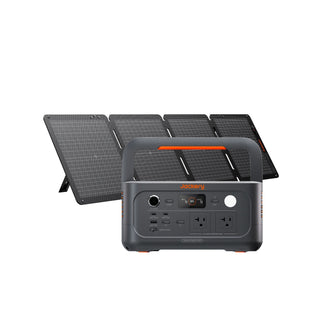
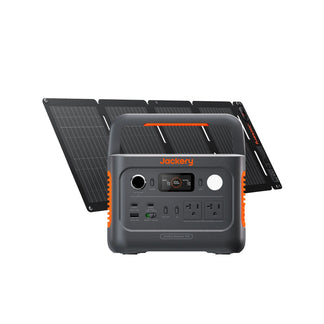
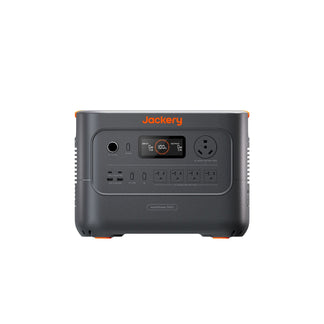
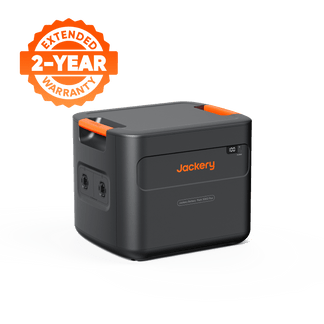
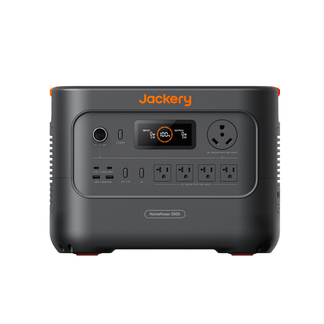
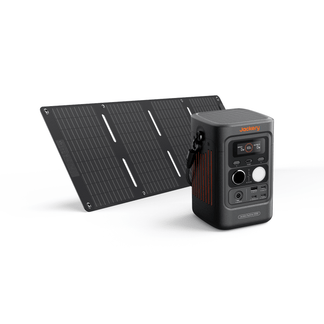
The Jackery Solar Generator HomePower 3000 offers a 3,072Wh capacity and 3,600W continuous output (7,200W surge), which is enough to absorb the startup spike from most single power tools without hesitation. Its built-in UPS switches over in under 20 milliseconds, which matters if you are running anything sensitive alongside your tools, like a job-site laptop or a security camera. With the help of its dual-sided handles and a compact design, you can easily carry the solar generator to job site locations, garages, or even other outdoor locations. It is ideal for someone who runs drills, sanders, miter saws, and the occasional circular saw, but doesn't need to run heavy equipment for days at a stretch.
Appliances Running Time
- Miter Saw (800W) = 3.2H
- Orbital Sander (600W) = 4.2H
- Jigsaw (300W) = 8.1H
- Electric Weed Trimmer (500W) = 5.0H
- Drill (700W) = 3.6H
Who Should Buy This
The Jackery Solar Generator HomePower 3000 is ideal for homeowners and weekend DIYers who want one solid, portable power source for a garage workshop or occasional job-site use, without paying for expansion capacity they will never touch.

Customer Review
Received and charged 1 week before a 22 hour power outage. Kept fridge and large freezer running and 2 fans for 10 hours. I was able to charge and keep things going.
— Brad L.
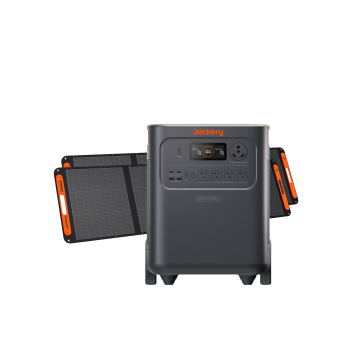
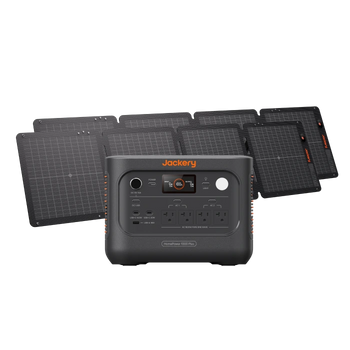
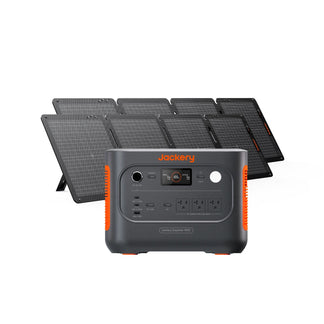
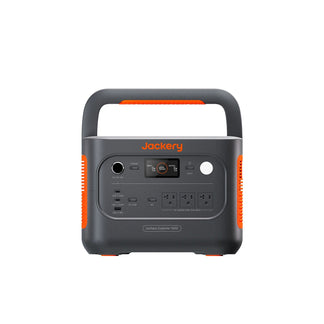
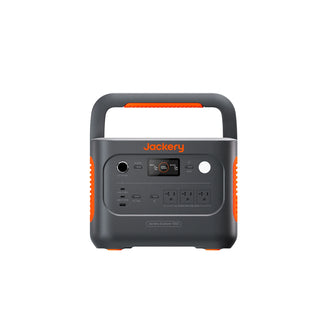
Jackery Solar Generator HomePower 3600 Plus
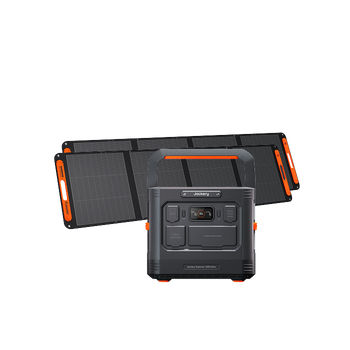
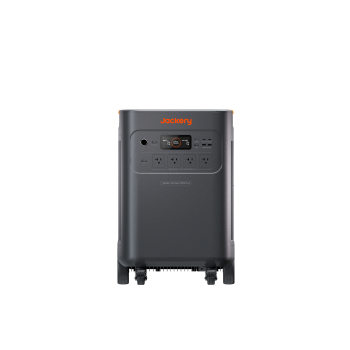
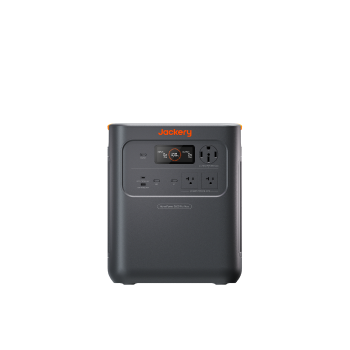
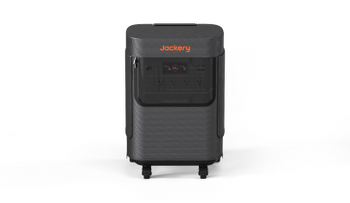
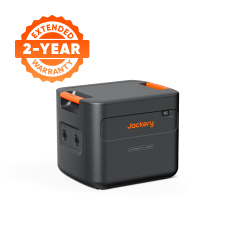
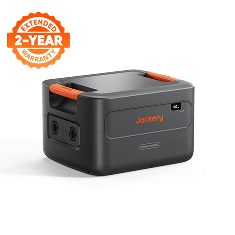
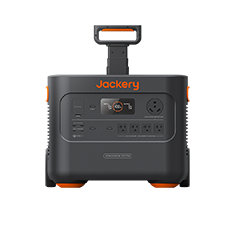
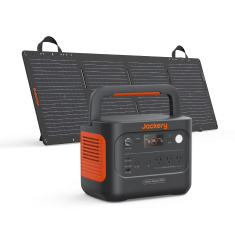
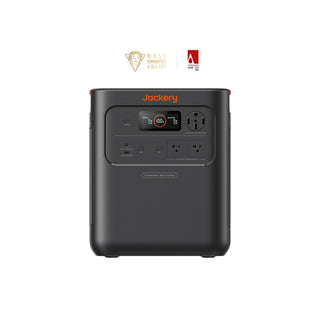
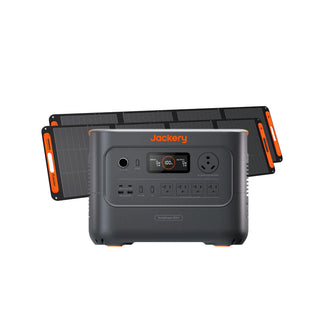
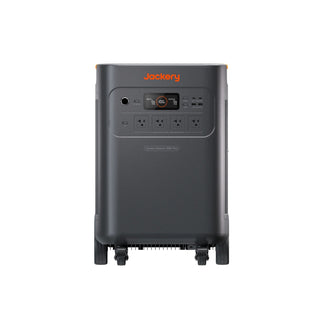
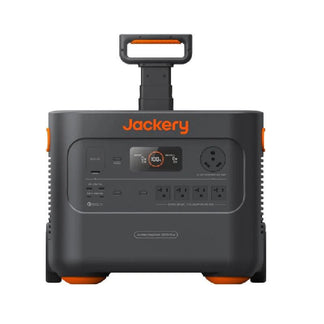
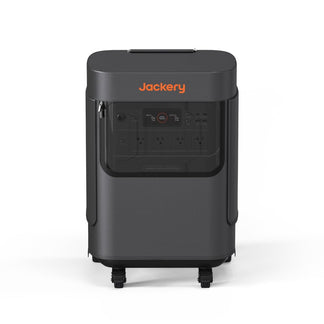
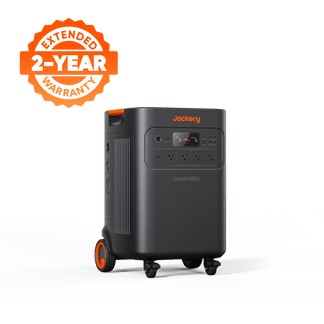
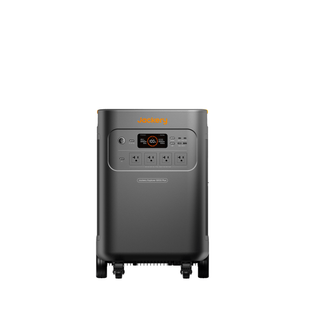
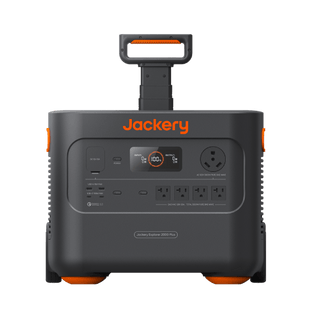
The Jackery Solar Generator HomePower 3600 Plus is an essential home backup solution that can scale up to 21kWh per unit (43kWh when two units run in parallel) with the add-on battery packs. It is useful if you want to run any heavy-duty equipment in addition to standard power tools. It runs at around 30dB (almost equal to the sound of a quiet library). It is quiet enough to sit in a garage without becoming background noise all day. With the help of built-in wheels and a pull handle, you can easily roll this solar battery backup between a workbench, a driveway, and a truck bed. It is also a solid pick for anyone who wants their power tool generator to double as a genuine home backup during outages, since the expandable capacity covers both use cases without buying two separate systems.
Appliances Running Time
- Miter Saw (800W) = 3.7H
- Orbital Sander (600W) = 4.9H
- Jigsaw (300W) = 9.5H
- Electric Weed Trimmer (500W) = 5.8H
- Drill (700W) = 4.2H
Who Should Buy This
The Jackery Solar Generator HomePower 3600 Plus is suitable for contractors, serious hobbyists, and homeowners who run multiple demanding tools regularly, including table saws, compressors, chainsaws, etc., and want the option to expand capacity later rather than replace the unit outright.

Customer Review
Saved me hundreds on day 5 when storms knocked my power out for 3 days. Kept my sump pump and fridge going. I really do need to add a solar charger or more battery capacity.
— Eduardo R.
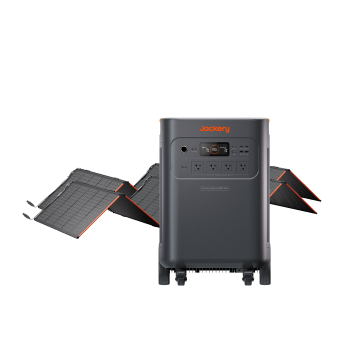
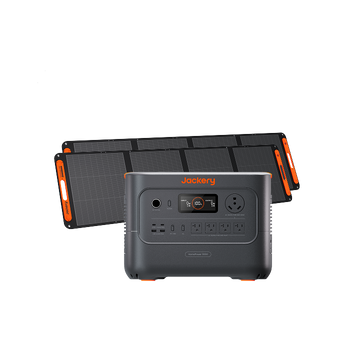
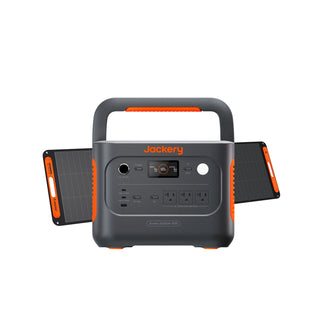
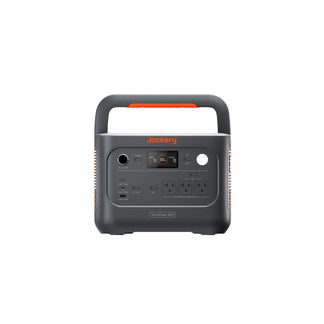
Jackery Solar Generator 5000 Plus
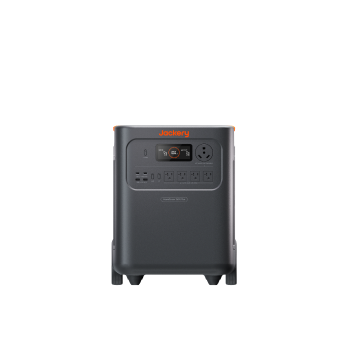
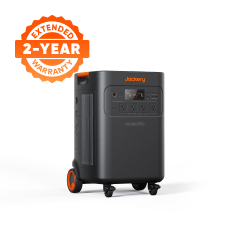
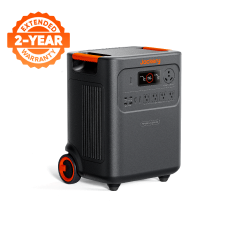
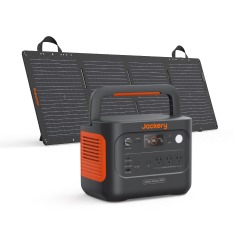
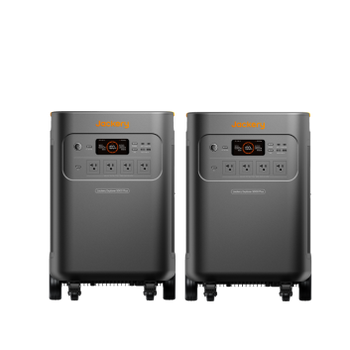
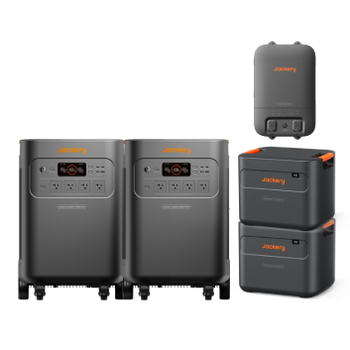
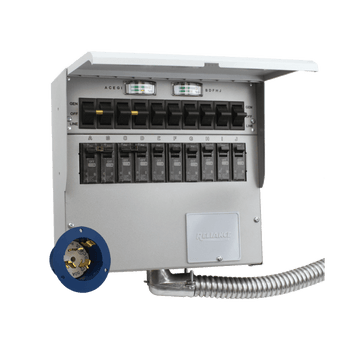
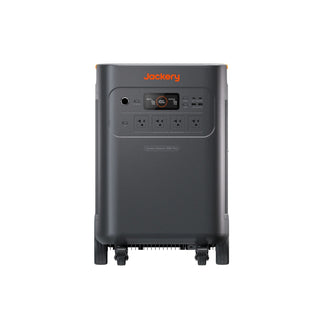
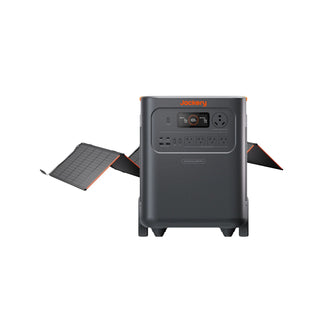
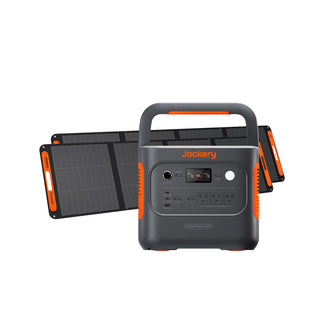
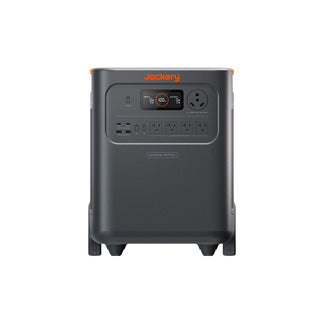
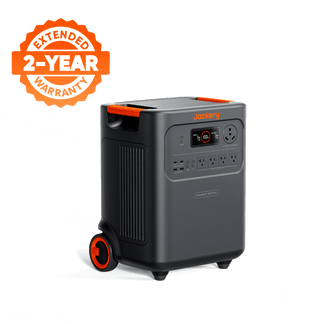
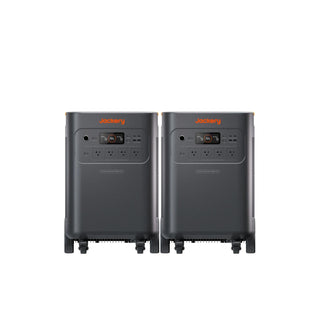
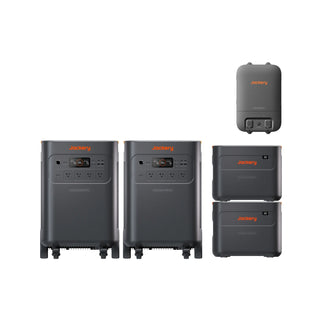
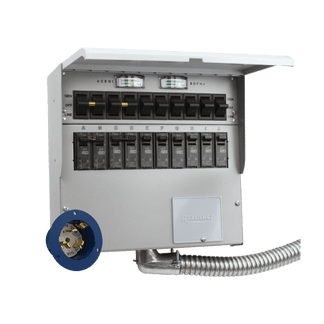
The Jackery Solar Generator 5000 Plus is built for the days when one or two power tools running at once is not enough. It starts at 5,040Wh and expands up to a massive 60kWh, with 7,200W of continuous output (14,400W when two units are paired) and dual 120V/240V compatibility. It also pairs with Jackery's Smart Transfer Switch, letting you power up to 12 circuits at 120V or 6 at 240V, which turns it into an essential home battery backup solution rather than just a tool-charging station. If your work regularly involves 240V equipment or you are building out a permanent off-grid workshop, this offers enough power that can grow alongside your setup.
Appliances Running Time
- Miter Saw (800W) = 5.0H
- Orbital Sander (600W) = 6.6H
- Jigsaw (300W) = 12.2H
- Electric Weed Trimmer (500W) = 7.8H
- Drill (700W) = 5.7H
Who Should Buy This
The Jackery Solar Generator 5000 Plus is suitable for contractors and off-grid property owners running heavy-duty equipment, such as dust collectors, large compressors, and multiple simultaneous tools, who need both high surge capacity and the option to scale toward a reliable home backup.

Customer Review
After researching every brand on the market, I settled on the Jackery 5000 plus for its performance, quality, and ease of use. Multiple input and output methods provide the flexibility to either power a whole house during a multi day outage or power an off grid cabin for weeks. The app is very user friendly and the price can't be beat by anything else.
– Vivek S.
FAQs About Power Tool Amps
How many amps does a power drill use?
A standard corded power drill typically draws around 5-6 amps at 120V, translating to roughly 600-720W. Cordless drills draw from their internal battery instead, but their charger typically pulls a few amps while recharging.
What power tools require a 20-amp circuit?
Heavy-duty power tools such as full-size table saws, dust collectors, air compressors, and some hammer drills are often rated to require a dedicated 20A circuit, especially when factoring in their startup surge in addition to running draw.
Why does my breaker trip even though my tool's rated amps are under the circuit limit?
Tripping the breaker even if the tool’s rated amps are under the circuit limit often comes down to the startup surge. A tool rated for 12 running amps might briefly pull 25-30 amps for a fraction of a second at startup, which is enough to trip a 15A breaker.
Can a solar generator run a table saw?
Yes, a solar generator can run a table saw as long as the generator's continuous output exceeds the saw's running wattage and its surge rating covers the brief startup spike. A table saw drawing roughly 1,800W running would need a generator rated for at least that continuously, with enough surge headroom (often 3,000-4,000W) to handle startup without shutting off.
Is it cheaper to run power tools on solar power or grid electricity?
Once a solar generator and panels are paid for, running tools on stored solar energy costs nothing per use, compared to grid electricity that's billed by the kWh and can spike during peak hours. The upfront cost for solar power is higher, but for anyone doing regular outdoor, garage, or off-grid tool work, the ongoing savings and outage protection typically make up the difference over time.
How much electricity does a power tool use overall?
It depends heavily on the tool and how long it runs. An angle grinder typically uses 500-2,000W, a band saw 800-1,500W, and a chainsaw or circular saw 1,200-2,400W, but actual electricity consumed depends on runtime.
Conclusion
The exact power tool amp consumption varies with the tool's size, motor design, and whether it is just starting up or already running at speed. Once you know how to read a nameplate, convert watts to amps, and account for startup surge, sizing the right circuit or power source becomes straightforward rather than guesswork.
For anyone who needs that power source to go wherever the job takes them, Jackery Solar Generator HomePower 3000, Jackery Solar Generator HomePower 3600 Plus, and Jackery Solar Generator 5000 Plus each cover a different point on the spectrum, from compact single-tool backup to expandable power that can run heavy equipment for days.


