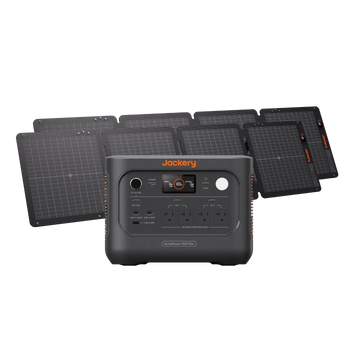
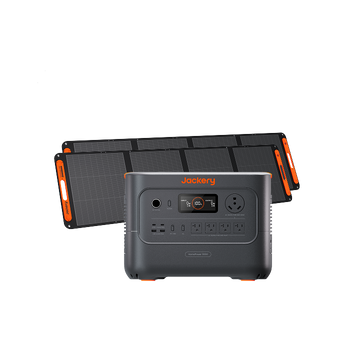
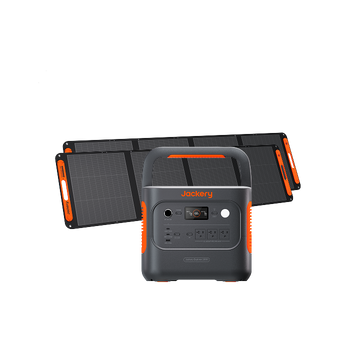


















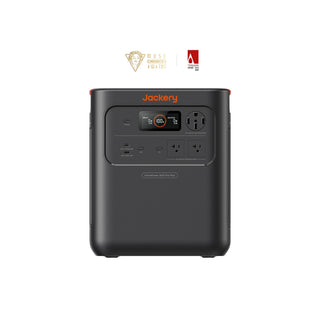
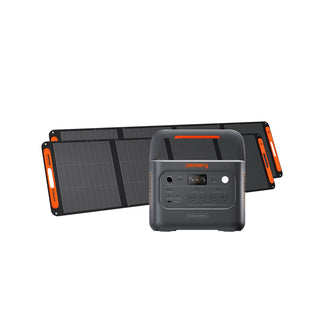
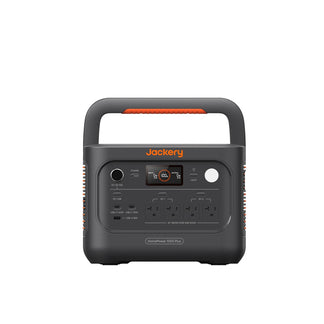
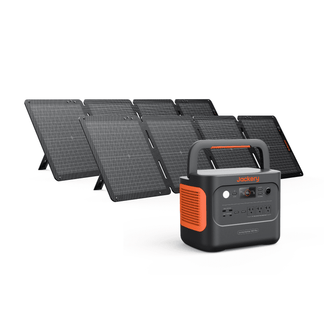
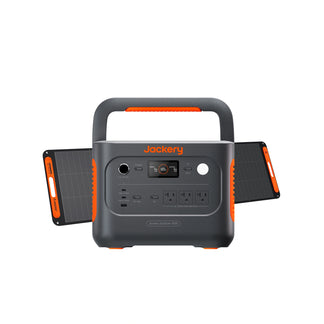
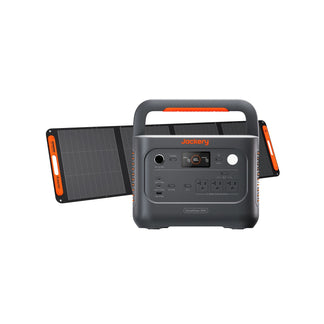
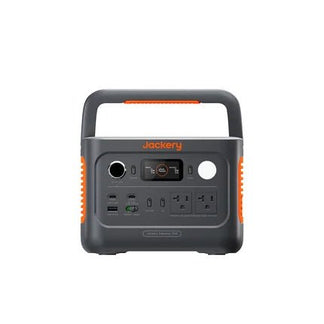
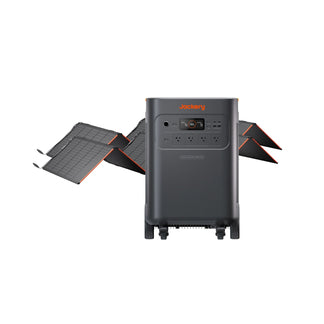





















A circular saw is a high-demand power tool that generally operates between 1400 and 1800 running watts, depending on motor size and cutting load. It requires a higher starting wattage of roughly 2400-2500 watts. The exact answer to how many watts a circular saw uses increases under heavy resistance, such as cutting dense hardwood or thick lumber, and drops slightly when running freely. As the motor must overcome startup torque and material resistance, short bursts of higher wattage are common during operation.
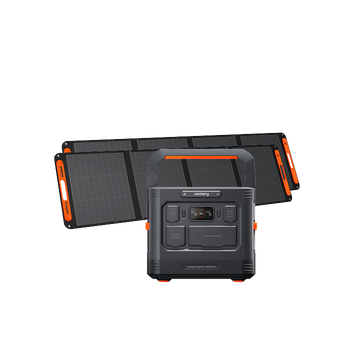
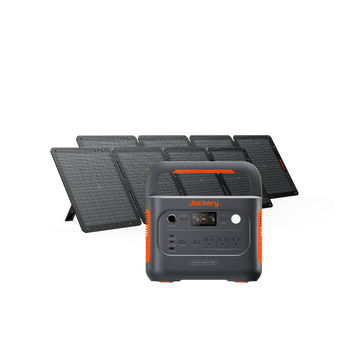
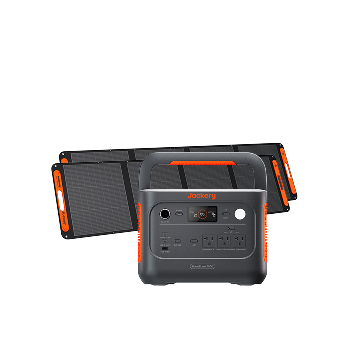
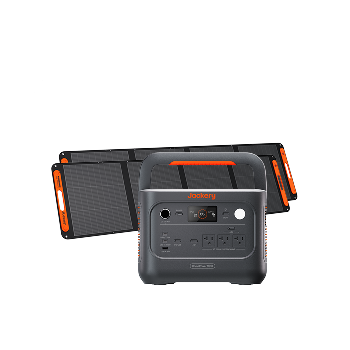
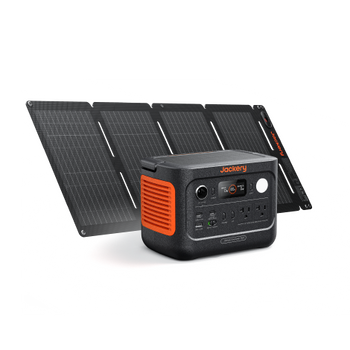
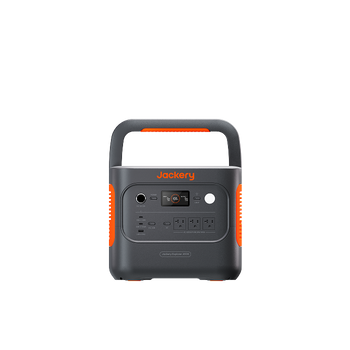
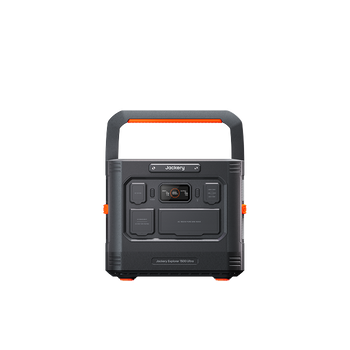
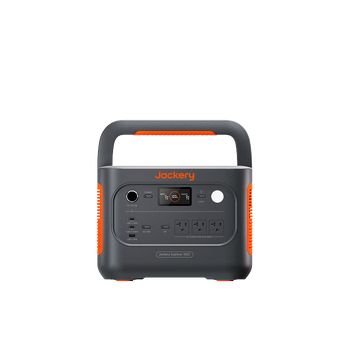
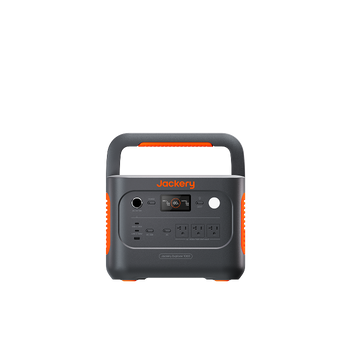
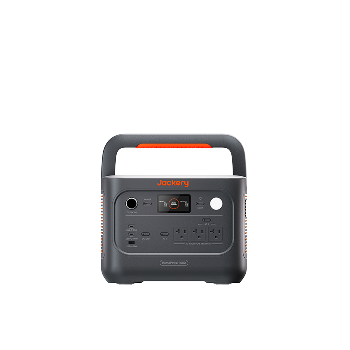
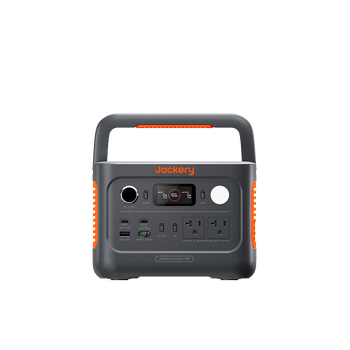
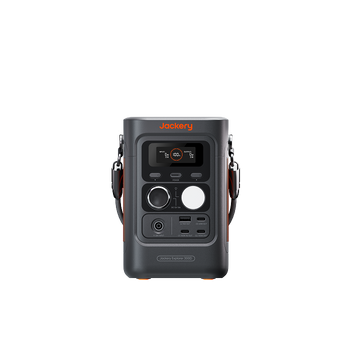
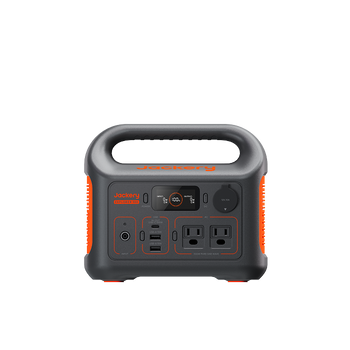
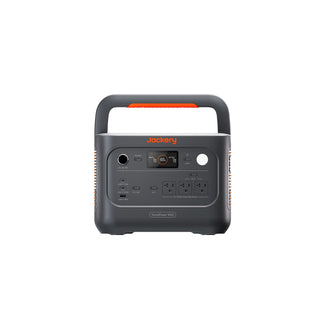
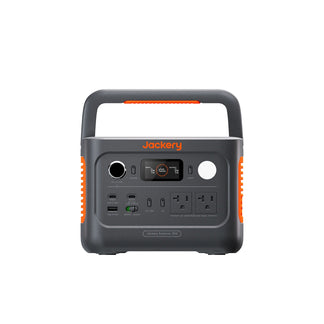
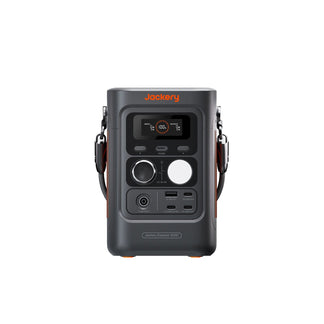
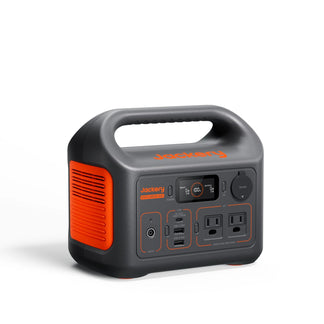
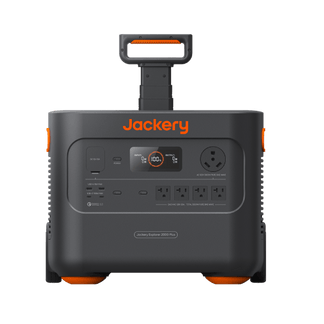
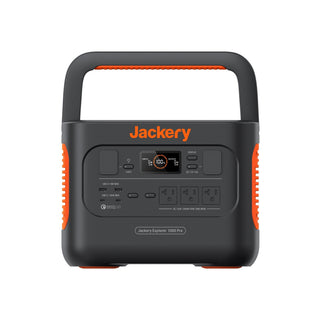
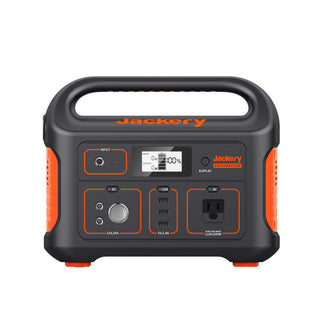
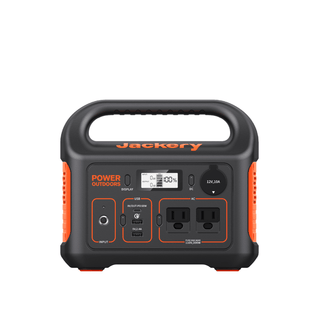
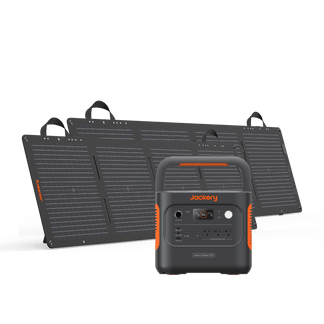
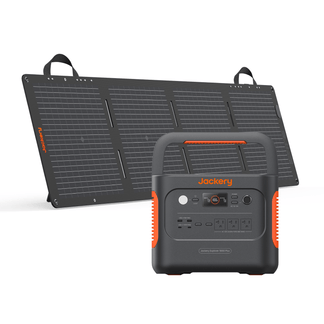
Understanding the power requirements of a circular saw is important when planning job-site electricity or reliable home battery backup power during outages. Since circular saws draw substantial energy in short intervals, selecting the correct solar generator size matters. Jackery Solar Generators can provide portable and stable power to run circular saws for controlled cutting sessions when grid access is unavailable, offering a quieter alternative to traditional fuel-powered generators.
Key Takeaways
- Most circular saws use 1400–1800 watts, with higher draw under heavy cutting loads.
- Power demand for a circular saw spikes at startup and during dense material cuts.
- The operating cost of a circular saw remains relatively low because usage is typically short and intermittent.
- Jackery Solar Generators can run circular saws to support planned cutting sessions off-grid or during outages.
How Many Watts Does a Circular Saw Use?
A standard corded circular saw typically uses between 1400 and 1800 watts while running, but requires a higher surge wattage (often 2400+ watts) to start. Smaller compact or battery-powered saws use less (800–1200W), while heavy-duty worm drive saws can demand up to 2500 watts.
As circular saws come in lots of different sizes, types, and models, it is impossible to give a common energy consumption value. Here is how many watts does a circular saw use on average.
Average Wattage of Circular Saws:
Circular saws usually have an average power output of 800 to 2500 watts. The general operating power of modern, efficient versions is roughly 1200 watts. The power and performance qualities of a saw determine its wattage. Thus, it's vital to refer to the model's specs.
Watt-Hour:
A circular saw with a 1500-watt power rating will use 1500Wh when run continuously. This is due to the fact that wattage (the measure of energy consumption rate) adds up to 1500 watt-hours or 1.5 kWh when kept constant for one hour.
Amps and Volts:
Different models and designs of circular saws have different amperage and voltage requirements. Nevertheless, in a typical case:
A circular saw will normally need 10 to 15 amps of electricity. Ten amps is a typical amperage for a regular circular saw. It is vital to refer to the specifications of the individual circular saw in the issue since this might differ.
Most circular saws have a standard voltage of 120 volts. Keeping that in mind, 10 amps at 120 volts is the average rating.
Starting/Running Watts:
Similar to other power tools, circular saws have different starting and running watts. Running watts may be approximately 1400 - 1800 watts, which brings out the question: how many start-up watts does a circular saw use? While starting watts are generally 2400 to 2500 watts. If utilizing the saw with a generator or power source with restricted beginning capacity, both settings must be considered.
Calculating Wattage Usage:
To calculate wattage usage, you must know the power factors for AC tools. If it's battery-powered, know its capacity and Voltage. A "watt" measures power. How can we quantify this?
Electronic device power equals Voltage × Current (P=V × I).
AC-powered devices
The formula for power is P = V × I × PF.
Battery-powered devices
Power equals Capacity x Voltage (P=V x I).
This is the basic watt calculation for electronics.
The power factor is PF = kW / kVA, the ratio of actual power to perceived power. You need technical skills to measure the power factor. I suggest a power factor of 0.85. It varies by device.
AC-DC Conversion:
Most saw motors utilize DC motors because they are cheaper and simpler to regulate. Converting AC to DC wastes power. Therefore, the circular saw-watt calculation should utilize a 0.95 power factor.
Example 01: AC-powered corded circular saws
How many watts does the corded circular saw use when the power factor is 0.85, the phase current is 4A, and the RMS voltage supply is 110V?
P = 0.85 × 4A × 110V = 374W
Example 02: How many watts does a 24V cordless circular saw use?
When the cordless circular saw has 4 Amp and 24V, here are how many watts it uses.
P = 24 × 4 = 96W
How Many Do Different Circular Saws Use?
Different circular saws typically use 1400 to 1800 watts, depending on blade size and motor strength. Smaller 5–6½ inch models often draw around 1200–1400 watts, while standard 7¼ inch saws commonly use 1500–1800 watts.
Heavy-duty or professional-grade circular saws may reach the higher end of that range, especially under load. The actual power consumption of circular saws increases when cutting dense materials and during startup, when the motor briefly demands more power.
Sidewinder or Worm Drive: Circular saws with a sidewinder (or "worm drive") are great for a variety of jobs. The engine is mounted to the side, which allows for a more minimalist appearance.
Hypoid Circular Saws: Saws using a hypoid gear system are comparable to worm drive saws but use a different kind of gear. These are very useful in building and carpentry for jobs requiring a lot of physical exertion.
Compact Circular Saws: The circular saws that are compact are smaller and lighter, making them simpler to move in confined areas. Works well for DIY tasks and projects.
Corded and Cordless Circular Saws: Corded or cordless circular saws have their advantages and disadvantages based on the user's needs. Having corded saws is best if you want a heavy-duty tool and need constant power, but it will restrict your movement due to the power cable. At the same time, cordless saws are more portable but rely on battery life.
Here is a comparison table to help you figure out the standard starting and running wattage of different circular saws.
|
Type of Circular Saw |
Starting Wattage Range |
Running Wattage Range |
|
Sidewinder (Worm Drive) |
1500 - 2000 watts |
1200 - 1800 watts |
|
Hypoid |
1800 - 2500 watts |
1400 - 2200 watts |
|
Compact |
800 - 1200 watts |
600 - 1000 watts |
|
Corded |
1600 - 2200 watts |
1200 - 1800 watts (variable) |
|
Cordless |
1000 - 1800 watts |
800 - 1500 watts (variable) |
How Much Does It Cost to Run A Circular Saw?
Running a circular saw usually costs only a few cents per session because it operates intermittently. For example, a 1500-watt circular saw used for 30 minutes consumes:
1500 W × 0.5 hours = 750 Wh = 0.75 kWh
At an electricity rate of $0.17 per kWh:
0.75 kWh × $0.17 = $0.12
Even at longer runtimes, the total operating cost remains relatively low compared to continuous-use appliances. Long-term savings depend on how and when electricity is used. By storing energy in advance and reducing reliance on grid power during peak-rate hours, a properly sized Jackery Solar Generator can help lower monthly electricity expenses over time. Instead of drawing all power directly from the grid at fluctuating rates, households can shift certain high-demand tasks to stored energy, improving efficiency and reducing exposure to rate spikes while also maintaining backup readiness. For more information, you can read: Can Jackery Power a Circular Saw? Which Model, How Long Can It Run?
Like Jerrett Shephard, many rural homeowners and contractors learn that unreliable grid power can disrupt both work and family life in ways that add up quickly. After years of relying on loud gas generators, he switched to a Jackery Solar Generator that now keeps his refrigerator, freezer, lights, WiFi, and TV running seamlessly during outages, while also powering demanding job-site tools without extension cords or fumes. When storms hit, his wife stays connected for hospital calls, stored breast milk remains safely frozen, and projects continue without interruption. Read more such Jackery Stories to see how people use solar generators as a reliable power backup solution.
Consider the following scenario: two hours of weekly usage of a circular saw is required. In other words, you may expect to spend this much on a circular saw after eight hours of work.
|
Current and Voltage |
Watts |
Cost |
|
20V, 1.5 Amp |
240 |
0.026 |
|
20V, 2 Amp |
320 |
0.035 |
|
20V, 3 Amp |
480 |
0.052 |
|
20V, 4 Amp |
640 |
0.070 |
|
20V, 6 Amp |
940 |
0.103 |
|
120V, 10 Amp |
9600 |
1.05 |
|
120V, 15 Amp |
14400 |
1.58 |
Jackery Solar Generators for Circular Saws
Power tools like circular saws that demand high startup torque require stable output and sufficient surge handling, especially when working off-grid or on remote job sites. Jackery Solar Generators provide portable and reliable power that can support heavy-duty cutting sessions when properly matched to tool requirements. Selecting the right solar generator depends on motor wattage, expected runtime, and whether additional equipment is running simultaneously.
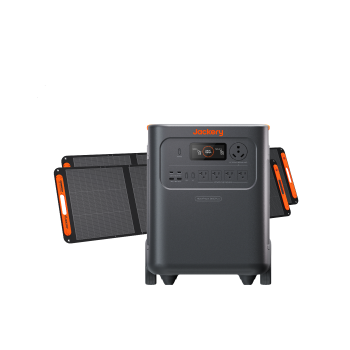
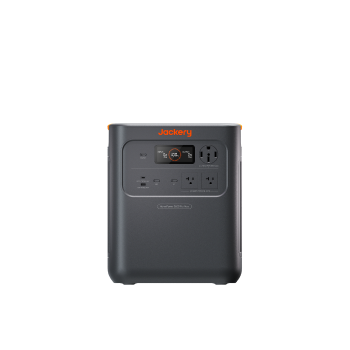
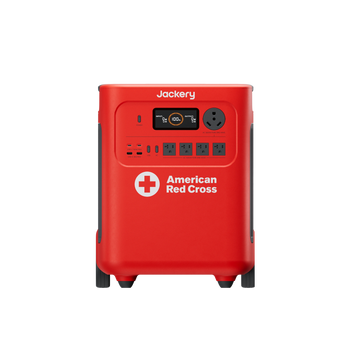
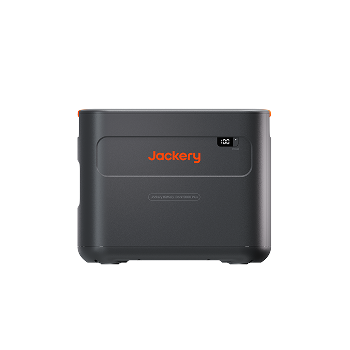
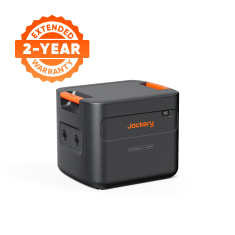
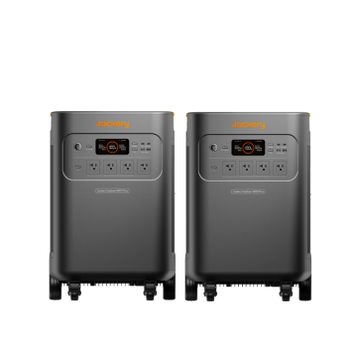
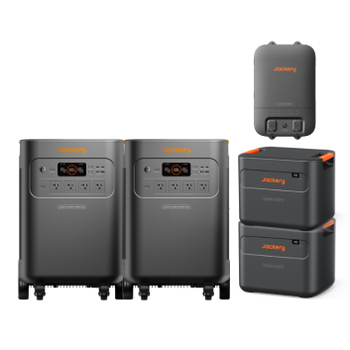
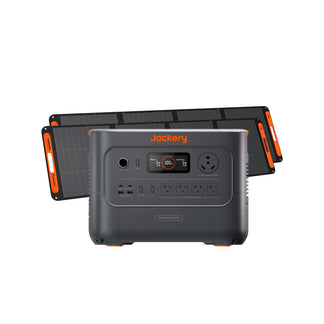
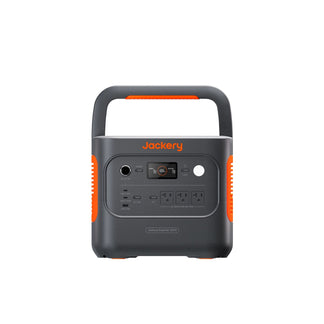
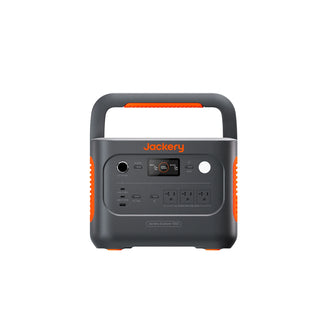
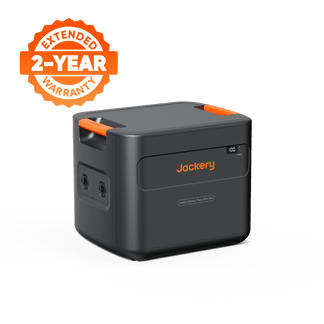
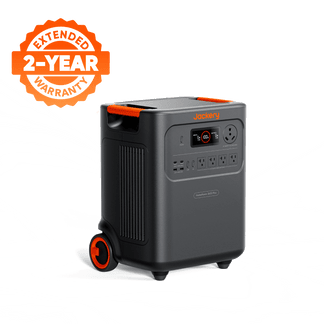
Jackery Solar Generator HomePower 3000
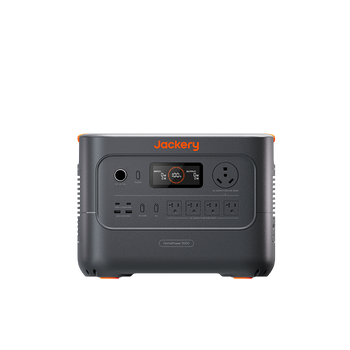
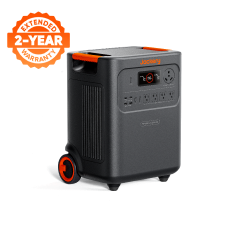
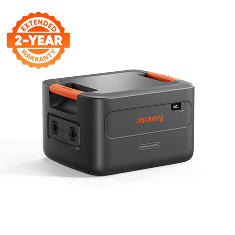
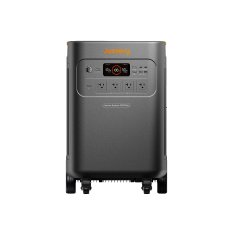
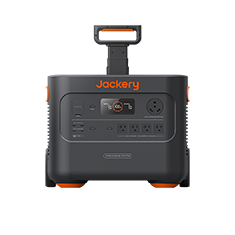
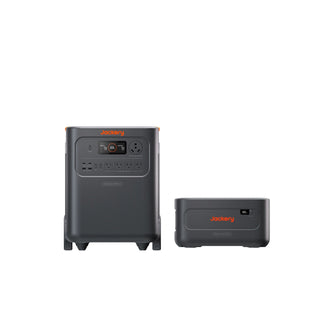
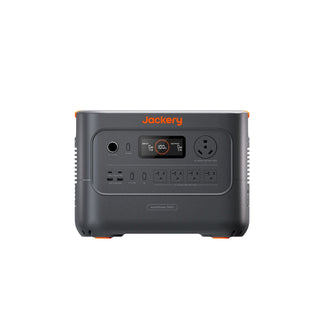
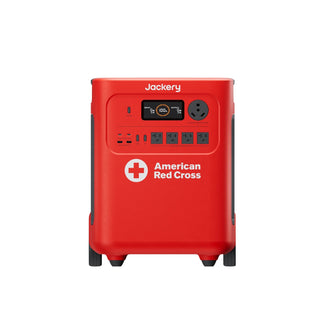
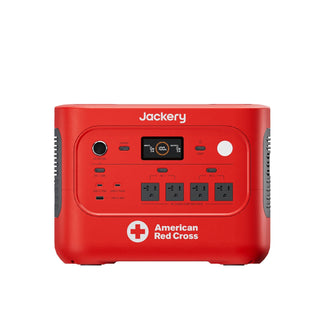
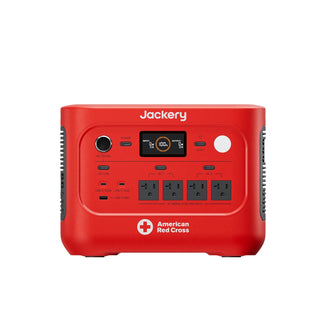
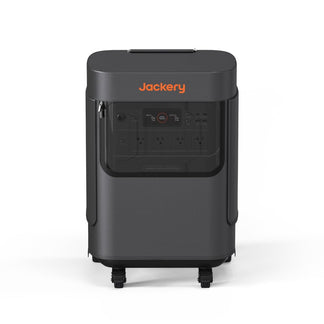
Jackery Solar Generator HomePower 3000 is an essential home backup solution that works well for structured and short-duration cutting tasks. It can run essential power tools during renovation work, small deck builds, or repair projects where mobility matters but reliable output is essential. It features dual-sided handles that allow easier transportation around the home or even outdoors, where electricity is required.
Appliances Running Time
- Sidewinder Circular Saw (1200W) = 2.1H
- Hypoid Circular Saw (1400W) = 1.8H
- Compact Circular Saw (600W) = 4.2H
- Corded Circular Saw (1200W) = 2.1H
- Cordless Circular Saw (800W) = 3.2H
Who Should Buy This
If your projects involve planned cutting sessions during outages or at remote locations without running multiple heavy tools at once, the Jackery Solar Generator HomePower 3000 offers practical support.

Customer Review
Product packaging was excellent. I charged them, set up the Jackery app, and connected both 3000 Home Power units without a hitch. I ran them both dry with my chest freezer, which took a little less than two days per unit, exactly as expected.
— Symeon W.
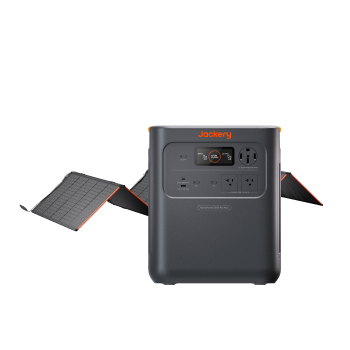
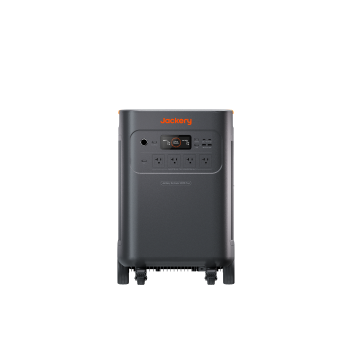
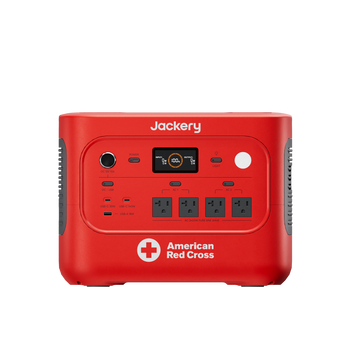
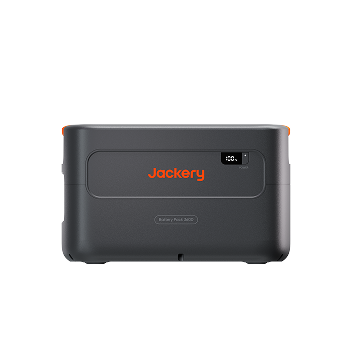
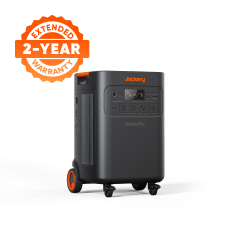
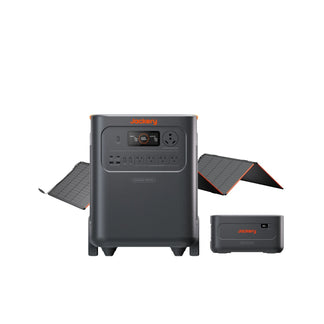
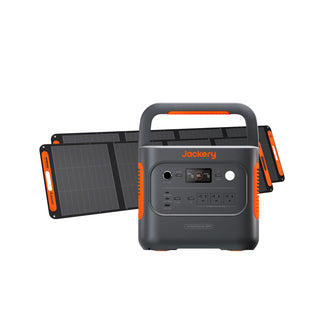
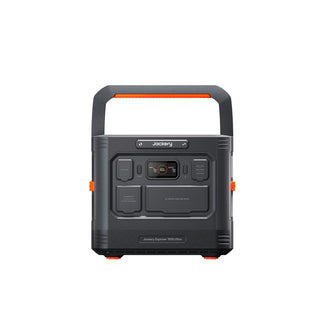
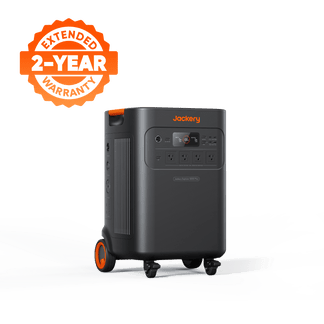
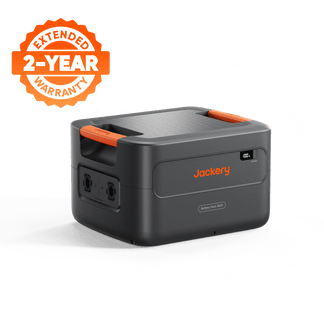
Jackery Solar Generator HomePower 3600 Plus
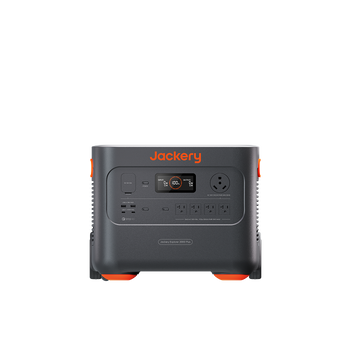
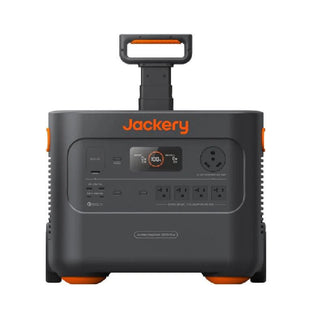
The Jackery Solar Generator HomePower 3600 Plus is another home battery backup solution that provides additional headroom for longer construction sessions or more demanding materials. It allows repeated cutting throughout the day without constantly monitoring battery limits, especially when paired with expansion batteries. This makes it suitable for workshops, cabin builds, or property maintenance projects where consistent power is required beyond quick, occasional use.
Appliances Running Time
- Sidewinder Circular Saw (1200W) = 2.5H
- Hypoid Circular Saw (1400W) = 2.1H
- Compact Circular Saw (600W) = 4.9H
- Corded Circular Saw (1200W) = 2.5H
- Cordless Circular Saw (800W) = 3.7H
Who Should Buy This
If you expect longer work periods or want greater flexibility for ongoing projects without strict load rotation, the Jackery Solar Generator HomePower 3600 Plus delivers stronger runtime confidence.

Customer Review
Convenient, transportable with handles/wheels, and the power lasts a long time. Don't have to recharge often. Solar panels are useful for using the sun for energy when power is totally out.
— Tracey W.
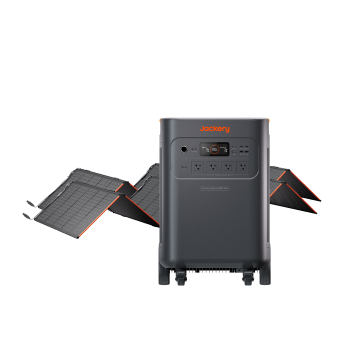
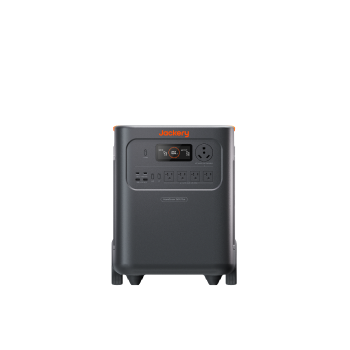
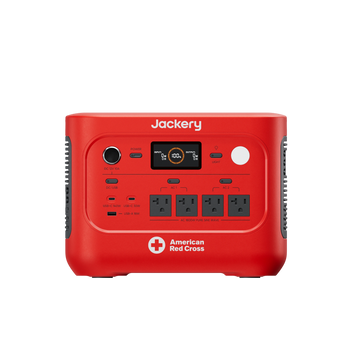
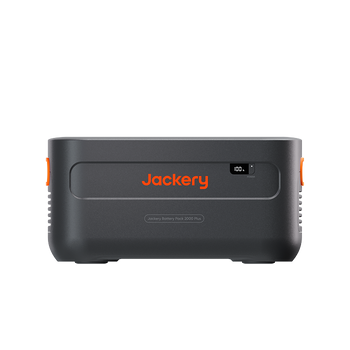
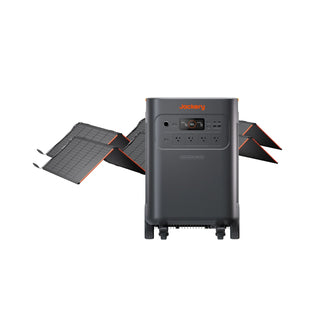
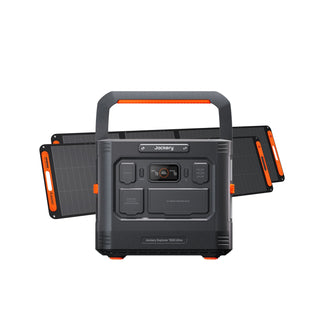
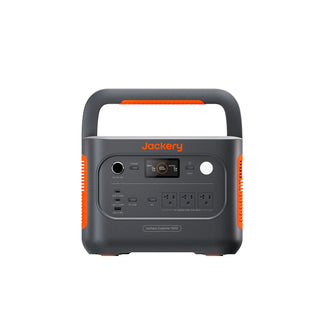
Jackery Solar Generator 5000 Plus
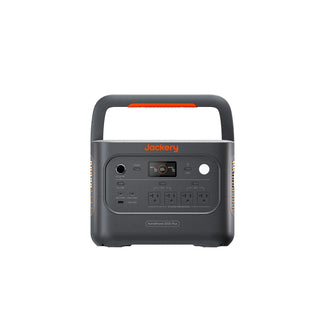
Jackery Solar Generator 5000 Plus is an expandable home battery backup solution designed for scenarios where cutting tasks are part of a broader power plan supporting multiple tools. With higher output capacity and expandable storage, it accommodates demanding workloads while maintaining operational stability. This makes it appropriate for larger builds, rural property development, or extended off-grid work environments where performance interruptions are not acceptable.
Appliances Running Time
- Sidewinder Circular Saw (1200W) = 3.4H
- Hypoid Circular Saw (1400W) = 3.0H
- Compact Circular Saw (600W) = 6.6H
- Corded Circular Saw (1200W) = 3.4H
- Cordless Circular Saw (800W) = 5.0H
Who Should Buy This
If you need maximum output capability for demanding, repeated cutting operations within a larger off-grid workflow, the Jackery Solar Generator 5000 Plus provides the strongest performance margin.

Customer Review
I got the Solar Generator 5000 with the two 500x solar panels, and they are working great. It was charged in a day and was able to power everything in my off-grid workshop. Table saw and dust collection unit, along with a powered kerosene heater fan. It was a nice surprise
— Guy B.
How to Reduce a Circular Saw Electrical Usage?
You can reduce circular saw electrical usage by using sharp, clean blades to minimize motor load, setting the blade depth to only 1/4 inch below the material to reduce drag, and avoiding forcing the tool, allowing it to cut at its natural pace to prevent overheating. Here are a few ways to reduce the electrical usage of circular saws:
Energy-Efficient Circular Saw:
Choose contemporary, energy-efficient saws with various speeds. Choose models with high power-to-weight ratios for efficiency.
Material-Appropriate Blade:
Select blades for particular materials to reduce saw strain. The right blade decreases resistance, improving efficiency.
Sharpen and Clean Saw Blade Regularly:
Saw blades should be sharpened and cleaned regularly. Sharp blades cut more effectively, using less power. Blades that are clean reduce friction and heat.
Ideal Cutting Speed:
Cut at the manufacturer's recommended speed. Operating within the range reduces motor stress and boosts energy efficiency.
Have Enough Teeth:
Work with blades with the right number of teeth. More teeth reduce saw motor strain and save energy by smoothing cuts in certain materials.
Circular Saw Wattage FAQs
How big of a generator do I need for a circular saw?
You typically need a generator rated at least 1800 to 2500 watts for a circular saw. Most circular saws run between 1400 and 1800 watts, but they require additional power during startup due to motor surge. To avoid overload, the generator should comfortably exceed the saw’s running wattage and handle surge demand.
For example, a 1500-watt saw may briefly spike higher when starting or cutting dense material, so choosing a generator with extra headroom ensures stable operation. To determine the right size generator, check your saw’s wattage rating and use the Running Time Calculator on the Jackery Buying Guide page. By entering your tool’s wattage and selecting a Jackery Solar Generator, you can see whether the generator provides sufficient output and how long it can run under typical load conditions.
How many watts does a table saw use?
A standard 10-inch contractor or jobsite table saw typically uses between 1500 and 2000 watts (approximately 15 amps) during operation. Under heavy load (cutting thick or dense wood), the power consumption of the table saw can spike to 1800–2400 watts. However, smaller table saws may use as little as 90 to 1200 watts.
Will a 3000-watt generator run a skill saw?
Yes, the Jackery Solar Generator HomePower 3000 or Jackery Solar Generator HomePower 3600 Plus, with a capacity of 3072Wh and 3584Wh, respectively, can easily run a skill saw.
Does a saw use a lot of electricity?
When you compare the electricity usage of a saw to other home appliances, it feels a lot; however, compared to other power tools, it is moderate. Unlike home appliances, you don't need to use a saw 24 hours a day, so it doesn't add much to the electricity bill.
Should I choose a cordless circular saw?
Choosing the type of circular saw depends on your work requirements. If you want one for home use and for DIY projects, a cordless circular saw is the best pick. However, it might not be ideal if you work as a carpenter and need heavy-duty equipment.
Final Thoughts
Circular saws require strong and consistent power to perform effectively, especially under load. While they consume significant wattage during operation, their intermittent use keeps overall energy costs manageable. When you understand how many watts a circular saw uses and pair it with a properly sized Jackery Solar Generator, you can maintain productivity during remote projects, job-site work, or power interruptions without relying solely on fuel-based equipment.


