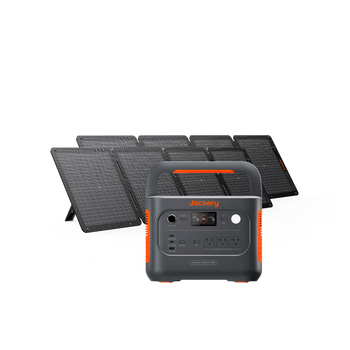
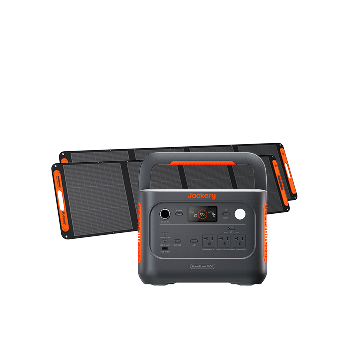
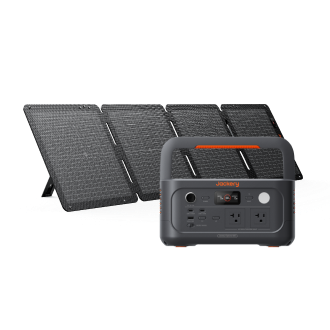
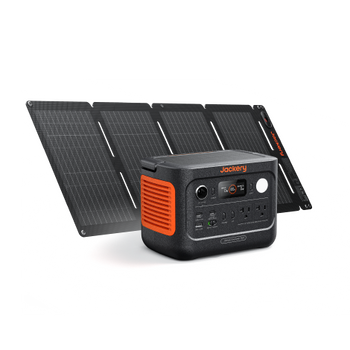


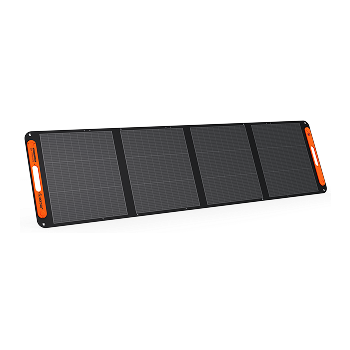
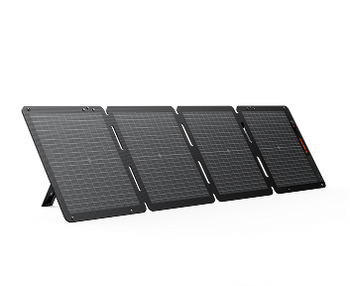
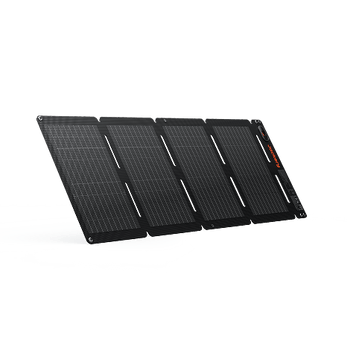




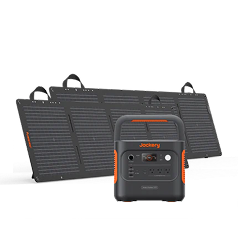
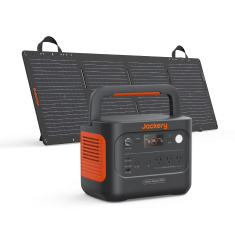
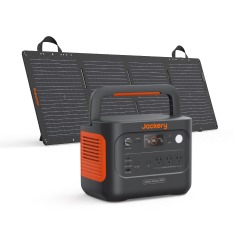
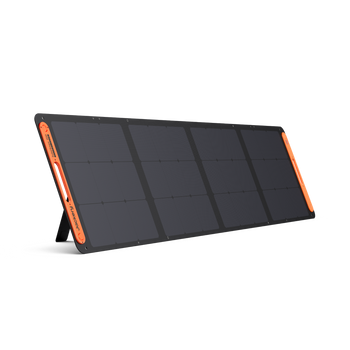


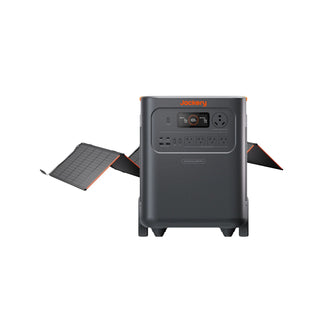
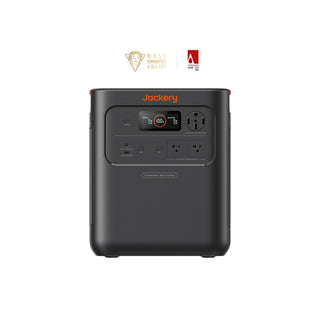
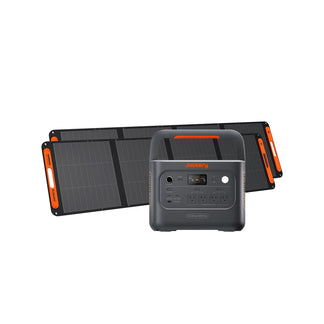
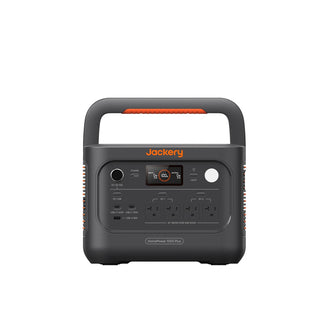
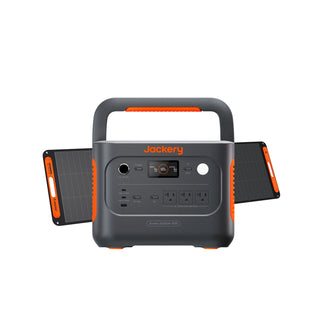
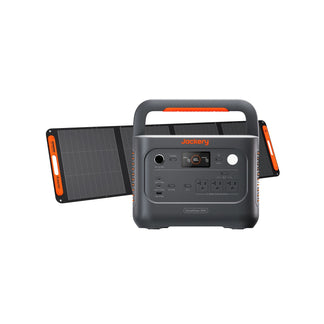
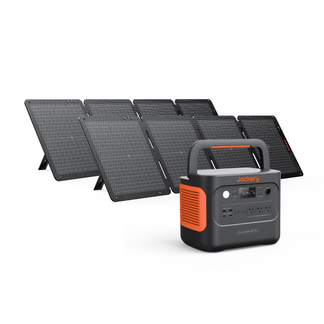
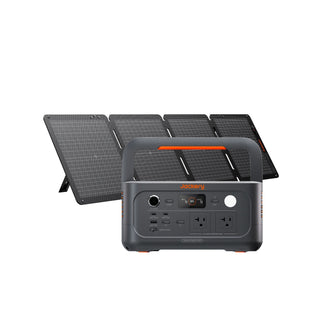
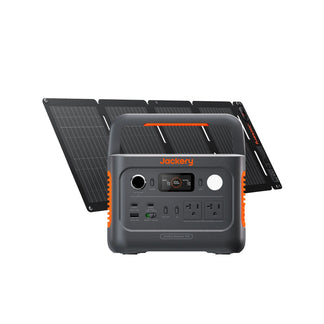

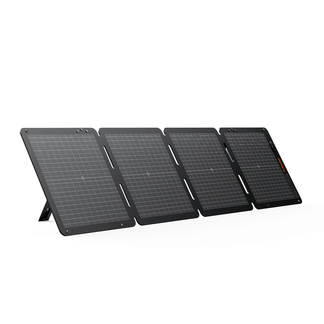
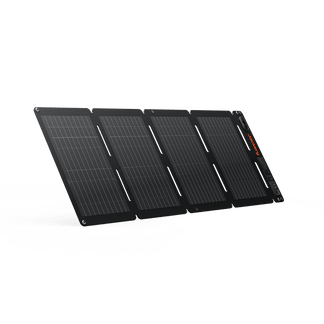
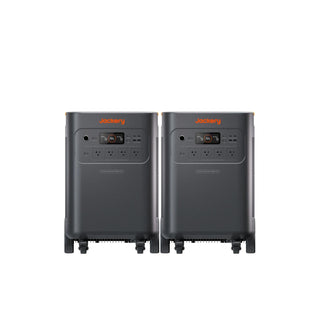
![[Add-on] Jackery SolarSaga 500 X - Jackery](http://www.jackery.com/cdn/shop/files/add-on-jackery-solarsaga-500-x-1493607.webp?v=1786503068&width=324)
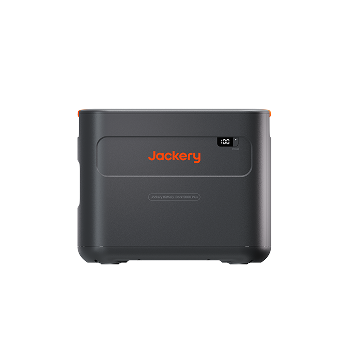
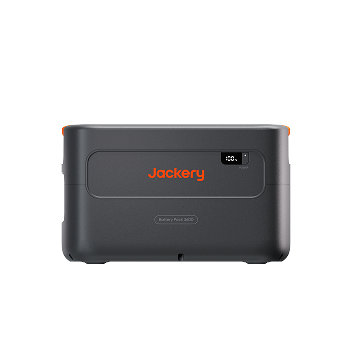
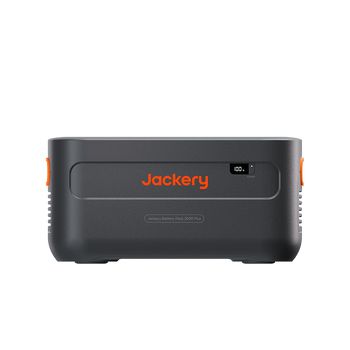
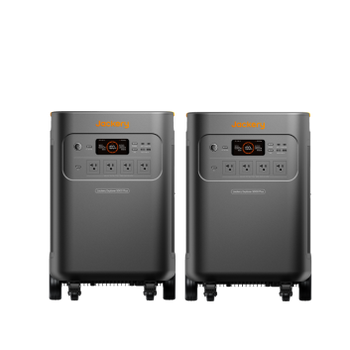
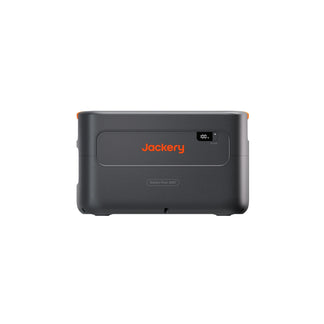
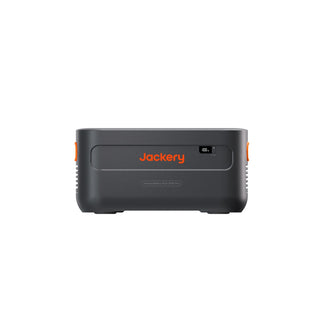
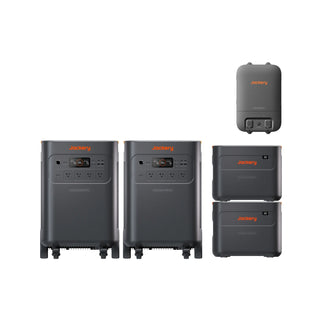
![[Add-on] Jackery Battery Pack 5000 Plus - Jackery](http://www.jackery.com/cdn/shop/files/add-on-jackery-battery-pack-5000-plus-6713401.webp?v=1786503068&width=324)







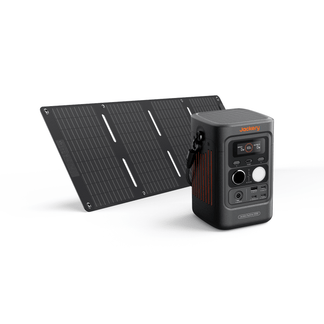
![[Add - on] SolarSaga 200W - Jackery](http://www.jackery.com/cdn/shop/files/add-on-solarsaga-200w-4834329.png?v=1754016915&width=324)



A standard washer without a dryer usually draws between 2.1 and 6.7 amps on a 120V circuit during a normal wash cycle. The exact number depends on size and type: compact and portable washers sit near the low end, while full-size front-load machines with higher-speed spin motors sit near the top. Spin cycles briefly pull more current than the wash cycle itself, since spinning a wet, unbalanced drum takes more motor effort than agitating or tumbling.
Laundry day doesn't feel like an electrical event. You load the washer, press start, and walk away. But that quiet hum hides a real number, and it matters the moment something else is competing for the same circuit: a space heater in the utility room, a dryer running next door, or a generator during an outage. Get that number wrong, and you will find out the hard way, usually mid-spin-cycle, with wet clothes and a tripped breaker to show for it.
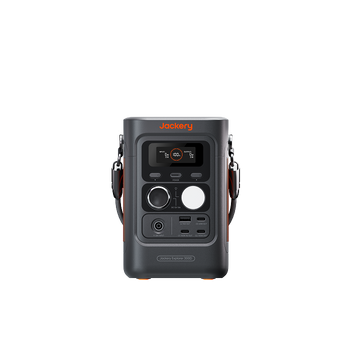
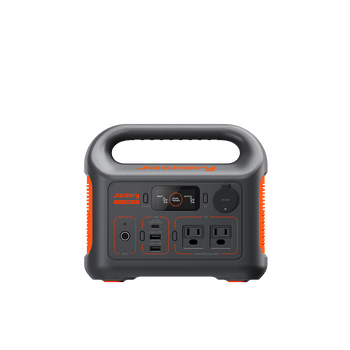
Jackery builds reliable and portable solar generators for exactly this laundry-day math. As a washer's draw is low and steady for most of the cycle, matching it to a battery-based power source is easier than people expect. The tricky part is knowing which numbers actually matter, which is what the next few sections walk through.
Key Takeaways
- A washer draws 2.1–6.7 amps on a standard 120V circuit. Compact and portable models sit near the low end, while full-size front-load washers with faster spin cycles sit near the top.
- Spinning a wet, unbalanced drum takes noticeably more current than agitating or tumbling, briefly pushing the draw toward 5–8.3 amps.
- Inverter-motor washers pull far less on startup than older induction models. Induction motors can spike 2–3x their running amps for a second or two, whereas inverter motors spike only 1.2 - 1.5x.
- Most tripped breakers during the spin cycle aren't the washer's fault. They happen when the washer shares a circuit with another load (space heater, hair dryer, etc.) that pushes the combined draw over the breaker's limit.
- A washer needs its own dedicated 20-amp circuit, and most codes require it. GFCI protection is also typically required in laundry areas since water and electricity share the same space.
How Many Amps Does a Washer Draw by Type?
Here is how the common categories break down at 120V, based on running wattage during a typical cycle.
|
Washer Type |
Wattage |
Amp Draw |
|
Compact/Portable Washer |
250-500W |
2.1-4.2A |
|
High-Efficiency Inverter-Motor Washer |
300-500W |
2.5-4.2A |
|
Standard Top-Load Washer |
350-600W |
2.9-5A |
|
Standard Front-Load Washer |
400-800W |
3.3-6.7A |
|
Spin Cycle (Any Type, Peak Draw) |
600-1,000W |
5-8.3A |
Notice the front-load range runs higher than the top-load. Front-loaders spin faster to extract more water before the dryer takes over, and that higher RPM takes more motor power.
Stackable washer and dryer machines still function as two separate appliances electrically, even though they share one cabinet. The washer draws its normal 2.1 to 6.7 amps, and the dryer (whether gas or electric) draws its own separate figure on its own circuit requirement.
All-in-one combo units are different. These wash and dry in a single drum, which usually means a single higher-wattage unit on 240V rather than two appliances on two circuits. If you are dealing with a combo unit specifically, the 240V breakdown in our How Many Amps Does a Washing Machine Use guide covers that scenario in more depth.
Does an Inverter-Motor Washer Use Fewer Amps?
Yes, an inverter motor washer uses fewer amps, and this is worth knowing before you assume every washer behaves the same on startup.
- Older washers use a standard induction motor, the kind that pulls a real jolt of extra current (often 2 to 3 times the running amps) for a second or two before settling into a steady draw.
- Newer washers, especially mid-range and premium models, use a brushless DC inverter motor instead. Inverter motors gain speed gradually rather than working at full force, which means the startup spike is closer to 1.2 to 1.5 times the running amps.
Here's why that matters: if you are sizing a circuit, an extension cord, or a generator, an inverter-motor washer is genuinely easier to run than an older induction-motor model with the same running wattage. Check the spec sheet or the "inverter" branding on the machine itself if you are not sure which one you have.
Why Does My Washer Trip the Breaker During the Spin Cycle?
This is one of the most common washer-related electrical complaints, and it almost always traces back to the same cause: startup surge stacking on top of an already-loaded circuit.
The wash and rinse cycles draw modestly. The spin cycle asks the motor to work harder, and on an induction-motor washer, that transition can briefly double the current draw.
If the washer shares a circuit with something else pulling real power, such as a space heater, a hair dryer, or even another appliance mid-cycle, that brief spike is often the difference between a fine circuit and a tripped one.
Bottom line: if your off-grid washing machine trips the breaker specifically when it shifts into spin, the fix usually is not a bigger washer or a different outlet. It is freeing up the circuit.
Example scenario: a household runs a space heater in a cold utility room while doing a load of laundry. The washer's wash cycle runs fine at 500W. The moment it shifts to spin, draw jumps toward 900W, and the combined circuit load of heater plus washer crosses the breaker's safe threshold. The breaker trips, and it looks like the washer's fault. It isn't. Moving the heater to a different circuit solves it completely.
Does a Washing Machine Need Its Own Dedicated Circuit?
Generally, yes, a washing machine needs its own dedicated circuit. Most electrical codes require laundry area receptacles to sit on their own dedicated 20-amp circuit, separate from general household outlets and lighting.
That is because a washer's running amps look modest on paper, but the spin-cycle surge, combined with anything else that might share the circuit, eats into the margin fast.
Many jurisdictions also require GFCI (ground-fault circuit interrupter) protection on laundry room outlets, since water and electricity share the same room by design. If your laundry area was wired before this became standard, a licensed electrician can confirm what your specific setup needs.
Does Load Size or Balance Change the Amps of Washer?
Yes, load size and balance change the amps of a washer much more than most people expect.
A washer's motor works harder to spin an unbalanced load (think one heavy towel bunched on one side of the drum) than a properly distributed one. That extra mechanical resistance shows up as extra current draw, sometimes enough to trigger the washer's own automatic rebalancing cycle, which adds time and energy on top of the original spin.
The takeaway: distributing a load evenly before starting the cycle is not just about noise and vibration. It also keeps the amp draw closer to the numbers on the nameplate instead of the higher figure an unbalanced spin can pull.
Overloading the drum causes a related but different problem. A washer stuffed past its rated capacity forces the motor to work against more mass than it's designed for, which can push both the wash and spin cycle draw higher than the manufacturer's rated wattage suggests.
How Do I Calculate My Washer's Amp Draw?
Check the nameplate first. Every washer has a data plate, usually on the back panel or inside the door frame, listing voltage and either amps or watts straight from the manufacturer.
Convert wattage to amps if that's all you have. A washer rated at 500W on a 120V circuit draws:
500W ÷ 120V = 4.2 amps
Use a plug-in power meter for a live reading. This is the only method that captures the real difference between wash, rinse, and spin. Since amp draw isn't constant through a single load, a nameplate figure alone won't show you the spin-cycle spike.
Can I Run My Washer and Dryer on the Same Circuit or Generator?
No, you should not run a washer and dryer on the same circuit or a generator. A standard electric dryer draws far more than a washer, often 20 to 30 amps on its own dedicated 240V circuit. Running both from the same source at once means adding the washer's draw on top of that.
Here's the deal: most homes wire the washer and dryer on separate dedicated circuits specifically to avoid this problem. If you are running laundry off a generator during an outage, plan to run the washer and dryer in sequence, not simultaneously, unless your generator has serious surplus capacity.
Can a Solar Generator Run a Washing Machine?
Yes, a solar generator can run any washer running on a standard 120V circuit, as long as the generator's continuous output clears the washer's running wattage with room for the spin-cycle spike.
A 500W top-load washer, for example, needs a generator rated for at least that continuously, with enough surge headroom (typically 1,000 to 1,500W) to absorb the brief jump when the motor shifts into spin.
240V washers, like combo units or machines with internal heaters, need a generator built for true dual-voltage output. Not every portable power station offers this, so it is worth checking before you assume any generator will do.
For more information about whether Jackery Solar Generator can run washers and which models are ideal, check out our detailed guide: Can Jackery Power the Washing Machine/Dryer.
Recommended Jackery Solar Generators to Power Your Laundry Room
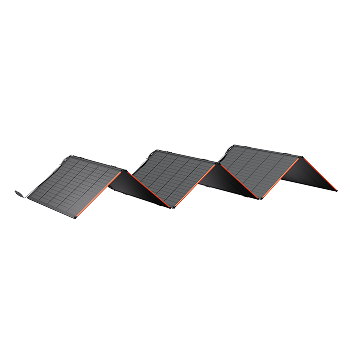
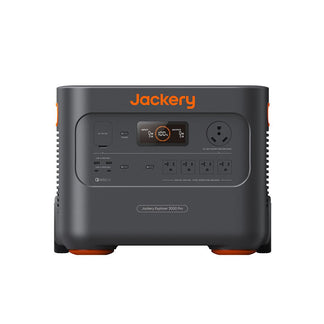
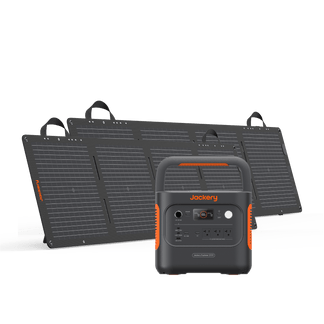
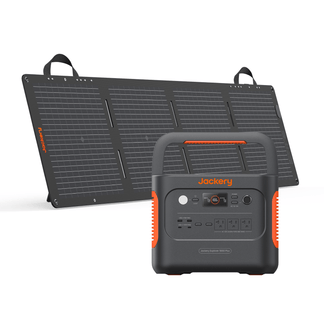
Jackery Solar Generators combine a battery-based power station with foldable solar panels. The panels convert sunlight into stored DC power, and the station's built-in inverter turns that into the clean AC electricity a washer expects from a wall outlet. Washer's demand is steady and modest for most of the cycle, meaning the real question isn't whether a Jackery Solar Generator can handle a solar-powered washing machine. Instead, it is about how you want that laundry day to run.
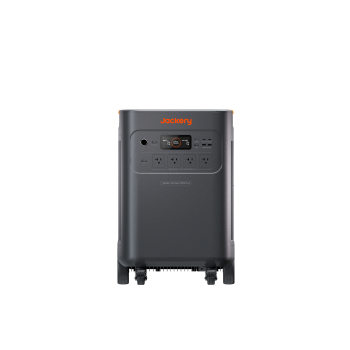
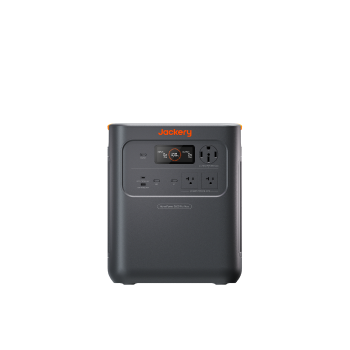
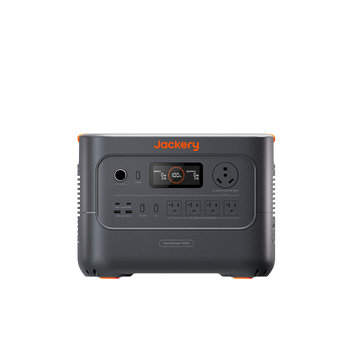
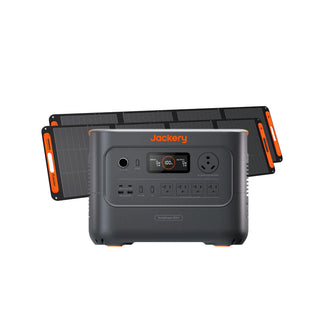
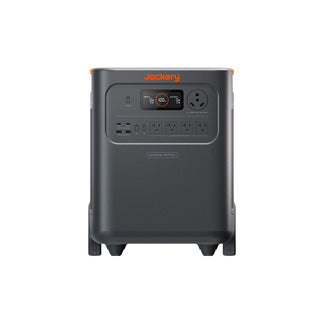
Jackery Solar Generator HomePower 3600 Pro Max
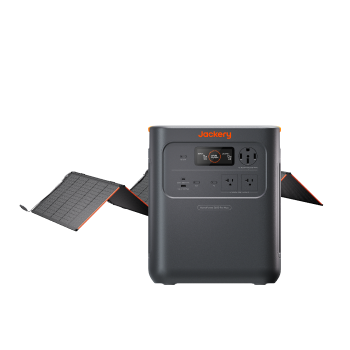
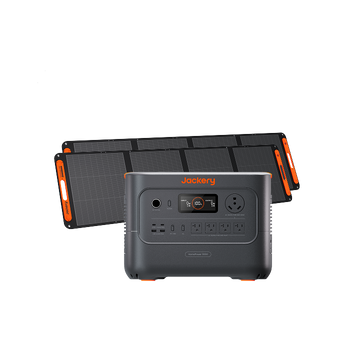
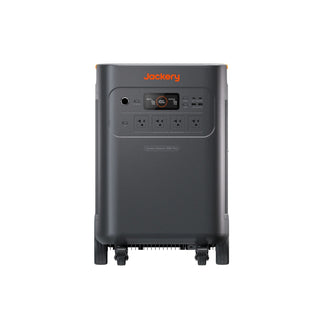
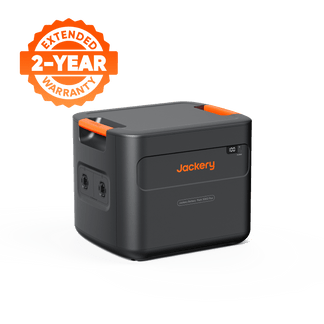
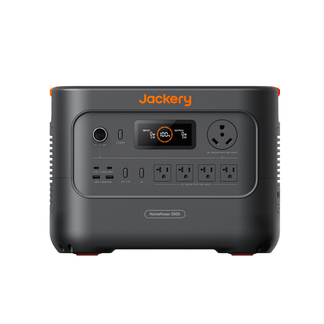
Picture this: you are mid-wash during a storm, and the power flickers. On a standard outlet, that is a lost load and a restart. The Jackery Solar Generator HomePower 3600 Pro Max is built with a sub-10-millisecond automatic transfer switch specifically so that switchover happens faster than most washers notice, and the cycle just keeps going.
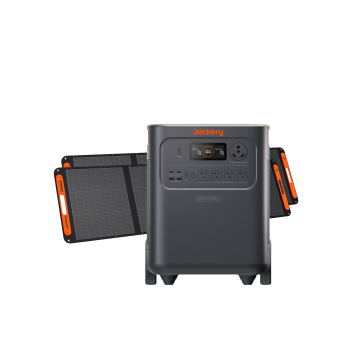
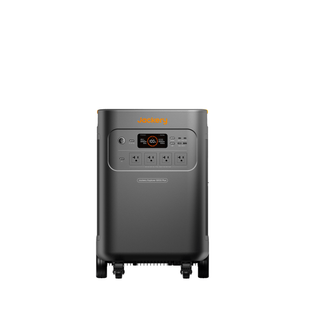
The Jackery Solar Generator HomePower 3600 Pro Max delivers true 120V and 240V output from a single unit, so it covers a standard washer with room to spare, or a 240V combo unit if your laundry setup calls for one. This matters most in homes in storm-prone regions or in areas with frequent brownouts, where the power grid is a known weak point. Rather than treating an outage as a laundry-day interruption, the transfer switch treats it as a non-event.
Appliances Running Time
- Compact/Portable Washer (250W) = 11.2H
- High-Efficiency Inverter-Motor Washer (300W) = 9.5H
- Standard Top-Load Washer (350W) = 8.2H
- Standard Front-Load Washer (400W) = 7.2H
- Spin Cycle (Any Type, Peak Draw) (600W) = 4.9H
Who Should Buy This
The Jackery Solar Generator HomePower 3600 Pro Max is ideal for apartment and condo owners, or anyone with a single washer who wants automatic home battery backup that protects a load in progress rather than restarting it after the fact.

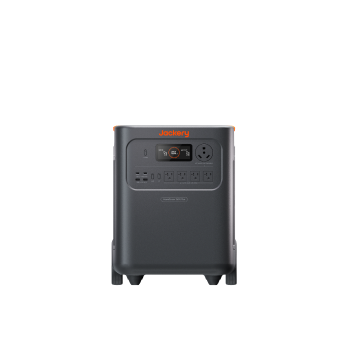
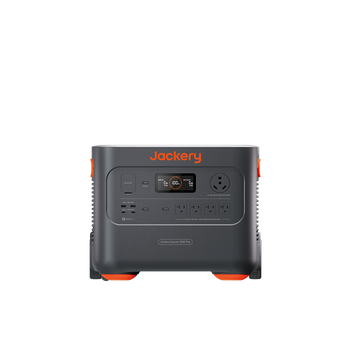
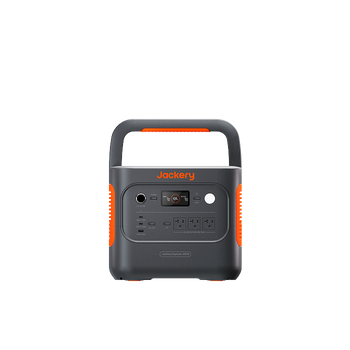
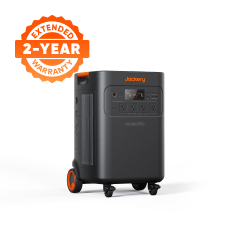
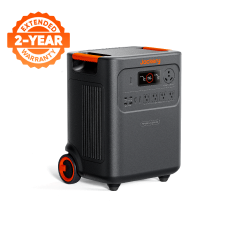
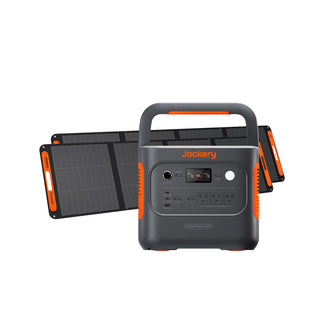
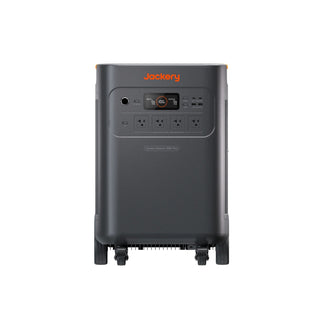
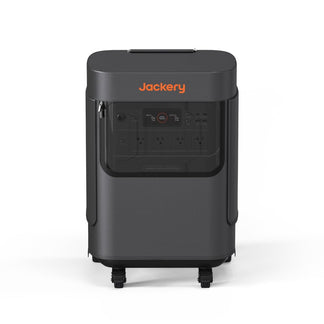
Jackery Solar Generator 5000 Plus
A full laundry day rarely means just the washer. It means the washer, then the dryer, then whatever else is running in the house at the same time.
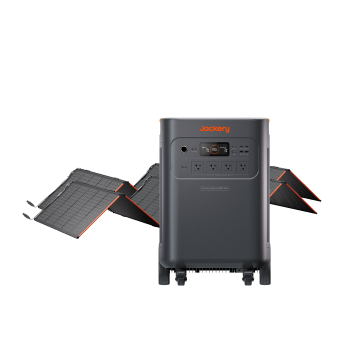
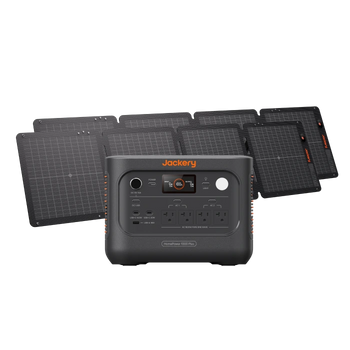
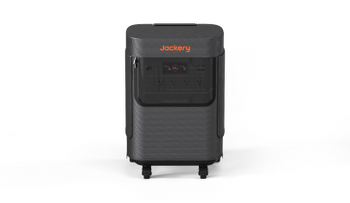
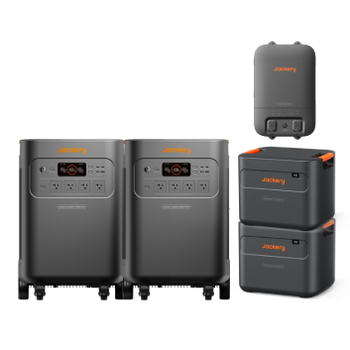
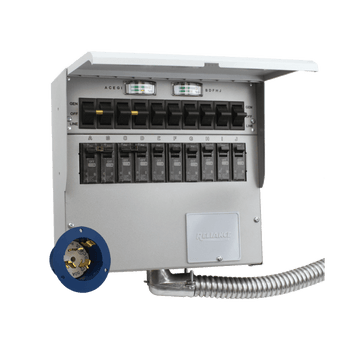
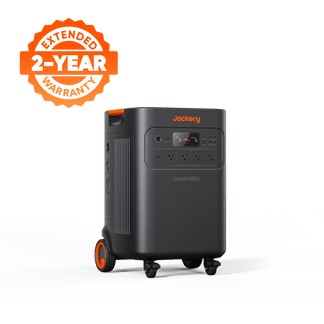
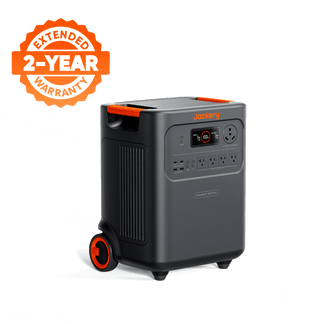
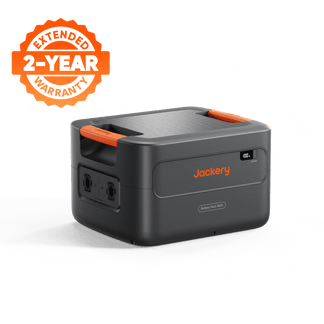
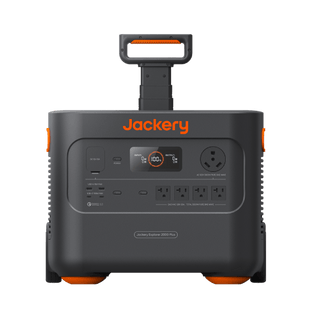
The Jackery Solar Generator 5000 Plus is an essential home backup solution built for that whole picture: 7,200W of continuous output, expandable capacity, and compatibility with Jackery's Smart Transfer Switch to back up an entire laundry room circuit, or the rest of the house, rather than a single appliance in isolation.
For off-grid households, this changes how laundry gets scheduled entirely. Instead of timing loads around available daylight or generator fuel, the household runs laundry the same way any grid-connected home would on its own schedule.
Appliances Running Time
- Compact/Portable Washer (250W) = 14.3H
- High-Efficiency Inverter-Motor Washer (300W) = 12.2H
- Standard Top-Load Washer (350W) = 10.7H
- Standard Front-Load Washer (400W) = 9.5H
- Spin Cycle (Any Type, Peak Draw) (600W) = 6.6H
Who Should Buy This
The Jackery Solar Generator 5000 Plus is ideal for larger households, off-grid properties, or anyone running a washer and dryer as part of a full day's worth of appliances who wants one system sized for all of it and not just the washer.

Customer Review
After researching every brand on the market I settled on the Jackery 5000 Plus for its performance, quality and ease of use. Multiple input and output methods provide the flexibility to either power a whole house during a multi day outage or power an off grid cabin for weeks. App is very user friendly and the price can't be beat by anything else.
— Vivek S.
How Much Does a Load of Laundry Actually Cost?
A 500W top-load washer running a 45-minute cycle uses about 0.375 kWh. At a typical US rate of $0.18 per kWh, that is roughly six cents per load.
Front-load washers, despite their higher spin-cycle draw, are usually cheaper to run overall. They use less water, which means less energy spent heating it, and modern high-efficiency models are built to cut both metrics further.
How to Cut Your Washer's Electricity Use?
Heating water roughly accounts for about 90% of your washing machine's total energy consumption. If you want to drastically cut your electricity use, always wash in cold water, run only full loads, and use high spin speeds so your clothes require less time in the dryer.
Wash in Cold Water When the Load Allows: Heating water is the single biggest energy cost tied to laundry, and switching from hot to cold can cut a cycle's energy use dramatically.
Run Full Loads Instead of Frequent Small Ones: A washer uses close to the same amount of power for a half load as a full one, so consolidating laundry days is a real, low-effort savings lever.
Use the High-Efficiency or Eco Cycle If Your Washer Has One: These settings are calibrated to use less water and less energy per load, often without a meaningful difference in cleaning results.
Skip the Extra Rinse Unless You Actually Need it: Every additional rinse cycle adds real minutes of motor runtime for a benefit most loads don't need.
Choose an Inverter-Motor Model When it's Time to Replace Your Washer: Beyond the lower startup surge, inverter motors are generally more efficient across the entire cycle, not just at startup.
Keep the Load Within the Washer's Rated Capacity: As covered above, an overloaded drum forces the motor to work harder throughout the cycle, which shows up directly as higher energy use.
Clean the Lint Filter and Check Hose Connections Regularly: A partially blocked drain or supply line makes the washer's pump work harder to move water, adding modest but real energy use over time.
FAQs
How many amps does a front-load washer use?
A front-load washer roughly uses 3.3 to 6.7 amps at 120V, which is generally higher than a comparable top-load washer because of its faster spin cycle.
Can I plug my washer into a regular outlet?
Yes, you can plug your washer into a regular outlet only if that outlet sits on a properly rated and ideally dedicated 20-amp circuit. Sharing a standard 15-amp circuit with other appliances raises the risk of a spin-cycle trip.
Do modern washers use less electricity than older models?
Generally, yes. ENERGY STAR-certified and inverter-motor washers are built to use less water and electricity per load than washers from even a decade ago.
Why does my washer draw more amps on some loads than others?
Load size and balance both play a role in determining how many amps does a washer use. A full and evenly distributed load spins closer to the washer's rated wattage, while a small or unbalanced load can trigger extra rebalancing cycles that add to total draw.
What is a GFCI-protected laundry circuit?
A GFCI-protected laundry circuit is a dedicated electrical circuit, typically rated for 20 amps. It includes a ground-fault circuit interrupter designed to cut power instantly if it senses current leaking to ground. It's required in most modern laundry areas because water is present near the outlet, and it's a separate requirement from the dedicated-circuit rule itself.
Conclusion
Washer’s amp draw comes down to two things: the motor type and what is sharing the circuit when the spin cycle kicks in. Once you know those two, a tripped breaker stops being a mystery. If you are ready to keep laundry running through the next outage, start with your washer's nameplate wattage and match it against the Jackery Solar Generator HomePower 3600 Pro Max or Jackery Solar Generator 5000 Plus runtime tables above.


