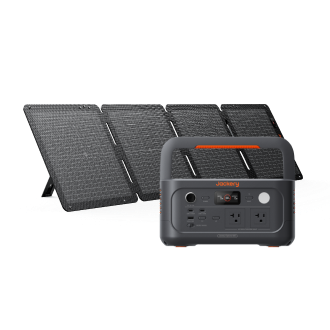
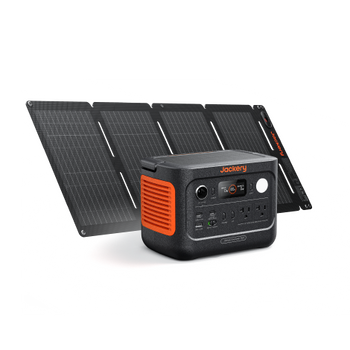












![[Add-on] Jackery SolarSaga 500 X - Jackery](http://www.jackery.com/cdn/shop/files/add-on-jackery-solarsaga-500-x-1493607.webp?v=1786503068&width=324)
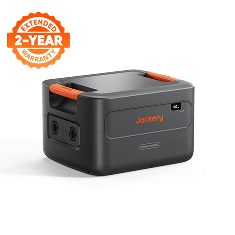
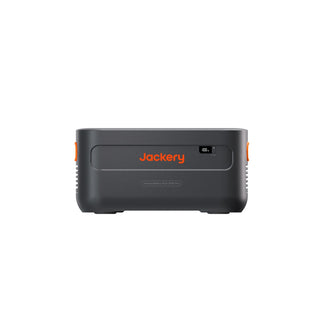
![[Add-on] Jackery Battery Pack 5000 Plus - Jackery](http://www.jackery.com/cdn/shop/files/add-on-jackery-battery-pack-5000-plus-6713401.webp?v=1786503068&width=324)











![[Add - on] SolarSaga 200W - Jackery](http://www.jackery.com/cdn/shop/files/add-on-solarsaga-200w-4834329.png?v=1754016915&width=324)



A dishwasher draws between 5.8 and 20 amps on a standard 120V circuit. Compact and countertop models sit at the low end, around 5.8-7.5 amps. Standard built-in dishwashers, the most common residential size, draw 10-12.5 amps during a normal cycle. Larger dishwashers or those running a high-heat sanitizing or drying cycle can reach 15-20 amps at their peak.
Understanding how many amps a dishwasher uses is not complicated once you separate two things: what the dishwasher draws while its heating element is active, and what it draws the rest of the time. That gap is bigger than people expect, and it is the key to sizing a backup power source correctly.
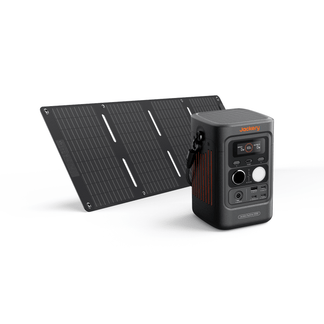
Jackery Solar Generators are a genuinely practical way to keep a dishwasher running during an outage, since its draw is steady and predictable for most of a cycle. The sections below break down exactly what that draw looks like, size by size, so matching a generator to your specific dishwasher takes minutes.
Key Takeaways
- A dishwasher draws 5.8 to 20 amps on a 120V circuit, with compact models at the low end and high-heat sanitizing cycles at the high end.
- The heating element accounts for most of a dishwasher's power draw. It is responsible for both washing water and the drying cycle.
- Most electrical codes require dishwashers to sit on their own dedicated 15- or 20-amp circuit, separate from a garbage disposal or other kitchen outlets.
- Dishwashers have only a mild startup bump, since their pump motor is small relative to the dominant heating element load.
How Many Amps Does a Compact vs. Standard vs. High-Heat Dishwasher Use?
A compact or countertop dishwasher draws the least amperage of any dishwasher type, typically 5.8-7.5A, since it heats and cycles a much smaller volume of water than a full-size unit. Standard Energy Star-rated dishwashers pull noticeably more at 10-12.5A, and older or non-rated standard models draw even higher at 12.5-15A due to less efficient heating elements. Dishwashers running a high-heat sanitize or dry cycle draw the most of any category, reaching 15-20A, which is close to the maximum a standard 20A kitchen circuit can safely handle.
The table below breaks down wattage and amp draw across all four categories.
|
Dishwasher Type |
Wattage |
Amp Draw |
|
Compact/Countertop |
700-900W |
5.8-7.5A |
|
Standard (Energy Star) |
1,200-1,500W |
10-12.5A |
|
Standard (Older/Non-Rated) |
1,500-1,800W |
12.5-15A |
|
High-Heat Sanitize/Dry Cycle |
1,800-2,400W |
15-20A |
How Many Amps Does a Dishwasher’s Heating Element Draw?
A standard dishwasher heating element draws between 8 and 10 amps at 120 volts when it is actively heating water or running the heated dry cycle.
The heating element accounts for the majority of a dishwasher's total power draw because it does two separate jobs: heating the wash water to an effective cleaning temperature, and, on cycles that include heat-drying, evaporating water off the dishes afterward.
The pump and spray arm motor that actually moves water around the tub is a comparatively small load, often under 200 watts on its own. This is why the "dry" setting matters so much for total energy use.
Switching from heated dry to an air-dry or no-heat setting removes one of the two heating phases entirely, which is often the single biggest way to cut a dishwasher's electricity use without changing the wash itself.
How Many Amps Does a Dishwasher Draw on Startup?
Dishwashers do not draw startup amps as the compressor-driven appliance does. A dishwasher's pump and drain motor are small relative to its dominant heating element load, so the brief extra current they draw on startup is modest and is nowhere near the 2-3x spike associated with a refrigerator or air conditioner's compressor.
In practice, a dishwasher's startup draw and running draw are close enough to treat as the same number when sizing a backup power source, unlike appliances built around a larger motor.
How Many Amps Does a Dishwasher Draw During the Wash Cycle or Dry Cycle?
A dishwasher draws about 10 to 12 amps during the wash cycle. The motor uses very little power, but the built-in water heater turns on to heat the water, raising the amp draw. On the other hand, the amps drawn during the dry cycle are about 12 to 15 amps if you use a heated-dry setting, because the heavy-duty heating element stays active.
The wash cycle typically draws fewer amps than the heated-dry phase, even though it runs the pump continuously, because the heating element only needs to bring water up to and maintain washing temperature rather than fully evaporate moisture off dishes.
The heated-dry phase asks the same element to do more sustained work, which is why it is often the highest single-draw segment of an entire cycle. This is also why cutting the dry phase saves more than people expect. It not only shortens the cycle but also removes the segment where the heating element works hardest.
How Many Amps Do Built-In and Portable Dishwashers Draw?
Standard built-in dishwashers pull 10 to 12 amps during regular washing, but high-end or large-capacity units can spike up to 15 amps when activating internal water heating elements or heated drying cycles. In comparison, portable dishwashers use 9 to 12 amps, dropping as low as 6 to 10 amps for smaller, highly energy-efficient models.
A portable or countertop dishwasher typically draws less than a comparable built-in model, since it is designed around a smaller water and dish capacity. A built-in dishwasher's larger tub and higher-capacity heating element are sized for a full household's dish load, which is reflected directly in its higher wattage rating.
How Many Amps Does an Energy Star Dishwasher Draw?
An Energy Star dishwasher typically draws between 9 and 10 amps during regular operation. According to the US Department of Energy, Energy Star-certified dishwashers are roughly 20% more energy efficient and 30% more water efficient than a standard non-certified model, which translates directly into lower amp draw for a comparable cleaning cycle.
How to Calculate the Amp Draw of a Dishwasher?
Look at the manufacturer's specification label, located on the outer edge or frame of the dishwasher door, to find the amps. It usually lists voltage and either amps or wattage directly from the manufacturer.
If you can't find the amp value, consider converting wattage to amps using Ohm's law. For example, a dishwasher rated at 1,300W on a 120V circuit draws:
Watts ÷ Volts = Amps
1,300W ÷ 120V = 10.8 amps
You can also check out the detailed guide, How Many Watts Does a Dishwasher Use, to learn about the power consumption of the appliance.
The third method to calculate the amp value of a dishwasher is using a clamp meter for a live reading. This is the only way to see the real difference between the wash phase and the heated-dry phase, since draw shifts noticeably between the two. All you need to do is clamp a digital multimeter or amp probe around a single live hot wire while the dishwasher runs to measure real-time electrical current.
Can a Solar Generator Run a Dishwasher?
Yes, a solar generator can run a dishwasher. Even a high-heat sanitizing cycle rarely exceeds 2,400 watts. Dishwashers have no dramatic startup surge to plan around, so matching the generator's continuous output to the dishwasher's running wattage is enough.
The main variable is runtime. A full cycle typically runs 1-2 hours, so the real question is how many cycles you want from a single charge, which comes down to total battery capacity.
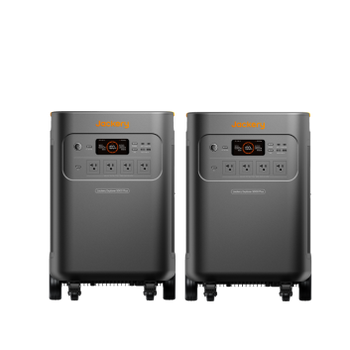
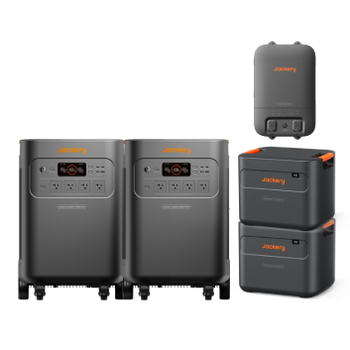
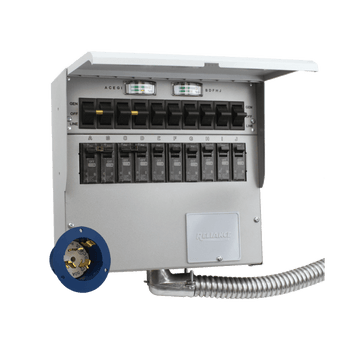
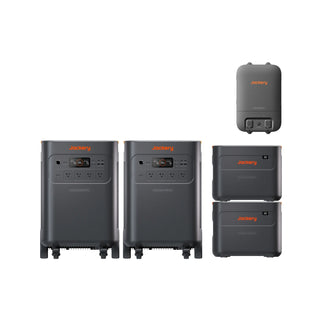
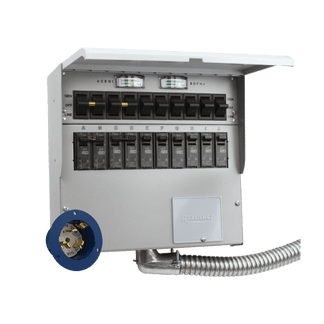
Former IT and nuclear fusion technologist Chris Mellas traded lab work in Washington State for a new life in rural Panama, where he is building a restaurant and butcher shop despite power outages that hit two to four times a week. His solution: two Jackery Explorer 5000 Plus systems with expansion batteries feeding an automatic transfer switch, keeping freezers, refrigerators, and lights running the instant the grid drops. For more Jackery Stories of people building self-sufficient lives with Jackery, there's a growing collection to explore.
Recommended Jackery Solar Generator to Power Dishwashers
Dishwashers are not the first appliance people think of for off-grid or backup power. However, for off-grid tiny homes, van conversions with a built-in dishwasher, cabins without reliable utility service, or households riding out a multi-day outage, skipping dishes for days isn't realistic. Dishwashers run through several distinct cycles, such as wash, rinse, and heated dry, each with different power demands, and the heating element in particular can pull a meaningful surge.
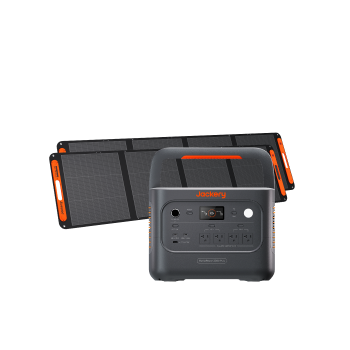
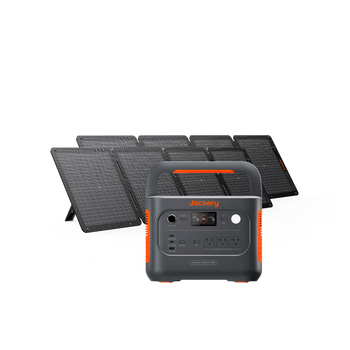
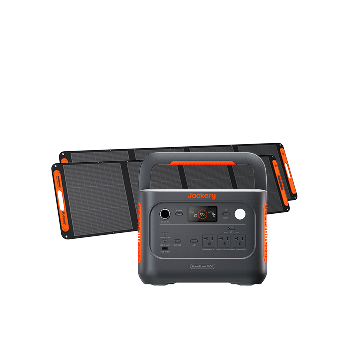
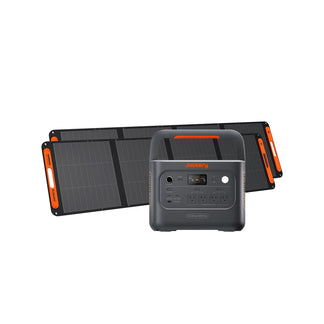
Jackery Solar Generator can run a dishwasher through a complete cycle along with other kitchen or household appliances. With the solar panels, you can replenish the battery capacity of the power station for repeated daily use even when disconnected from the grid.
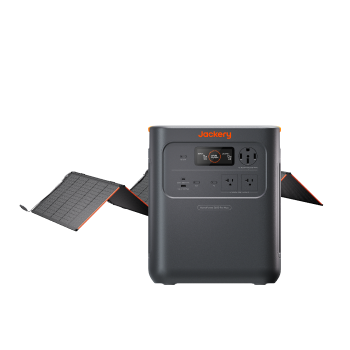
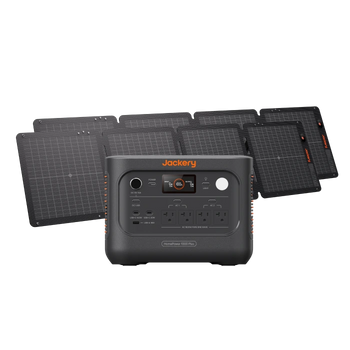
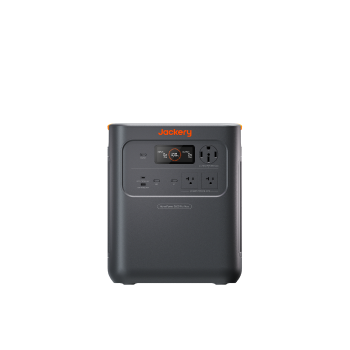
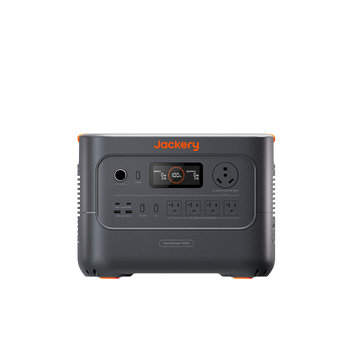
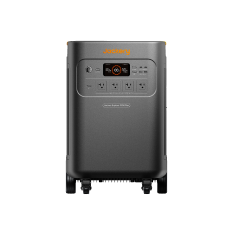
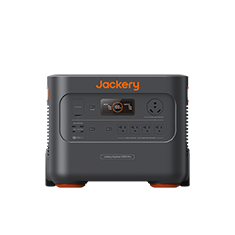
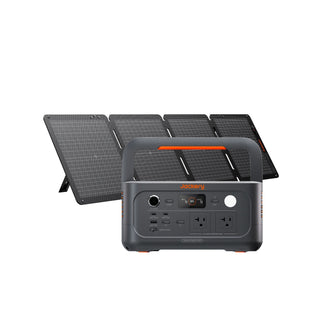
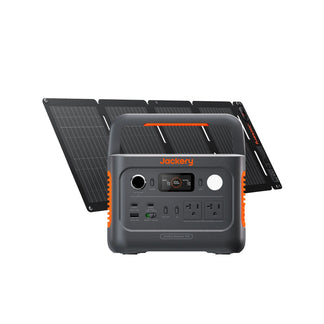
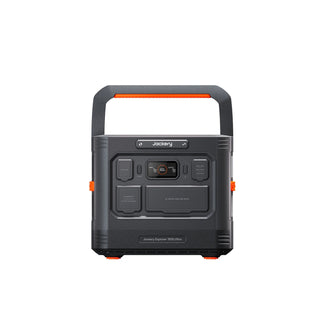
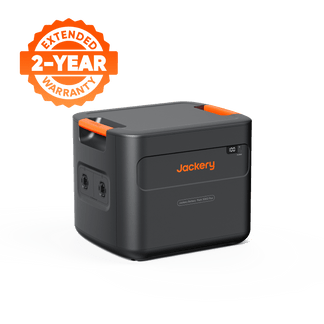
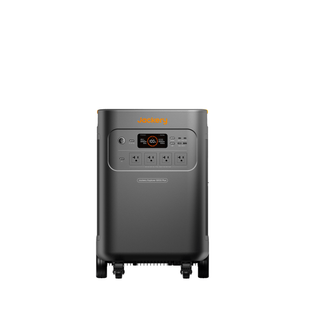
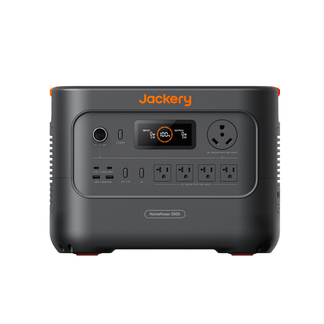
Jackery Solar Generator HomePower 3000
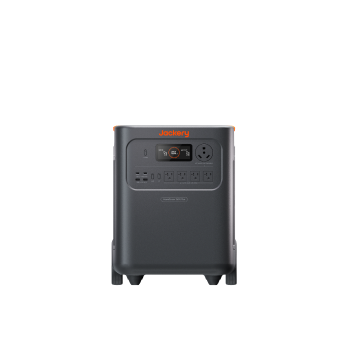
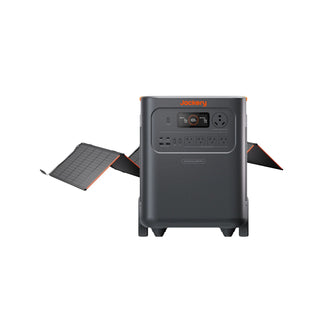
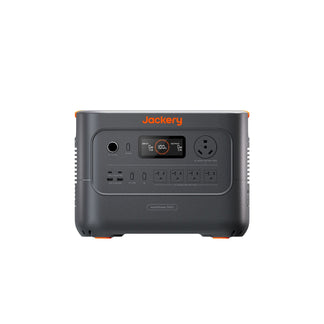
If you want to run a single standard dishwasher through its normal cycle, the Jackery Solar Generator HomePower 3000 delivers 3,600W of continuous output and offers enough headroom that even a high-heat sanitize cycle runs without the generator coming close to strain. This home battery backup solution is the ideal setup for a household that just wants dishes done during an outage or keeps their refrigerator powered.
Appliances Running Time
- Compact/Countertop Dishwasher (700W) = 3.6H
- Standard (Energy Star) Dishwasher (1,200W) = 2.1H
- Standard (Older/Non-Rated) Dishwasher (1,500W) = 1.7H
- High-Heat Sanitize/Dry Cycle Dishwasher (1,800W) = 1.4H
Who Should Buy This
The Jackery Solar Generator HomePower 3000 is ideal for households running one dishwasher who want straightforward backup power without needing to run much else at the same time.

Customer Review
I added this to my stable of Jackery Power Products! Small enough to be portable and packed with power! I am pleased with the consistency of Jackery Products as they are similar in operation and appearance.
— Actual P.a.U.
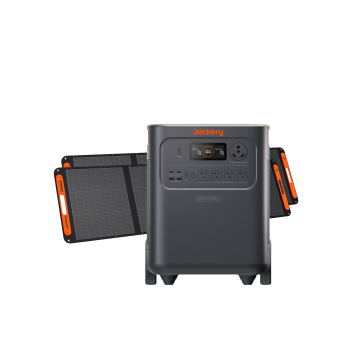
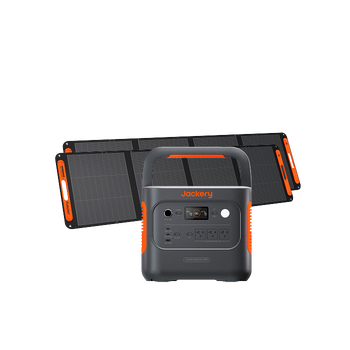
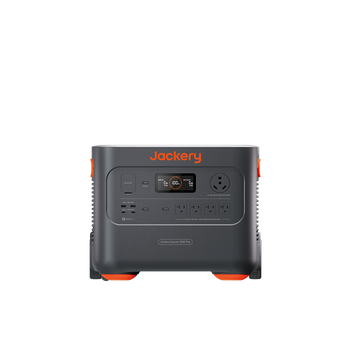
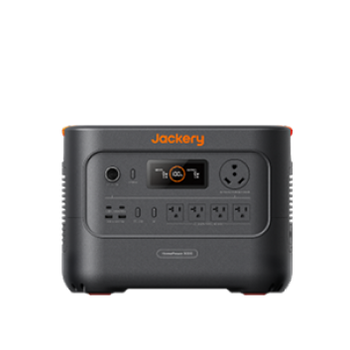
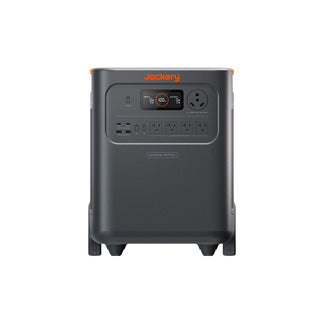
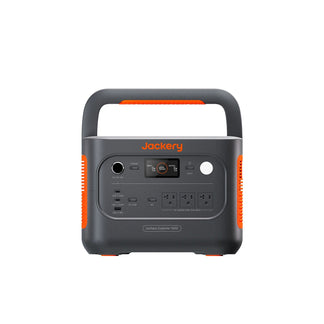
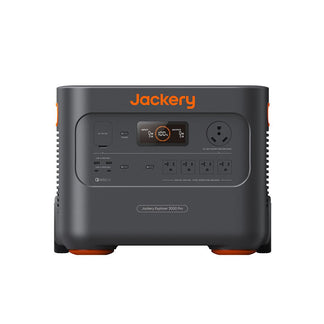
Jackery Solar Generator HomePower 3600 Pro Max
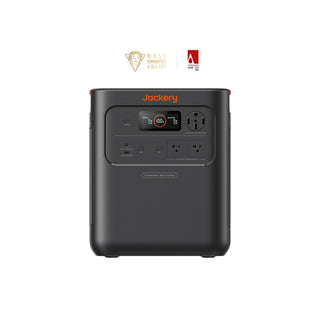
The Jackery Solar Generator HomePower 3600 Pro Max is an essential home backup that can power most appliances, including dishwashers, and supports dual voltage (120V and 240V). For a dishwasher mid-cycle when the grid drops, its sub-10-millisecond automatic transfer switch keeps the cycle running through the interruption rather than restarting it entirely. It is a genuine advantage for an appliance that often runs unattended. If you want to power multiple appliances at the same time, you can expand the battery capacity up to 43kWh with add-on battery packs and another unit in parallel.
Appliances Running Time
- Compact/Countertop Dishwasher (700W) = 4.2H
- Standard (Energy Star) Dishwasher (1,200W) = 2.5H
- Standard (Older/Non-Rated) Dishwasher (1,500W) = 2.0H
- High-Heat Sanitize/Dry Cycle Dishwasher (1,800W) = 1.7H
Who Should Buy This
The Jackery Solar Generator HomePower 3600 Pro Max is ideal for anyone who wants a dishwasher cycle protected from restarting due to brief grid interruptions, or who is running the dishwasher alongside one or two other kitchen appliances.

Customer Review
This is much better than my delta 2. The software is much better, the 10ms transfer is quick enough to not trip my connected sources, and the app actually works.
— Anonymous.
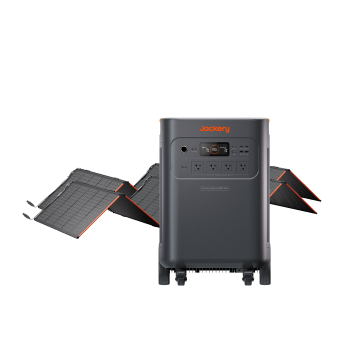
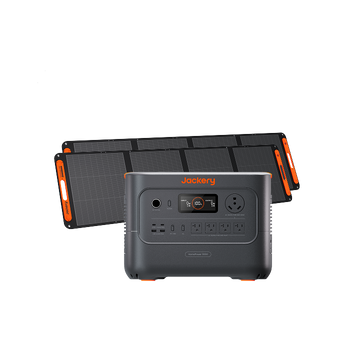
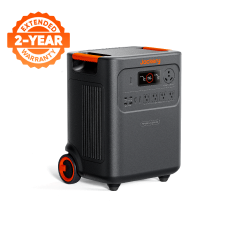
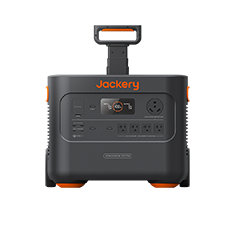
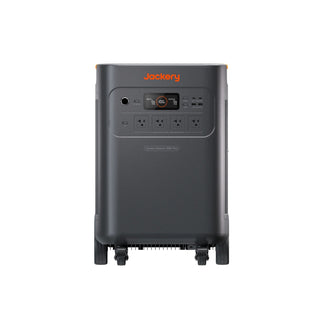
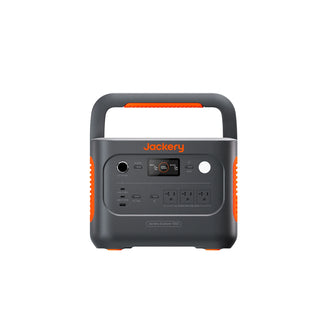
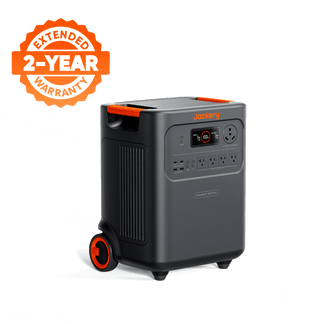
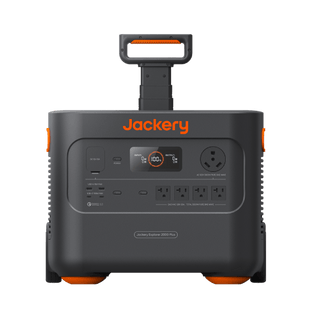
Jackery Solar Generator 5000 Plus
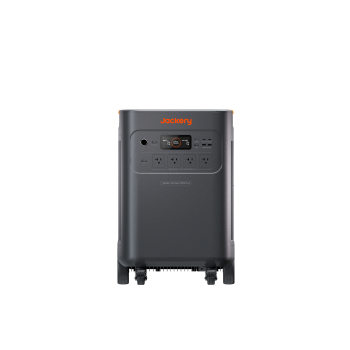
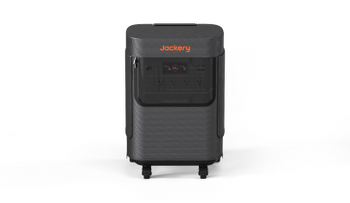
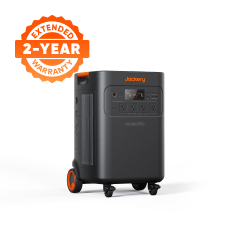
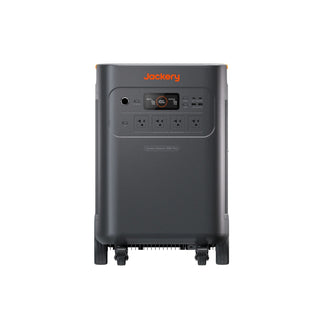
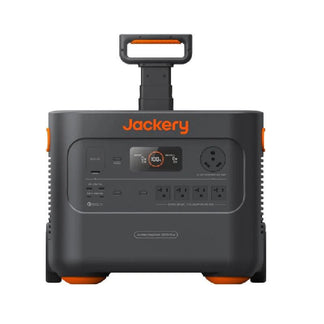
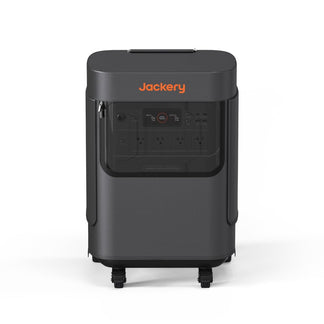
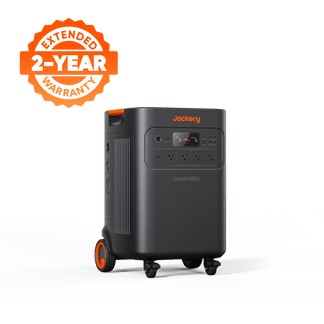
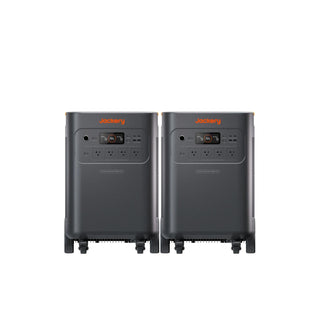
For a big cleanup day where the dishwasher, garbage disposal, and other kitchen appliances all work through the aftermath of hosting, the Jackery Solar Generator 5000 Plus delivers 7,200W of continuous output, with enough headroom to run multiple appliances simultaneously. It features a pull rod and double wheels, so you can drag the power station anywhere and keep appliances powered. It can also be expanded up to 60kWh with add-on battery packs and another unit in parallel for a longer runtime of connected appliances.
Appliances Running Time
- Compact/Countertop Dishwasher (700W) = 5.7H
- Standard (Energy Star) Dishwasher (1,200W) = 3.4H
- Standard (Older/Non-Rated) Dishwasher (1,500W) = 2.8H
- High-Heat Sanitize/Dry Cycle Dishwasher (1,800W) = 2.3H
Who Should Buy This
The Jackery Solar Generator 5000 Plus is ideal for larger households or anyone running a dishwasher alongside a garbage disposal and other major kitchen appliances during an outage.

Customer Review
The best part is that I can hook it up to my solar panels and I can run it with the STS and it’ll run most of my house. I really like the fact that it has wheels and can be moved when going on camping trips so I can use it as a dry camp location without having to hook up to electricity from outside sources.
— Jeffrey H.
How Much Does a Full Cycle in a Dishwasher Actually Cost?
A standard 1,300-watt dishwasher running a 90-minute cycle uses about 1.95 kWh. At a typical US rate of $0.18 per kWh, that's roughly 35 cents per load.
Switching from heated dry to air-dry on the same cycle can cut that cost by close to a third, since removing the drying phase eliminates a meaningful chunk of the heating element's total runtime.
For a complete breakdown of cost, you can check out this guide: How Much Does It Cost to Run a Dishwasher.
How to Reduce Your Dishwasher's Electricity Use
If you want to reduce your dishwasher's electricity use, use the air-dry setting, run only full loads, and skip pre-rinsing your dishes. Here are some easy ways to reduce the electricity consumption of a dishwasher:e
Switch Off Heated Dry and Use Air-Dry Instead: Air drying removes one of the two heating phases entirely, often the single biggest lever available.
Only Run Full Loads: A dishwasher uses close to the same energy for a half-full load as a completely full one, so consolidating dishes into fewer, fuller cycles cuts total electricity use.
Skip the Pre-Rinse When Dishes Aren't Heavily Soiled: Modern dishwashers are built to handle food residue directly, and pre-rinsing under the tap adds water heating cost elsewhere in the house without meaningfully improving results.
Use the Eco or Normal Cycle Instead of Heavy-Duty When Possible: Heavy-duty and sanitize cycles run the heating element longer and hotter, which is only necessary for genuinely soiled loads.
Choose an Energy Star-Certified Model When Replacing an Old Dishwasher: The 12% electricity savings for Energy Star-certified models compared to standard dishwashers compound meaningfully over years of regular use.
Run the Dishwasher During Off-Peak Utility Hours if Your Rate Plan has Them: Many utilities charge less late at night or early morning, and a dishwasher's delay-start feature makes this an easy habit to build.
FAQs
Is a 15-amp or 20-amp breaker right for a dishwasher?
A 15-amp dedicated circuit covers most standard dishwashers, which typically draw 10-12.5 amps. A 20-amp circuit is the safer choice for larger units or those regularly running high-heat sanitize cycles closer to 20 amps.
Does a dishwasher need a dedicated circuit?
Yes, most electrical codes require households to have a dedicated circuit for a dishwasher. A dishwasher is generally required to run on its own dedicated 15- or 20-amp circuit, separate from other kitchen outlets, specifically because it runs unattended for a full cycle and shouldn't compete for capacity with whatever else happens to be plugged in nearby.
How many amps does a full-load dishwasher use?
Load size doesn't significantly change amp draw. A dishwasher uses roughly the same wattage whether it is half full or completely full, since the heating element does the same work regardless of dish count.
What size breaker does a dishwasher need?
Most standard dishwashers are wired to a 15-amp dedicated circuit, which comfortably covers their 10-12.5 amp typical draw with reasonable headroom. Larger dishwashers, or units regularly running a high-heat sanitize cycle that pushes toward 20 amps, are better matched to a dedicated 20-amp circuit instead. Check the nameplate before assuming either size is correct. The manufacturer's rated amperage, printed on the unit itself, is the number an electrician sizes the actual breaker against.
Does the dry cycle use more electricity than the wash cycle?
Yes, typically the dry cycle uses more electricity than the wash cycle. The heated-dry phase asks the heating element to fully evaporate remaining moisture, which is often more sustained work than simply maintaining wash temperature.
Conclusion
Once you know how many amps your dishwasher actually pulls, you will know right away whether it can share a circuit with your fridge and microwave, or whether it needs a dedicated line to avoid tripping a breaker mid-cycle. That number matters even more if you are planning to run it using a solar battery backup, such as a Jackery Solar Generator, during an outage, on a job site, or in an off-grid setup. This is because the wash, rinse, and heated dry stages don't all draw the same load. Undersizing your power source means you are stuck with a dishwasher that shuts off halfway through. Size the power source correctly for the dishwasher, and it's just another appliance running quietly in the background with or without grid power.


