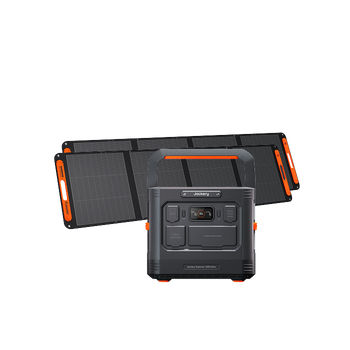
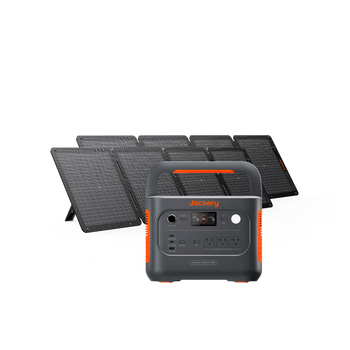
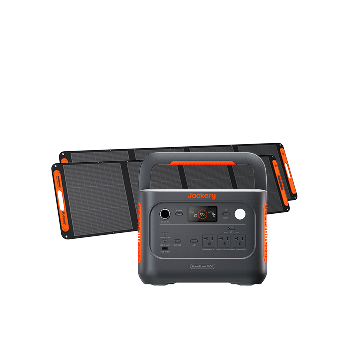
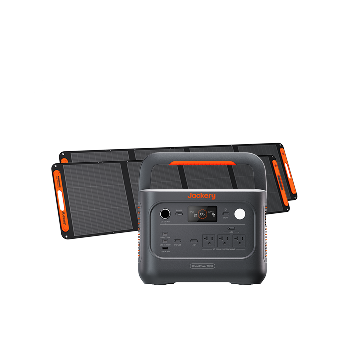

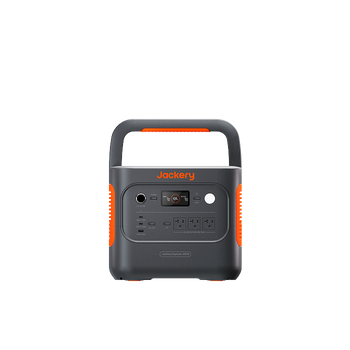
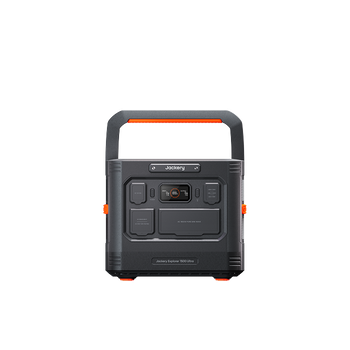
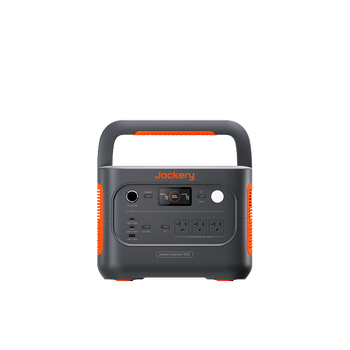
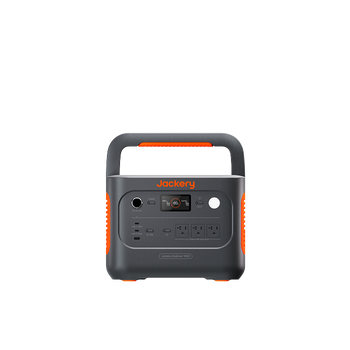








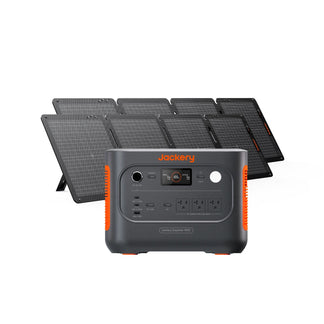
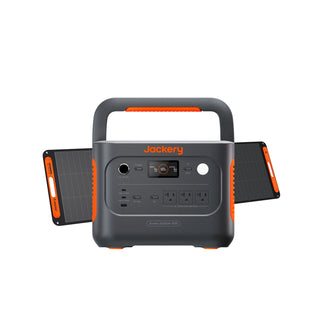
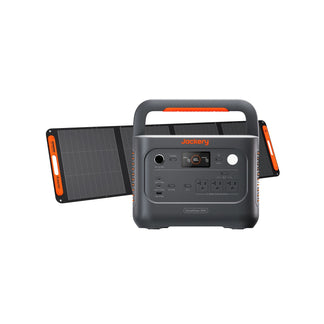
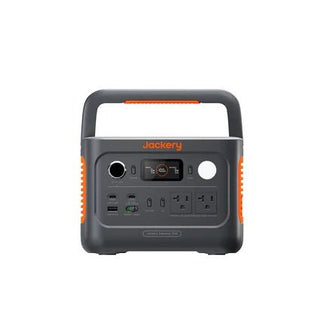

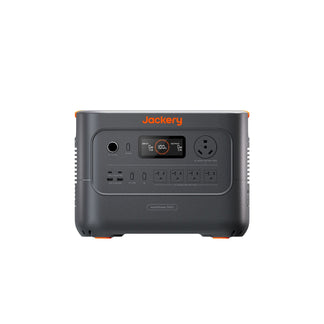
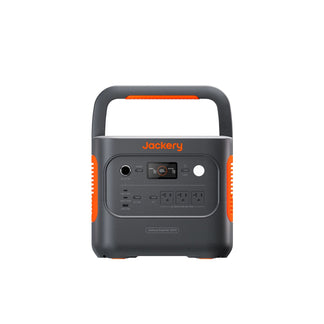
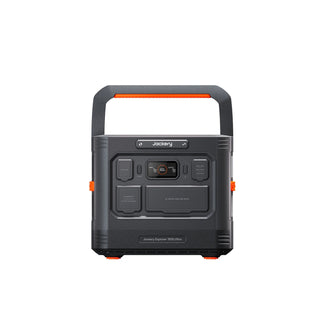
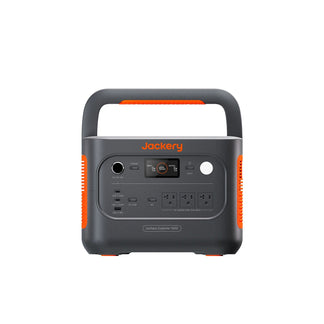













A standard electric dryer draws between 7.5 and 20.8 amps on a 240V circuit, with most everyday cycles using in the 12-15 amp range. Larger, high-capacity, or steam-equipped dryers can push toward 20+ amps at peak heat. A gas dryer draws far less, typically 2.5 to 4.2 amps on a standard 120V outlet, since gas fuels the heat and electricity only runs the drum motor, igniter, and control panel.
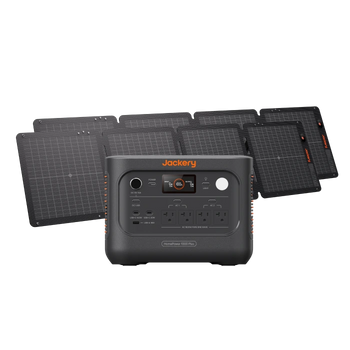
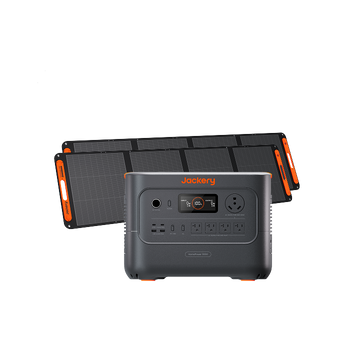
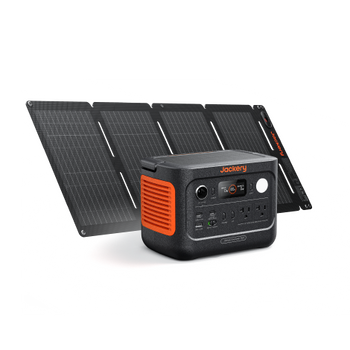
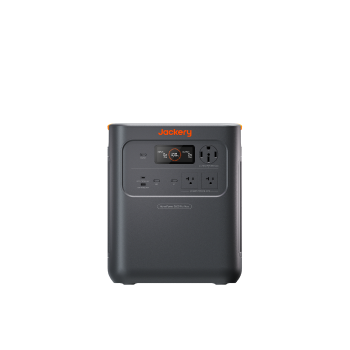
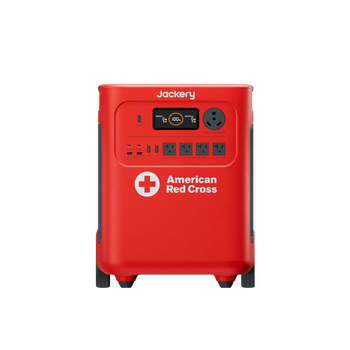
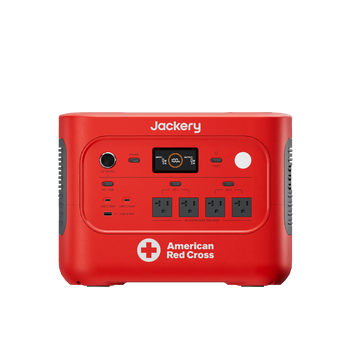
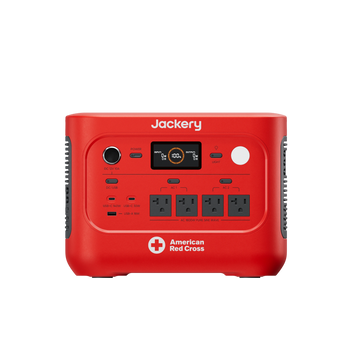
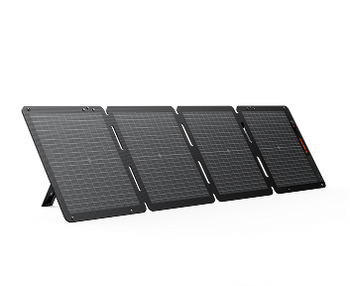
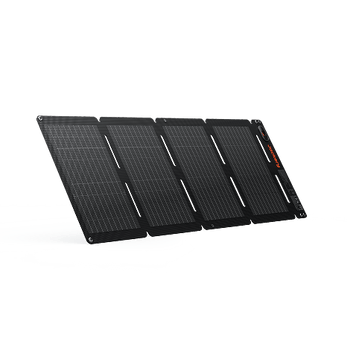
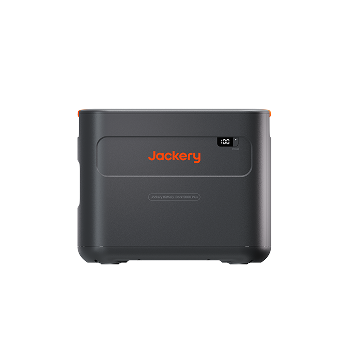
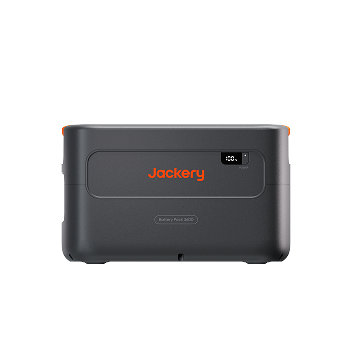
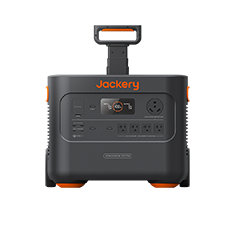
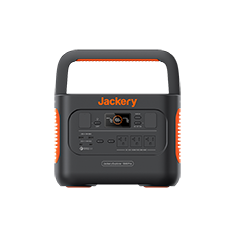
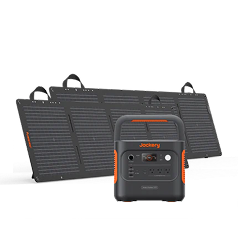
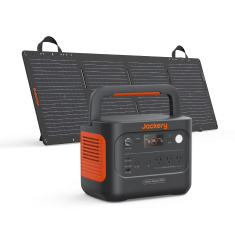
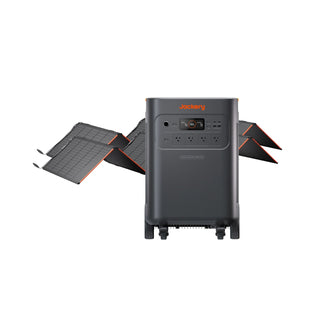
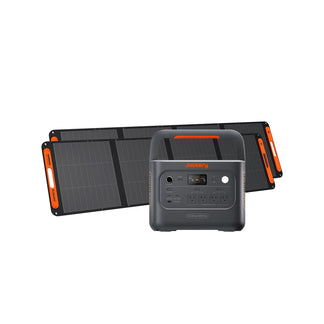
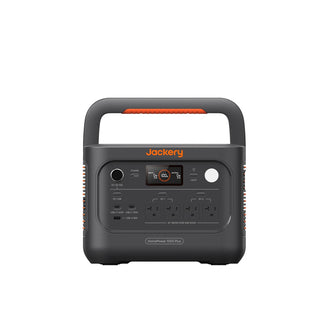
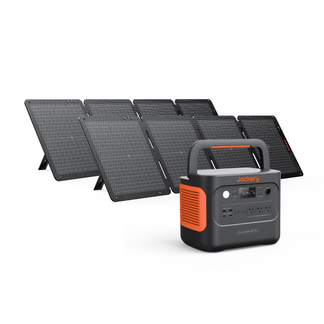
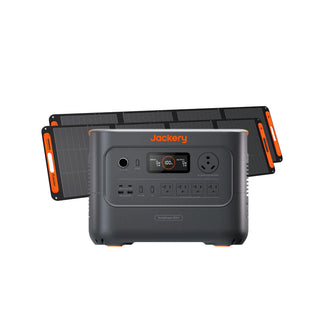
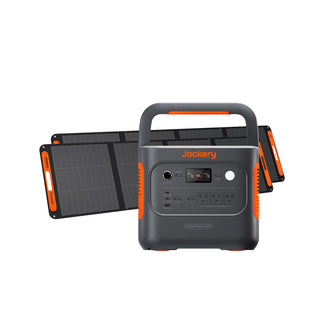
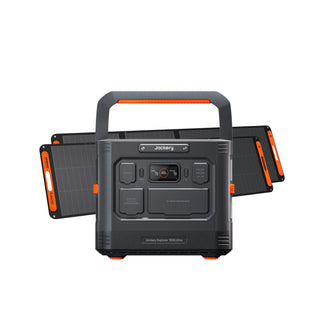
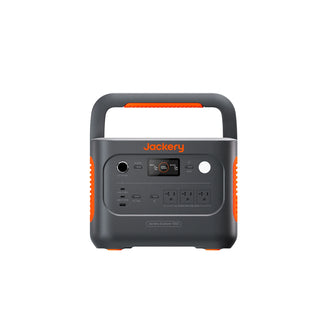
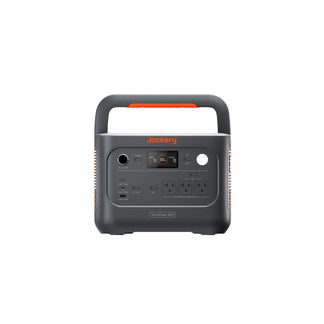
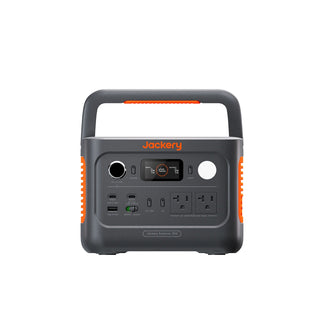
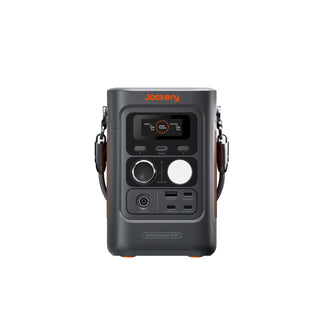
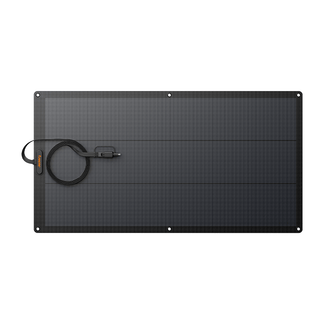
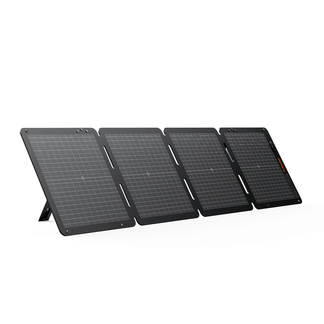
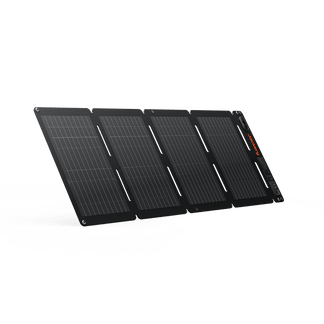
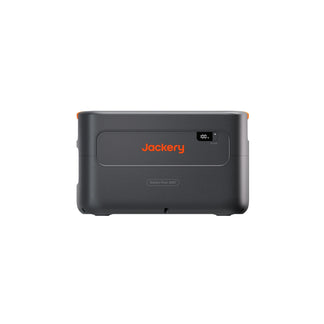
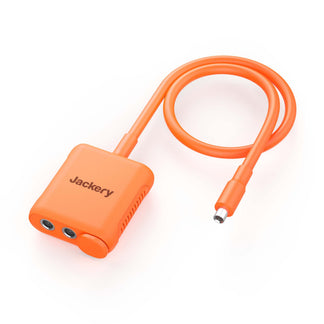
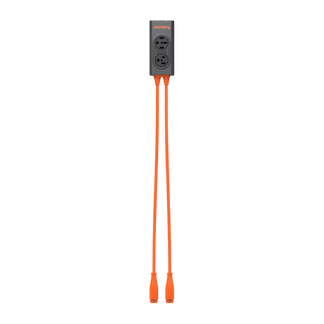
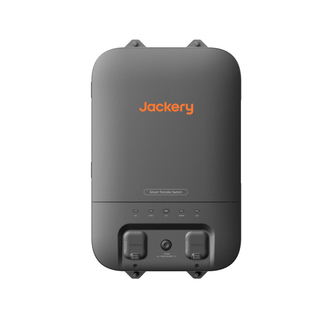
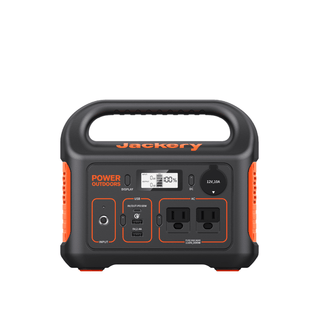
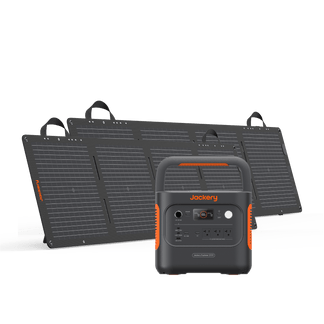
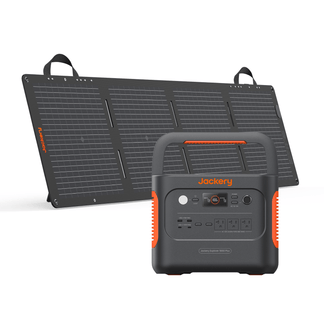
Electric clothes dryers in the US run on 240V instead of the standard 120V that powers most of the house appliances. Some Jackery Solar Generators are built with dual voltage support, so you can not only run 120V appliances but can also run 240V dryers. These large solar battery backup solutions can keep dryers running through an unexpected power outage, when you are living off -grid, or to reduce the high cost to run the appliance.
Key Takeaways
- Standard electric dryers run on 240V and draw 7.5 to 20.8 amps, while gas dryers use only 2.5 to 4.2 amps of 120V power for their motor, igniter, and controls.
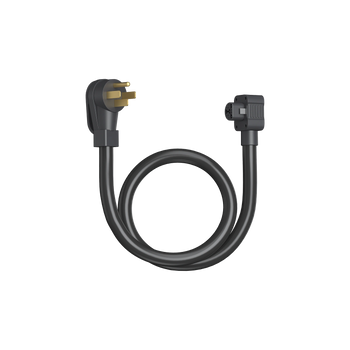
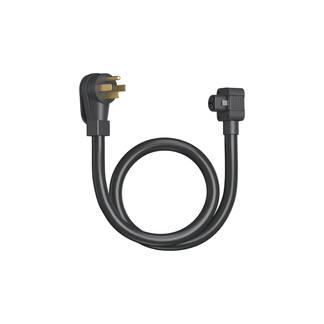
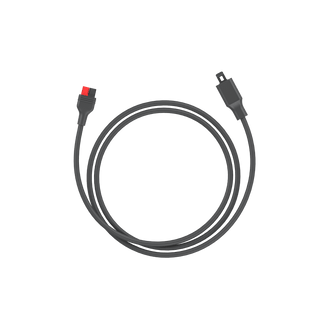
- Dryer circuits use one of two plug types: NEMA 10-30 (three-prong, older) or NEMA 14-30 (four-prong, current code), and the two aren't interchangeable without an adapter or rewiring.
- Most of a dryer's startup bump comes from the drum motor and not the heating element, so the total spike is smaller than older amp charts often suggest.
- A dryer's peak wattage determines whether a given solar generator can handle it through an extended outage.
How Many Amps Does an Electric and Gas Dryer Draw?
An electric clothes dryer typically draws 21 to 30 amps on a 240-volt circuit, while a gas dryer draws only 3 to 6 amps on a standard 120-volt outlet. Electric dryers generate heat with a resistive element that consumes real and substantial power, which is why they draw more amps. Gas dryers generate heat by burning gas instead, so their electrical system only has to run a motor, an igniter, and a small control board, which adds up to a fraction of an electric dryer's draw.
|
Dryer Type |
Wattage |
Voltage |
Amp Draw |
|
Ventless/Heat Pump Dryer |
800-1,500W |
240V |
3.3-6.25A |
|
Standard Electric Dryer |
1,800-5,000W |
240V |
7.5-20.8A |
|
Large-Capacity/Steam Dryer |
3,500-5,500W |
240V |
14.5-22.9A |
|
Gas Dryer (Electrical Components Only) |
300-500W |
120V |
2.5-4.2A |
|
Washer-Dryer Combo (Dry Cycle) |
1,500-2,500W |
240V |
6.25-10.4A |
Some appliance wattage charts list gas dryers at 1,800W or higher, describing the heat output equivalent of an electric dryer doing the same job and not what a gas dryer's own electrical system actually draws from the wall.
How Many Amps Does a Dryer Draw on Startup?
A standard full-size electric clothes dryer draws about 21 to 26 amps on startup and during normal operation.
Here is a breakdown of how many amps does a dryer draw on startup by type:
Standard Electric Dryer (240V): Draws 21–26 amps when running and heating, and requires a dedicated 30-amp circuit breaker to handle normal loads and startup stability.
Compact/Ventless Electric Dryer (120V or 240V): Draws 10–15 amps, often running on a standard 15-amp or 20-amp household circuit.
Gas Dryer (120V): Draws 3–6 amps, as electricity only powers the small drum motor and control panel while gas provides the heat.
Unlike some heavy inductive motors that experience a massive initial inrush current spike that temporarily doubles or triples normal draw, electric dryers rely heavily on resistive heating elements. For this reason, the dryer's startup draw is very close to its running operating current.
For a standard dryer running at 15 amps, that means a brief startup draw somewhere in the range of 17-19 amps rather than the dramatic doubling associated with compressor-driven appliances.
How to Calculate Your Dryer’s Amps?
Checking the dryer’s nameplate, usually located on the back panel or the inside of the door frame, is the fastest route to an exact amp number. The nameplate often has voltage and either amps or wattage printed directly by the manufacturer.
Once you know how many watts does a dryer use, you can use Ohm’s law to convert amps to watts:
Amps = Watts ÷ Volts
A 4,000W electric dryer on a 240V circuit, for example, draws:
4,000W ÷ 240V = 16.7 amps
A plug-in power meter offers the most accurate real-world reading, since it captures the difference between a low-heat cycle and a full high-heat load rather than relying on a single nameplate figure.
Can a Solar Generator Run a Dryer?
Whether a solar generator can run a dryer or not depends on the specific dryer's peak wattage relative to the generator's continuous output and surge rating. A solar generator with true 240V output and roughly 3,000-4,000W of continuous capacity comfortably runs most standard solar-powered dryers, but a large-capacity or steam model pushing past 3,500W needs proportionally more headroom. Gas dryers can easily be powered using a solar generator, since their 120V electrical load is a fraction of what an electric model needs.
If you need help with sizing a solar generator for your dryer, you can check out our guide: What Size Generator Needed to Run an Electric Dryer.
Which Jackery Solar Generator Should Power Your Dryer?
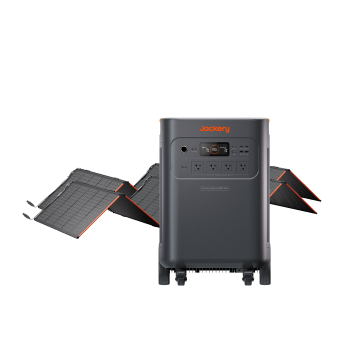
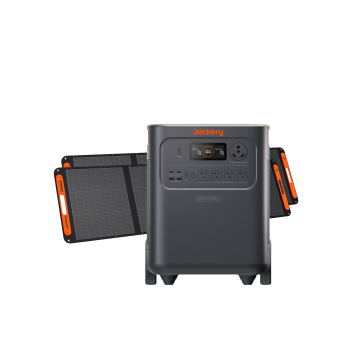
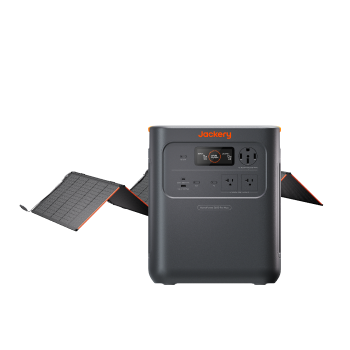
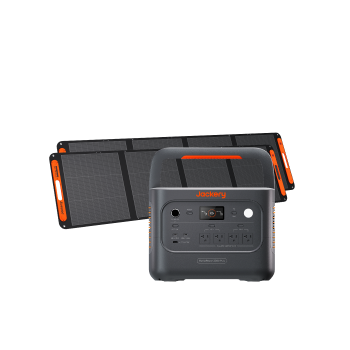
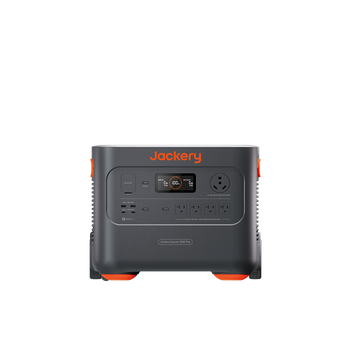
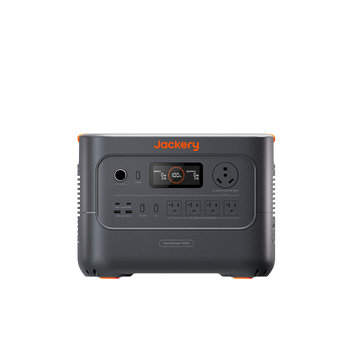
Electric dryers are one of the high power-demanding appliances in a home, which makes them one of the trickier appliances to plan for outside a standard 240V hookup. Gas dryers, with only an electric igniter and drum motor to power, draw a fraction of what an electric unit needs, making them realistic to run on a wider range of solar generators. Full electric dryers require Jackery Solar Generators with dual voltage support for reliable operation. Here are the essential home backup solutions from Jackery with dual voltage that can reliably run electric and gas dryers:
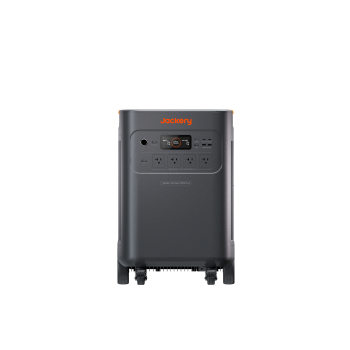
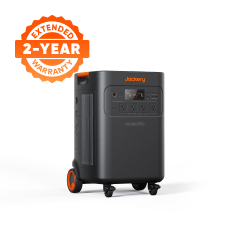
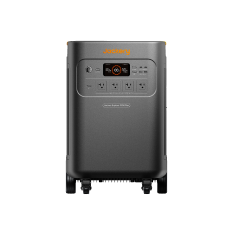
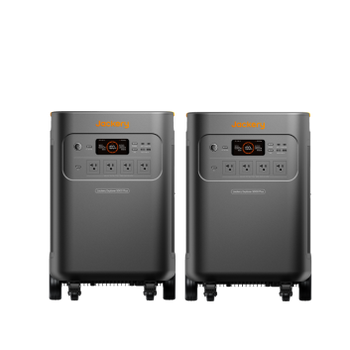
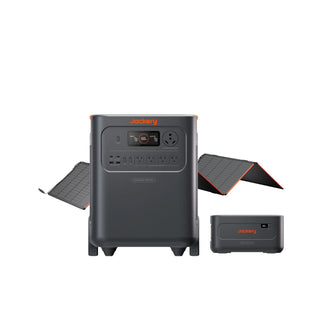
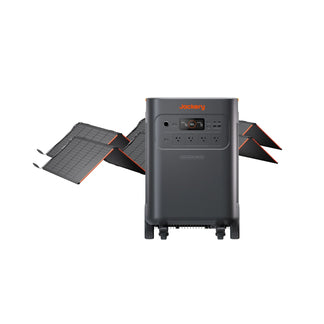
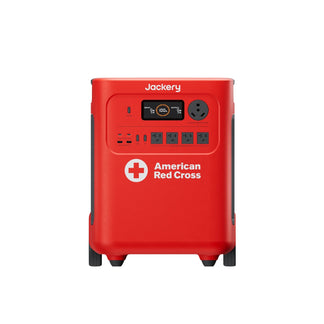
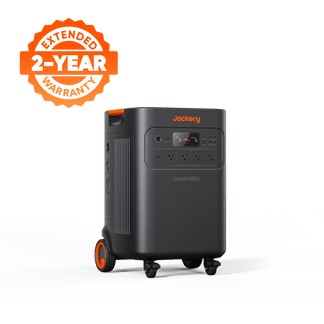
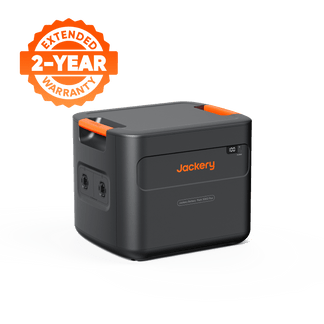
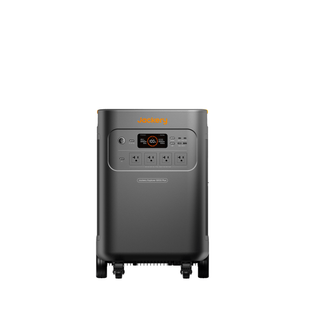
Jackery Solar Generator HomePower 3600 Pro Max
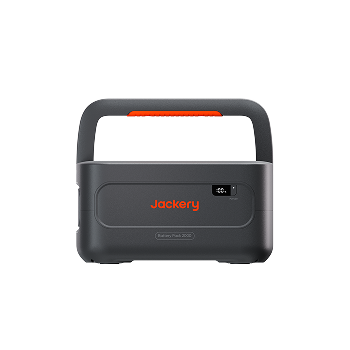
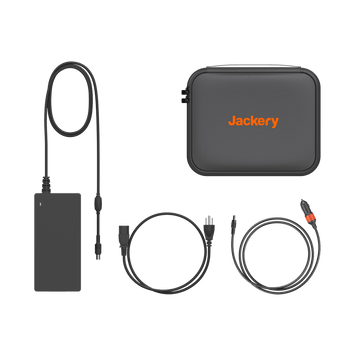
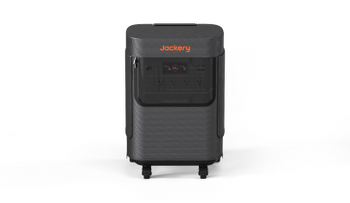
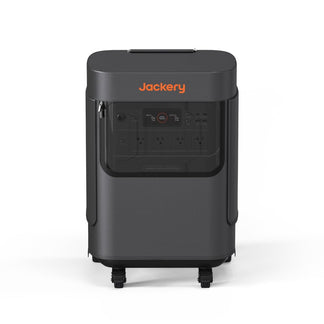
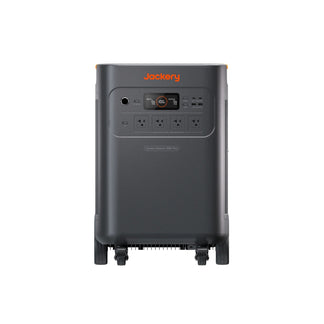
The Jackery Solar Generator HomePower 3600 Pro Max delivers true 240V output up to 4,000W continuous, with a sub-10-millisecond automatic transfer switch that keeps a running dryer from restarting entirely if the grid drops mid-cycle. That covers most ventless and standard electric dryers with room to spare. When you are not powering the dryer with the solar generator, it can act as a reliable home battery backup to run essential appliances, such as refrigerators, TVs, coffee machines, etc.
Appliances Running Time
- Ventless/Heat Pump Dryer (800W) = 3.7H
- Standard Electric Dryer (1800W) = 1.7H
- Large-Capacity/Steam Dryer (3500W) = 0.9H
- Gas Dryer (Electrical Components Only) (300W) = 9.5H
- Washer-Dryer Combo (Dry Cycle) (1500W) = 2.0H
Who Should Buy This
The Jackery Solar Generator HomePower 3600 Pro Max is ideal for households running a standard or ventless electric dryer who want automatic backup that rides through brief grid interruptions without losing an in-progress cycle.

Customer Review
So far I charged it up tested it for what my main concern was a sump pump and refrigerator it worked great didn't get to try out the solar panels yet but so far so good T Y.
— Anonymous.
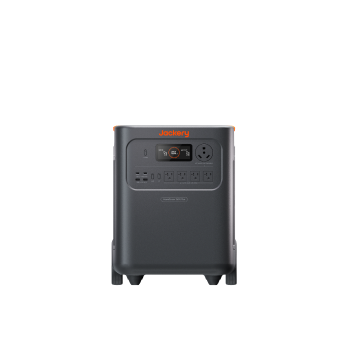
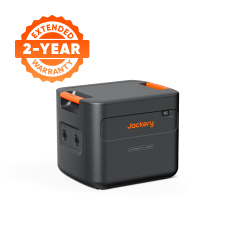
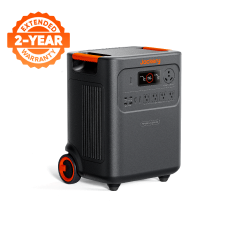
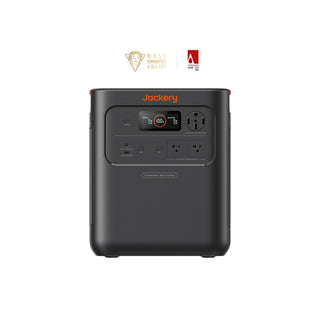
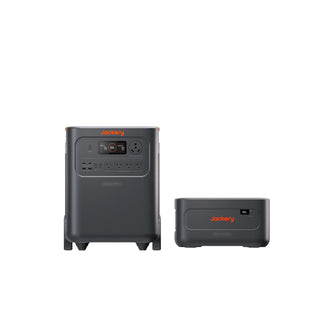
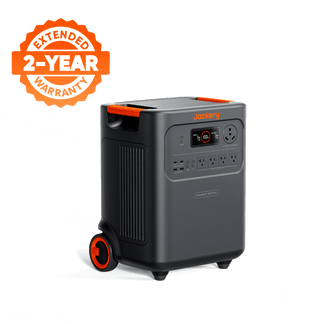
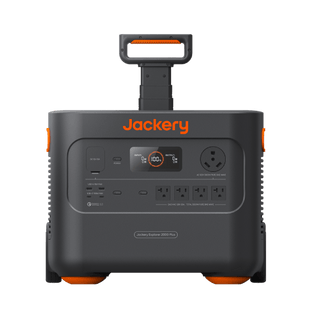
Jackery Solar Generator 5000 Plus
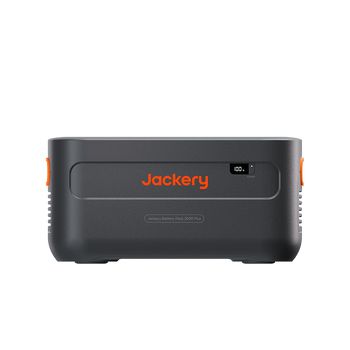
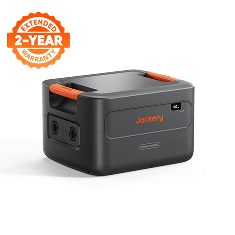
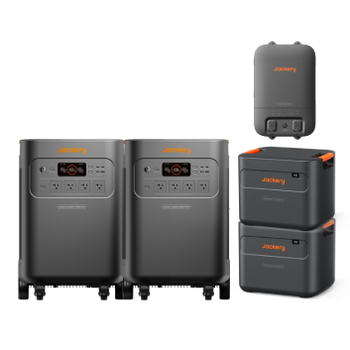
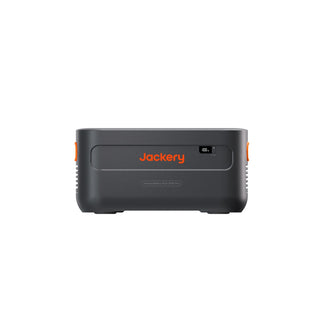
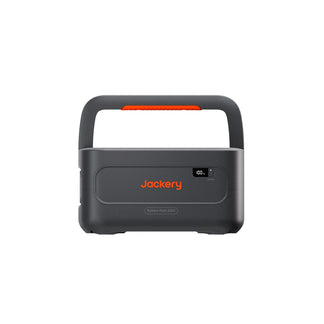
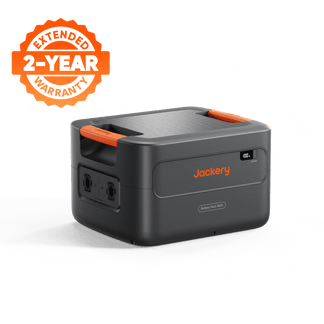
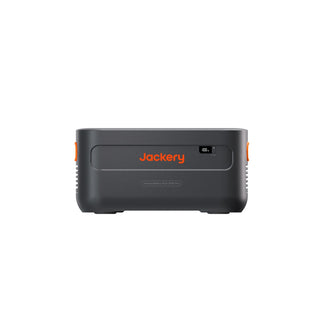
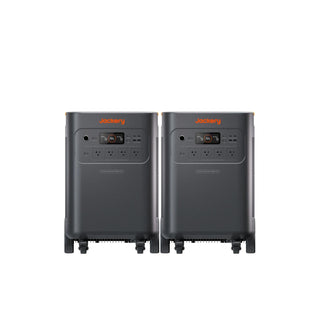
At 7,200W of continuous output with true 120V/240V support, the Jackery Solar Generator 5000 Plus has the headroom to run even large-capacity or steam dryers at their peak draw. When you pair two units in parallel with the battery packs, it offers enough power to run a dryer alongside a washer, a refrigerator, and other essentials at once. For anyone doing laundry as one part of a larger off-grid or outage routine, this is the home battery backup solution that removes the need to sequence appliances around available capacity.
Appliances Running Time
- Ventless/Heat Pump Dryer (800W) = 5.0H
- Standard Electric Dryer (1800W) = 2.3H
- Large-Capacity/Steam Dryer (3500W) = 1.2H
- Gas Dryer (Electrical Components Only) (300W) = 12.2H
- Washer-Dryer Combo (Dry Cycle) (1500W) = 2.8H
Who Should Buy This
The Jackery Solar Generator 5000 Plus is ideal for homeowners with large-capacity or steam dryers, or anyone who wants laundry covered as part of a broader home backup plan rather than a single appliance.

Customer Review
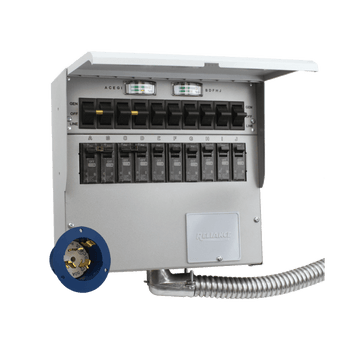
It does everything it’s advertised. The best part is that I can hook it up to my solar panels and I can run it with the STS and it’ll run most of my house. I purchased two of them so that way I can get the maximum output from the STS for the whole house.
— Jeffrey H.
Can You Run a Dryer and Washer at the Same Time on One Generator?
Combined, a washer and dryer running together can draw anywhere from 3,500 to over 8,000 watts, depending on dryer size and whether the washer has an internal heater. A standard 500W washer paired with a 3,000W dryer totals 3,500W, which is well within reach of a mid-size 240V generator.
However, pairing a large steam dryer with a washer running its own heated cycle can push combined draw closer to 8,000W, which only a generator in the 8,000W-plus continuous range comfortably supports. Running the washer first and then starting the dryer once the wash cycle finishes is the simpler fix for smaller generators, and it's how most households already do laundry anyway.
How Much Does It Cost to Run a Dryer?
On average, it costs between $0.35 and $0.55 per load to run a standard electric clothes dryer. For a typical household running four loads per week, that adds up to roughly $1.40 to $2.20 per week, or $70 to $115 per year. The exact cost depends on your dryer type, cycle length, and local electricity rates.
Different dryer technologies use significantly different amounts of energy. Here is a cost comparison based on a standard 45-minute cycle and the average US electricity rate of $0.18 per kWh:
|
Dryer Type |
Average Power Used |
Cost Per Load |
Annual Cost (200 loads) |
|
Standard Electric |
4,000W |
$0.54 |
$108 |
|
Gas Dryer |
1,500W |
$0.20 |
$40 |
If you want to find how much does it cost to run a dryer, use this formula:
- Find the wattage: Check the sticker inside the dryer door or the user manual (usually between 1,800W and 5,000W).
- Convert to kW: Divide the wattage by 1,000 (e.g., 4,000W ÷ 1,000 = 4 kW).
- Calculate kWh per load: Multiply the kW by the runtime in hours. A 45-minute cycle is 0.75 hours (4 kW × 0.75 = 3 kWh).
- Multiply by your utility rate: Check your latest electric bill for your cost per kWh, then multiply that rate by the kWh per load (3 kWh × $0.18 = $0.54).
How to Cut Your Dryer's Electricity Use
The most effective ways to lower your dryer's electricity use are cleaning the lint filter before every load, running full loads instead of small ones, drying loads back-to-back to reuse residual heat, using a lower heat setting or moisture-sensing auto-dry cycle, and switching to a heat pump dryer if you are due for a replacement.
Clean the Lint Filter: A clogged lint filter is one of the biggest hidden drains on dryer efficiency, since trapped lint restricts airflow and forces the machine to run longer and hotter to dry the same load. Cleaning the filter before every cycle and doing a deeper vent cleaning every few months keeps air moving freely and can cut drying time significantly.
Run Small Loads: Running small or half-empty loads wastes energy because the dryer uses close to the same amount of power regardless of load size, so the cost per garment goes up as the load shrinks. Waiting until you have a full load gives you the most value out of each cycle.
Drying Loads Consecutively: Drying loads back-to-back lets you take advantage of the heat already built up inside the dryer drum and vent from the previous cycle, meaning each subsequent load needs less energy to reach the same temperature. Spacing loads out over the day forces the dryer to heat up from cold every time, increasing total electricity use.
Using a Lower Heat Setting or Moisture-Sensing Auto-Dry Cycle: Lower heat settings and moisture-sensing auto-dry cycles reduce energy use by cutting the cycle short as soon as clothes are actually dry, instead of running a fixed high-heat timer that often overdries laundry. This is typically the single easiest setting change to make, since most modern dryers include a sensor-dry option that isn't always the default.
Switch to a Heat Pump Dryer: Upgrading to a heat pump dryer offers the largest long-term savings, since these models use roughly a third of the wattage of a standard electric dryer (about 1,500W vs. 4,000W) by recycling heat instead of venting it outside.
FAQs
Is a dryer on a 30-amp or 50-amp breaker?
Most electric dryers use a dedicated 30-amp, 240V breaker. A 50-amp breaker is oversized for a standard dryer and would allow unsafe current levels to flow before tripping.
Can a dryer run on a 120V outlet?
A standard electric dryer cannot run on a 120V outlet. It requires 240V to reach its rated heating capacity. Gas dryers are the exception, since their electrical components (motor, igniter, controls) run on a standard 120V circuit.
What's the difference between a 3-prong and 4-prong dryer outlet?
A 3-prong outlet (NEMA 10-30) is the older style that combines neutral and ground, whereas a 4-prong outlet (NEMA 14-30) is the current code-required standard that separates them for improved electrical safety.
How many amps does a gas dryer use?
A gas dryer's electrical system draws roughly 2.5 to 4.2 amps at 120V, covering its motor, igniter, and control board.
Can a solar generator run a large steam dryer?
Yes, but only a generator with enough continuous 240V output to cover the dryer's peak wattage, often 3,500W or more, can run steam-equipped models.
Do compact or apartment dryers still need 240V?
Most compact or apartment dryers still need 240V, just at lower wattage than a full-size unit. Only a small category of portable countertop dryers, typically marketed for RVs or dorms, run on standard 120V, usually with reduced capacity or longer cycle times.
Conclusion
Dryers are one of the heavier draws in most homes, so knowing the exact amperage takes the guesswork out of whether it needs its own dedicated circuit or whether a Jackery Solar Generator can realistically run it during an outage or off-grid setup. Gas dryers with an electric igniter are a much lighter, more manageable load than a full electric dryer, which pulls enough to push most portable power stations to their limit on 240V models alone. Jackery Solar Generators with dual-voltage support can run most appliances, including dryers, during outages or when you are living off the grid.


