











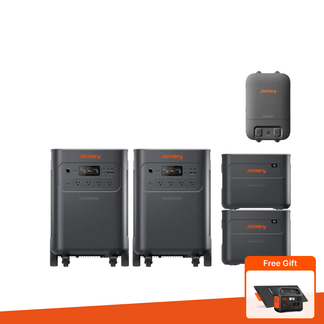
![[Add-on] Jackery Battery Pack 5000 Plus - Jackery](http://www.jackery.com/cdn/shop/files/add-on-jackery-battery-pack-5000-plus-6713401.webp?v=1786503068&width=324)














A dishwasher generally consumes between 1200 and 2400 watts while running, with an average of 1800 watts. The highest power draw of a dishwasher occurs during the water-heating phase. Although the motor and spray arms use moderate electricity, the heating element accounts for most of the energy consumption, especially in high-temperature or sanitizing cycles. Since dishwashers run in timed cycles rather than continuously, total energy use depends heavily on wash settings and duration.
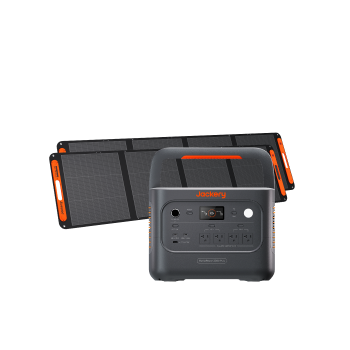
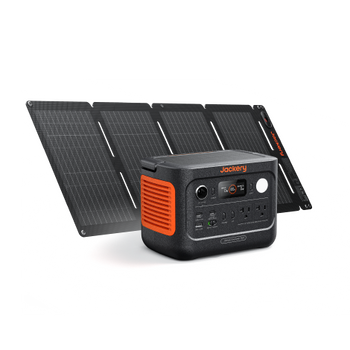
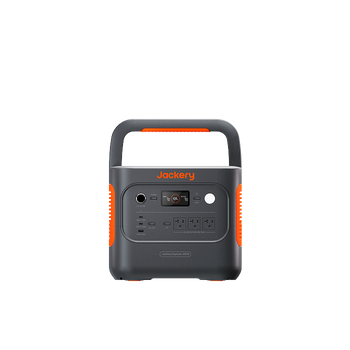
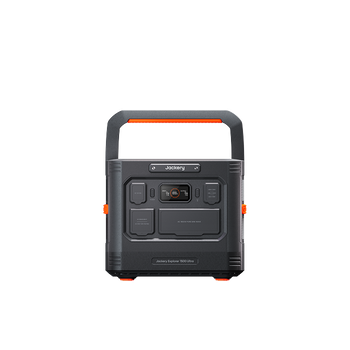
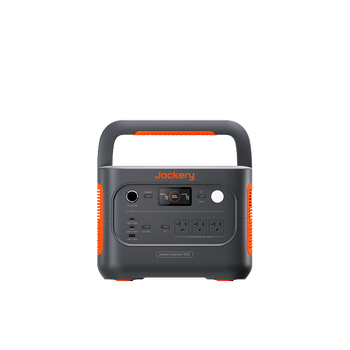
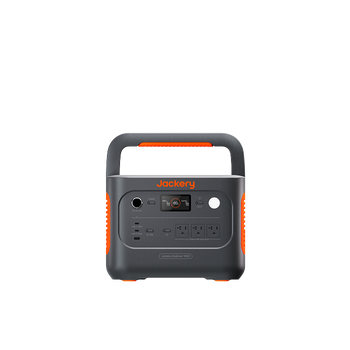
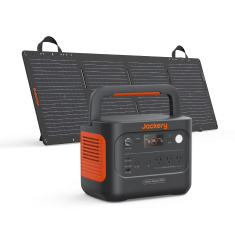
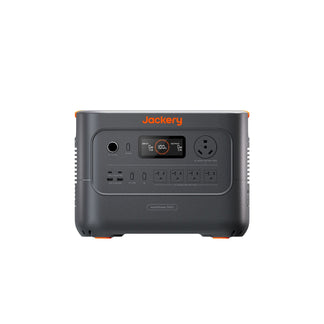
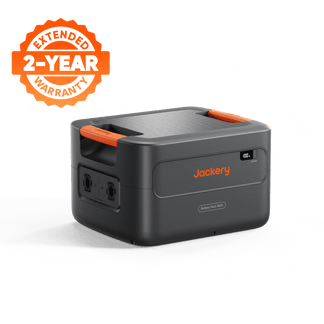
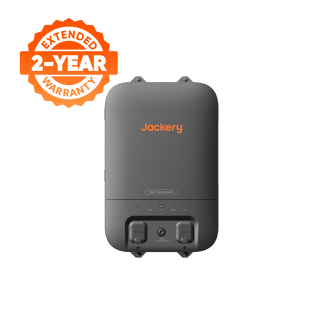
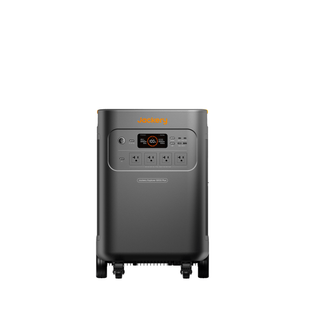
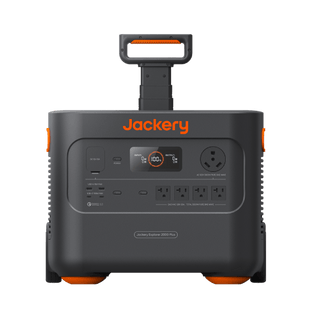
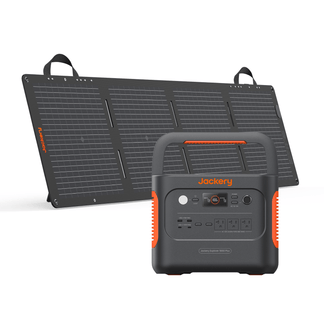
Once you understand how many watts does a dishwasher use, it will help you with planning energy usage during outages or off-grid living. Since heating water requires substantial electricity, selecting the right capacity is critical, and higher-output Jackery Solar Generators can support certain dishwasher cycles when sized correctly and used with realistic load management expectations. These solar generators are portable so you can easily move them anywhere you go.
Key Takeaways
- Most dishwashers use 1200–2400 watts per cycle, with an average of 1800 watts.
- You can calculate a dishwasher's energy consumption by multiplying the dishwasher's wattage by the hours used. For example, if a dishwasher has a 1800-watt rating and is used for 1 hour a day, the daily consumption is 1800 × 1 = 1800 watt-hours (Wh) or 1.8 kWh.
- The running costs of a dishwasher depend on your area's electricity rates and how frequently it's used.
- Jackery Solar Generators can power dishwashers and other appliances during unexpected power outages or while off-grid.
How Many Watts Does a Dishwasher Use?
Dishwashers consume between 1200-2400 watts, while the average consumption is about 1800 watts. This power is used for the control electronics and the pump. Additionally, hot water is coming from the line. Investing in an energy-efficient dishwasher also helps to make its use highly economical.
Knowing how dishwashers use energy would help you make an informed decision about dishwasher use and its power consumption.
Dishwashers use electric power in multiple operations.
Heating
Dishwashers heat the water to clean the dishes. This element has the biggest power consumption, especially if running a long cycle or setting high temperatures. If you have hot water in the line, you can save on power in the Dishwasher.
Motor
Dishwashers use a motor to circulate water and detergent while cleaning the dishes. It is also a major contributor to how many watts a dishwasher uses.
Displays
The control panels and displays make using the Dishwasher very easy for you. The good news is that these panels and displays use minimal power.
What Factors Affect the Dishwasher Wattage?
Some of the factors affecting the dishwasher wattage include the size of the dishwasher, efficiency, model age, capacity, temperature settings, and cycle duration.
- Larger dishwashers need more water and power to operate; hence, they use more wattage than the smaller ones. However, if you have to wash many dishes, you must see if you can accommodate all dishes in small dishwashers, or you will need 2 cycles.
- Modern energy-efficiency dishwashers are more economical than old, more power-hungry appliances.
- If your dishwasher gets hot water from the line, it will use less power than when heating water internally.
- Choose smaller cycles as they are more economical.
How Much Does It Cost to Run A Dishwasher?
Running a dishwasher typically costs between $0.18 and $0.54 per cycle, depending on the cycle type, energy rates, and efficiency, with an average 1800-watt dishwasher using around 1.8 kWh. For a typical household running the dishwasher for 5 days a week, the weekly electricity cost is roughly $1.55, excluding detergent and water costs.
For example, an 1800-watt dishwasher running for 1 hour uses:
1800 W ÷ 1000 = 1.8 kWh
At an electricity rate of 17.24 cents per kWh ($0.1724):
1.8 kWh × $0.1724 = $0.31 per cycle
So, operating an 1,800-watt dishwasher for one hour would cost approximately 31 cents in electricity. For more information, you can read the detailed guide: How Much Does It Cost to Run a Dishwasher: Daily, Monthly, & Yearly Expenses.
The following table summarizes how many watts a dishwasher uses and the average cost depending on size.
|
Size |
Avg Watts |
Hourly Cost |
Monthly Cost |
|
Small |
1500 W |
$0.240 |
$7.20 |
|
Medium |
1800 W |
$0.288 |
$8.64 |
|
Large |
2400 W |
$0.384 |
$11.52 |
How to Save Money While Using Dishwasher
While discussing how many watts a dishwasher uses, we can also see how we can save this power cost. Let us list a few ways.
- You may opt for handwashing your dishes as it takes less electric power. This is especially relevant when you have a few dishes.
- Wait till you have a full dishwasher load. Hence, you run it only a few times weekly.
- Run your Dishwasher in off-peak hours when the power tariff is lowest. Generally, the rate is lower at night. Generally, running your Dishwasher later at night is cheaper, before you're getting ready to go to bed, and most people have turned off most of their appliances.
- Invest in a more power-efficient dishwasher.
- Run your dishwasher on high-capacity solar generators or power stations like those from Jackery. Solar energy is not only affordable but also more environmentally friendly.
Like Chris Mellas, many people chasing a quieter life realize that independence only works if the power does too. After relocating to rural Panama, where blackouts happen multiple times a week, he built a system around Jackery Solar Generators that keeps his freezers, refrigerators, water pump, lights, routers, security cameras, and even workshop tools running without interruption. His restaurant stays operational when the rest of town goes dark, and at home, bedrooms remain powered so phones, iPads, and lamps never shut off unexpectedly. Read more such Jackery Stories to see how people use backup power solutions.
Jackery Solar Generators for Dishwashers
Powering a dishwasher during an outage requires careful planning because the appliance draws significant electricity, especially during water heating cycles. Jackery Solar Generators offer high-capacity options that can support scheduled wash cycles when matched properly to output and battery capacity. It is important to match the generator size with peak demand.
How long a Jackery Solar Generator can run a dishwasher depends on the dishwasher’s wattage and the generator’s available watt-hours. For example, if the dishwasher consumes 1500 watts and runs for one hour, it requires about 1500Wh. Actual runtime varies by model and load conditions, so the most accurate estimate can be calculated using the Running Time Calculator on the Jackery Buying Guide page, where you input appliance wattage and select the generator model.
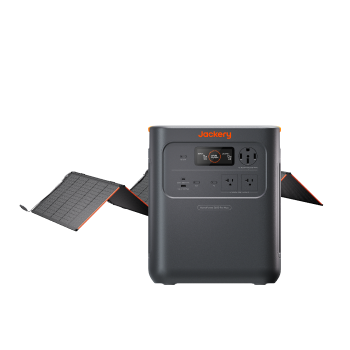
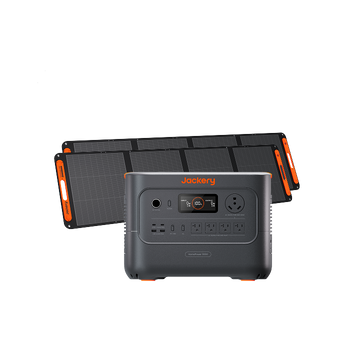
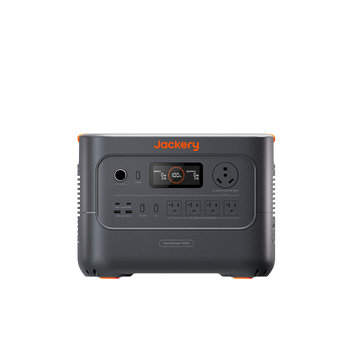
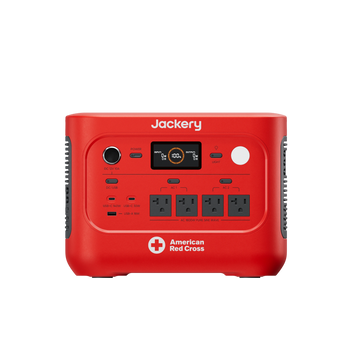
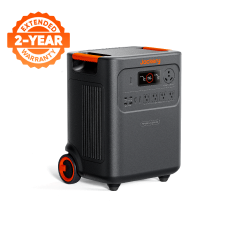
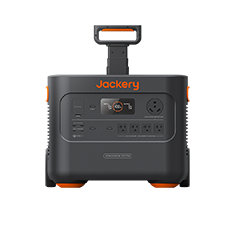
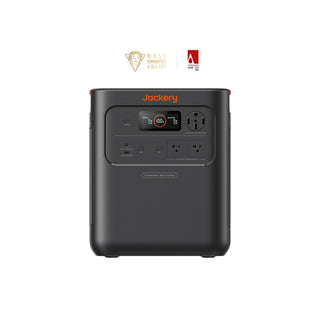
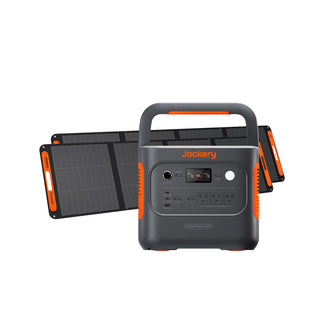
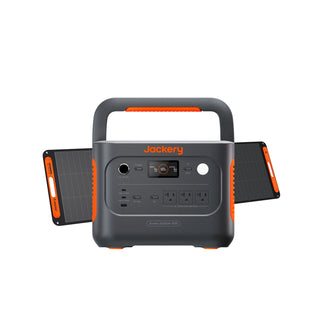
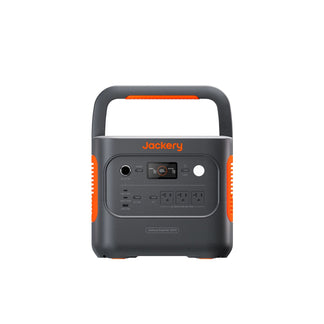
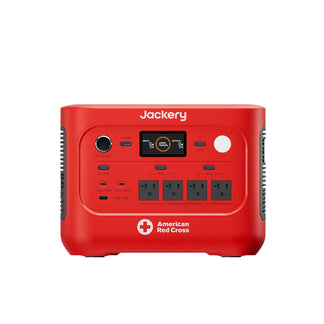
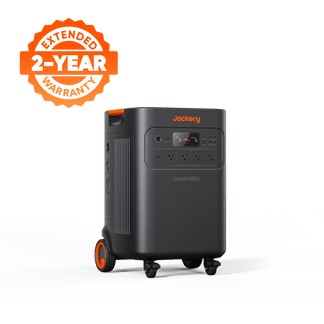
Jackery Solar Generator HomePower 3000
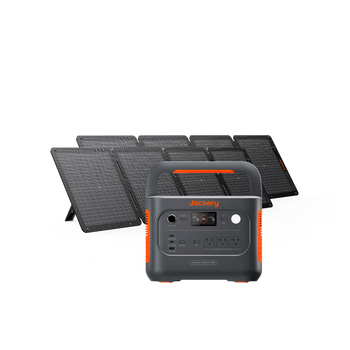
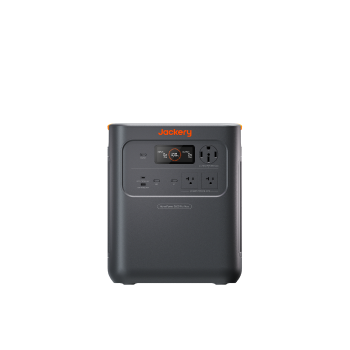
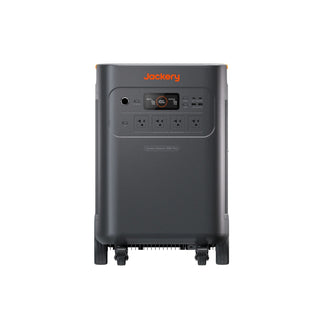
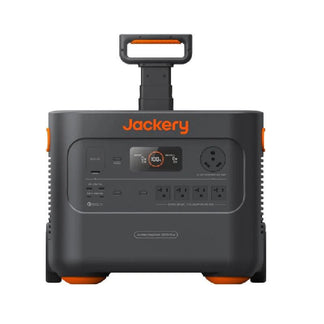
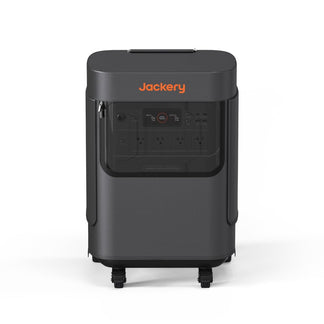
Jackery Solar Generator HomePower 3000 is an essential home backup solution that works ideally when cleaning cycles are scheduled strategically during brief outages. It supports running a single cycle and other critical appliances, helping households maintain kitchen routines without switching to manual washing. This approach is ideal when power interruptions are temporary, and energy use is carefully staggered throughout the day. With the help of its dual-sided handles, you can easily move the solar generator anywhere you go.
Appliances Running Time
- Dishwasher (1500W) = 1.7H
- TV (150W) = 15.2H
- Induction Cooktop (1000W) = 2.6H
- Microwave (1000W) = 2.6H
- Coffee Maker (500W) = 5.0H
Who Should Buy This
If you want the flexibility to run one planned cleaning cycle during short outages while maintaining core essentials, the Jackery Solar Generator HomePower 3000 is a balanced choice.

Customer Review
Powers our full-size Samsung fridge for 24 hours. Charges very fast from mains power. Looking forward to adding enough solar capacity to charge it.
— John V.
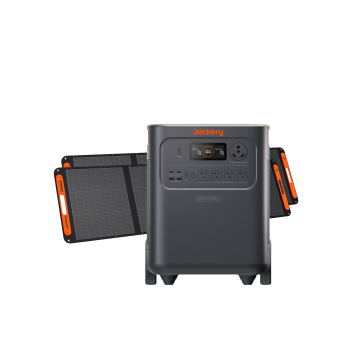
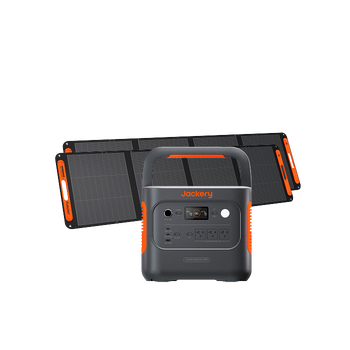
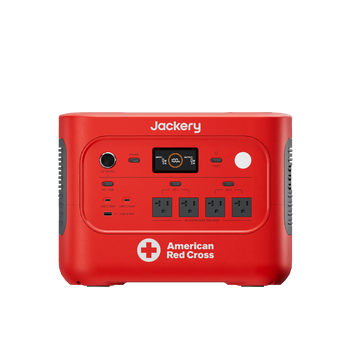
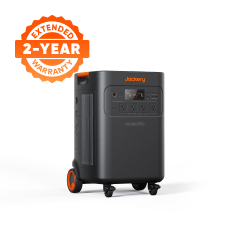
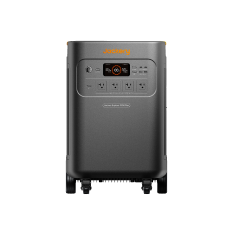
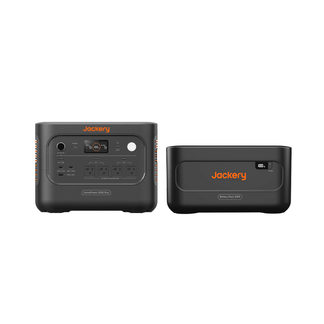
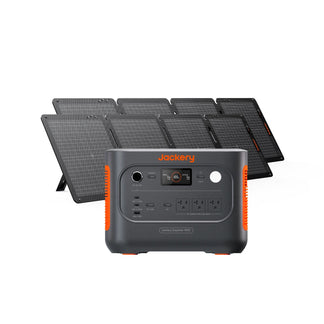
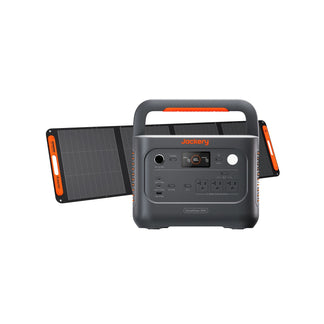
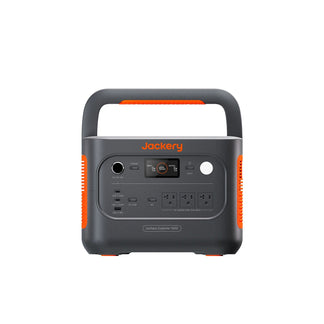
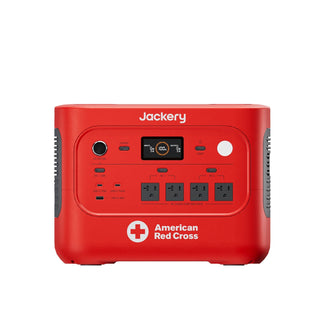
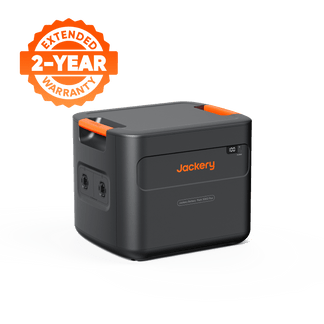
Jackery Solar Generator HomePower 3600 Plus
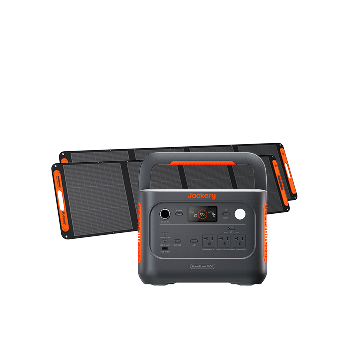
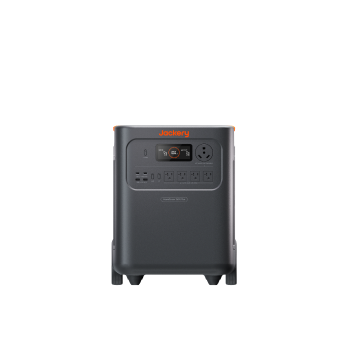
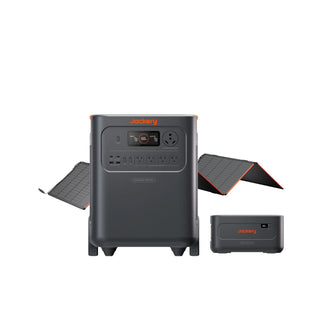
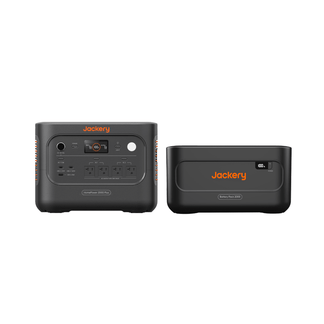
Jackery Solar Generator HomePower 3600 Plus is an essential home backup solution that provides more flexibility when outages last longer or when cleaning cycles need to be repeated. Its higher capacity allows you to run a cycle while still maintaining refrigeration, lighting, or connectivity, reducing the need to shut down other essentials completely. When expanded with additional batteries, the Jackery Solar Generator HomePower 3600 Plus becomes more adaptable for extended disruptions.
Appliances Running Time
- Dishwasher (1500W) = 2.0H
- TV (150W) = 17.7H
- Induction Cooktop (1000W) = 3.0H
- Microwave (1000W) = 3.0H
- Coffee Maker (500W) = 5.8H
Who Should Buy This
If you live in an area that experiences longer outages and want the ability to run cleaning cycles with less restrictive load management, the Jackery Solar Generator HomePower 3600 Plus offers stronger support.

Customer Review
Convenient, transportable with handles/wheels, and the power lasts a long time. Don't have to recharge often. Solar panels are useful for using the sun for energy when power is totally out.
— Tracey W.
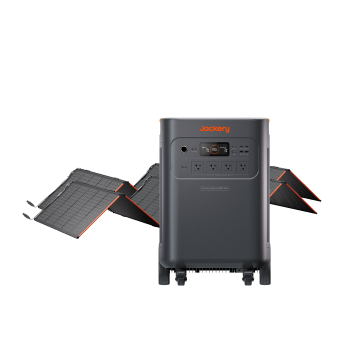
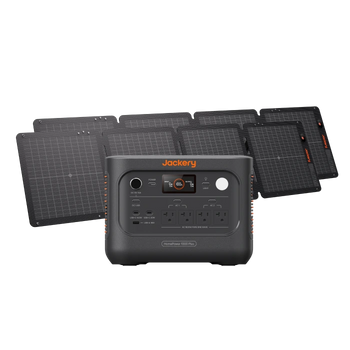
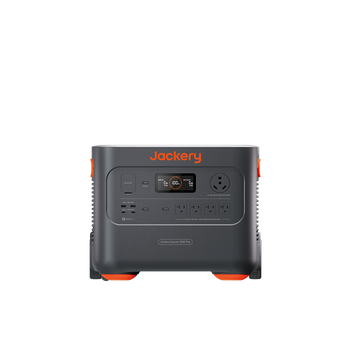
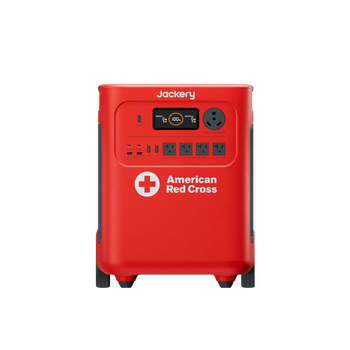
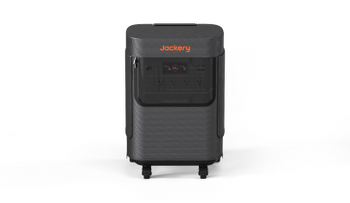
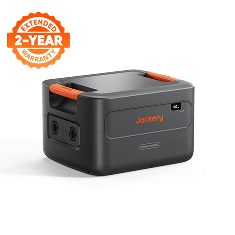
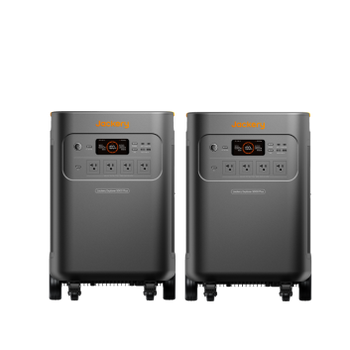
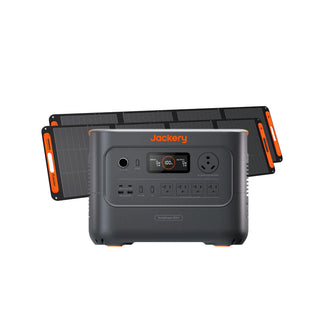
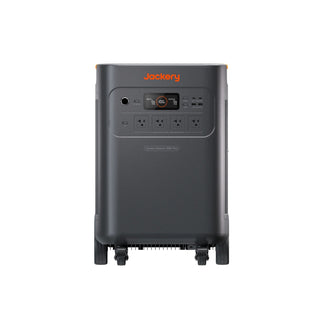
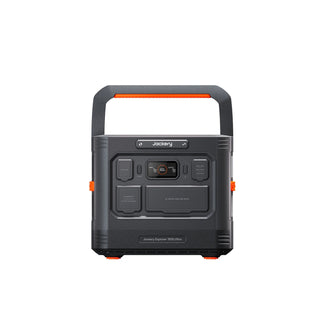
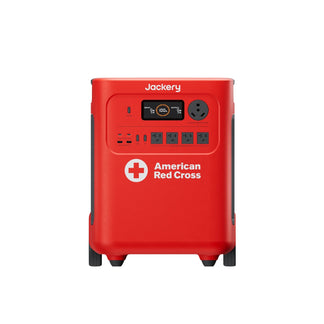
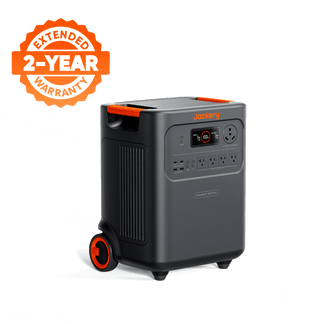
Jackery Solar Generator 5000 Plus
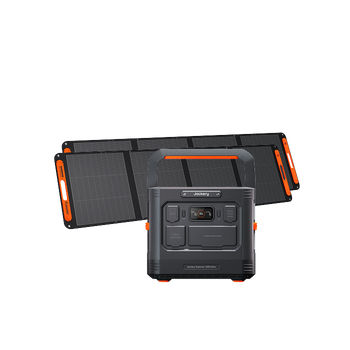
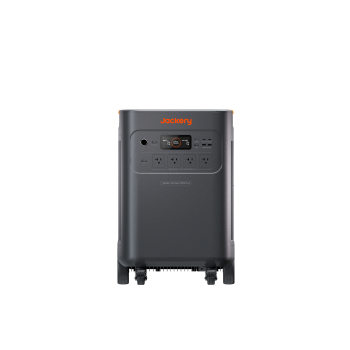
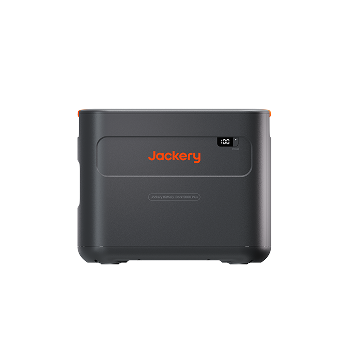
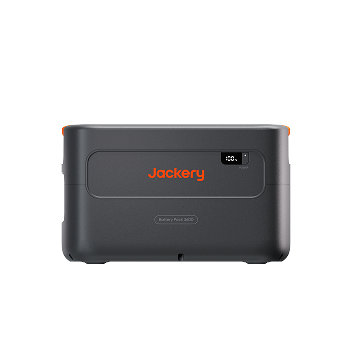
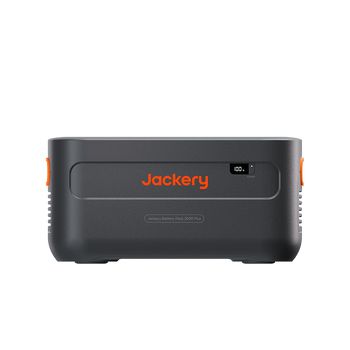
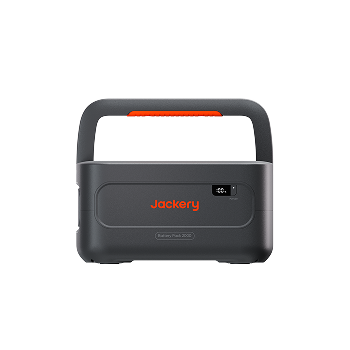
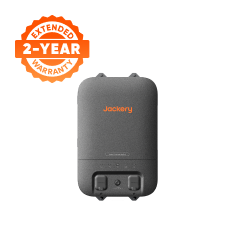
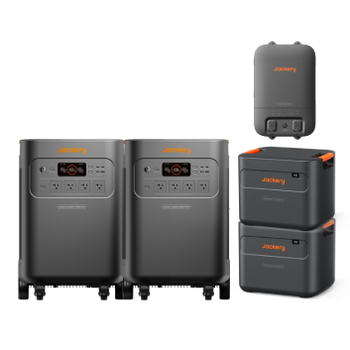
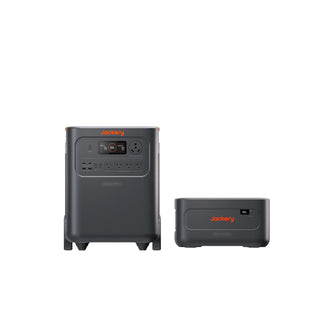
Jackery Solar Generator 5000 Plus is a higher capacity home battery backup solution designed for situations where maintaining full kitchen functionality is part of a broader resilience strategy. With higher output and expandable capacity, it can handle demanding dishwasher cycles alongside other priority circuits, such as refrigerators, lights, TVs, heaters, etc. This makes it suitable for extended outages where preserving daily routines reduces overall disruption.
Appliances Running Time
- Dishwasher (1500W) = 2.8H
- TV (150W) = 21.4H
- Induction Cooktop (1000W) = 4.1H
- Microwave (1000W) = 4.1H
- Coffee Maker (500W) = 7.8H
Who Should Buy This
If you want the highest flexibility for maintaining kitchen operations during prolonged outages while keeping multiple home appliances running, the Jackery Solar Generator 5000 Plus provides the most capacity.

Customer Review
I really like the system because it is relatively small and transportable, while still strong enough to support my house's critical power requirements.
— Robert K.
Dishwasher Wattage FAQs
Do dishwashers use a lot of electricity?
An average dishwasher consumes between 1.2kWh and 1.5kWh per load. The most efficient dishwashers have an energy rating of A or B. Dishwashers are medium-level energy consumers.
How do I know what wattage my Dishwasher is?
You can generally find the wattage of your Dishwasher stated in the user manual or on the energy rating label on the device itself.
Is it cheaper to run a dishwasher or wash by hand?
It depends on a few factors like the number of dishes, how often you have to run it, and how energy and water-efficient your dishwasher is. Most modern dishwashers use between 11 and 13 liters of water per cycle. If you wash a full dishwasher load by hand, you will use up to nine times that amount. But if you usually run half a load or fewer dishes in the Dishwasher, then hand washing is better.
However, dishwashers come out on top for full loads in the Dishwasher versus handwashing cost.
Does the Dishwasher increase the electric bill?
Yes, they do. An average dishwasher uses 1800 watts of power, and a fraction of this power is still needed when the Dishwasher is not running.
Is a dishwasher 120V or 240V?
Most dishwashers in the United States work on a standard 110-120 volt outlet. However, some European models need a 220-240 volt outlet.
Final Thoughts
How many watts a dishwasher uses depends on its size, power rating, and features. Small portable dishwashers can run on 1200 to 2400 watts. However, average dishwashers use about 1800 watts. With appropriately sized Jackery Solar Generators and careful load planning, certain dishwasher functions can be supported during outages, allowing households to maintain essential cleaning routines when grid power is unavailable.


