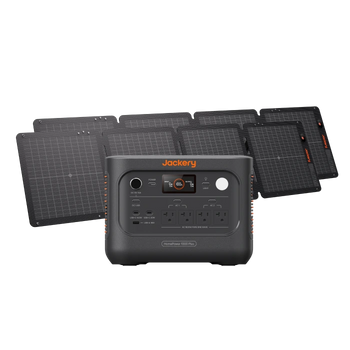
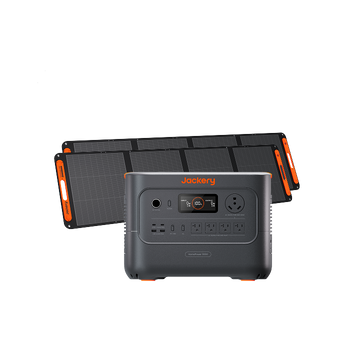
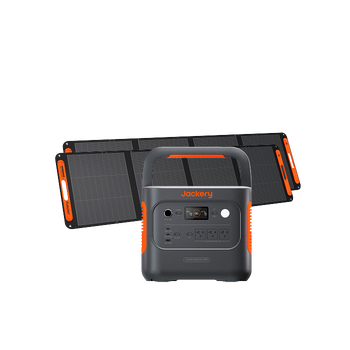
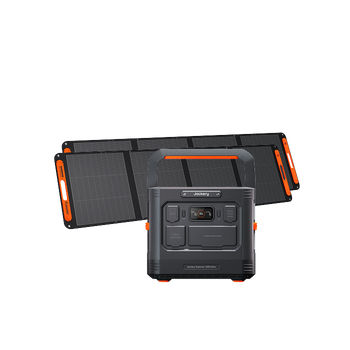






![[Add-on] Jackery SolarSaga 500 X - Jackery](http://www.jackery.com/cdn/shop/files/add-on-jackery-solarsaga-500-x-1493607.webp?v=1786503068&width=324)
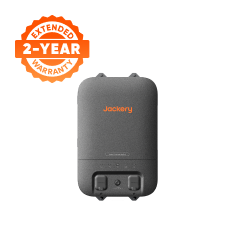
![[Add-on] Jackery Battery Pack 5000 Plus - Jackery](http://www.jackery.com/cdn/shop/files/add-on-jackery-battery-pack-5000-plus-6713401.webp?v=1786503068&width=324)


![[Add - on] SolarSaga 200W - Jackery](http://www.jackery.com/cdn/shop/files/add-on-solarsaga-200w-4834329.png?v=1754016915&width=324)


How former technologist Chris Mellas built a restaurant and self-sufficient life in rural Panama with Jackery power.
A Journey Measured in Miles and Intent
For Chris Mellas, the road to freedom stretched from Washington State to the tropics. In early 2024, he packed two cars with his father, sister, and five dogs, then drove all the way to Panama. The trip took nearly a month. “We didn’t rush,” he says. “We’d drive a few hours, find an Airbnb, and explore.” They crossed deserts and mountains, ferried sixteen hours across the Gulf of California, and camped under open skies with a Jackery battery powering lights and movies. “It kept us sane on that ferry,” he says. “No service, just truckers and darkness.”
A New Life Among Cows and Coconut Trees
Fourteen months later, Chris stands outside his home in western Panama. A herd grazes in the pasture beyond his porch. The heat is soft, the air thick with rain. “It’s the opposite of my old life,” he says. He once worked in IT and later in nuclear fusion research, surrounded by labs and servers. Now he is building a restaurant and butcher shop from the ground up. “It’s slower, but I like that,” he says. “Everything you do here feels real.”
From Fusion Labs to a Butcher’s Counter
Cooking had always been a quiet ambition. “I’ve loved food forever,” Chris says. “When we found this place, I thought, Why not start something of my own?” The yellow roadside building is nearly ready to open. He plans to serve biscuits, gravy, and American comfort food. “Locals stop by asking what’s coming,” he says, smiling. “They’ll find out soon.”


A Country of Blackouts
Electricity in rural Panama is unpredictable. “We lose power two to four times a week,” he says. “Sometimes for hours, sometimes all day.” When the grid fails, the lights vanish, the Wi-Fi dies, and freezers start to sweat. “You can’t run a restaurant like that,” he says. “You need power you can trust.”
The Jackery Network Behind the Counter
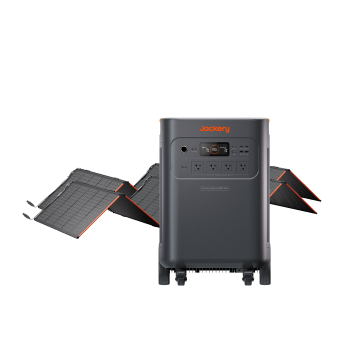
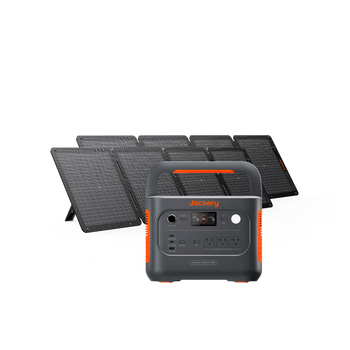
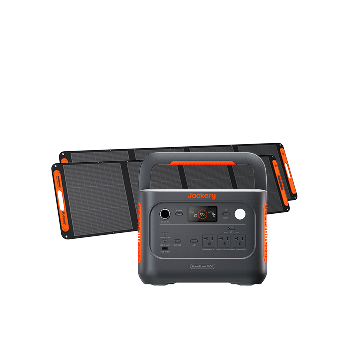
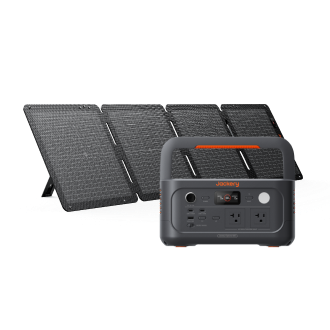
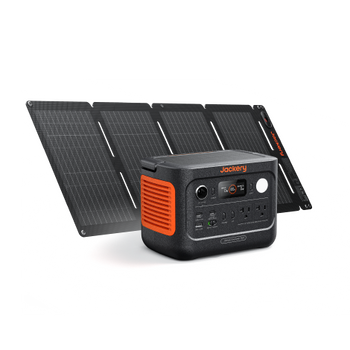
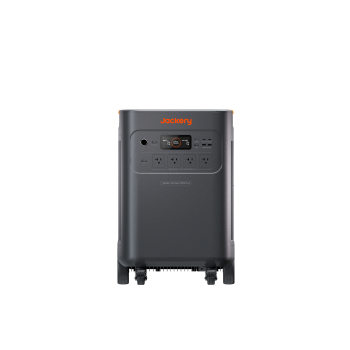
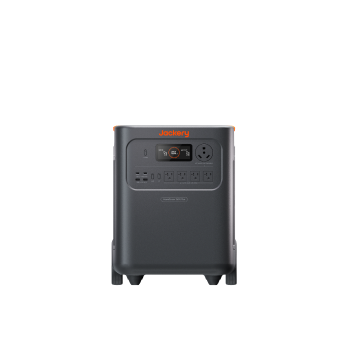
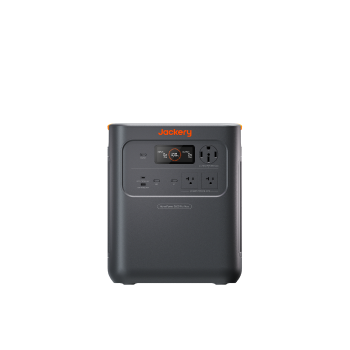
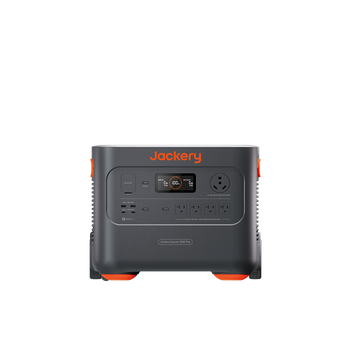
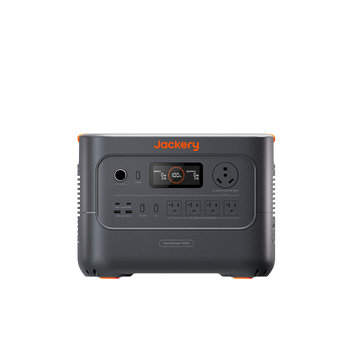
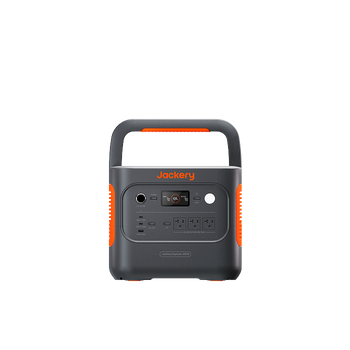
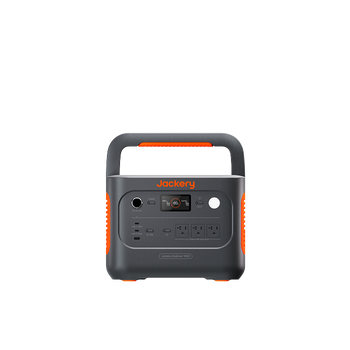
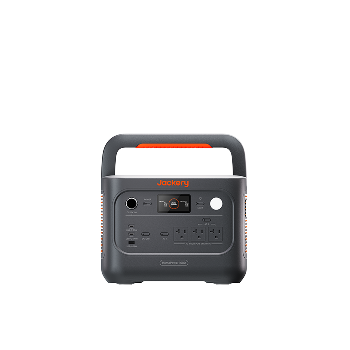
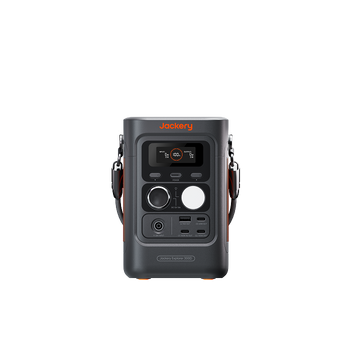
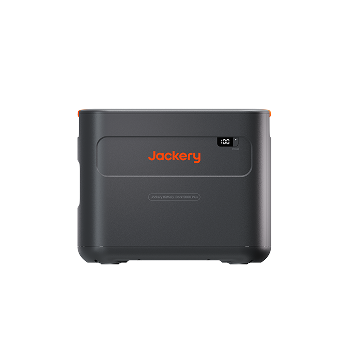
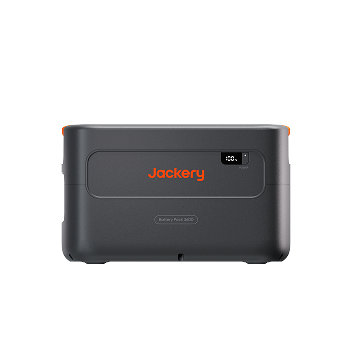
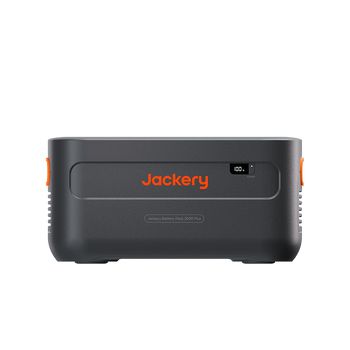
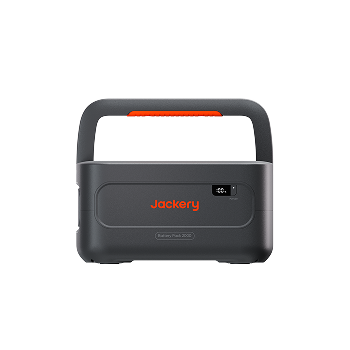
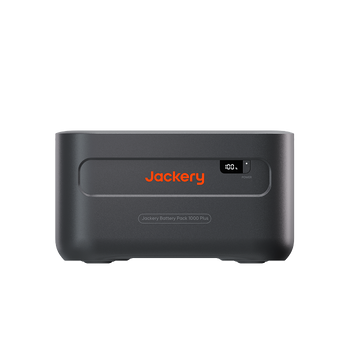
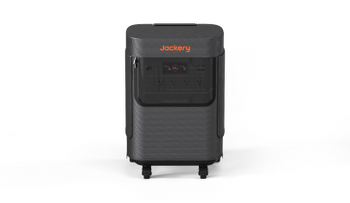
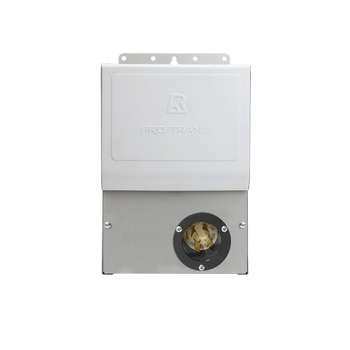
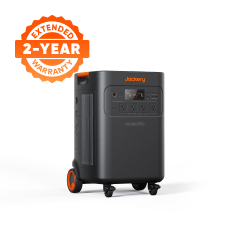
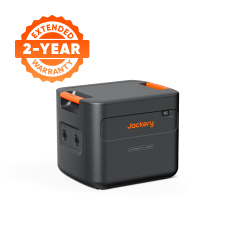
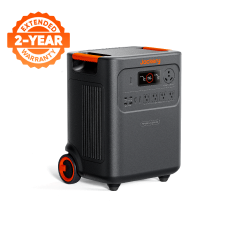
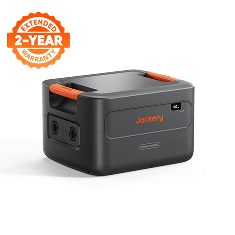
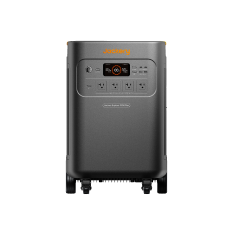
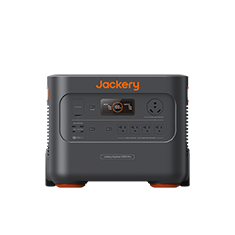
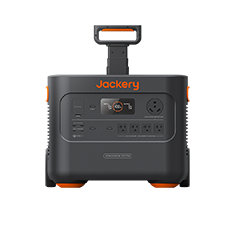
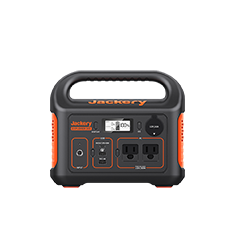
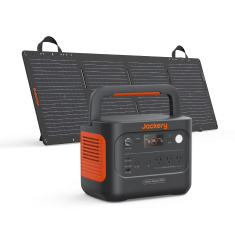
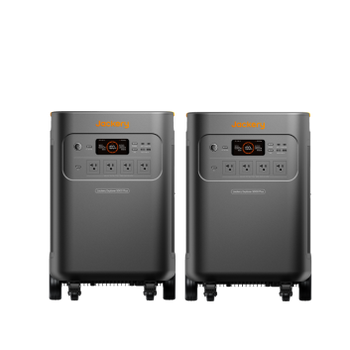
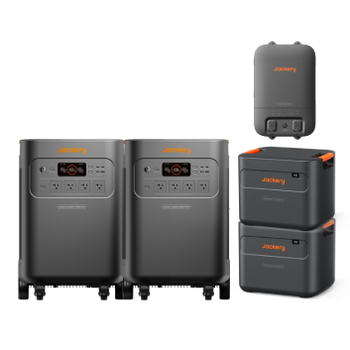
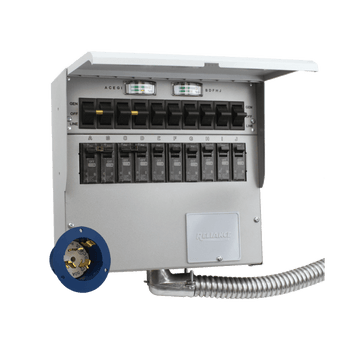
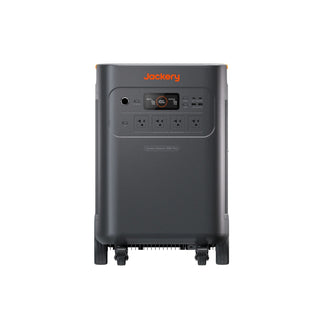
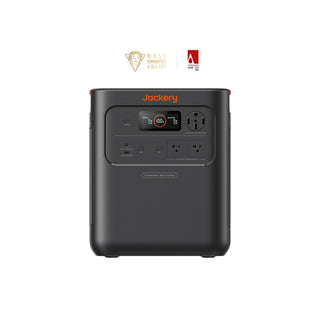
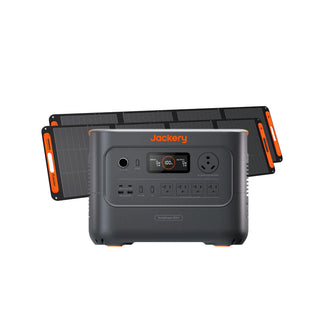
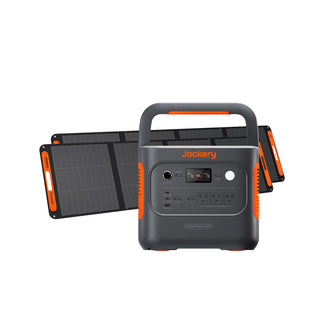
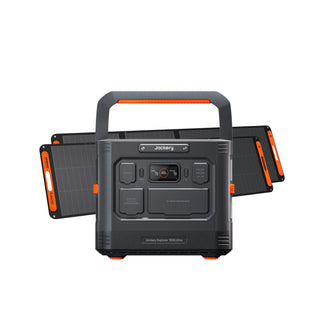
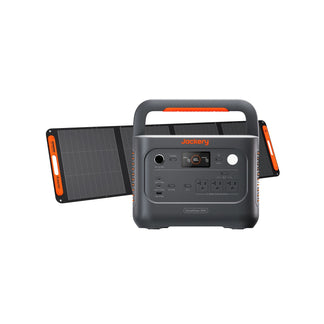
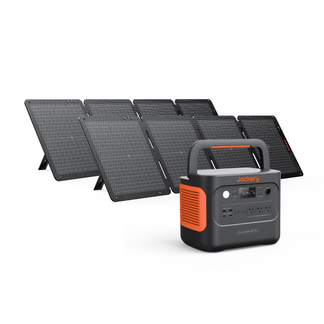
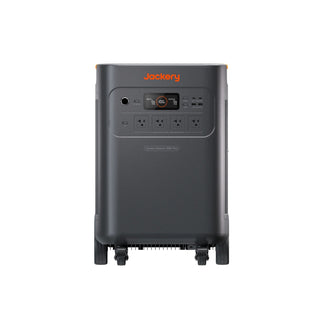
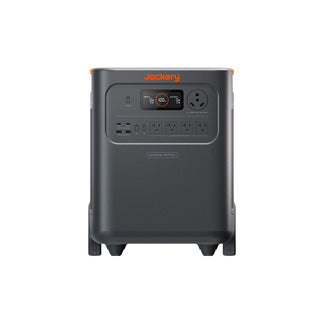
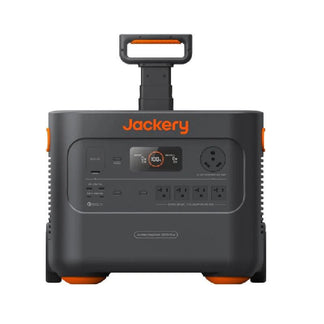
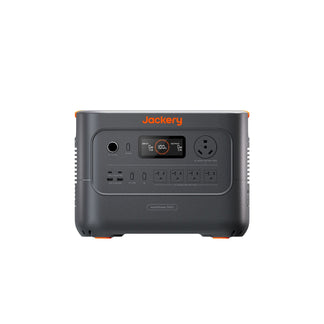
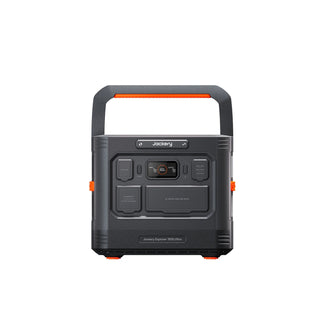
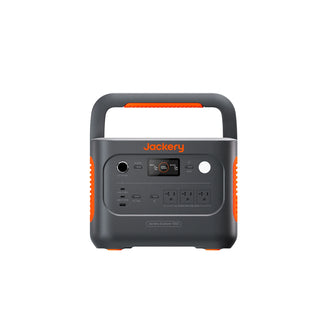
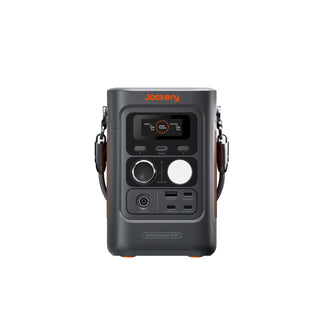
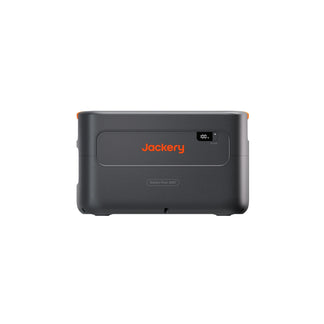
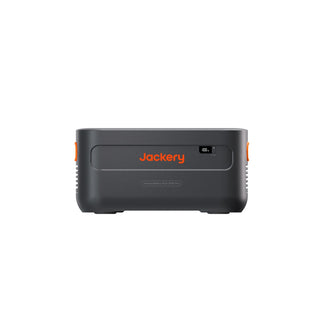
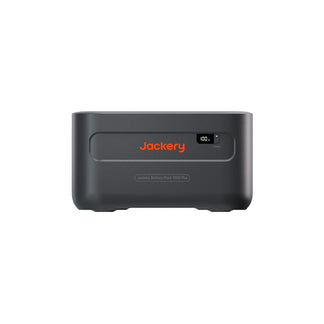
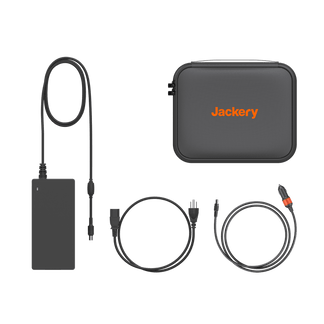
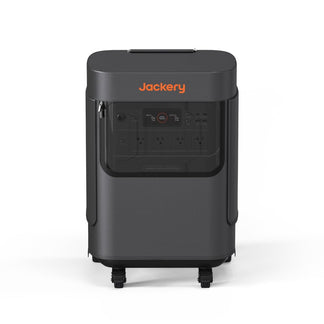
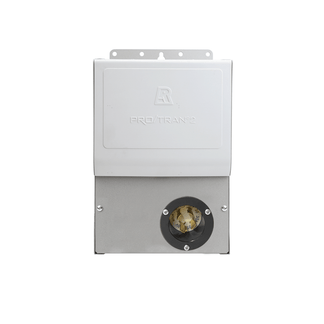
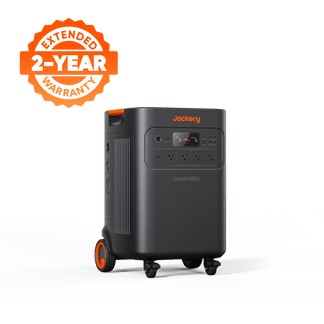
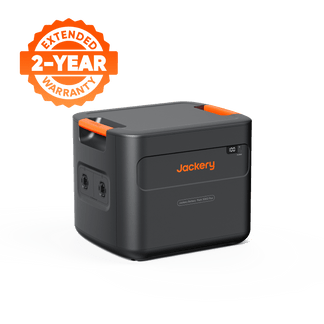
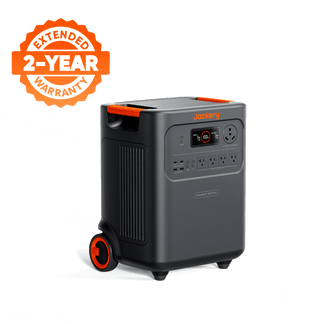
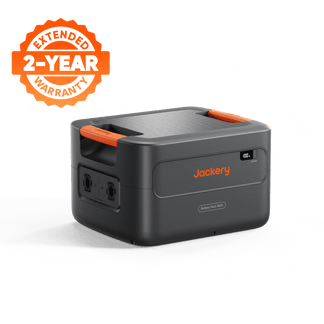
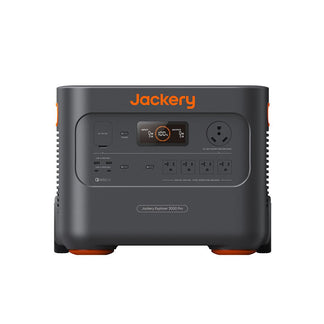
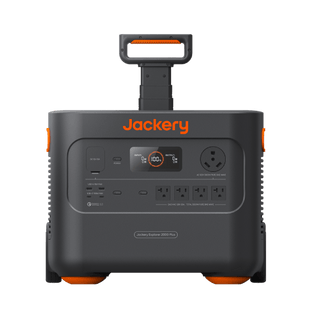
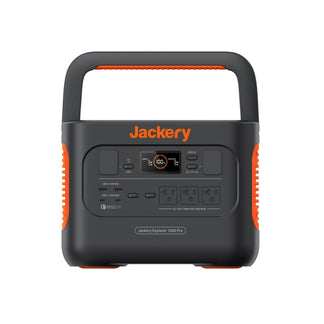
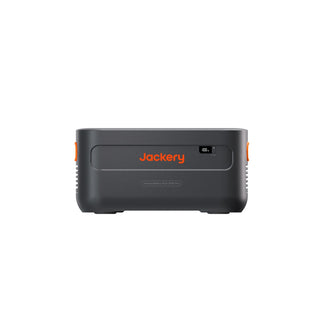
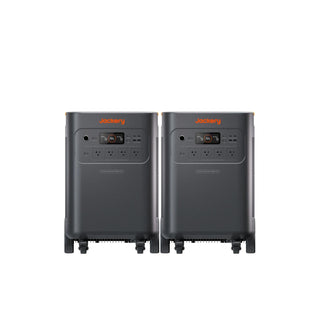
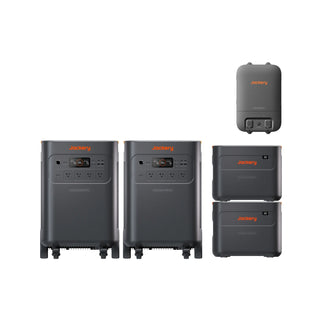
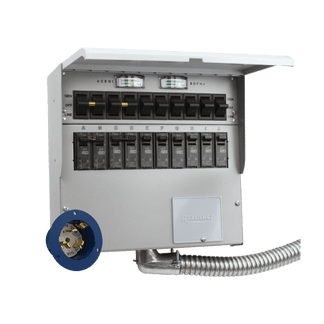
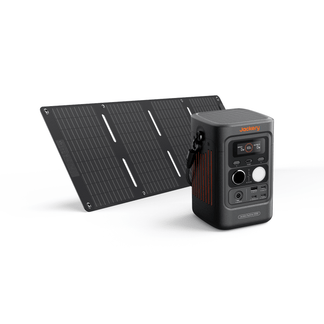
At the shop, two Jackery Explorer 5000 Plus systems with expansion batteries feed an automatic transfer switch. The setup connects to a 60-amp panel that runs everything: freezers, refrigerators, a water pump, and lights. “When the grid cuts out, there’s a blink, then everything stays on,” he says. The units hum softly, keeping the air calm for customers. “You can’t tell it’s running,” he says. “No fumes, no noise, no disruption.”


The restaurant’s reliability has already made him a local curiosity. “People ask how we stay open when the town goes dark,” he says. “It’s just the Jackery doing its job.”
From Camping to Independence
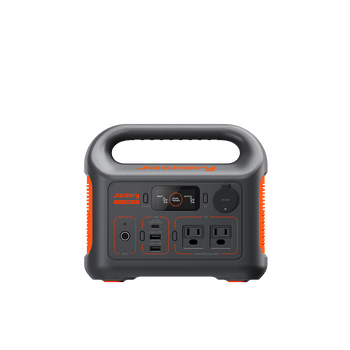
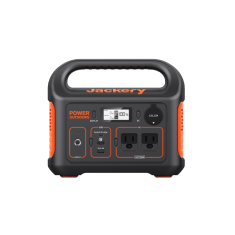
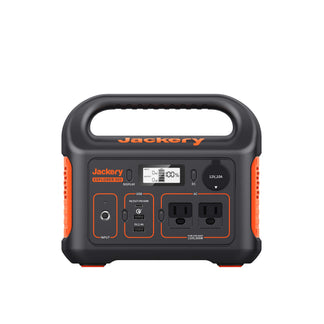
Chris first discovered Jackery while camping in the American desert years earlier. “I was working remotely and needed power for my laptop,” he recalls. “That little orange box ran my lights, my fans, even my monitor.” The convenience stayed with him. “Once you use clean power, it’s hard to go back.”
What started as a few hundred dollars in gear grew into a full-scale energy network. “Now I’ve invested over twenty thousand,” he says, laughing. “But it’s worth it. My restaurant and house never stop running.”


The House That Thinks Ahead
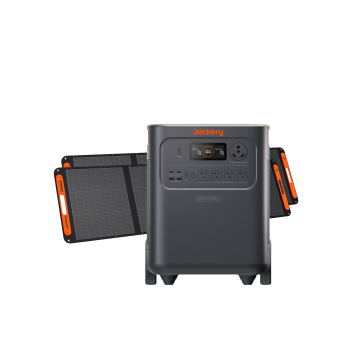
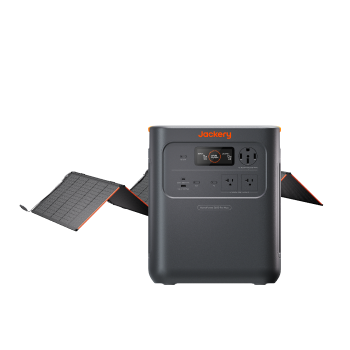
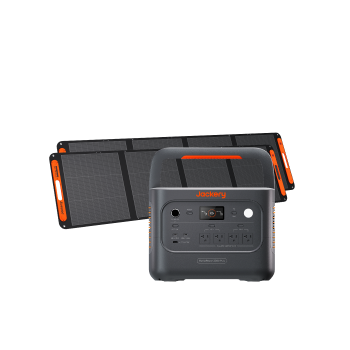
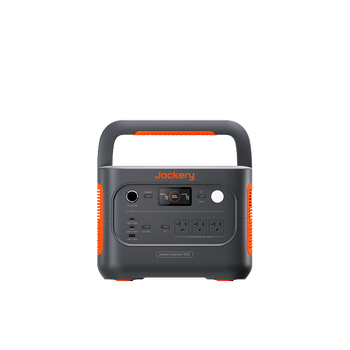
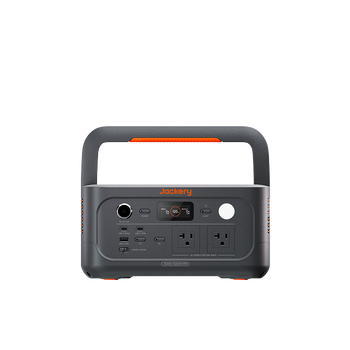
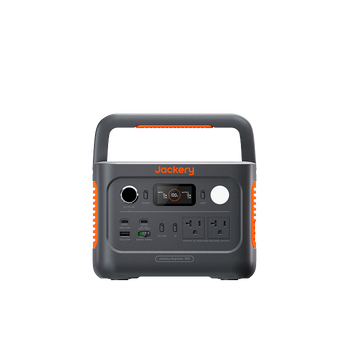
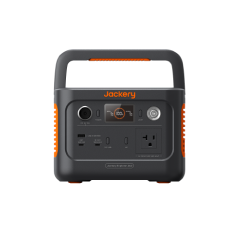
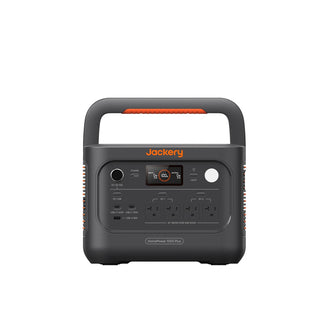
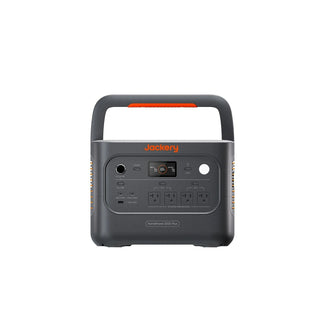
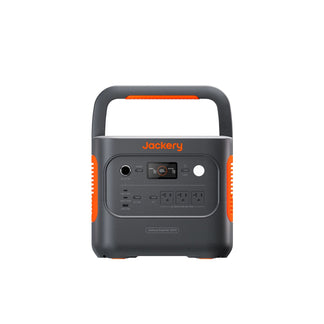
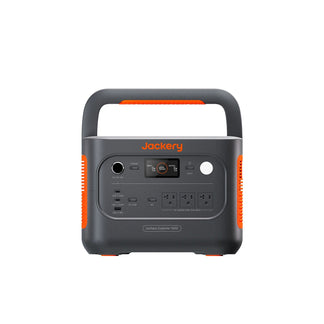
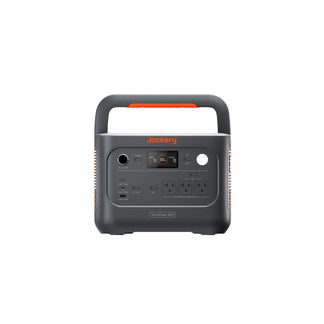
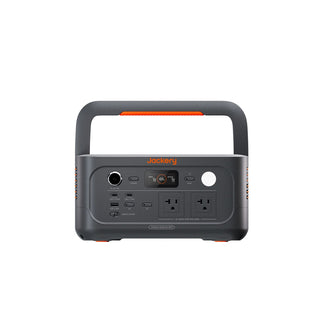
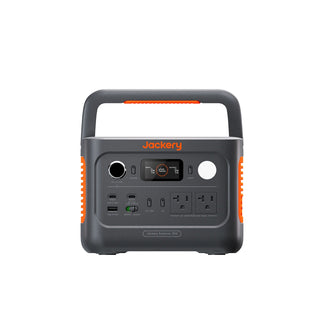
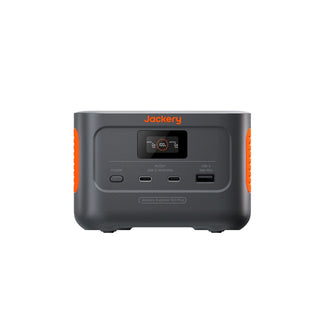
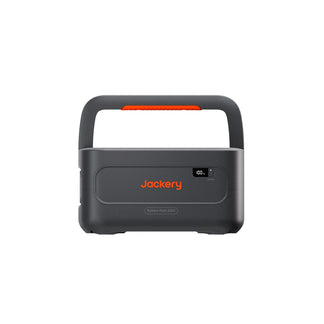
At home, another Explorer 5000 Plus handles two freezers, a refrigerator, and the household’s water system. Each bedroom has its own portable unit. “My sister runs her iPad and lamps from one,” he says. “Nobody wakes up to dead phones anymore.” The system even powers security cameras, routers, and his workshop tools.
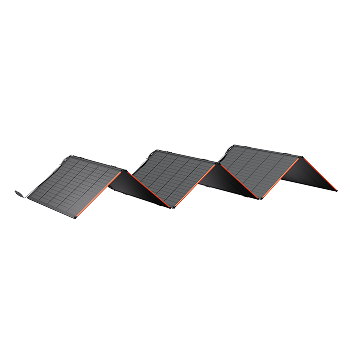
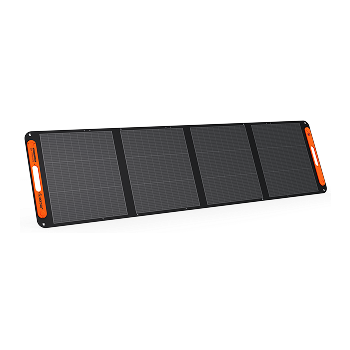
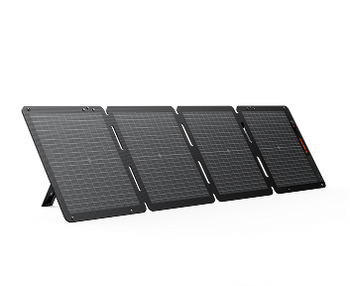
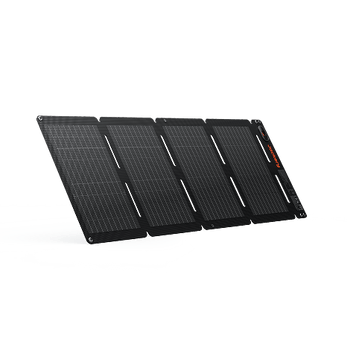
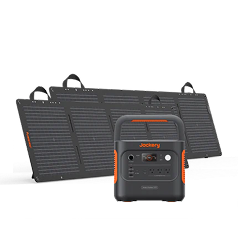
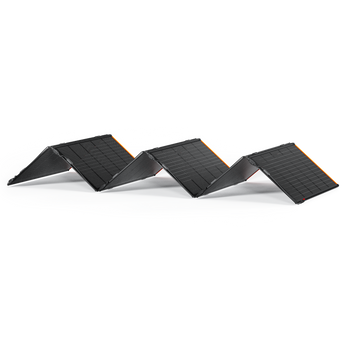
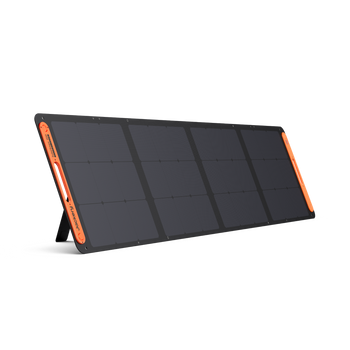
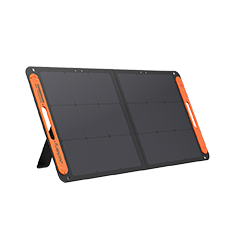
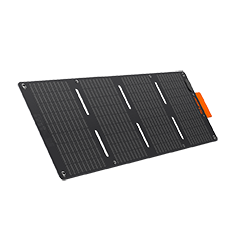
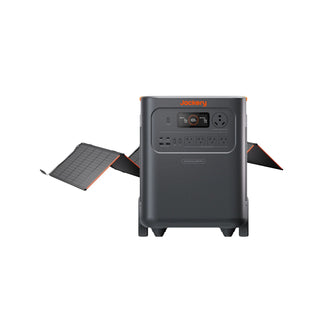
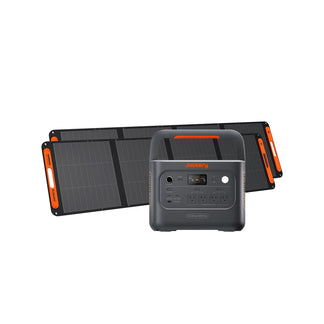
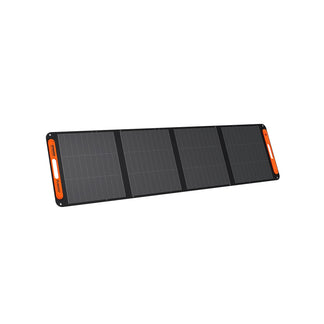
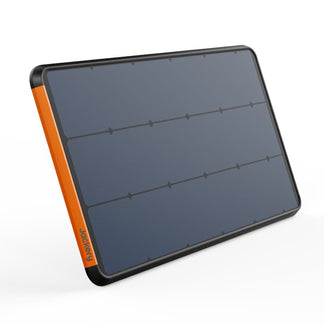
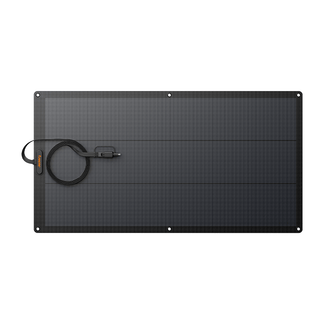
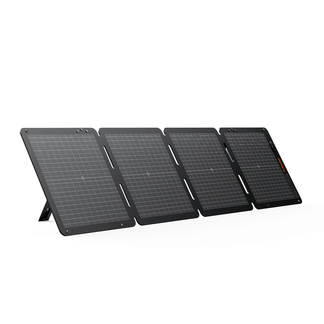
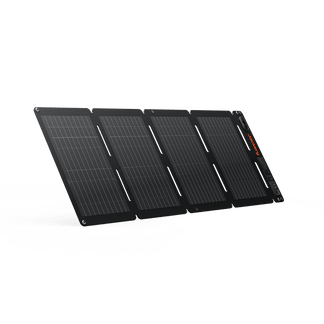
He glances toward the solar panels angled on the terrace. “If I wanted to, I could go fully off-grid,” he says. “I already kind of am.”


A Mind Built for Systems
Chris once helped design fuel cell systems for NASA projects in the 1990s, long before “renewable energy” became common language. “I’ve always liked self-sustaining systems,” he says. “Fusion, solar, battery—it’s all the same principle. You build it right, and it runs itself.”
In that sense, Jackery fits his philosophy perfectly. “No noise, no smell, no maintenance,” he says. “Just reliable energy that lets you focus on living.”
The House That Stays Bright
When blackouts sweep through the valley, his windows still glow. “Neighbors call it the house that’s always on,” he says, amused. The system has turned him into a small-town reference point for clean energy. “People stop to see how it works,” he says. “They expect a generator, but it’s just two quiet boxes.”
Power, Peace, and Pancakes
For Chris Mellas, this life is a new kind of experiment—half engineering project, half dream. In the mornings, he tests his systems. By afternoon, he is prepping ingredients for his restaurant’s first menu. At night, the sound of rain mixes with the quiet hum of stored sunlight.
“The power goes out here all the time,” he says, “but I never really notice anymore.”
He looks at the glowing orange units lined up in the corner and smiles. “They just keep everything alive.”


