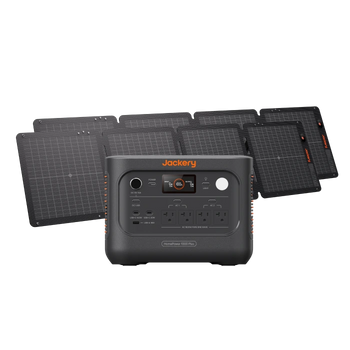
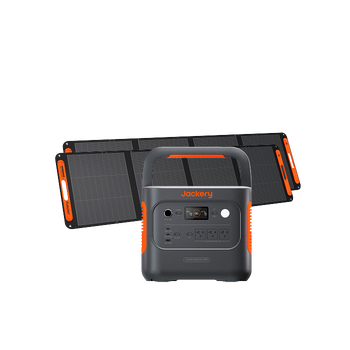









Stove wattage varies significantly depending on the type of stove and how it generates heat. Electric and induction stoves often draw between 1200 and 3000 watts per burner, while pellet stoves use electricity mainly for fans and controls, typically consuming far less. Gas stoves rely on fuel for heat but may still require electricity for ignition, lighting, or circulation components. As each stove type works differently, understanding wattage is essential for estimating energy usage and planning cooking needs.
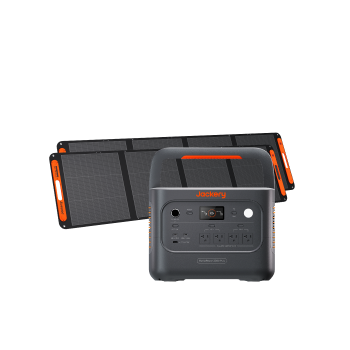
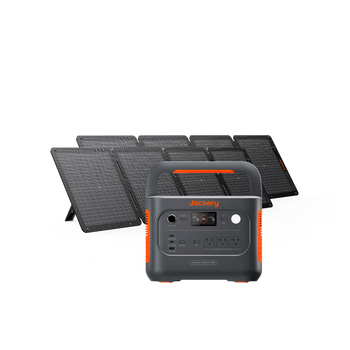
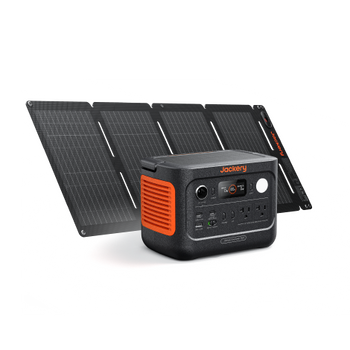
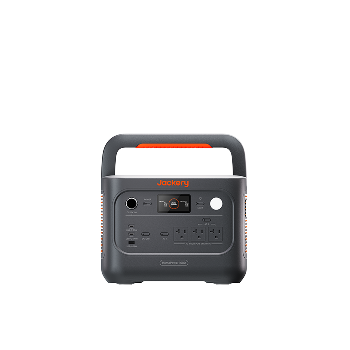
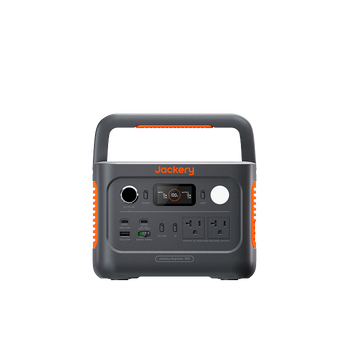
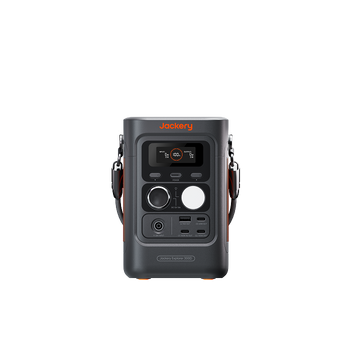
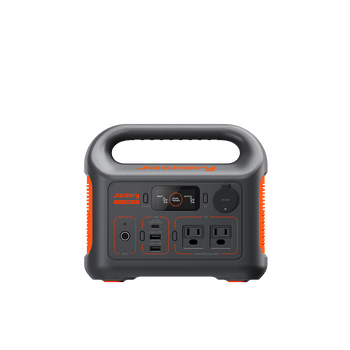
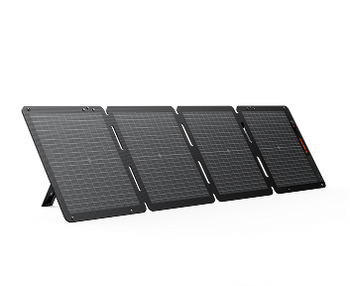
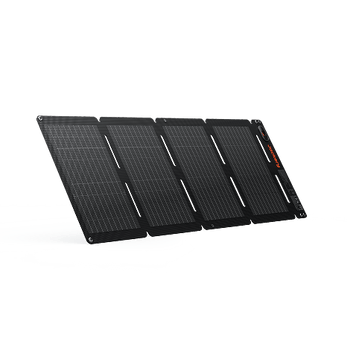
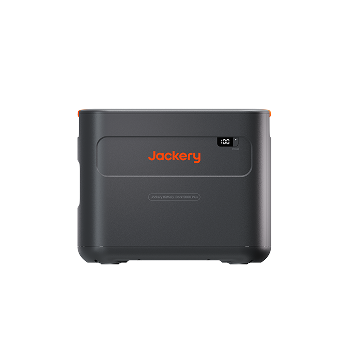
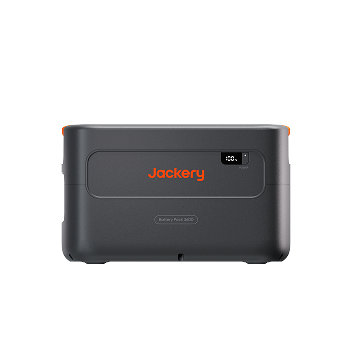
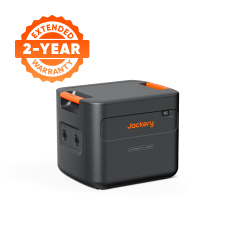
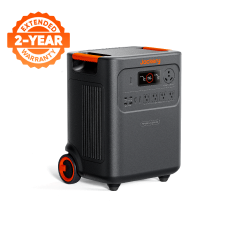
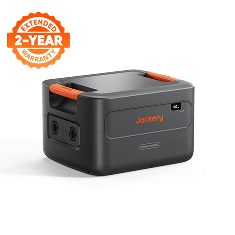
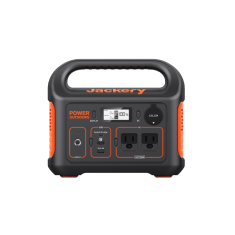
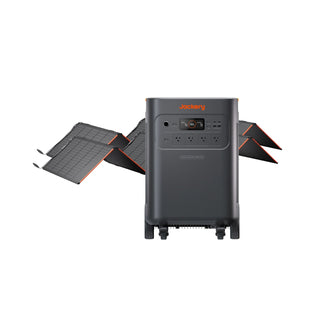
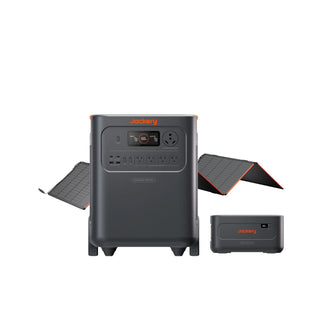
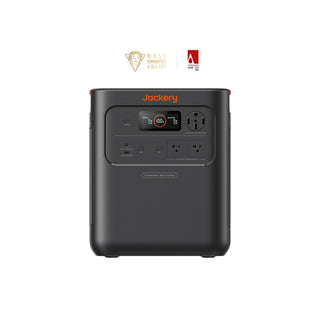
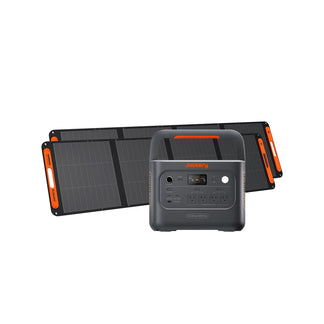
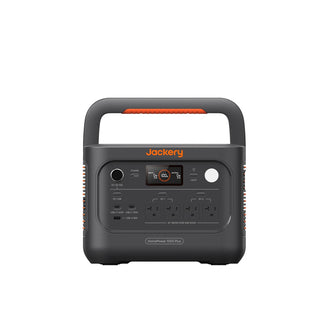
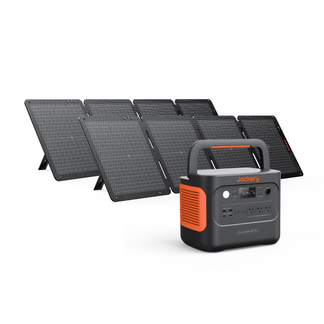
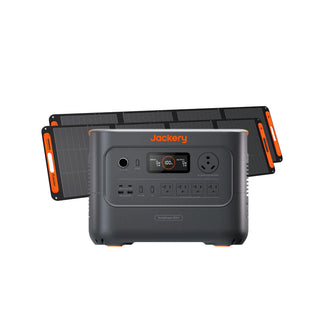
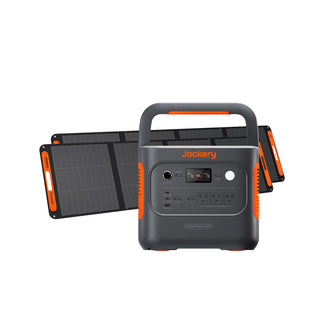
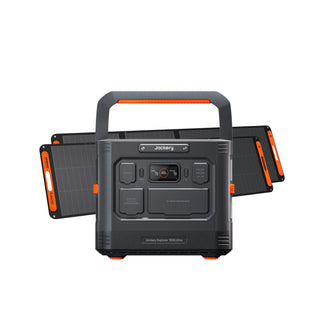
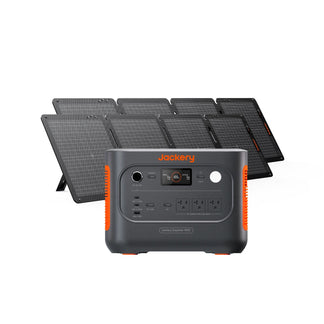
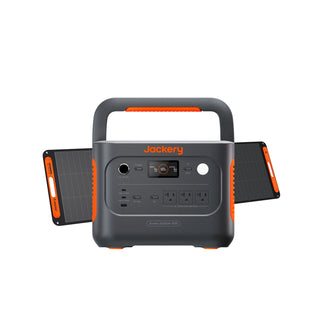
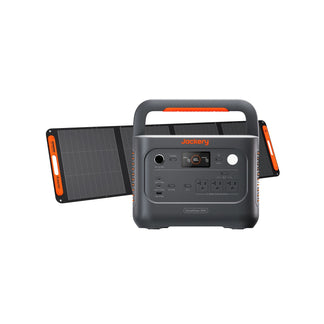
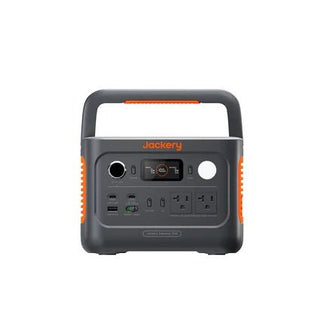
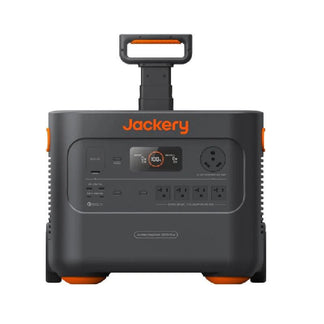
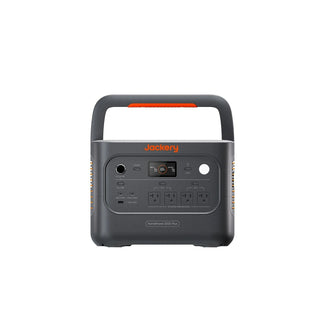
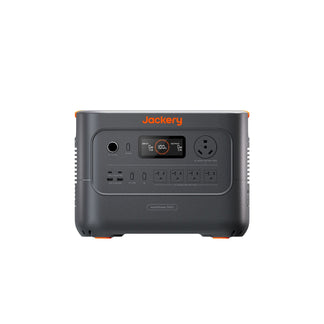
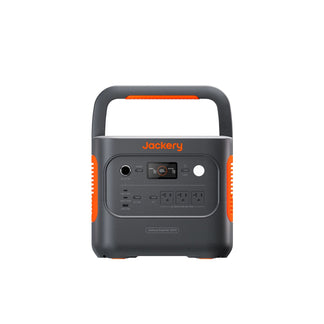
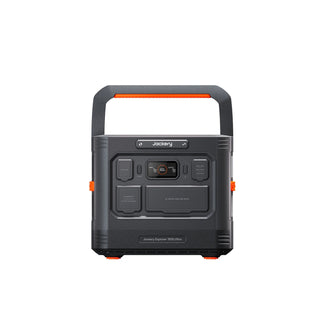
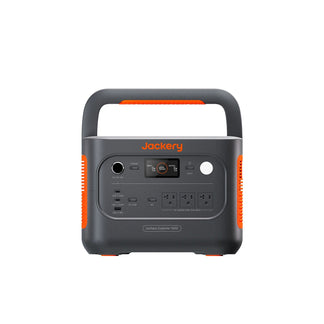
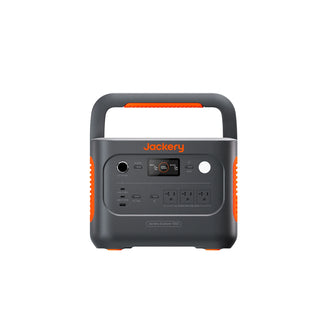
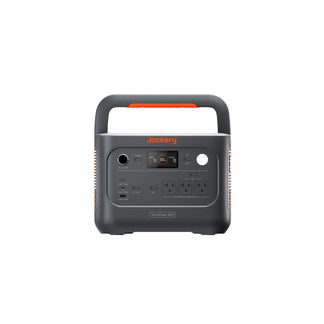
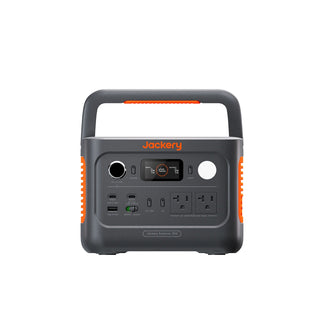
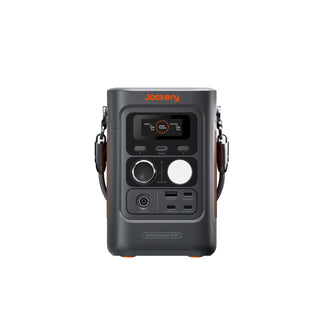
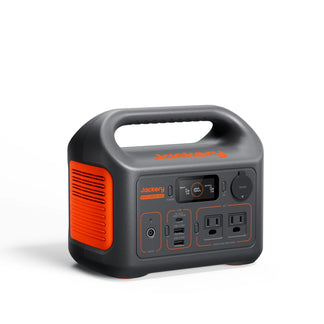
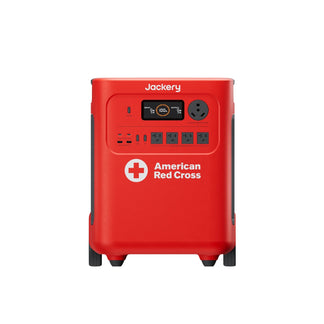
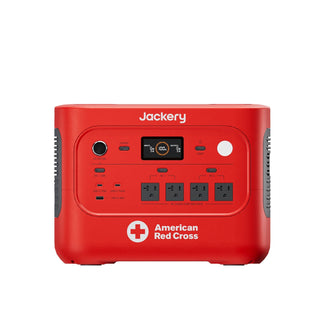
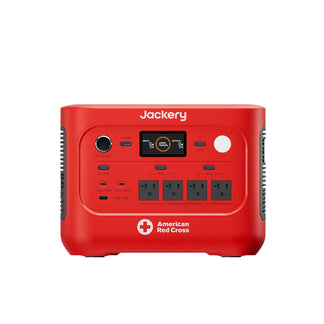
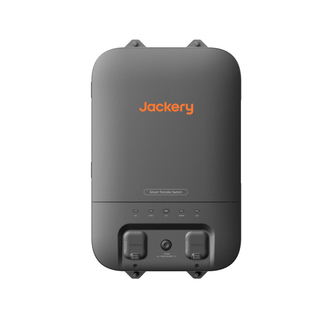
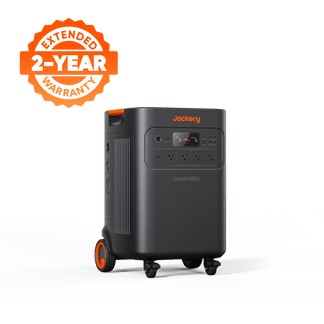
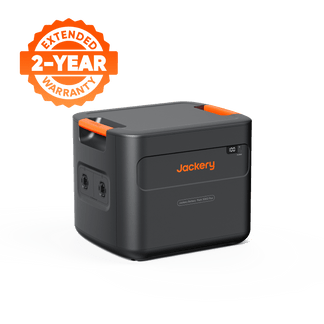
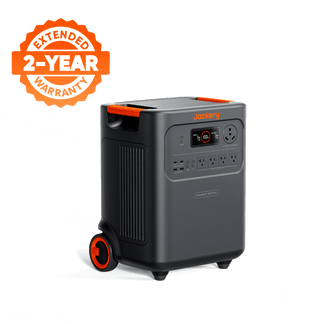
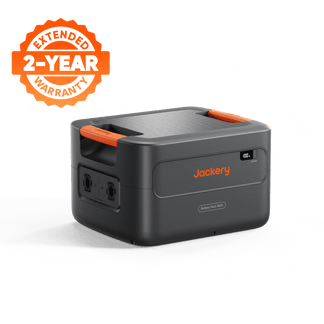
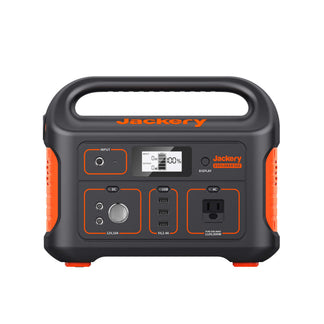
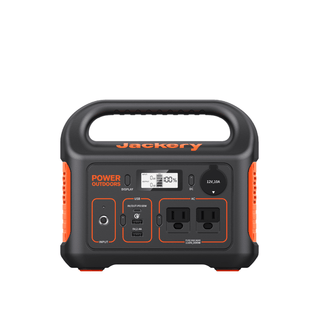
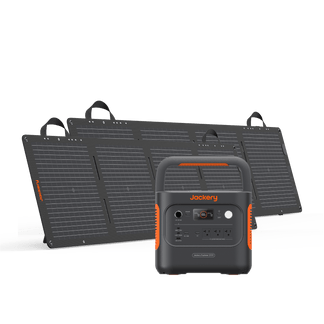
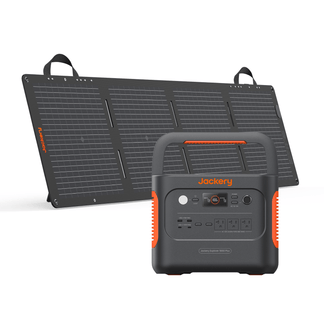
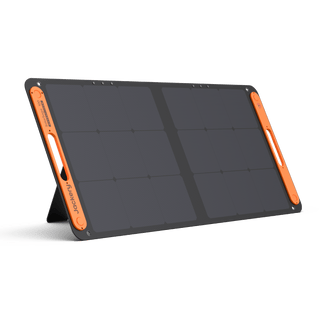
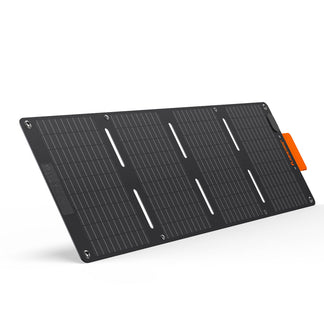
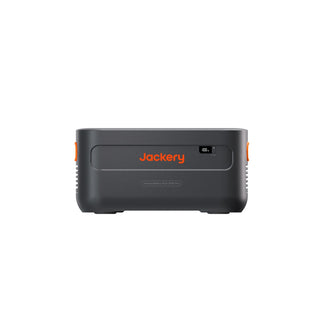
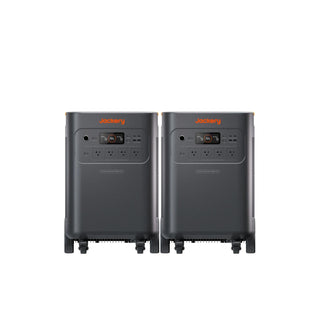
Knowing how many watts does a stove use becomes especially important when preparing for outages or off-grid living. Jackery Solar Generators can support stove-related needs when properly matched to the appliance’s electrical requirements, whether that means powering control systems, running lower-wattage heating methods, or supporting cooking during temporary grid interruptions. Choosing the right setup depends on stove type, usage patterns, and realistic energy expectations.
Takeaways
- Stove wattage ranges widely based on type: gas and pellet stoves use less electricity than electric or induction models.
- Electric and induction cooking can draw high power, especially during startup and high-heat settings.
- The cost to run a stove depends on wattage, cooking duration, and local energy rates.
- High-capacity Jackery Solar Generators can support stove-related cooking scenarios during outages and off-grid needs.
How Many Watts Does a Stove Use?
A stove can use anywhere from 100 watts to over 3000 watts, depending on the type and how it generates heat. Electric and induction stoves usually consume the most electricity, often ranging from 1200 to 3000 watts per burner during active cooking.
Gas stoves use much less electrical power because fuel provides the heat, with electricity mainly used for ignition or controls. Pellet stoves fall on the lower end as well, since power is primarily needed for fans and operating systems rather than direct heating elements. The actual consumption varies based on burner size, heat level, and cooking duration.
Small Domestic Stoves
A small and portable, or 2-burner domestic electric stove typically uses between 1000 and 2000 watts (1–2kW) per unit, with many common models averaging around 1500 watts.
Standard Domestic Stoves
A standard electric domestic stove typically uses between 2000 and 5000 watts for the oven, while a full unit with 4 burners and an oven can consume between 6000 and 8000 watts when fully in use.
Commercial Stoves
Commercial electric stoves typically use between 3000 and 12,000 watts, with high-performance units for restaurants often exceeding 10,000 watts (10kW). Individual heavy-duty burners commonly draw 2000–3000 watts.
The following table summarizes the average cost depending on how many watts a stove uses.
|
Stove Wattage |
Hours Used Per Year |
Yearly KWh Of Electricity |
|
2,000 W |
365 |
730 kWh |
|
2,400 W |
365 |
876 kWh |
|
2,800 W |
365 |
1,022 kWh |
|
3,200 W |
365 |
1,168 kWh |
|
3,600 W |
365 |
1,314 kWh |
|
4,000 W |
365 |
1,460 kWh |
|
4,400 W |
365 |
1,606 kWh |
|
4,800 W |
365 |
1,752 kWh |
How Many Watts Do Different Stoves Use?
Stoves typically use between 1000 and 5000 watts, with full-sized electric ovens and ranges consuming 2000 to over 12,000 watts (6000–8000W average). Individual burner wattage varies by size: small (6-inch) burners use 1000–1500W, while large (9-12-inch) burners use 2000–3000W. Induction cooktops are most efficient, running at 1000–3700W per burner.
Pellet Stoves
A pellet stove is different because it does not use gas or electricity as fuel. Instead, it uses pallets that are made from sawdust. They are efficient and portable. They use electricity to run the fan, which acts as an exhaust. Pellet stoves use 300 watts to 425 watts for ignition and 125 watts to around 200 watts when running.
Induction Stove
The induction stoves use electricity as fuel and heat the vessel directly instead of heating the air around it. They are efficient, fast, and easy to maintain. Induction stoves consume about 1000 to 2500 watts but are still efficient because they can cook food faster than gas stoves.
Gas Stove
Gas stoves are more traditional and very powerful cooking appliances. They are easy to use and can heat multiple burners at a time. Gas stoves run on natural gas or propane. However, many gas stoves have electronic ignition systems, oven lights, or other electrical components run by electricity. A gas stove's overall electricity consumption is 100-600 watts when in use.
Electric Stove
Electric stoves work on the principle of thermal conduction. These stoves heat the electric coils under the "burners." Electrodes consume about 2000 to 5000 watts set to the highest setting.
|
Types of Stoves |
Wattage |
|
Pellet Stove |
125-400 Watts |
|
Electric Stove |
1,000 - 3,000 Watts |
|
Gas Stove |
100-600 Watts |
|
Oven |
2,000 to 5,000 Watts |
How Much Does It Cost to Run a Stove?
Running a stove typically costs between $20 and $60 per year for gas and roughly $145 per year for electricity, with hourly costs ranging from $0.14 for a small burner to $0.45 for a full oven. Costs depend on local energy rates and usage. Monthly, this averages around $12 for electric, with induction being more efficient.
|
State |
Average Electricity Rate |
Cost Per Month |
Cost Per Year |
|
California |
22.00 ¢ / kWh |
$18.75 |
$225 |
|
New York |
20.59 ¢ / kWh |
$17.50 |
$210 |
|
Texas |
12.56 ¢ / kWh |
$10.67 |
$128 |
|
Massachusetts |
22.59 ¢ / kWh |
$19.25 |
$231 |
|
Florida |
12.21 ¢ / kWh |
$10.42 |
$125 |
|
Virginia |
12.58 ¢ / kWh |
$10.75 |
$129 |
|
New Jersey |
16.20 ¢ / kWh |
$13.83 |
$166 |
|
Maryland |
14.48 ¢ / kWh |
$12.33 |
$148 |
|
Washington |
10.38 ¢ / kWh |
$8.83 |
$106 |
|
US Average |
14.19 ¢ / kWh |
$12.08 |
$145 |
Jackery Solar Generators for Stoves
Cooking during an outage depends less on the appliance itself and more on having dependable power available when meals need to be prepared. Jackery Solar Generators provide an alternative to fuel-based setups by delivering quiet and portable energy that can support kitchen routines when the grid goes down.
Different solar generators suit different situations, from occasional meal preparation to longer disruptions, so selecting the right capacity helps ensure cooking remains manageable without constantly adjusting your entire household load. How long will Jackery run a stove will depend on the capacity of the solar generator and the wattage of the appliance.
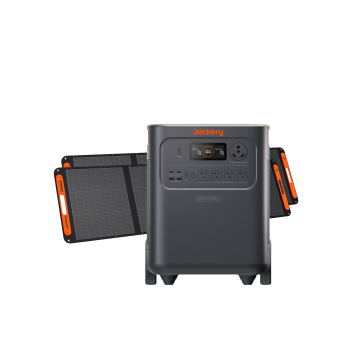
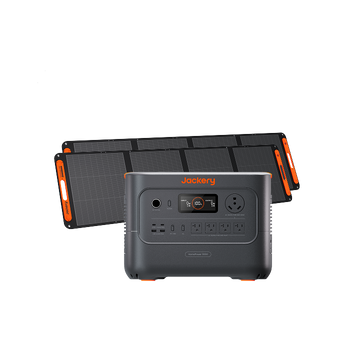
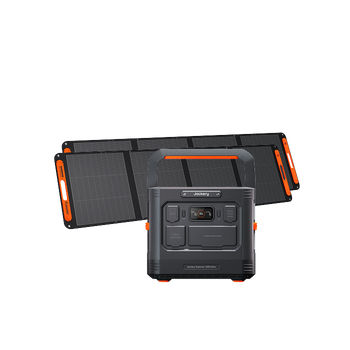
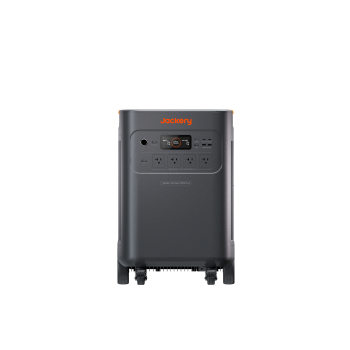
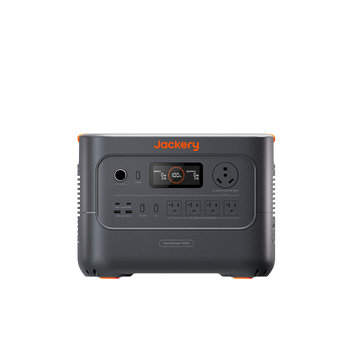
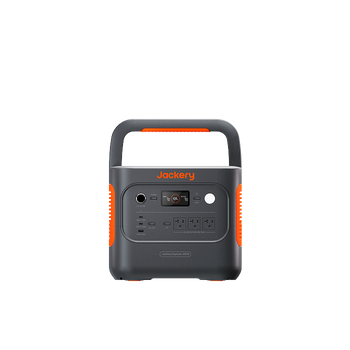
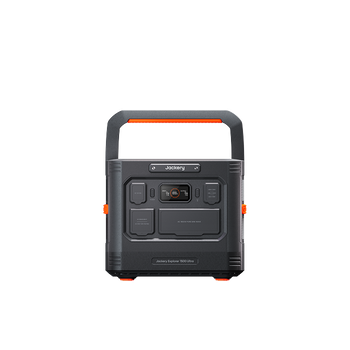
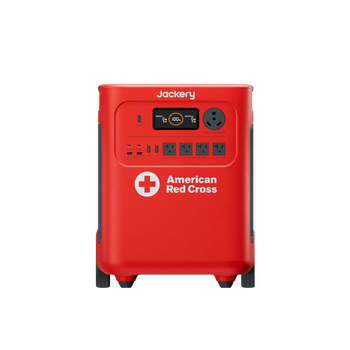
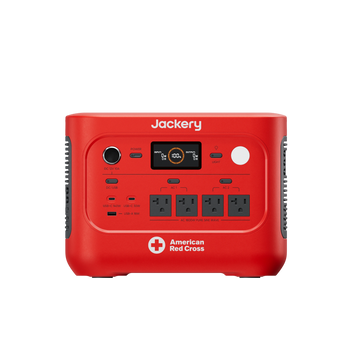
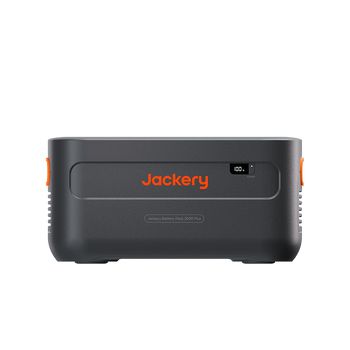
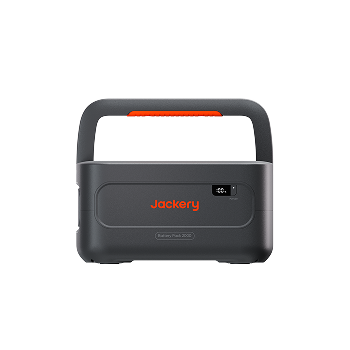
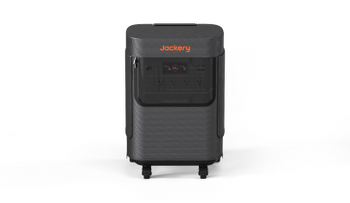
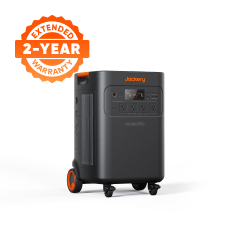
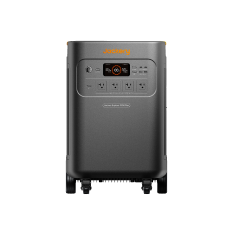
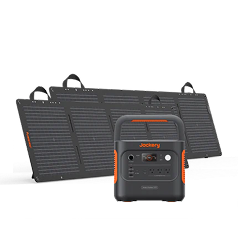
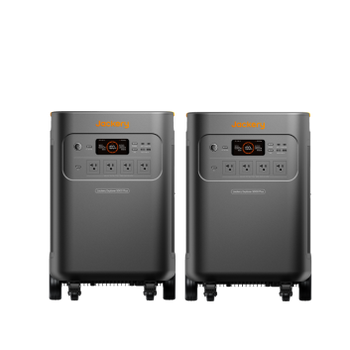
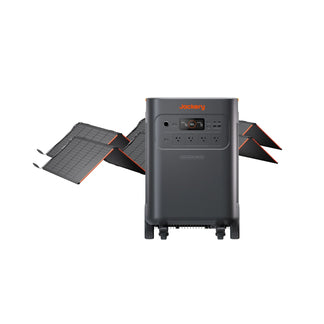
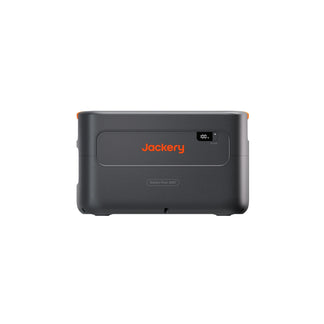
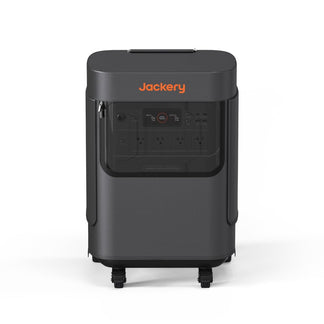
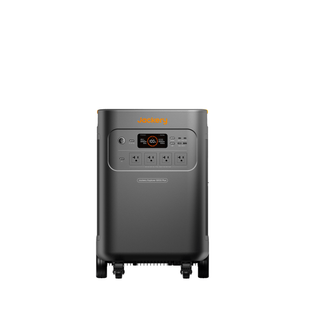
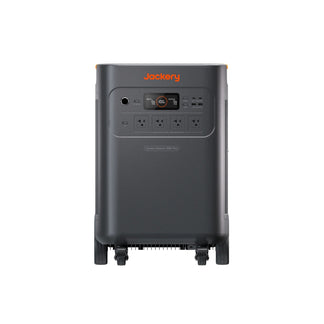
Jackery Solar Generator HomePower 3000
Jackery Solar Generator HomePower 3000 is an essential home backup solution that works best when cooking needs are occasional and planned during short outages. It supports meal preparation when one high-demand cooking session is needed while keeping other essential household circuits active. This makes it practical for households that want to maintain normal meal routines without relying on fuel-based options. It also has dual-sided handles so you can easily move the power station from the kitchen to the bedroom and even outdoor areas.
Appliances Running Time
- Pellet Stove (400W) = 6.2H
- Electric Stove (1500W) = 1.7H
- Gas Stove (200W) = 11.8H
- Oven (2500W) = 1.0H
Who Should Buy This
If you want reliable backup power for occasional cooking during outages while still running core home essentials, the Jackery Solar Generator HomePower 3000 is a balanced option.

Customer Review
Awesome for my needs! I live in a rural area and use Jackery products for camping, work, and power outages. The HomePower 3000 is an amazing addition to my Explorer 1500. The HomePower 3000 can also power my RV Trailer. Versatile and provides longer camp trips with the two solar panels as well.
— Joe M.
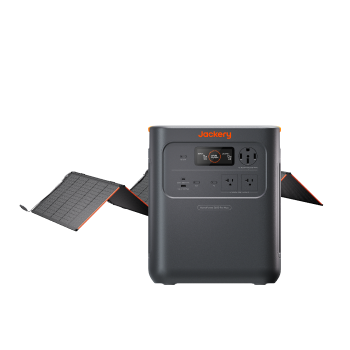
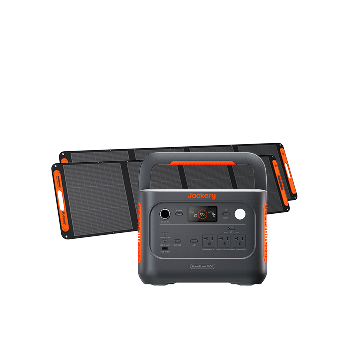
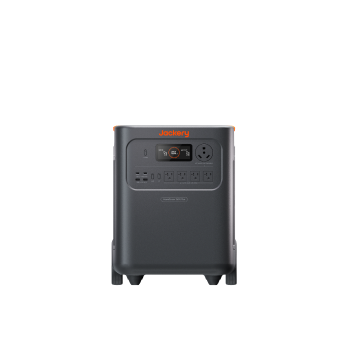
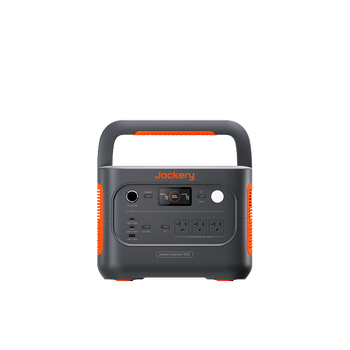
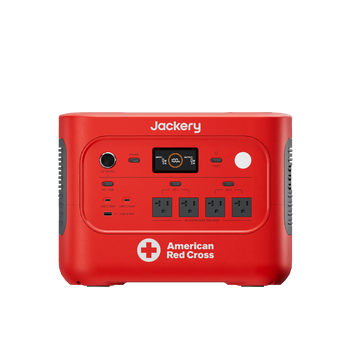
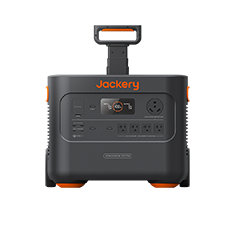
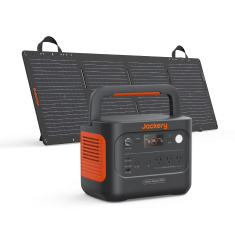
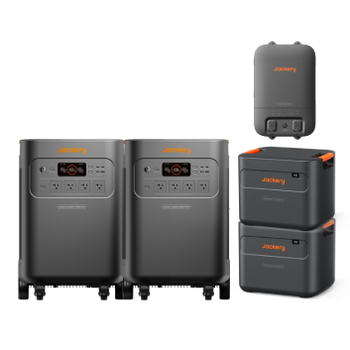
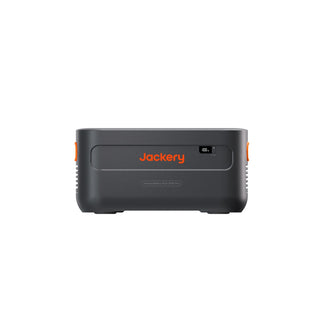
Jackery Solar Generator HomePower 3600 Plus
Jackery Solar Generator HomePower 3600 Plus is a home battery backup that is better suited for situations where cooking may happen multiple times during a day or alongside additional household needs. Its higher capacity gives more flexibility to schedule meals without immediately exhausting stored energy. This essential home backup becomes especially useful during longer outages, where maintaining regular cooking routines is part of staying comfortable and reducing disruption at home.
Appliances Running Time
- Pellet Stove (400W) = 7.2H
- Electric Stove (1500W) = 2.0H
- Gas Stove (200W) = 1.5H
- Oven (2500W) = 1.2H
Who Should Buy This
If you need more flexibility for repeated cooking sessions while maintaining other devices and household comfort, the Jackery Solar Generator HomePower 3600 Plus offers stronger runtime support.

Customer Review
I have only charged it once and then plugged in multiple appliances to check charging and drainage. So far, I am pleased. It charged up quickly using 120 and did not drain much when tested on a fridge, fan, and lamp, using it for power for half an hour.
— Vincent M.
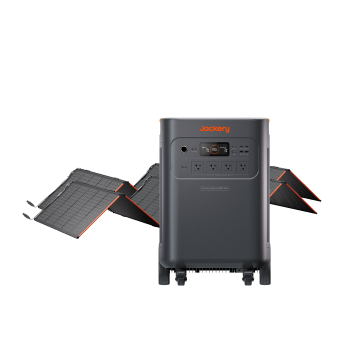
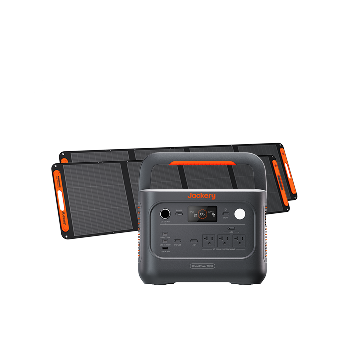
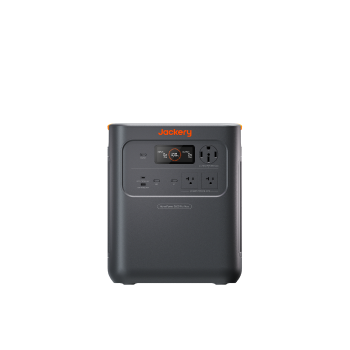
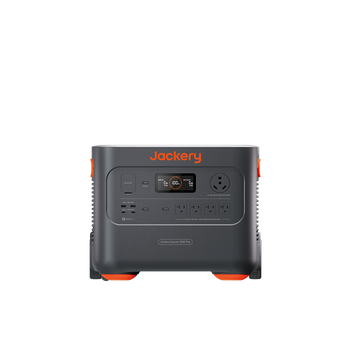
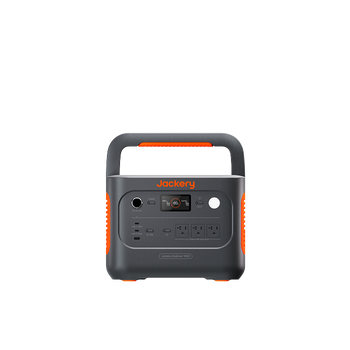
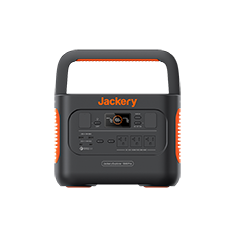
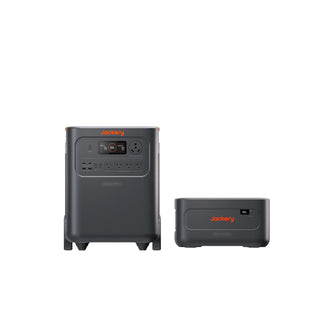
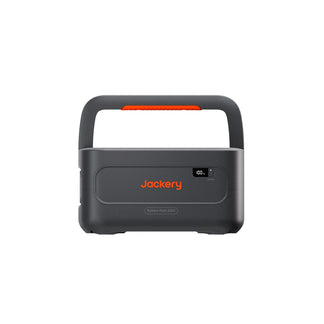
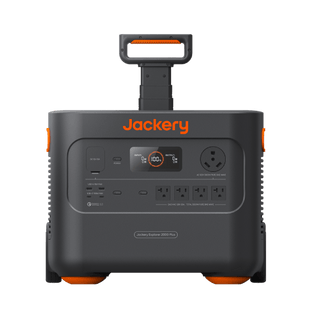
Jackery Solar Generator 5000 Plus
Jackery Solar Generator 5000 Plus is a premium essential home backup solution that fits scenarios where cooking is integrated into a broader home backup plan rather than treated as an occasional event. It enables high-demand meal preparation while simultaneously supporting essential circuits, such as refrigeration, lighting, and communication devices. This makes the Jackery Solar Generator 5000 Plus suitable for extended outages, where keeping everyday routines intact is a priority and energy management needs to feel less restrictive.
Appliances Running Time
- Pellet Stove (400W) = 9.5H
- Electric Stove (1500W) = 2.8H
- Gas Stove (200W) = 17.1H
- Oven (2500W) = 1.7H
Who Should Buy This
If you want the highest flexibility for powering cooking needs while also keeping multiple household systems running during longer outages, the Jackery Solar Generator 5000 Plus is the strongest fit.

Customer Review
I really like the system because it is relatively small and transportable, while still strong enough to support my house's critical power requirements.
— Robert K.
Like Franki Kalogianis, many people living in storm-prone areas discover that outages affect far more than lightning. After facing days without power during a Florida hurricane, she chose a Jackery product that kept key appliances running, including her refrigerator, air conditioning, TV, and microwave so life could continue normally even when the grid failed. The automatic and quiet transition removed the stress of managing fuel or equipment during emergencies. For Franki, preparedness meant turning storm season from a source of anxiety into something manageable. You can check out more real experiences like Franki in Jackery Stories.
What Factors Affect the Stove Wattage?
Stove wattage is primarily affected by the heating element size, stove type, and the temperature setting, typically ranging from 1000 to 3000 watts per burner and 2000 to 5000 watts for ovens. Usage duration, cookware material, and the number of burners used simultaneously also significantly influence total energy consumption.
Cooking Temperature
The temperature you cook on the stove impacts how many watts a stove uses. If you cook at a higher heat, it will consume more power. Conversely, it might mean you use the stove for a short period.
Cookware Size and Material
The material and size of cookware you use for cooking impact your stove's efficiency and power consumption. The larger the size, the more energy consumption. Also, the pots made of materials of better heat conductivity need less power.
Number of Burners in Use
The more burners are used, the more power it will consume. Each burner may have its power rating depending on its size, etc.
Type of Stove Top
Electric stoves consume more power, induction stoves require magnetic cookware, and gas stoves rely on natural gas/propane.
Stove Top Age and Condition
If you have a new stove or it is well maintained, it will consume less power than an older stove in poor condition. Regular maintenance and cleaning can optimize energy usage and reduce power requirements.
Stove Wattage FAQs
Do electric ovens use a lot of electricity?
Yes, electric ovens are considered high-energy appliances, typically consuming between 2000 and 5000 watts. While they do not run at max power constantly, a typical, moderate-use oven can consume over 1,000 kWh annually, making them one of the more expensive kitchen appliances to operate.
How many watts does the oven use?
An average oven usually uses between 900 and 3,500 watts. A domestic electric oven consumes an average power of 1500 watts. For detailed information, you can check out: How Many Watts Does an Oven Use.
What size of solar generator do I need to run a stove?
A 2000W to 5000W solar generator is recommended to run a standard electric stove. The size of the solar generator required to run a stove depends on the type and size of the stove. For more information, you can check out this blog: What Size Generator to Run Electric Stove & Its Diesel Running Cost.
Final Thoughts
Stoves do not have a single power requirement because their energy use depends heavily on heating method and technology. Understanding the differences between pellet, induction, gas, and electric stoves helps homeowners estimate running costs and plan realistic backup power solutions. With appropriately sized Jackery Solar Generators and careful energy planning, stoves can continue during outages or off-grid situations, helping maintain safe and reliable cooking options when grid power isn’t available.


