






![[Add-on] Jackery Battery Pack 5000 Plus - Jackery](http://www.jackery.com/cdn/shop/files/add-on-jackery-battery-pack-5000-plus-6713401.webp?v=1786503068&width=324)





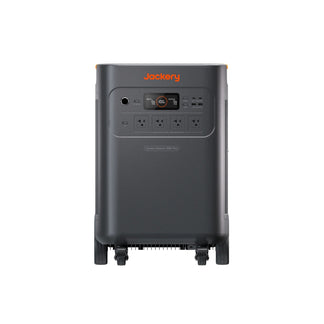
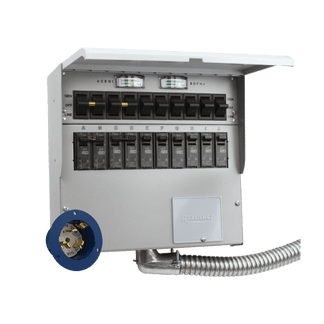


Electric stoves are high-wattage kitchen appliances designed to generate direct heat through electric coils or smooth-top elements. Depending on burner size and heat settings, an electric stove burner usually consumes between 1200 and 3000 watts, with larger burners drawing more power during preheating and high-temperature cooking. Since heat is produced electrically rather than through fuel combustion, power demand can be significant compared to many other household appliances.
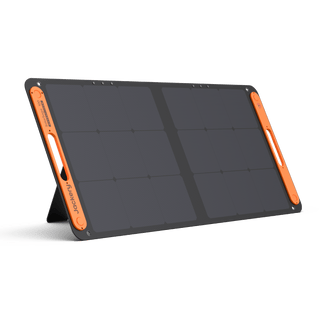
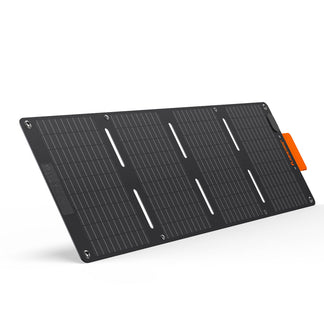
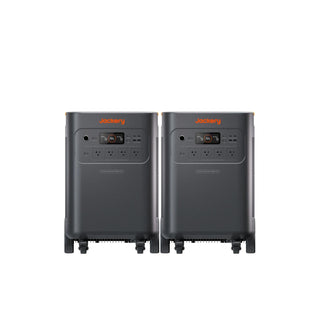
Understanding how many watts does an electric stove use is important when estimating cooking costs or planning for power outages. Since electric stoves require substantial energy, choosing an appropriately sized home battery backup solution is essential, and higher-capacity Jackery Solar Generators can help support certain cooking needs when power is managed carefully, and appliance demands are matched realistically to system capacity.
Takeaways
- Electric stoves typically use 1200 - 3000 watts per burner, depending on size and heat level.
- Power consumption of electric stoves is highest during preheating and high-temperature cooking.
- Running costs of electric stoves depend on cooking time, electricity rates, and how many burners are used simultaneously.
- Jackery Solar Generators can support limited electric stove use during unexpected power outages or even outdoor adventures.
How Many Watts Does An Electric Stove Use?
An electric stove typically uses between 1200 and 3000 watts for the oven, while individual burners consume 1000 to 3000 watts, averaging roughly 3000–6000 watts for total usage. Large burners often reach over 3000 watts, whereas smaller ones operate around 1200 watts.
However, even this estimate simplifies the matter as your electric stove uses different energy throughout its operation. When the stove starts, it consumes maximum energy to reach the desired temperature. After that, it needs less wattage to maintain the temperature. Similarly, the power consumption varies when you change the setting to low, medium, or high heat. So, tracking exact power consumption accurately takes a lot of work.
Definition Of Amps, Volts, Watts, Running Watts, Rated Watts, Watt-Hours.
As we go deep down into the details of how many watts electric stoves use, it is essential to revisit the basic technological terms. In the discussion, we will use watts, amps, volts, etc., so let us see what they mean.
Watt (W)
A Watt is a unit of electrical power that shows the rate at which energy is used or generated. Technically, one Watt is equal to one joule of energy per second.
Ampere (Amp)
An Ampere or Amp is a unit of electrical current. It shows the flow of electrons through a device or electric circuit. One Ampere is equal to the flow of one coulomb of charge in one second.
Volt (V)
A Volt is a unit of voltage, i.e., quantification for electrical potential difference. One Volt equals the potential difference when one joule of energy moves one coulomb of charge between two points in a circuit.
Watt-hours (Wh)
Watt-hours are used on your electric bill to measure your energy usage. It is the electricity consumption over time.
Electric Stove Amps
Electric stove amps are an essential factor in the power usage of a stove. An electric stove works at around 20-50 amps, depending on the size and type of the electric stove.
Electric Stove Watts
Electric stoves consume between 1000 and 3000 watts (W), depending on several factors.
What Factors Affect the Watts of an Electric Stove Use?
The wattage an electric stove uses is primarily affected by the burner size (larger burners use 2000–3000W, smaller ones 1000–1500W), heat settings (high vs. low), duration of use, and stove type (induction vs. coil). Other key factors that affect the wattage consumption of the electric stoves include the number of active burners, cookware compatibility, and the oven’s preheat/usage.
How many watts an electric stove uses depends on its size, usage patterns, and brand. Generally, a typical electric stove can consume between 1000 and 3000 watts of power in the highest setting. This means that using the stove (1000W) for one hour will consume 1 kilowatt-hour (kWh). So, if you run the furnace daily for a month, the power consumption goes up to 30-40 kWh.
The amps are critical in considering how many watts an electric stove uses. Though the wattage determines the overall power consumption, the amps affect the load on your circuit. On average, an electric stove uses around 20-50 amps, depending on the size and type. A regular stovetop uses about 48 amps, so it is essential to ensure that your circuit can handle the load of the electric stove before plugging it in.
Electric Stoves Wattage Hours of Use per Day Total Energy Use Total Energy Cost
- 2,000 W 1 Hour 730 kWh / year $100.156 / year
- 2,500 W 2 Hours 912.5 kWh / year $125.195 / year
- 3,000 W 3 Hours 1095 kWh / year $150.234 / year
- 3,500 W 4 Hours 1277.5 kWh / year $175.273 / year
- 4,000 W 5 Hours 1460 kWh / year $200.312 / year
- 4,500 W 6 Hours 1642.5 kWh / year $225.351 / year
- 5,000 W 7 Hours 1825 kWh / year $250.39 / year
|
Electric Stove |
Rated Watts |
Length of Time Powered (hours) |
Estimated energy needed daily (Watt-hours) |
|
Stove 1 |
1000 |
1 Hour |
1000 Wh |
|
1.5 Hours |
1500 Wh |
||
|
2 Hours |
2000 Wh |
||
|
Stove 2 |
1500 |
1 Hour |
1500 Wh |
|
1.5 Hours |
2250 Wh |
||
|
2 Hours |
3000 Wh |
||
|
Stove 3 |
1800 |
1 Hour |
1800 Wh |
|
1.5 Hours |
2700 Wh |
||
|
2 Hours |
3600 Wh |
||
|
Stove 4 |
2000 |
1 Hour |
2000 Wh |
|
1.5 Hours |
3000 Wh |
||
|
2 Hours |
4000 Wh |
||
|
Stove 5 |
2500 |
1 Hour |
2500 Wh |
|
1.5 Hours |
3750 Wh |
||
|
2 Hours |
5000 Wh |
||
|
Stove 6 |
3000 |
1 Hour |
3000 Wh |
|
1.5 Hours |
4500 Wh |
||
|
2 Hours |
6000 Wh |
How Long Can Jackery Run an Electric Stove
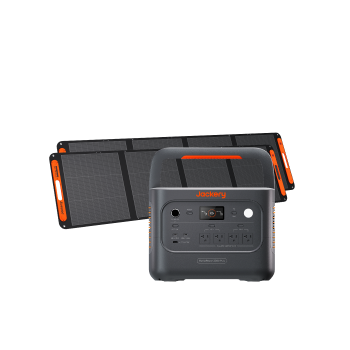
Electric cooking during a power outage requires more than just backup energy. You will need the right level of output and battery capacity to handle high heat demands safely and realistically. Jackery Solar Generators offer scalable options that can support electric cooking in planned scenarios, whether for short meal preparation or as part of a broader home resilience strategy. Choosing the correct solar generator size depends on burner wattage, cooking duration, and what other appliances are running at the same time.
How long will a Jackery run a stove depends on the stove’s wattage and the generator’s battery capacity. For example, if a burner draws 2000 watts and runs for 30 minutes, it consumes about 1000Wh. The runtime varies by Jackery model and load conditions, so the most accurate way to estimate usage is by using the Running Time Calculator on the Jackery Buying Guide page, which helps match stove wattage with available battery capacity for realistic expectations.
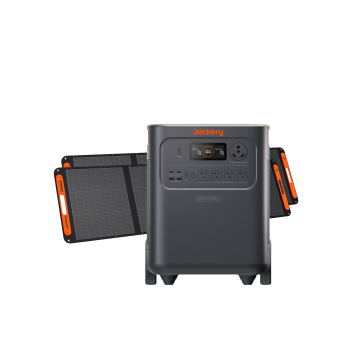
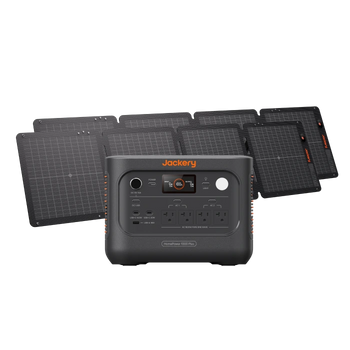
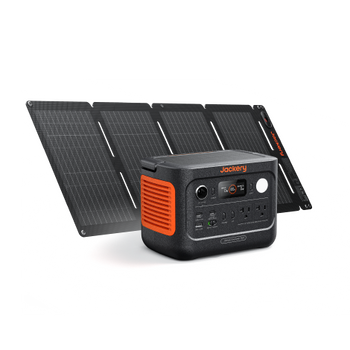
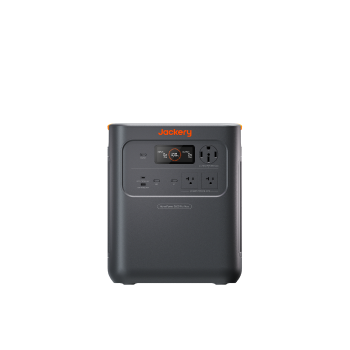
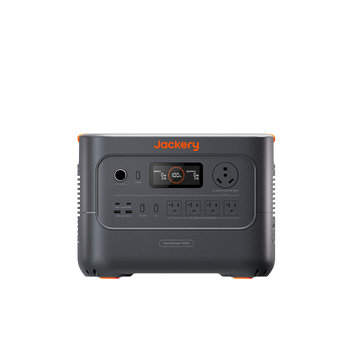
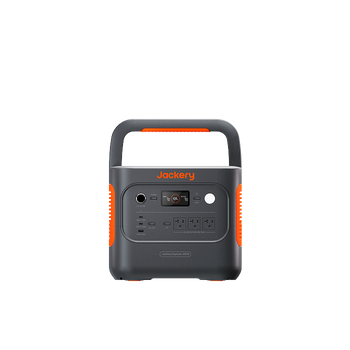
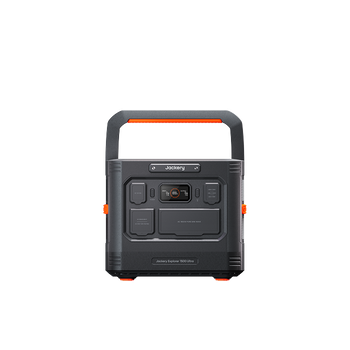
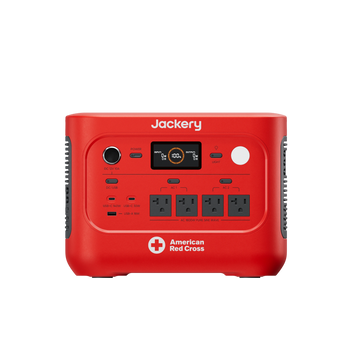
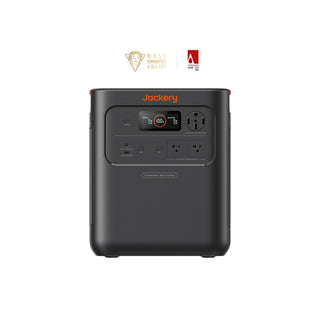
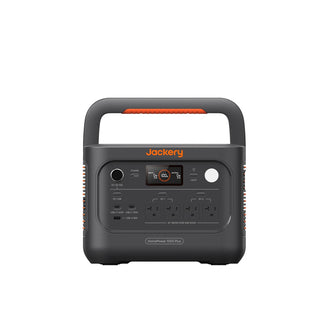
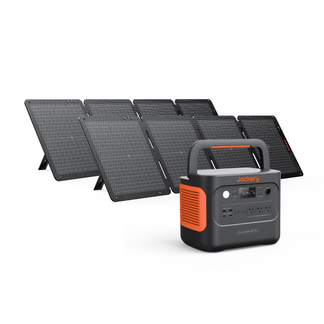
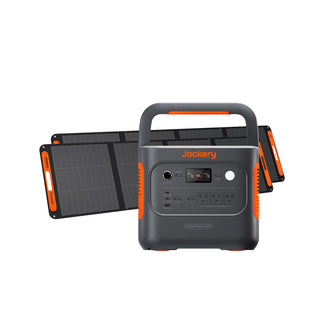
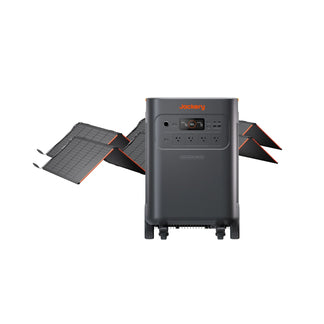
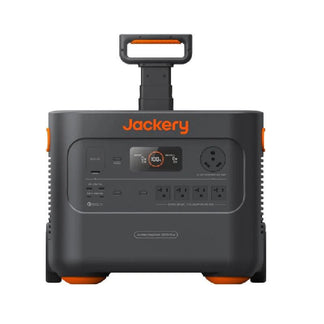
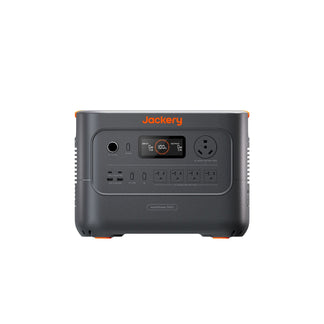
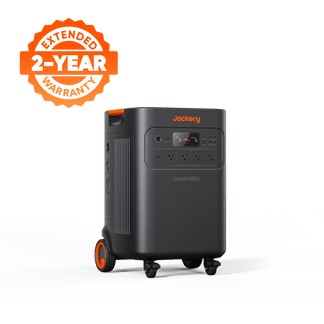
Jackery Solar Generator HomePower 3000
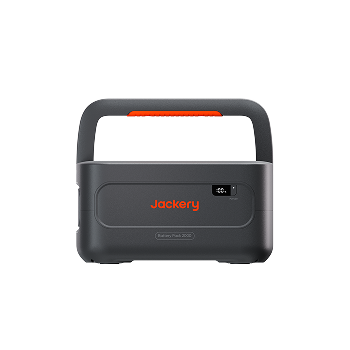
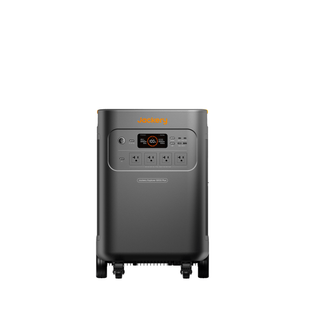
Jackery Solar Generator HomePower 3000 is ideally suited for planned, short cooking sessions during temporary outages. It can support a single high-demand cooking cycle, allowing households to prepare a hot meal without switching to fuel-based alternatives. It can also run other essential household appliances, such as refrigerators, TVs, heaters, etc., to maintain comfort during long-term power outages. It also features dual-sided handles for easier transportation from one room to another or even to outdoor locations where electrical access is not available.
Appliances Running Time
- Refrigerator (300W) = 8.1H
- TV (150W) = 15.2H
- Electric Stove (1200W) = 2.1H
- Portable Induction Cooktop (1800W) = 1.4H
- Electric Oven (2000W) = 1.3H
Who Should Buy This
If you want occasional electric cooking capability during brief outages, the Jackery Solar Generator HomePower 3000 is a practical solution.

Customer Review
I live in Florida. We purchased the Home Power 3000 to have for the next inevitable hurricane! During the winter, we plan to do several trial runs to see how long it will power our freezer and refrigerator. Have a window unit AC in my garage that I plan to run with this device next summer.
— Eugene M.
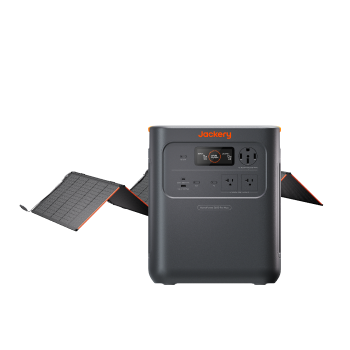
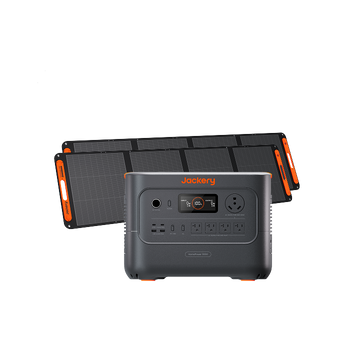
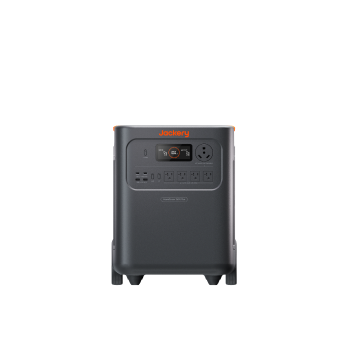
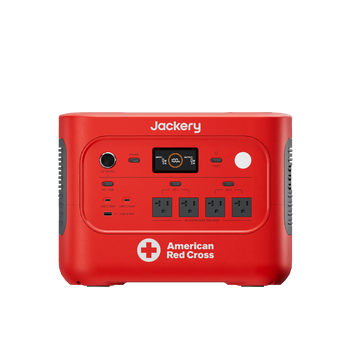
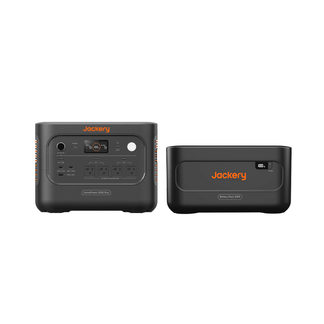
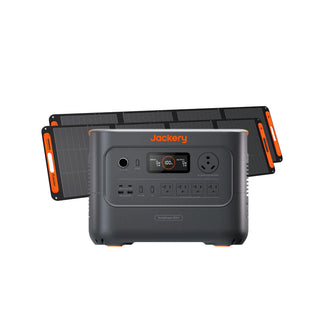
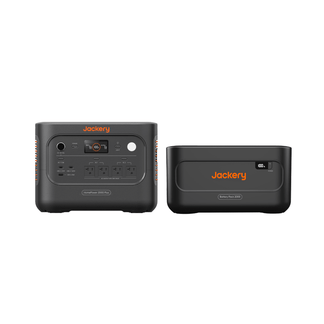
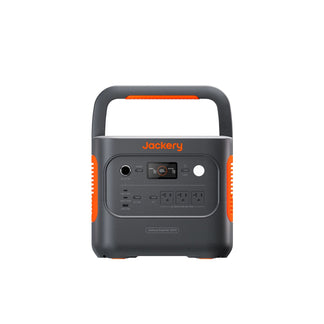
Jackery Solar Generator HomePower 3600 Plus
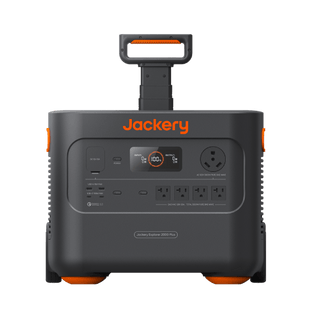
Jackery Solar Generator HomePower 3600 Plus is an essential home backup solution that offers more flexibility for electric cooking during longer disruptions. It allows scheduled meal preparation while still maintaining selected household circuits, reducing the need to fully power down other essentials. When expanded with additional battery capacity, it becomes more adaptable for multiple cooking sessions across the day, making it suitable for homes that want continuity rather than emergency-only usage.
Appliances Running Time
- Refrigerator (300W) = 9.5H
- TV (150W) = 17.7H
- Electric Stove (1200W) = 2.5H
- Portable Induction Cooktop (1800W) = 1.7H
- Electric Oven (2000W) = 1.5H
Who Should Buy This
If you expect to cook more than once during an outage and want greater runtime flexibility without constantly recalculating load limits, the Jackery Solar Generator HomePower 3600 Plus provides a better balance.

Customer Review
We love our Jackery 3600 plus - fast and easy to charge - solar and from an outlet. We’ve been testing it at home and feeling confident we will be able to rely on it if we have a power outage this spring during the ‘tornado‘ season. Thank you so much!
— Lisa S.
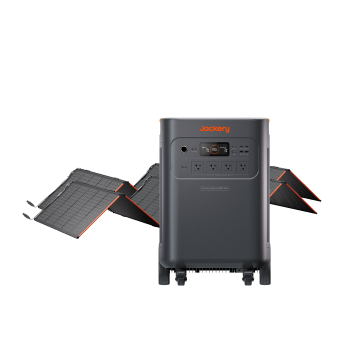
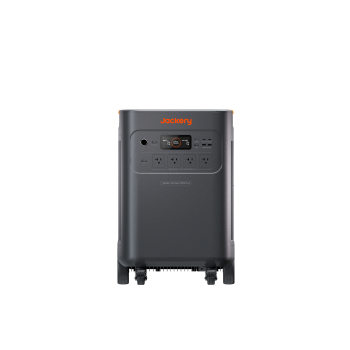
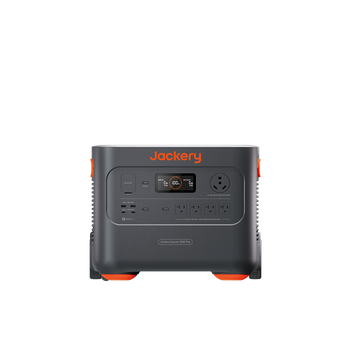
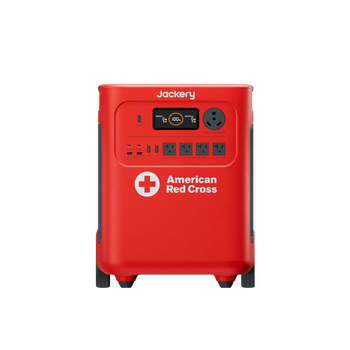
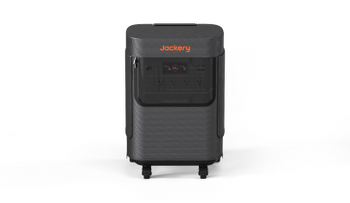
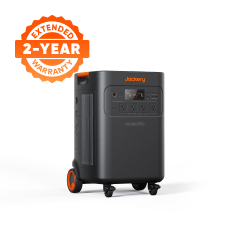
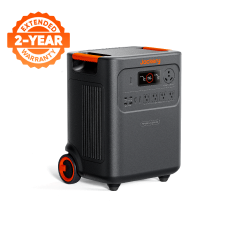
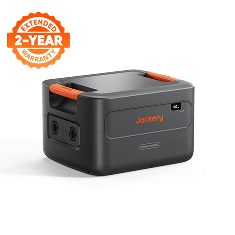
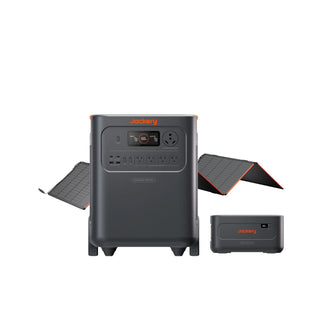
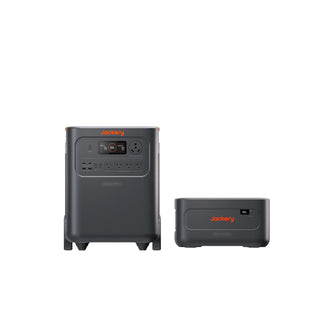
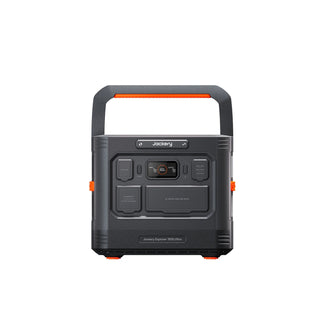
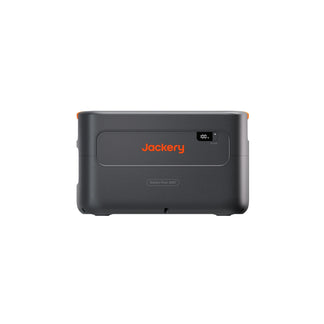
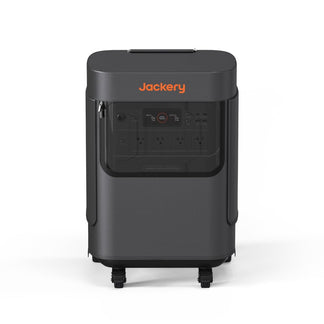
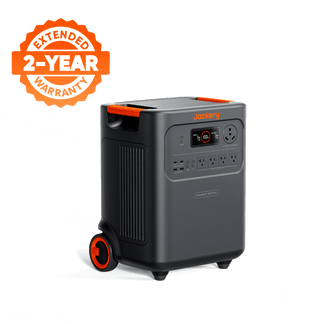
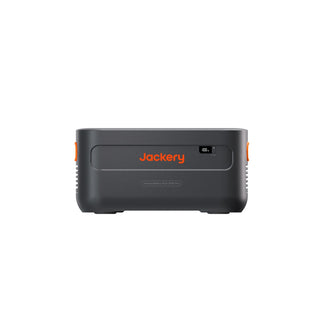
Jackery Solar Generator 5000 Plus
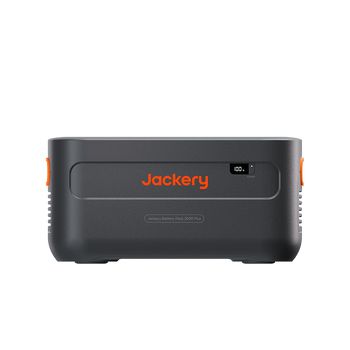
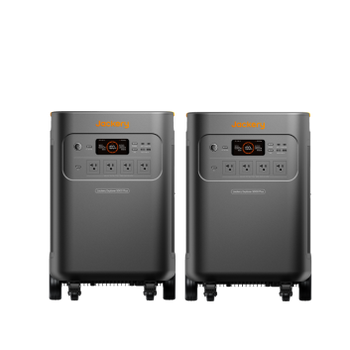
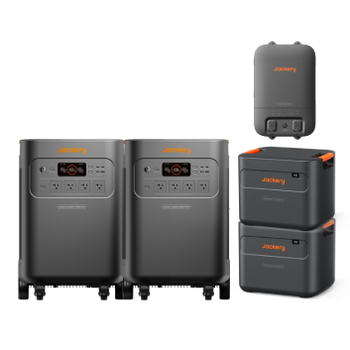
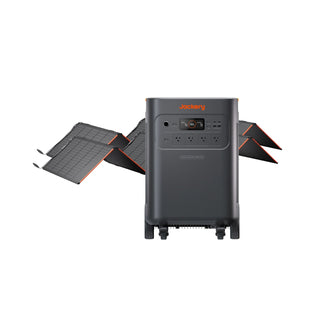
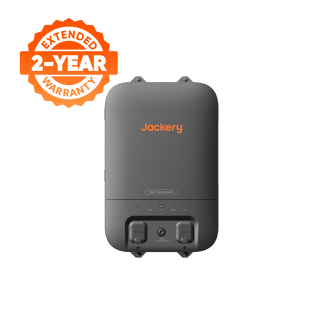
Jackery Solar Generator 5000 Plus is an essential home battery backup solution designed for scenarios where electric cooking is part of a broader resilience plan. With higher output and expandable capacity, it can accommodate electric cooking while simultaneously supporting other priority circuits. This makes it appropriate for extended outages where maintaining normal kitchen routines contributes to stability and comfort rather than short-term emergency fixes. It also supports dual-voltage, so you can run appliances running at 120V or 240V.
Appliances Running Time
- Refrigerator (300W) = 12.2H
- TV (150W) = 21.4H
- Electric Stove (1200W) = 3.4H
- Portable Induction Cooktop (1800W) = 2.3H
- Electric Oven (2000W) = 2.1H
Who Should Buy This
If maintaining electric cooking capability during long outages is important and you want maximum flexibility alongside other household systems, the Jackery Solar Generator 5000 Plus offers more capacity.

Customer Review
I really like the system because it is relatively small and transportable, while still strong enough to support my house's critical power requirements.
— Robert K.
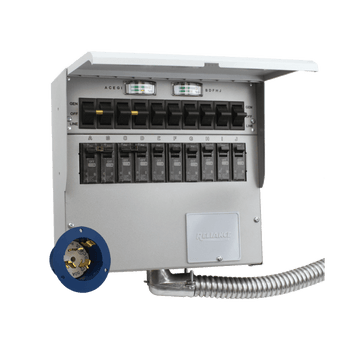
In storm-prone Florida, Franki Kalogianis learned that a blackout impacts far more than just the lights. Days without electricity meant no refrigeration, no air conditioning, no TV, and no microwave. After installing a Jackery Solar Generator, those essentials stayed powered even when the grid went down. The automatic, silent switchover eliminated the need to handle fuel or noisy generators during emergencies. What once triggered anxiety during storm season is now something she approaches with far greater control. You can read more real customer experiences in Jackery Stories.
Conclusion
Electric stoves provide reliable cooking performance but require substantial power compared to smaller kitchen appliances. Understanding how many watts does an electric stove use helps estimate operating costs and set realistic expectations for backup power planning. With properly sized Jackery Solar Generators, certain electric stove cooking tasks can still be supported during outages, helping households maintain meal preparation when grid power is unavailable.


